





Kids Fiber Gummies For Healthy Snacks
(0 Results)
Kids fiber gummies for healthy snacks could be a convenient way to add variety to your child’s daily routine. These tasty, chewy options may fit easily into lunchboxes or after-school snack time, offering a fun alternative to traditional choices. With flavors and shapes designed to appeal to kids, fiber gummies might make snack time something everyone can look forward to. Explore the selection of kids fiber gummies for healthy snacks and discover options that could support your family’s on-the-go lifestyle.
-
-

-

-
-
-

-

-
 $17.99
 -
 $22.99
 -
 $15.99
 -
 $15.99


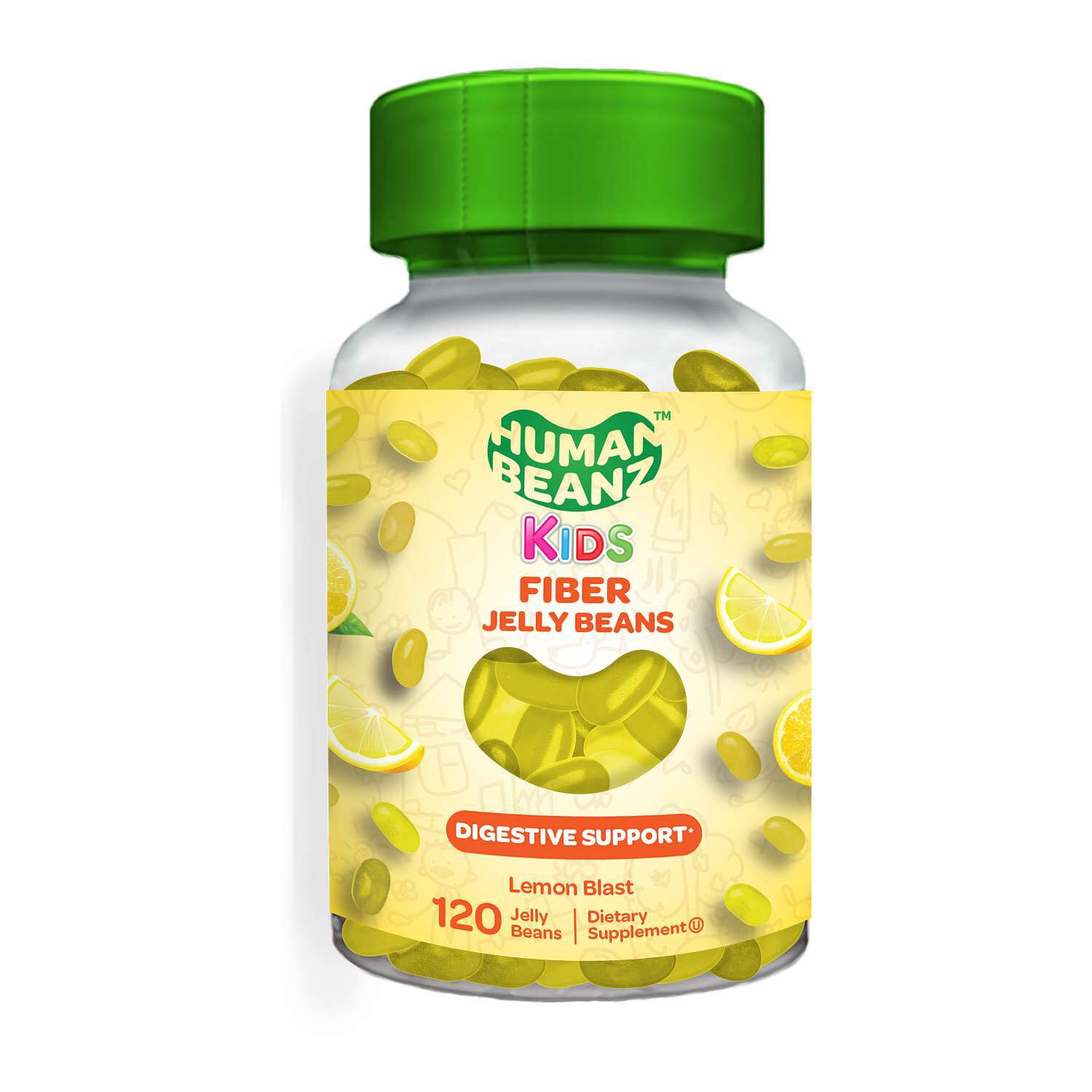


Kids fiber gummies are chewable dietary supplements that provide fiber in a flavored gummy format designed for children within a labeled age range. Although they often appear alongside searches for healthy snacks, they are supplements rather than snack foods, and their serving directions differ from those of fruit, crackers, or other everyday foods. For parents and caregivers comparing kids fiber gummies, the most useful distinctions include the amount of fiber per serving, the number of gummies in that serving, the fiber source, and the age directions printed on the package. A larger gummy or a larger bottle does not necessarily mean more fiber per serving. Two formulas with similar fruit flavors can have different ingredients and serving sizes, so the Supplement Facts panel offers a clearer comparison than appearance alone. Gummy supplements may offer a convenient way to include supplemental fiber in a family’s routine, but they do not replace the variety of nutrients and textures found in meals and snacks. Pear slices, oatmeal, beans, berries, and whole-grain bread each bring something different to the table beyond fiber alone. A snack plate with sliced fruit and whole-grain toast remains a different kind of eating experience from a measured supplement serving. This distinction matters when choosing something for a lunchbox, an after-school snack, or an adult-managed supplement routine at home. Kids fiber gummies belong in that last category, even when their shapes and flavors resemble familiar treats. Their intended audience is children who fall within the manufacturer’s stated age range, with an adult responsible for reading and following the package directions. Age ranges vary, and a gummy labeled for older children should not be assumed to suit a younger sibling. Clear age labeling, understandable directions, and an ingredient list that fits the household’s preferences make practical starting points for comparing these supplements without relying on colorful packaging or candy-like presentation.
Ingredients account for many of the differences among children’s fiber gummies. Formulas can contain fiber sources such as inulin, chicory root fiber, or soluble corn fiber, along with ingredients that create the gummy’s shape, flavor, and texture. Some labels describe a fiber ingredient as prebiotic; that description does not identify how many grams of fiber are in a serving or whether the formula also contains other supplement ingredients. Those details belong in the ingredient list and Supplement Facts panel. Pectin and gelatin are common gelling ingredients, and the distinction is relevant to households comparing plant-based and animal-derived ingredients. A pectin-based texture alone does not establish that every ingredient meets a particular dietary preference, so the full formula matters more than a single front-label feature. Fruit flavors may come from different sources, and a strawberry or orange flavor does not make a gummy equivalent to a serving of fruit. Sweeteners, added sugars, colors, and coatings also vary. Some formulas use sugar, some use alternative sweeteners, and others combine several ingredients to create their taste and chew. Comparing added sugars at the labeled serving size gives that information useful context. A formula requiring three gummies deserves a serving-to-serving comparison with one requiring two, rather than a comparison of individual pieces. For example, a two-gummy serving containing three grams of fiber is different from a three-gummy serving containing that same amount, even though the fiber amount matches. Neither the piece count nor the flavor alone explains the formula. Texture is another practical consideration: gummies can be firmer, softer, smooth, or lightly coated, and personal preferences differ. Descriptions of chewiness are useful shopping details, but they should not replace the package’s age directions. For families with ingredient exclusions, the package’s ingredient and allergen information deserves attention alongside flavor. Familiar fruit imagery, a plant-based description, or a short ingredient list does not answer every question about how a supplement fits a household’s requirements.
Everyday handling matters just as much as flavor when comparing kids fiber gummies for a family routine. Unlike a powdered supplement, a gummy has a set amount of fiber per piece, with the labeled serving built around a specified number of pieces. That format may appeal to caregivers who prefer counting a serving rather than measuring a powder, although directions still vary by formula. Bottle count and serving count are not interchangeable: a container holding sixty gummies contains thirty servings when the labeled serving is two gummies. Reading both figures gives a more accurate picture of the package than judging its size on a shelf. The container also holds important details, including storage instructions, the expiration date, and any directions about closing the lid. Keeping gummies in their original packaging preserves access to that information and distinguishes them from ordinary snacks. A shared candy jar or an unmarked food container removes that context, especially in a household with children of different ages. Storage according to the label, a securely closed container, and adult-controlled access are practical considerations for this supplement format. Gummies are not designed for casual handfuls or repeated servings whenever a child wants something sweet. An adult-managed routine, separate from the snack bowl, keeps the purpose of the supplement clear. For a caregiver organizing breakfast, packing school lunches, and setting out an afternoon snack, that separation also keeps supplement directions from getting lost among ordinary food choices. Fruit, vegetables, whole grains, and other foods still offer the variety that defines everyday snacking; a gummy supplement has a narrower role. The related Kids Fiber Gummies for Summer Wellness collection offers another way to browse this supplement category. Across these collections, useful comparison points remain consistent: labeled age range, fiber grams per serving, gummy count per serving, ingredient preferences, flavor, texture, and storage requirements. Choosing with those details in mind keeps attention on what the label actually says and how the format fits an adult-supervised routine, rather than treating a sweet flavor as the main measure of suitability.


 Chewable Tablets_Front.jpg?sw=305&sh=305&sm=fit "ChildCalm - 60 Chewable Tablets (30 Servings) | GNC")


