





Kids Fiber Gummies For Summer Camp
(0 Results)
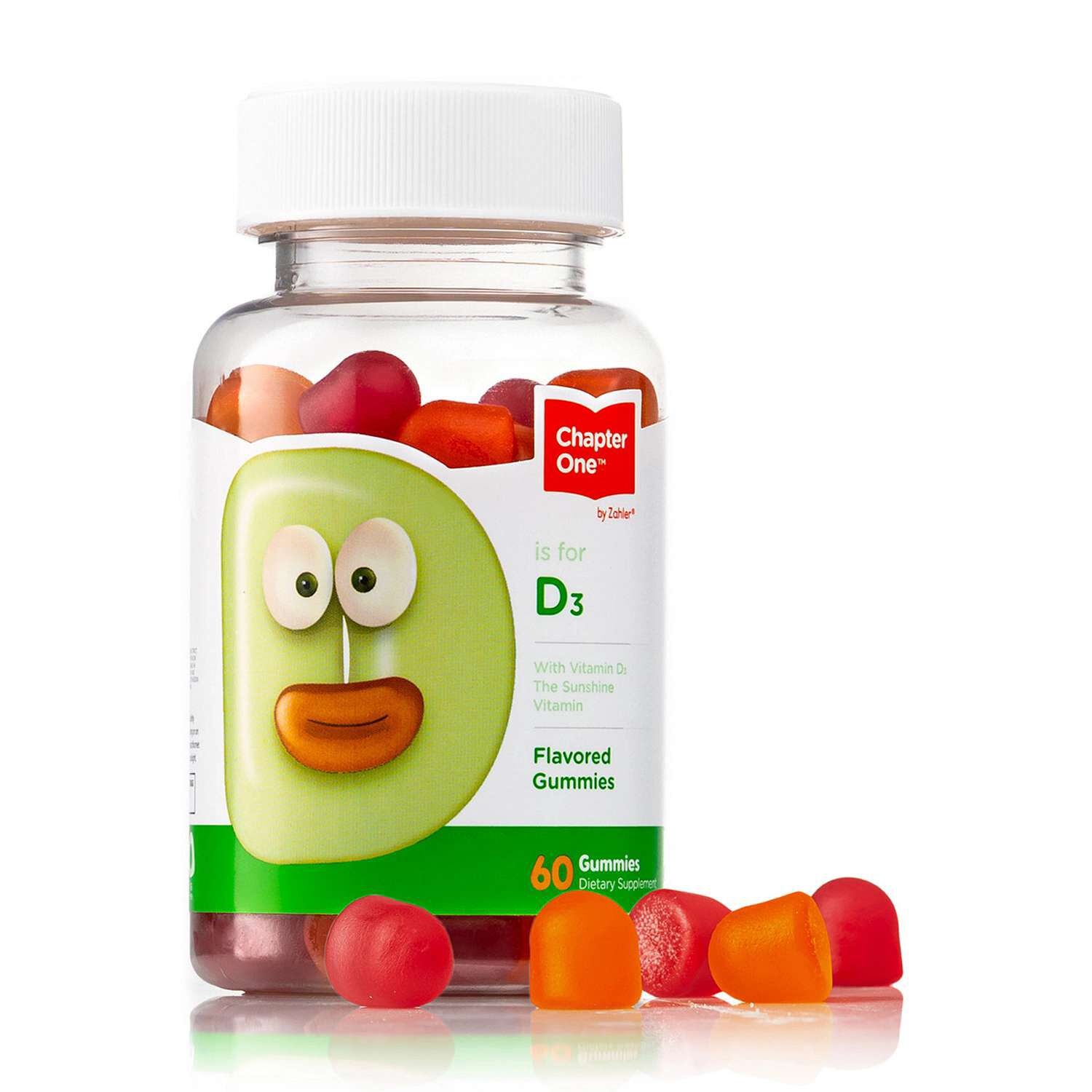
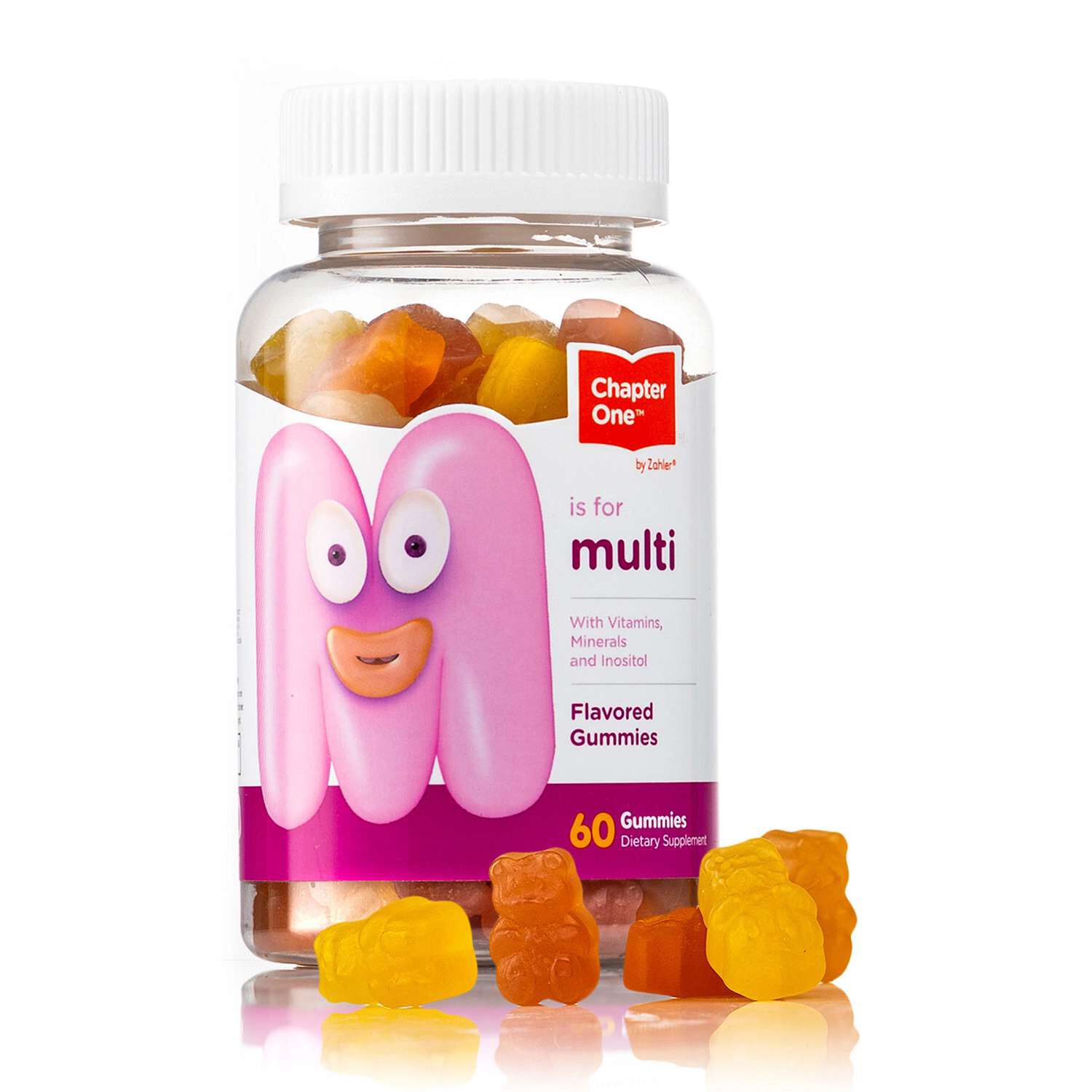
Kids fiber gummies for summer camp could be a convenient addition to your child’s daily routine while they’re away from home. These tasty gummies may fit easily into care packages or backpacks, making them simple to pack for camp adventures. With fun shapes and flavors, kids fiber gummies for summer camp might offer an approachable way to support your child’s wellness goals during their busy days outdoors. Explore options that could help make nutrition a little easier while your child enjoys everything summer camp has to offer.
-
-

-

-
-

-

-

-
 $17.99
 -
 $22.99
 -
 $16.99
 -
 $15.99


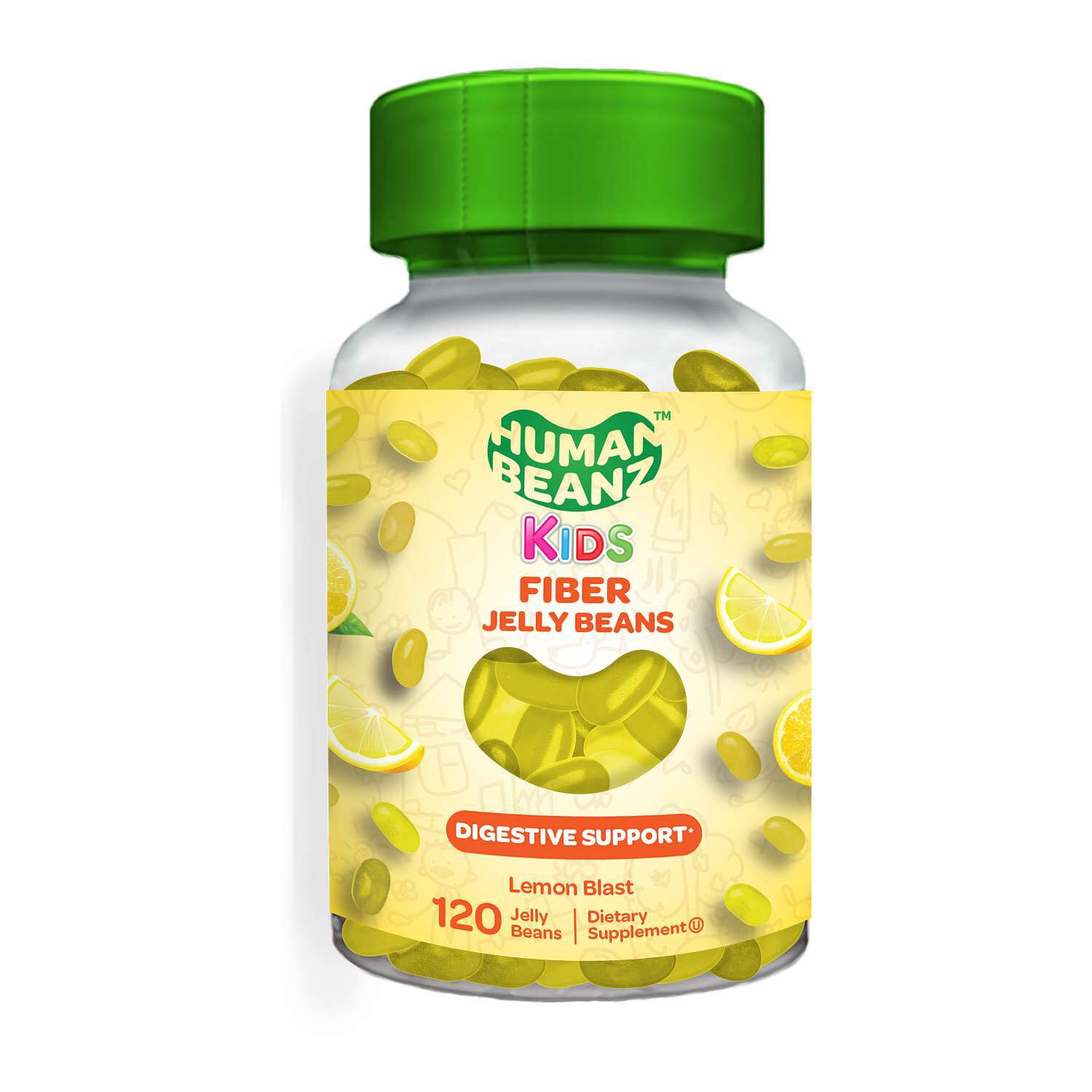

Kids fiber gummies for summer camp bring a familiar chewable format to a setting filled with cabin activities, dining hall meals, and afternoons on the playing field. These supplements are designed to provide dietary fiber in measured servings, with age recommendations and directions that vary by formula. For parents comparing options before a day camp session or an overnight stay, the most useful distinctions go beyond the flavor pictured on the bottle. Fiber content per serving, the number of gummies in that serving, ingredient preferences, and packaging all matter when choosing something for a supervised camp routine. A berry-flavored gummy with a two-piece serving is a different packing consideration from a fruit-flavored option with a one-piece serving, even when the containers look similar. The amount of fiber listed on the Supplement Facts panel provides a clearer comparison than the size or shape of each gummy. Summer camp menus also differ: one program might serve oatmeal and fruit at breakfast, while another offers family-style meals with a rotating selection of vegetables, beans, and grains. Fiber gummies may complement dietary fiber intake, but they are not substitutes for varied meals and snacks. Their intended role is narrower than that of an everyday food, and their candy-like appearance does not change their use as supplements. Families considering this category may be planning for a child who already has an established supplement routine at home, rather than looking for something new to introduce during a busy camp session. A familiar flavor and serving format may make that routine feel more recognizable away from home. Even then, a product intended for children is not automatically appropriate for every camper; the labeled age range remains an important distinction. The best match for the setting depends on both the product label and the camp’s written supplement policy, including whether staff members handle storage and distribution.
Ingredient details help distinguish kids fiber gummies that otherwise share similar colors, shapes, and fruit flavors. Some formulas contain inulin, a fiber sourced from plants such as chicory, while others use different sources of soluble fiber. The fiber source and the gummy’s structure are separate features: pectin or gelatin may appear among the ingredients that give the chew its texture, but those ingredients alone do not indicate how much dietary fiber a serving provides. For households with vegetarian or vegan preferences, the ingredient list and any explicit dietary labeling offer more useful information than fruit imagery on the package. Added sugars, sugar alcohols, flavorings, and color ingredients are also worth comparing, especially when a family has established ingredient preferences. A gummy’s sweetness does not reveal its fiber content, and a vegetable or fruit blend does not replace the fiber amount stated on the panel. Allergen statements and manufacturing disclosures deserve their own attention rather than assumptions based on a short front-label description. Texture can range from soft and springy to denser and chewier, so the labeled age guidance and a child’s familiarity with the format matter more than novelty shapes. Serving size deserves equally careful consideration. A bottle’s gummy count is not necessarily its serving count, and the number of servings needed for a camp session depends on the labeled directions and the child’s existing routine. A container for a short day camp schedule may have different practical requirements from one packed for several weeks of overnight camp. Clear printing, readable directions, and an intact label are useful packaging features when an adult other than a parent will be handling the container. Families comparing camp options with broader at-home habits can also explore Kids Fiber Gummies for Healthy Summer Routines for a related selection centered on the same supplement format. Across either setting, the meaningful comparison is the formula, serving information, and intended age group—not simply the most colorful bottle or the largest gummy count.
Camp logistics give packaging and storage a larger role than they might have on a kitchen shelf. A duffel tucked beneath a bunk, a backpack waiting beside a sunny field, and a staff-managed storage cabinet are very different environments. Gummies can soften or stick together when exposed to conditions outside their labeled storage recommendations, making those directions relevant to both travel and the stay itself. A securely closing container helps keep the contents contained, while a readable original label preserves the ingredient list, serving directions, and date information for the adults responsible for the camper. Child-resistant packaging, when present, is a useful feature to consider, though it does not replace adult-managed storage. Small snack bags and mixed candy containers lack the product information that camp staff may need and can make supplement gummies harder to distinguish from treats. Many programs have specific procedures for supplements, including advance forms, parent authorization, original-container requirements, or storage with designated personnel. Those procedures can determine whether gummies belong in a camper’s luggage at all. At day camp, an established routine might remain at home rather than becoming part of the backpack contents; at overnight camp, approved handling may involve a scheduled staff handoff. A child’s name on the container may be part of the camp’s requirements, with placement that leaves the product directions visible. This category is therefore better suited to a parent-managed packing decision than a surprise care-package addition or something shared among cabin mates. Familiar routines also extend beyond supplements: a dining hall breakfast, a refillable water bottle, and planned snack breaks remain recognizable parts of camp life without turning a gummy into the centerpiece. For families browsing kids fiber gummies for summer camp, a thoughtful selection brings together an age-appropriate label, ingredients that match household preferences, a manageable serving format, and packaging suited to the camp’s approved storage arrangements. Those concrete details keep the focus on the product’s intended use within a well-organized summer camp routine.


 Chewable Tablets_Front.jpg?sw=305&sh=305&sm=fit "ChildCalm - 60 Chewable Tablets (30 Servings) | GNC")
