Kids Skin Vitamins
(0 Results)
Kids skin vitamins could be an excellent addition to your child's daily routine, potentially supporting their overall skin health. Packed with a variety of nutrients, these vitamins might help maintain the natural glow and resilience of young skin. Whether you're looking to supplement their diet or address specific concerns, kids skin vitamins offer a range of options that may cater to your child's unique needs. Discover how these specially formulated vitamins could play a role in promoting healthy, vibrant skin for your little ones.
-

-

-
_Front.jpg?sw=305&sh=305&sm=fit "Junior Multi - 90 Tablets - 90 Tablets (90 Servings) | GNC")
-

-
-

-
-

-
 10$17.99
 -
-

-

-
 $18.99
 -
 $14.99
 -
 $14.99
 -
 $20.99
 -
 $15.99
 -
 $17.99
 -
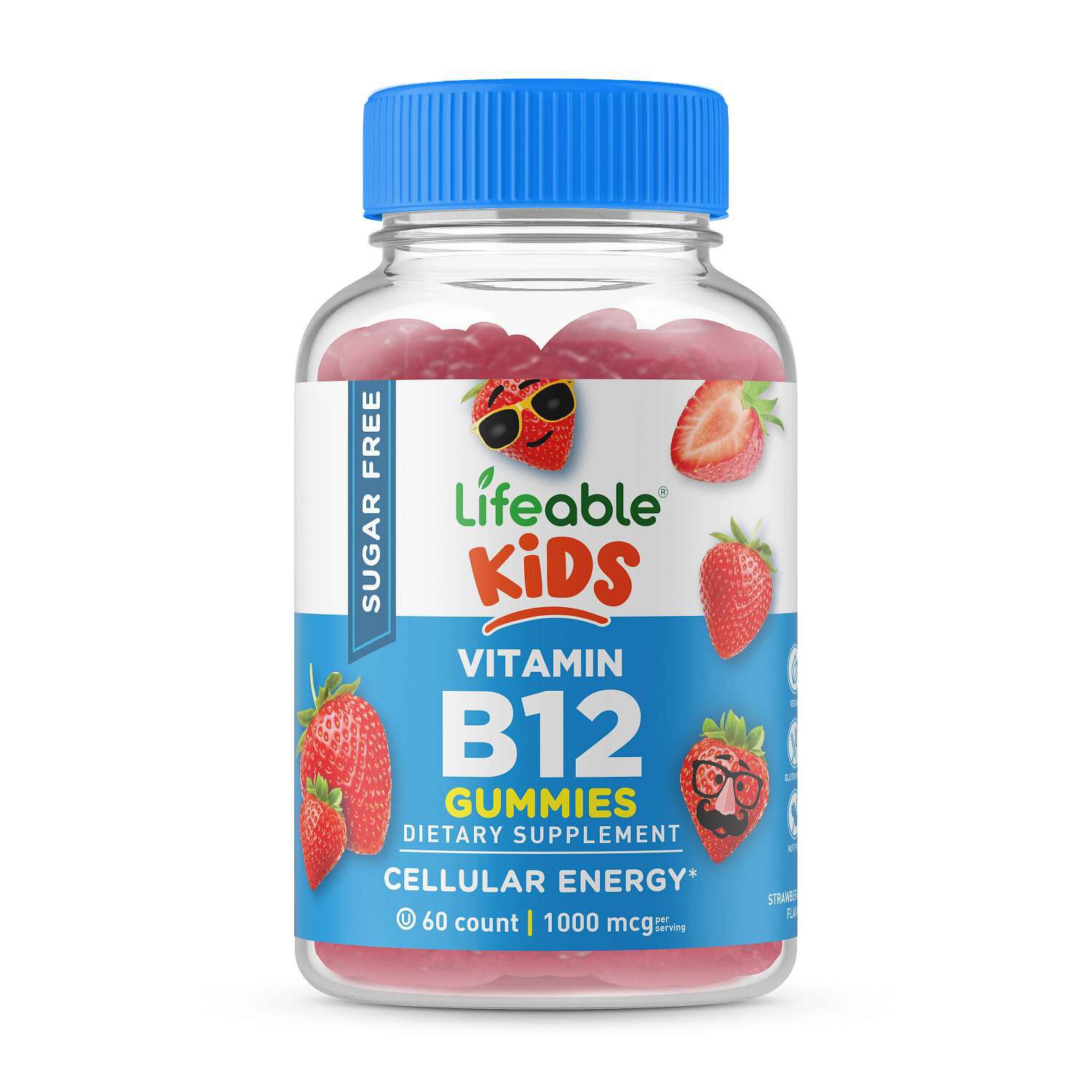 $15.99
 -
 $11.99
 -
 $16.99
 -
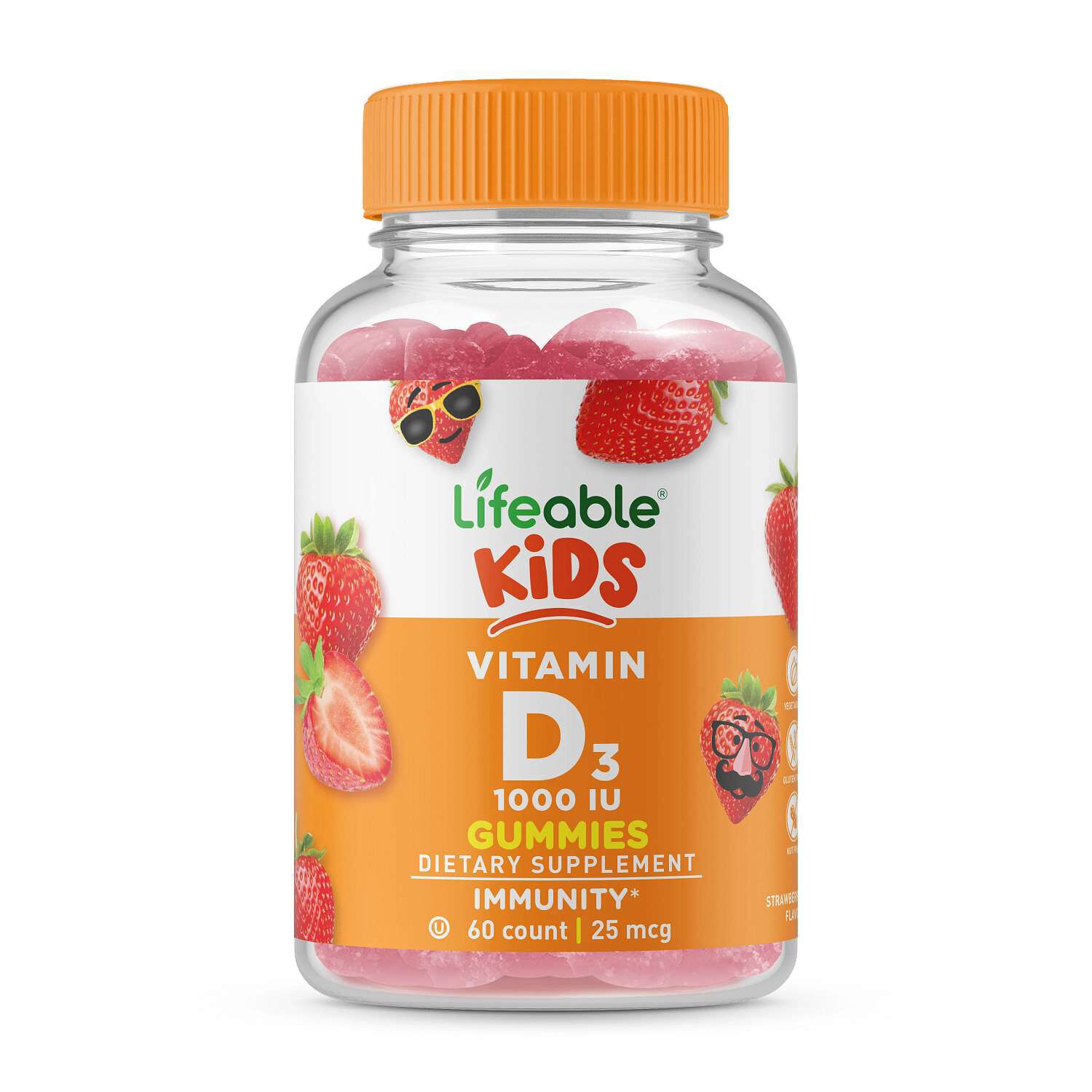 $12.99


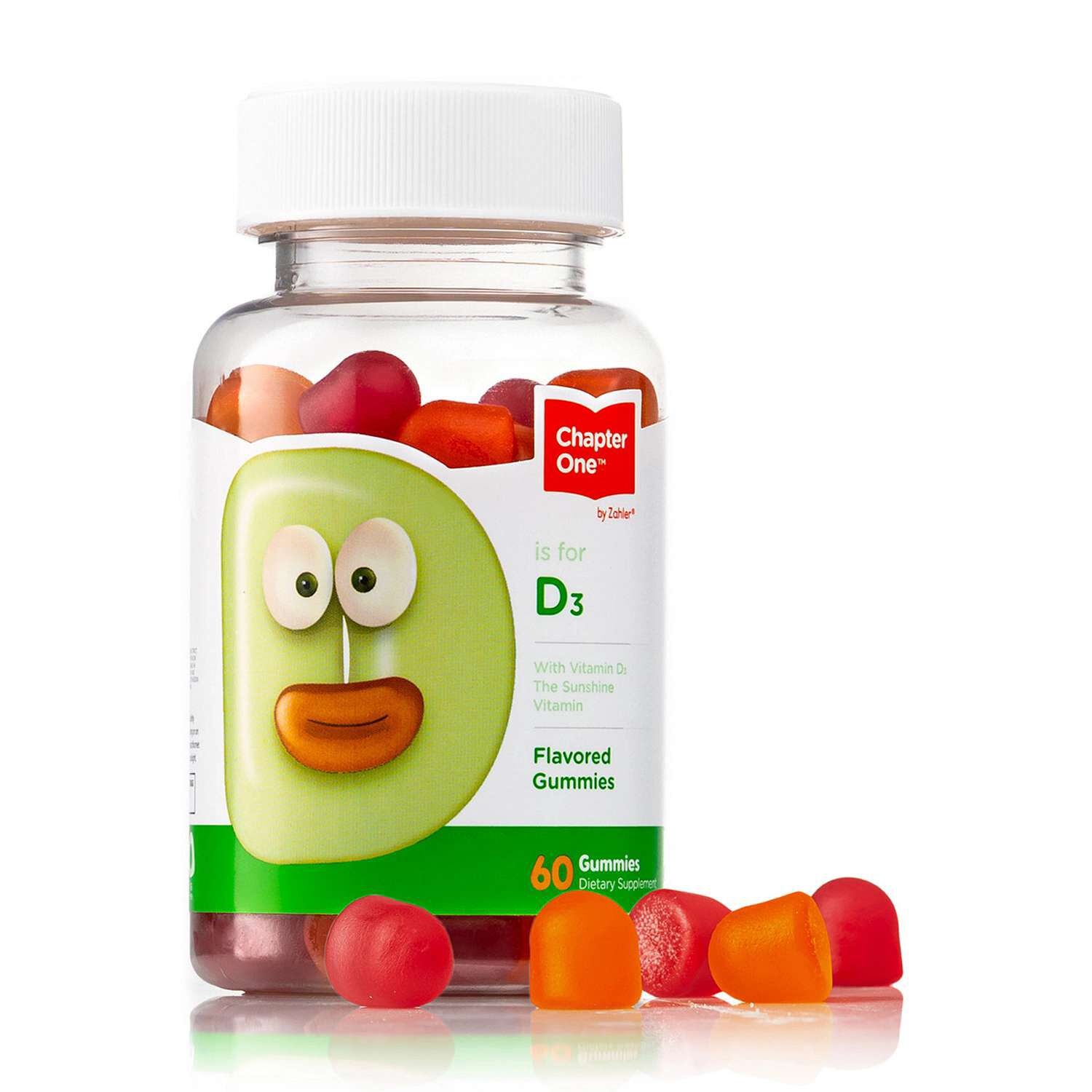
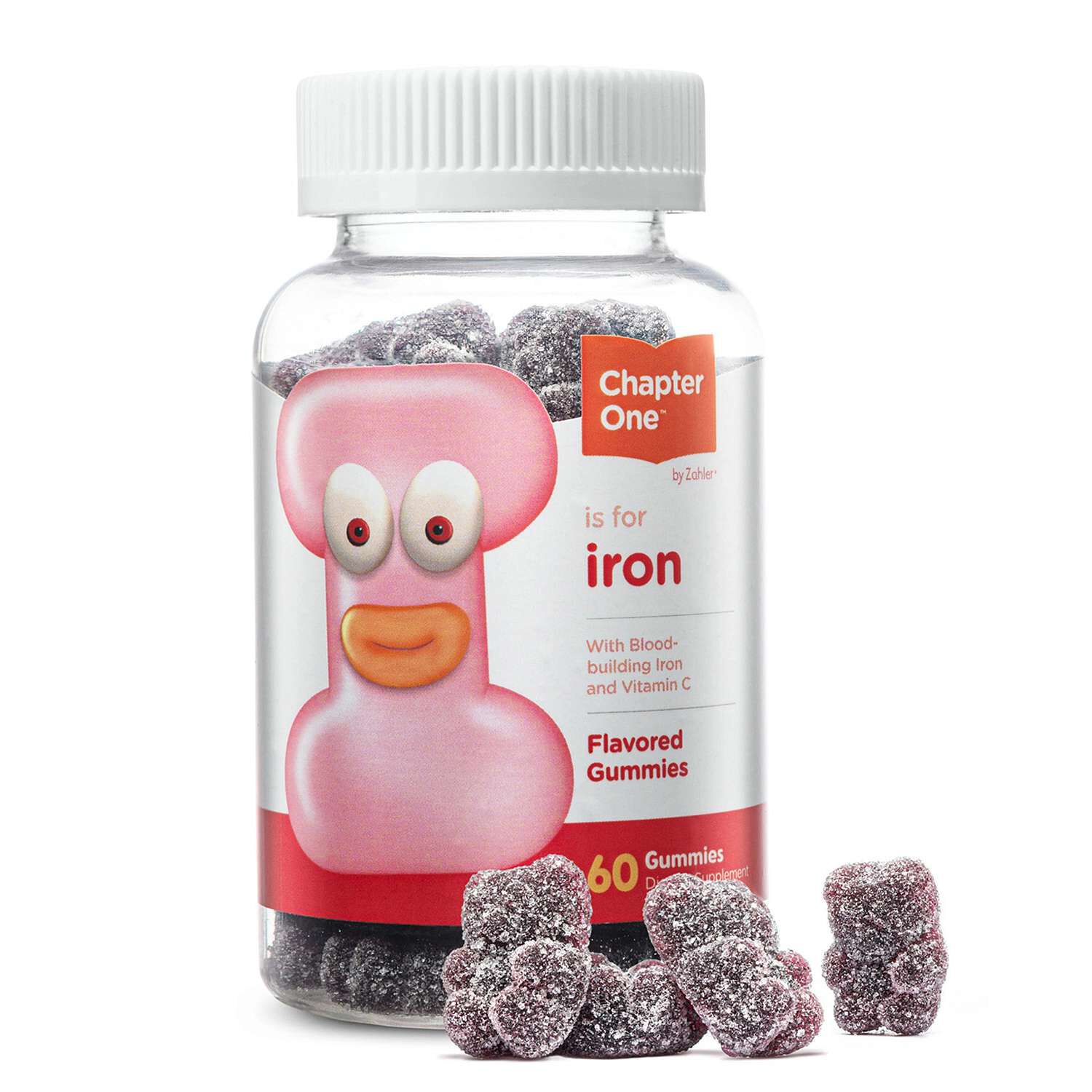
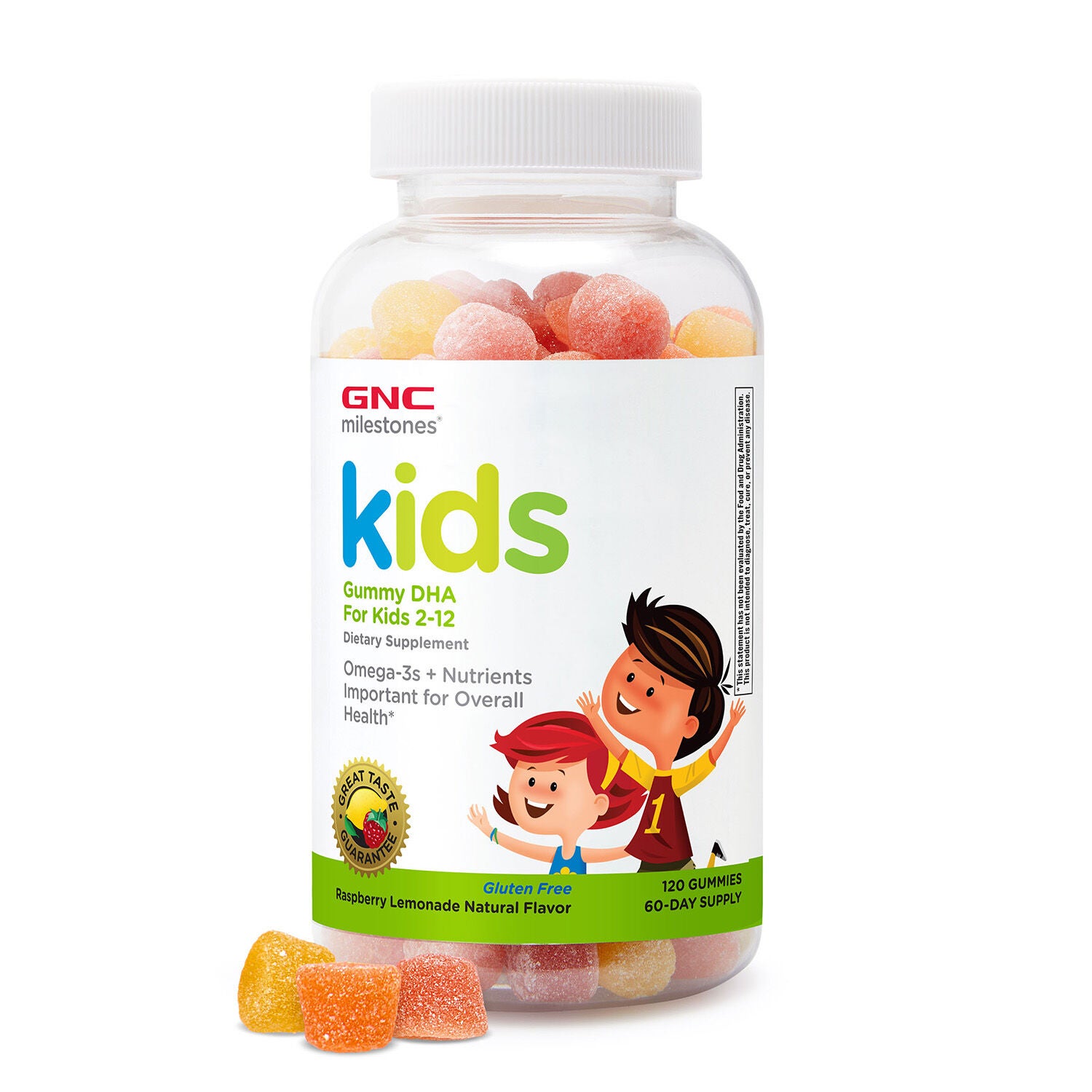
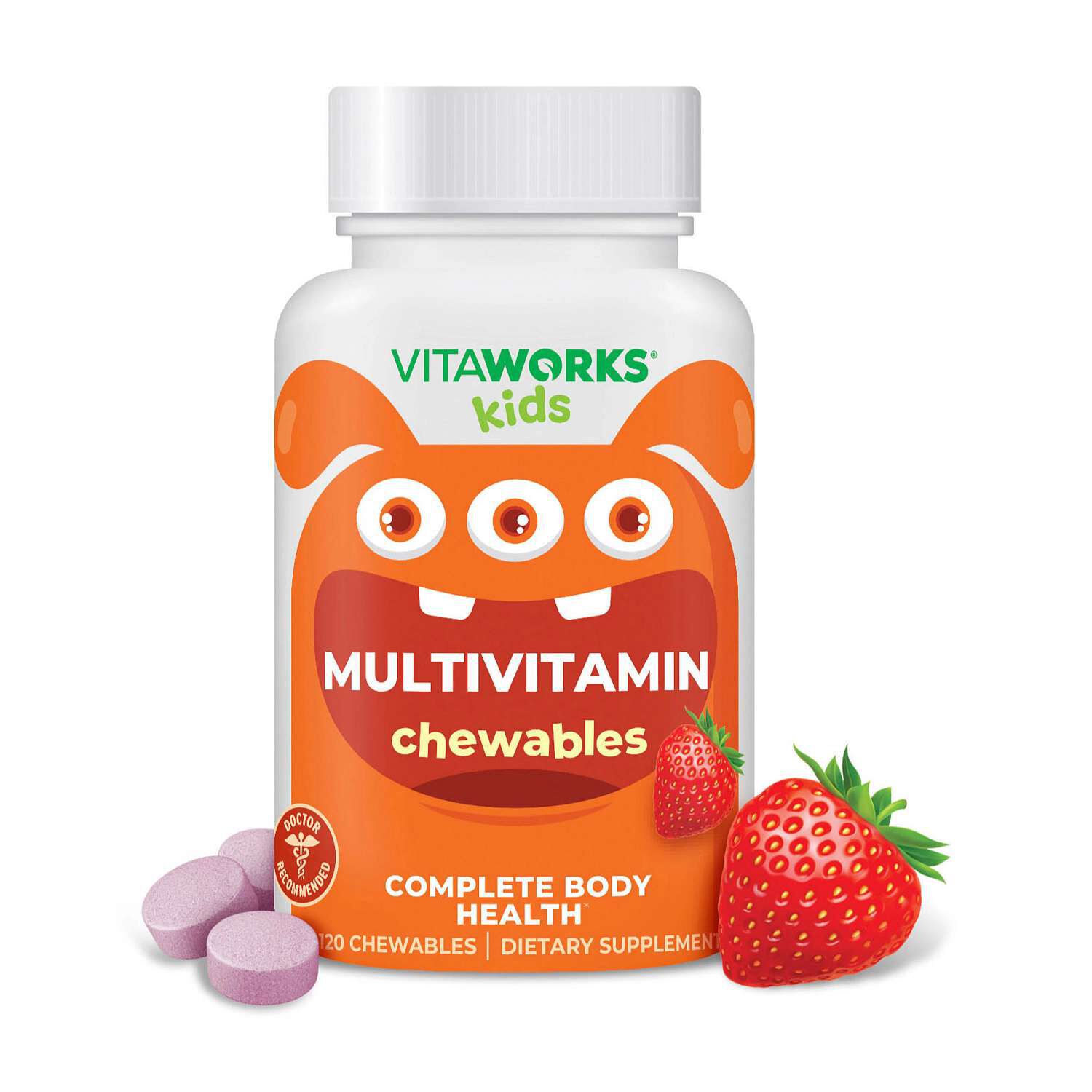
Kids skin vitamins may appeal to families looking for convenient ways to add selected nutrients to a child’s daily routine, especially when meals vary from one day to the next. Children’s appetites can change quickly: one evening may bring a colorful plate of roasted sweet potatoes, eggs and bell peppers, while the next may feature a few bites of toast before a busy school morning. A varied eating pattern remains the preferred starting point for meeting nutritional needs, with foods such as oranges, strawberries, dairy products, whole grains, fish, eggs and vegetables offering a range of vitamins and minerals. Supplements may serve as an addition to meals when a parent or pediatrician identifies a specific nutritional concern, but they are not a substitute for regular food. Families browsing kids skin vitamins may find formulas featuring nutrients commonly associated with skin nourishment, including vitamins A, C, D and selected B vitamins such as riboflavin, niacin and biotin. These nutrients may help support normal body functions involved in maintaining skin, hair and nails, although results could vary from child to child. For shoppers who want to explore related options for older children or the wider household, Skin Health Supplements may offer a broader selection organized around skin-focused nutrition.
Choosing a kids skin vitamin starts with the child’s age, dietary pattern and ability to take the format comfortably. A parent may prefer a chewable for a child who has difficulty swallowing tablets, while another family may select a liquid that can be measured alongside breakfast. Flavor, texture, serving size and storage instructions can matter just as much as the ingredient list, particularly for children with strong preferences about taste. Read the Supplement Facts panel carefully and compare the serving directions with the child’s age range. More is not necessarily better, and products containing fat-soluble vitamins, including vitamins A and D, deserve careful attention because excess intake may create concerns. Avoid combining several children’s products without reviewing their overlapping ingredients, since a multivitamin, fortified drink and skin-focused formula could contain some of the same nutrients. A pediatrician or qualified healthcare professional may help a family decide whether a supplement fits the child’s needs, particularly when the child follows a limited eating pattern, has a diagnosed deficiency, takes other products or has an ongoing health concern. Keeping the container stored according to its label and out of children’s reach may also help promote safer household routines. For a gift, kids skin vitamins may suit a family assembling a wellness-themed care package for a child, grandchild or young athlete, but a parent or caregiver should choose the product and confirm that it matches the recipient’s age and dietary needs before it is opened.
Daily use tends to work best when it fits naturally into an established routine rather than feeling like another task on a crowded schedule. Some families place the container near the breakfast dishes, while others pair the serving with an evening meal, following the package directions and any guidance from a healthcare professional. A child who spends warm afternoons outdoors, returns to school during changing weather or settles into indoor routines during cooler months may have different meal patterns and preferences throughout the year, making consistency at the table especially useful. Simple food habits can complement a supplement routine: berries stirred into yogurt, sliced bell peppers with hummus, scrambled eggs with whole-grain toast, or a baked sweet potato beside dinner can add color and variety without turning meals into a negotiation. Vitamin C is found in foods such as citrus, strawberries and bell peppers; vitamin A is present in foods including carrots, sweet potatoes and eggs; B vitamins occur in whole grains, meat, eggs and dairy; and vitamin D may come from fortified foods and fish. A balanced menu may provide many of the nutrients children need, while a carefully selected supplement could help fill a dietary gap identified by a pediatrician. Parents and caregivers may wish to keep expectations realistic, use only the recommended serving, and view kids skin vitamins as one small part of a broader routine that includes nourishing meals, hydration, gentle personal care and regular professional guidance when needed.


 Chewable Tablets_Front.jpg?sw=305&sh=305&sm=fit "ChildCalm - 60 Chewable Tablets (30 Servings) | GNC")