Skin Health Supplements
(0 Results)
Enhancing your natural glow and nurturing your skin from within could be as simple as incorporating skin health supplements into your daily routine. These supplements may support your skin's elasticity, hydration, and overall appearance, offering a potential boost to your skincare regimen. Packed with essential nutrients, vitamins, and minerals, they might help combat environmental stressors and promote a more radiant complexion. Discover how these powerful allies could contribute to maintaining healthy skin that looks and feels its best every day.
-

-

-
-

-
-
-

-
-
 44$44.99
-

-
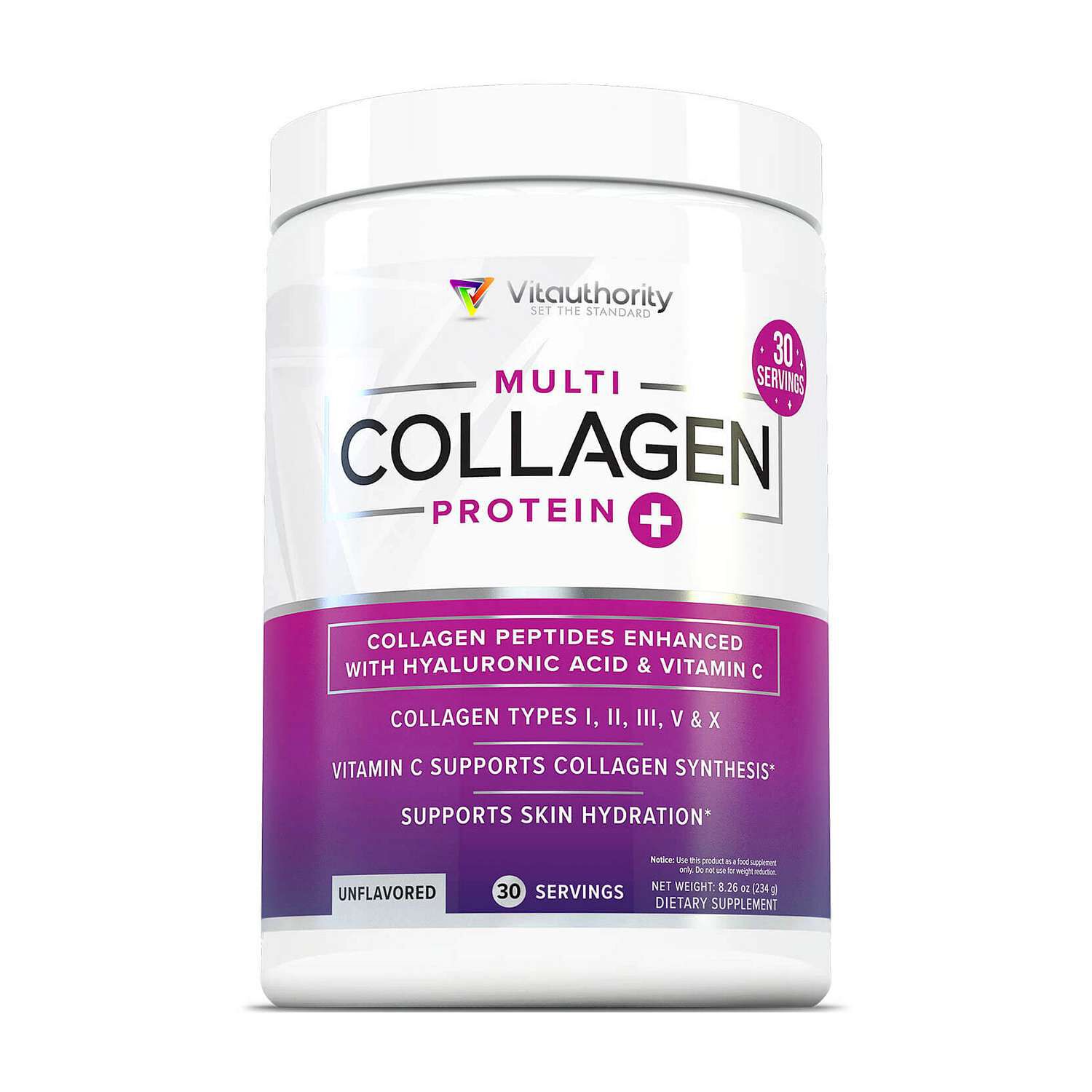
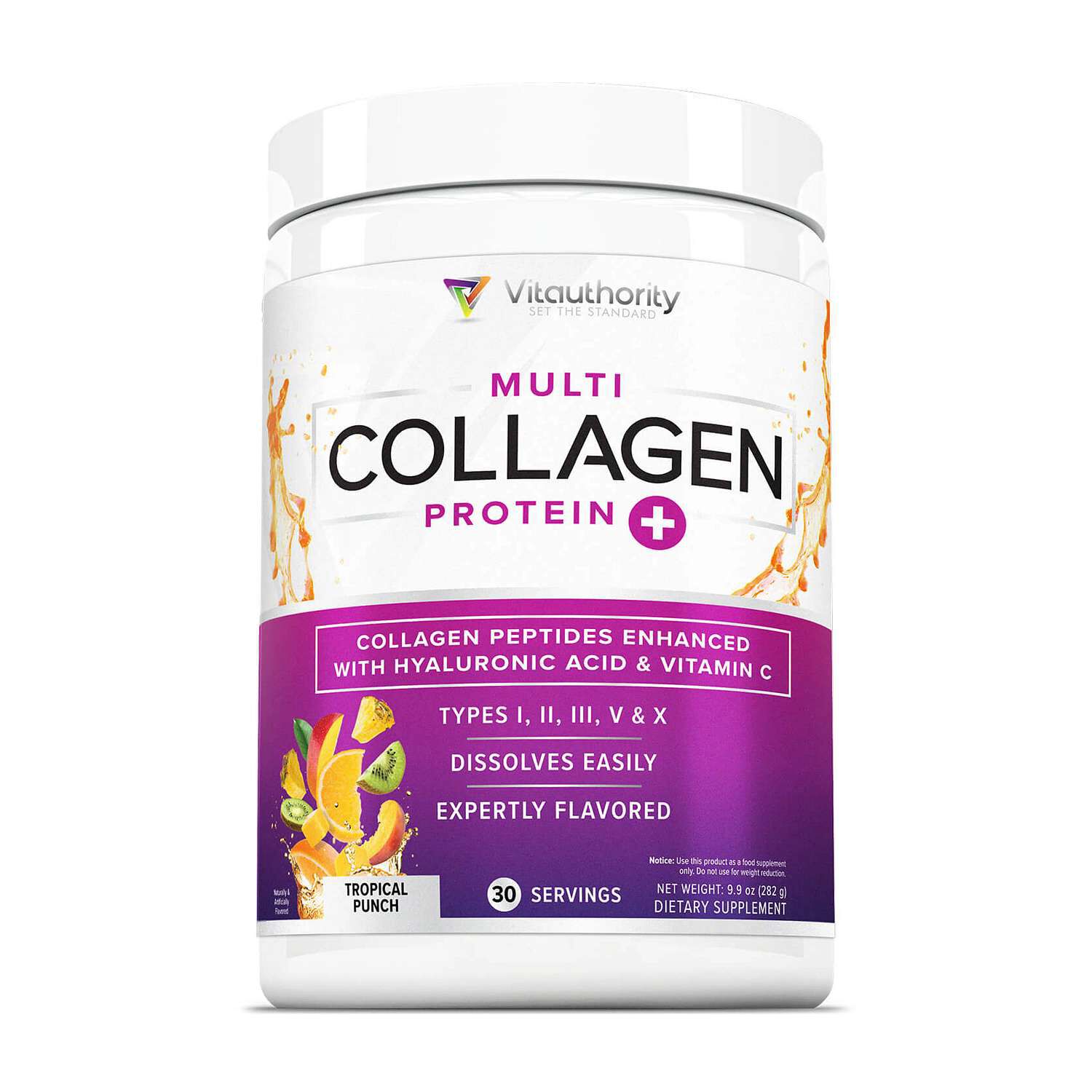
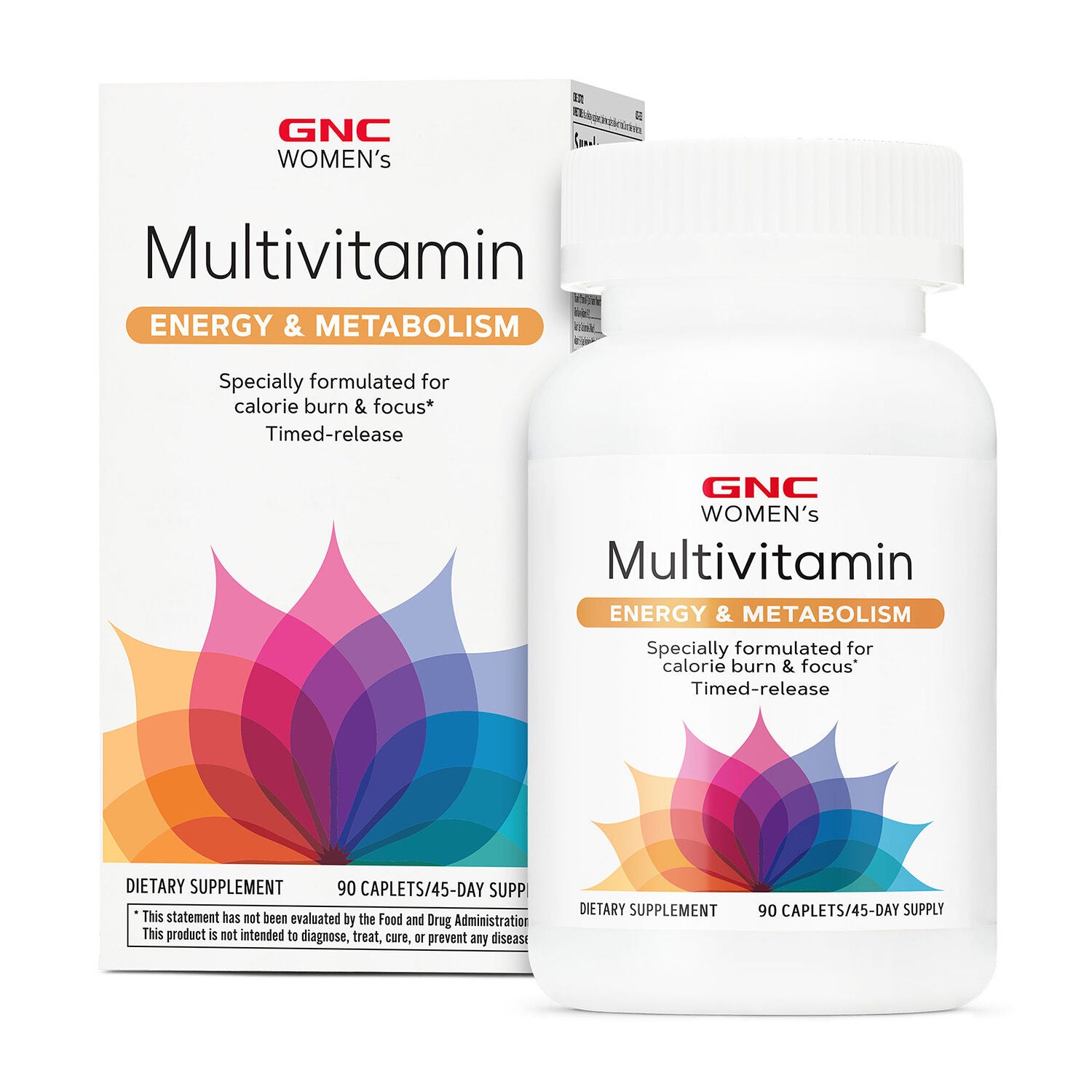
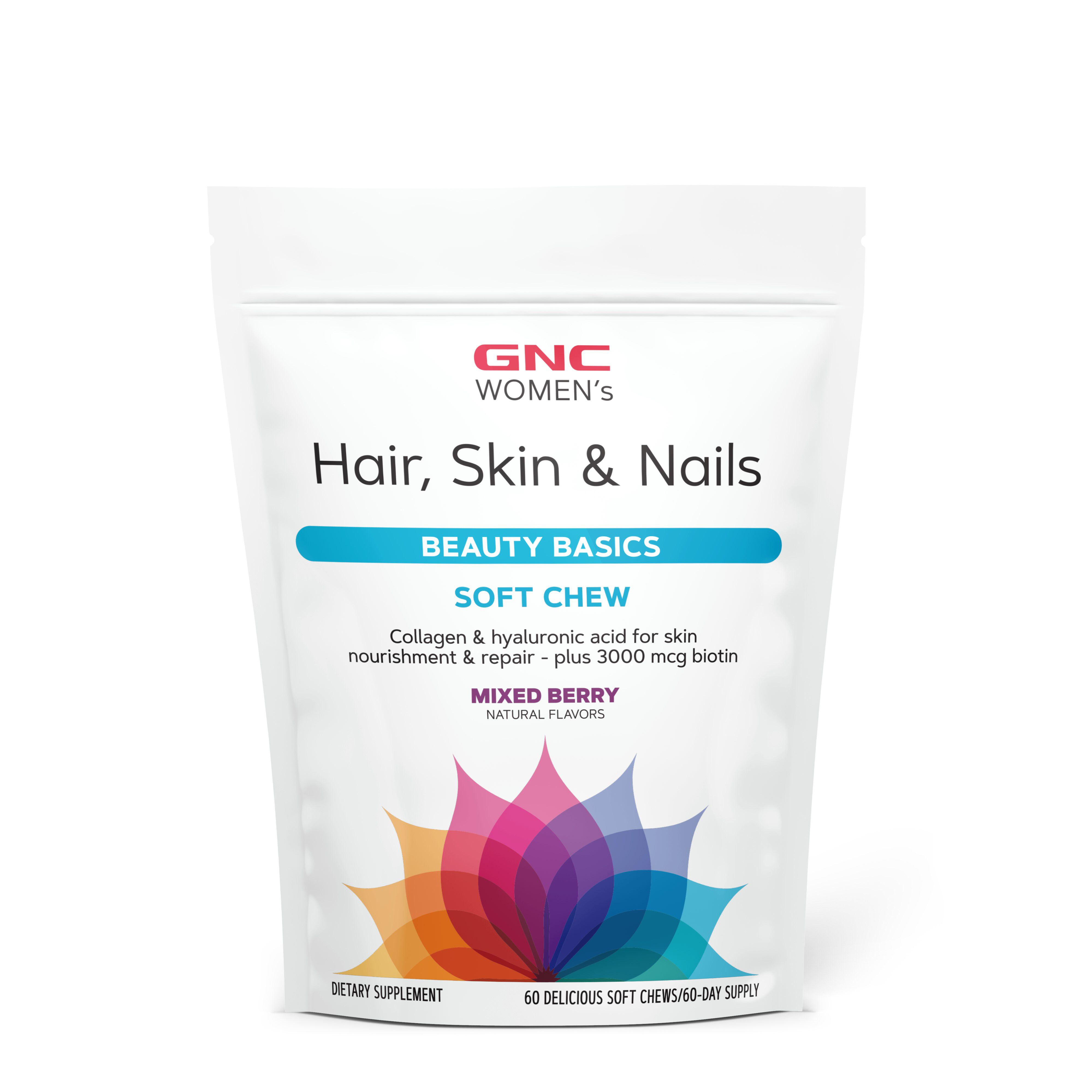
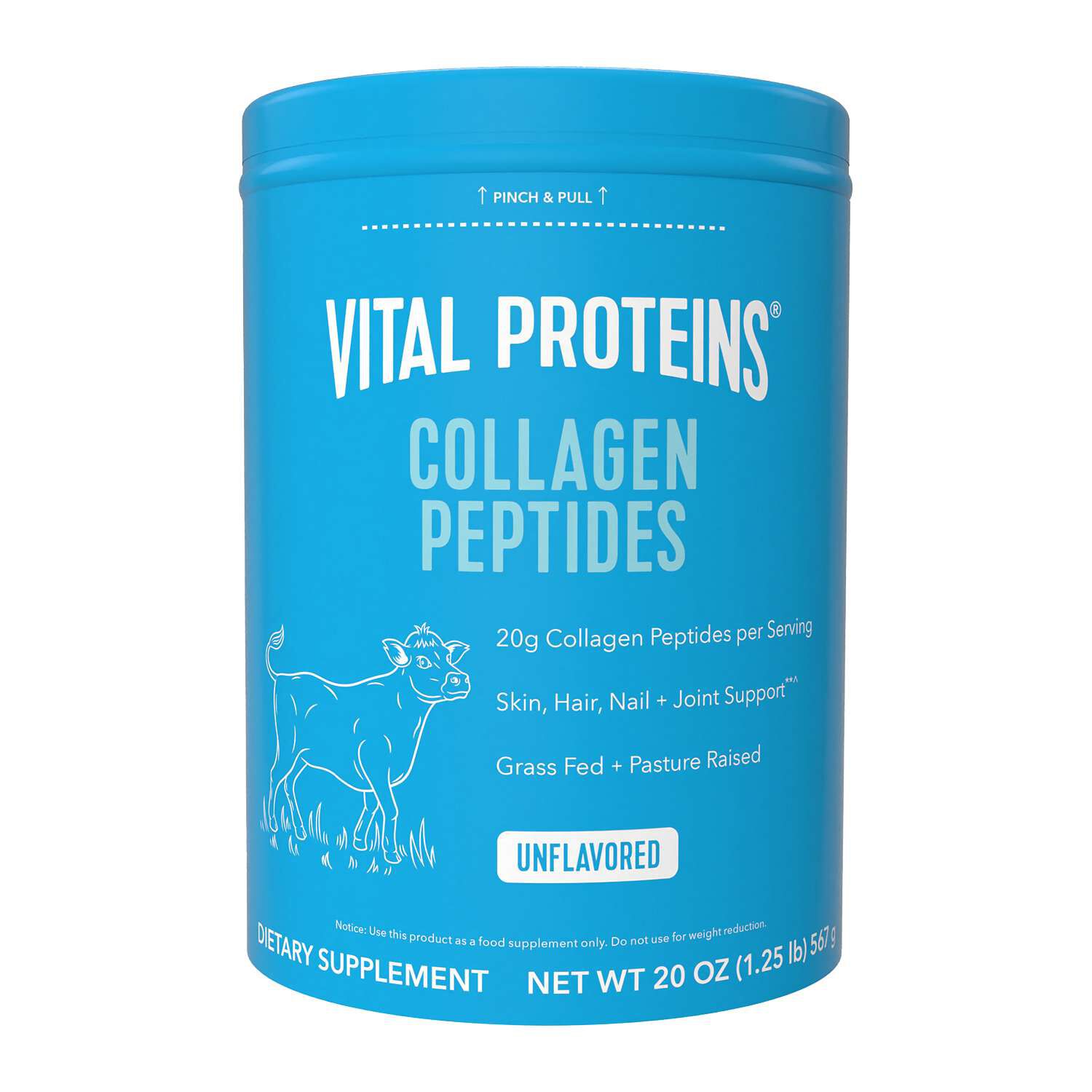
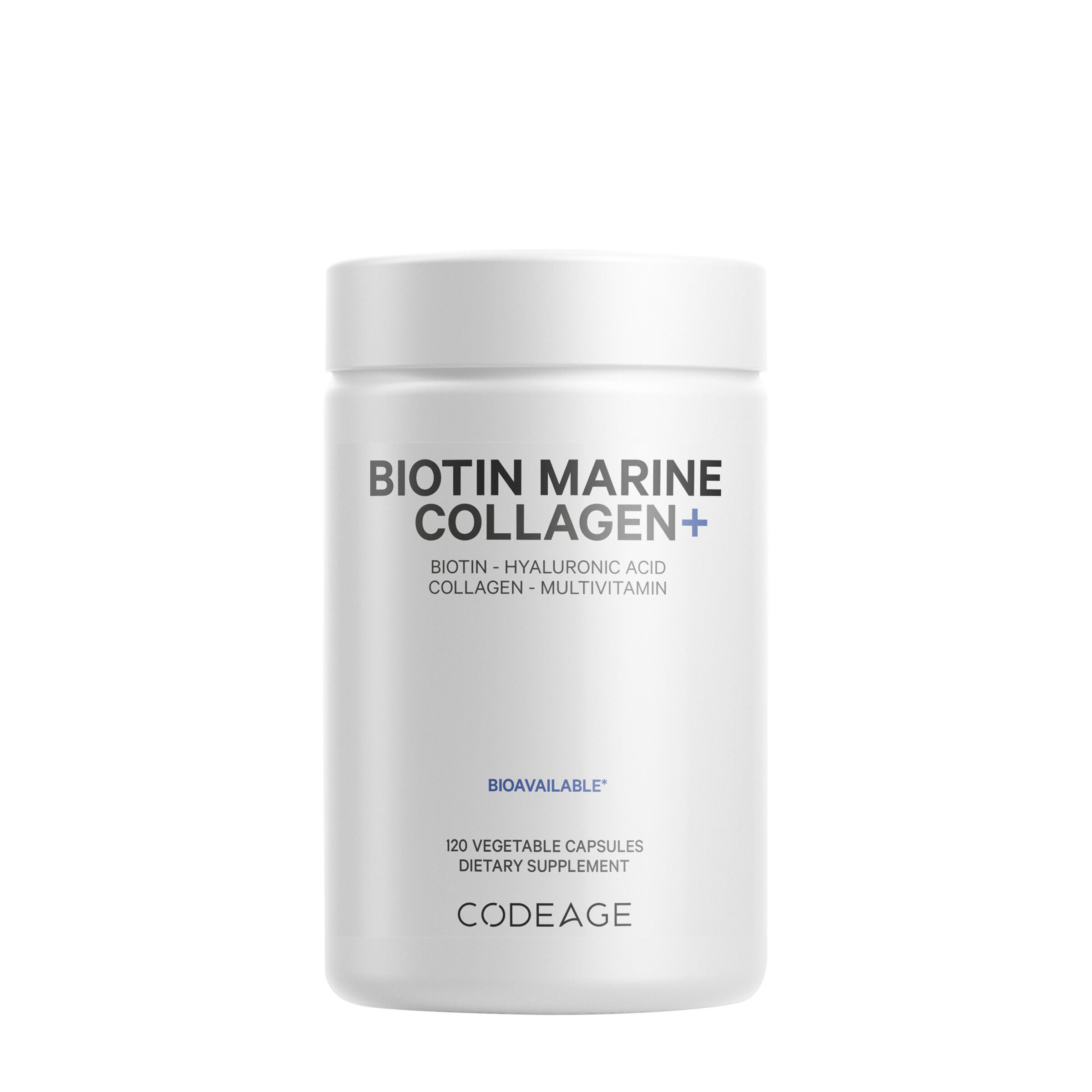
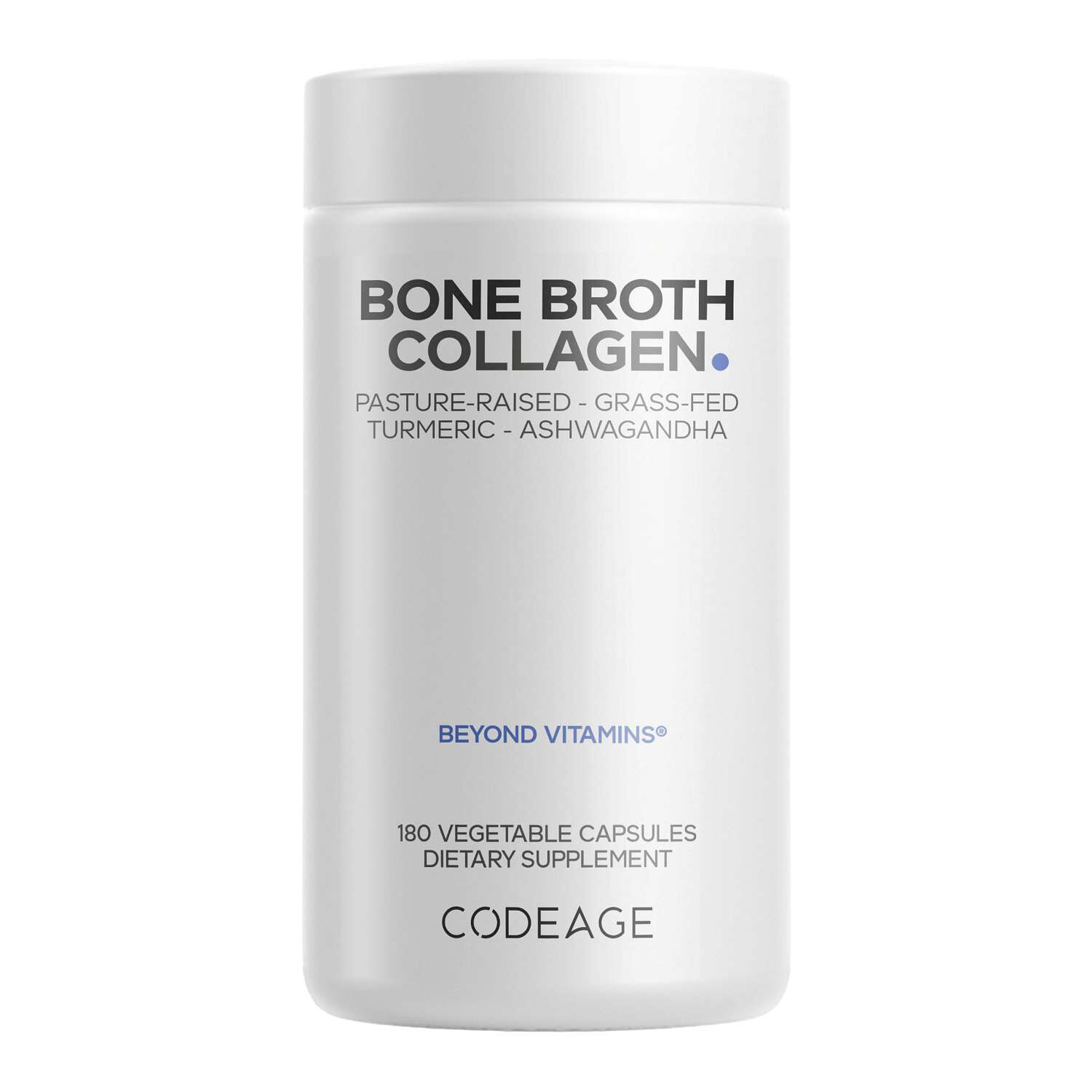
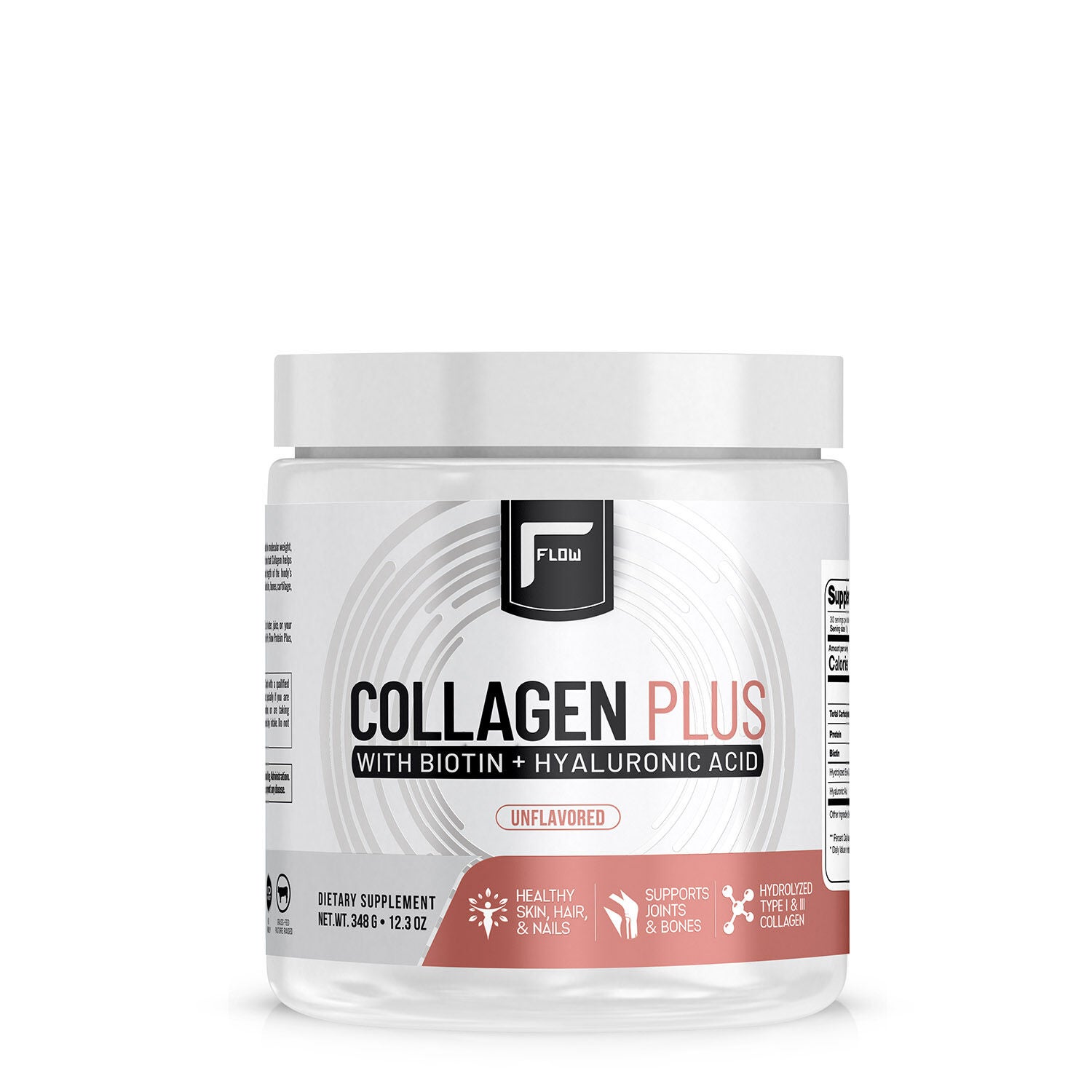
Skin health supplements include vitamins, minerals, collagen peptides, fatty acids, and other ingredients formulated with skin appearance in mind. They may support a hydrated, supple-looking complexion as part of a broader personal care routine, but different formulas serve different purposes. Some center on a single ingredient, while others combine several nutrients in a capsule, tablet, gummy, or powder. Understanding those differences makes the category easier to navigate than relying on beauty-focused packaging alone. Collagen is a protein naturally present in skin and other connective tissues, and collagen peptides are smaller portions of that protein used in many supplement formulas. Supplements containing collagen peptides may support skin elasticity and a hydrated appearance, although individual experiences can vary. Vitamin C formulas may support normal collagen formation, while vitamin E formulas may provide antioxidant support. For a closer look at that ingredient category, the Antioxidants For Skin Supplement collection offers a related place to explore formulas with an antioxidant focus. Omega-3 fatty acids appear in some skin-focused supplements, often alongside nutrients associated with broader nutritional interests. Hyaluronic acid is another ingredient used in beauty supplements and may support a moisturized-looking complexion. Biotin, zinc, and other vitamins and minerals also appear in blends labeled for hair, skin, and nails. That combined label describes the formula’s intended focus; it does not mean every blend contains the same ingredients or serving amounts. Skin health supplements are distinct from topical moisturizers and serums: they are taken by mouth rather than applied to the face or body. Their place in a routine is also different from food. Fruits, vegetables, nuts, seeds, fish, and other foods provide a range of nutrients, while supplements offer defined ingredients in labeled serving amounts. For shoppers interested in skin-focused nutrition, the most useful starting point is the formula itself—what it contains, where its ingredients come from, and how its format fits everyday preferences.
Format can make a meaningful difference in whether a supplement suits a daily routine. Capsules and tablets offer a measured serving without requiring a beverage, though their size and the number needed per serving can vary. A bottle that lists several capsules per serving represents a different daily commitment from one with a single-tablet serving. Gummies provide a chewable option, with texture, sweetness, and flavor as additional considerations. Their serving size may include more than one piece, and the label identifies sugars, sweeteners, colors, and other ingredients beyond the featured nutrients. Powders suit shoppers who prefer mixing a supplement into a drink, but serving measurement and preparation deserve attention. An unflavored powder and a flavored blend can create different experiences in a glass of water, a smoothie, or another beverage permitted by the package directions. Unflavored does not always mean without any noticeable taste or texture, and mixing instructions can differ between formulas. Ingredient sourcing matters just as much as presentation. Collagen supplements may use bovine, porcine, or marine sources, so the source statement is especially relevant for shoppers with vegetarian preferences, religious dietary practices, or ingredient exclusions. A plant-based beauty blend is not interchangeable with an animal-derived collagen formula simply because both appear in the skin supplement category. Capsule shells can also contain gelatin or plant-derived materials, and the full ingredient list provides that detail. Marine-derived ingredients warrant a close look at fish or shellfish disclosures, while flavored powders and gummies may contain additional ingredients such as milk or soy. Package statements are more informative than assumptions based on a flavor name or front-label design. The Supplement Facts panel identifies serving size and the amount of each listed dietary ingredient. Comparing those amounts alongside the ingredient list helps distinguish a collagen-centered formula from a multinutrient beauty blend. Where a proprietary blend is listed, the label may provide a combined blend amount rather than a separate amount for each component. Those details give shoppers a clearer picture of what they are comparing.
The intended use of skin health supplements is usually ongoing nutritional support rather than a one-time beauty treatment. They may appeal to adults who already have an established personal care routine and want to explore a skin-focused supplement, or to shoppers who prefer a combined hair, skin, and nail format. A single-ingredient option presents a different approach from a blend containing multiple vitamins, minerals, and specialty ingredients. Neither format tells the whole story without its serving information and directions. An adult already using a multivitamin, for example, can compare ingredient lists to see where the same nutrients appear in both formulas. Someone who enjoys preparing a daily smoothie may find a powder more convenient, while someone who wants fewer preparation steps may prefer a capsule or tablet. These practical differences matter independently of the beauty language on the package. Any changes in skin appearance may be subtle, and experiences may differ rather than follow a fixed timetable. A supplement is not a substitute for topical personal care, varied meals, or ordinary hydration habits. Storage and handling also deserve attention because supplements are consumable products, not permanent additions to a bathroom shelf. Package directions specify storage conditions, and the container’s closure helps keep its contents protected between uses. A steamy bathroom or a bag where a lid can loosen may not match those instructions. Powders need a clean, dry measuring utensil, and the scoop or measurement specified on the label determines the stated serving. Capsules, tablets, and gummies should remain identifiable in their labeled packaging, with the date marking and directions accessible. Keeping supplements out of children’s reach is particularly relevant for candy-like formats. For a realistic comparison across skin health supplements, consider the ingredient focus, source, serving amount, texture, preparation, and storage requirements together. A format that fits comfortably into everyday life offers a more practical starting point than a formula chosen only for its name.
Best Sellers
-
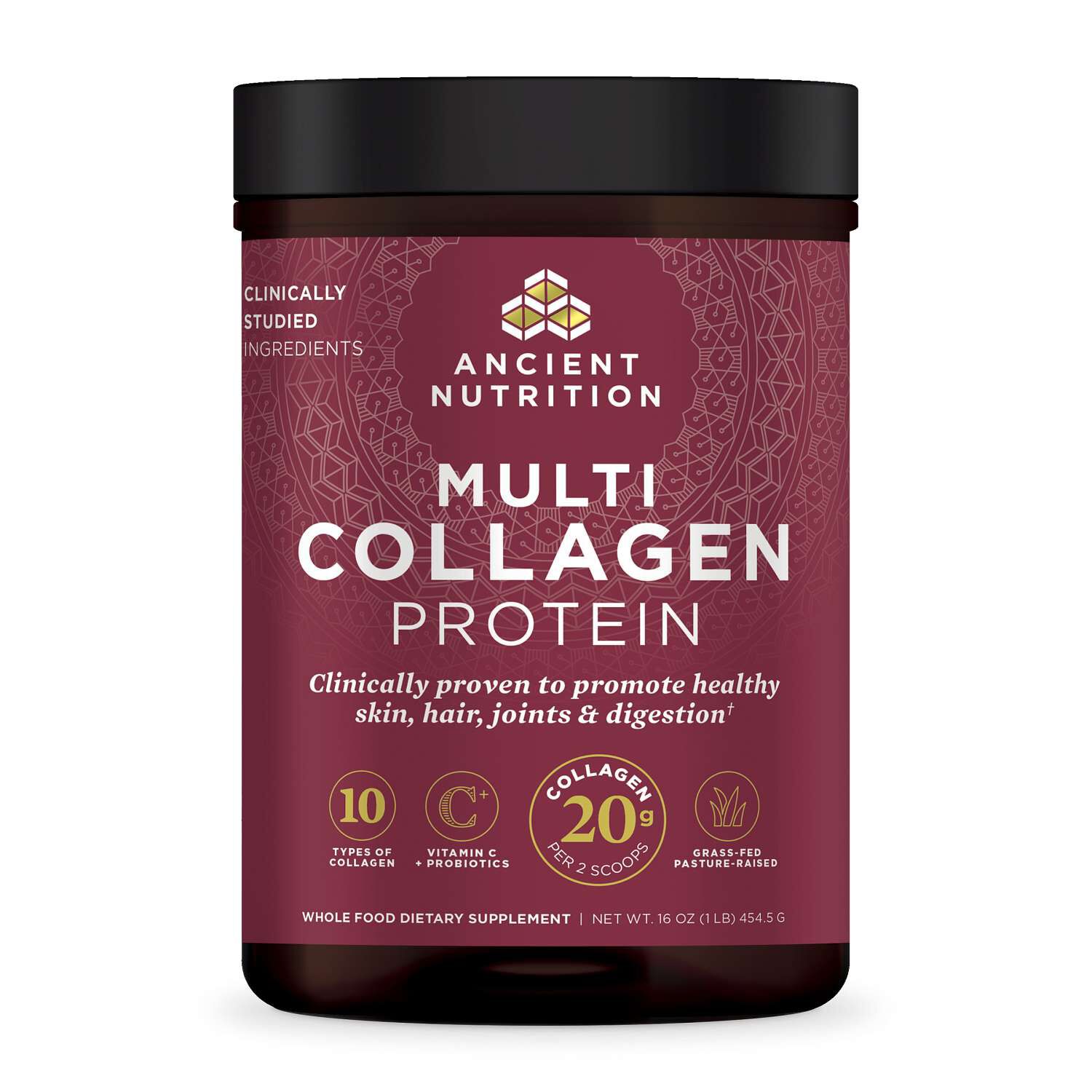 Ancient Nutrition
-
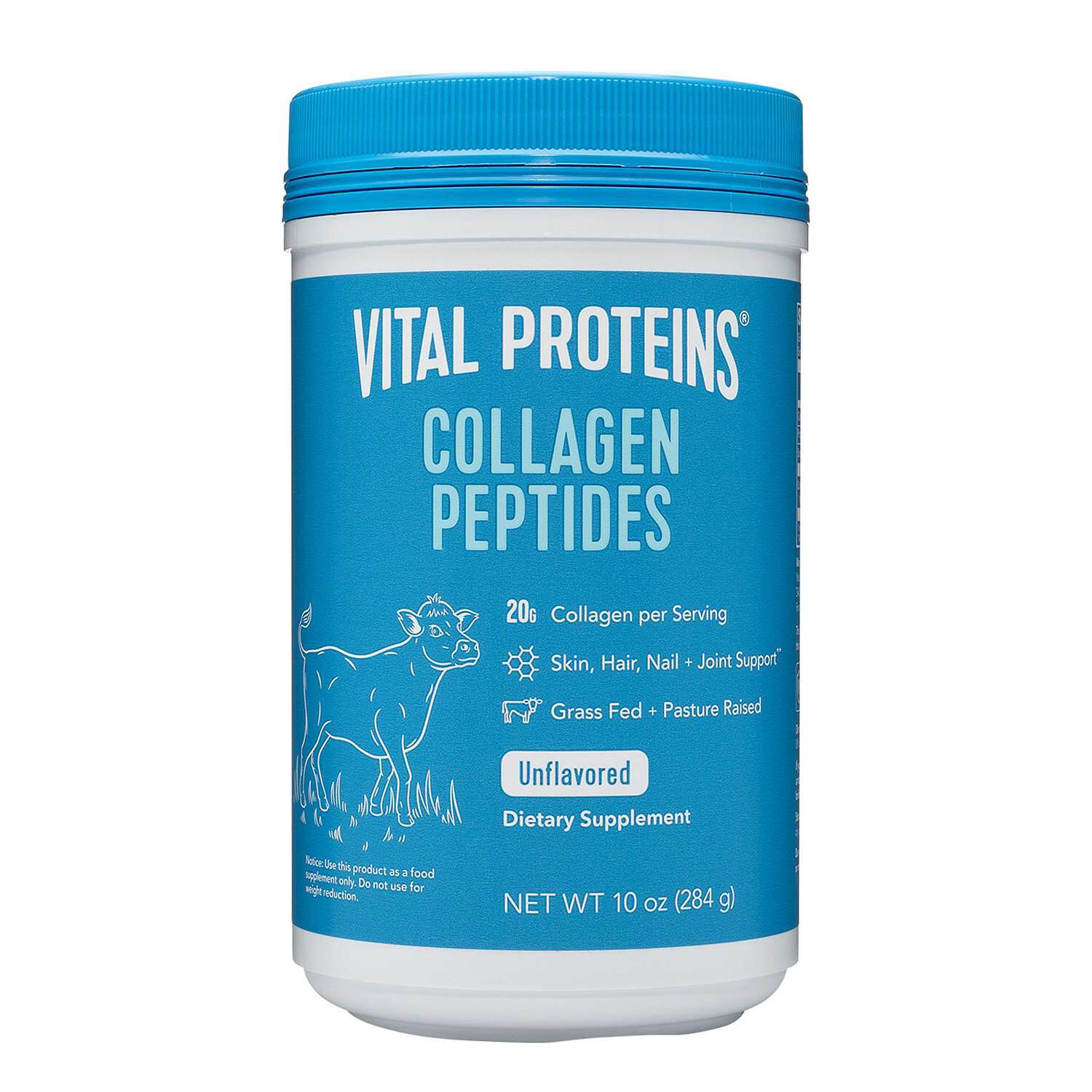 Vital Proteins