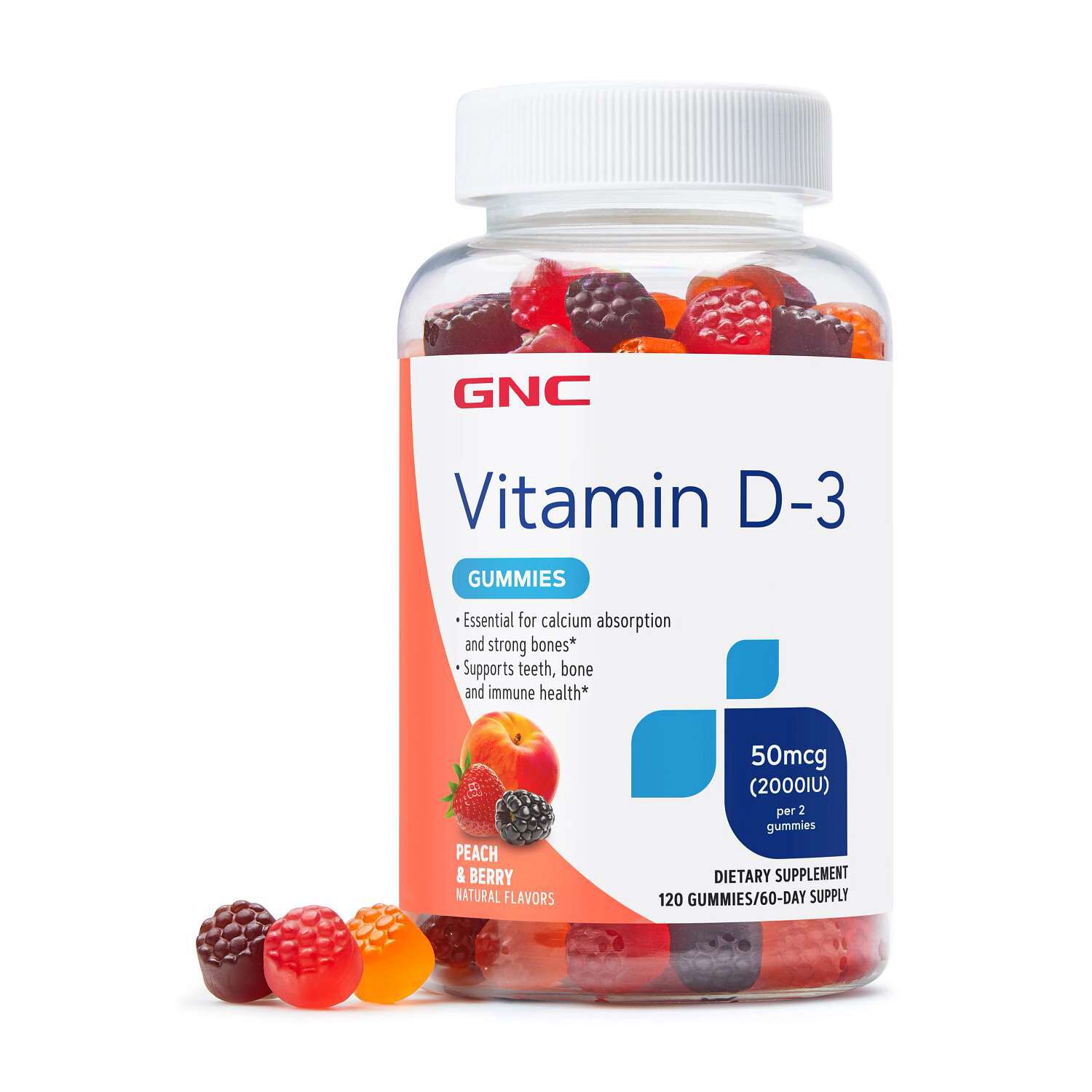
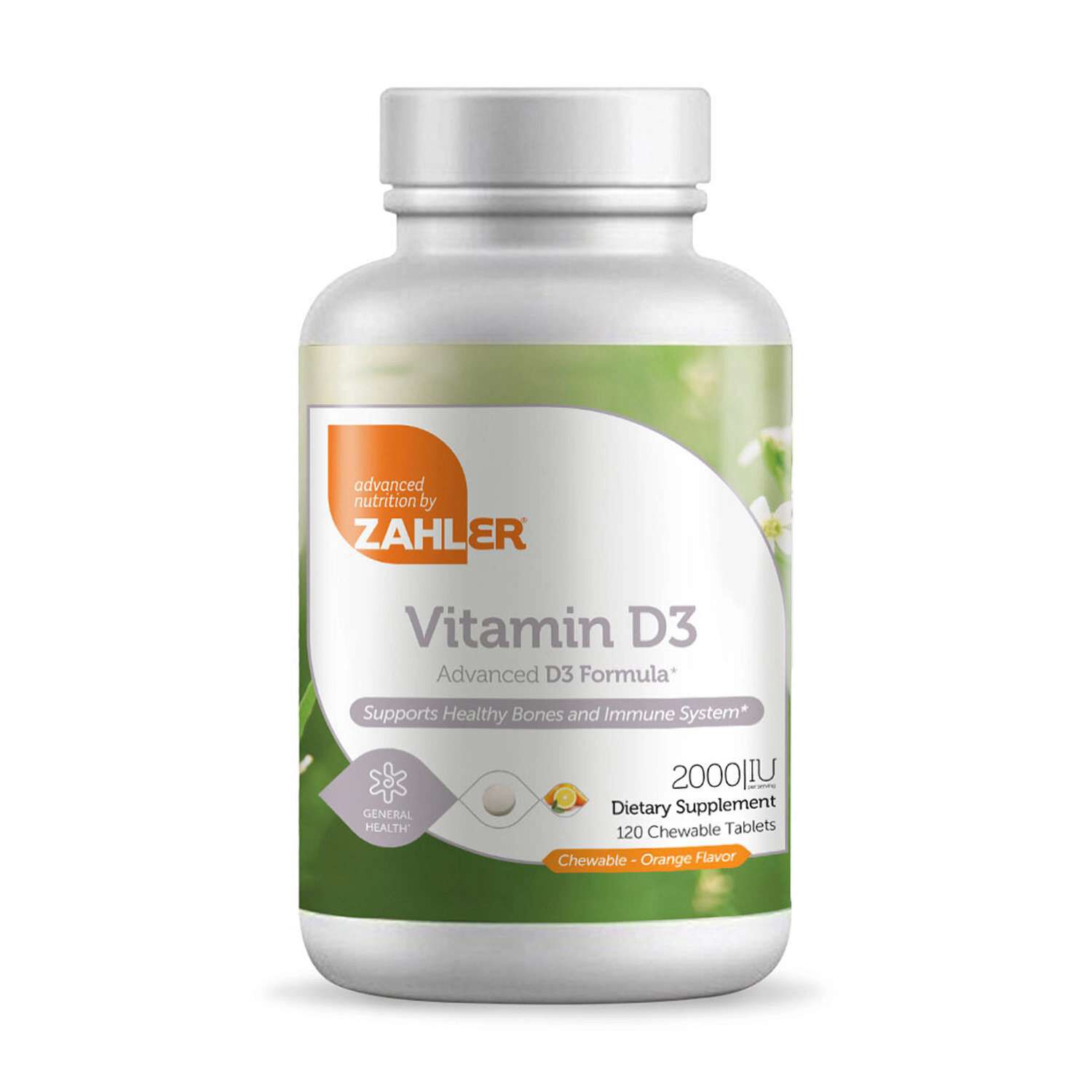
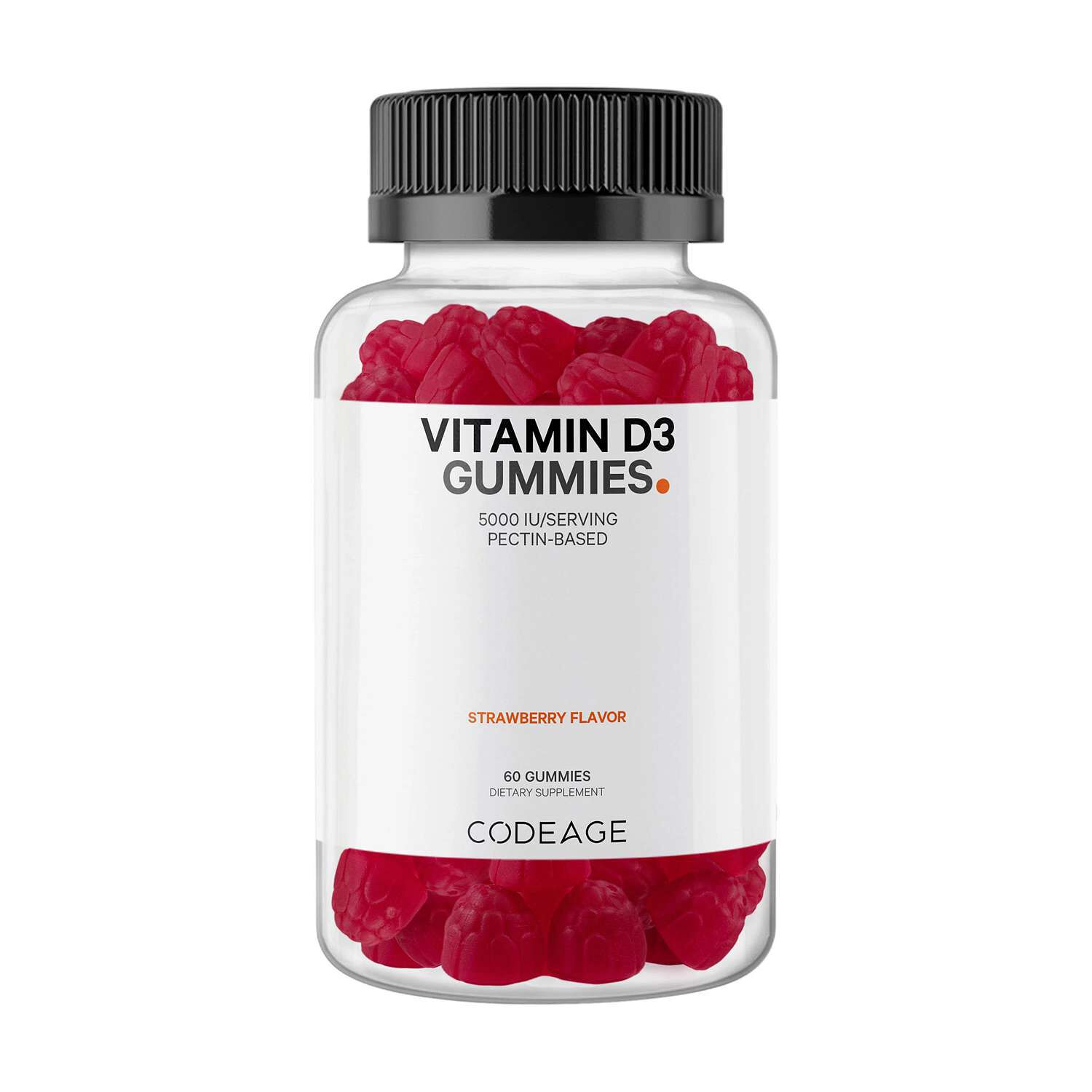
Kids Vitamin D3 Gummies For Vegan Diets
(0 Results)
Kids vitamin d3 gummies for vegan diets offer a convenient and enjoyable way for families to support their children’s wellness goals while following a plant-based lifestyle. These gummies are designed with vegan-friendly ingredients, making them a popular choice among parents seeking options that align with their dietary preferences. With fun shapes and delicious flavors, kids vitamin d3 gummies for vegan diets may make daily routines easier for both kids and adults. Explore a variety of options that could fit seamlessly into your family’s wellness journey.
-
-
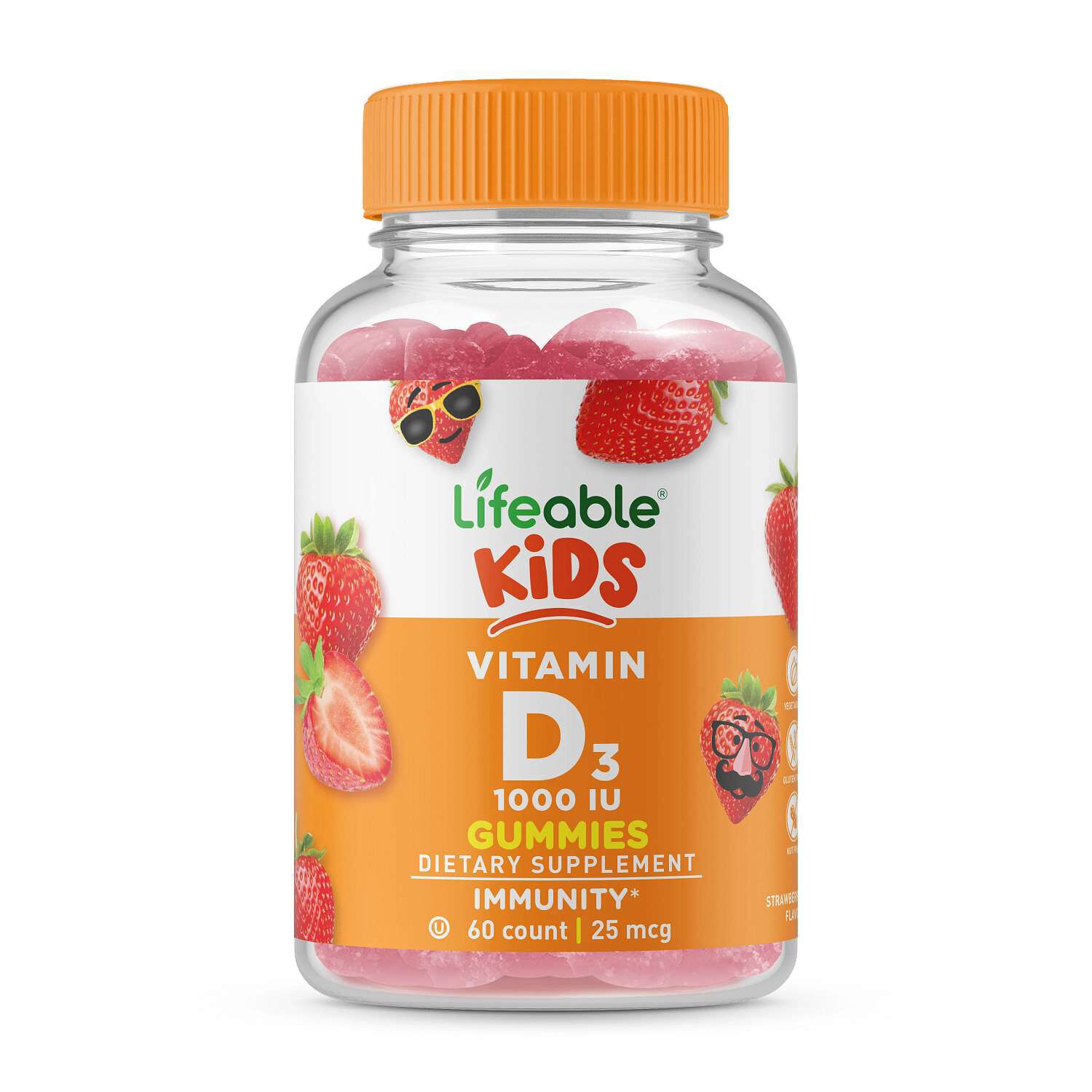 $12.99
 -
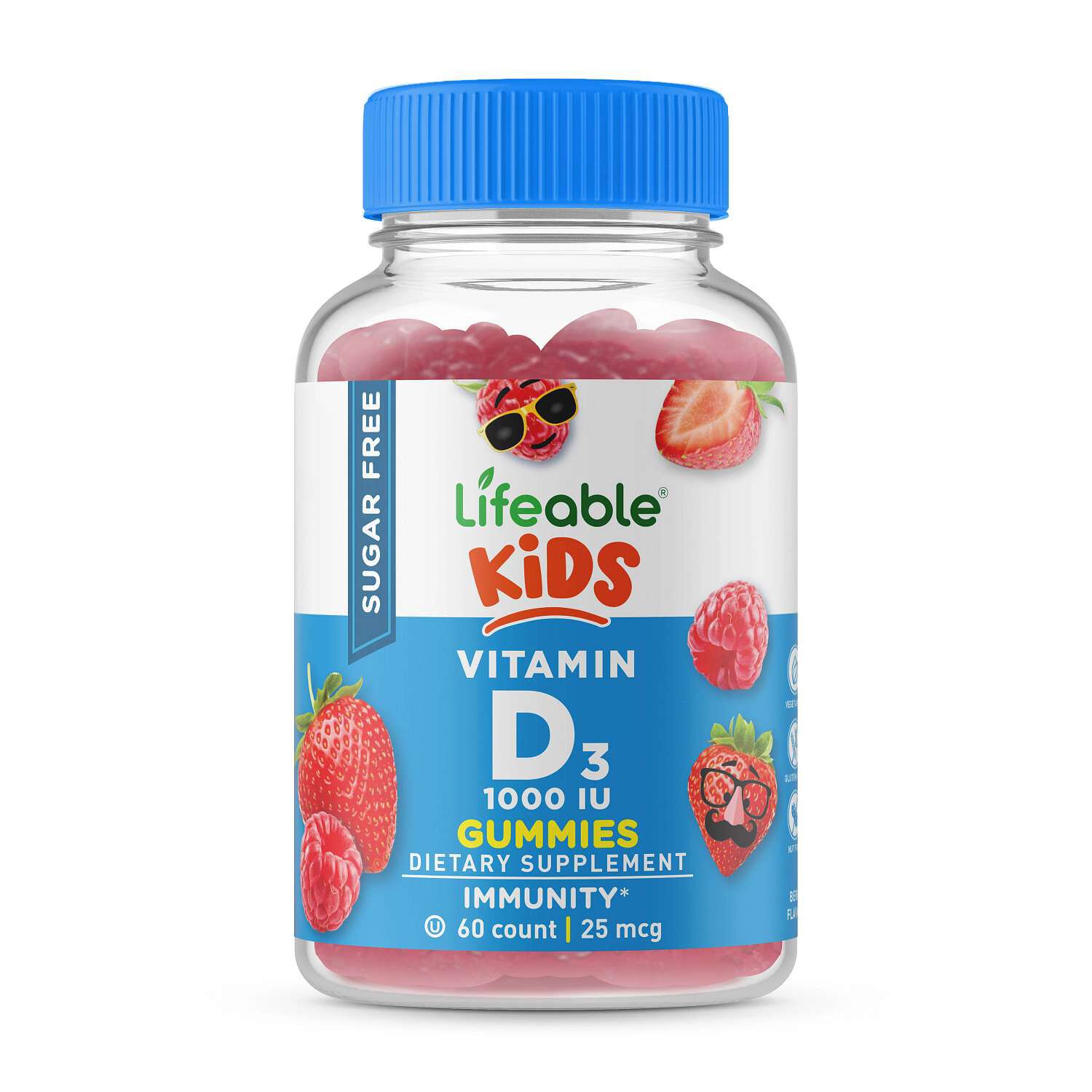 $14.99
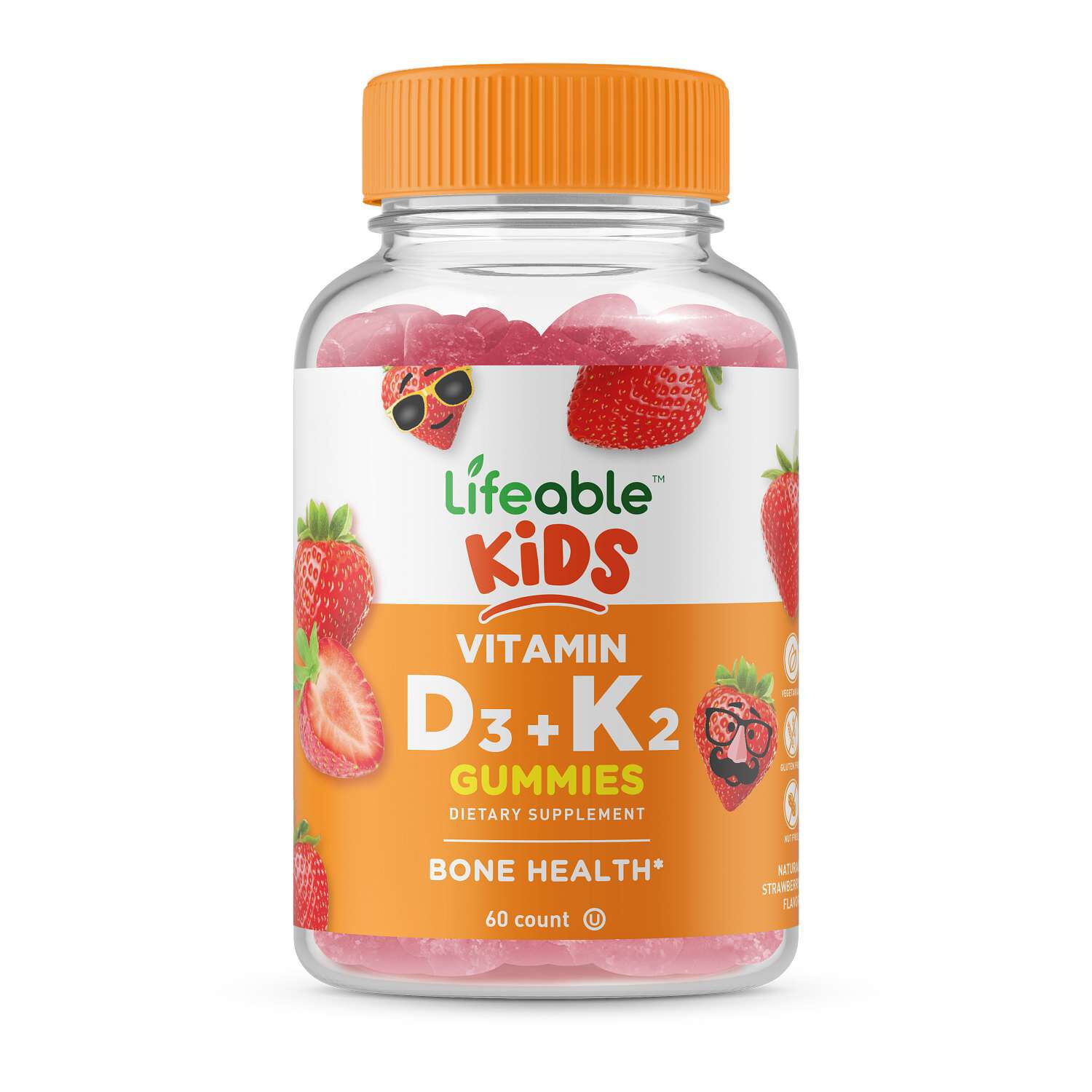
Kids vitamin D3 gummies for vegan diets combine a chewable format with ingredients selected for vegan dietary preferences. Two important details are the source of the vitamin D3 and the ingredients used to make the gummy itself. Vegan vitamin D3 is often sourced from lichen, while many conventional D3 ingredients come from lanolin, a substance obtained from sheep’s wool. Lichen is not the same as an ordinary leafy plant; it consists of a fungus living together with algae or cyanobacteria. For families choosing vegan supplements, a clearly identified lichen source provides more useful information than a general reference to vitamin D3 alone. The ingredient name cholecalciferol identifies vitamin D3, but that name by itself does not establish whether its source is animal-derived. The gummy base matters, too. Pectin, commonly obtained from citrus peels or apples, is a familiar gelling ingredient in vegan gummies. Gelatin, another common gummy ingredient, is animal-derived and does not meet vegan dietary preferences. A pectin base alone, however, does not establish that the vitamin D3 or every other ingredient is vegan. Looking at the formula as a whole means considering the vitamin source alongside sweeteners, colors, flavors, and coating ingredients. Honey, beeswax, and shellac are examples of ingredients that can matter to shoppers following a vegan diet, even when the main vitamin ingredient has a nonanimal source. A clear vegan designation, ingredient list, and source description make these distinctions easier to assess. Vitamin D2 is another form of vitamin D, but it is not interchangeable with D3 when identifying what a product contains. Families specifically browsing kids vegan vitamin D3 gummies can look for both the D3 name and a vegan source rather than relying on fruit imagery, green packaging, or a plant-themed description. Those details establish what the gummy is made from without assuming that every fruit-flavored chew has the same formula.
Flavor, texture, and the labeled age range are practical considerations when comparing children’s vitamin D3 gummies. Strawberry, raspberry, orange, and mixed-fruit flavors may appeal to different preferences, while the flavor name alone does not reveal how much fruit juice, fruit concentrate, or added sugar a formula contains. A child who enjoys a tart berry taste might prefer something different from a sibling who usually chooses mellow citrus flavors. Texture can vary as well: pectin-based gummies may have a tender, jelly-like bite, while other formulations may be firmer or have a different surface coating. Gummy size, shape, and serving count also deserve attention, especially because a serving is not necessarily one gummy. The amount of vitamin D3 listed on a label generally corresponds to the stated serving size, so comparing formulas means reading those two details together. Labels may express vitamin D amounts in micrograms and international units, often abbreviated as mcg and IU. Those measurements describe the ingredient amount, not the physical size of the chew or how fruity it tastes. Manufacturer age ranges can differ, and the word “kids” does not establish a universal starting age. A child-oriented package should therefore be considered alongside its specific age designation and labeled directions. For families comparing ingredient preferences, the Nutrition Facts or Supplement Facts panel and ingredient list offer more detail than a front-label flavor description. Fruit juice concentrates and fruit purées can contribute sugars even when cane sugar is not an ingredient. Organic labeling and vegan labeling also describe different attributes; neither term automatically establishes the other. Milk- or egg-related ingredient statements may be relevant to household preferences, but they should be read separately from the vitamin source. Some gummies contain vitamin D3 as the featured nutrient, while others combine it with additional vitamins or minerals. That distinction matters when comparing the contents of a dedicated D3 gummy with a children’s multivitamin already used in the household.
The intended use of kids vitamin D3 gummies for vegan diets is as a labeled dietary supplement, not as a fruit snack or candy. Their colorful shapes and familiar flavors can resemble ordinary treats, making clear packaging and adult-managed storage particularly relevant in a family home. A container with a readable label keeps the ingredient source, serving information, age range, and storage directions together. Keeping gummies in their original, securely closed container also avoids the confusion that can come from placing them in an unmarked jar or mixing them with other chews. Moisture exposure and an improperly closed lid can affect texture, and the manufacturer’s storage instructions are the best reference for maintaining the intended consistency. The expiration date is another useful detail when considering how a container fits into a household routine. For a family that follows a vegan eating pattern, ingredient transparency may be as important as a familiar flavor: one parent might focus on lichen-sourced D3, while another checks the pectin base and coating ingredients before making a selection. Households with several children may also need to distinguish between different age designations rather than assuming that similarly shaped gummies have identical directions. These everyday details help separate the appeal of the chewable format from the information needed to evaluate the formula. Shoppers comparing related dietary categories can also explore Vegetarian Vitamin D3 Gummies, while keeping the distinction between vegetarian and vegan ingredients in mind. A vegetarian designation does not automatically establish that every ingredient meets vegan preferences, particularly when the D3 source or coating is not clearly identified. Across either category, the strongest basis for comparison is the package information: vitamin form, ingredient origin, gummy base, labeled age range, serving size, and other included nutrients. For children’s vegan D3 gummies, a familiar fruit flavor may make the format appealing, but clearly described ingredients and readable directions provide the context for a thoughtful household choice.


 Chewable Tablets_Front.jpg?sw=305&sh=305&sm=fit "ChildCalm - 60 Chewable Tablets (30 Servings) | GNC")