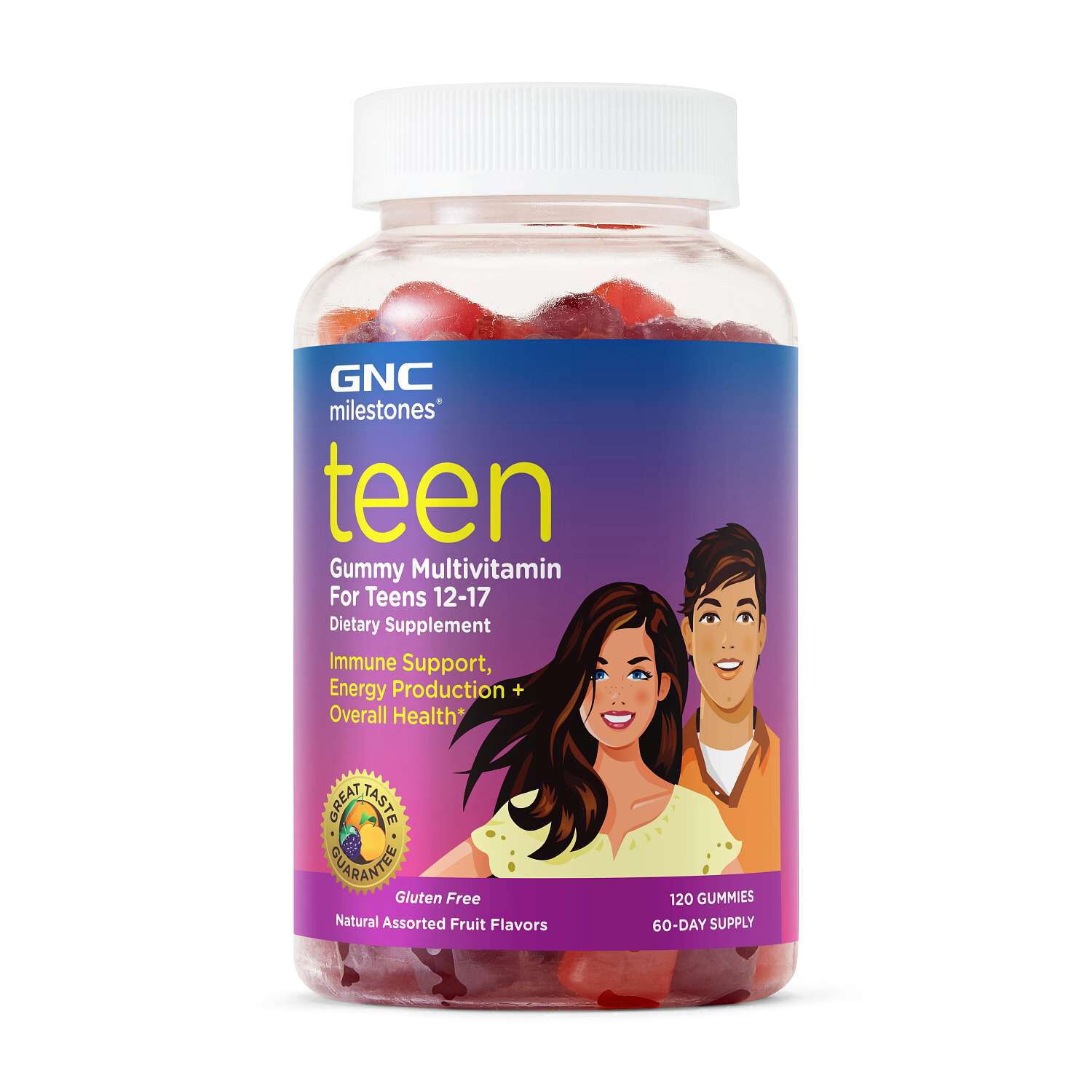
Vitamin D3 K2 Gummies For Vegetarians
(0 Results)
Vitamin D3 K2 gummies for vegetarians offer a convenient and enjoyable way to support your daily wellness routine. These gummies are crafted with plant-based ingredients, making them a great option for those following a vegetarian lifestyle. With their delicious flavors and easy-to-take format, vitamin D3 K2 gummies for vegetarians may fit seamlessly into your supplement regimen. Explore options that align with your dietary preferences and discover how adding these gummies to your day could help you meet your nutritional goals.
-
 $21.99
 -
 $17.99
 -
-
-
-
 $13.99
 -
 $15.99
 -

-
-
 $20.99
 -
 $20.99
 -
 $14.99
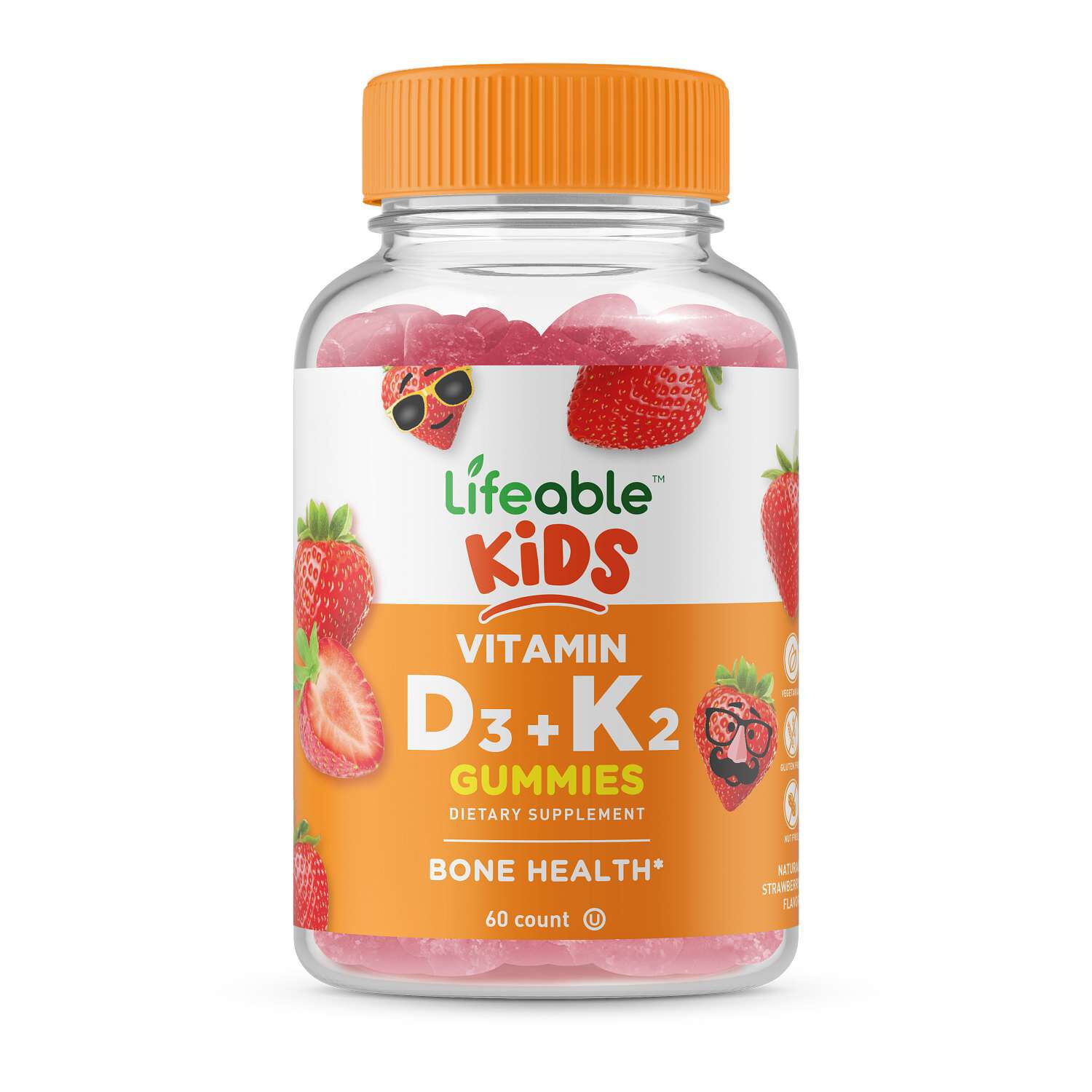


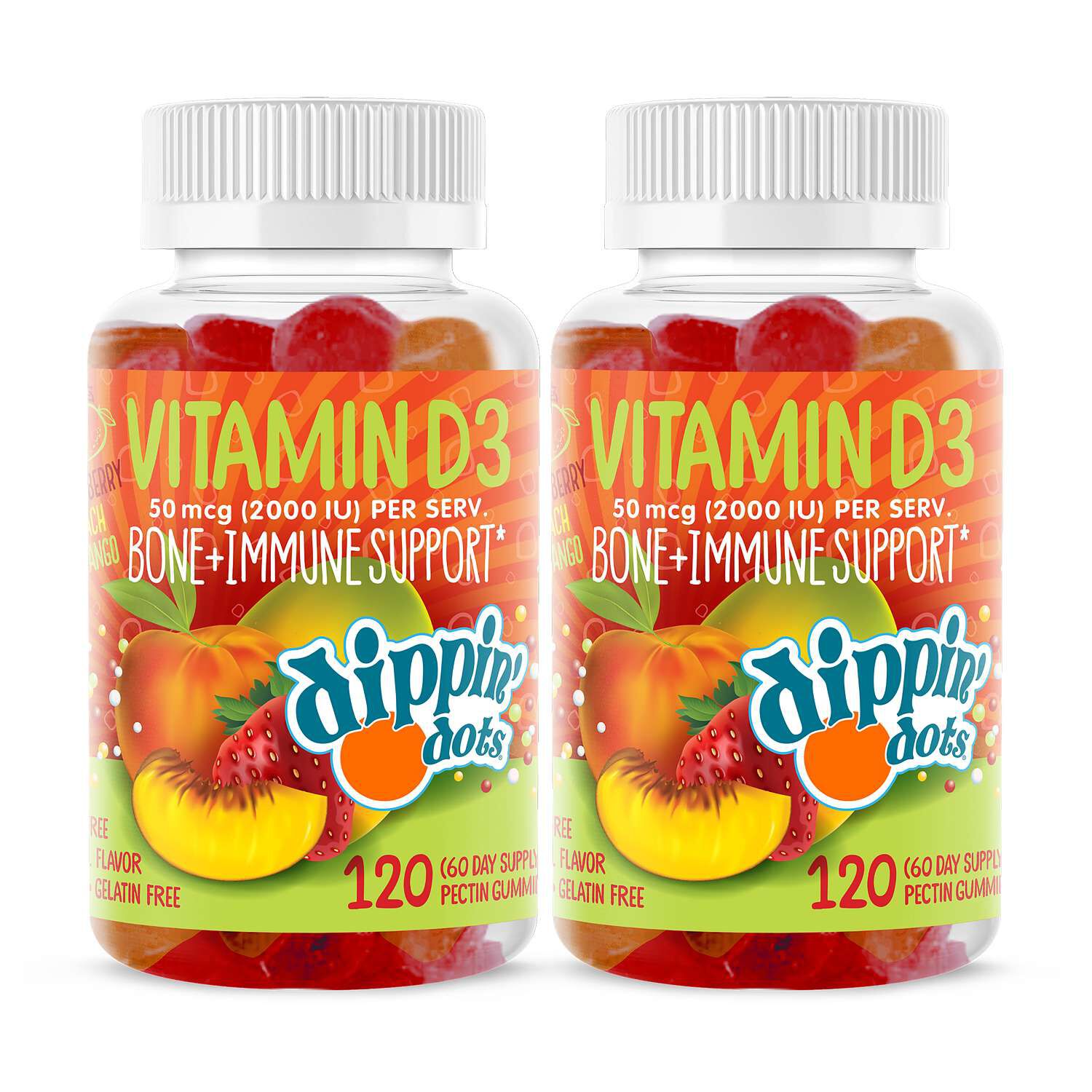

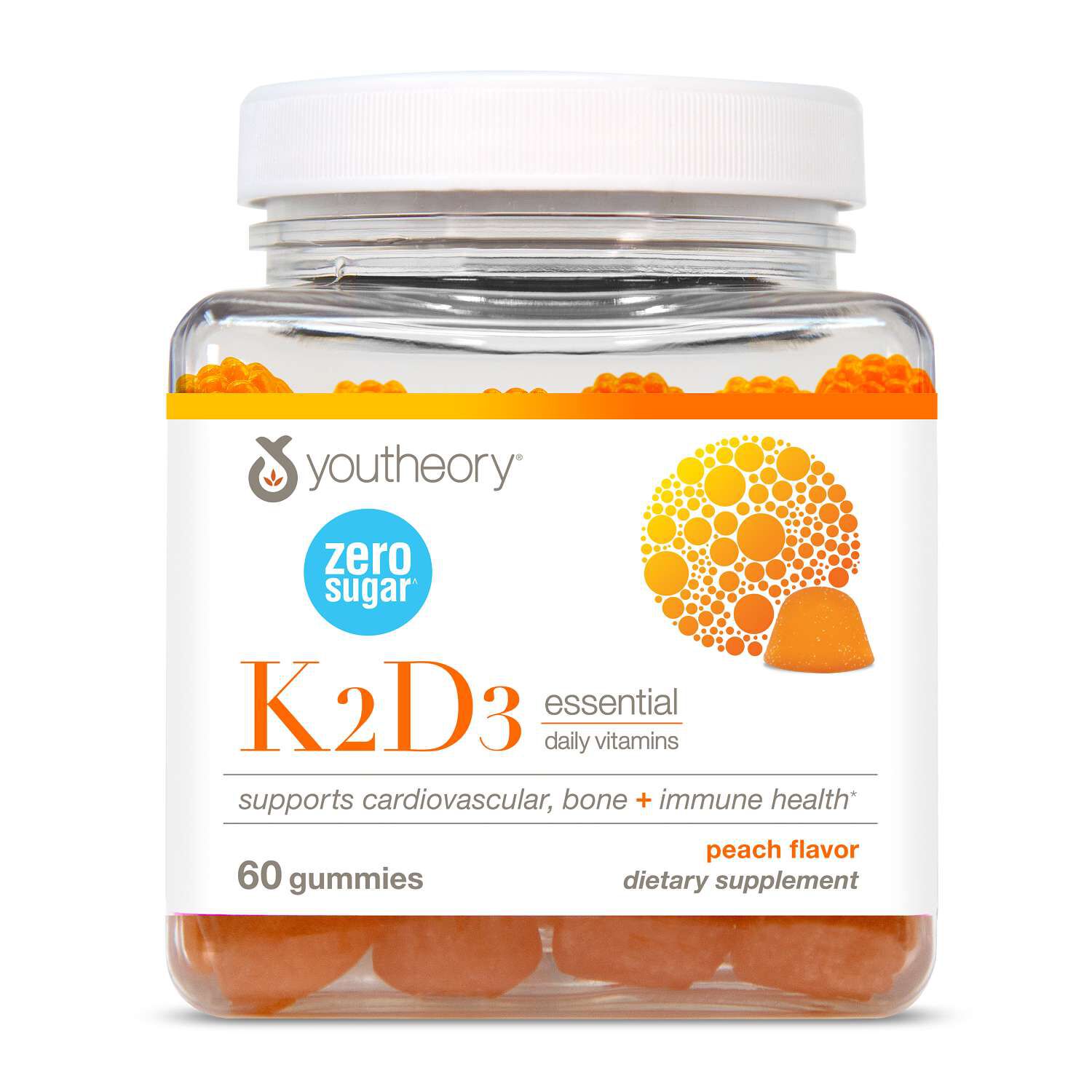
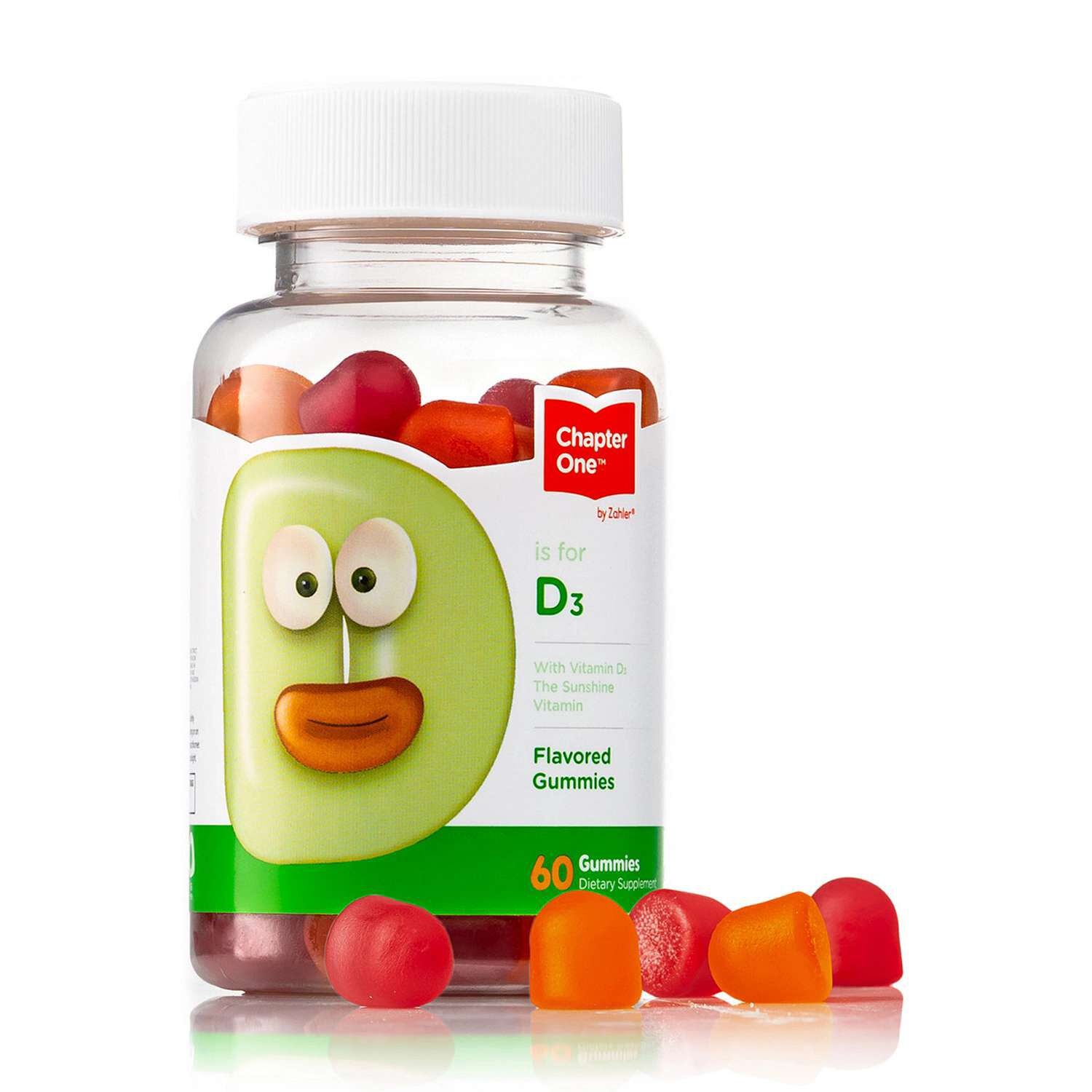
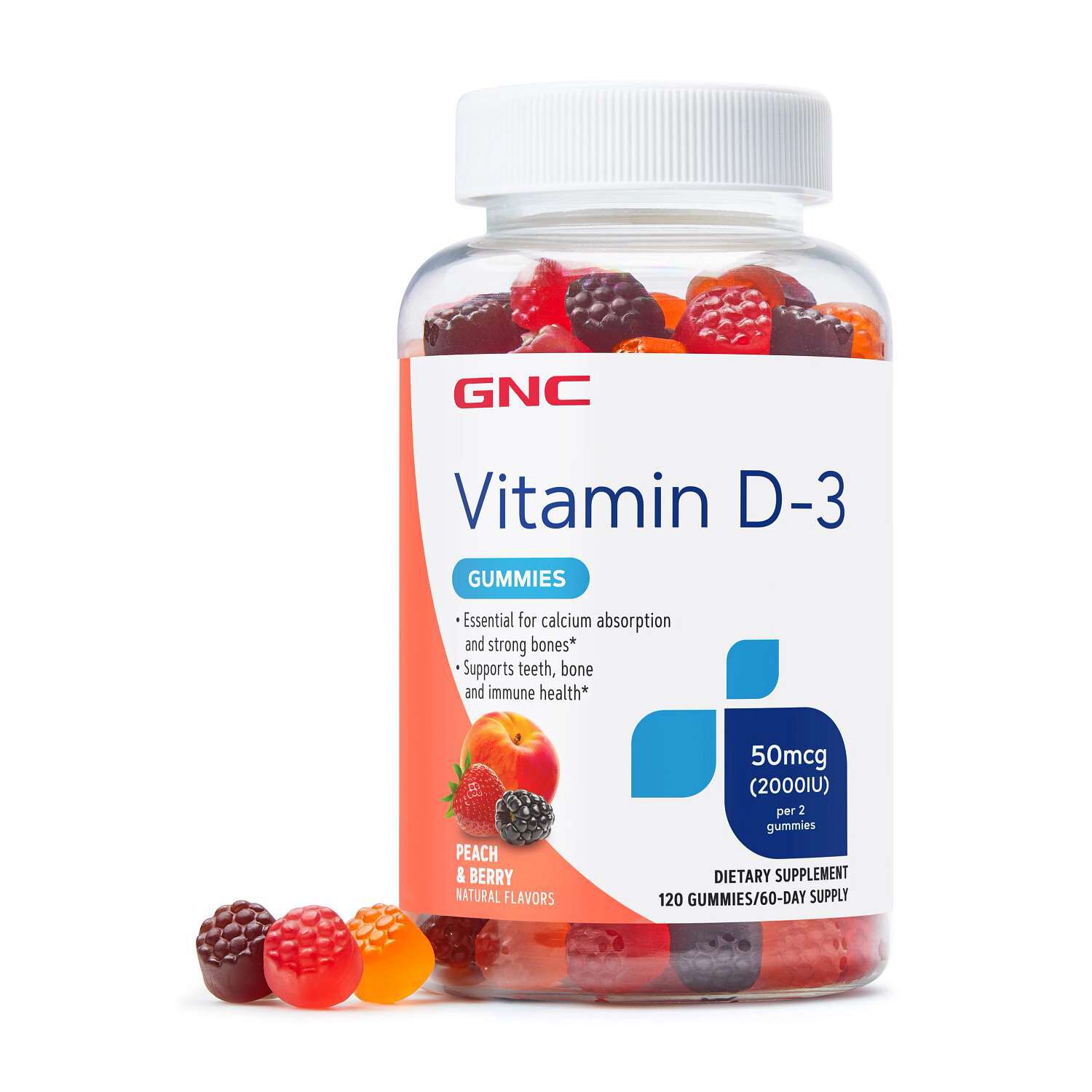
Vitamin D3 and K2 gummies may offer a convenient way for vegetarians to add two commonly paired nutrients to a daily routine, particularly for shoppers who prefer a chewable format over capsules or tablets. This collection focuses on products made with vegetarian-friendly ingredients, making it easier to review options that fit plant-focused eating patterns. A useful first step involves checking the gelling agent. Pectin, a fruit-derived ingredient, may be preferred by shoppers looking to avoid gelatin, which traditionally comes from animal sources. Labels may also identify D3 as lichen-derived or vegan D3. Traditional D3 may come from lanolin, a wool-derived ingredient, while lichen provides a plant-based source that may better suit vegetarian and vegan preferences. For K2, shoppers may see menaquinone-7, commonly written as MK-7, on the Supplement Facts panel. MK-7 identifies a particular form of vitamin K2 and may appeal to customers who want a clearly labeled combination rather than a formula that simply lists vitamin K without specifying its form. Because formulas vary, comparing the serving size, nutrient amounts, ingredient list, and suggested use can help make the selection process feel more manageable. Some gummies may provide around 1,000 IU of D3 per serving, while higher-potency options may list 5,000 IU; K2 amounts may range from approximately 45 mcg to 100 mcg. These figures are examples of the range shoppers may encounter, not a recommendation for any individual. A person’s preferred amount could depend on dietary habits, existing supplement routines, and guidance from a qualified healthcare professional. Those who follow a carefully planned vegetarian diet may appreciate a simple label that identifies every source, while shoppers seeking a vegan-friendly option may want to confirm that both the gummy base and nutrient sources align with their preferences. For a broader selection of plant-focused chewables, browse Vegetarian Vitamin D Gummies and compare the details that matter most to your routine.
Texture and flavor can matter just as much as the ingredient panel when a supplement becomes part of an everyday habit. A gummy that feels pleasant to chew and fits comfortably into a morning or evening routine may be easier to remember than a product that gets tucked behind a row of pantry jars. Vegetarian D3 and K2 gummies may come in fruit-forward flavors such as pomegranate, peach, mango, citrus, or berry, with sweetening approaches that range from traditional sugar to reduced-sugar or alternative sweetener formulas. Shoppers who are mindful of sweeteners may want to review the full nutrition panel rather than relying on the front label alone. The serving size deserves the same attention: one product may call for a single gummy, while another may list two or more gummies as one serving. This difference can affect how quickly a container is used and how the product fits alongside other supplements. It may also be helpful to note storage directions, especially for gummies that could soften in a warm kitchen cabinet or become firmer in a cool room. Keeping the container in a dry place and following the label’s instructions may help preserve the intended texture. Since D3 and K2 are fat-soluble nutrients, some shoppers may choose to take these gummies with a meal that includes a source of dietary fat, when that approach matches the product label and their personal routine. People taking prescribed products or managing a health concern may wish to speak with a qualified healthcare professional before adding a D3 and K2 supplement, since individual considerations can vary. Reading the label remains important for anyone already using a multivitamin, fortified beverage, or other formula containing D3 or K2, as combining several products may change the daily amount consumed. A clear, uncluttered Supplement Facts panel, recognizable ingredient names, and transparent sourcing details can make a product easier to evaluate without adding guesswork.
These gummies may also make a thoughtful gift for a vegetarian family member, a friend building a more plant-focused pantry, or someone who prefers a small daily ritual with a bright fruit flavor. They can fit naturally into a care package alongside herbal tea, a reusable lunch container, or other practical items for the cooler months, when routines often move indoors and busy mornings may call for convenient choices. A gift buyer may want to confirm dietary preferences before choosing, since vegetarian, vegan, gelatin-free, and no-sugar-added descriptions can refer to different product features. Checking whether the recipient prefers pectin, lichen-derived D3, a particular flavor, or a specific sweetener can make the gesture feel personal rather than generic. Packaging and portability may matter as well: a compact bottle can work for a desk drawer, travel bag, or kitchen shelf, while a larger container may suit a household that shares a regular supplement-shopping list. Gummies should remain intended for the labeled serving and stored out of reach of young children, as their candy-like appearance may invite curiosity. For personal use, many shoppers place the container beside an established habit, such as preparing coffee, packing lunch, or brushing teeth, so the routine has a familiar anchor. Others may prefer taking it with a main meal to make the experience feel more natural. No single format suits everyone, and the best choice may come down to ingredient sourcing, D3 amount, K2 form, flavor, texture, sweetener preferences, serving size, and price per serving. Reviewing those details side by side can help vegetarian shoppers find a D3 and K2 gummy that feels practical, clearly labeled, and easy to incorporate into the rhythm of daily life.