Krill Oil For Adults
(0 Results)
Discover the potential benefits of krill oil for adults, a popular supplement that may support overall wellness. Sourced from tiny crustaceans found in the pristine waters of the Antarctic, krill oil is rich in omega-3 fatty acids and other nutrients. Incorporating krill oil into your daily routine could be an excellent way to complement a balanced diet and healthy lifestyle. Explore our selection of high-quality krill oil products designed specifically for adults and take a step towards enhanced well-being.
-

-

-
-

-
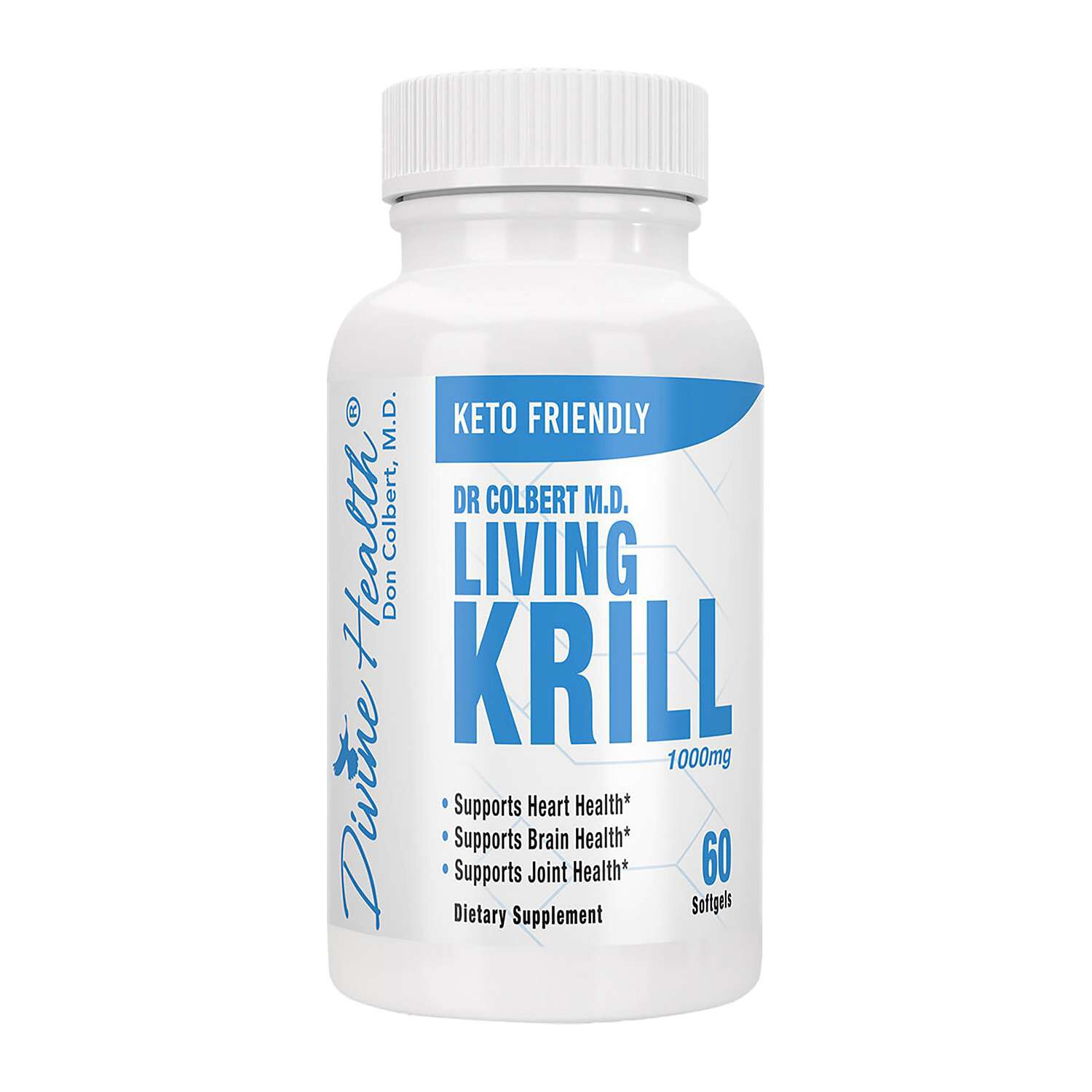 Divine Health$34.99
 -
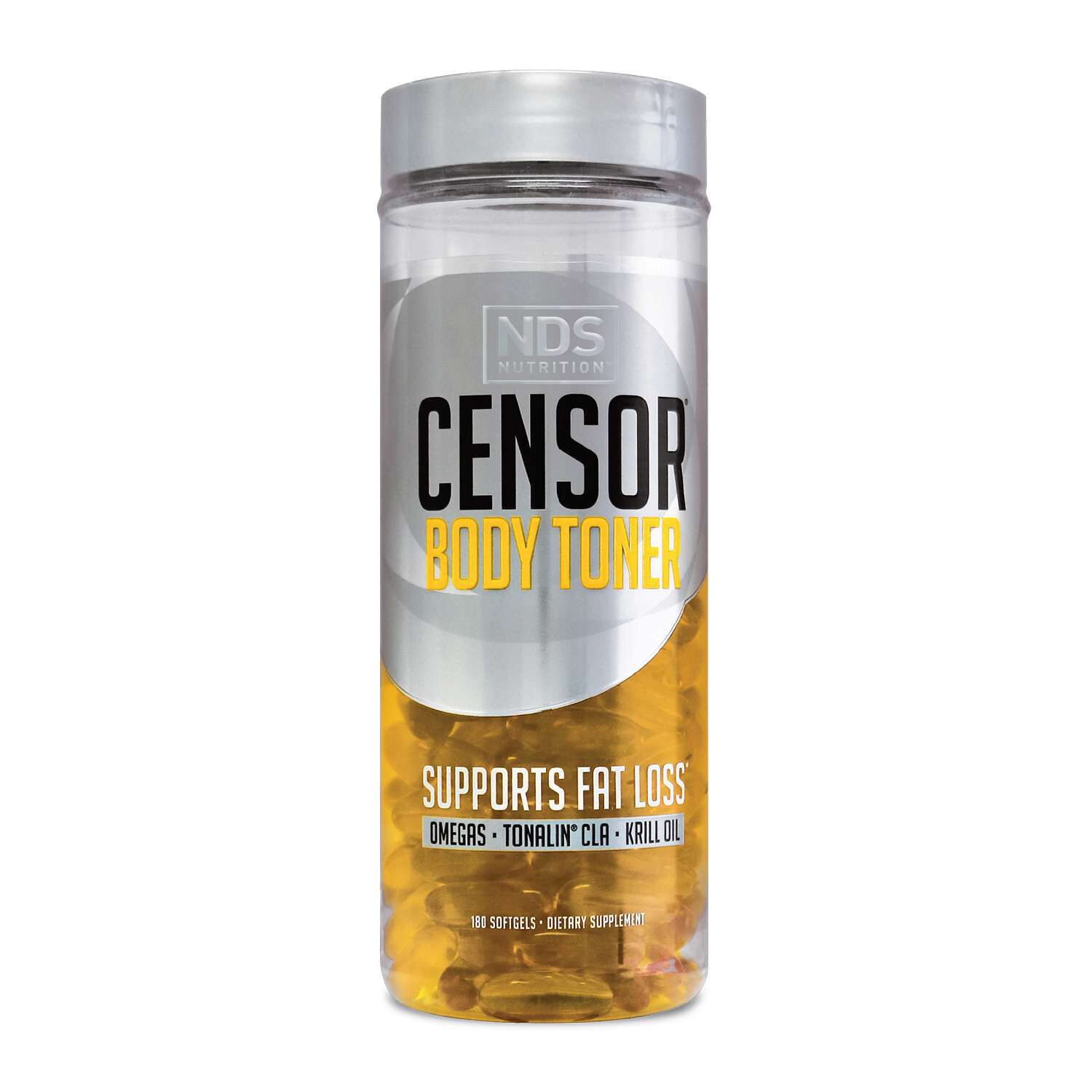 NDS Nutrition$84.99
 -
 NDS Nutrition$109.99
 -
 NDS Nutrition$49.99


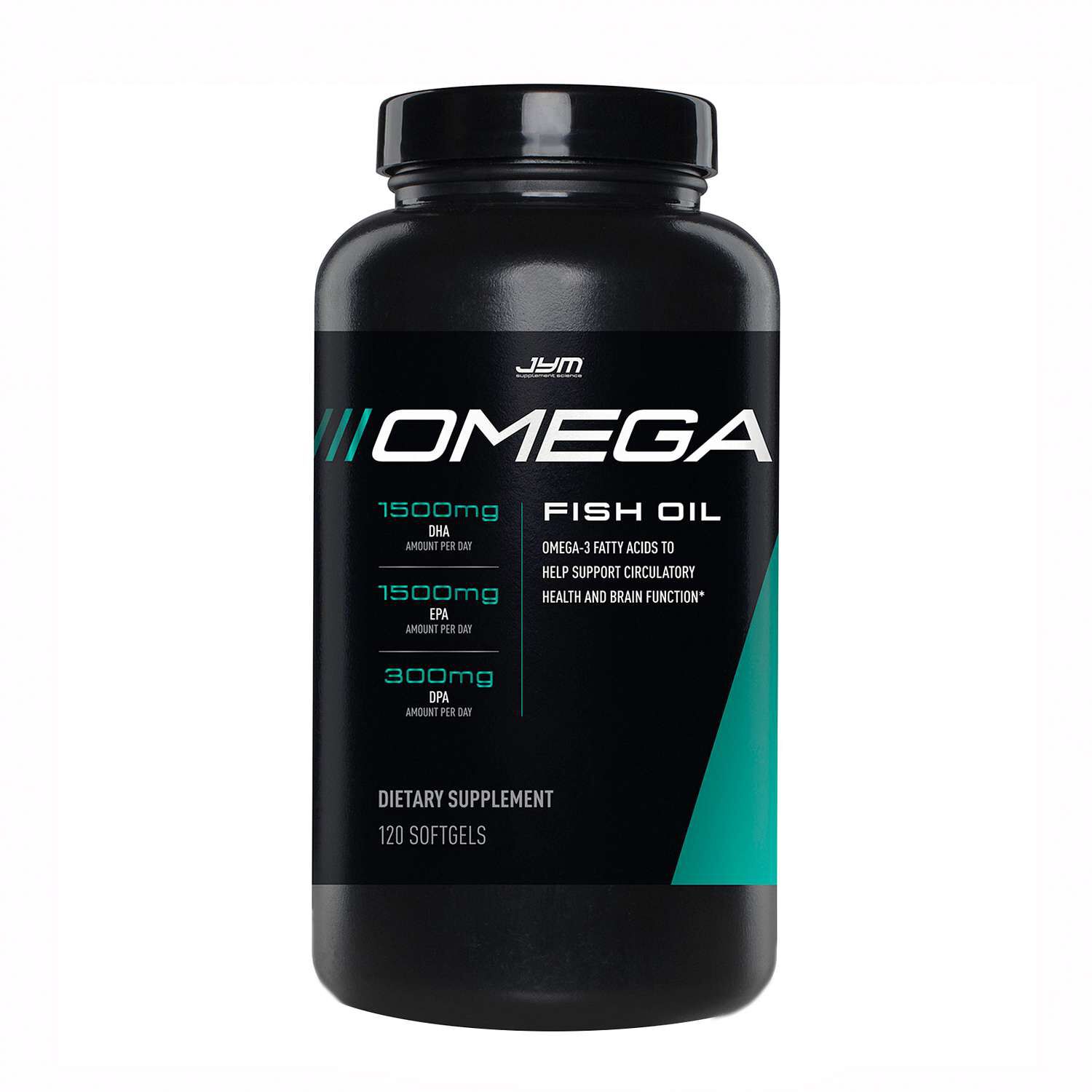
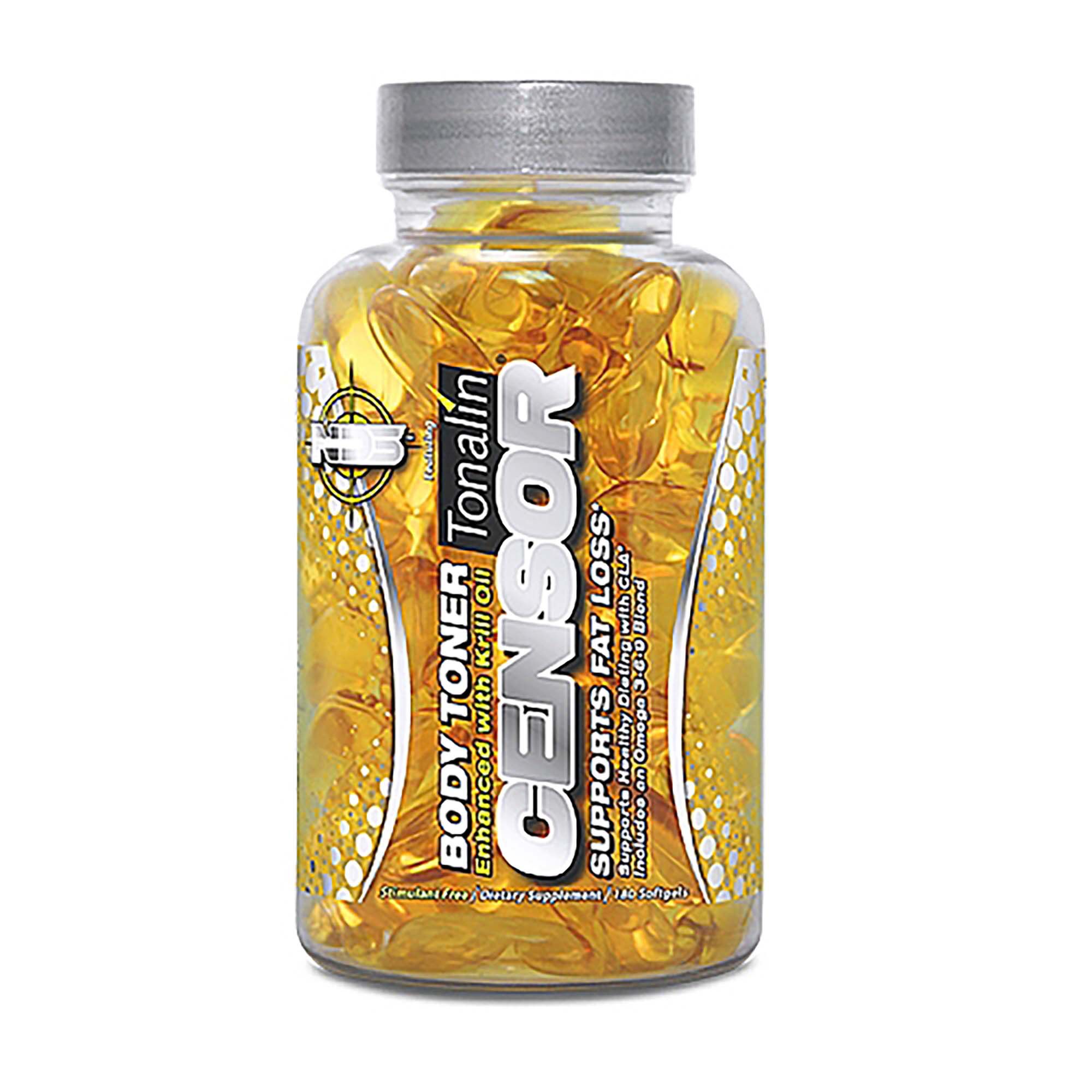
Krill oil for adults is a marine-source supplement made from small crustaceans called krill. Its defining ingredients include the omega-3 fatty acids EPA and DHA, whose full names are eicosapentaenoic acid and docosahexaenoic acid. Krill oil also contains phospholipids, a type of fat associated with cell membranes, and naturally occurring astaxanthin, a carotenoid pigment responsible for its characteristic reddish color. Many of its omega-3 fatty acids are attached to phospholipids, a compositional distinction from the triglyceride forms found in many fish oils. That difference describes how the fats are carried; it does not, by itself, establish that one supplement is the better choice for every adult. These supplements are generally presented as softgels, with the oil enclosed in a smooth capsule shell. They may appeal to adults who prefer a measured supplement format rather than a liquid oil, including those comparing different marine sources of omega-3s. Someone who rarely prepares seafood might be interested in the source and EPA and DHA content, while an adult already familiar with fish oil might be more focused on capsule dimensions, ingredient transparency, or serving size. Krill oil and fish oil belong to the same broad category of marine oils, but their source ingredients and nutrient profiles are not interchangeable. Fish oil comes from fish, while krill oil comes from crustaceans, and the amounts of EPA and DHA differ across formulations. Krill oil is not a plant-based ingredient, an important distinction for vegetarian or vegan preferences. Its shellfish origin also belongs alongside the other ingredient details when assessing dietary suitability. The most useful background for comparing adult krill oil supplements is therefore straightforward: the source of the oil, its labeled omega-3 content, the capsule ingredients, and the intended adult use. A larger milligram number on the front of a bottle tells only part of that story.
The Supplement Facts panel provides a more precise picture of what a serving contains. A stated amount of krill oil refers to the oil itself, not necessarily to the amount of EPA and DHA within it. For example, a serving labeled as 1,000 milligrams of krill oil does not mean that serving contains 1,000 milligrams of EPA and DHA. Those fatty acids may appear on separate lines, along with an omega-3 amount, phospholipids, or astaxanthin. Not every label presents the same details, making clearly stated quantities particularly useful for side-by-side comparisons. Serving size matters just as much as the numbers beneath it: a panel based on two softgels describes a different portion from one based on a single softgel. Bottle count and serving count also represent different things. A bottle containing 60 softgels represents 30 servings when the labeled serving consists of two softgels. These distinctions matter to someone arranging a daily routine or deciding how much space a bottle will occupy alongside other supplements. Capsule construction adds another layer of detail. Softgel shells may contain gelatin, glycerin, water, or other ingredients, and the source of gelatin can matter to adults with particular dietary preferences. Added flavors, colors, and other ingredients belong to the formulation too, even when they appear outside the Supplement Facts panel. Capsule size is worth noting separately from serving size; a smaller softgel does not necessarily mean a smaller daily serving, and a higher oil amount may be distributed across several capsules. Some formulations feature flavored shells or descriptions related to aftertaste, but the sensory experience may vary from person to person. Oil color can vary as well, and a deeper red appearance is not a reliable substitute for labeled ingredient amounts. For adults browsing Krill Oil Supplements, meaningful comparisons rest on clearly identified ingredients and serving information rather than appearance alone. This keeps attention on the details that distinguish one formulation from another without assuming that every bottle has the same composition.
Sourcing, packaging, and storage round out the practical side of adult krill oil supplements. Some labels identify Antarctic krill, often by the species name Euphausia superba, while others provide less detailed source information. When harvesting practices matter to a shopper, a named certification or documented sourcing standard offers more specific context than a broad environmental statement. Independent testing information can likewise describe particular quality checks, though the scope matters: verification of ingredient identity, testing for selected contaminants, and assessment of manufacturing practices are different types of evaluation. None of those details should be mistaken for evidence of a particular personal outcome. Packaging serves a separate purpose by containing the oil-filled capsules and providing space for directions, ingredient disclosures, lot information, and the date printed by the manufacturer. Tightly closing the original container and following its labeled storage directions are practical considerations for preserving its contents. A dry cupboard away from direct sunlight is often more suitable than a damp bathroom shelf, subject to the directions on the bottle. Keeping the original label accessible also makes it easier to review the serving instructions rather than relying on memory or on directions from a previously used formulation. For someone who carries supplements between home and work, bottle dimensions and closure style can matter as much as capsule count. A compact container may fit more conveniently in a bag, while readable labeling may be more useful for a bottle kept with other daily-use items. Intended use remains specific to the formulation and its adult labeling; directions should not be assumed to apply across every marine-oil supplement. Krill oil is a concentrated ingredient format, not a replacement for the variety found in everyday meals. Its place in an adult shopping routine is best understood through that narrow, concrete lens: a marine-source oil with a distinct fatty-acid composition, offered in formats that differ in serving size, shell materials, sourcing detail, and packaging. Those characteristics give shoppers a grounded basis for comparing krill oil for adults according to their preferences and routines.
Best Sellers
-
 Nordic Naturals
 -
 Nordic Naturals
 -
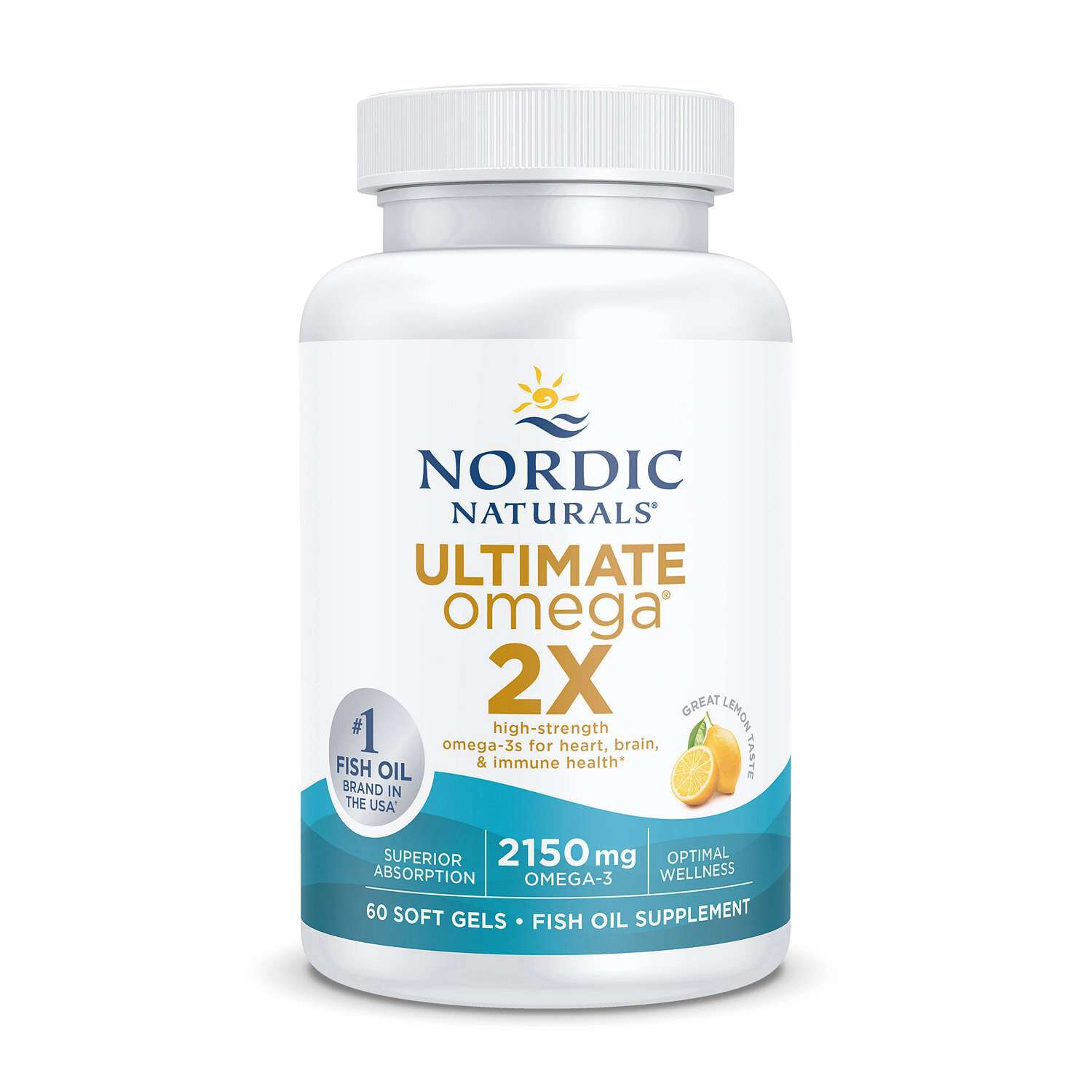 Nordic Naturals