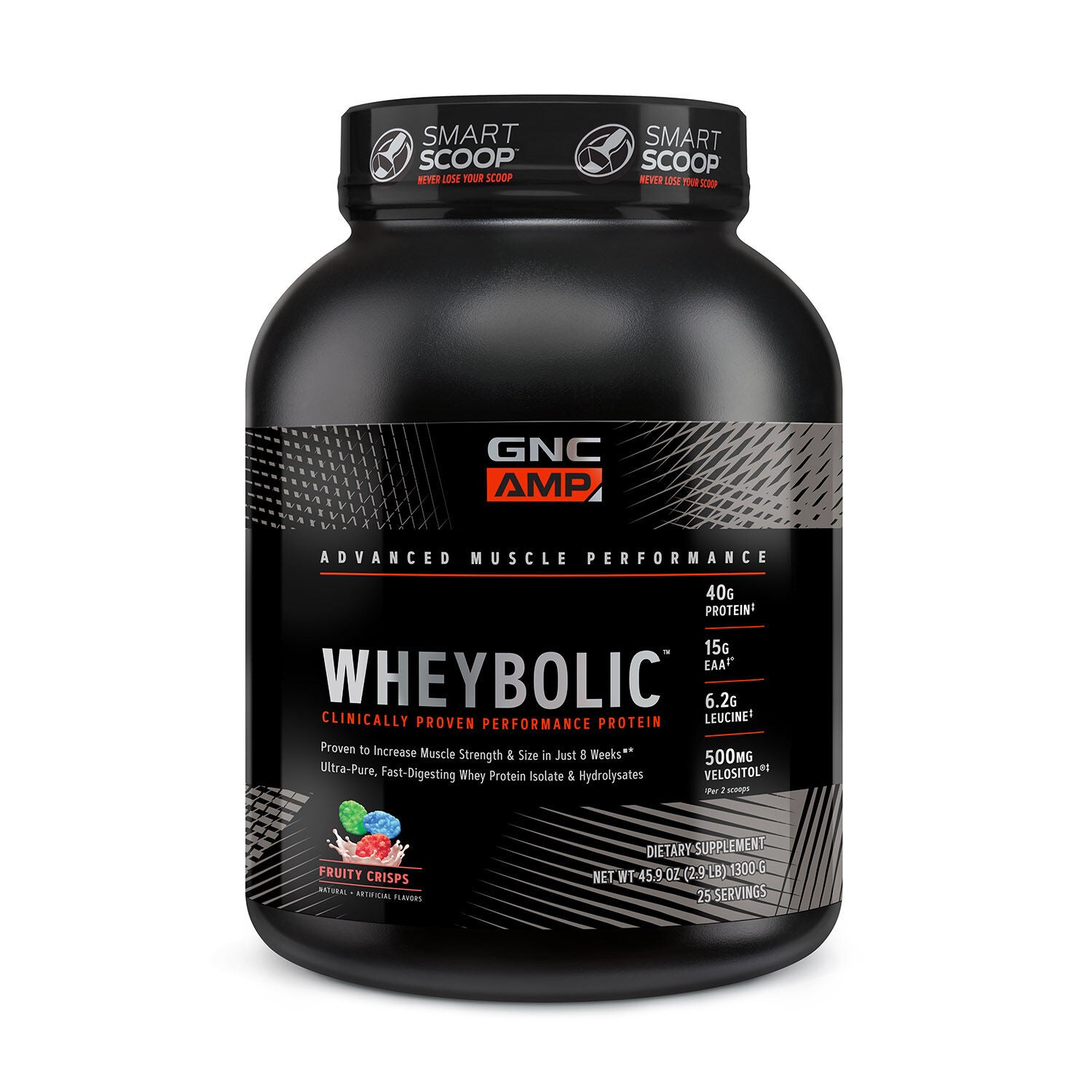
L Leucine For Custom Supplement Blends
(0 Results)
L leucine for custom supplement blends offers a versatile option for those looking to personalize their wellness routine. Whether you’re formulating a pre-workout mix or enhancing your daily nutrition, incorporating L leucine into your blend may support your unique goals. Explore a range of L leucine powders and capsules designed to fit seamlessly into your custom supplement creations, allowing you to tailor your regimen to your preferences.
-
-
-

-
-
 $39.99
L-leucine for custom supplement blends centers on a single amino acid rather than a ready-made combination of ingredients. Leucine belongs to the branched-chain amino acid group, commonly called BCAAs, alongside isoleucine and valine. It is also one of the amino acids found in dietary proteins, including those in dairy foods, eggs, meat, soy, and legumes. In a supplement assortment, the distinction between standalone leucine and a broader amino acid formula matters: one centers on an individual ingredient, while the other brings together several ingredients in a predetermined balance. For shoppers who prefer to understand each component of a supplement routine, that difference is often the starting point. A custom blend does not necessarily mean a complicated recipe or a long row of tubs on the counter. It might mean choosing an unflavored ingredient to accompany a familiar shake, or keeping individual supplements separate rather than choosing an all-in-one powder. The intended use, labeled serving, and ingredients already present in other supplements all deserve attention before combining anything. Protein powders, for example, contain amino acids as part of their protein content, so a standalone leucine supplement is not the only place leucine may appear in a routine. Product descriptions and amino acid profiles, when provided, offer useful context for understanding that overlap without assuming that adding more is appropriate. Shoppers comparing Leucine Supplements will find that format, ingredient transparency, and everyday preparation are more useful distinctions than broad performance language. This category may appeal to adults who already read supplement labels carefully, people with established training routines, and those who prefer straightforward formulas over mixtures with many components. The most relevant comparison is how a supplement fits its intended use and labeled directions, not how many ingredients it brings to the countertop. Familiarity with a routine also matters: an ingredient that requires measuring and mixing involves a different daily commitment from a preportioned format.
Powder is closely associated with custom supplement blends because its format lends itself to measured preparation, subject to the product’s directions. Even within that format, there are meaningful differences to consider. A single-ingredient powder has a different composition from a flavored powder containing sweeteners, acids, colors, or ingredients added for texture. “Unflavored” describes the absence of added flavoring; it does not mean the ingredient has no taste. L-leucine has a characteristically bitter taste, which is worth considering before choosing it for a lightly flavored beverage. In a shake with cocoa, vanilla, or fruit, that bitterness may be less noticeable than it would be in plain water, although the finished taste depends on the formula and preparation. Texture deserves equal attention. Leucine powder may not dissolve readily, and some preparations may leave particles at the surface or a noticeable texture in the drink. A shaker bottle and a countertop blender offer different mixing experiences, but neither should be assumed to make every powder dissolve. For someone who usually stirs a drink with a spoon before leaving home, preparation effort may be a deciding factor. Someone who already makes a blended shake may have a different preference. Capsules provide another format to compare, though they are generally intended to be taken as directed rather than treated as ingredients for a beverage. The amount listed per serving and the number of capsules in that serving are separate details, and both matter when comparing labels. Powder scoops also differ between formulas, so a scoop from another container is not an interchangeable measure. Attention to the stated serving unit helps keep comparisons grounded in the label rather than the apparent size of a scoop or capsule. For custom use, a clear distinction between the amount of leucine and the amount of the overall formula is especially helpful. A flavored serving may include other ingredients in addition to leucine, making serving weight alone an incomplete basis for comparison.
The ingredient panel is also where practical preferences become clearer. Shoppers who follow a plant-based eating pattern may want explicit information about ingredient sourcing and, for capsules, the capsule material. The name of an amino acid by itself does not establish those details. Likewise, an ingredient list and allergen statement provide different information, and a short formula should not be treated as proof of a particular manufacturing environment. Clearly stated testing information may offer additional context about identity and composition, but it should be read for what it actually covers rather than interpreted as evidence of a particular result. Packaging has a more everyday role: a secure closure, readable directions, and convenient access to the contents all matter when a container is opened regularly. Keeping powder in its original labeled container preserves access to the serving information, ingredient list, lot information, and date markings. Following the storage directions and using clean, dry utensils are sensible considerations for a product intended for repeated use. Damp scoops, loosely replaced lids, and transferring powder into an unlabeled kitchen jar introduce avoidable uncertainty about the contents and their care. Custom blending also brings a distinction between preparing a single labeled serving and making a large batch of several powders. Powders with different textures and particle sizes may distribute unevenly, so a homemade mixture should not be assumed to contain the same proportions in every scoop. Keeping individual ingredients identifiable makes their labels and serving instructions easier to consult. These practical details are relevant whether a shopper prepares a shake at home, carries a shaker to a training session, or prefers a capsule format that does not require mixing. As a gift, an individual amino acid supplement is a personal choice rather than a general-purpose present; the recipient’s stated preferences and familiarity with the ingredient matter more than a general interest in fitness. Across formats, the clearest basis for choosing is a readable label, an understood composition, and preparation requirements that suit the intended routine. L-leucine for custom supplement blends is ultimately a category where careful comparison of ingredients and format matters more than complexity.