

Leucine Supplements
(0 Results)
Looking to boost your workout performance and muscle recovery? Leucine supplements could be just what you need. As one of three branched-chain amino acids (BCAAs), leucine plays a crucial role in protein synthesis and muscle growth. Whether you're an athlete looking to enhance your gains or simply seeking to support your overall fitness goals, incorporating leucine supplements into your routine may help you achieve better results. Explore our selection of high-quality leucine supplements to take your fitness journey to new heights.

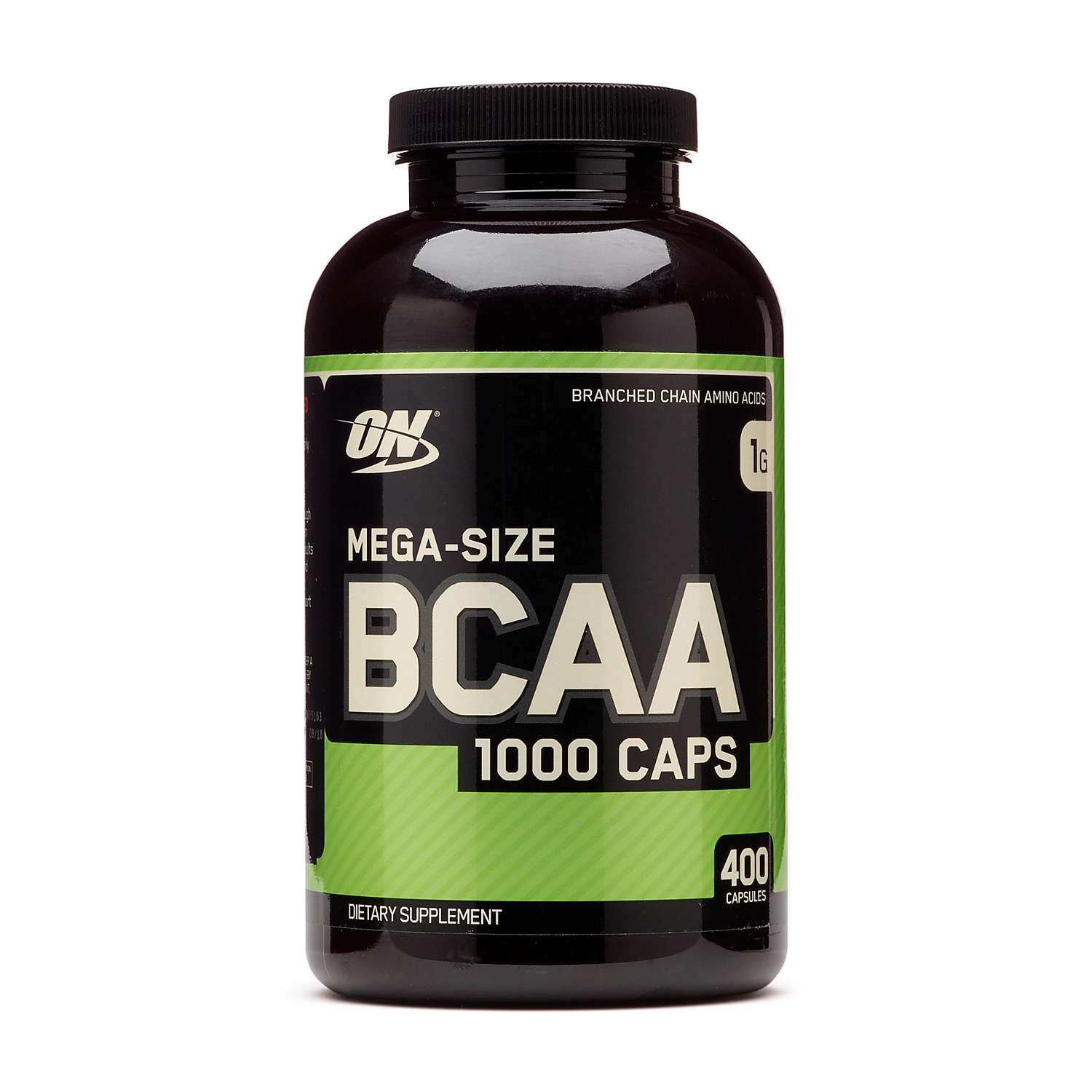

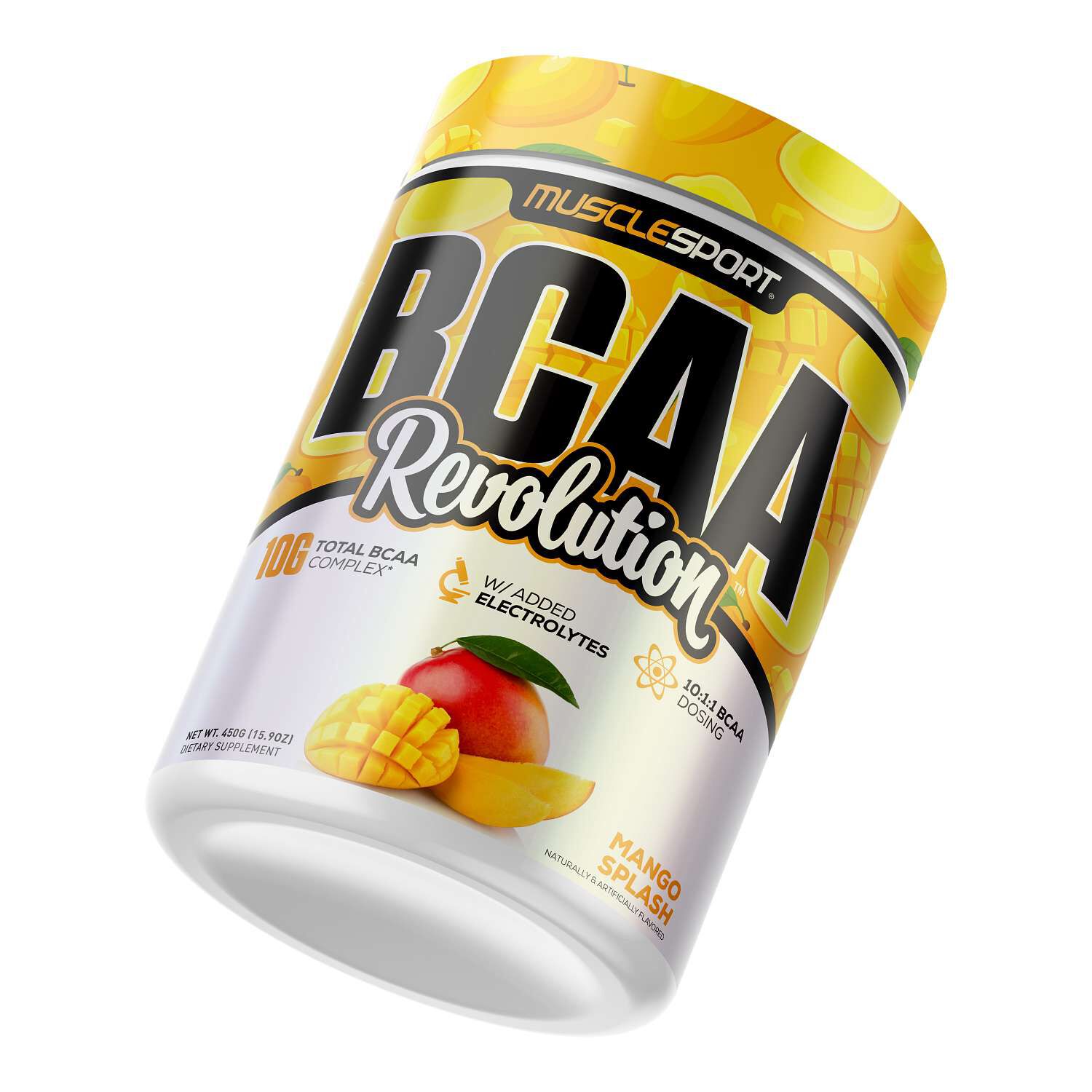
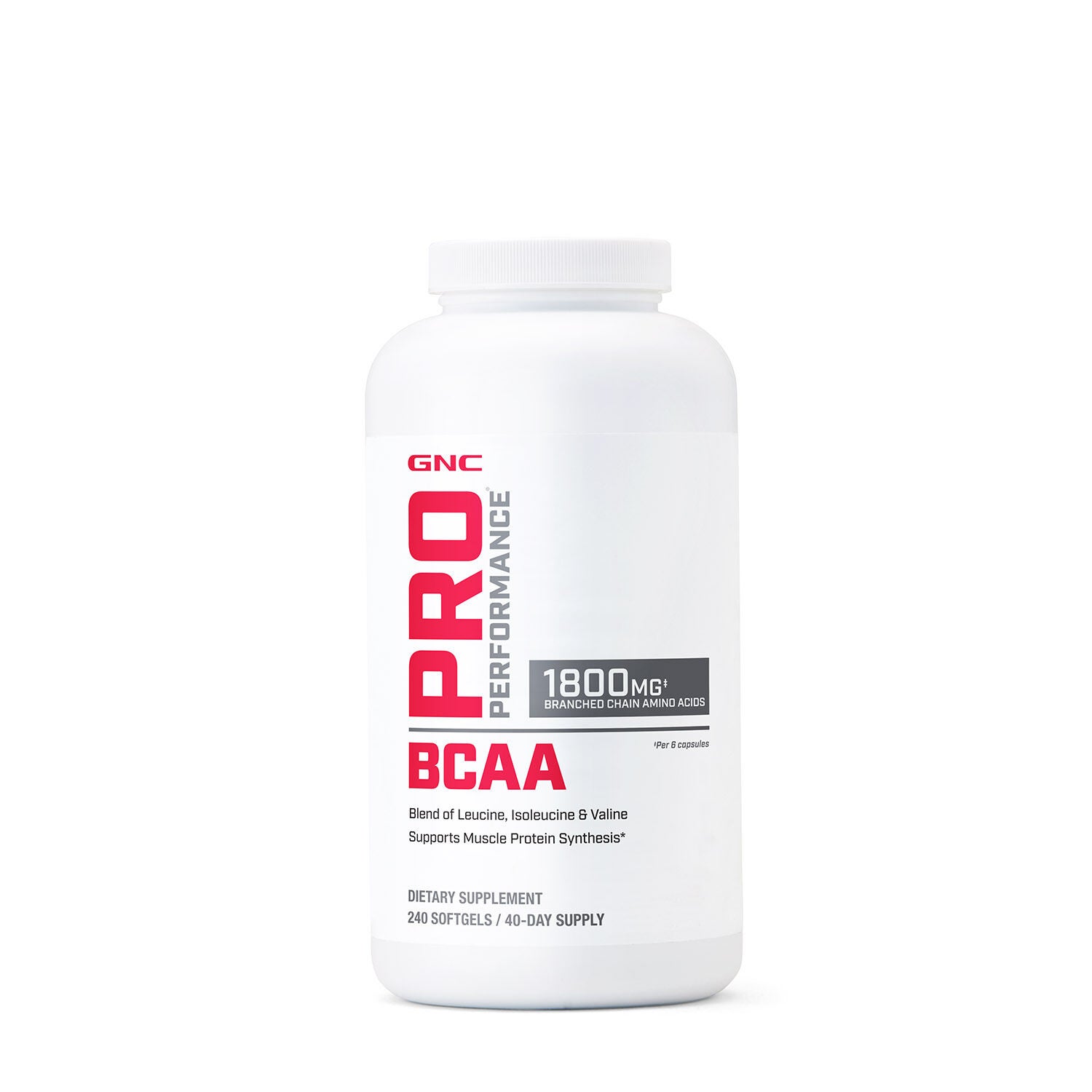

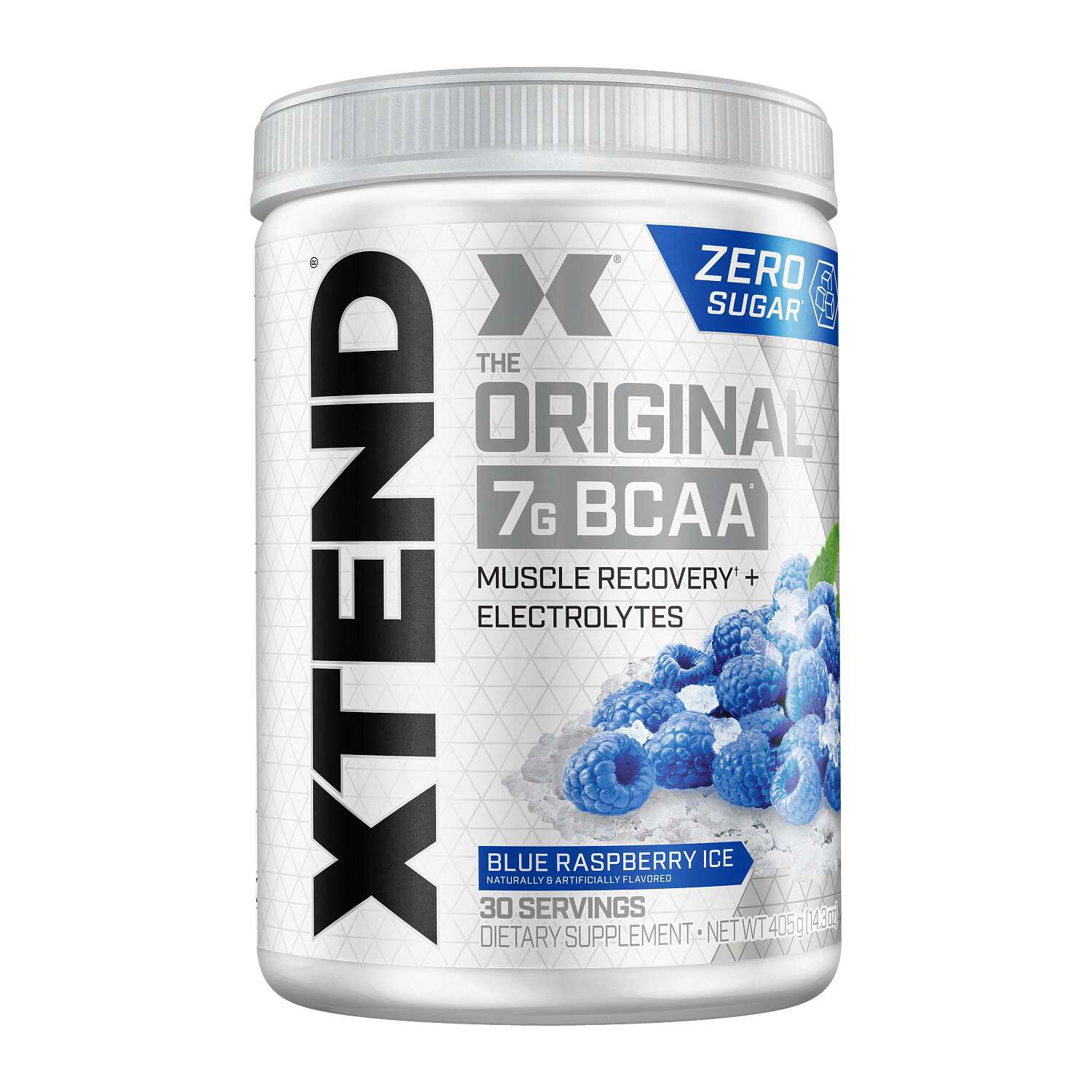


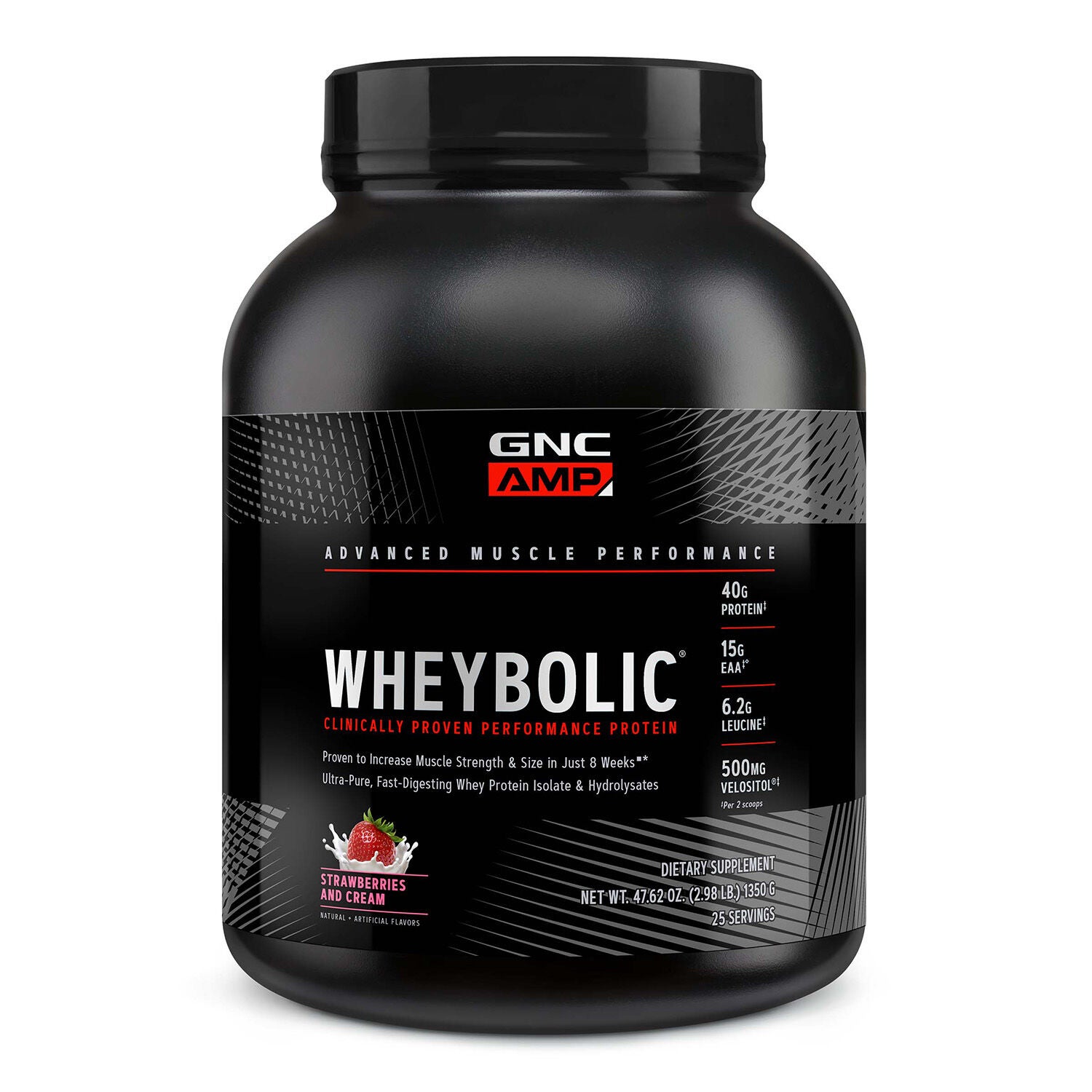


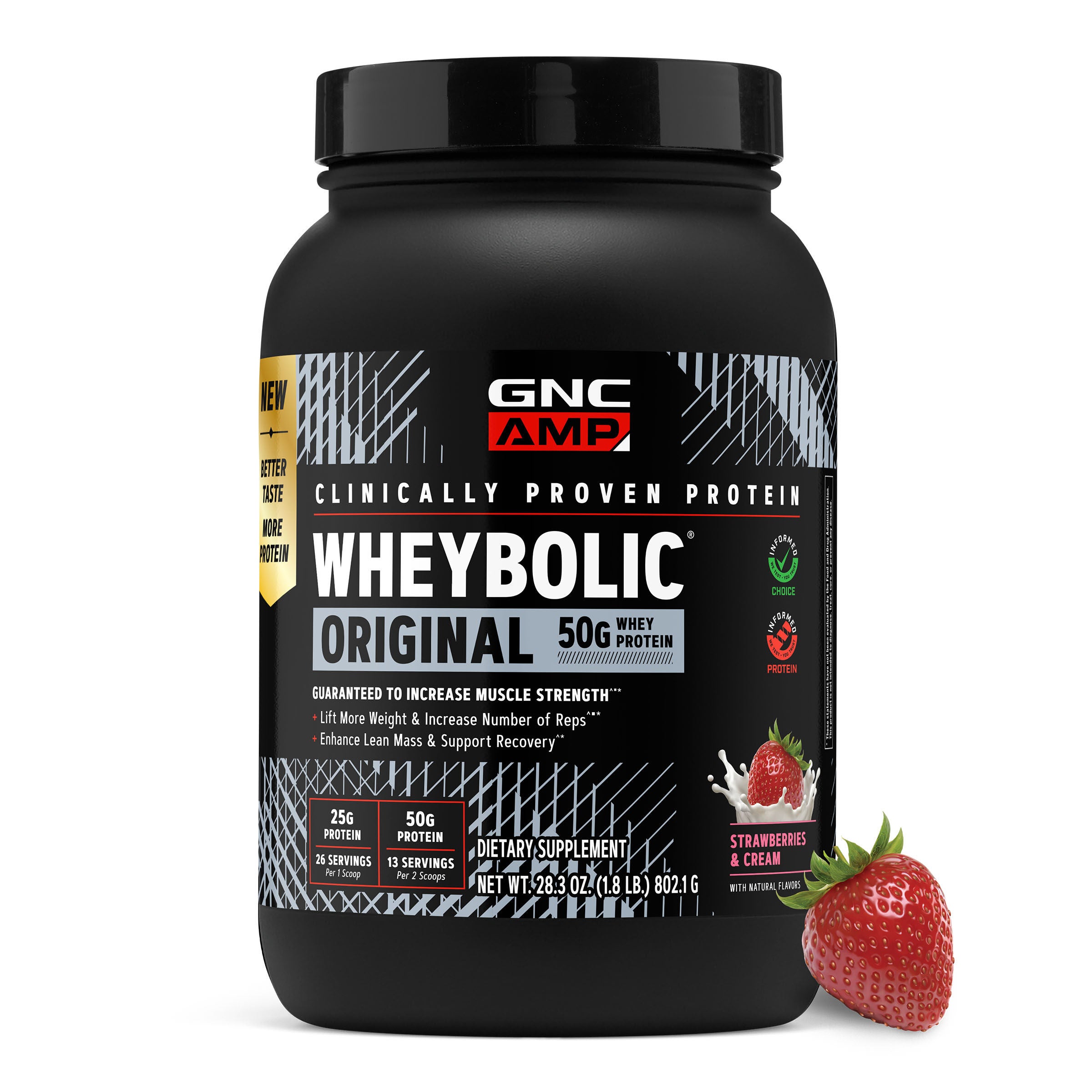


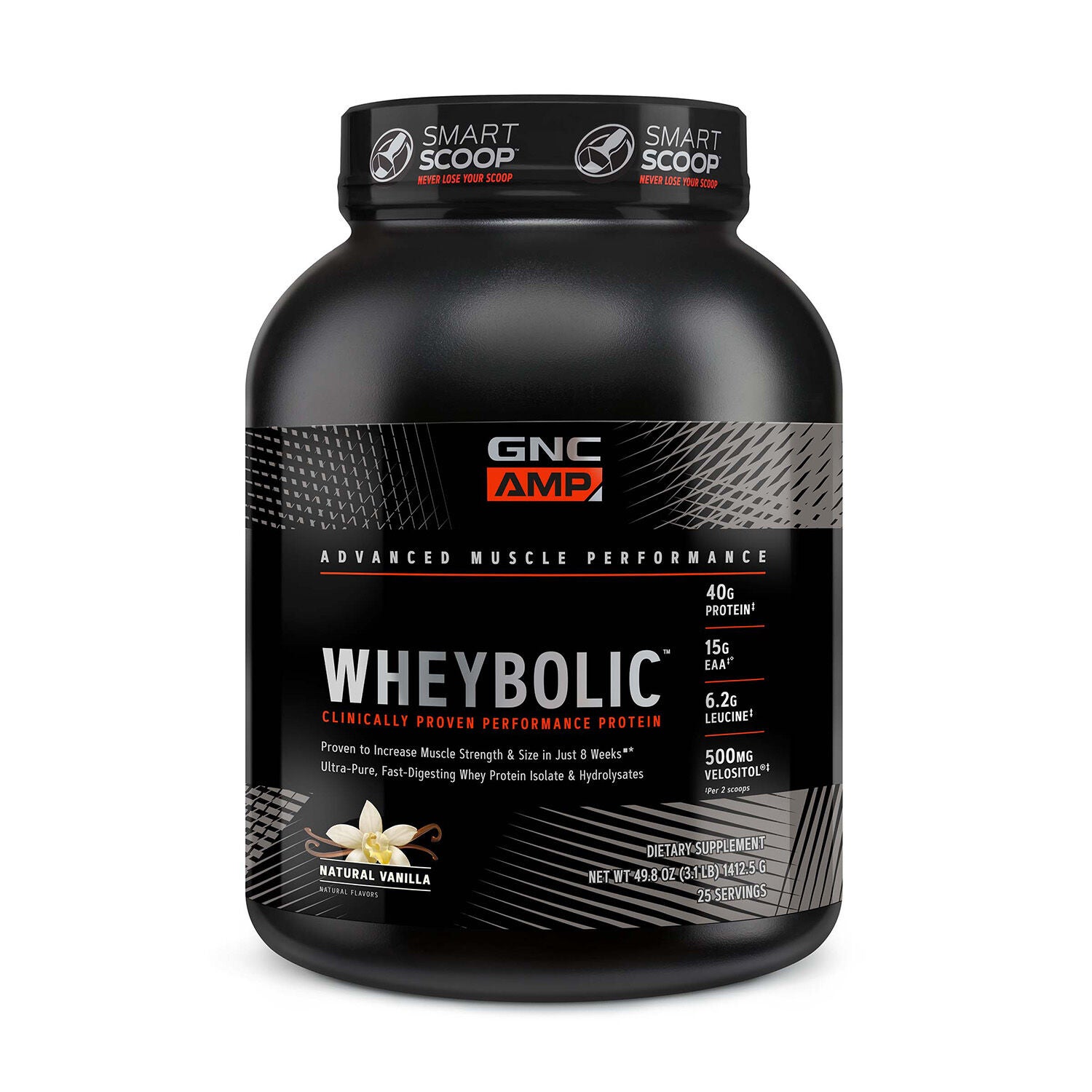
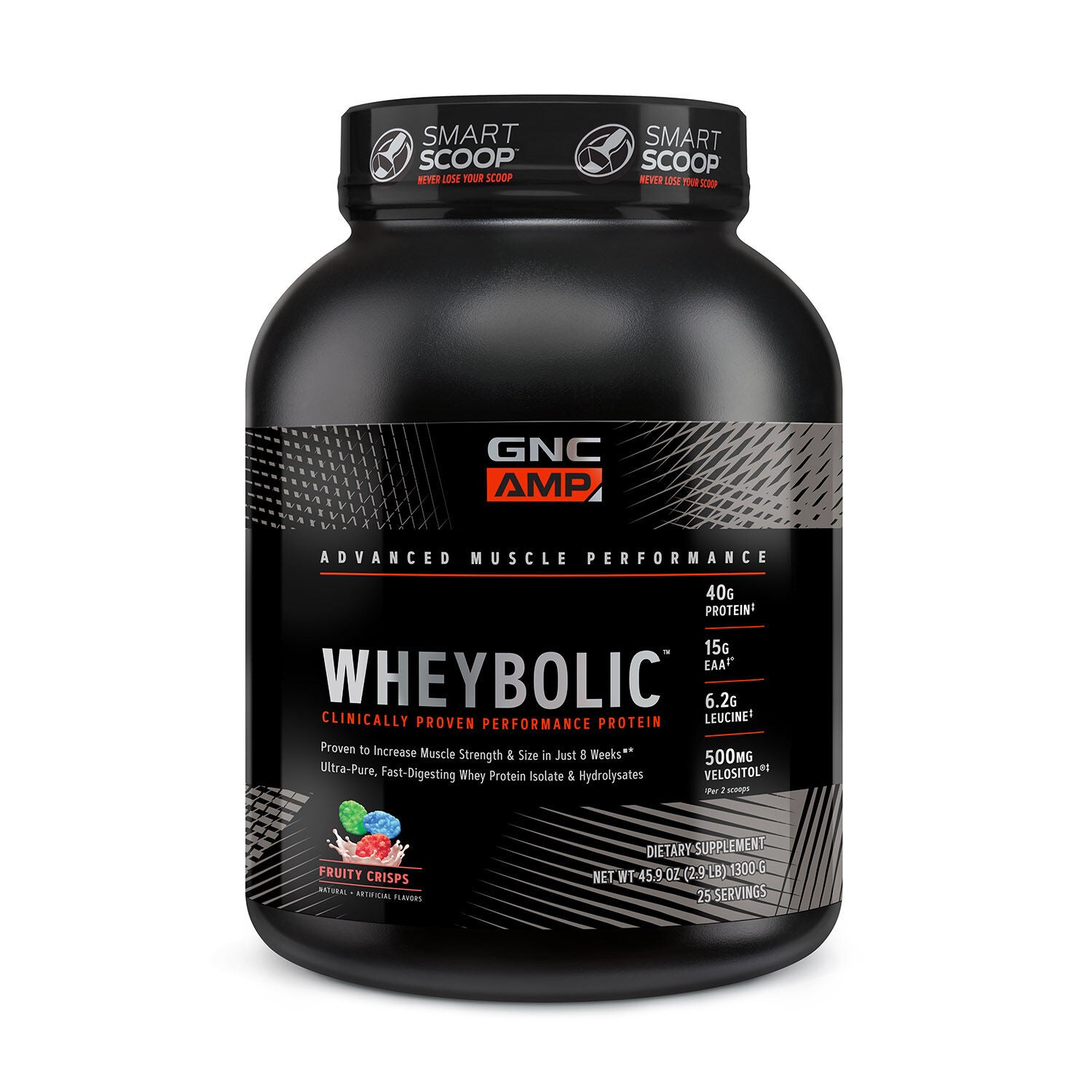
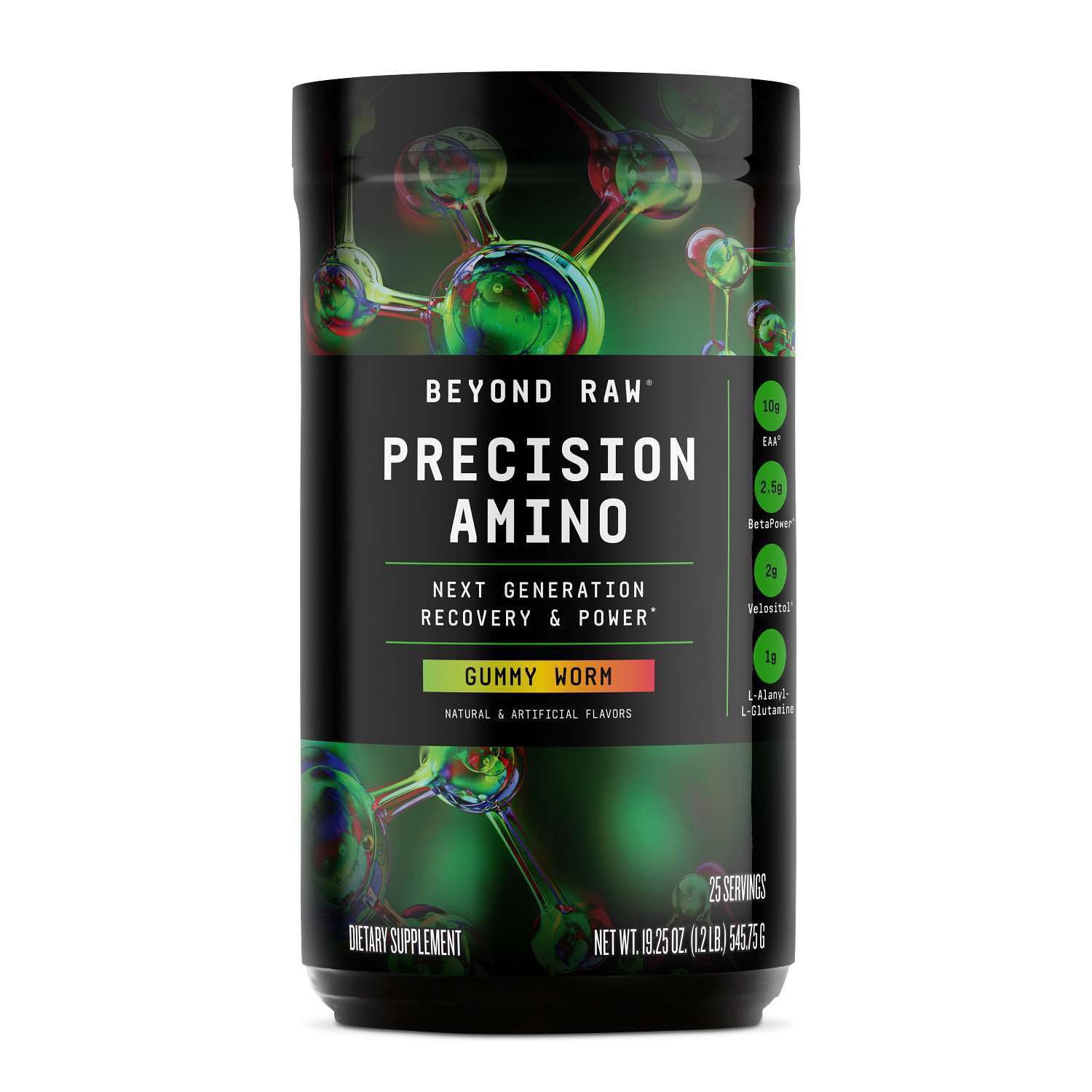

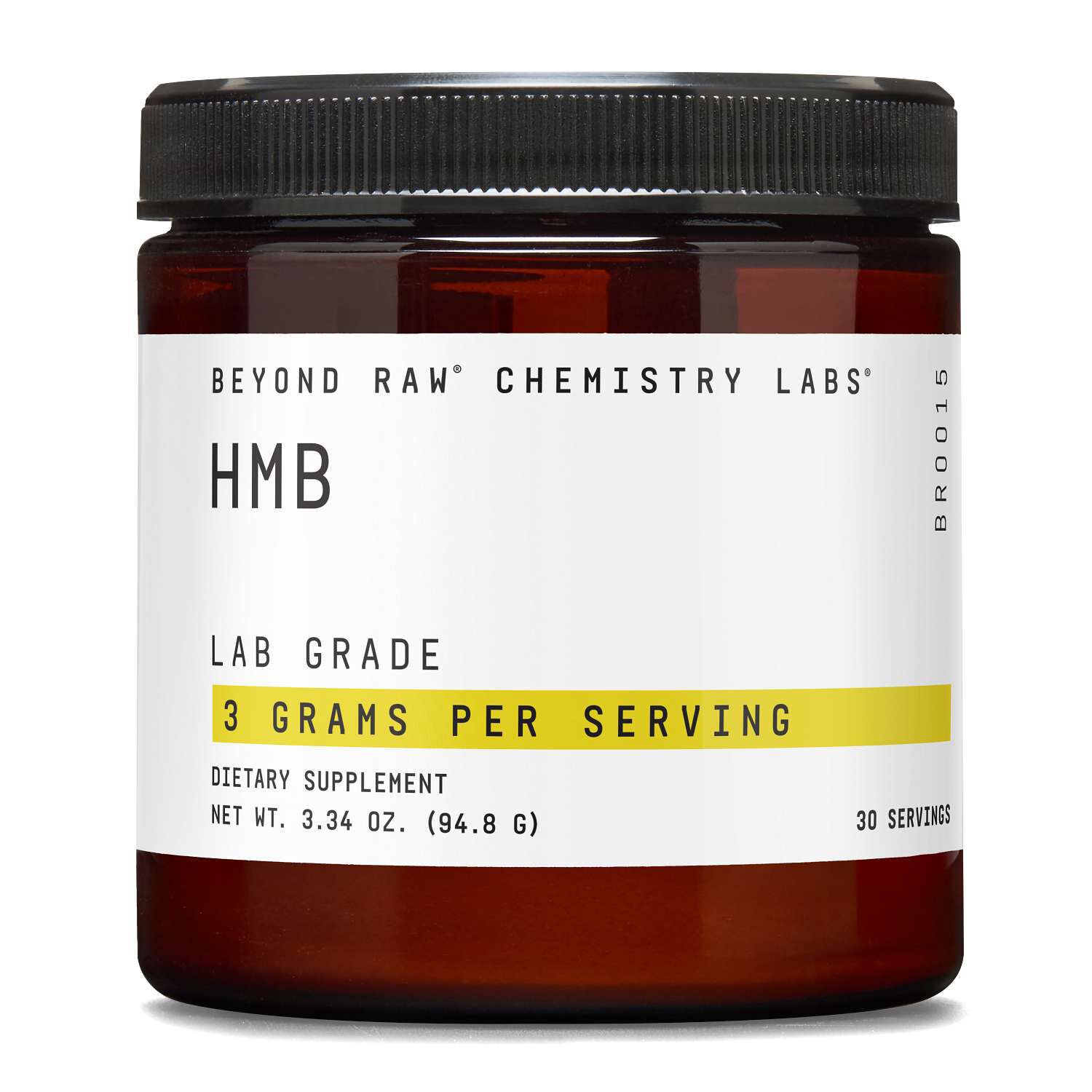


Leucine supplements provide an individual amino acid in a format that can fit into a sports nutrition routine. Leucine is one of nine amino acids the body must obtain through the diet, and it belongs to the branched-chain amino acid group alongside isoleucine and valine. These three amino acids appear together in formulas commonly labeled BCAAs, while standalone L-leucine supplements focus on leucine itself. For shoppers comparing options, that distinction matters: an individual amino acid supplement is different from a protein powder, which supplies a broader range of amino acids. Leucine occurs naturally in foods such as meat, fish, eggs, dairy, soy, and beans, so a supplement is not the only way to include it in an eating pattern. Someone who regularly eats a variety of protein-rich foods may already get ample leucine through everyday meals. Interest in supplemental leucine often comes from adults who lift weights, follow structured training programs, or prefer to compare individual ingredients rather than choose a broad sports nutrition blend. As part of a routine that includes resistance exercise and adequate nutrition, leucine may support muscle-building goals, although a single ingredient should not be viewed as a substitute for food, training, or rest. Its role in muscle protein synthesis—the process of making muscle proteins—explains why it appears in discussions of strength training nutrition. That background is useful when browsing, but it does not make every leucine formula interchangeable. Products can differ in format, serving size, ingredient composition, flavor, and packaging. A shopper looking for a straightforward powder to keep beside a shaker bottle has different practical priorities from someone who wants capsules that require no mixing. The most meaningful comparison starts with what the product contains and how its format fits the intended routine, rather than with an expectation that a larger serving or a longer ingredient list will necessarily deliver a better experience. Clear labeling makes those differences easier to evaluate.
Powder and capsule formats offer distinct experiences, especially when taste, preparation, and portability matter. Leucine powder has a characteristically bitter taste, and an unflavored label does not mean that it has no taste of its own. That is worth considering before pairing it with a lightly flavored beverage. Flavored formulas bring their own ingredient considerations, including sweeteners, flavoring ingredients, and sometimes colors. Mixing directions also deserve attention, since texture and dispersion can vary between formulations; some powders may leave particles floating on the surface or settling after stirring. A shaker bottle may be more practical than a spoon for certain preparations, but the product’s directions remain the reference for mixing. Capsules avoid the preparation step and can be convenient for adults who prefer not to add another flavor to their routine. Capsule count is an important detail, because one capsule is not necessarily one labeled serving. For powders, scoop size and the amount of leucine listed per serving are also separate pieces of information. The Supplement Facts panel identifies the leucine amount, while the ingredient list provides additional context about the formula. Capsule shells, for example, may use gelatin or plant-derived materials, and powders may contain ingredients intended to help with texture or mixing. Shoppers with dietary preferences can look for explicit labeling rather than assume that every amino acid supplement has the same sourcing or composition. Packaging is another everyday consideration. A wide-mouth tub can make measuring less awkward on a kitchen counter, while a compact bottle may fit more easily in a work bag. A secure closure matters when a container travels between home and the gym. Following storage directions, keeping powder scoops dry, and closing containers after use are practical ways to care for the product. Leaving a bottle in a hot car or setting an open tub near steam from cooking is less suitable than a storage spot that matches the label’s instructions. Serving counts and date markings provide additional context when comparing package sizes with an established routine.
Choosing between standalone leucine and a multi-ingredient amino acid formula also involves looking at the rest of a sports nutrition lineup. A protein powder, a BCAA blend, and an individual leucine product can all contain leucine, even though their labels emphasize different features. Comparing them side by side can reveal ingredient overlap that is easy to miss when each container is considered separately. A single-ingredient formula offers a narrower composition, while a blend includes other ingredients that deserve their own attention. Neither approach is automatically the right fit for every shopper. For someone who prefers a simple breakfast and an evening lifting session, convenience might mean a format that stays neatly stored at home. For someone who trains between work and the commute, it might mean fewer mixing steps and a container that closes securely inside a gym bag. Those practical details often matter more to the everyday experience than elaborate descriptions on the front of a package. Shoppers comparing leucine with other training-focused ingredients can also explore L Leucine for Muscle Building Stacks while keeping the composition of each formula in view. A stack is a combination of products, not a standardized formula, so the name alone does not describe its contents. Intended use, serving directions, and ingredient transparency remain useful points of comparison whether the purchase involves one container or several. Leucine supplements are generally a personal selection rather than an easy surprise gift, since taste preferences, preferred formats, and existing routines vary considerably. For an adult who has already expressed a preference, those details can make the choice more thoughtful. Across powders, capsules, and combination formulas, the clearest match is one whose labeling and preparation requirements align with the shopper’s stated preferences. Leucine may have a place in a training-oriented nutrition routine, but its appeal is best understood in context: a specific amino acid, a clearly described formula, and a practical format chosen with the broader eating and exercise pattern in mind.