





Laboratory Tested Supplements
(0 Results)
Discover the potential benefits of laboratory-tested supplements, where quality and precision meet health and wellness. These products undergo rigorous testing processes, which may ensure that they meet high standards for purity and potency, providing you with peace of mind. Whether you're looking to support your immune system, boost energy levels, or enhance overall well-being, these supplements could offer a reliable option to incorporate into your daily routine. Explore a wide range of options that might align with your personal health goals and preferences.
-

-

-
-
-

-

-

-

-
-

-
-

-

-
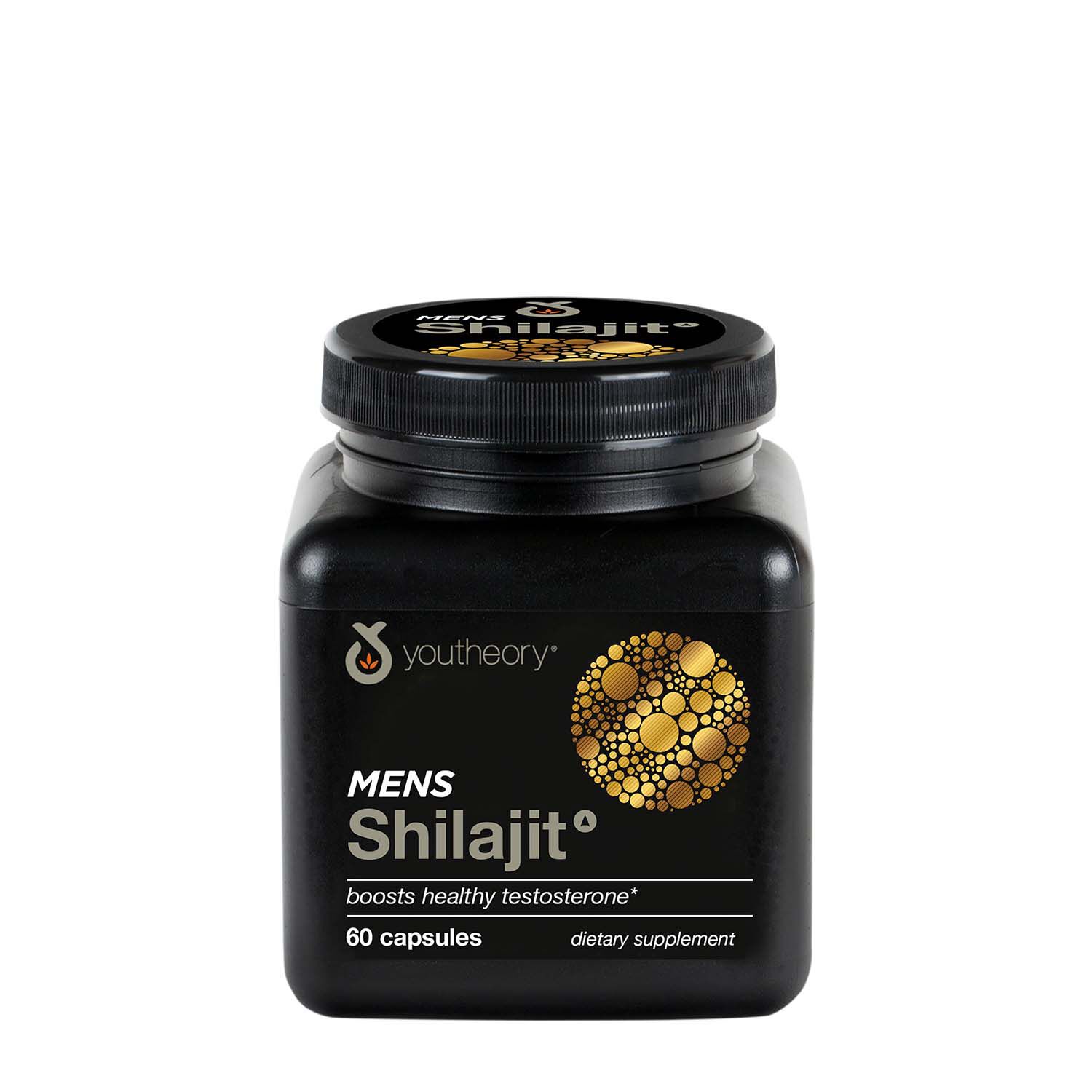
-
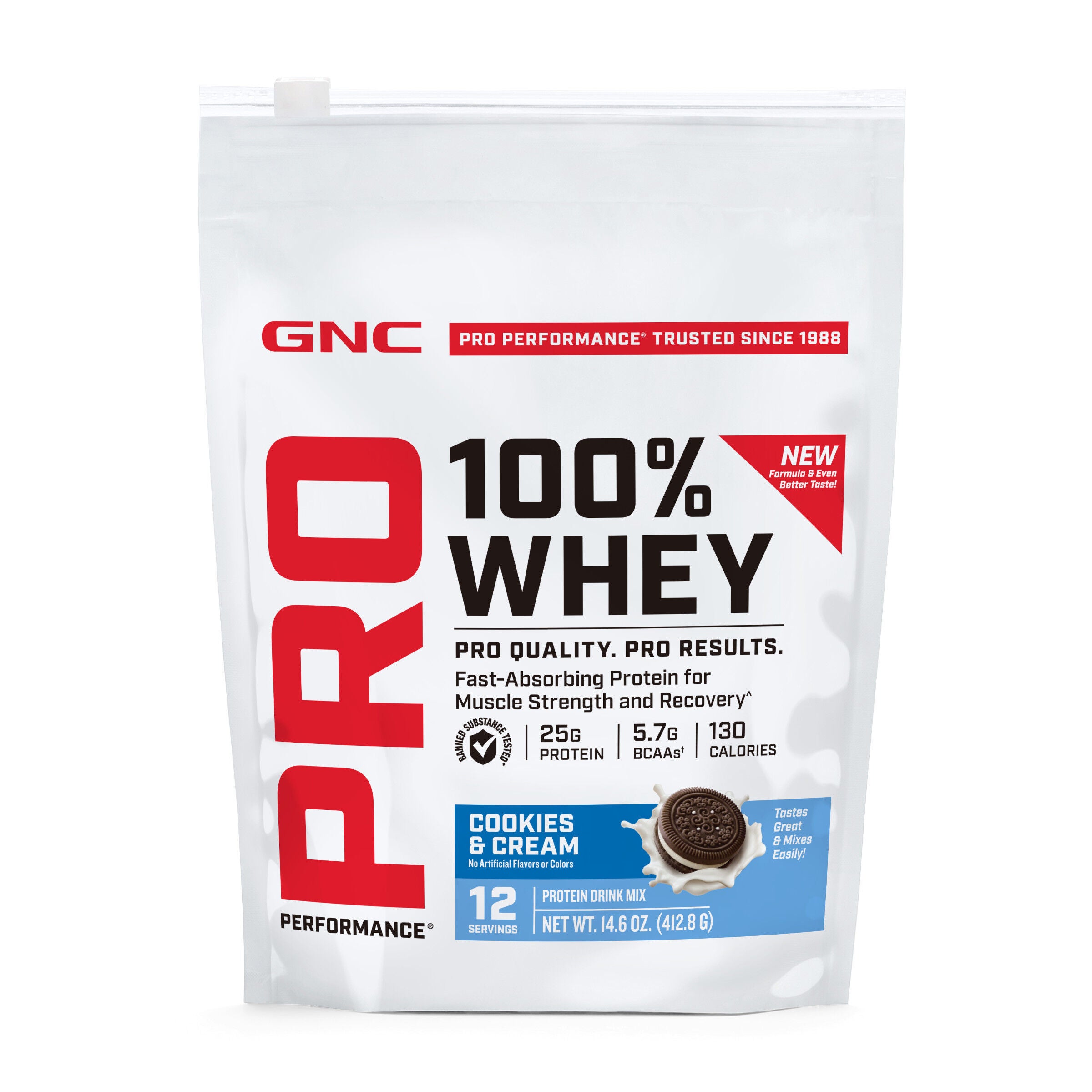
-
 $24.99
 -
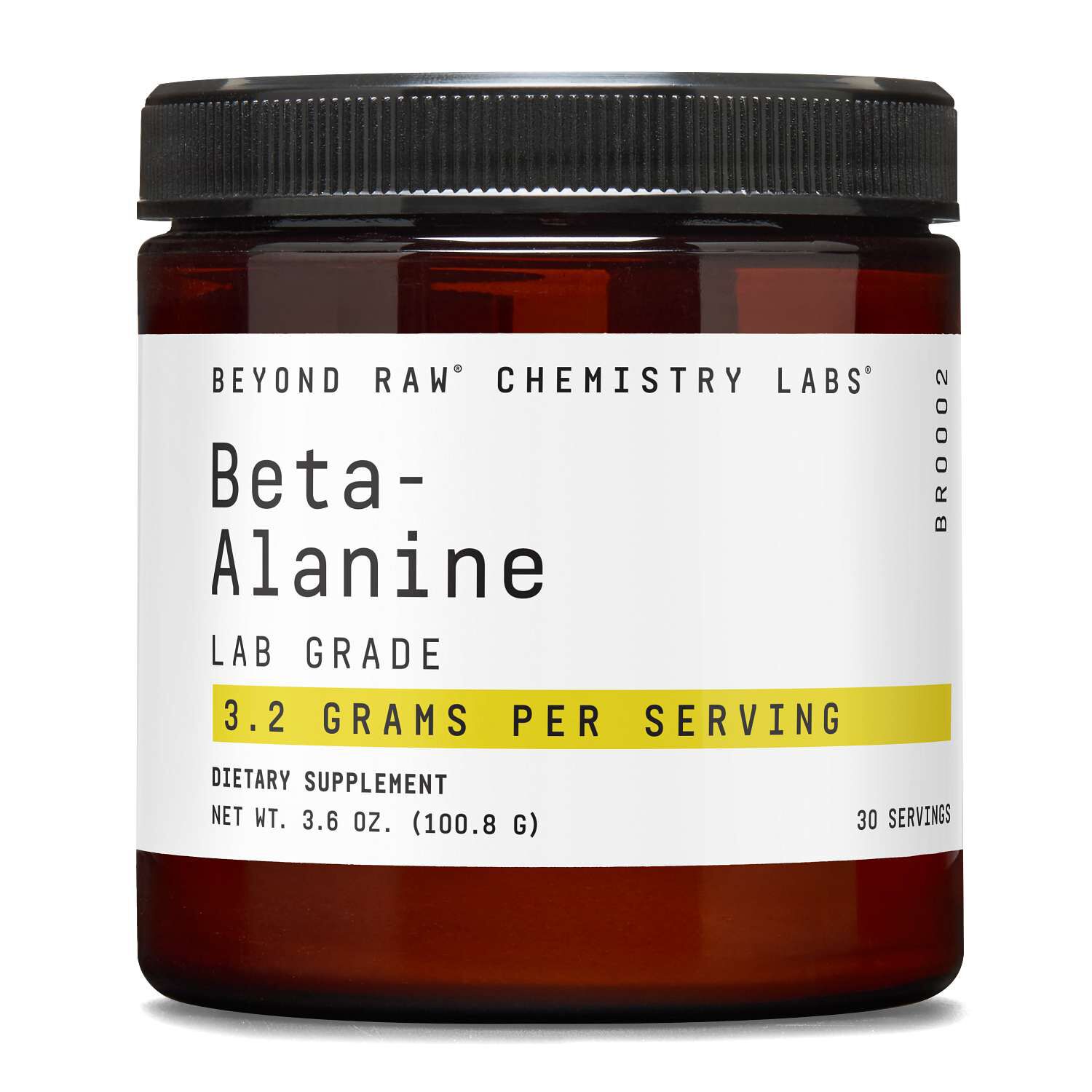
-

-
 GNC Pro Performance19$39.99
 -

-
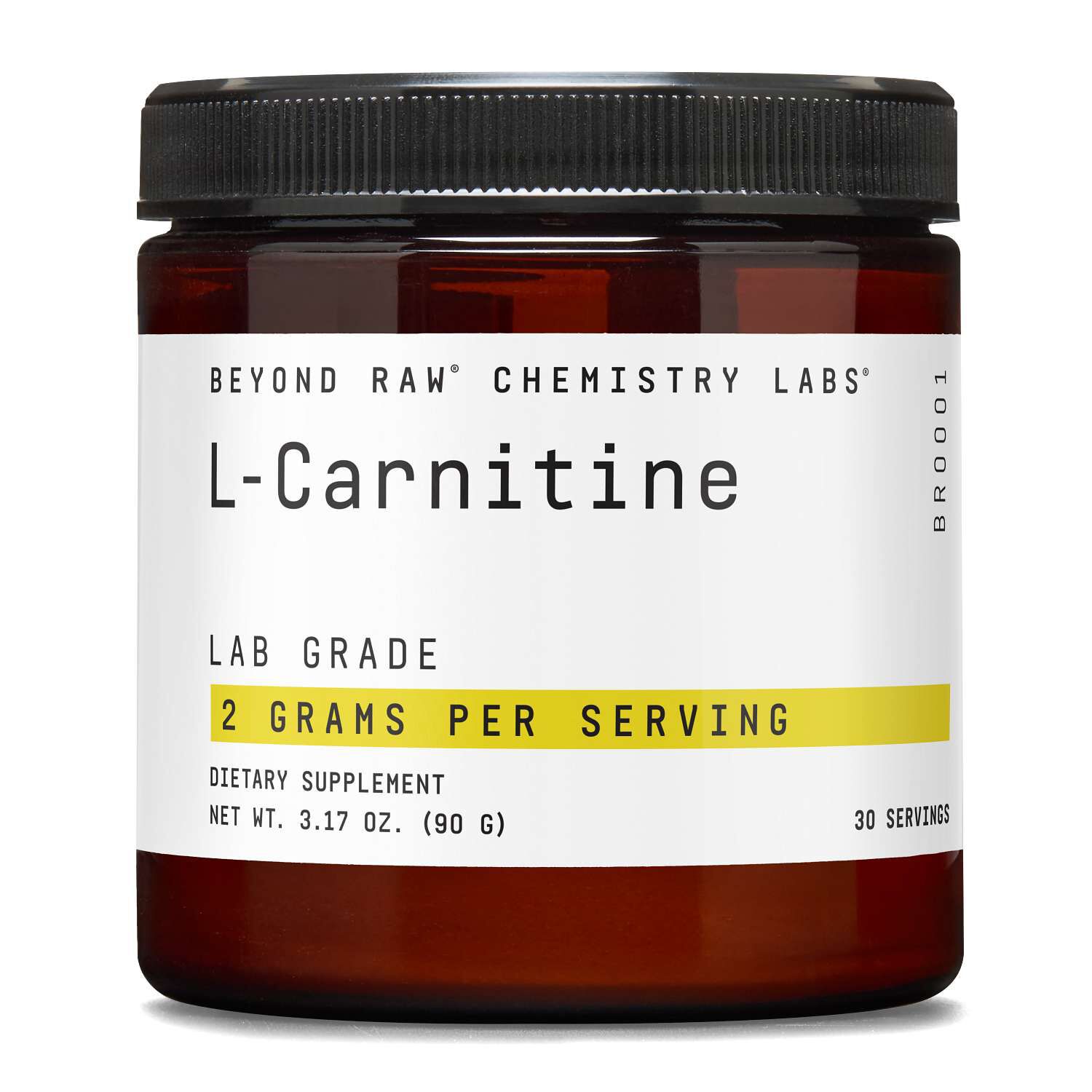
-
-
-
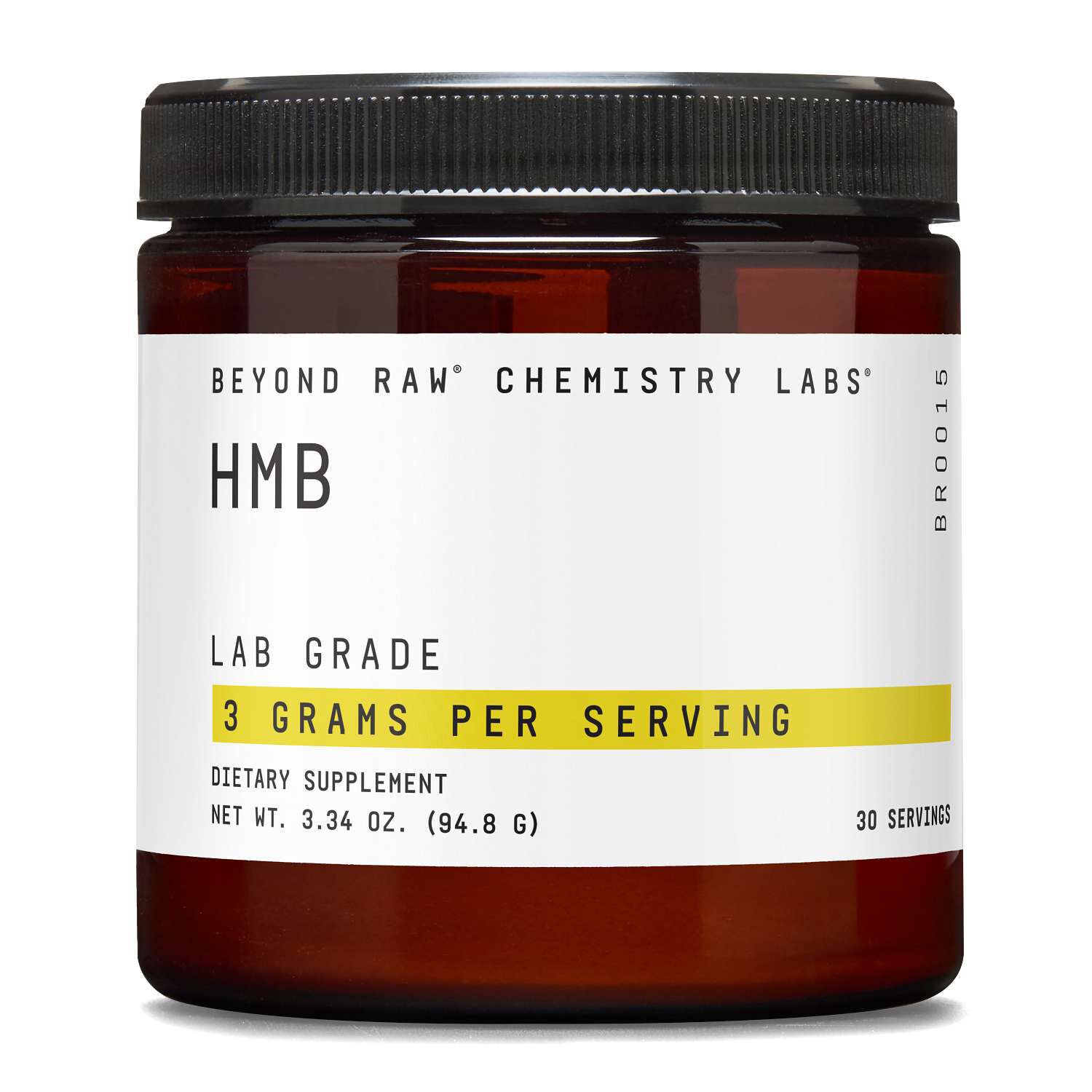
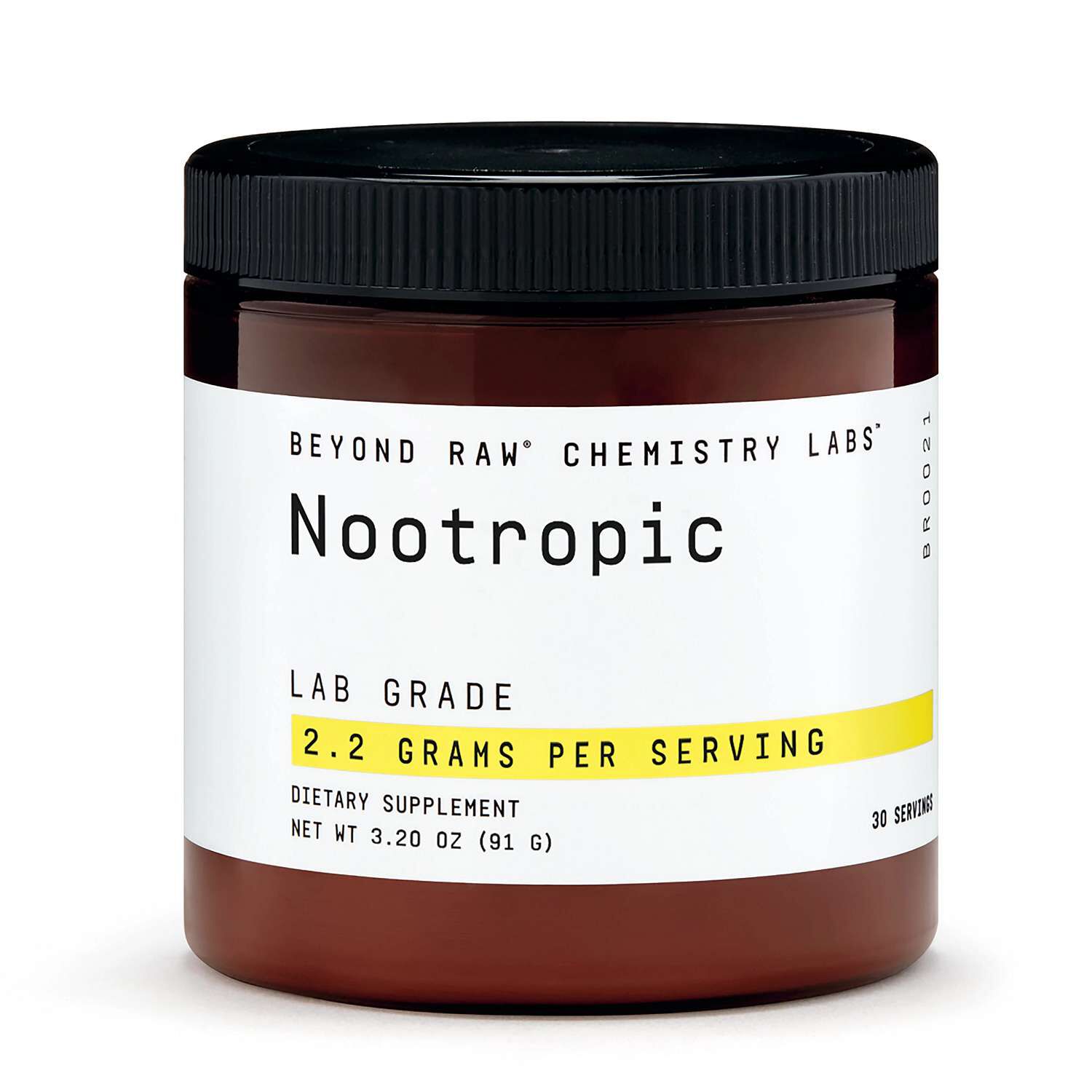
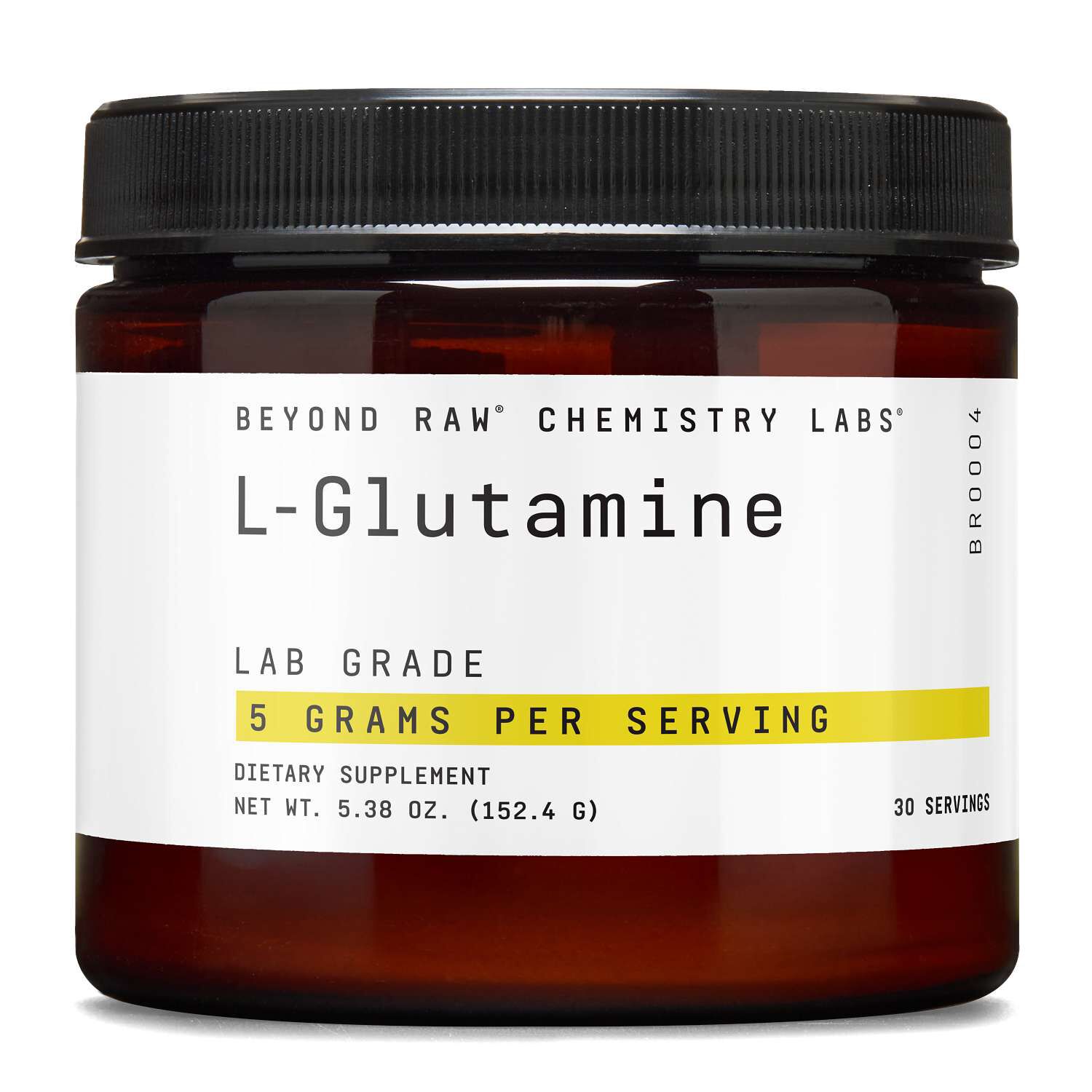
Laboratory tested supplements offer an added layer of information for shoppers who want to understand how a product was evaluated before bringing it home. Independent testing may review whether the listed ingredients are present, whether amounts align with the label, and whether the finished formula meets established standards for identity, purity, and consistency. Depending on the program, testing could also screen for heavy metals such as lead, arsenic, and mercury; unwanted microbes; pesticides; or substances prohibited in organized sports. Some evaluations may examine how a tablet breaks apart, while others may focus on the accuracy of a protein, vitamin, mineral, botanical, or sports nutrition label. Since supplements are not generally tested by the FDA before they reach store shelves, third-party verification may give shoppers another useful point of reference alongside the Supplement Facts panel, ingredient list, serving directions, manufacturer information, and expiration date. Recognized programs may include NSF, NSF Certified for Sport, USP Verification, ConsumerLab, Informed-Choice, Informed-Sport, and Labdoor, although each organization uses its own review process and testing scope. A seal or test result may apply to a particular product, facility, batch, or category, so reading the accompanying details can help clarify what was actually assessed. Shoppers may also look for clear lot numbers and contact information, especially when comparing several formulas with similar ingredient profiles. For manufacturing standards and related product options, explore GMP Supplements, a selection connected with good manufacturing practice considerations.
These products may suit people who prefer a more transparent approach to supplement shopping, including recreational athletes, runners, gym members, hikers, busy professionals, and anyone building a regular wellness routine. Athletes who participate in competitions may pay particular attention to certifications that include screening for substances prohibited by their governing organization, while everyday shoppers might place greater emphasis on ingredient identity, label accuracy, and quality controls. A laboratory tested multivitamin could fit into a morning routine beside breakfast, while protein powder may be used in a smoothie after a workout or as part of a convenient snack during a busy afternoon. Fish oil, fiber, mineral, herbal, and single-nutrient formulas may be selected according to individual preferences, dietary patterns, and guidance from a qualified healthcare professional. Product directions should be followed carefully, and anyone managing a health condition, taking prescription products, preparing for a procedure, pregnant, nursing, or shopping for a child may wish to consult a healthcare professional before choosing a supplement. Testing does not determine whether a product is right for every person, and it does not replace thoughtful label reading. Instead, it may help answer practical questions about what is in the container and how the contents compare with the manufacturer’s stated information. Looking at serving size, number of servings, allergen statements, dietary preferences, flavor, form, storage instructions, and the date on the package can make the selection process more personal and useful. Capsules may appeal to shoppers who value convenience, powders may work well for customizable drinks, gummies may offer a familiar format, and softgels may be easy to pair with a meal when the label recommends taking them with food.
Laboratory tested supplements may also make considerate gifts for someone establishing a new routine, returning to regular movement, preparing for a race, or organizing a home wellness cabinet during the cooler months. A thoughtfully chosen protein formula could accompany a friend’s training schedule, a shaker cup and supplement pairing may suit a college student with a busy timetable, and a straightforward vitamin or mineral formula might fit a family member who appreciates simple daily habits. Gift selection works best when it reflects the recipient’s preferences rather than assuming a particular goal: some people enjoy mixing a flavored powder into a morning drink, while others prefer an unflavored option that blends into oatmeal or yogurt. Packaging, portability, storage space, dietary requirements, and flavor tolerance can matter just as much as the testing information. During the transition from warmer days to cooler weather, routines often shift from outdoor activities to indoor workouts, packed schedules, and more time spent planning meals, making convenient formats appealing for many households. Even so, a laboratory tested designation is one consideration among several. Shoppers may compare the testing organization, the scope of its review, the date or batch information, the product’s ingredient quantities, and the company’s instructions before making a choice. Keeping the container sealed, storing it according to the label, and using the suggested serving can help preserve the product’s intended quality. With careful comparison and a clear understanding of what each verification program covers, shoppers may find supplement options that align with their routines, preferences, and expectations for product transparency.
Best Sellers


Top Collections
- Top Rated Collagen | Shop Customer Favorites | GNC
- Cortisol Supplements
- Vitamins For Hair Loss
- NAD+ Supplement Tablets
- Peptide Supplements
- Best Brand of Magnesium Glycinate
- Vitamins That Help Support Weight Gain
- Protein Powders For Muscle Growth Support
- Spirulina Tablets
- Peptide Supplements for Muscle Growth