Lifestyle Enhancement Products
(0 Results)
Discover a wide selection of lifestyle enhancement products designed to support your daily routine and personal goals. Whether you are looking to add convenience, balance, or a little extra motivation to your day, these options may help you on your journey toward feeling your best. Explore lifestyle enhancement products that fit seamlessly into your schedule and could complement the way you live, work, and play.


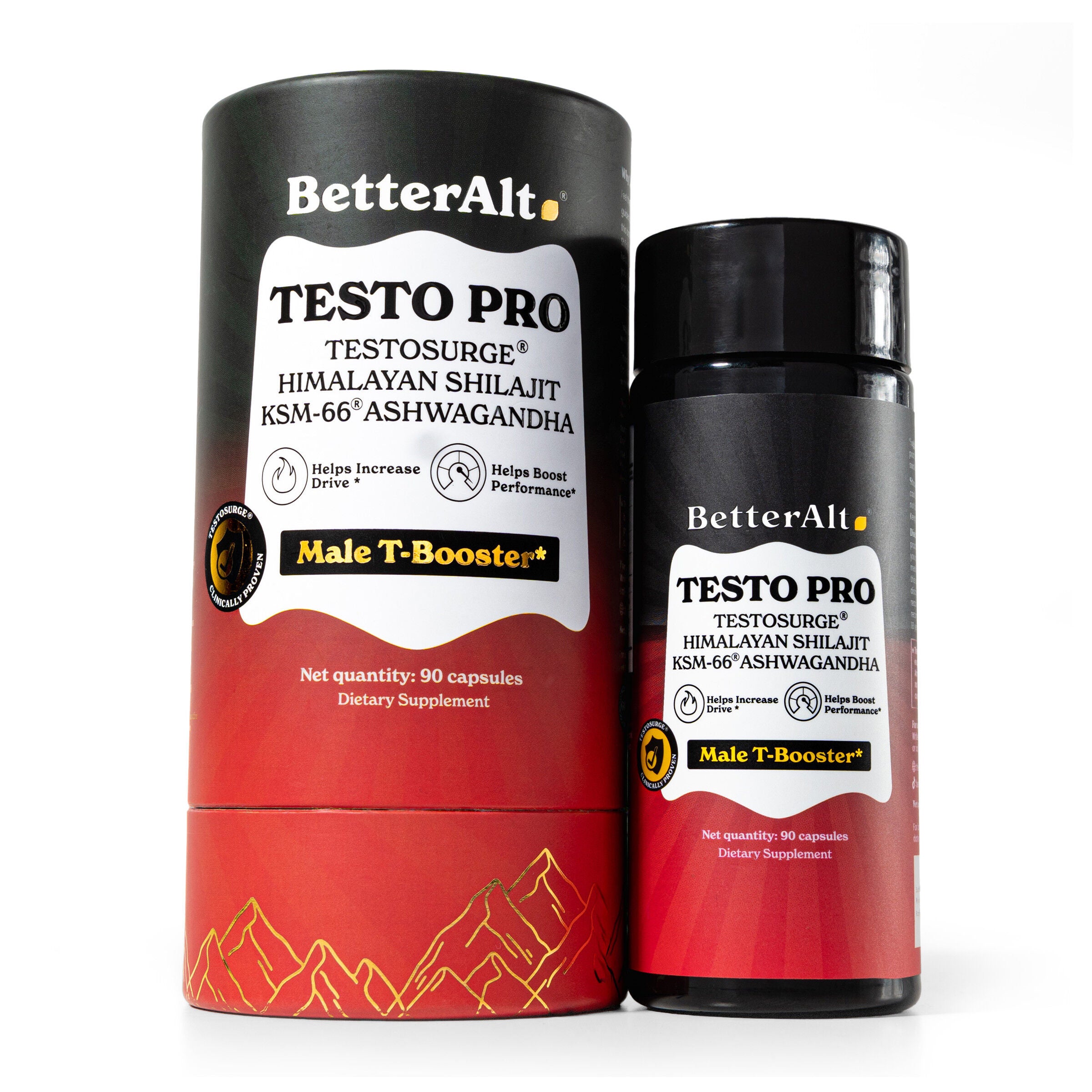
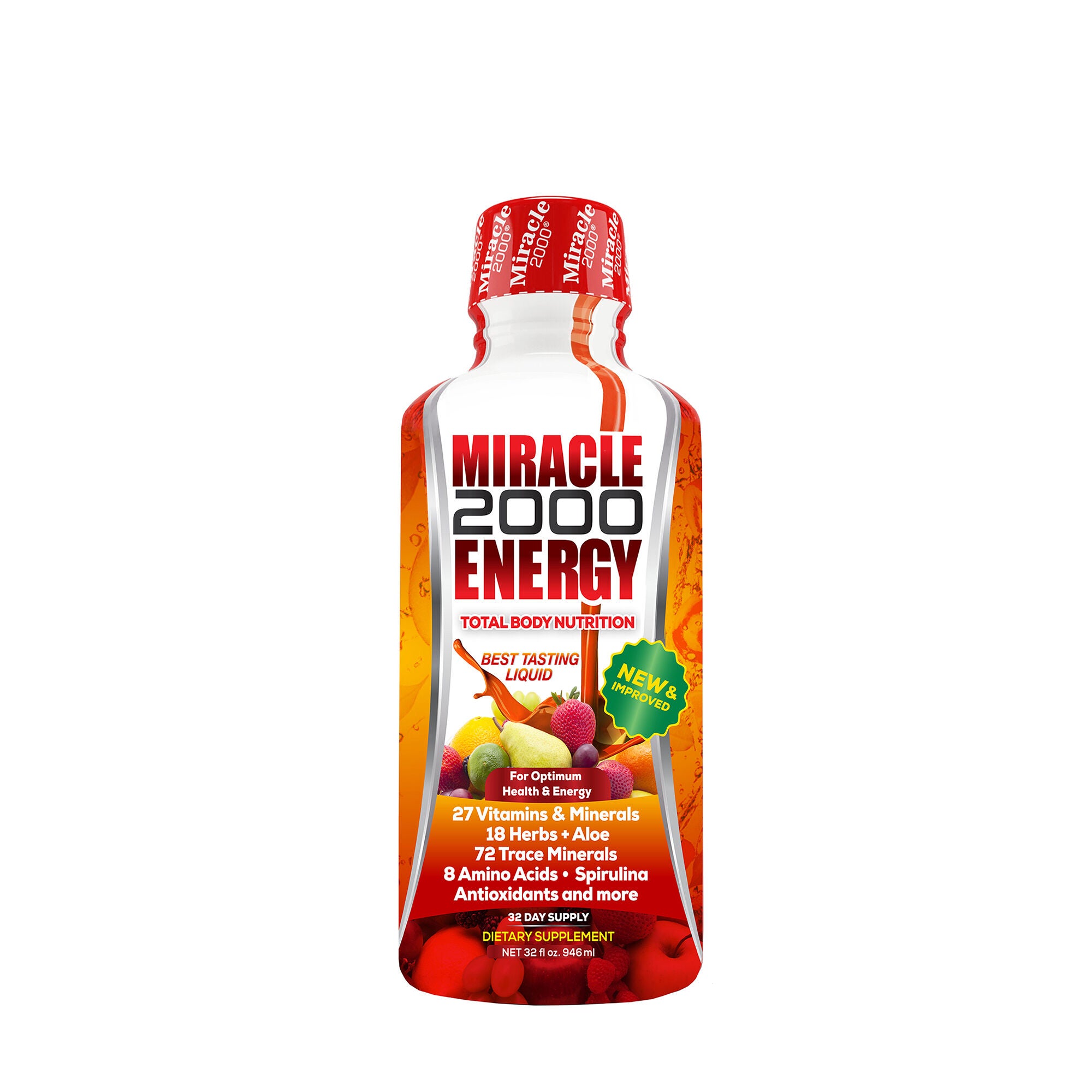

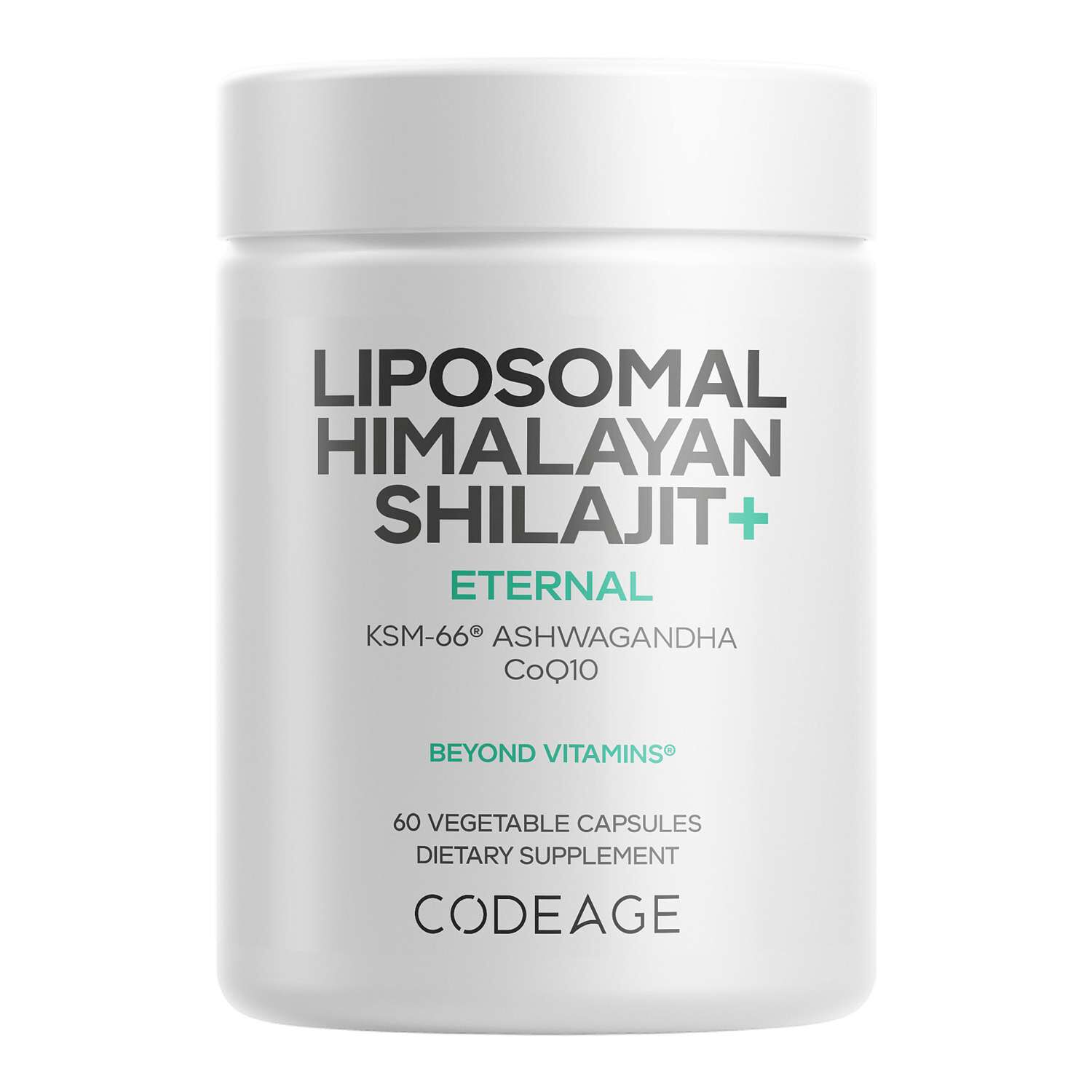
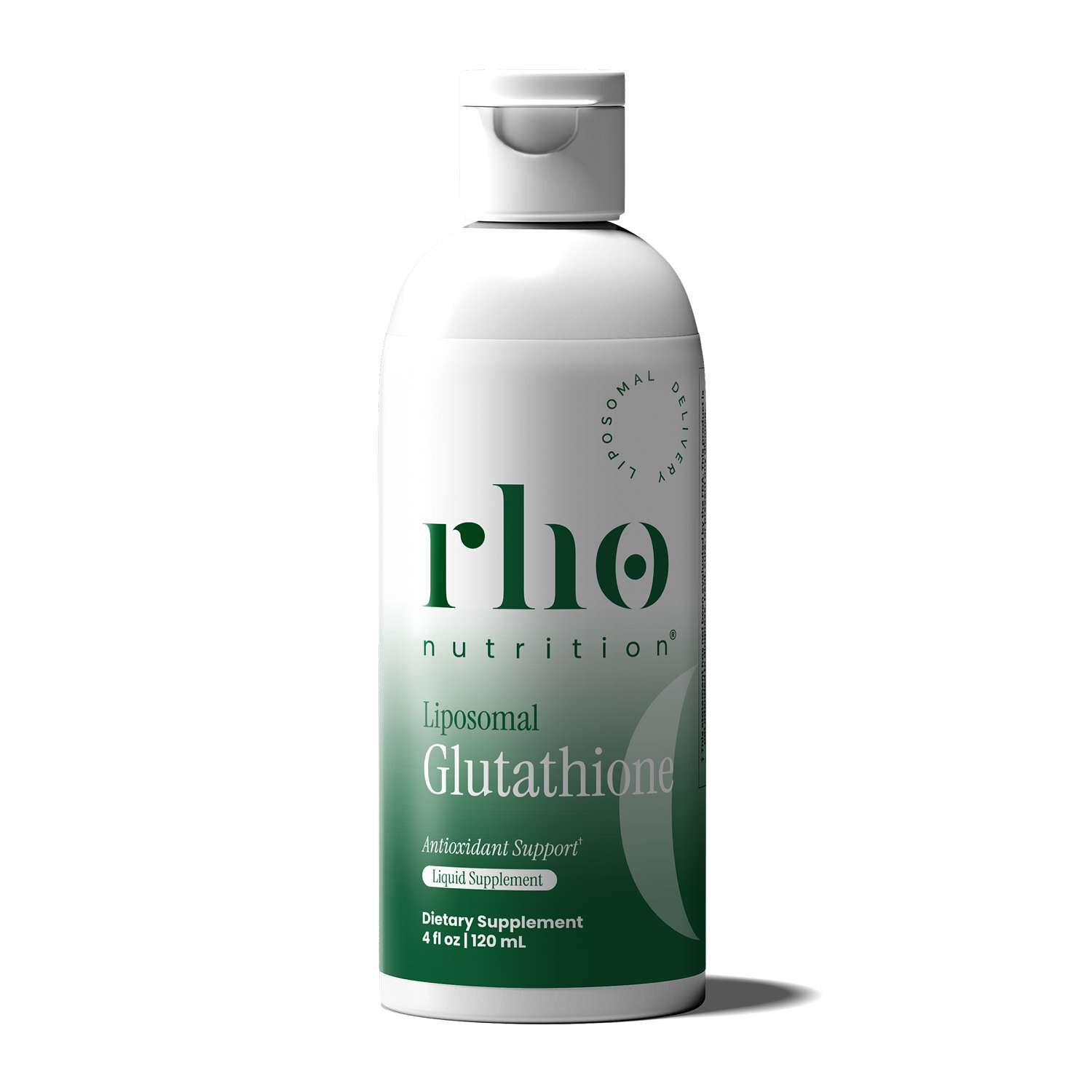
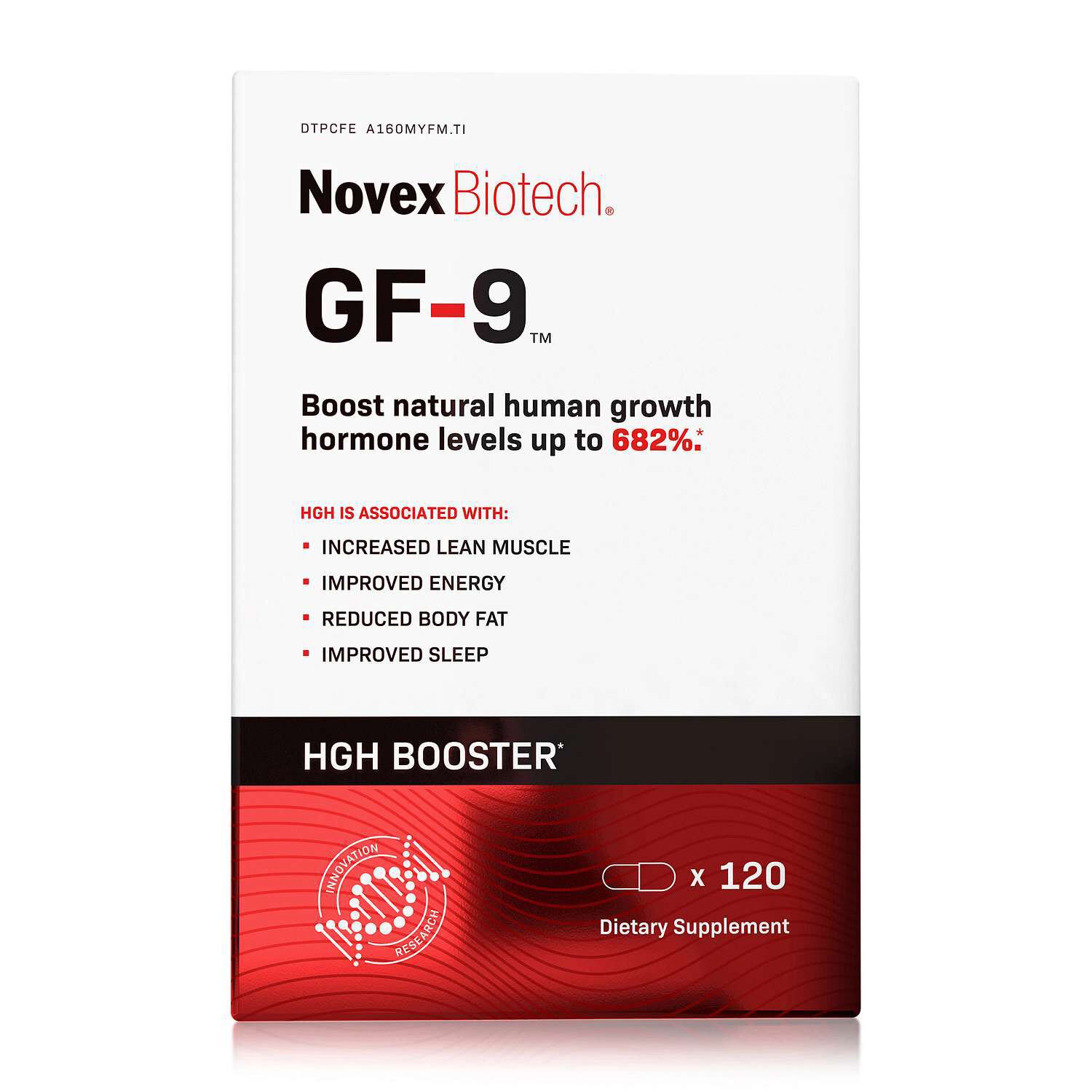
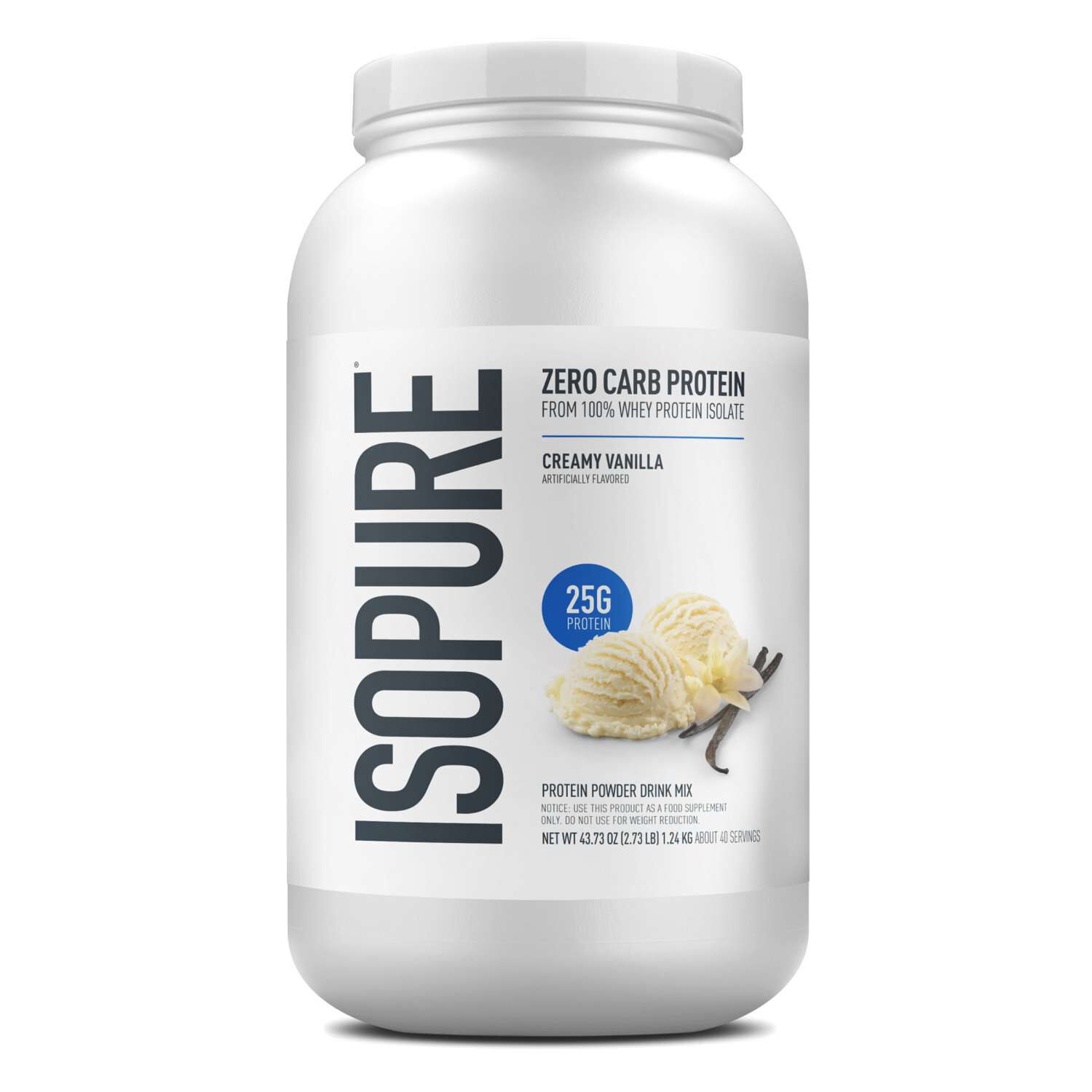
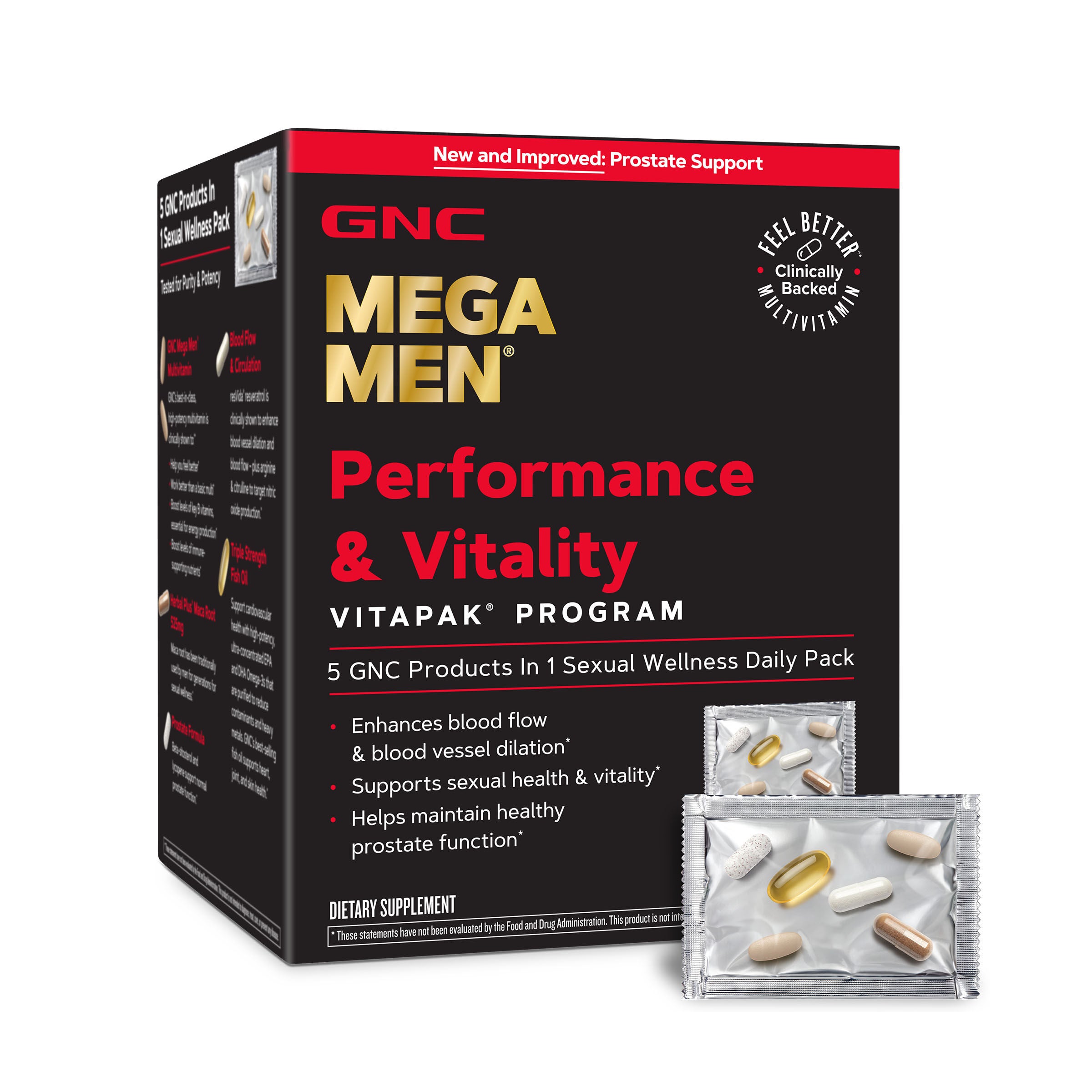
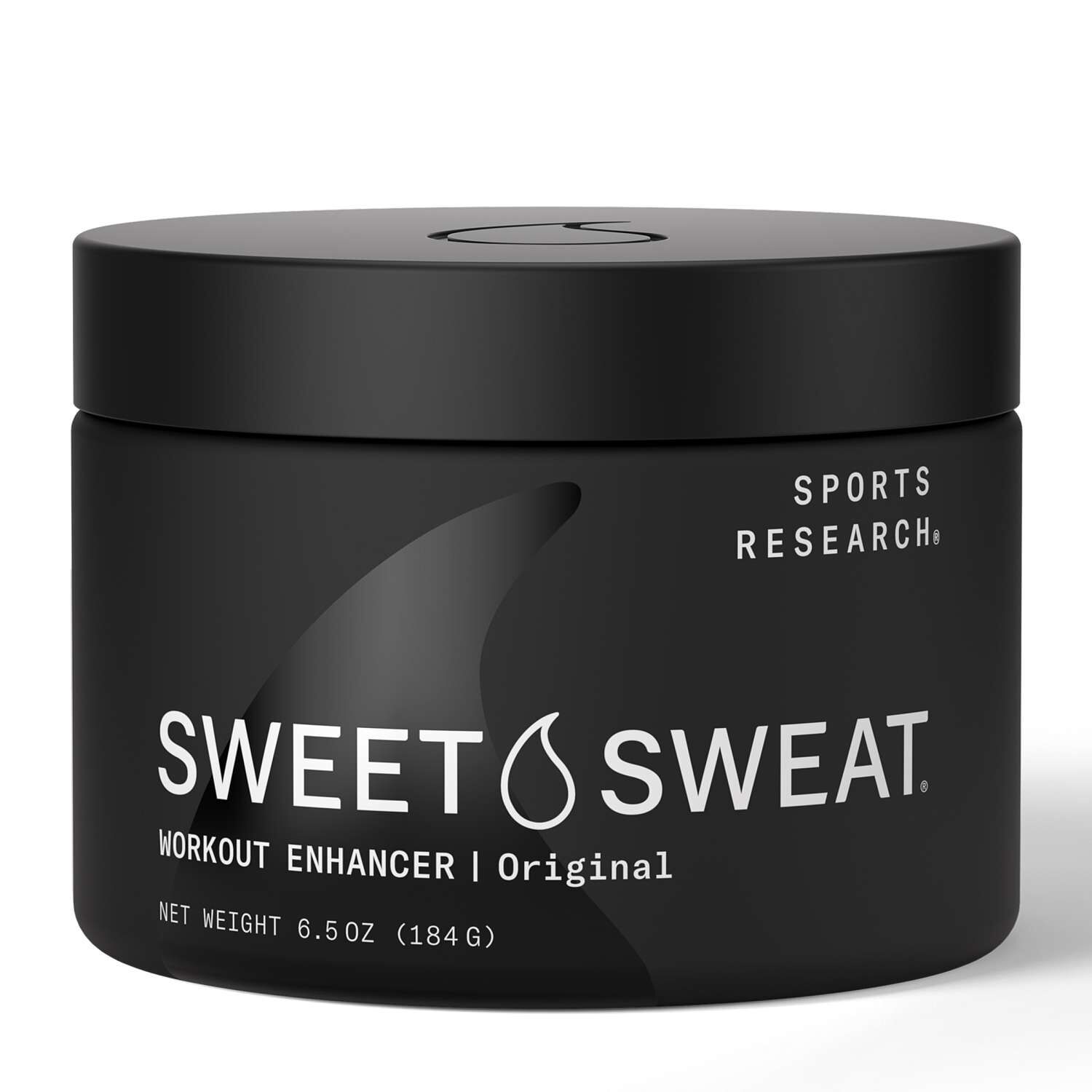
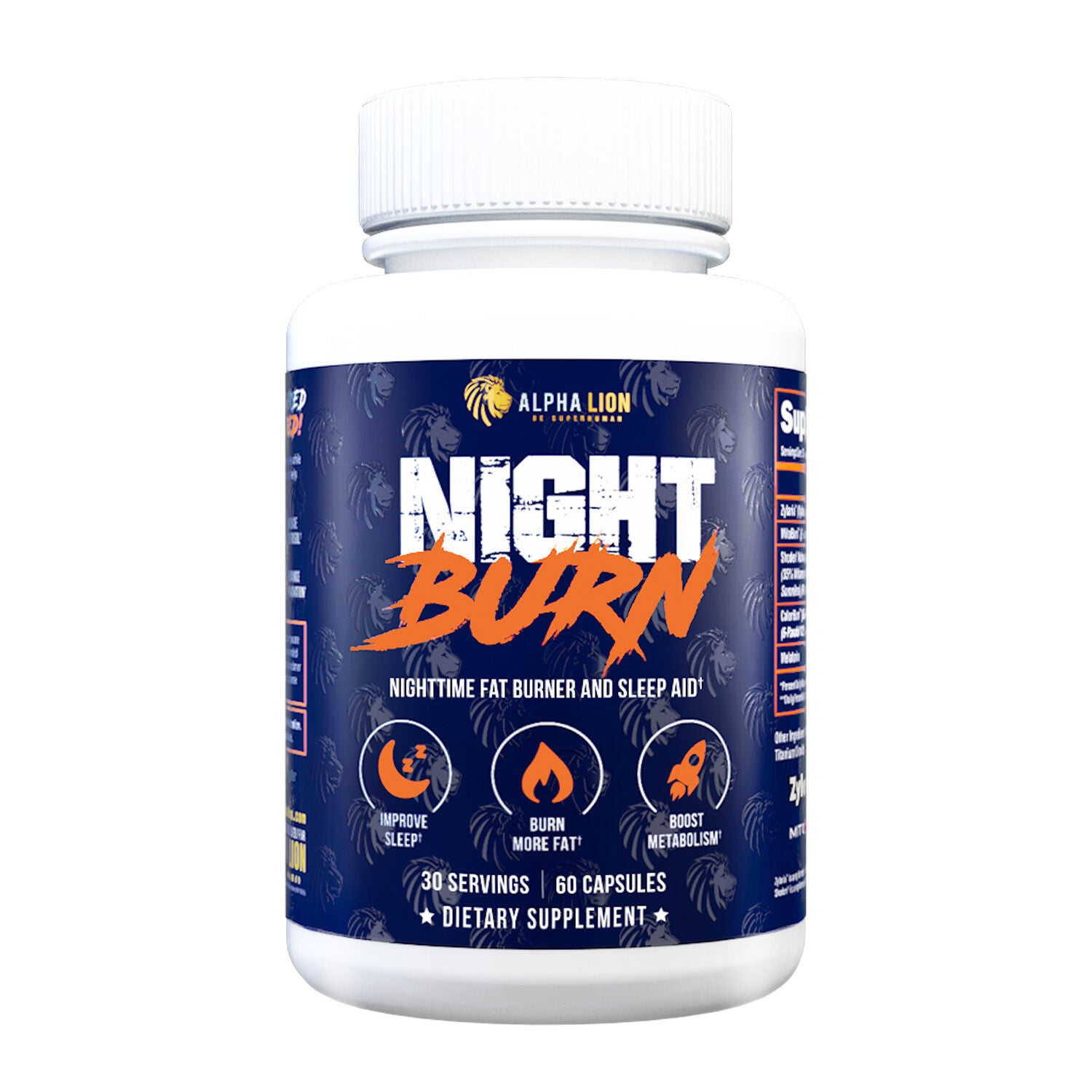


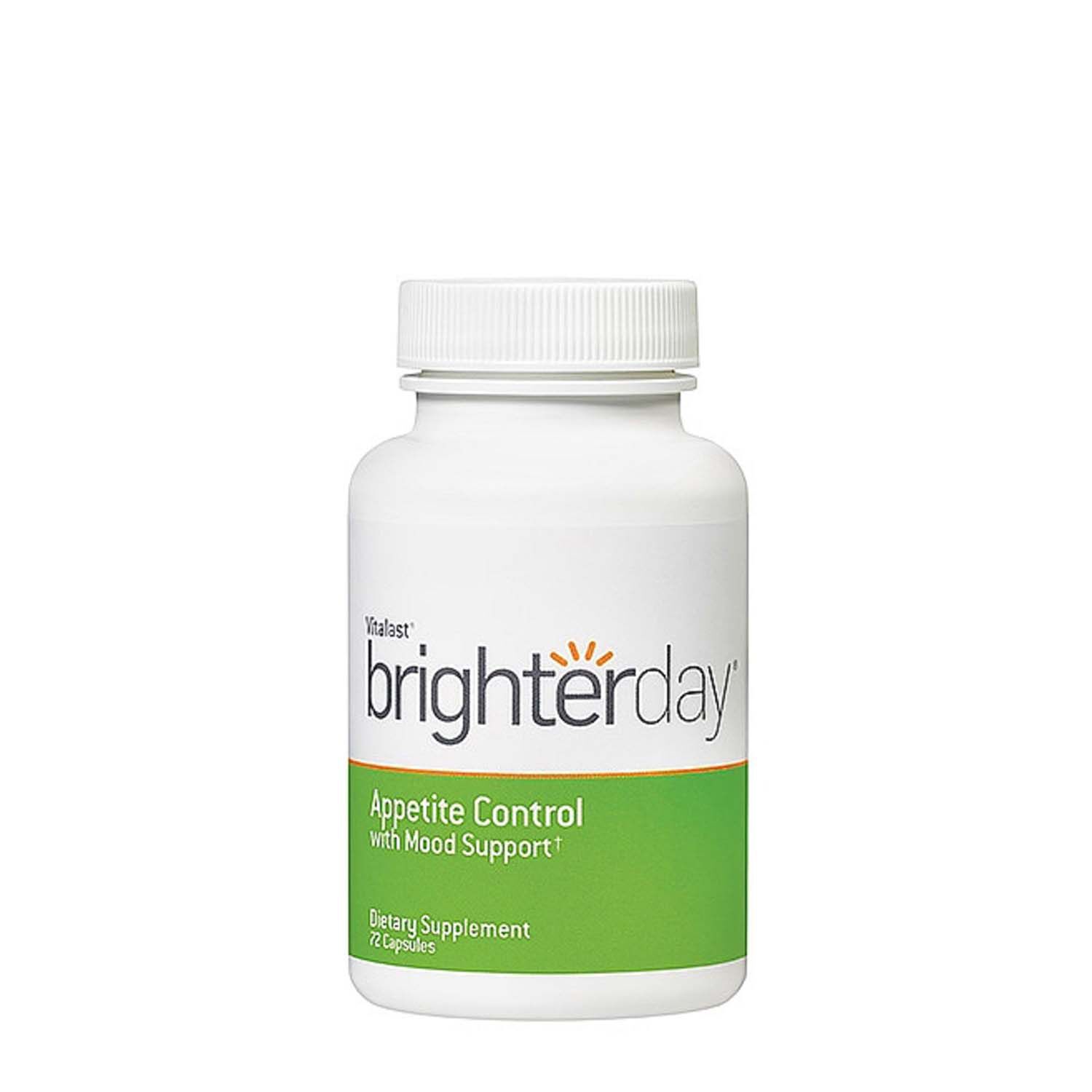
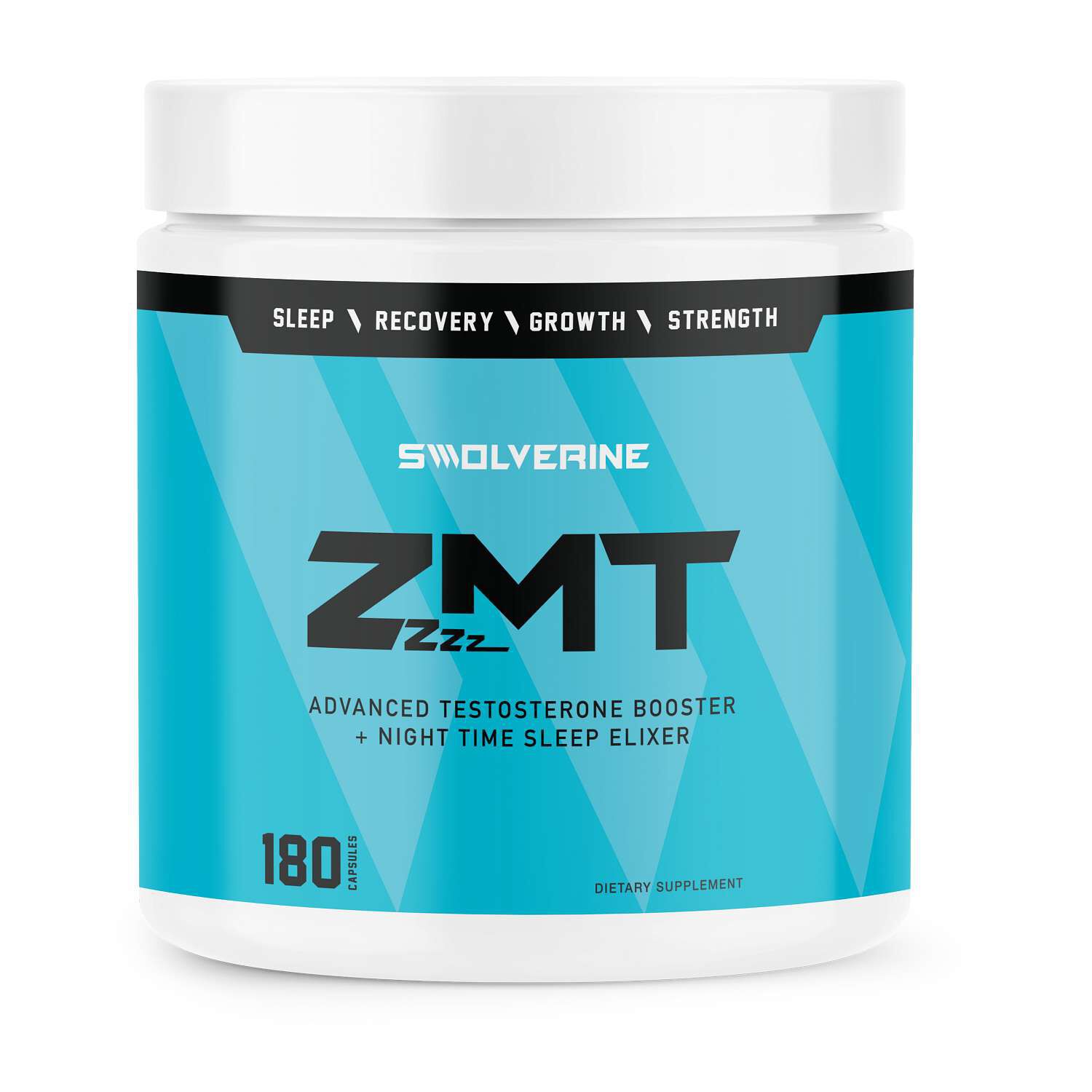
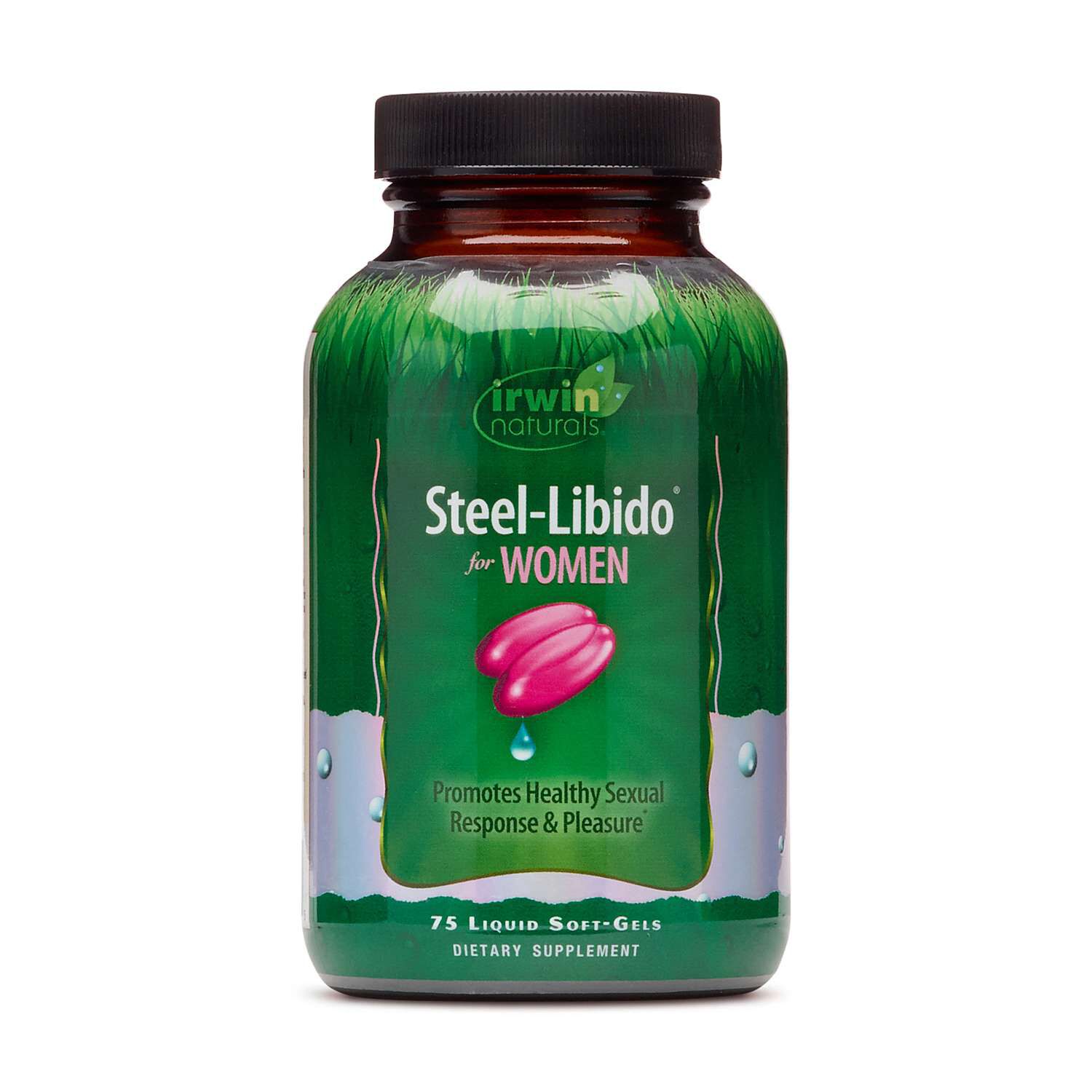
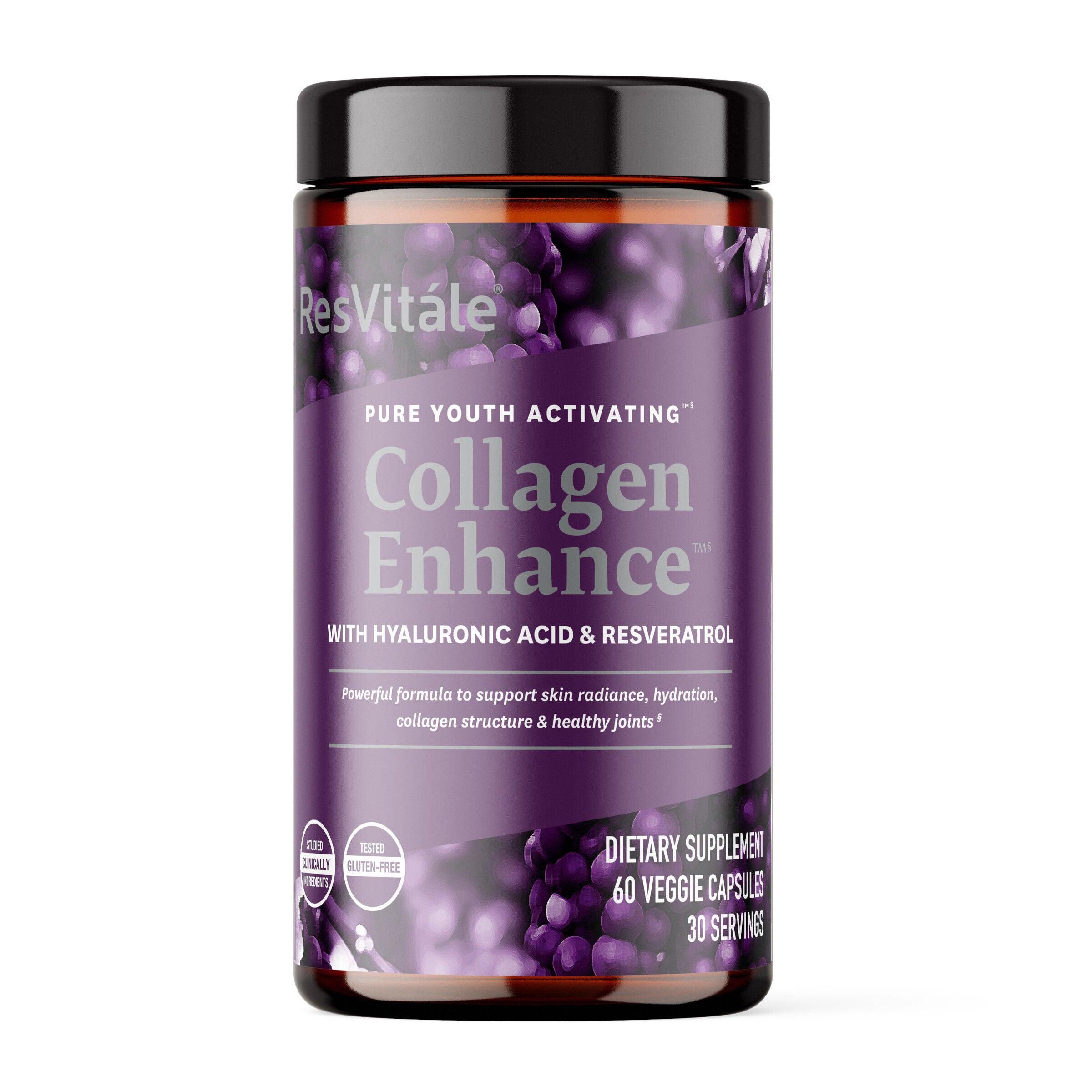
Lifestyle products encompass dietary supplements, workout nutrition, and personal wellness accessories intended for everyday routines, including fitness, daily nutrition, and sexual wellness. The category brings together products with different purposes, formats, and care requirements rather than a single approach to well-being. Vitamins, minerals, botanical ingredients, protein blends, and other nutritional formulas each have distinct ingredient profiles and intended uses. Products described for personal or sexual wellness have a different focus from those intended for exercise nutrition, even when their packaging or formats look similar. For adults comparing these categories, the most useful distinctions are often practical: what a formula contains, how it is served, how it tastes, and where it belongs in an existing routine. Someone who eats breakfast at a kitchen counter has different preferences from someone packing a bag before a long commute. Capsules and tablets have a different texture and serving experience from powders, liquids, or chewable formats. Powders involve measuring and mixing, while other formats come with their own serving directions. Flavored options introduce another consideration, especially for someone who prefers a mild taste or already uses a flavored beverage. Ingredient lists also distinguish formulas made with animal-derived ingredients from those labeled for vegetarian or vegan preferences. Serving size matters when comparing labels because the amount listed on a package may refer to more than one capsule, tablet, or scoop. Likewise, the number of servings in a container is different from the number of individual pieces inside it. These details give lifestyle supplements a more concrete identity than broad descriptions alone. A formula’s intended audience, labeled directions, ingredient amounts, and stated cautions provide context that a short category name cannot. Packaging contributes practical information as well, including storage requirements, opening instructions, and the space a container occupies on a shelf. For a shared household, a clearly labeled container with readable directions also keeps each person’s purchases distinct, whether they belong beside breakfast supplies or in a separate personal storage area.
Lifestyle accessories bring materials, construction, fit, and care into the same conversation. Reusable drinkware, mixing containers, and storage accessories have physical features worth distinguishing from the nutritional formulas used alongside them. Stainless steel, glass, and food-contact plastics each have different handling and cleaning requirements. Weight, lid construction, opening size, and the shape of a base all affect how an accessory fits into a particular setting. A narrow container might fit a commuter bag or cup holder more comfortably, while a wider opening could make hand washing less awkward. A container used at a desk has different practical demands from one carried between home, a gym locker, and a workplace kitchen. Seals, threads, hinges, and removable parts are especially relevant for repeated use because these are the details handled every day. Dishwasher compatibility is a labeled feature, not an assumption based on appearance, and lids or inserts sometimes have different care directions from the main body. Transparent materials allow a clear view of the contents, while opaque designs offer a different look on an open shelf. For accessories worn or held during exercise, dimensions, texture, adjustability, and grip shape provide more useful context than appearance alone. Durable construction is a matter of suitability for the intended use, along with cleaning and storage consistent with the manufacturer’s directions. Supplements require their own kind of care: their packaging may specify protection from moisture, light, or particular storage conditions. A bathroom cabinet, an open gym bag, and a kitchen cupboard are different environments, making the printed storage directions relevant to where a container belongs. Original labels also retain ingredient information, serving instructions, and date markings that can be lost when contents are transferred elsewhere. These material and packaging details describe the everyday ownership experience—the feel of a lid, the space needed for a tub, or the number of parts waiting beside the sink after use.
Personal preferences remain central across lifestyle supplements and accessories, particularly when a purchase concerns a private part of daily life. Adults browsing for daily nutrition, exercise-related use, or sexual wellness may share an interest in personal well-being without wanting the same ingredients, formats, or routines. Collections such as Men's Lifestyle Supplements organize options around an intended audience, while individual labels provide the more detailed distinctions between formulas. An audience label does not make every option interchangeable, and language about lifestyle should be read alongside the stated purpose and directions. For some shoppers, a compact format may suit a familiar morning routine; for others, a mixable format could fit time spent preparing breakfast or packing for an afternoon workout. Taste, texture, package size, and the amount of preparation involved all contribute to whether a purchase feels practical. Shared living spaces introduce other preferences, from discreet storage to clearly separated containers and accessories. Travel introduces questions about closure design, portability, and keeping labels accessible. Even an attractive container has practical limits if it occupies too much room in a small bag or requires care that does not suit its intended setting. Gifts call for similar attention to the recipient rather than assumptions about what someone ought to use. An accessory connected to an established fitness interest may feel more personal than a supplement chosen without knowledge of the recipient’s preferences. Nutritional and sexual wellness purchases are particularly individual, so an explicitly requested option carries a different meaning from an unsolicited selection. For a partner, friend, or family member, familiar preferences in materials, colors, formats, and daily habits offer useful context. Across the category, the strongest distinctions are tangible ones: clearly described ingredients, an appropriate intended use, understandable directions, suitable materials, and care requirements that match everyday life. Those details keep the focus on the product itself and the person who may use it, rather than on broad language about changing a lifestyle.