





Light Protein Snacks
(0 Results)
Light protein snacks may be a convenient way to support your daily routine, whether you’re at home, in the office, or on the go. With a variety of flavors and formats to choose from, light protein snacks could fit easily into your busy lifestyle. Explore options that might satisfy your cravings while helping you maintain your wellness goals. Discover how light protein snacks may offer a simple addition to your snack lineup.
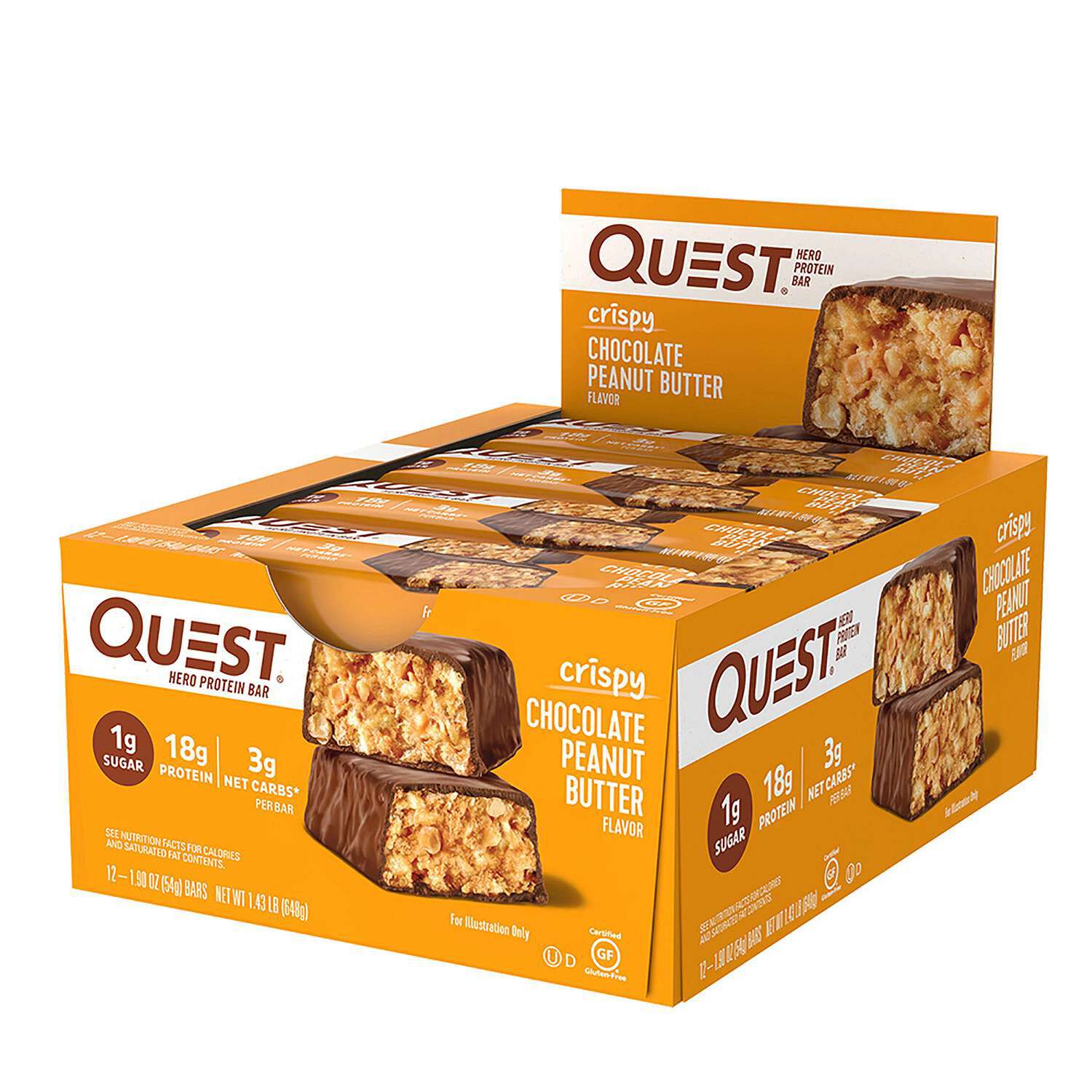
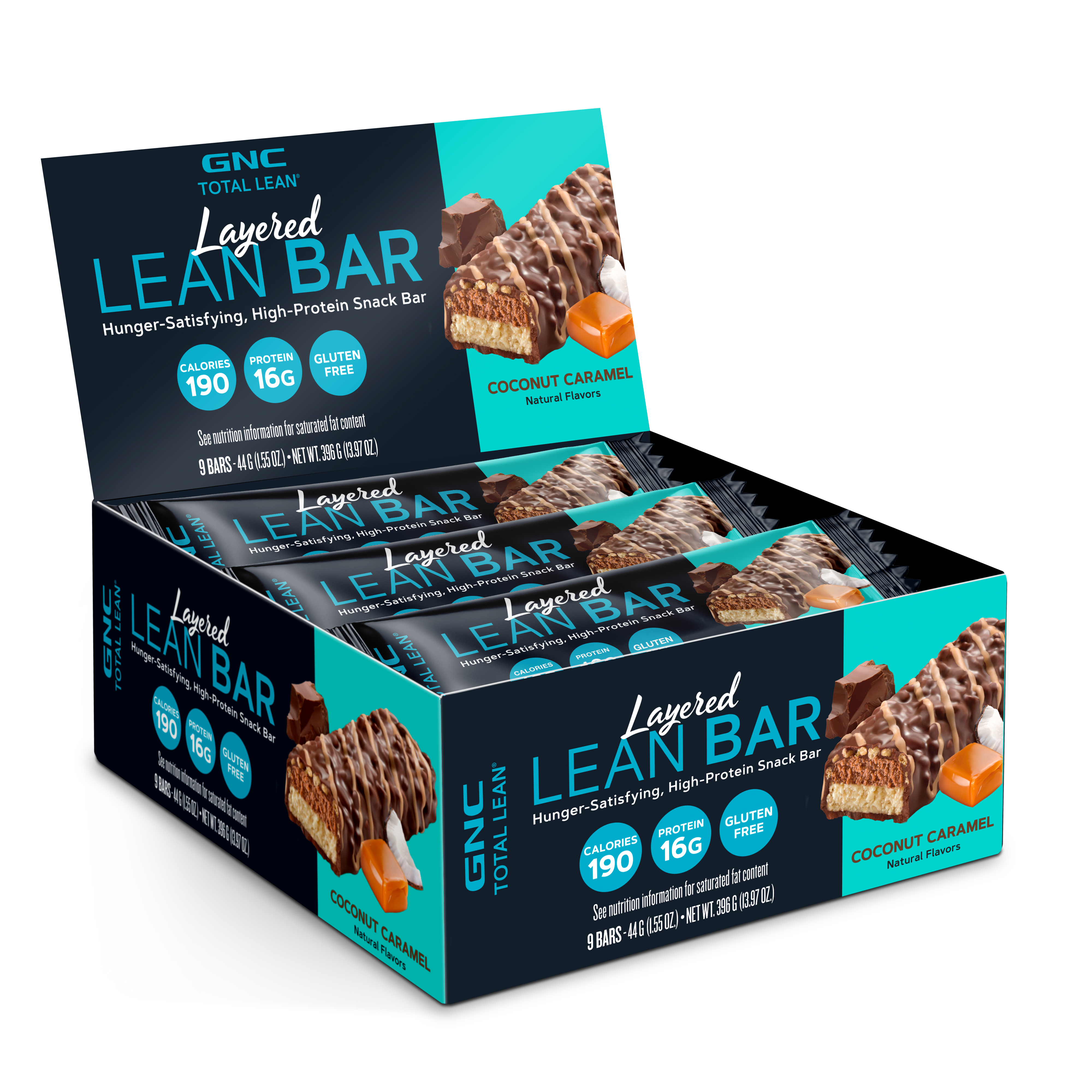
Light protein snacks are portion-conscious foods that provide protein in a smaller snack format, rather than serving as a meal replacement. Portions with about 6 to 15 grams of protein and fewer than 200 calories offer a useful comparison point, although recipes and serving sizes vary. The word “light” can also describe texture: a delicate wafer, a crisp roasted bite, or an airy puff feels different from a dense, chewy bar, even when their nutrition information is similar. That distinction makes both the eating experience and the serving information relevant to the choice. Some people prefer a little crunch alongside an afternoon coffee, while others reach for a soft bite during a short break between errands. Savory formats, including roasted soybeans and dried meat snacks, bring a different flavor profile from cocoa, vanilla, fruit, or nut-based options. Protein-containing foods such as Greek yogurt and hard-boiled eggs also belong in the broader conversation, particularly when refrigeration is convenient. Packaged formats offer another approach for a desk drawer, a commuter bag, or a snack packed before leaving home. Smaller portions may suit occasions when a full meal is not on the schedule but a snack would be welcome. They can also fit alongside other foods, rather than needing to stand alone. A crisp protein snack with a piece of fruit, for example, creates a different eating experience from a yogurt cup with a few berries. The appeal is in having choices that match the moment: something savory after a morning meeting, a sweet bite during an afternoon pause, or a compact portion before heading to an evening activity. Flavor, texture, portion size, and convenience all shape what makes a light protein snack feel appropriate for an everyday routine. Individually wrapped portions, small pouches, and larger resealable bags each offer a different format for those occasions, without making every snack choice look or taste the same.
Ingredients and nutrition information reveal more than the appearance of a snack alone. Common protein sources include milk, whey, soy, pea, and egg, and each can appear in recipes with very different textures and flavors. A milk-based wafer might have a delicate crunch, while a pea-protein bite could have a softer, more substantial texture, depending on the other ingredients and preparation. Nuts, seeds, oats, and roasted legumes can contribute their own character, from toasted aromas to a coarse, hearty bite. Chocolate coatings, nut butters, dried fruit, and sweeteners also influence the finished recipe, so two similarly sized snacks may differ considerably in calories, sugar, fat, and protein. The serving size is an important part of that comparison: a small pouch may contain one serving, while a larger bag may list nutrition information for only part of its contents. Comparing equivalent portions gives a clearer picture than comparing packages by appearance. “Light” and “low fat” are not interchangeable descriptions, either. A modest portion of a nut-based snack can contain a meaningful amount of fat, while a lower-fat recipe can still include carbohydrates and added sugars. Shoppers interested in that particular distinction can also explore Low Fat Protein Snacks as a related category. Beyond the protein number, the ingredient list offers context for personal eating preferences, including the presence of milk, soy, peanuts, tree nuts, eggs, or wheat. Plant-based recipes vary as much as those made with animal-derived ingredients, and the package is the place to confirm the details of a particular formulation. Sweetness deserves attention as well: a lightly sweetened bite, a dessert-inspired wafer, and a salty roasted snack create distinct experiences, even within a similar portion range. Those differences leave room for a snack that suits a preference for subtle vanilla, toasted nuts, rich cocoa, or a straightforward savory finish. The most relevant comparison is not simply which portion has the largest protein number, but how its ingredients, size, and flavor fit the intended occasion.
Packaging and storage matter just as much when light protein snacks become part of a regular routine. A slim wrapper fits differently in a small handbag than a rigid cup or a bulky pouch, and a delicate wafer needs a different spot in a tote than a sturdy bag of roasted bites. Individually wrapped servings offer a defined portion and a convenient format for carrying a snack separately from lunch. A resealable bag offers flexibility when portions are packed into a smaller container, provided storage follows the package directions. Yogurt, eggs, and other refrigerated foods require appropriate refrigeration, while shelf-stable snacks should be stored according to their labels. Once a package is opened, its closure and storage instructions deserve attention, particularly for foods with a crisp texture or a soft coating. Best-by information also provides useful context when organizing a snack drawer or packing food for a trip. Everyday settings often make the format preference clear: a quiet, soft-textured bite may be appealing during a shared office break, while a crunchy savory pouch could suit a stop between errands. A cup and spoon fit naturally into a seated lunch break; a small wrapped portion is a different match for a busy commute. Around a workout, personal preference and the rest of the day’s food choices can shape whether a small bite or a more substantial snack feels appropriate. Variety can come from rotating textures and flavors rather than choosing larger portions: cocoa one day, roasted and savory another, or a fruit-accented option alongside lunch. For adults packing snacks for work, study, travel, or time away from home, light protein snacks offer a range of formats to consider. The useful details are tangible ones: a serving that matches the occasion, an ingredient list that suits personal preferences, packaging appropriate for the trip, and a taste worth returning to.
- Q: What are light protein snacks?
A: Light protein snacks are convenient, on-the-go options that may offer a source of protein with fewer calories or lighter ingredients compared to traditional protein bars or shakes. - Q: When might someone choose a light protein snack?
A: Someone might choose a light protein snack as a quick bite between meals, after a workout, or when looking for a snack that may help satisfy hunger without feeling too heavy. - Q: What types of ingredients are commonly found in light protein snacks?
A: Light protein snacks often contain ingredients such as whey or plant-based proteins, nuts, seeds, and sometimes whole grains or fruit for added flavor and texture. - Q: Are there different flavors available for light protein snacks?
A: Yes, light protein snacks may come in a variety of flavors, including chocolate, vanilla, peanut butter, berry, and more to suit different taste preferences. - Q: How can light protein snacks fit into an active lifestyle?
A: Light protein snacks can be a convenient option for those with busy schedules or active routines who want something portable that may help provide nourishment between meals or after physical activity.
Best Sellers
-
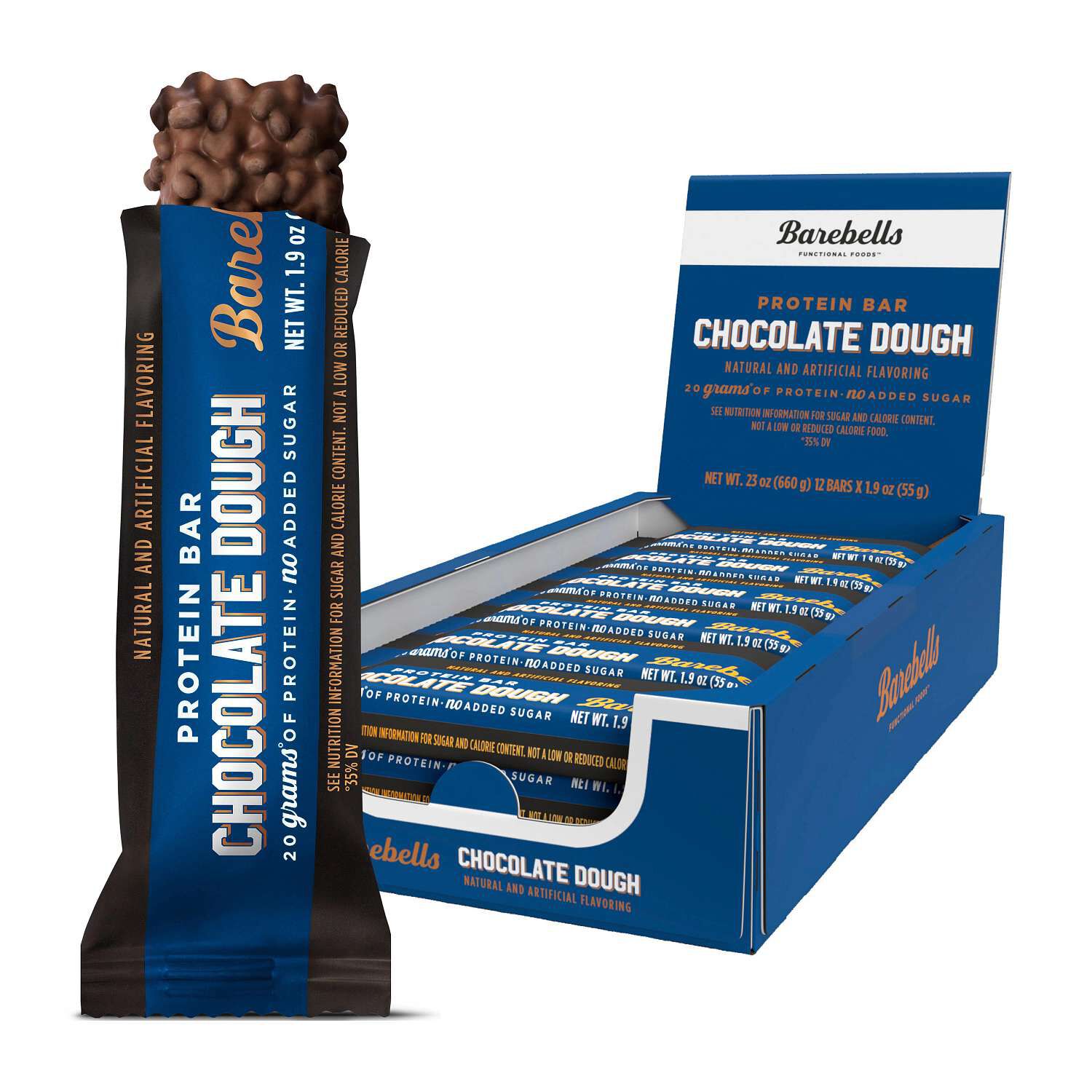 Barebells
-
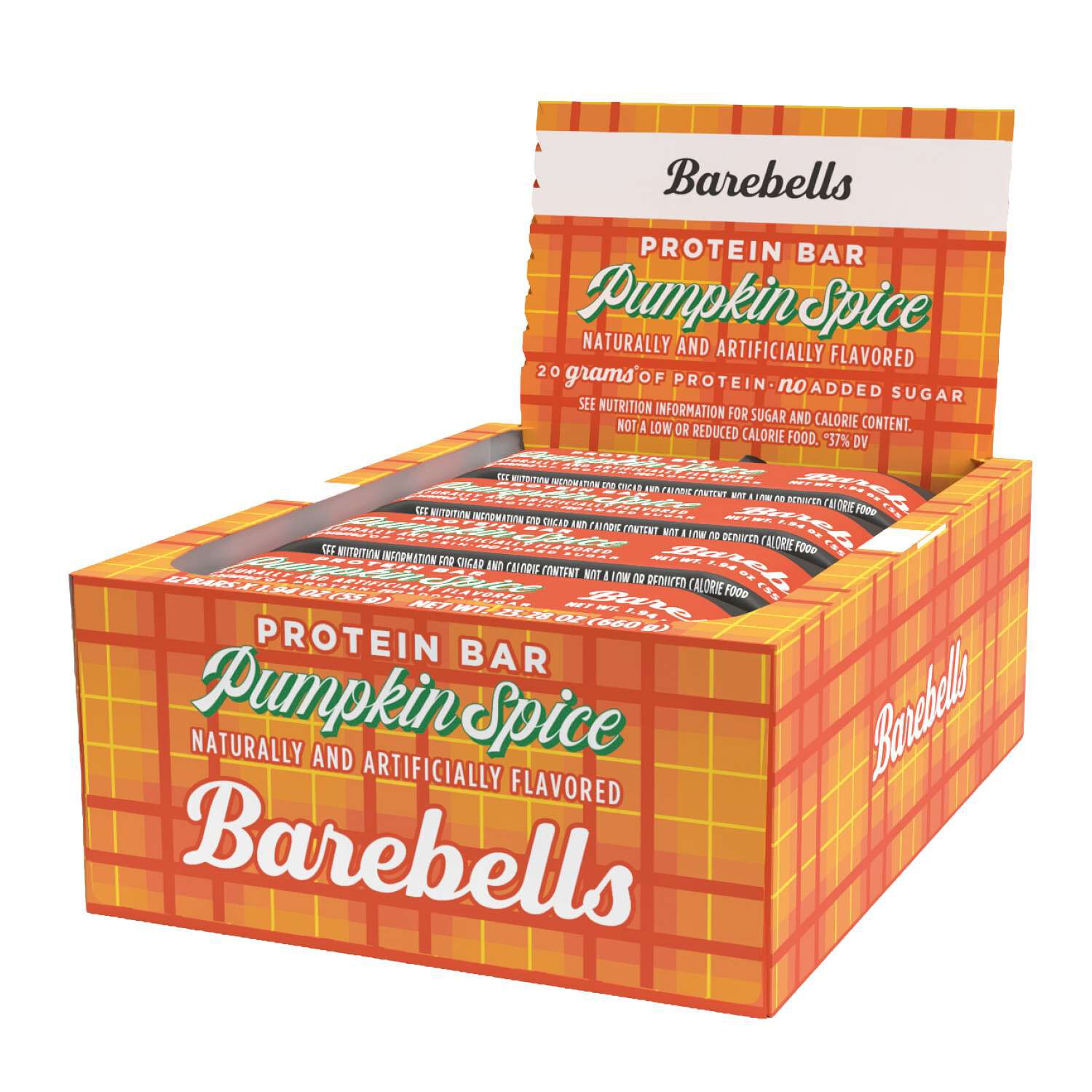 Barebells
-
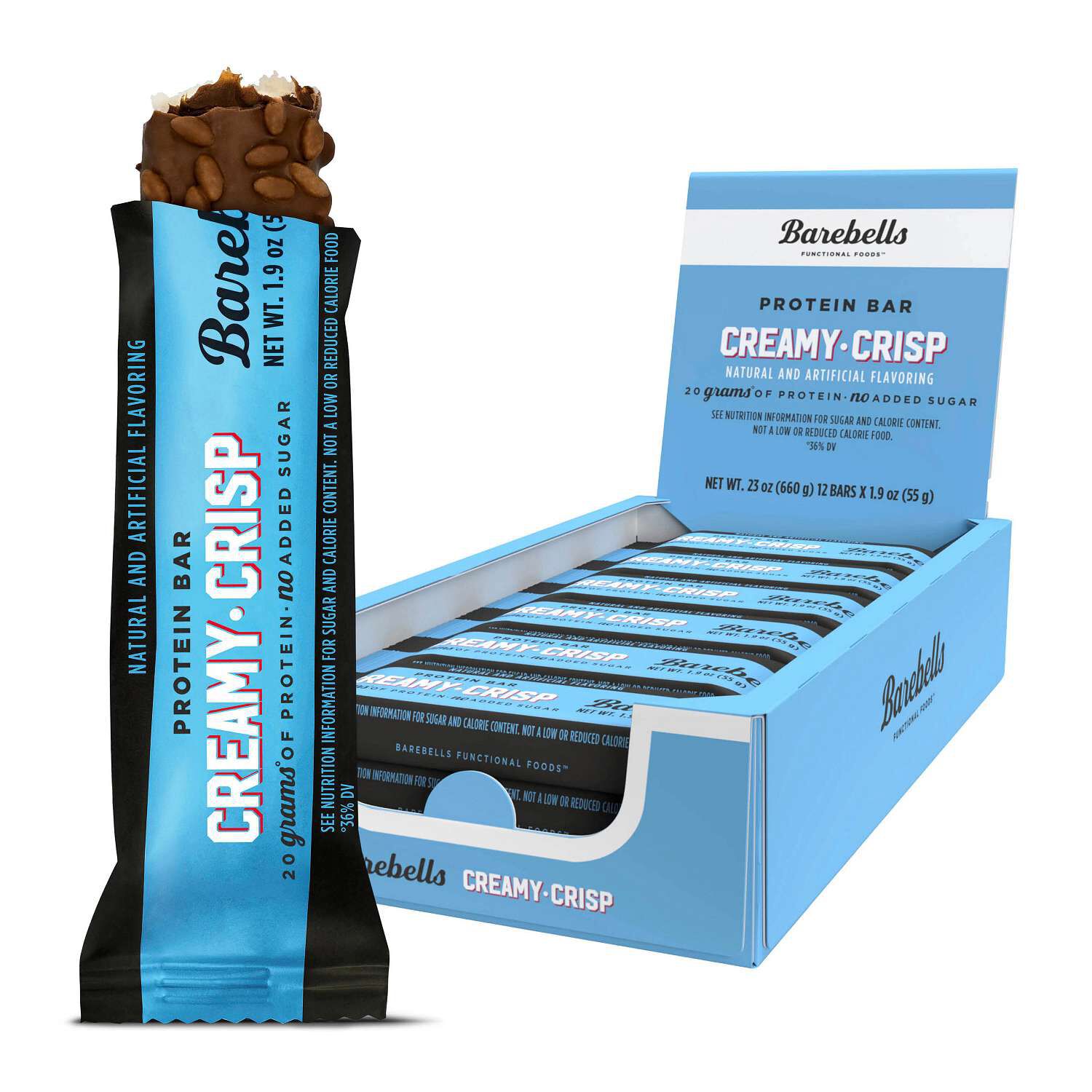 Barebells

Related Pages

Top Collections
- Active Supplements
- Chronic Fatigue Supplements
- Supplements For Yoga Joint Flexibility
- Zinc Supplements | Top Brands at Great Prices | GNC
- Joint Mobility Supplement Packs
- Adult Mobility Supplements
- Supplements For Anxiety Relief Support
- Zinc Supplements For Men
- Capsule Supplements For Energy And Stamina
- Vitamins For Hair Loss