





Low Sugar Protein Snacks
(0 Results)
Low sugar protein snacks may offer a convenient way to support your active lifestyle while fitting into a variety of nutrition plans. Whether you're looking for something to enjoy after a workout or a quick option between meals, these snacks are designed with mindful ingredients and flavors that could satisfy your cravings. Explore the selection of low sugar protein snacks that might help you stay on track with your wellness goals while providing a tasty, on-the-go option.
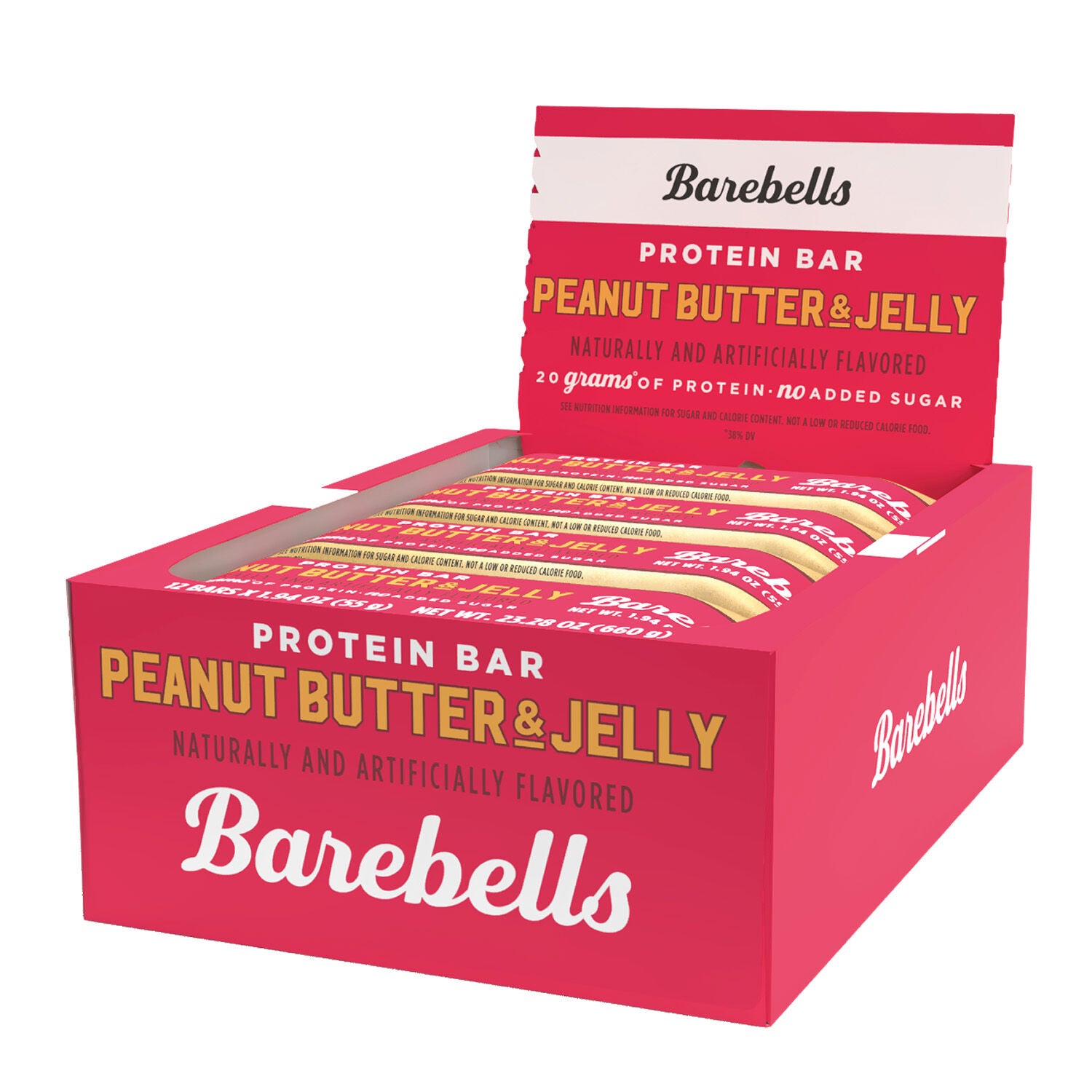
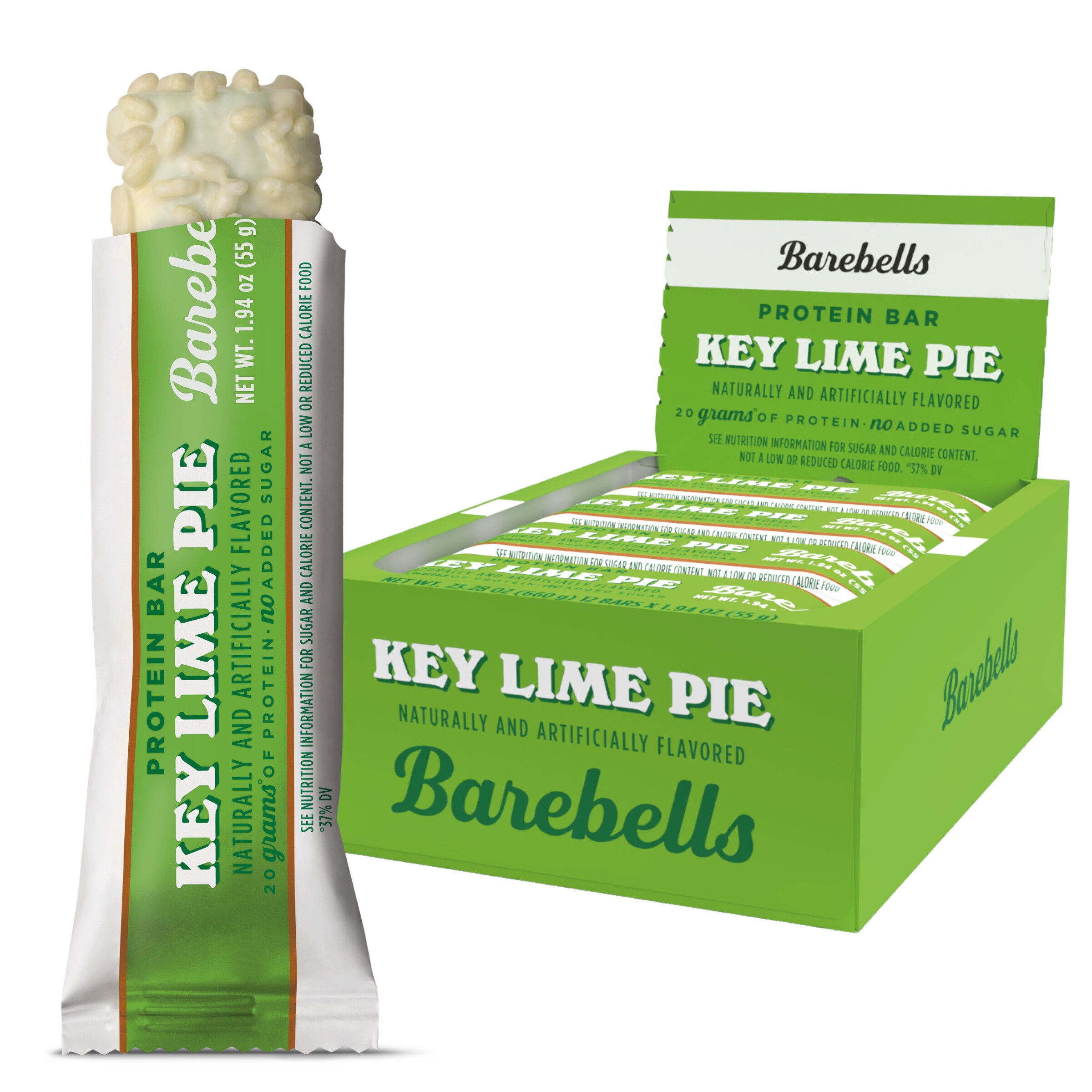
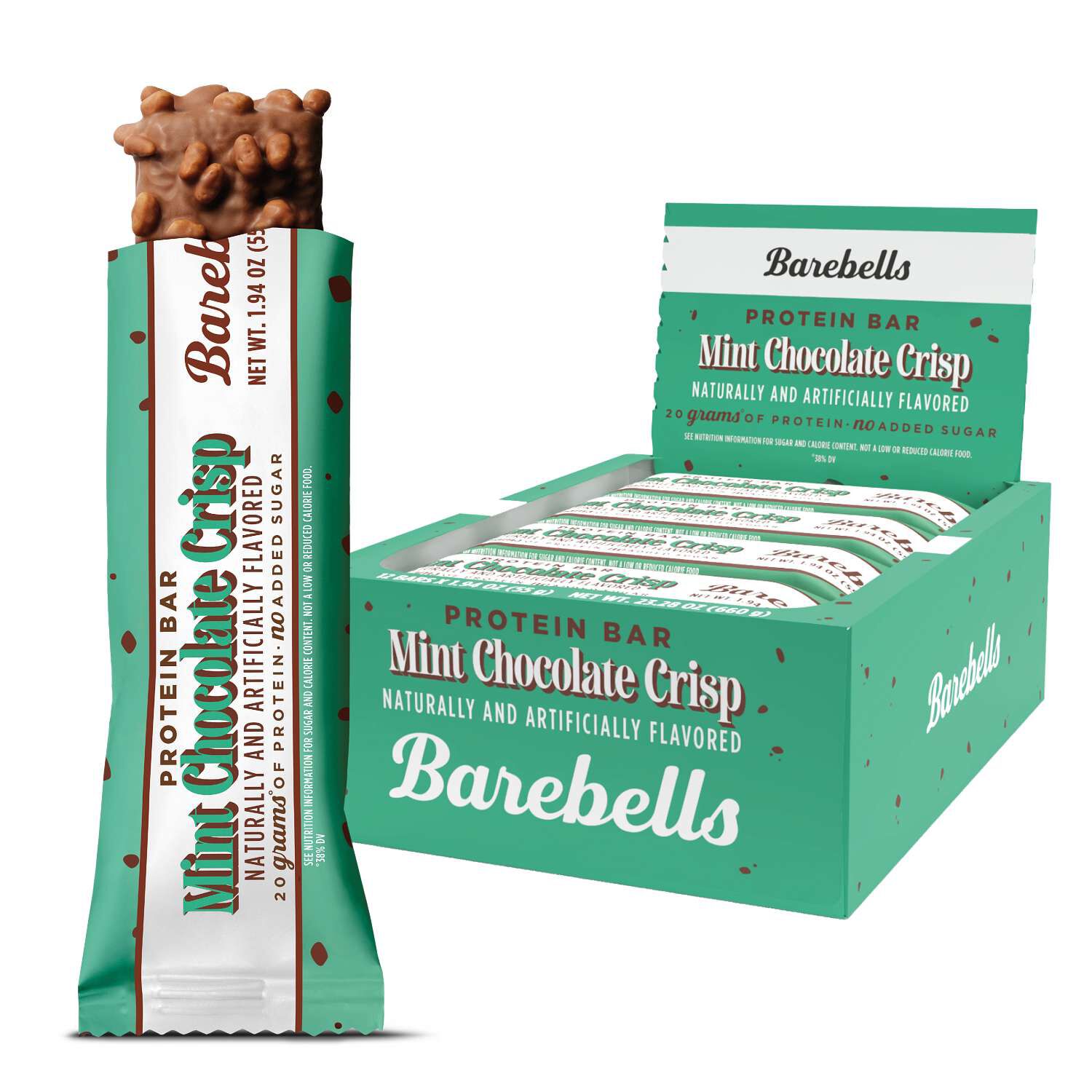
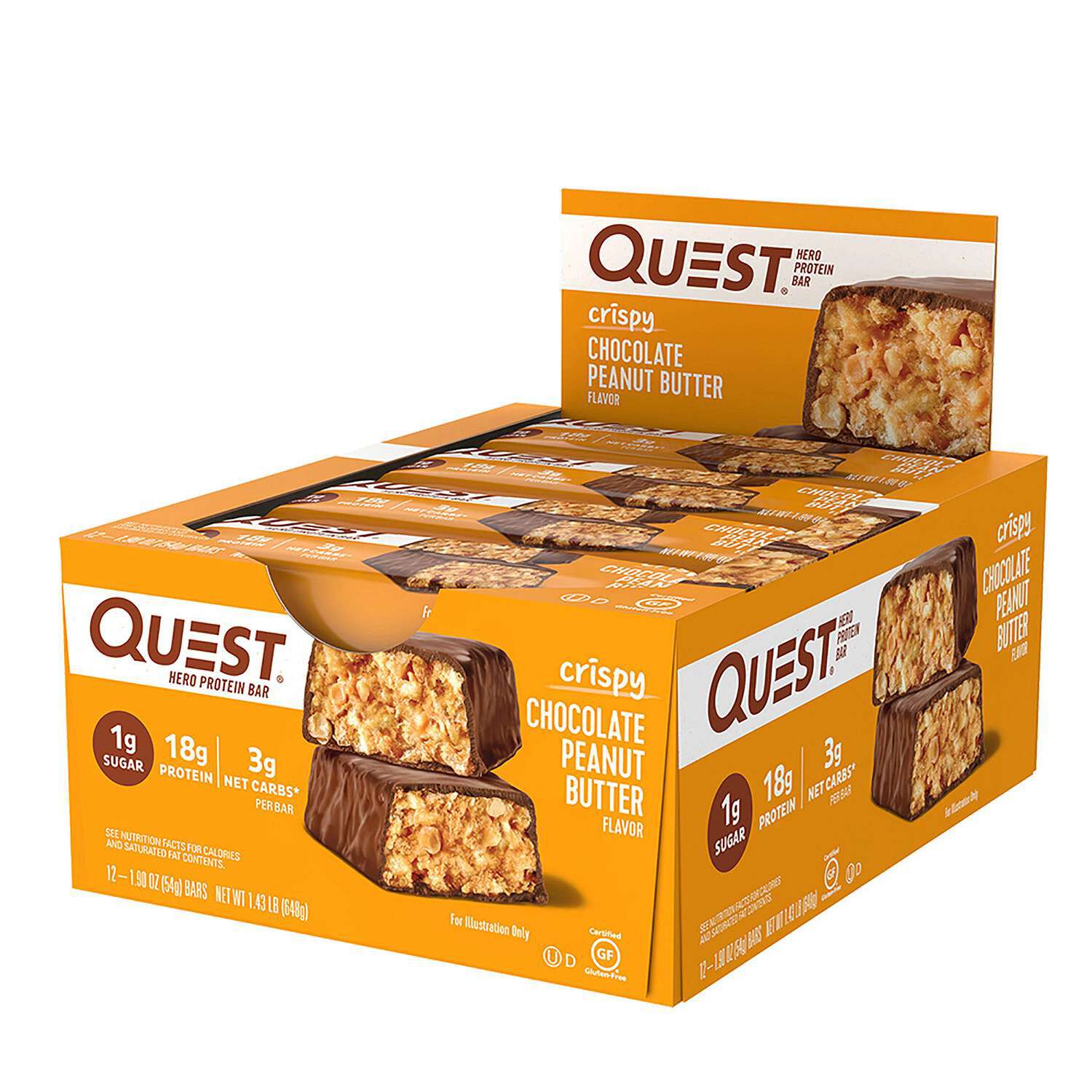
Low sugar protein snacks combine protein-containing ingredients with an emphasis on modest sugar content, offering a range of flavors, textures, and serving formats for between-meal eating. The category includes chewy bars, crisp bites, wafer-style snacks, and savory options, with recipes built around dairy proteins, plant proteins, nuts, seeds, or combinations of these ingredients. There is no single nutritional profile shared by every option. Protein grams, sugar grams, serving size, and calories provide a clearer picture of an individual snack than a short description on the wrapper. In the United States, “low sugar” does not specify a standardized amount of sugar per serving, so comparisons are most meaningful when the serving sizes are similar. A package may contain one serving or several, and that distinction matters when comparing a small wrapped portion with a larger pouch. Sugar content also deserves a closer look than sweetness alone suggests. Sugars can come from ingredients such as milk and fruit, as well as sweeteners added during preparation; added sugars appear separately on the Nutrition Facts panel. A sweet-tasting snack is not necessarily high in sugar, and a savory snack is not automatically low in sugar. Protein content varies just as widely, even among foods with similar shapes and flavors. The amount of protein in a serving is a separate consideration from whether its texture is soft, crisp, dense, or airy. Fiber, fat, and carbohydrates add further context to the label without making any one number the sole measure of a snack. For someone packing an afternoon desk snack, a modest portion with a familiar flavor may be the preferred fit. Someone planning food around a workout might prefer a different serving size or protein amount. These distinctions make low sugar protein snacks a varied category rather than a single formula for every routine, with room for different appetites, ingredient preferences, and eating occasions.
Flavor and texture are often the details that make one snack more appealing than another. Chocolate, vanilla, peanut butter, and caramel-style flavors occupy a different corner of the category from salted nuts, toasted seeds, and other savory profiles. Some recipes feature a smooth coating around a dense center, while others emphasize visible nut pieces, thin wafer layers, or a crisp bite. A chewy format may appeal to someone who enjoys a slower snack break, while smaller pieces could suit someone who prefers a few bites at a time. Sweetness varies by recipe, too. Some snacks use modest amounts of conventional sweeteners; others include sugar alcohols or other sweetening ingredients. Two options with similar sugar amounts may taste noticeably different because their sweeteners, flavorings, and ingredient proportions differ. The ingredient list identifies those choices more clearly than flavor names alone. Protein sources are another point of distinction: milk-derived ingredients such as whey and casein differ from plant-derived ingredients such as pea or soy protein, while nuts and seeds contribute their own flavors and textures. Plant-based describes an ingredient approach, not a particular amount of sugar or protein, so the nutrition panel still matters. Milk, soy, peanuts, tree nuts, wheat, and sesame may appear in this category, making ingredient lists and allergen statements important parts of a selection. Coatings, fillings, and mixed pieces deserve the same attention as the main protein ingredient. For a shared snack drawer or a household with different preferences, individually wrapped portions may make it easier to keep labels with each serving. Resealable formats may suit someone who prefers to portion out a snack rather than open a separate wrapper each time. The practical distinction is personal: a tidy, firm-textured portion may suit a desk drawer, while a softer snack might be more appealing during a seated break. Taste, texture, ingredients, and portion format all have a place alongside the nutrition numbers.
Everyday use also shapes what makes a low sugar protein snack a good fit. A commuting bag, lunch tote, gym bag, and kitchen cabinet each call for slightly different packaging considerations. A compact wrapper may fit neatly beside a notebook or water bottle, while a sturdy container could be useful for snacks with delicate layers or loose pieces. Individually portioned formats may simplify packing for a long day away from home, and a resealable pouch may suit a snack kept at a desk. Packaging does not replace storage directions, however. Some snacks are intended for pantry storage, while others require refrigeration or have different instructions after opening. The package’s storage guidance, seal condition, and best-by date provide practical context for keeping food as intended. A snack tucked into a bag for an afternoon meeting has a different role from one served on a plate with fruit or yogurt, and the serving information remains useful in either setting. Pairings may add variety without changing the snack’s own nutrition information: a crunchy portion alongside a soft food, for example, offers a different eating experience from two foods with similar textures. For occasions when a drink is preferable to a chewy or crisp snack, Low Sugar Protein Shakes offer another format to compare by serving size, protein, sugar, and ingredients. Neither format needs to serve every purpose; a portable bite may suit a brief break, while a beverage might fit a different routine. Wrapped protein snacks may also be a thoughtful addition to a college care package or a small gift for someone with a familiar snack preference, provided the recipient’s ingredient needs are considered. Across these uses, the most relevant differences remain concrete: what is in the serving, how it tastes, how it is packaged, and where it will be eaten. Those details give low sugar protein snacks their everyday versatility without treating every recipe or eating occasion as interchangeable.
- Q: What are low sugar protein snacks?
A: Low sugar protein snacks are foods or supplements that contain a higher amount of protein and a reduced amount of sugar compared to traditional snack options. They may be designed for those looking to manage their sugar intake while still enjoying a convenient source of protein. - Q: Who might enjoy low sugar protein snacks?
A: Low sugar protein snacks could appeal to individuals who are mindful of their sugar consumption, fitness enthusiasts, or anyone seeking a convenient way to add more protein to their daily routine. - Q: When can you enjoy low sugar protein snacks?
A: Low sugar protein snacks may be enjoyed at any time of day, such as between meals, after workouts, or as an on-the-go option when you need something quick and satisfying. - Q: What types of low sugar protein snacks are available?
A: There are many types of low sugar protein snacks available, including bars, shakes, cookies, chips, and nut mixes. These options may come in various flavors and formats to suit different preferences. - Q: How do low sugar protein snacks differ from regular snacks?
A: Low sugar protein snacks typically contain less added sugar and more protein than standard snack foods. This combination may make them a popular choice for those looking for alternatives to traditional sweet or carb-heavy snacks.
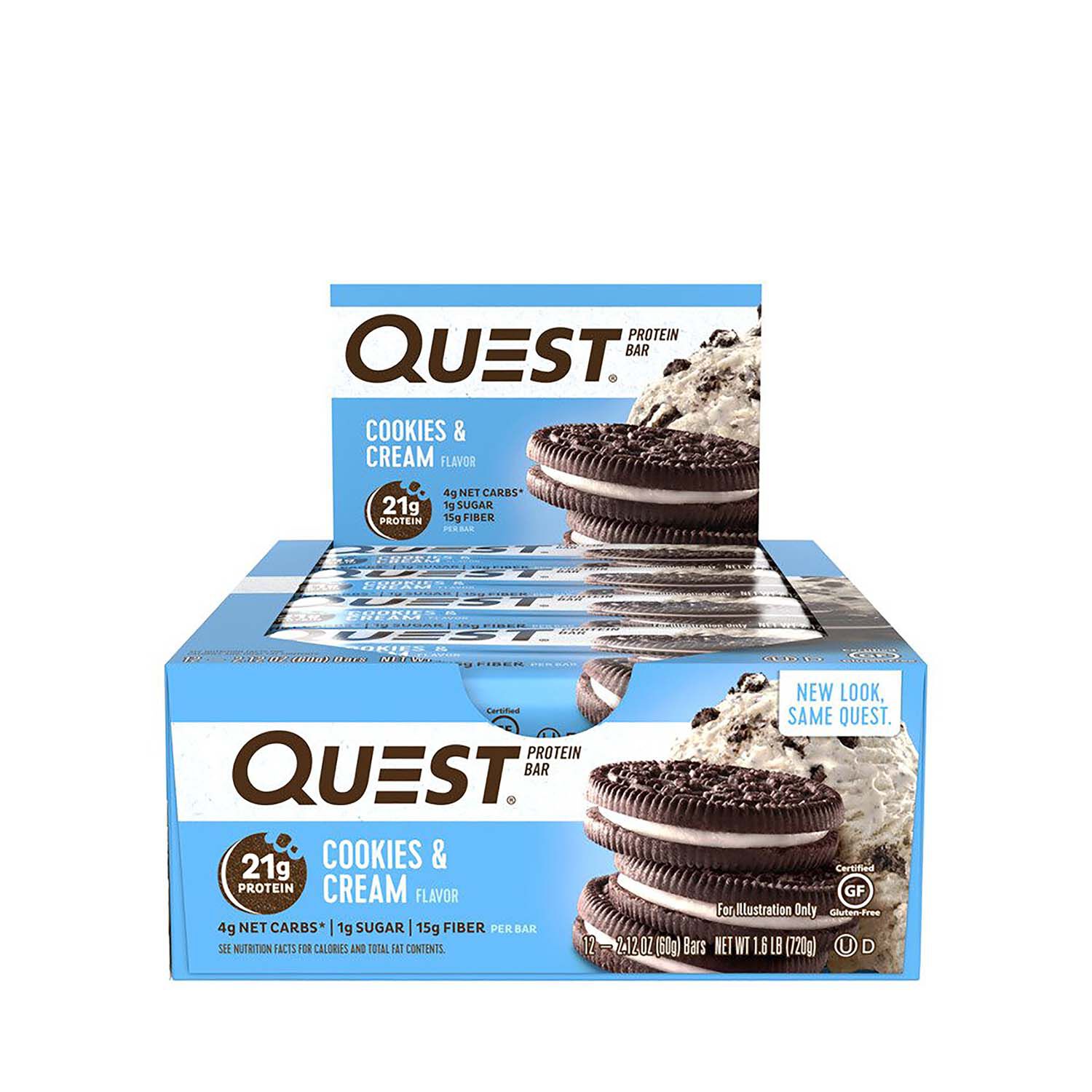
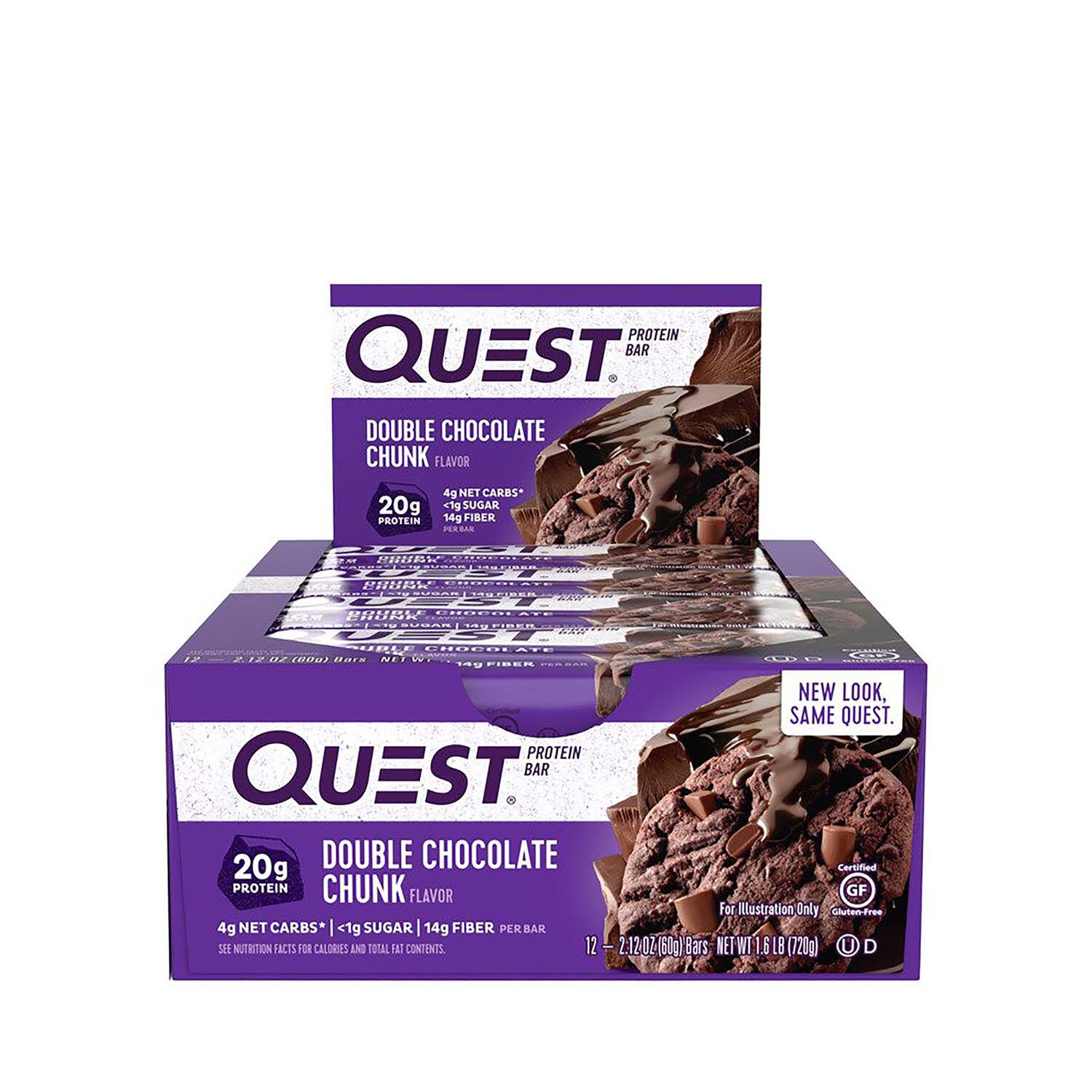


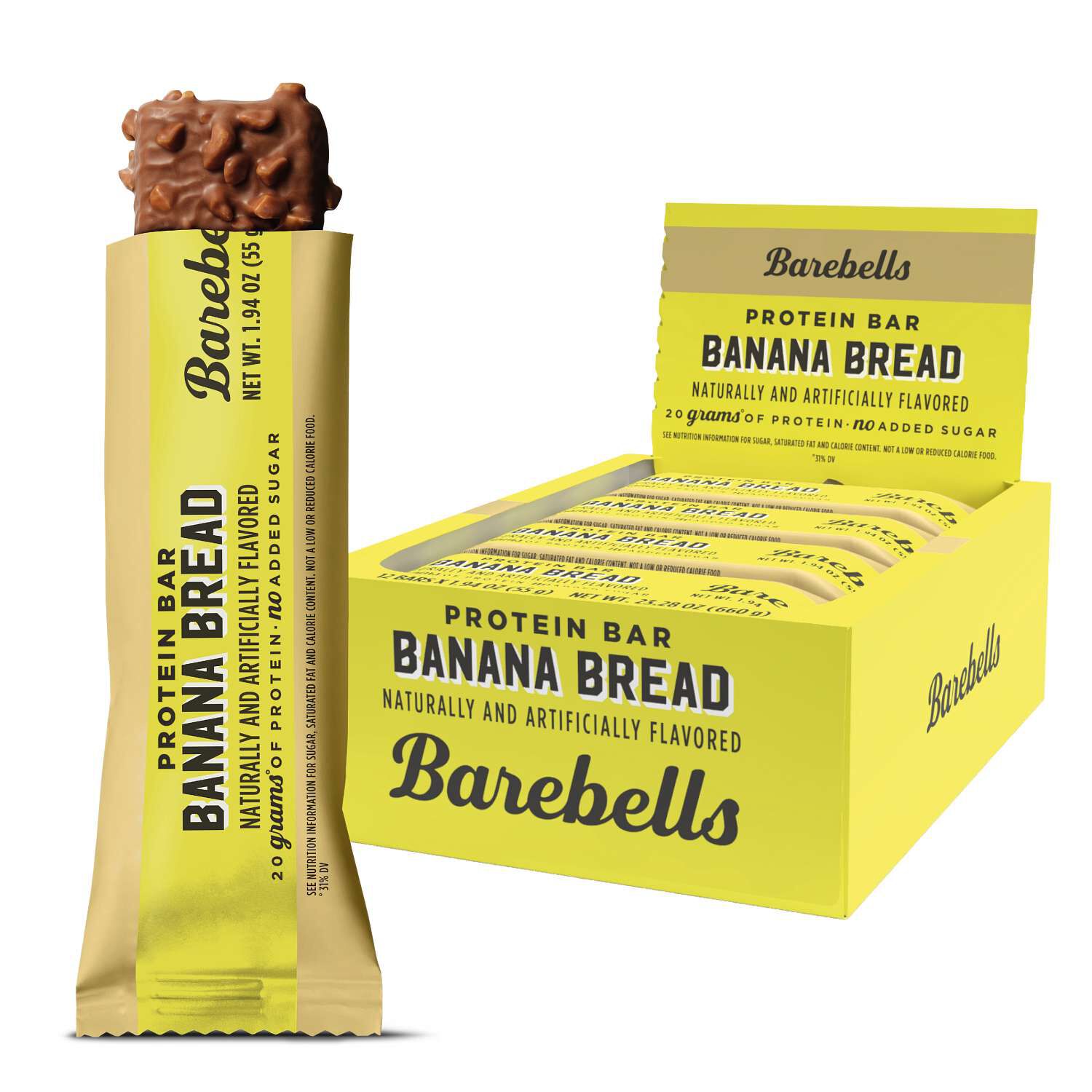
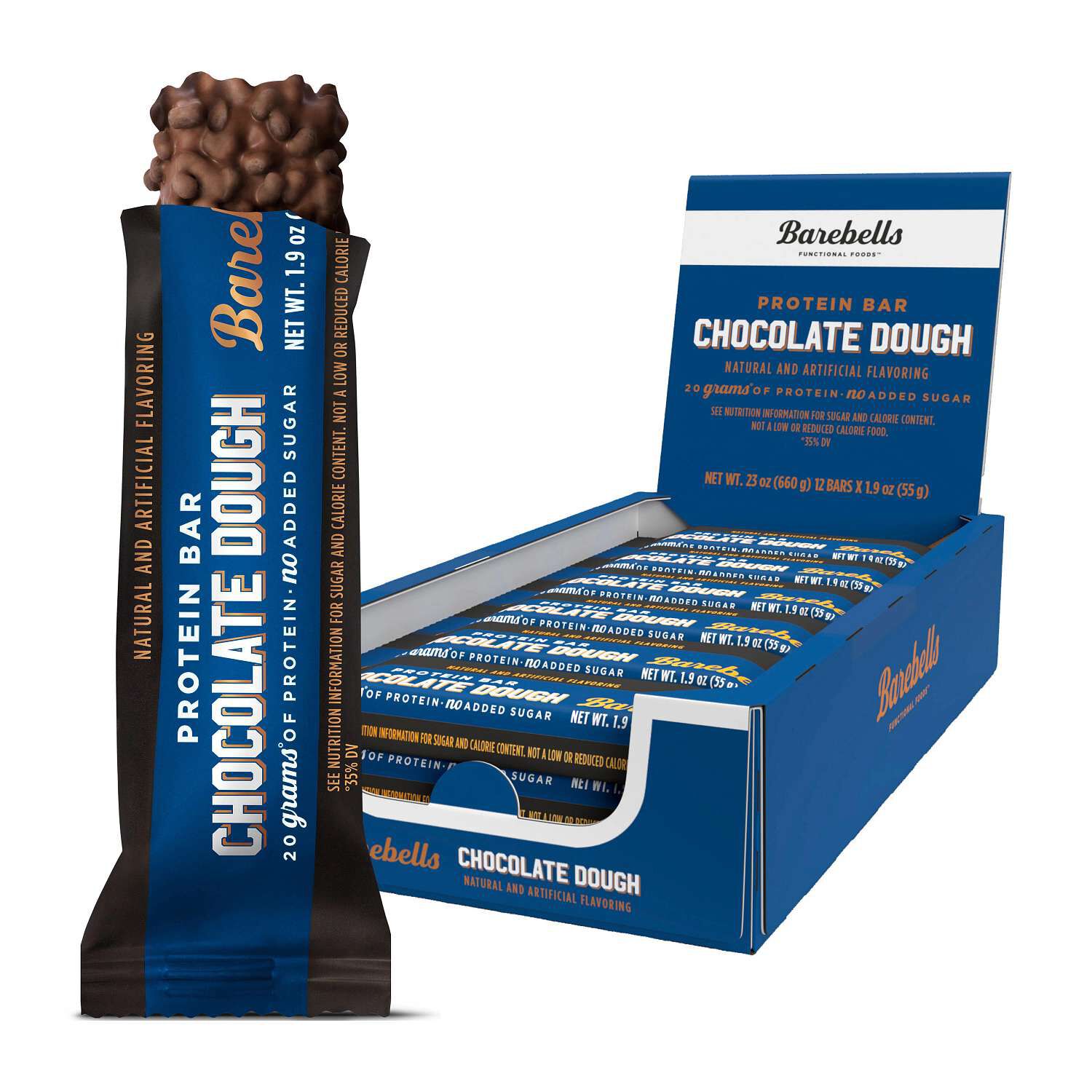
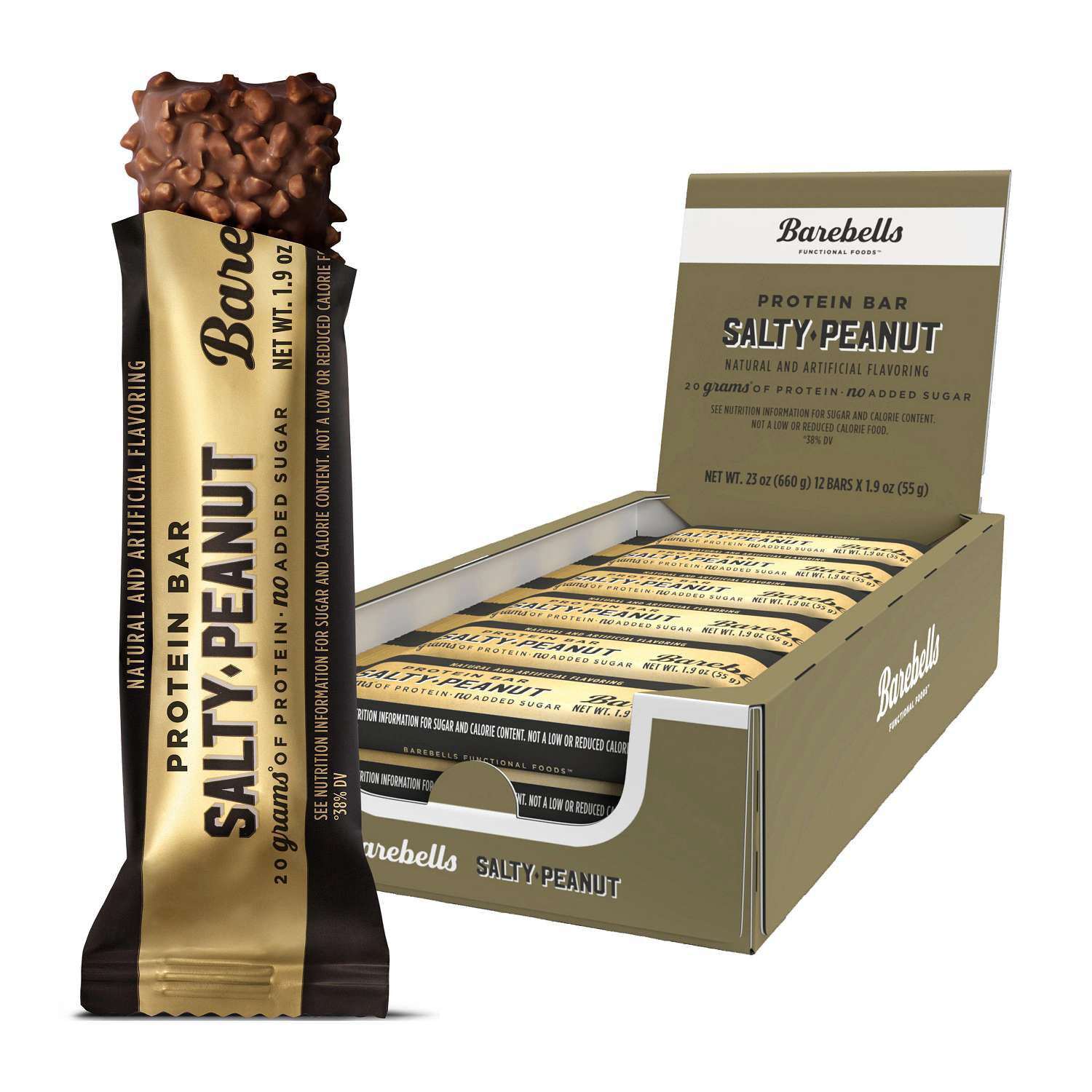
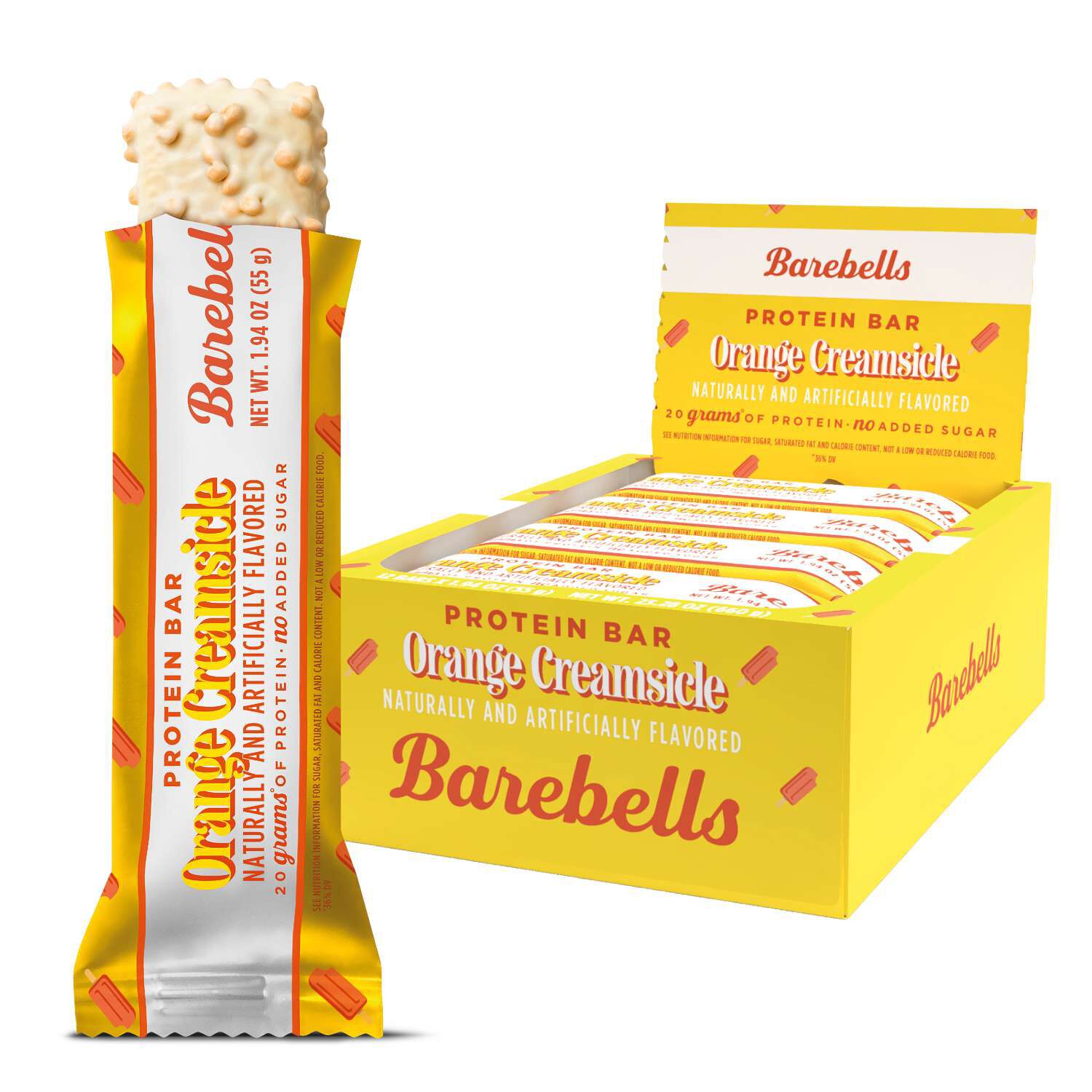


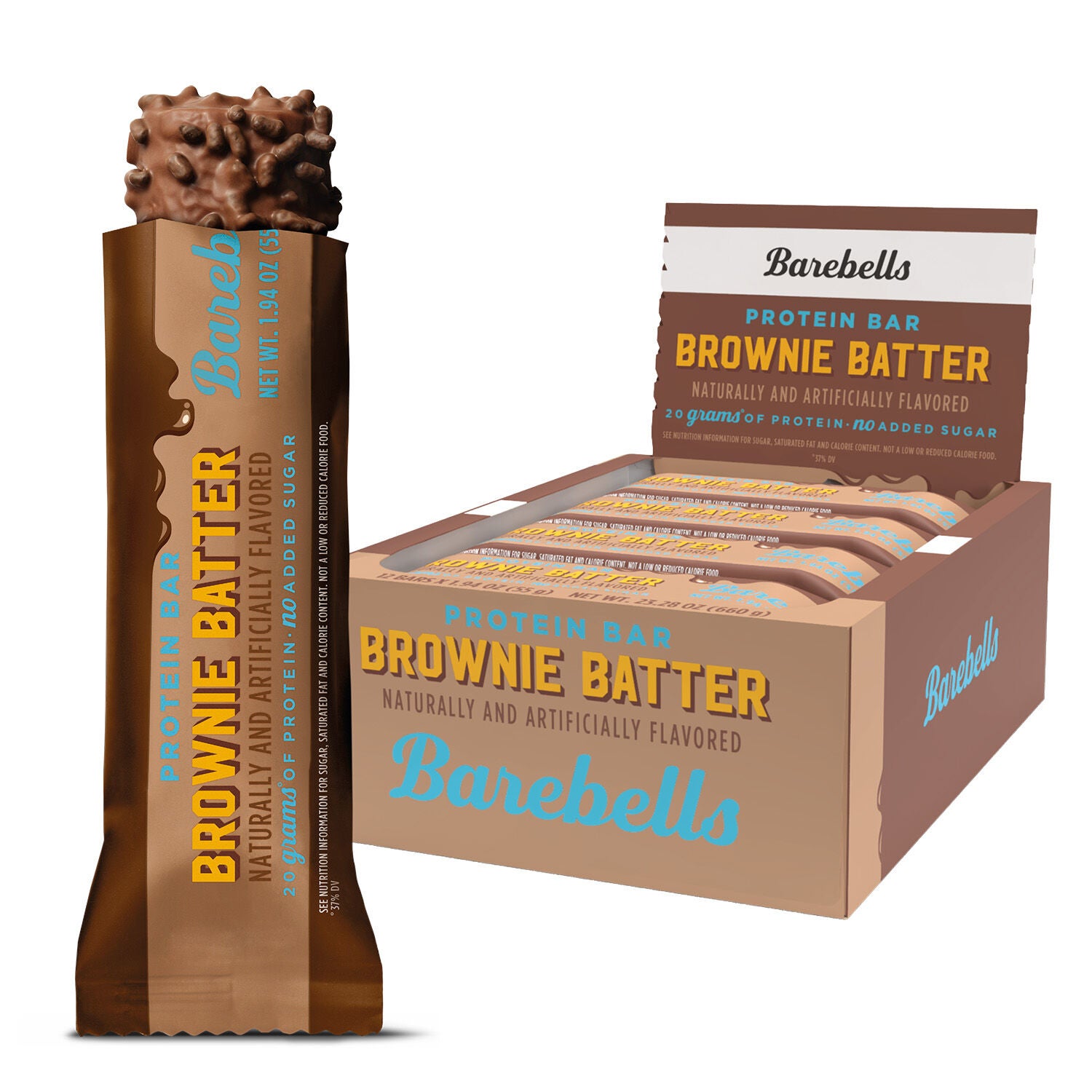

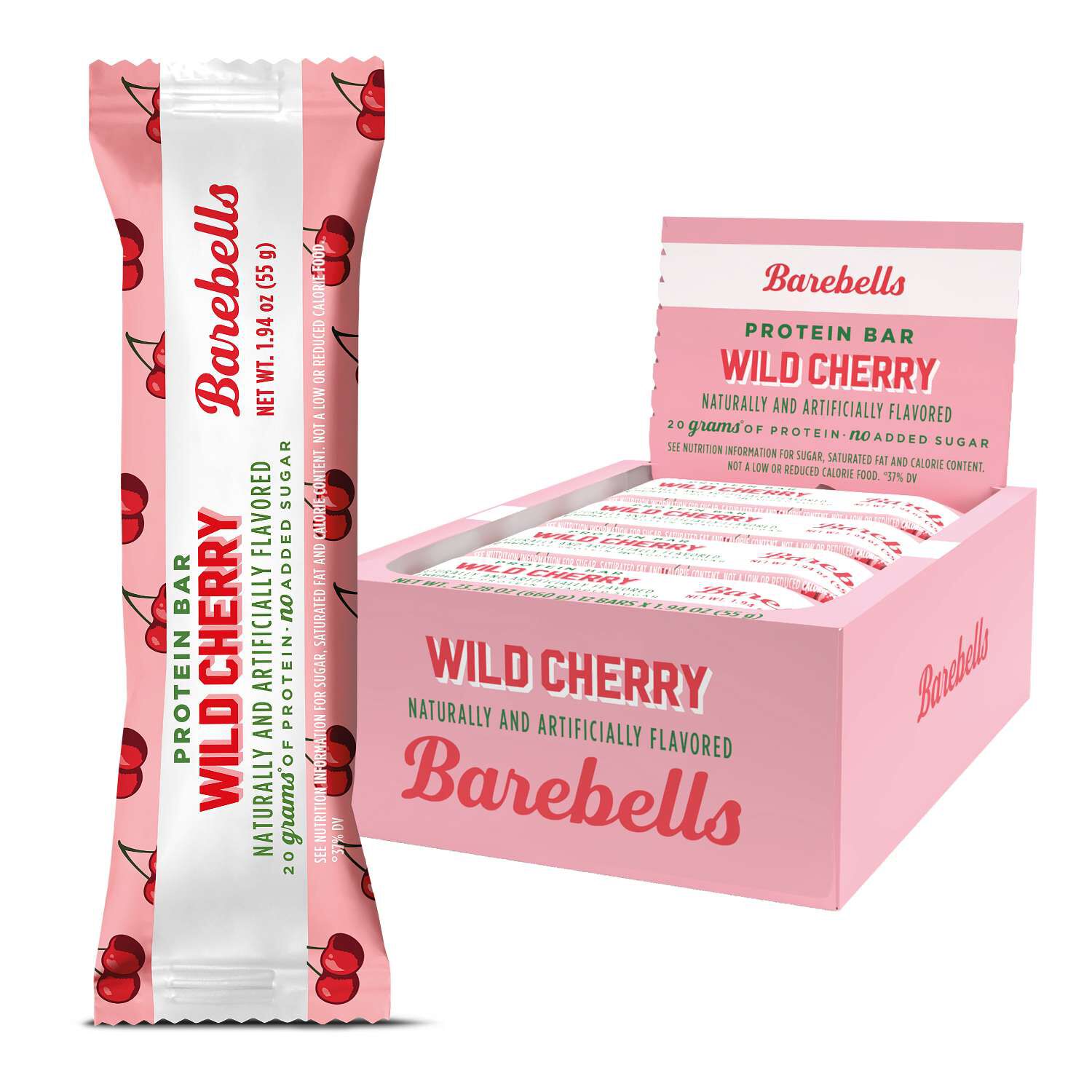
Best Sellers
-
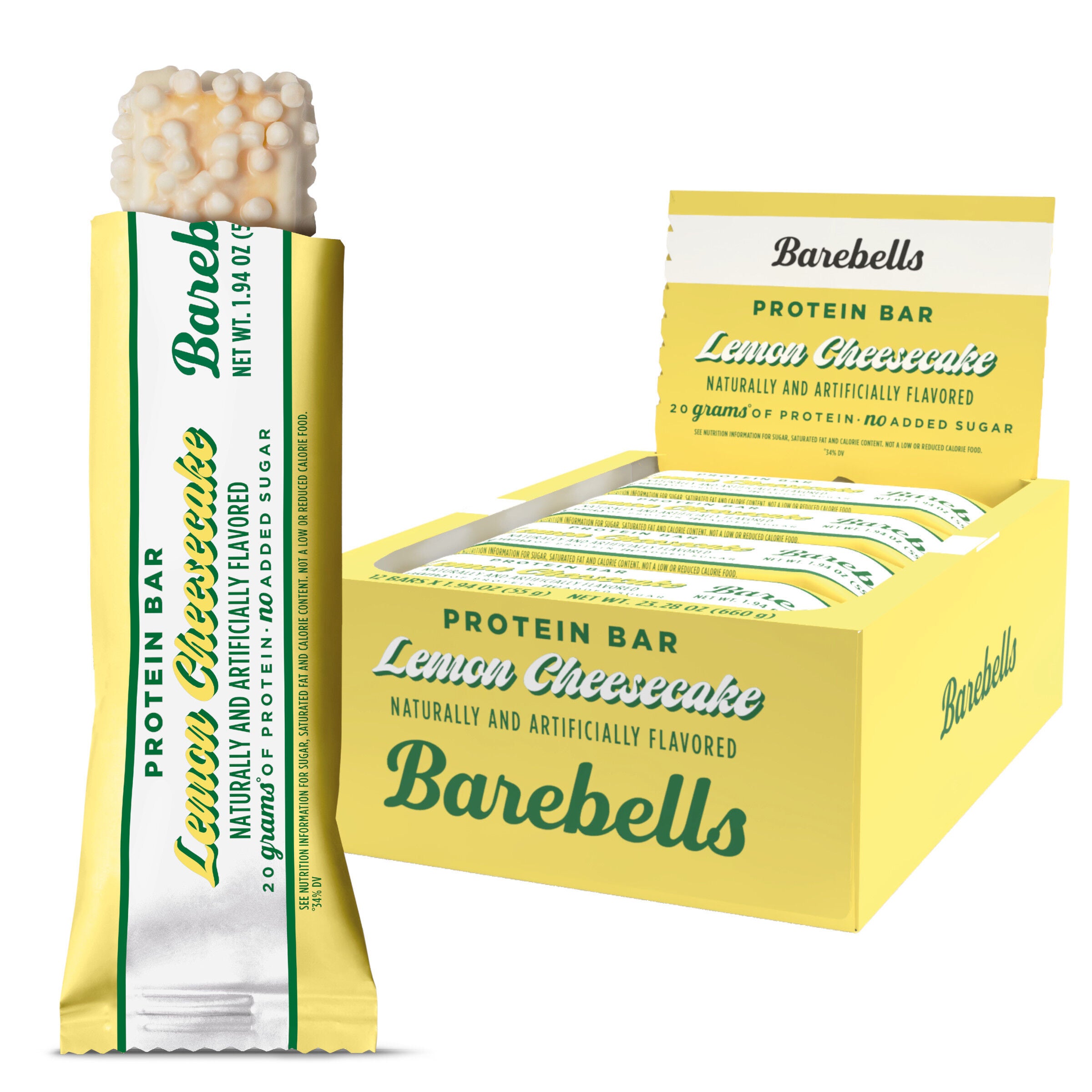 Barebells
-
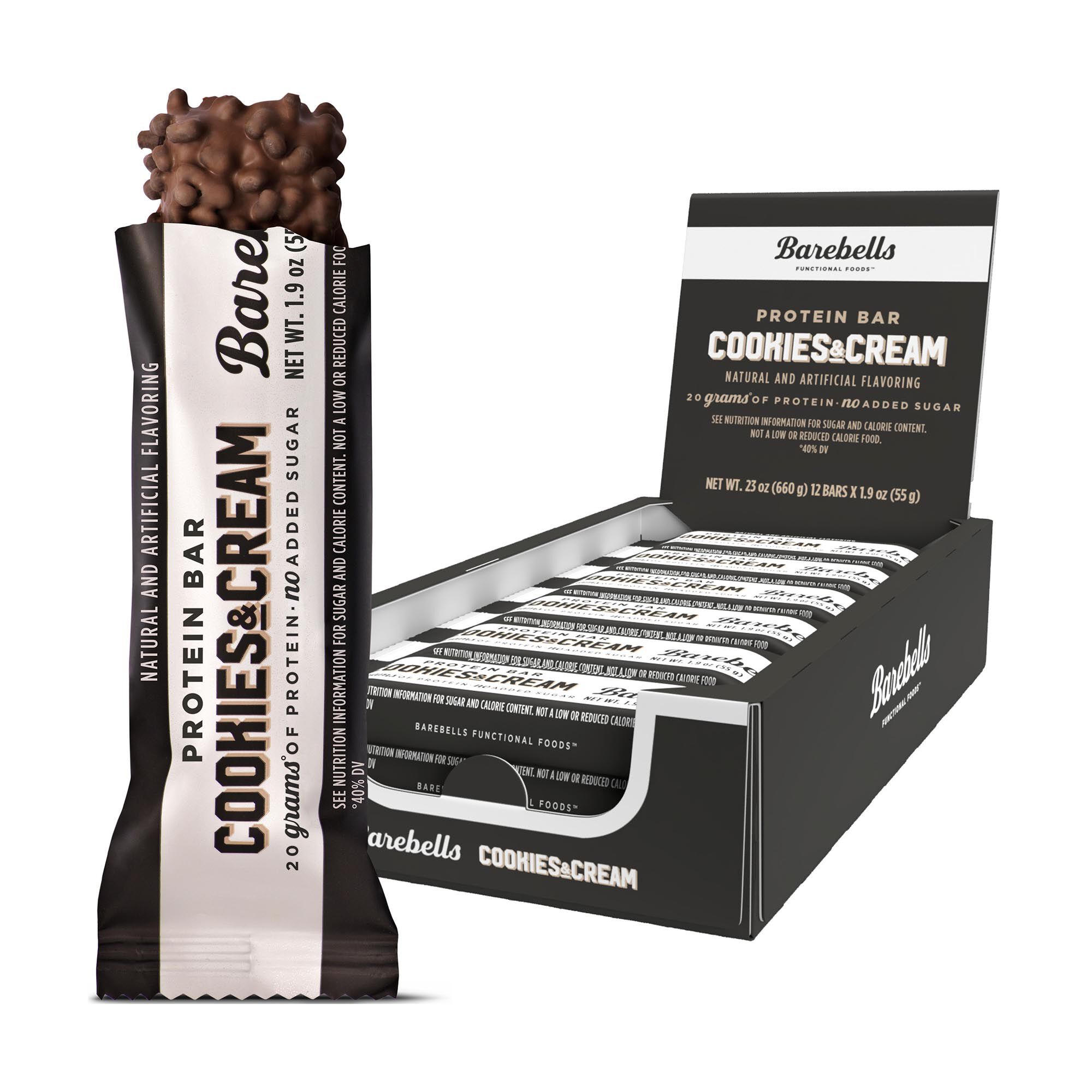 Barebells
-
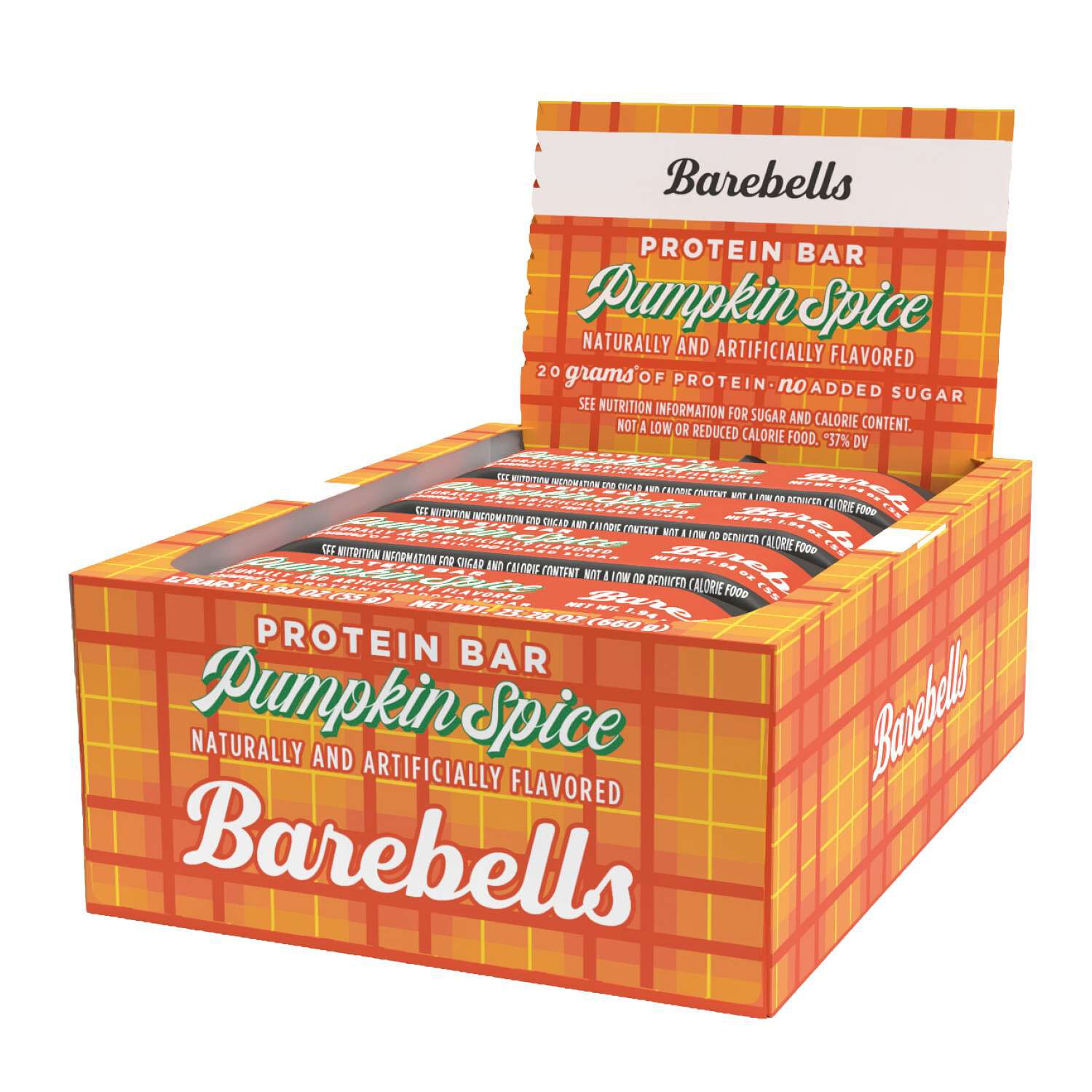 Barebells
-
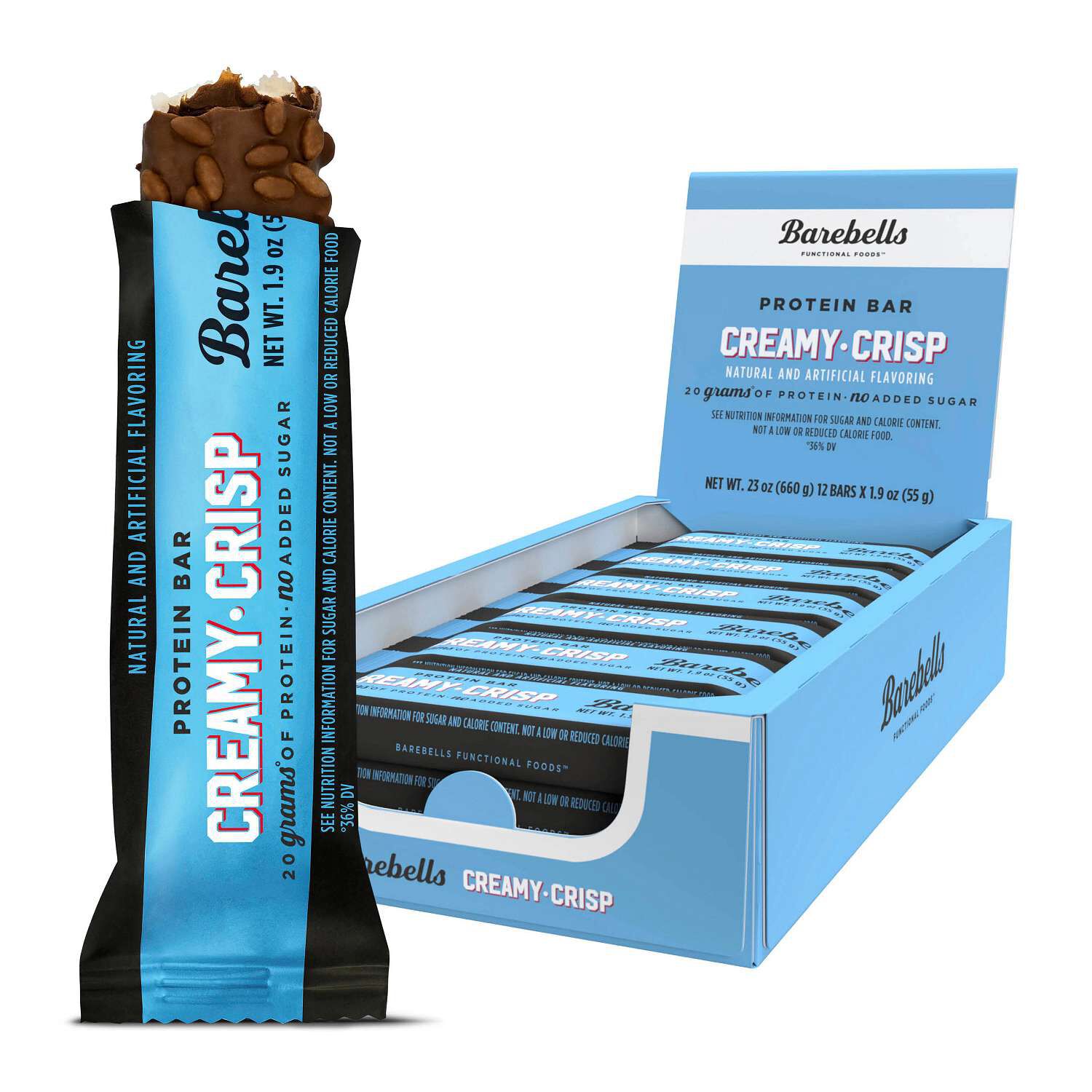 Barebells
Related Pages


Top Collections
- GLP 1 Support For Adults
- Supplements For Yoga Joint Flexibility
- Supplements For Balance
- Joint Mobility Supplement Packs
- Zinc Supplements | Top Brands at Great Prices | GNC
- Capsule Supplements For Energy And Stamina
- Supplements For Anxiety Relief Support
- Chronic Fatigue Supplements
- Zinc Supplements For Men
- Iron Supplements