Low Sugar Protein Shakes
(0 Results)
Looking for a delicious way to fuel your body with protein without loading up on sugar? Our Low Sugar Protein Shakes are here to satisfy your taste buds and support your fitness goals. Packed with high-quality protein and minimal sugar content, these shakes are perfect for anyone looking to maintain a healthy lifestyle while enjoying a tasty treat. Whether you're hitting up a post-workout refuel or simply need a convenient snack on-the-go, GNC's selection of Low Sugar Protein Shakes has got you covered.


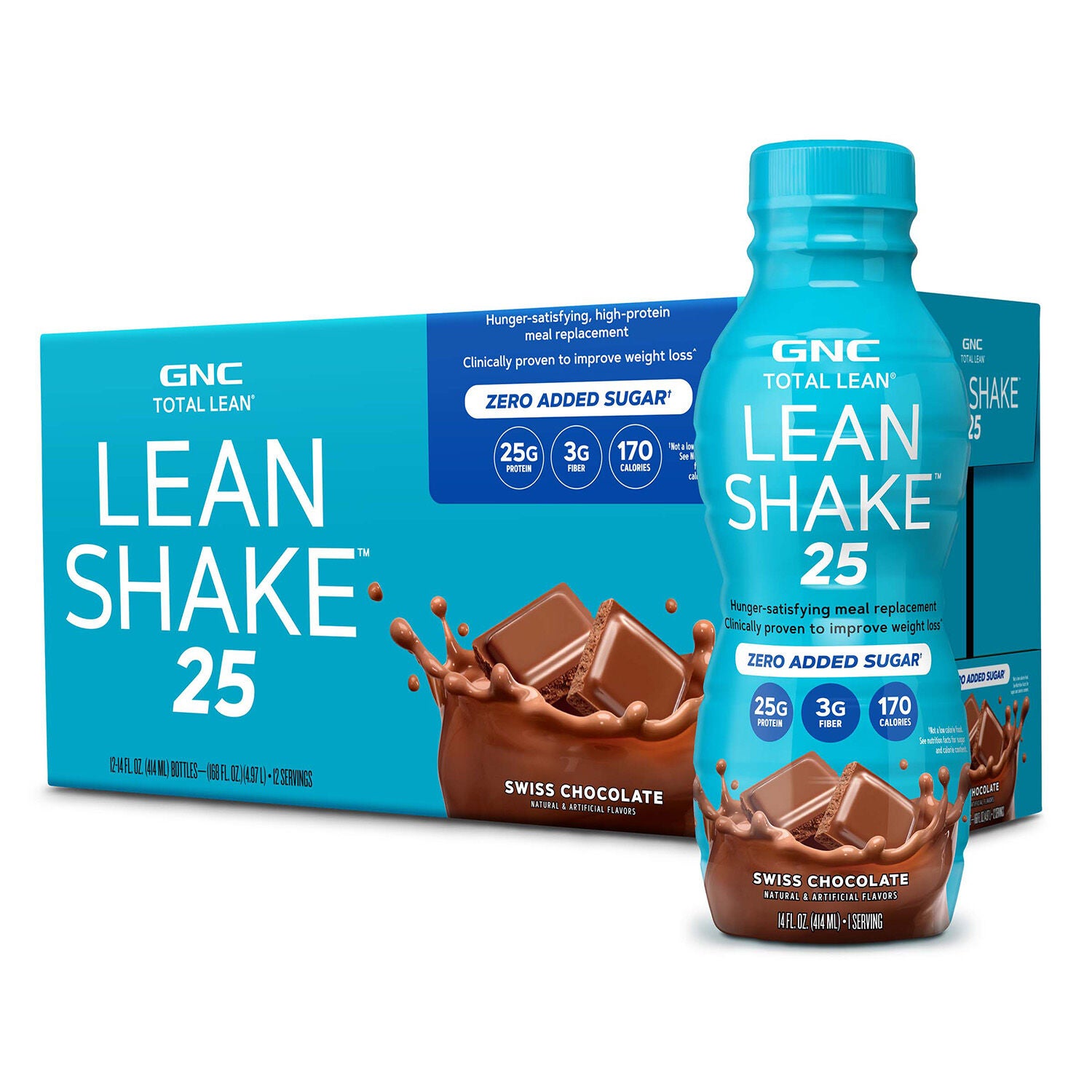
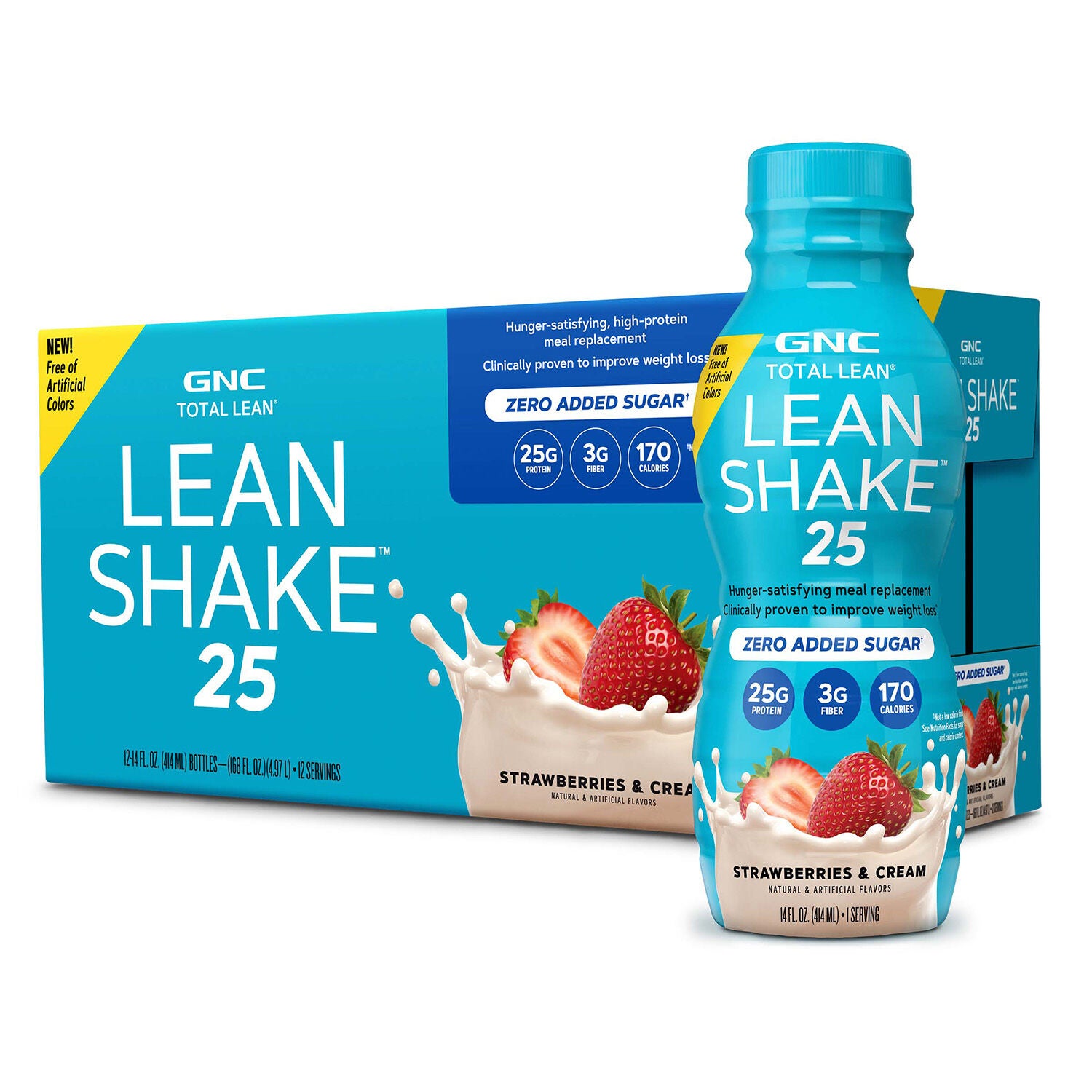

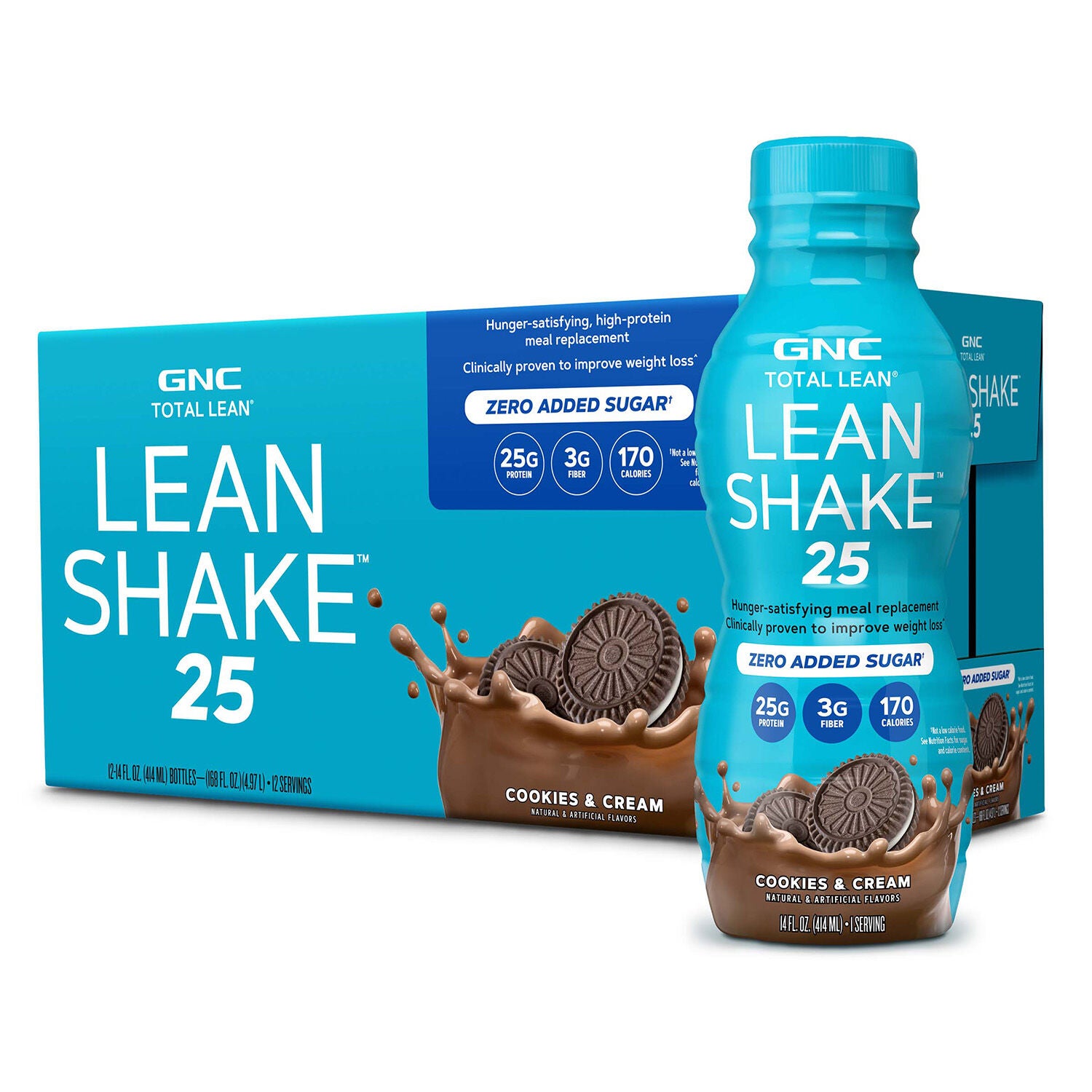
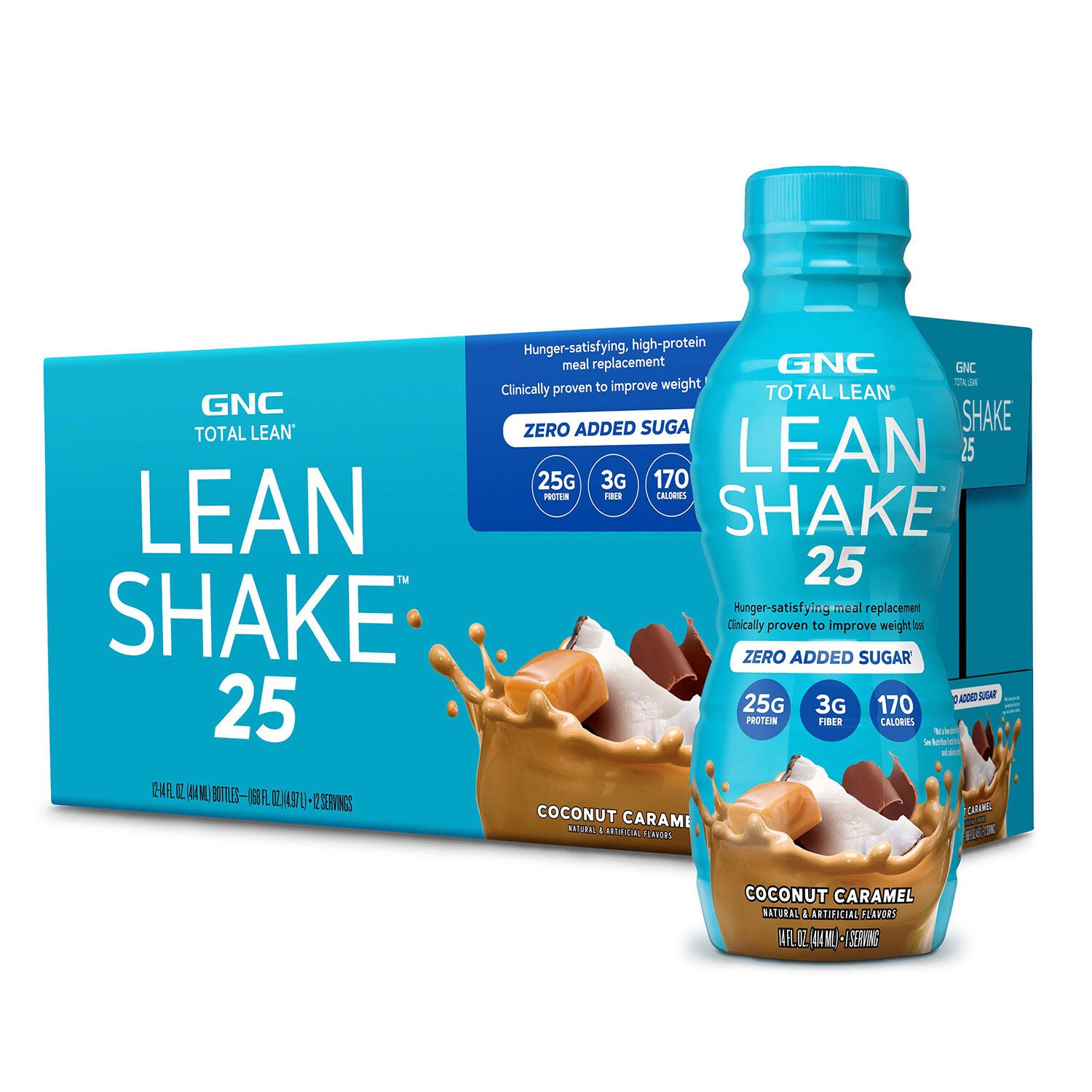
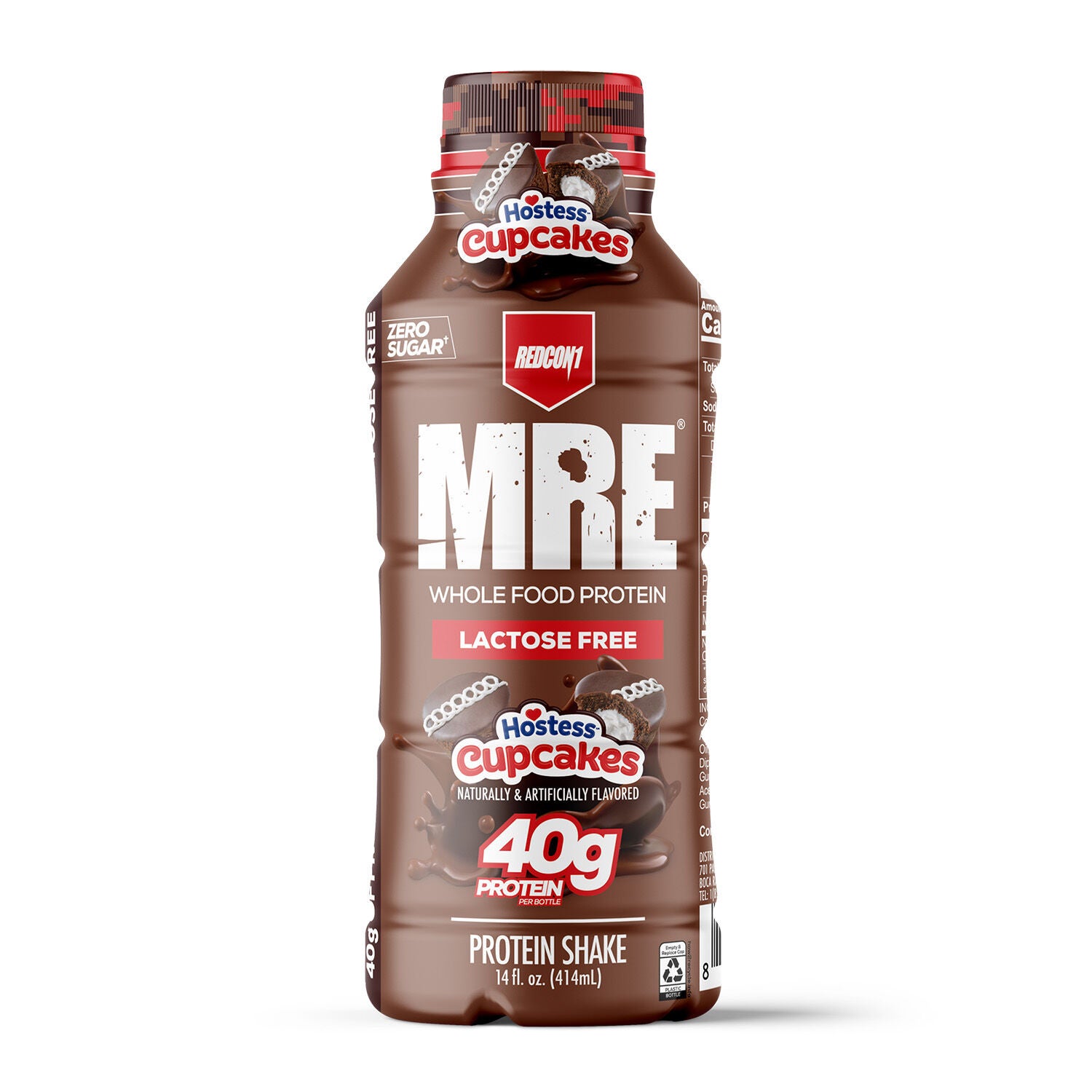
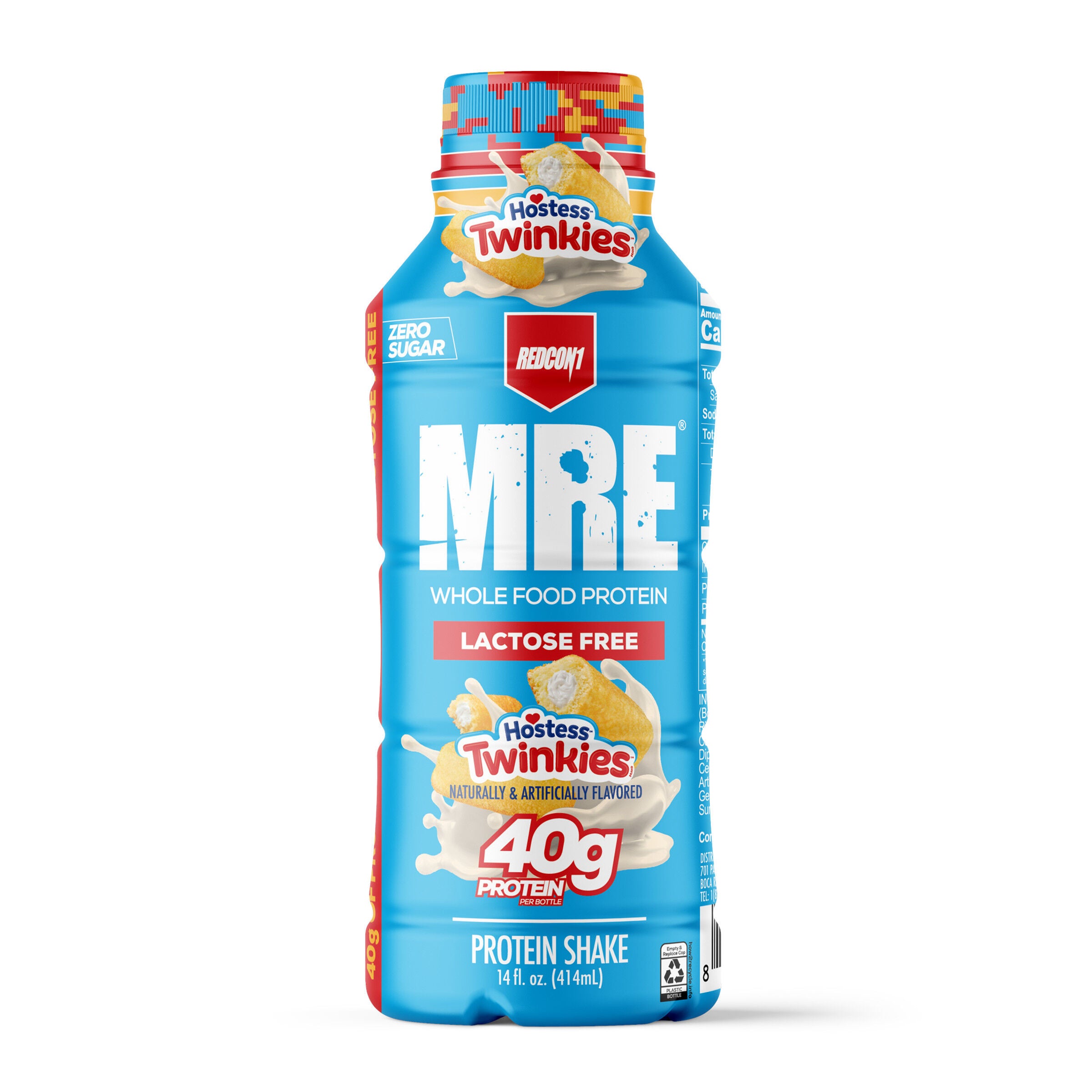
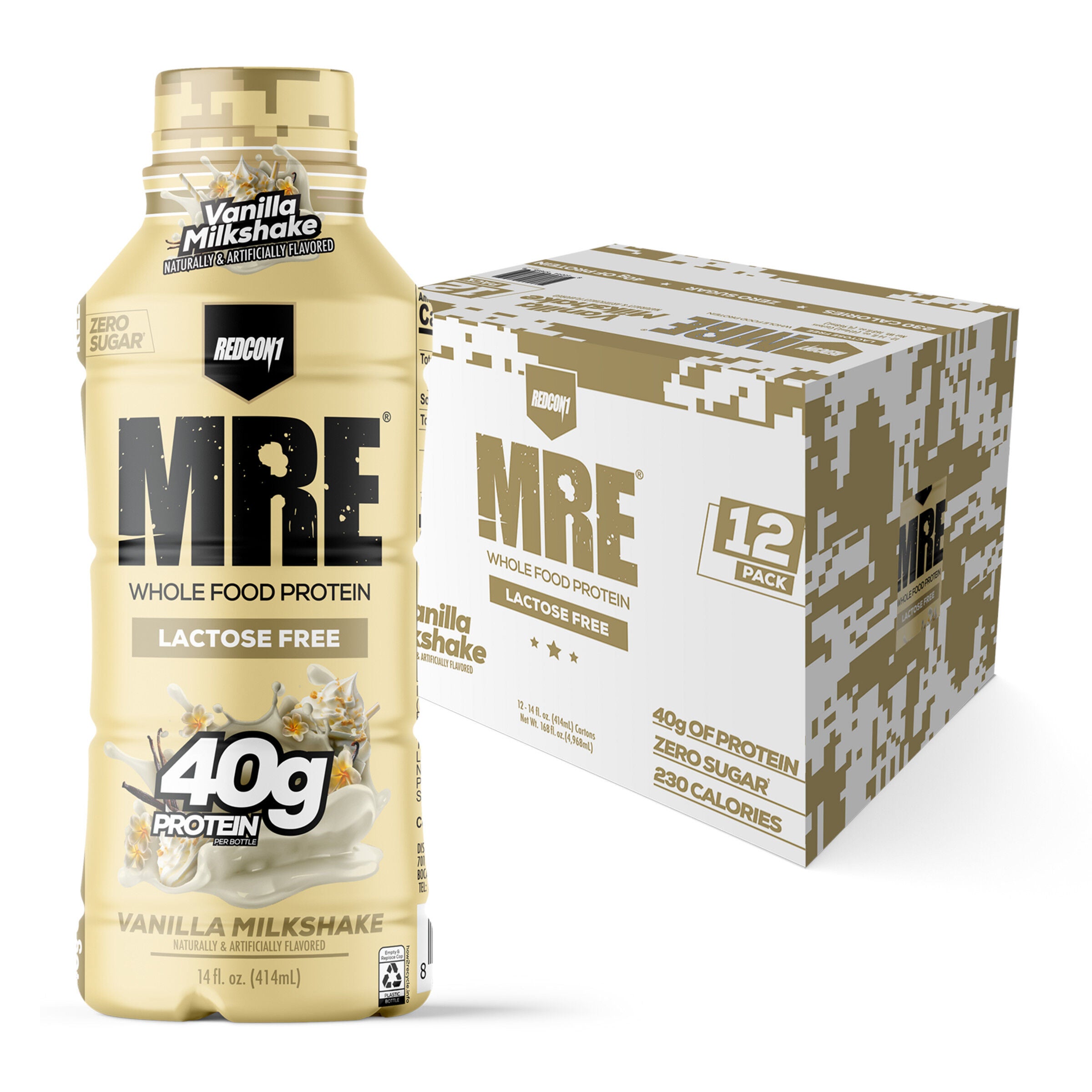
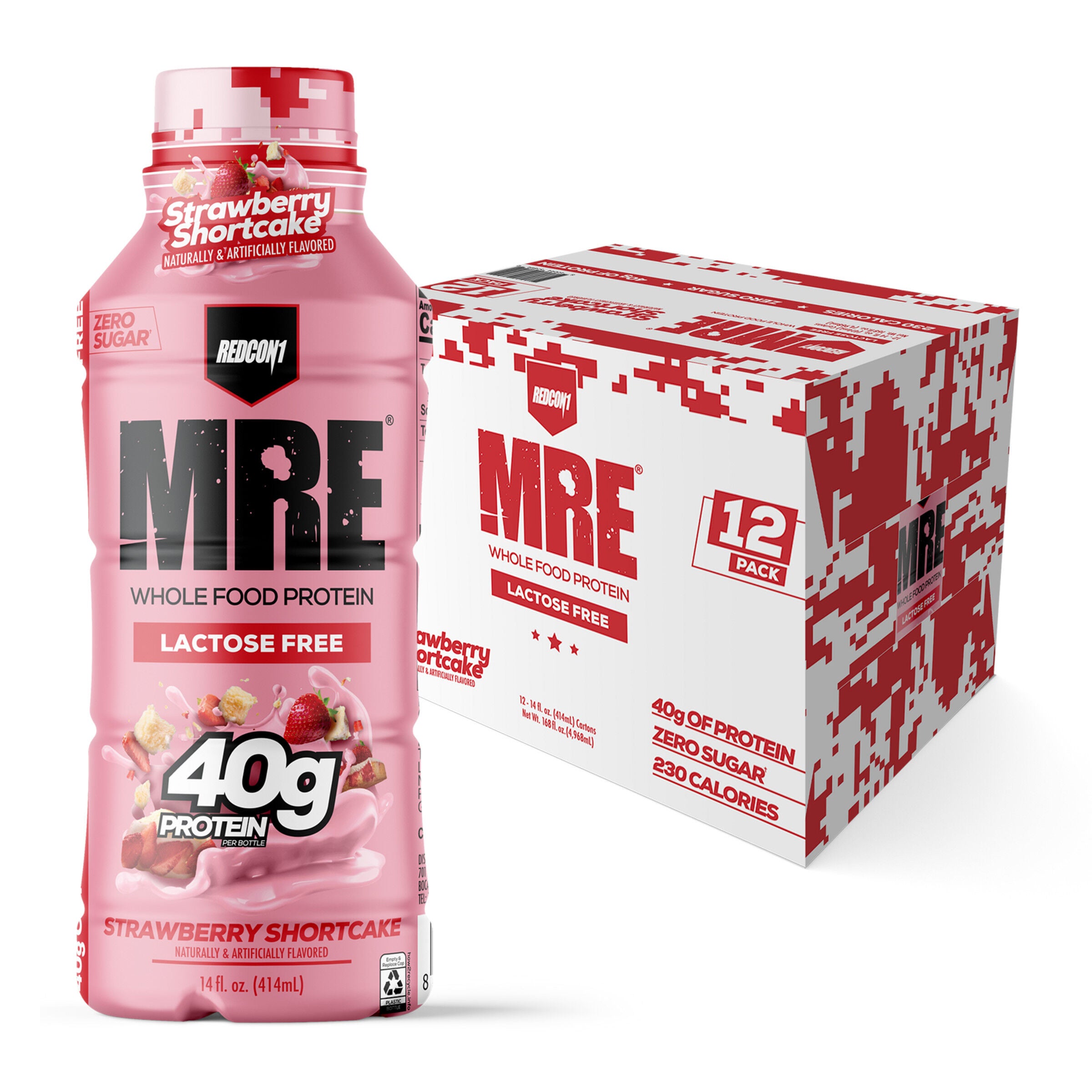

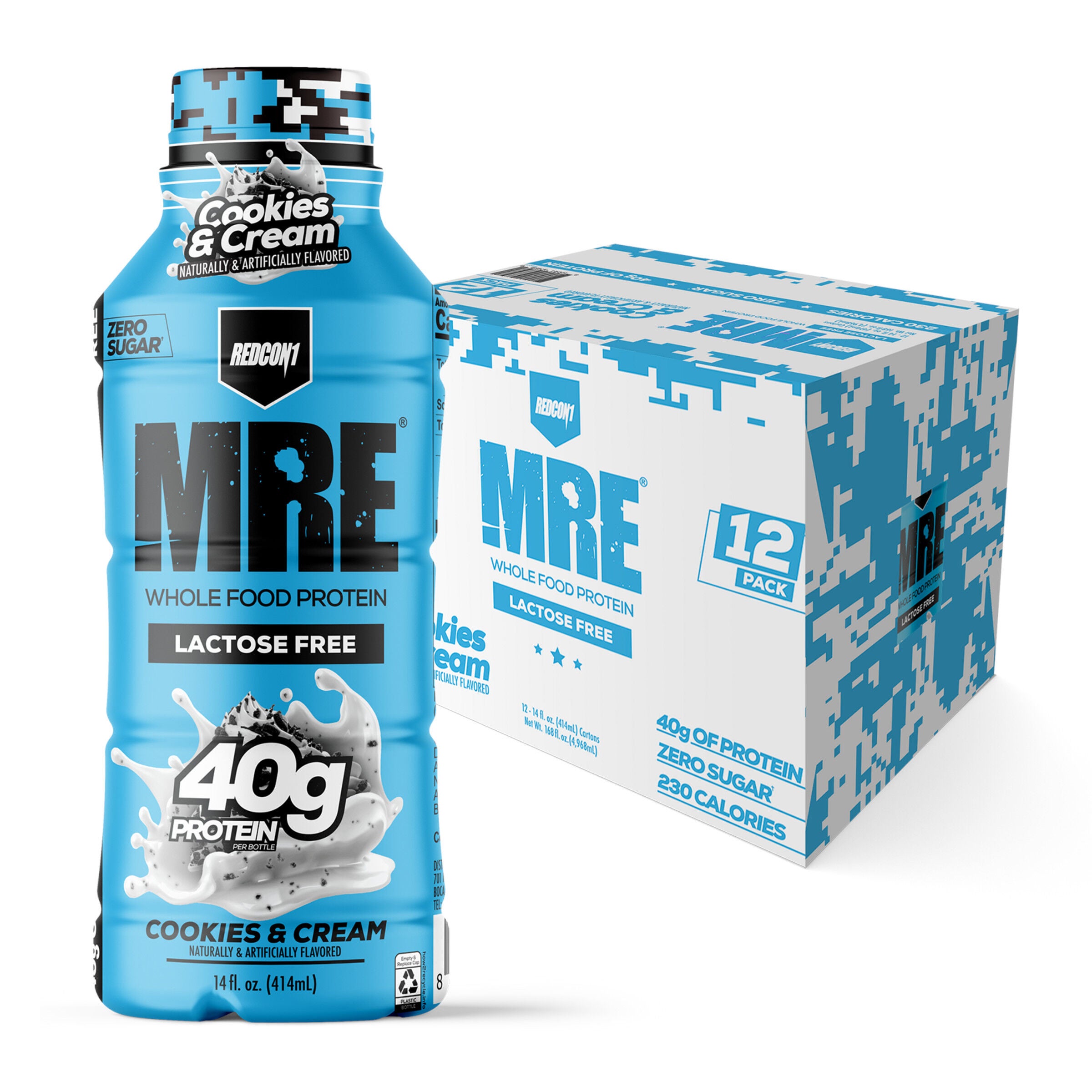
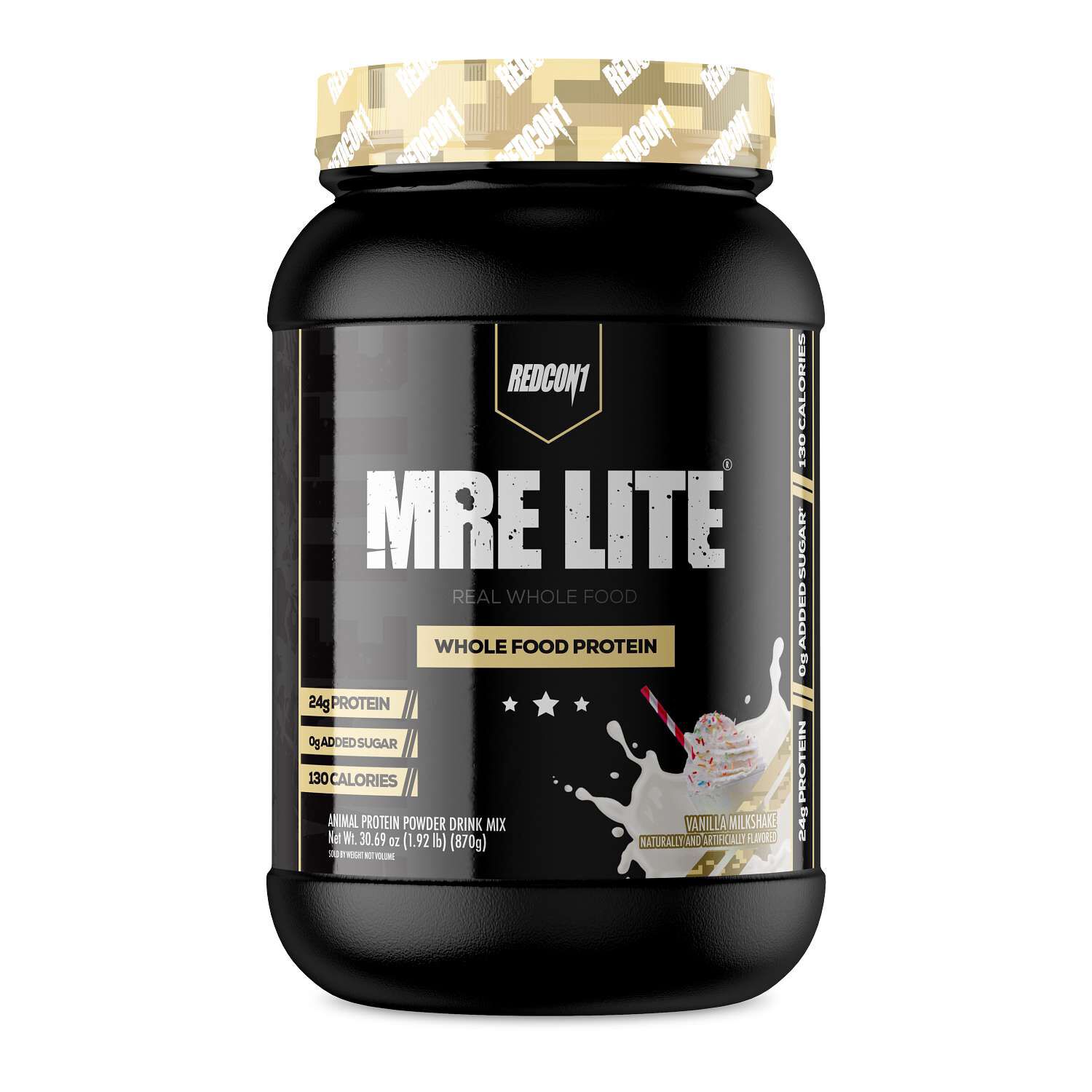
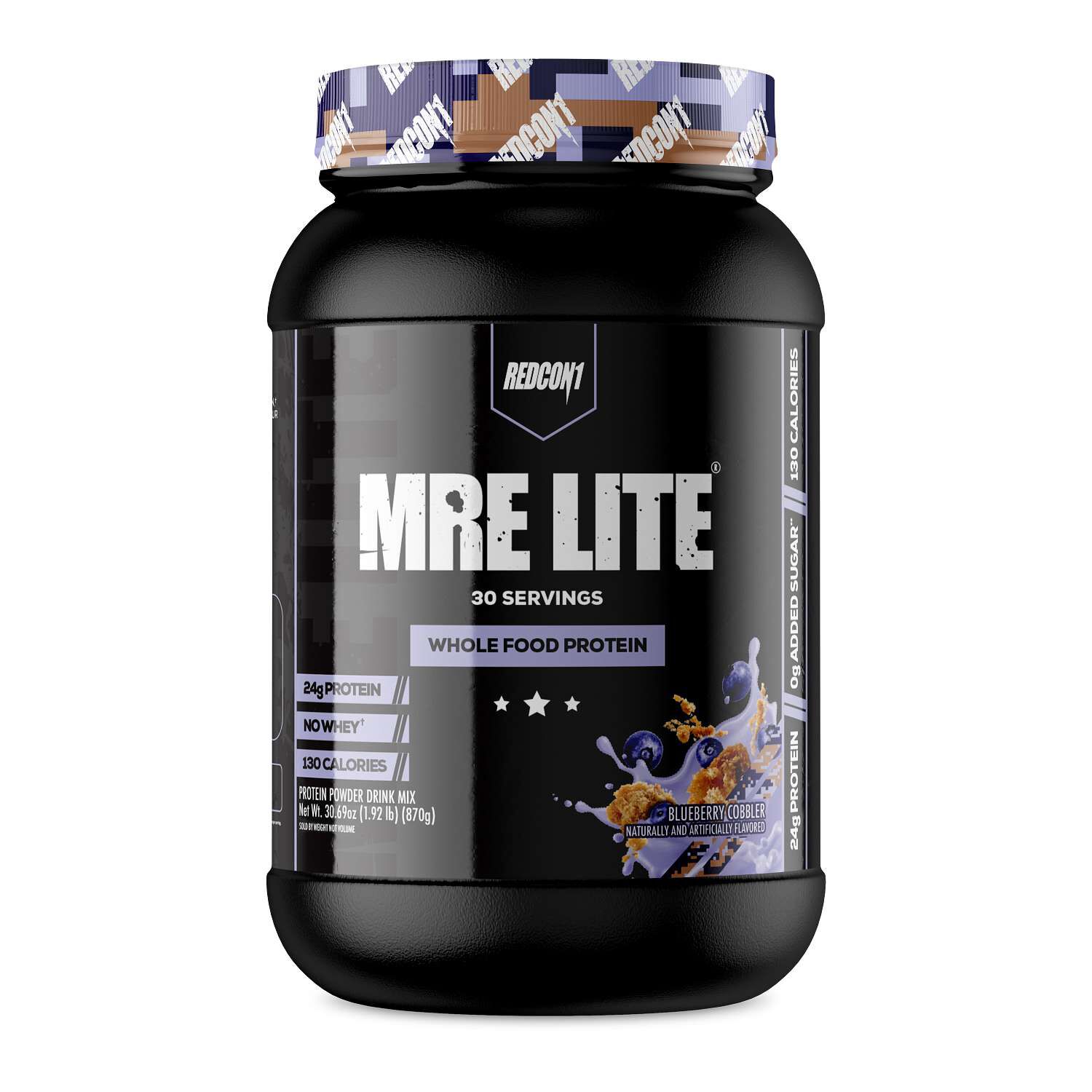
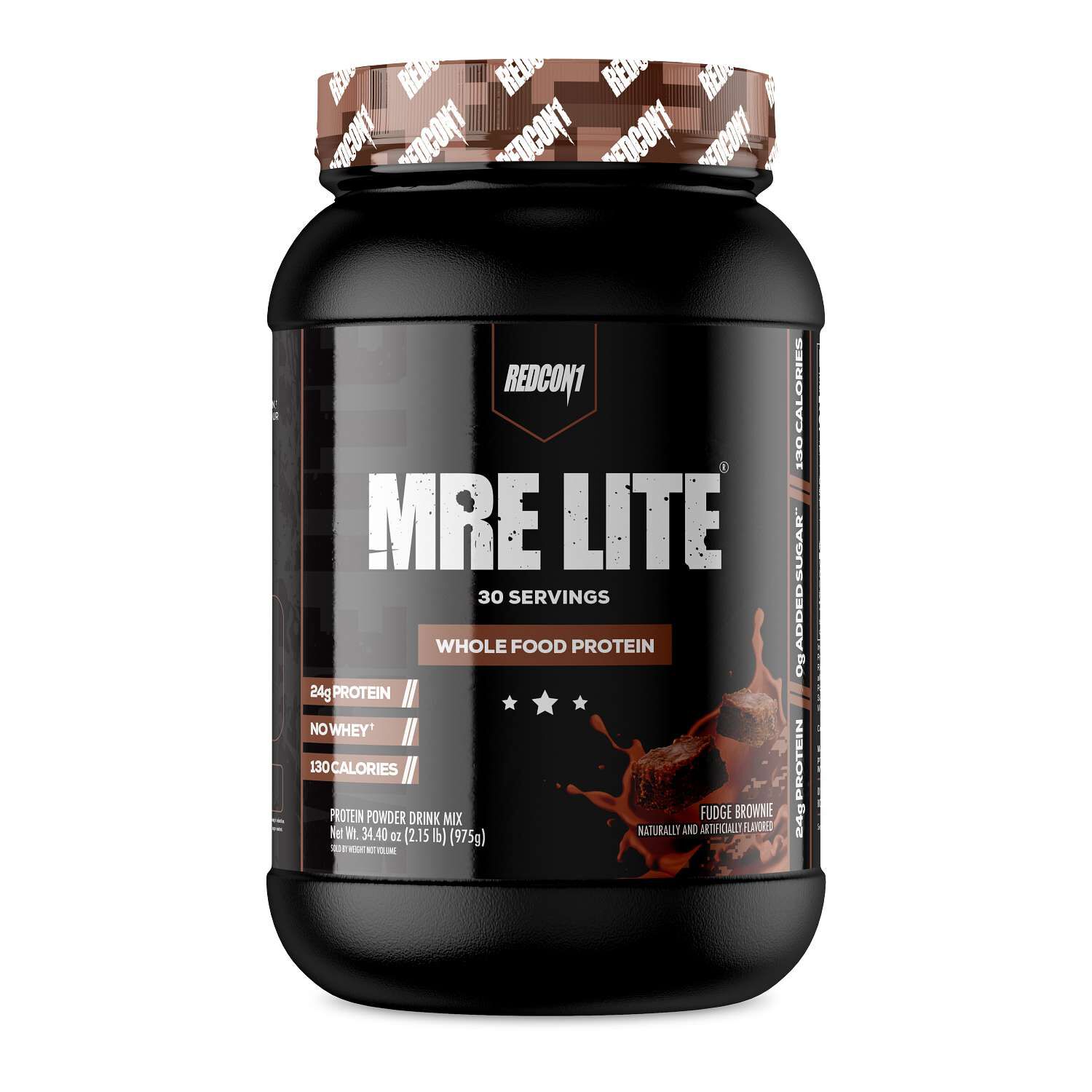
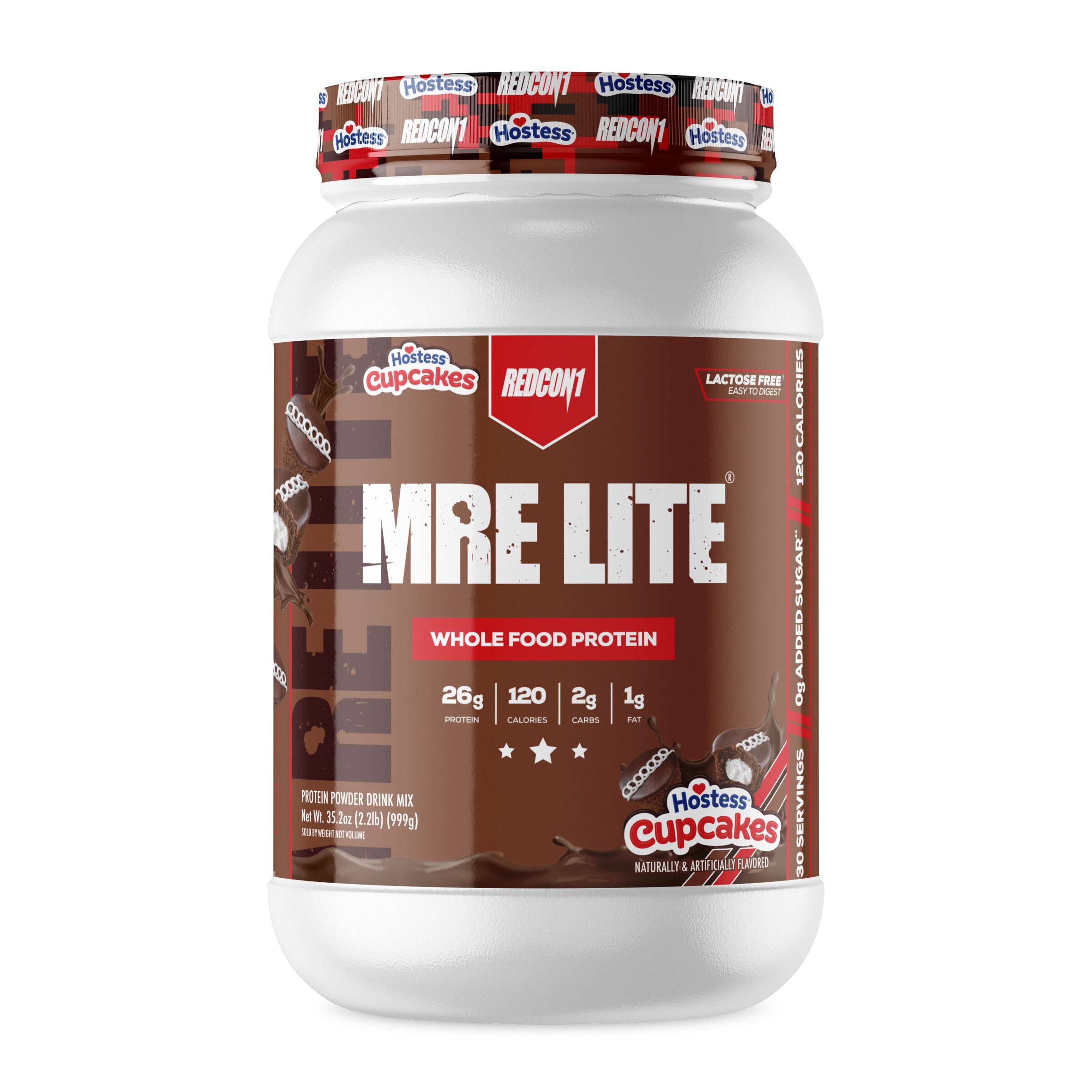
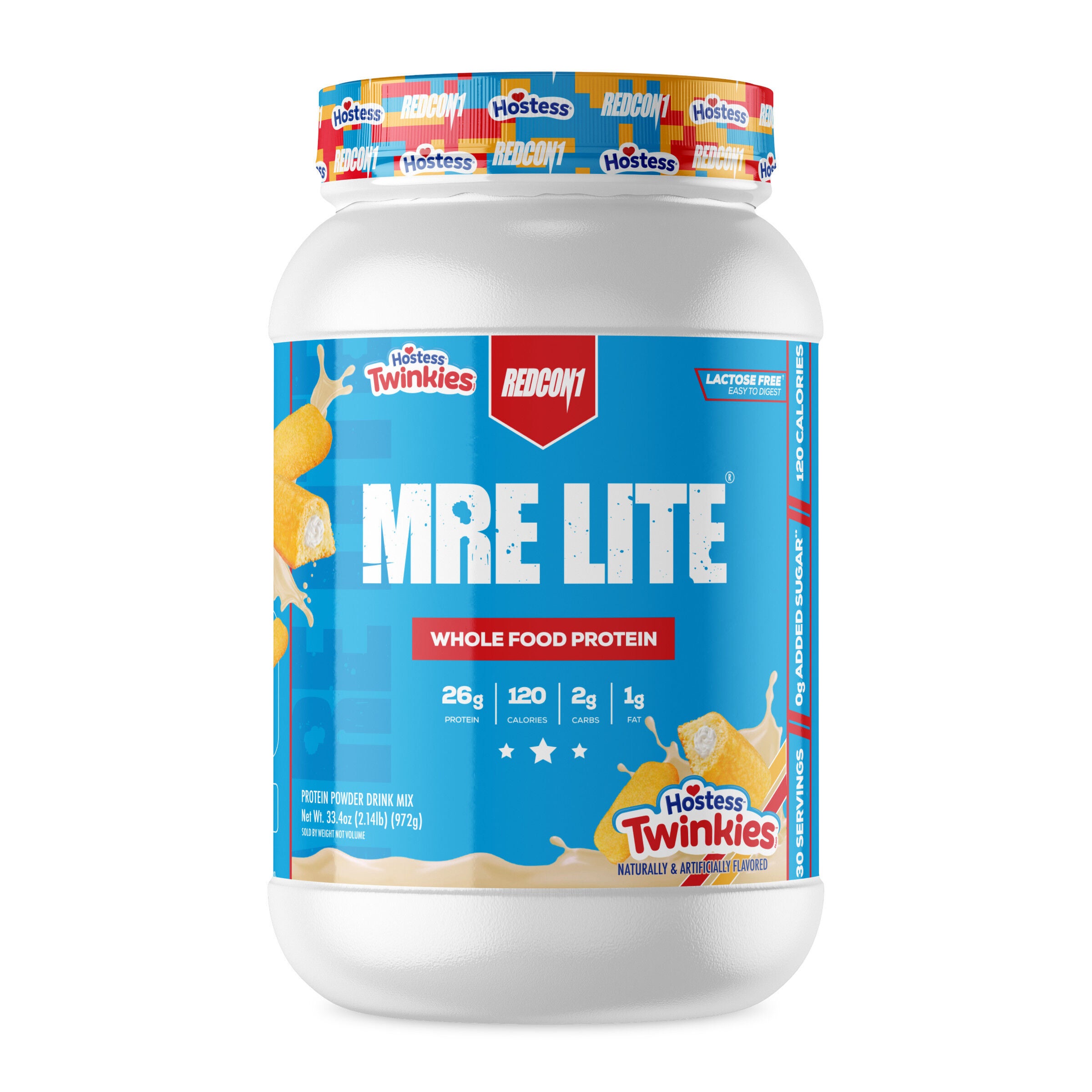

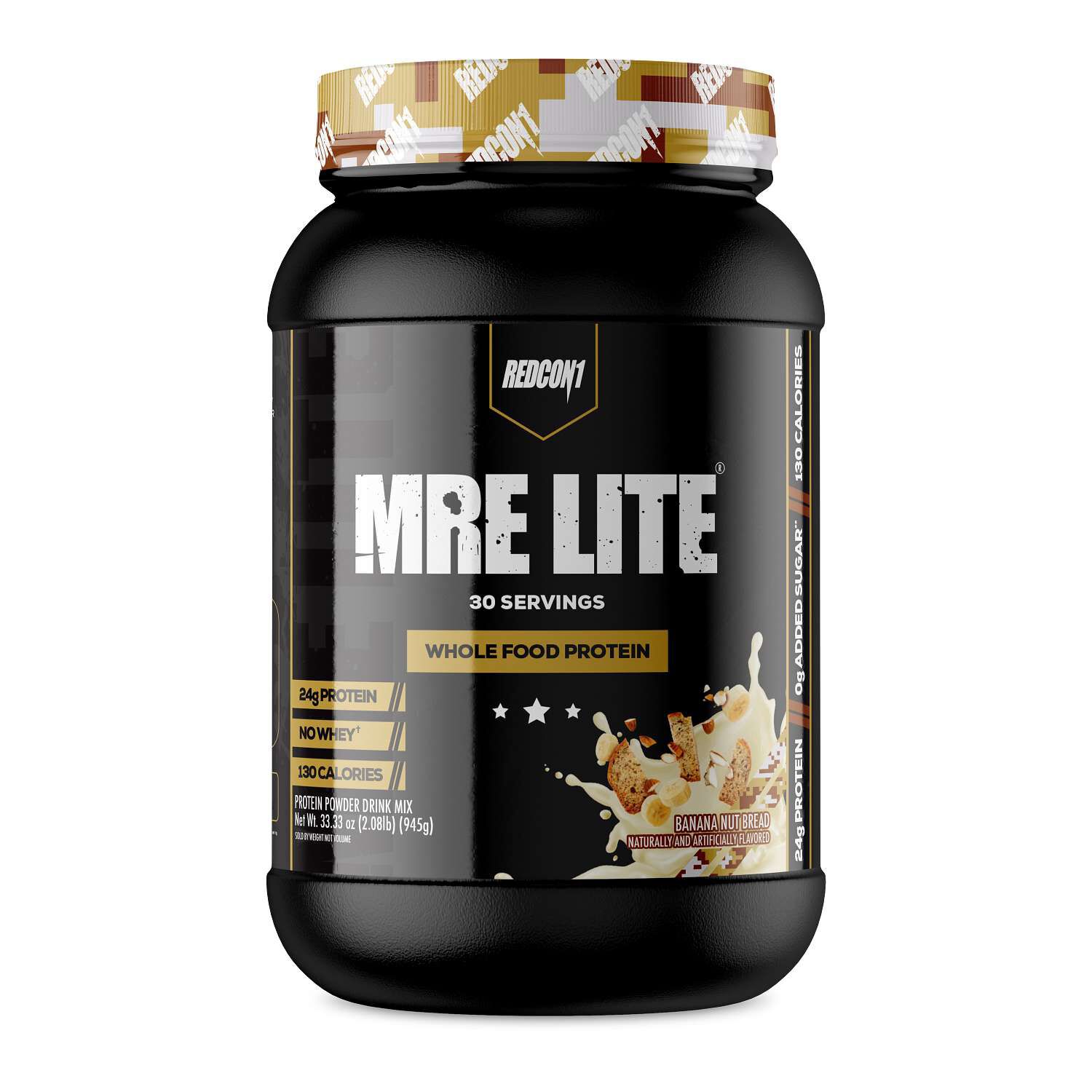


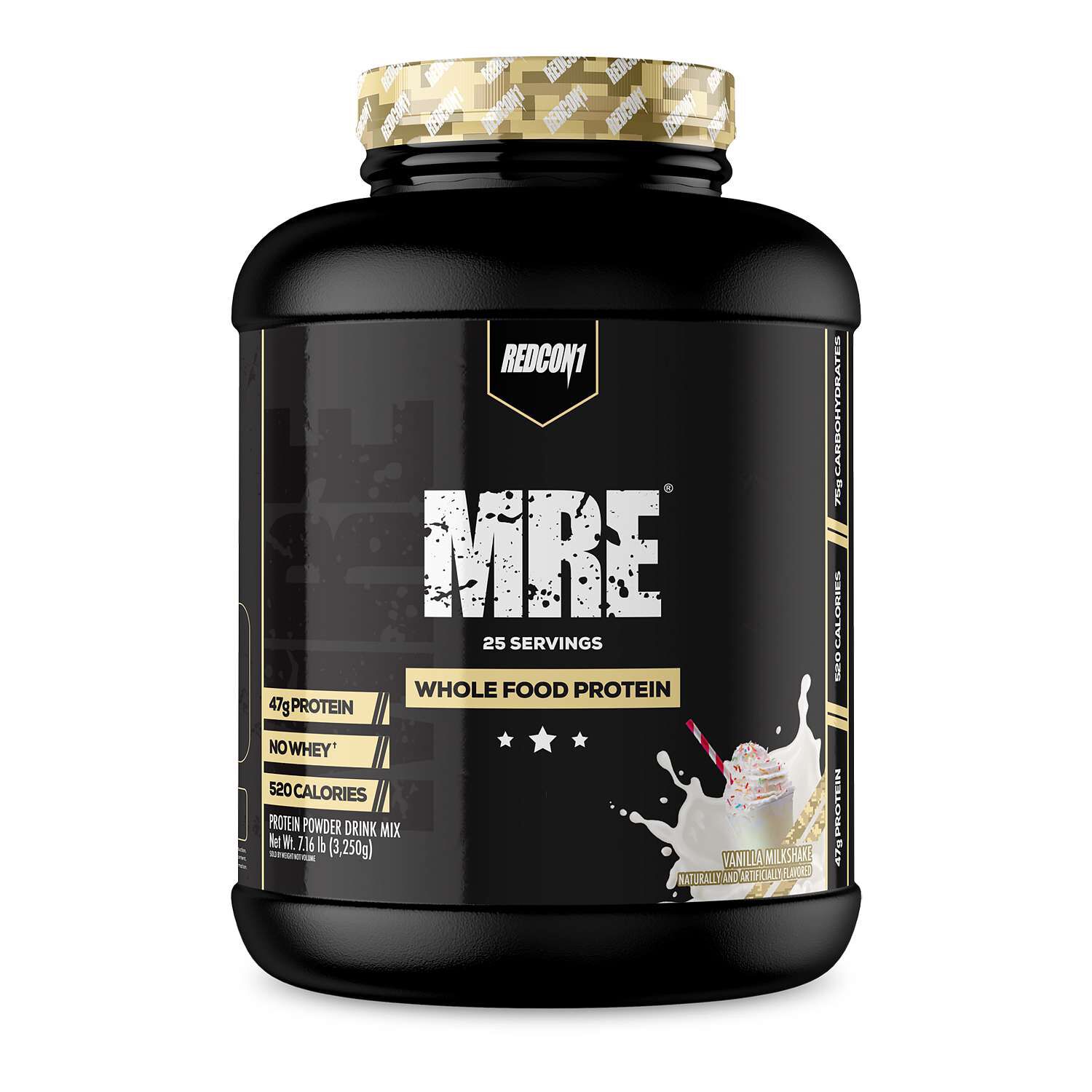
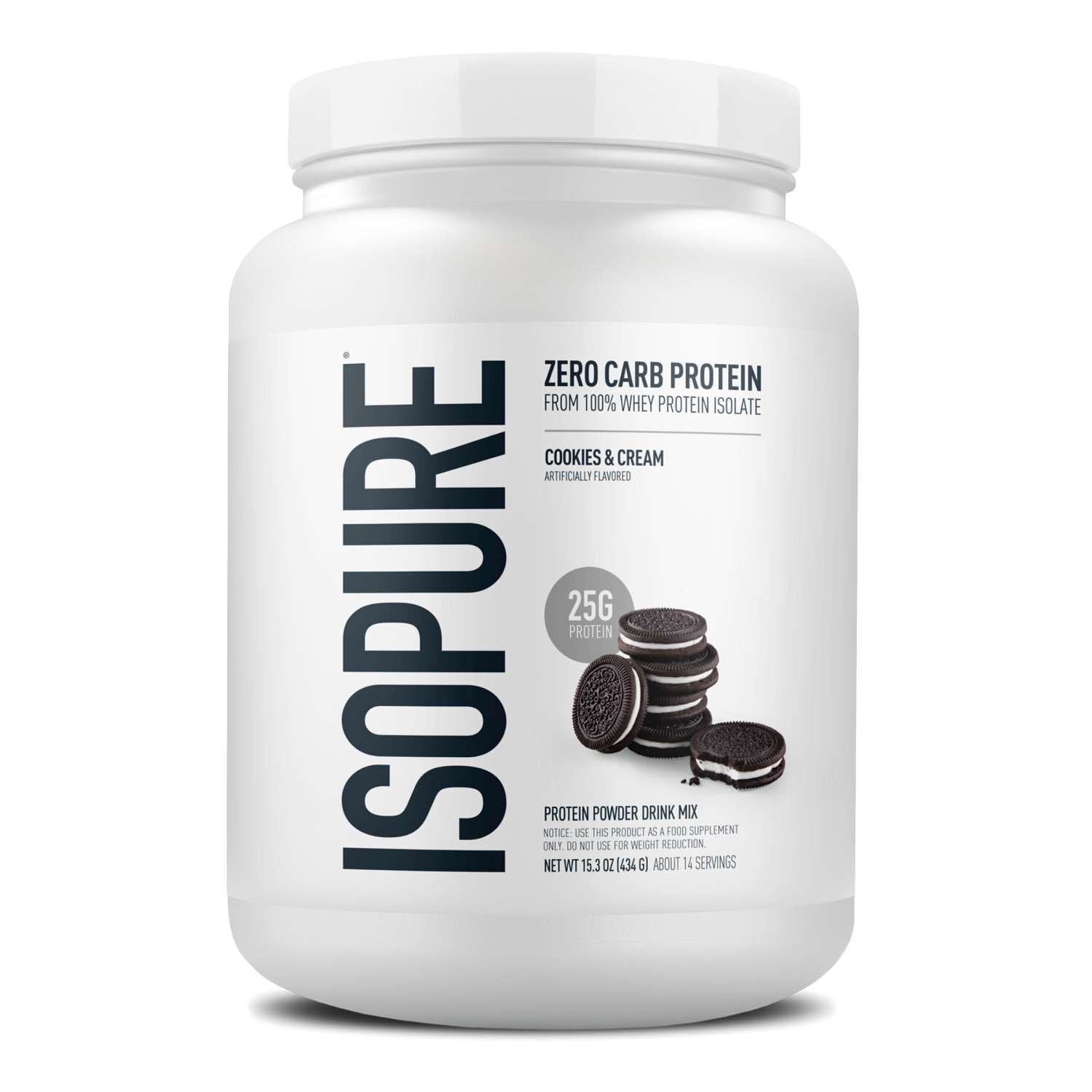
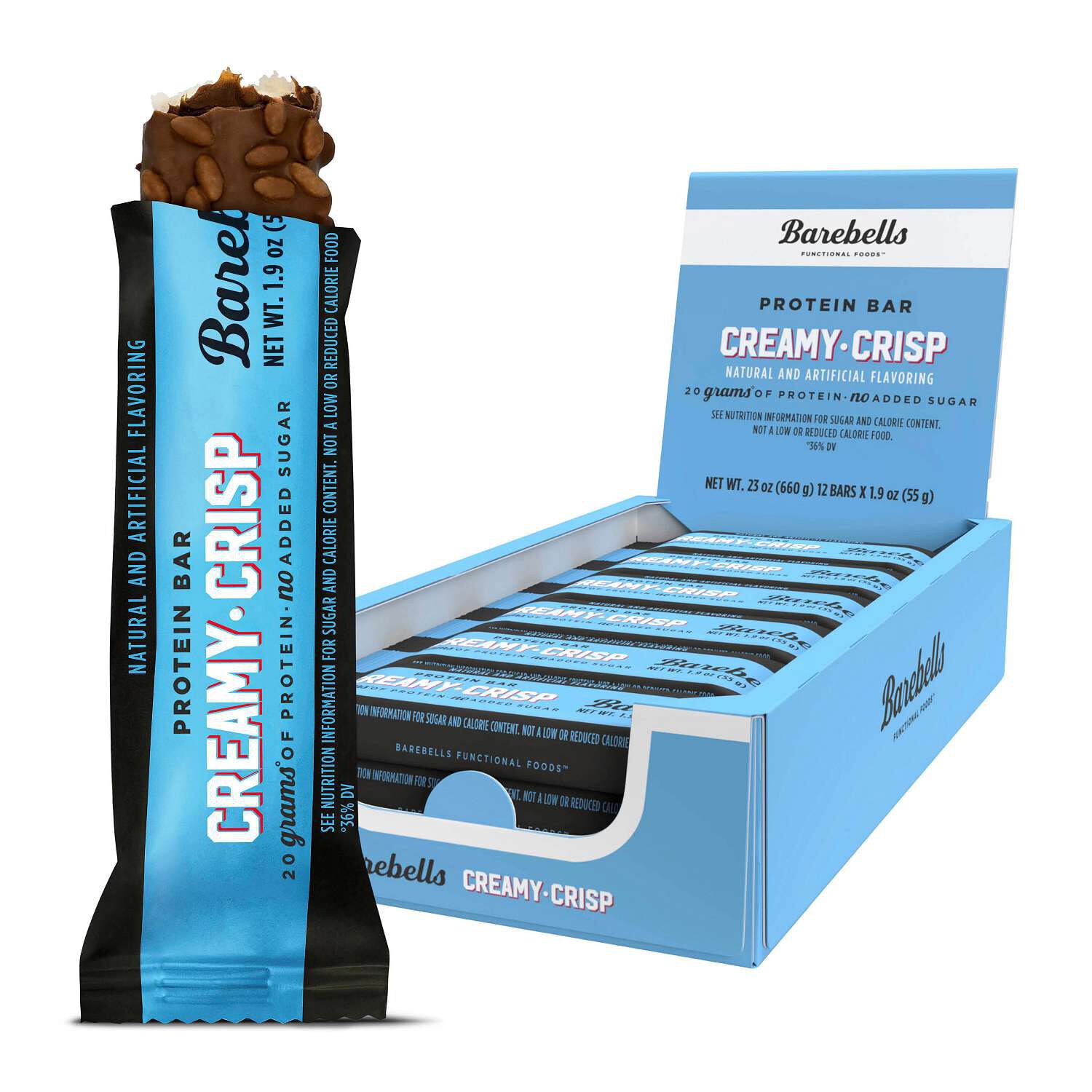
Low sugar protein shakes offer a convenient way to add protein to a busy day while keeping an eye on the amount of sugar in each serving. Shoppers will find options in ready-to-drink bottles as well as powders designed to mix with water, milk, or a preferred dairy alternative. Many shakes provide roughly 15 to 30 grams of protein per serving, while some contain 1 gram of sugar or less. Since formulas vary, the Nutrition Facts panel is the best place to compare protein, sugar, calories, serving size, and other details before choosing. A lower-sugar formula may suit someone who prefers a less sweet taste, wants a simple snack between meals, or is building a practical routine around workouts and active days. Protein from dairy sources such as milk protein, whey, or casein may offer a creamy texture, while plant-based formulas may use ingredients such as peas, rice, soy, or a blend of several sources. Texture can differ as well: bottled shakes are typically smooth and ready to enjoy, while powders allow more control over thickness and flavor. For a richer blend, a powder might be mixed with milk or a non-dairy beverage; for a lighter option, water may be all that is needed. Refrigerated bottles can work well when a grab-and-go choice is useful, while shelf-stable bottles and tubs of powder can be convenient for a desk drawer, gym bag, pantry, or travel bag. During the cooler months, a shake can fit into a morning routine before heading out, an afternoon pause between errands, or a post-workout snack when a full meal is not practical. The right choice often comes down to taste, texture, protein source, portability, and how naturally the format fits into the shopper’s day.
Sweetness is another important point of comparison. Low sugar shakes may use stevia, monk fruit, sucralose, or other sweetening ingredients to create a dessert-inspired flavor without relying on a large amount of added sugar. Some shoppers enjoy vanilla, chocolate, coffee-inspired, or fruit-forward flavors, while others prefer a more neutral base that can be blended with berries, banana, cinnamon, nut butter, oats, or ice. Reading the ingredient list may help identify flavors and textures that fit personal preferences, especially for anyone who prefers a shorter ingredient list or has dietary considerations. Dairy-based choices may not suit every shopper, so plant-based formulas can provide another route to a protein shake with a smooth, satisfying profile. It is also useful to check for allergens, serving instructions, and storage guidance, particularly when purchasing for a household with varied preferences. Those choosing a ready-to-drink bottle may appreciate a sealed container that can be opened in seconds, while powder shoppers may prefer the flexibility of preparing a smaller or larger serving according to the occasion. A low sugar protein shake can be used alongside breakfast, packed with lunch, enjoyed after a walk or training session, or kept on hand for the stretch of the day when a vending machine or takeout stop feels tempting. These products can also make thoughtful gifts for a friend beginning a new fitness routine, a student balancing classes and activities, a coworker who spends long hours away from home, or a family member who enjoys trying new flavors. Pairing a shake with other pantry-friendly choices can create a practical care package; shoppers seeking more ideas may browse Low Sugar Protein Snacks for complementary options.
When comparing low sugar protein shakes, begin with the purpose the product will serve. A bottle intended for a quick commute may need a compact shape, a secure cap, and no preparation, while a powder chosen for home use may be selected for flavor variety, serving flexibility, and the ability to blend it into smoothies or recipes. Check whether the package calls for refrigeration, how many servings it contains, and whether the listed serving size matches the amount typically used. It can also help to compare protein amounts side by side rather than judging a product by the front label alone. A shake with a higher protein figure may be suitable for shoppers who want more protein in one serving, while a lighter option may work better as part of a snack with fruit, yogurt, whole-grain toast, or nuts. Sugar content, added sugar, calorie count, and sweetener choice can all shape the overall experience, so personal taste matters as much as the numbers. A shopper who enjoys a thick, milkshake-like texture might favor a powder blended with a chilled beverage, whereas someone who prefers a thinner drink may choose a bottled formula or mix with extra liquid. Keeping a few servings in several locations can make the routine easier: one at home for rushed mornings, one at work for an afternoon snack, and one in a travel bag for days spent moving between appointments. As the weather shifts and schedules become fuller, these shakes may offer a simple, portable way to include protein in familiar routines without requiring a blender, a recipe, or much preparation. The most suitable option is the one whose flavor, texture, ingredients, protein amount, sugar content, and format align with the shopper’s own preferences and everyday habits.