Low Sugar Protein Powders
(0 Results)
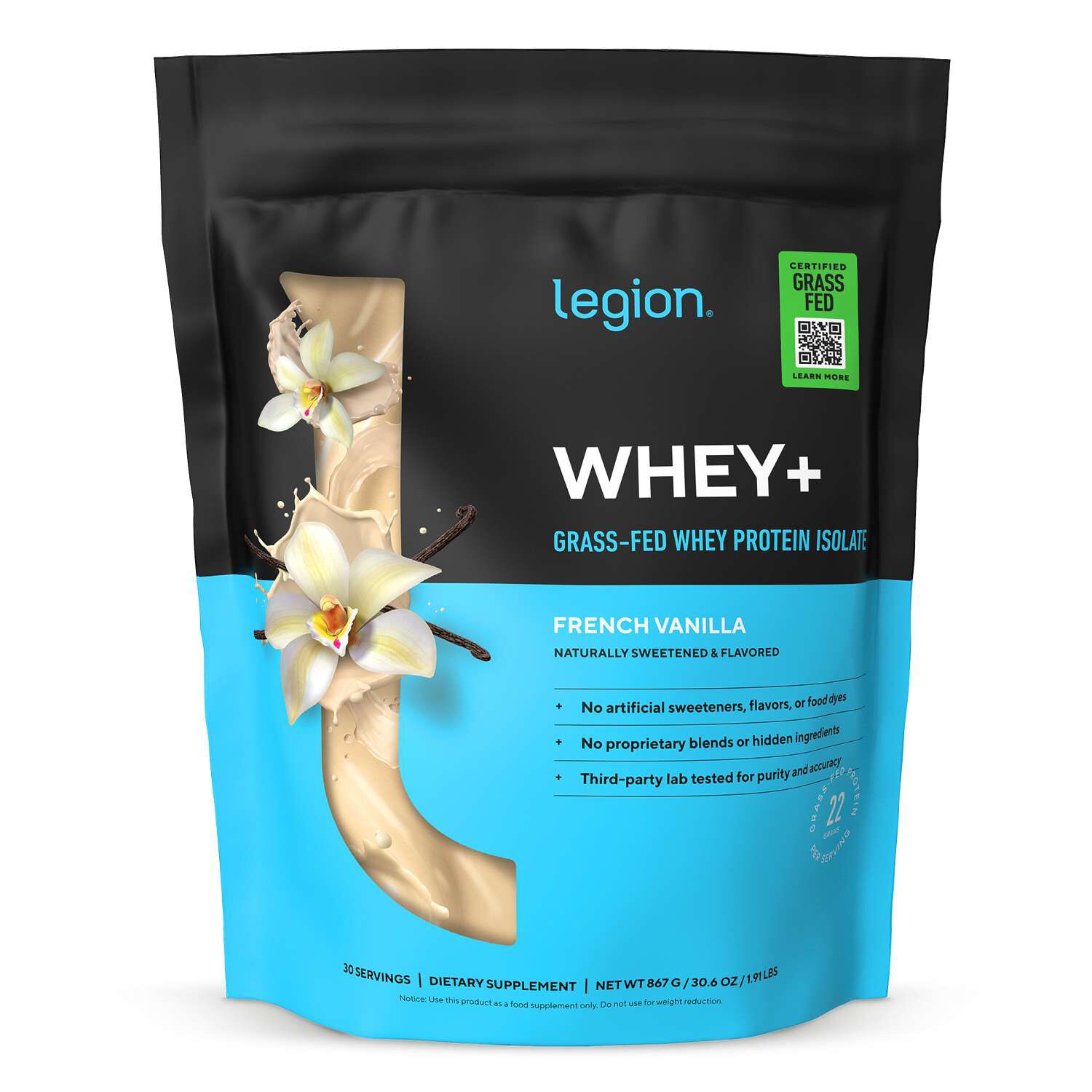
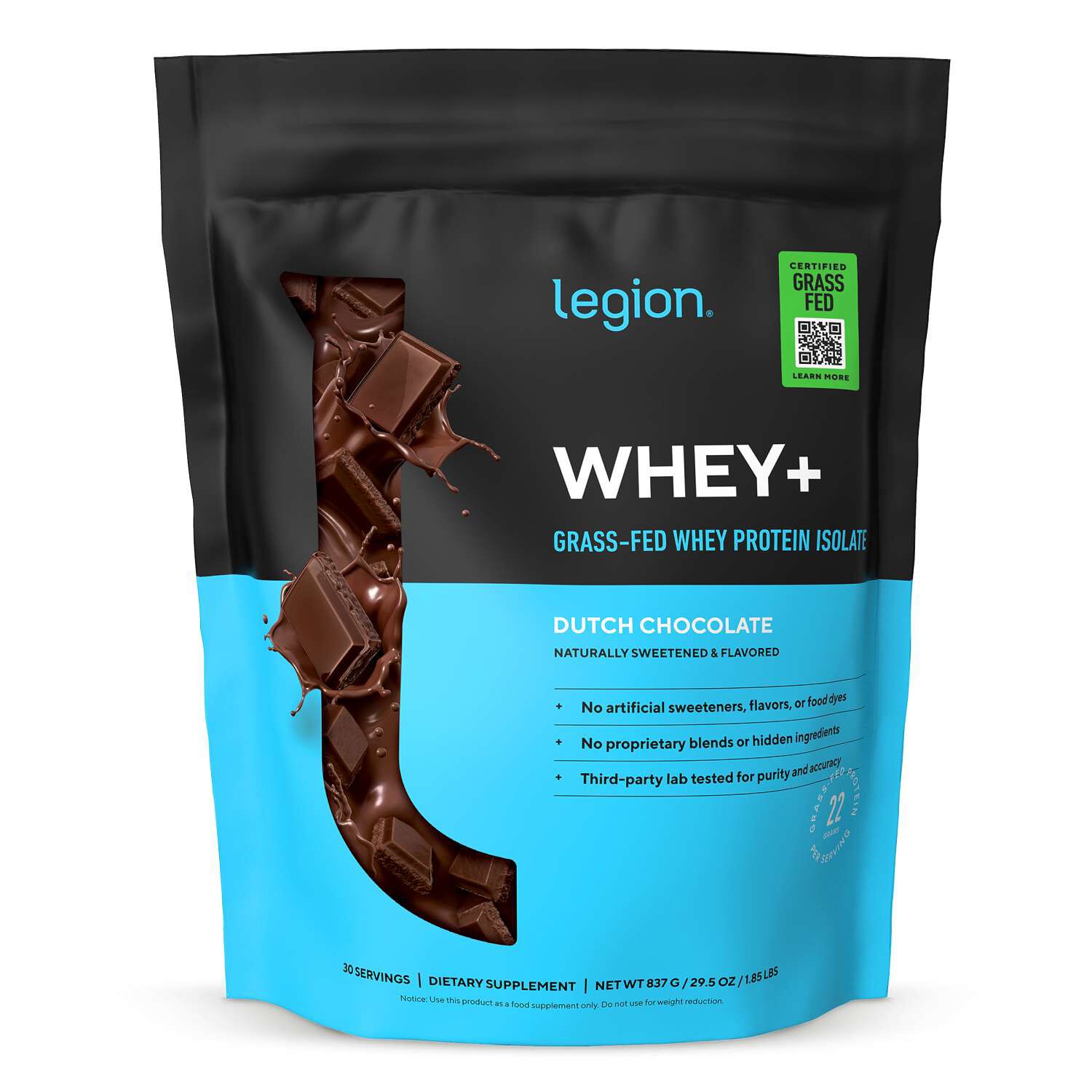
Looking for a delicious way to boost your protein intake without loading up on sugar? Our selection of low sugar protein powders is here to help you fuel your workouts and support your health goals. Packed with high-quality protein sources and minimal sugar content, these powders are perfect for those looking to maintain a balanced diet while still satisfying their sweet cravings. Whether you're a fitness enthusiast, an athlete, or simply someone who wants to add more protein to their diet, our low sugar protein powders offer a tasty and nutritious solution to help you reach your wellness goals.
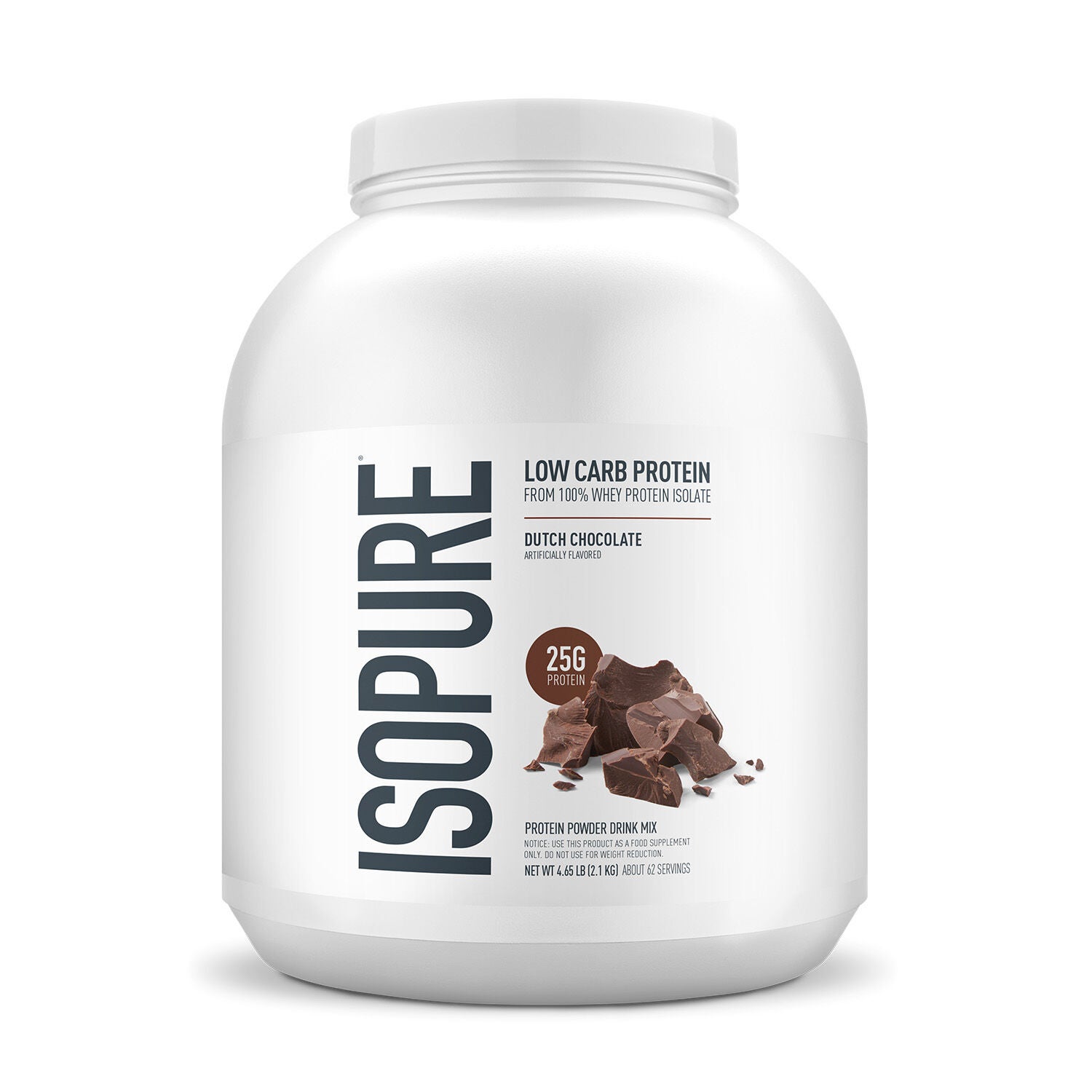
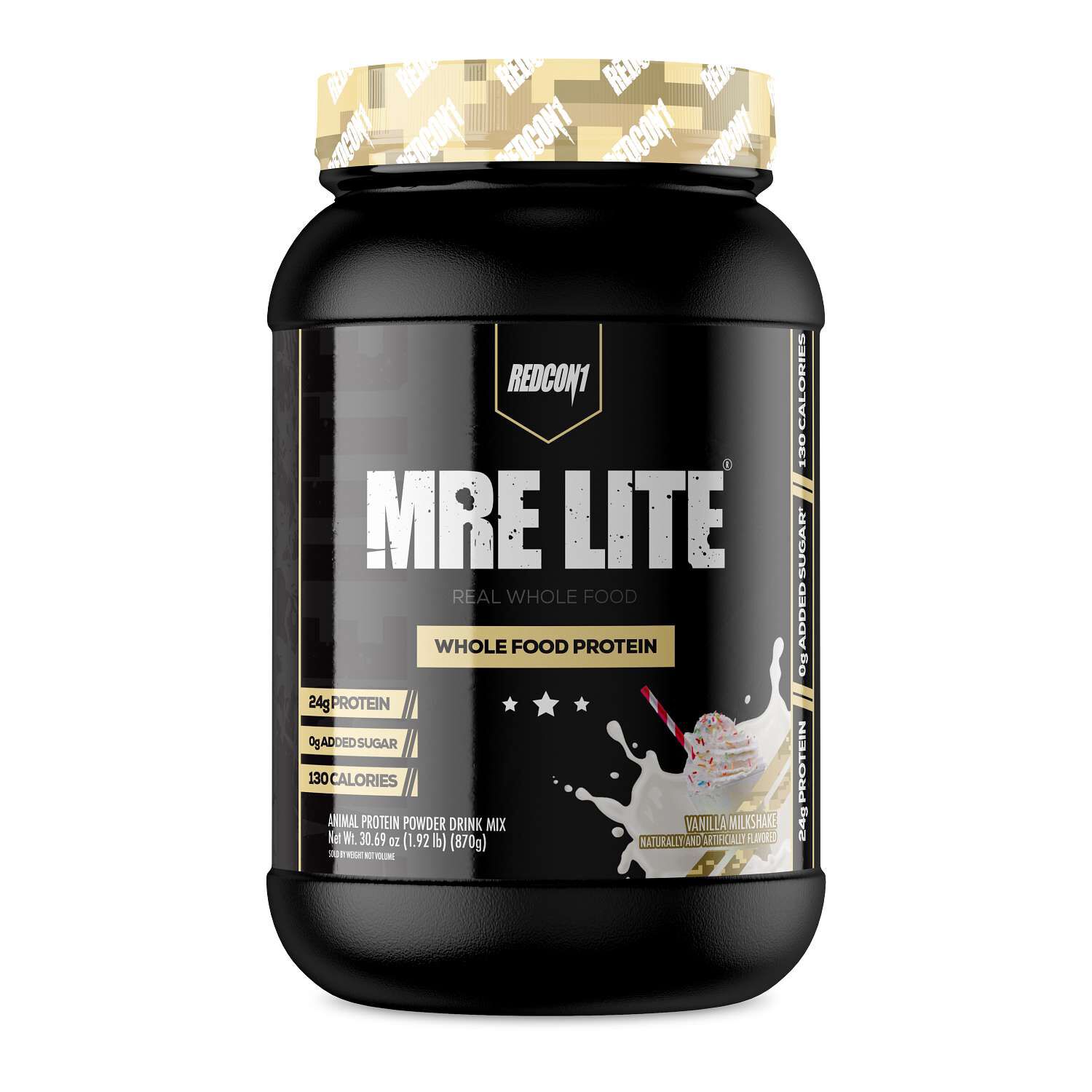

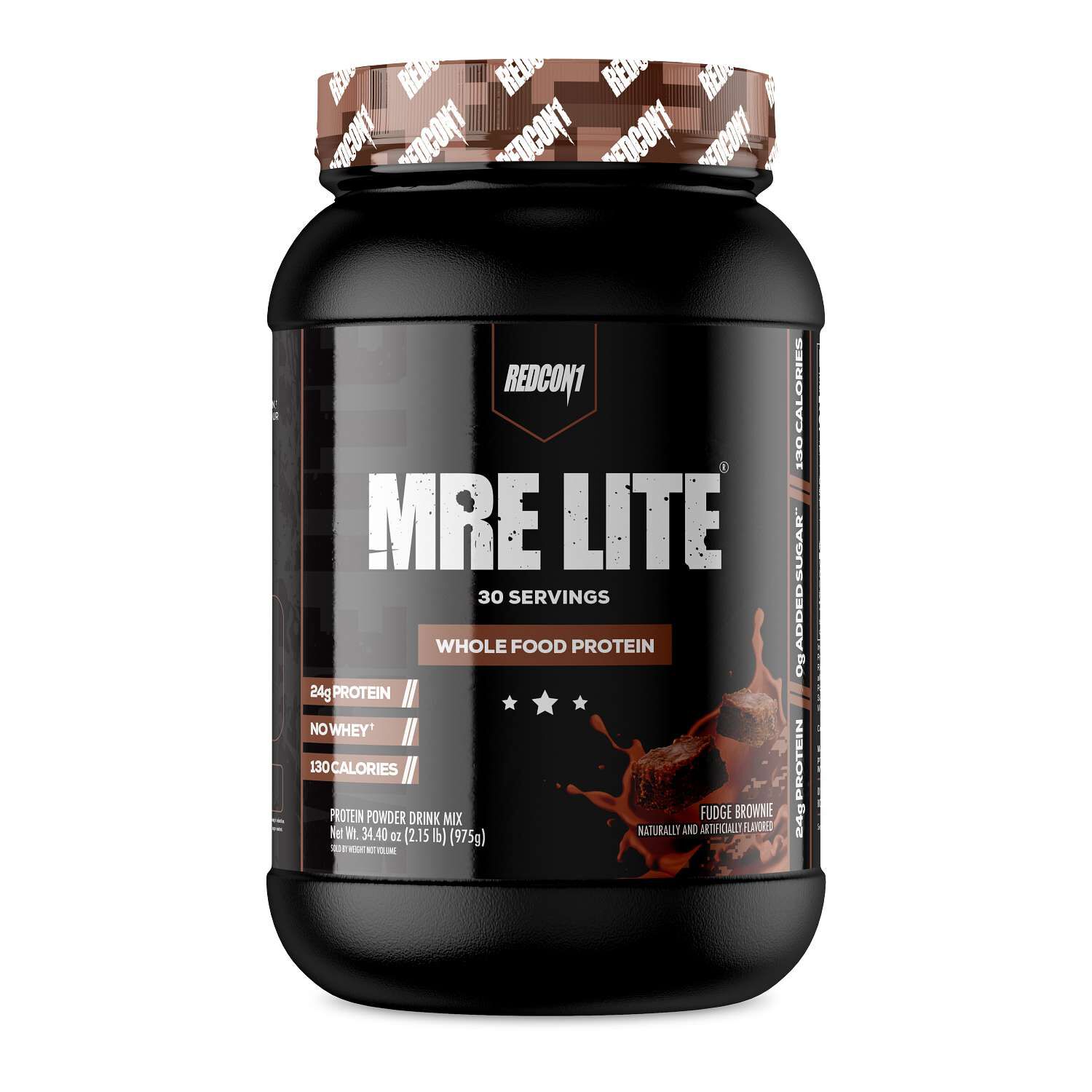


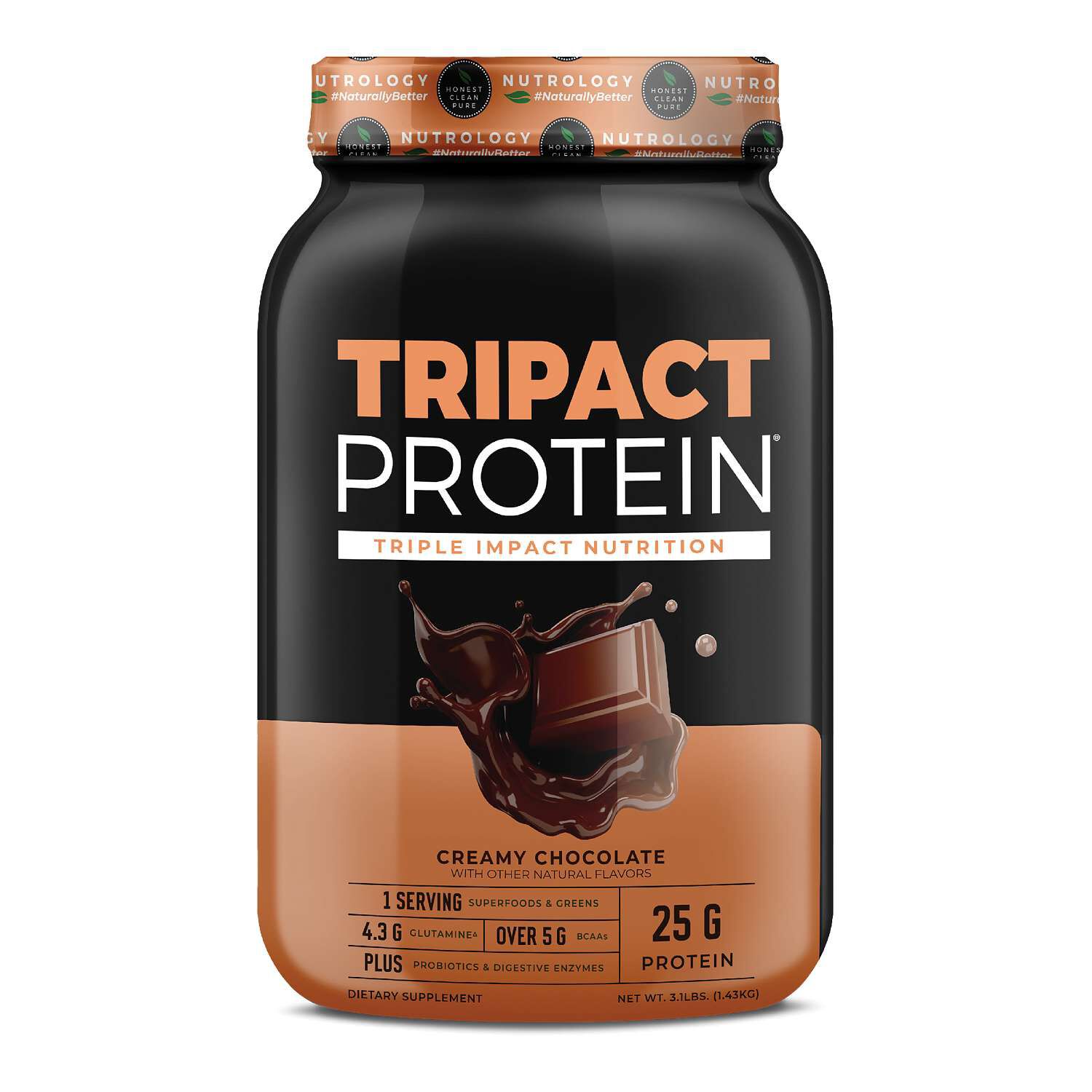

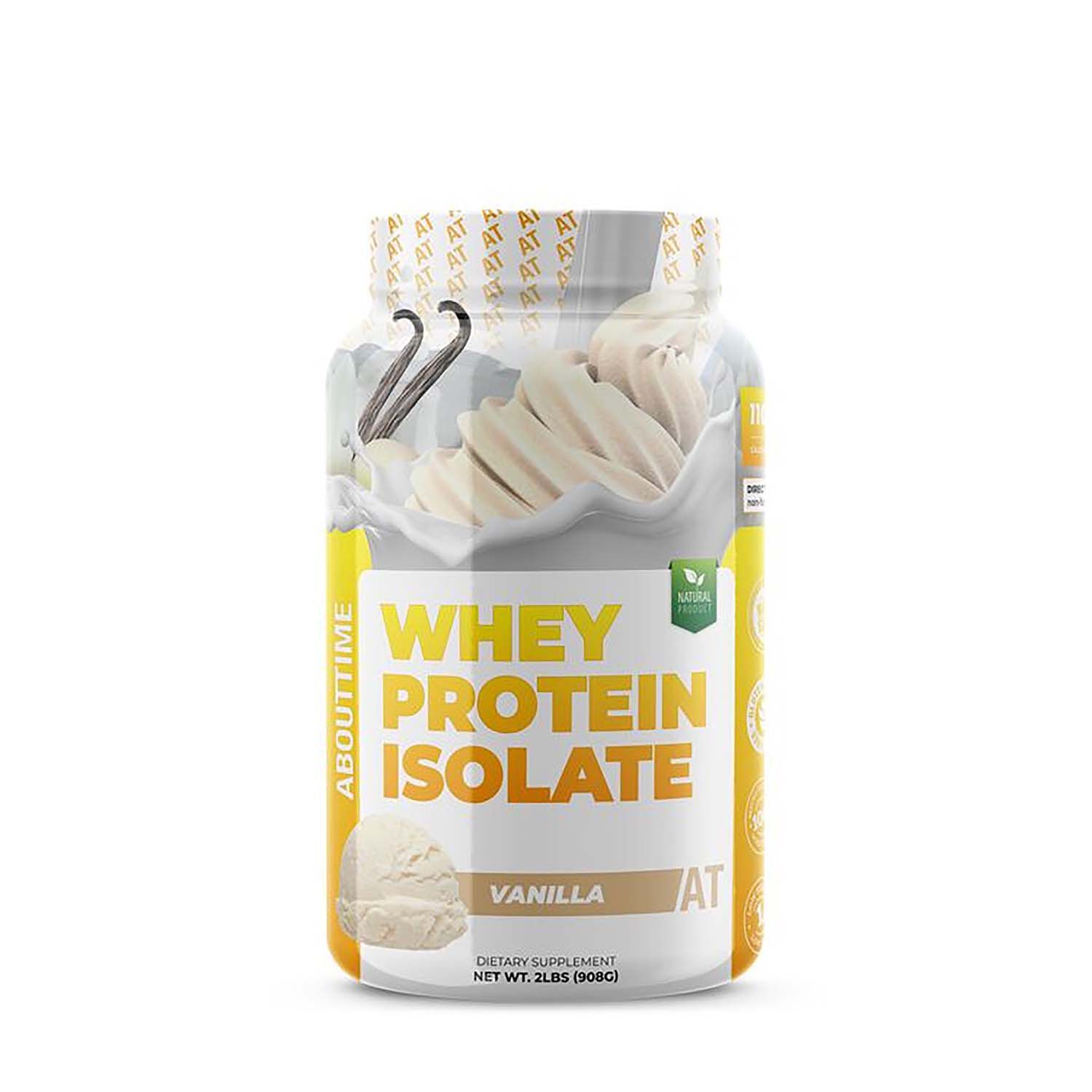
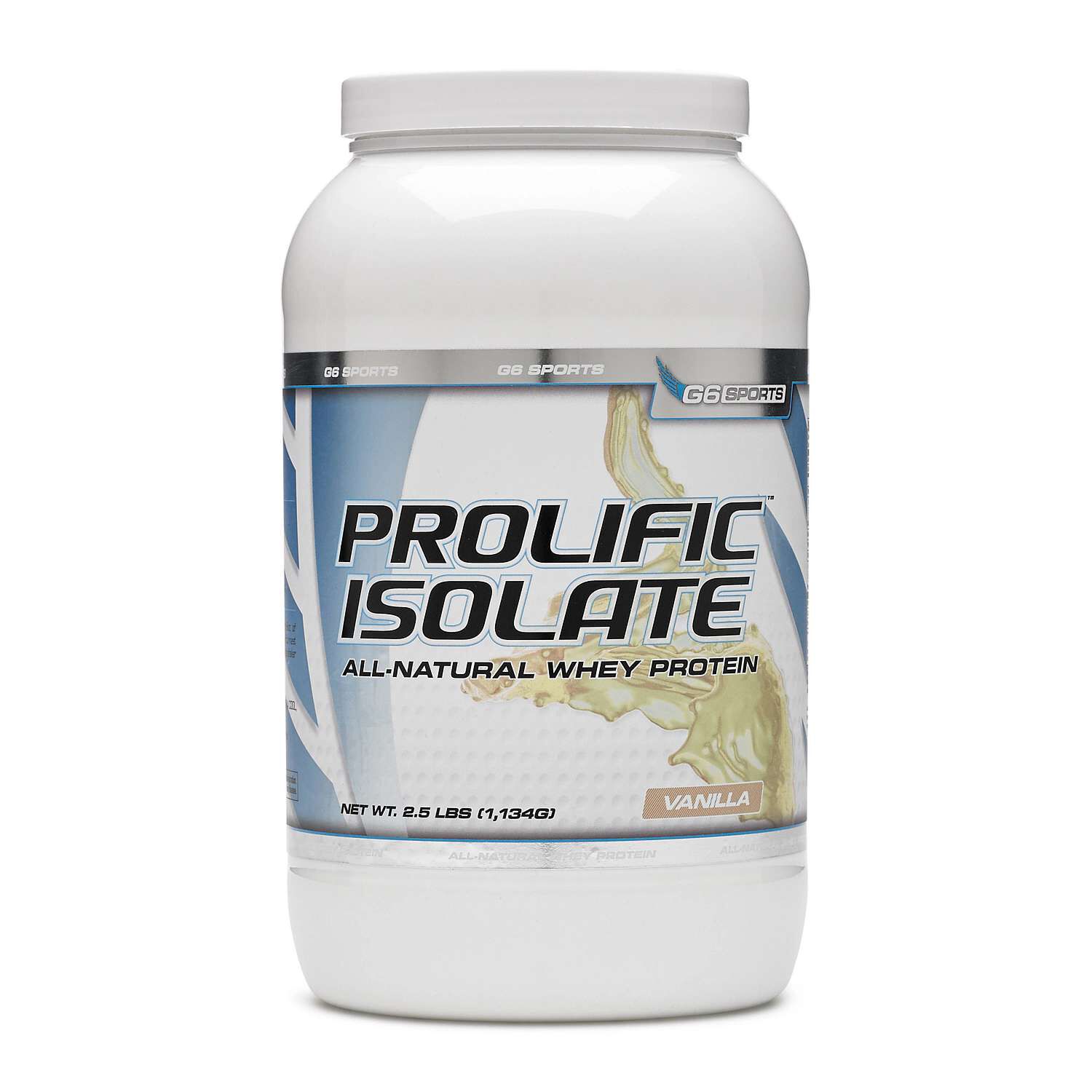
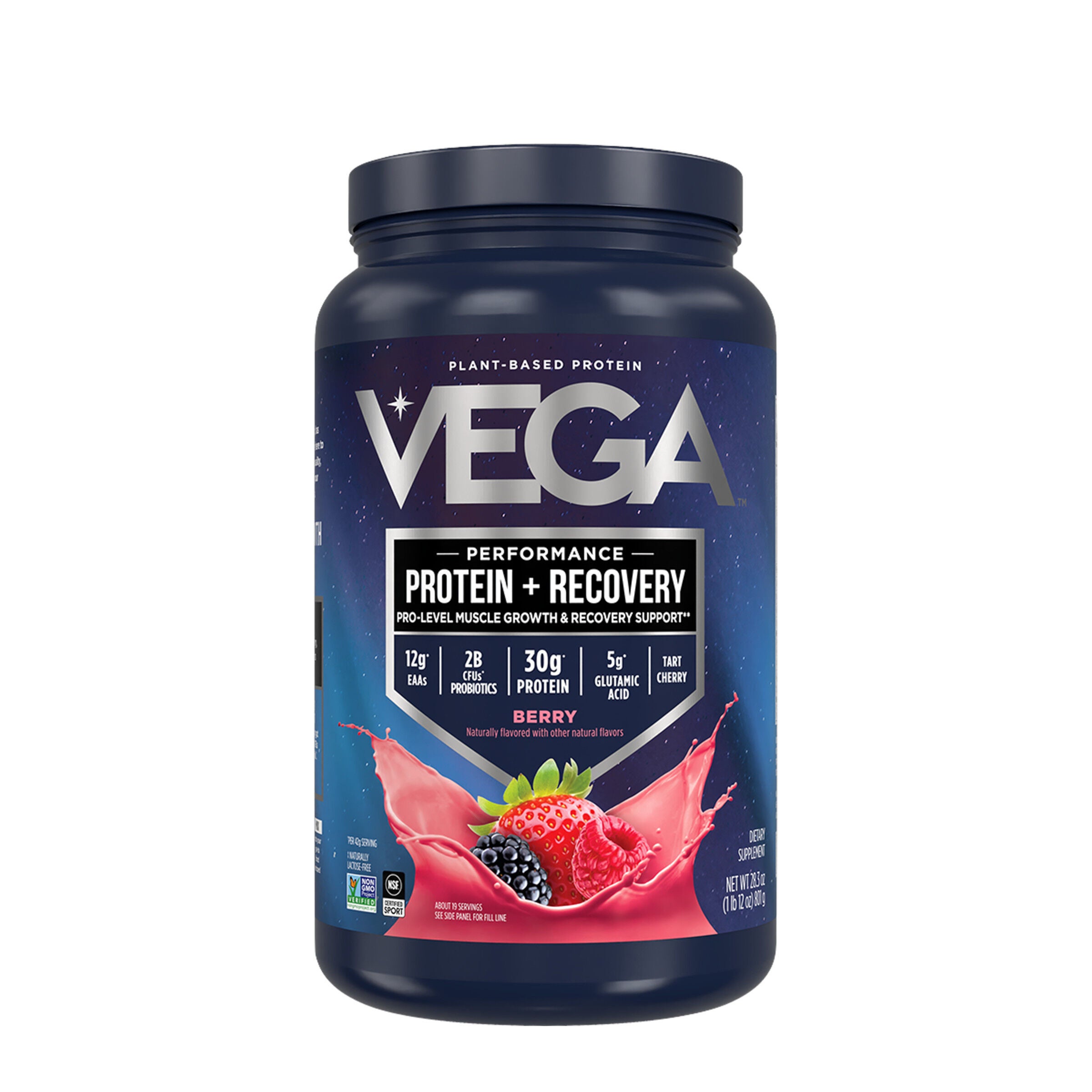


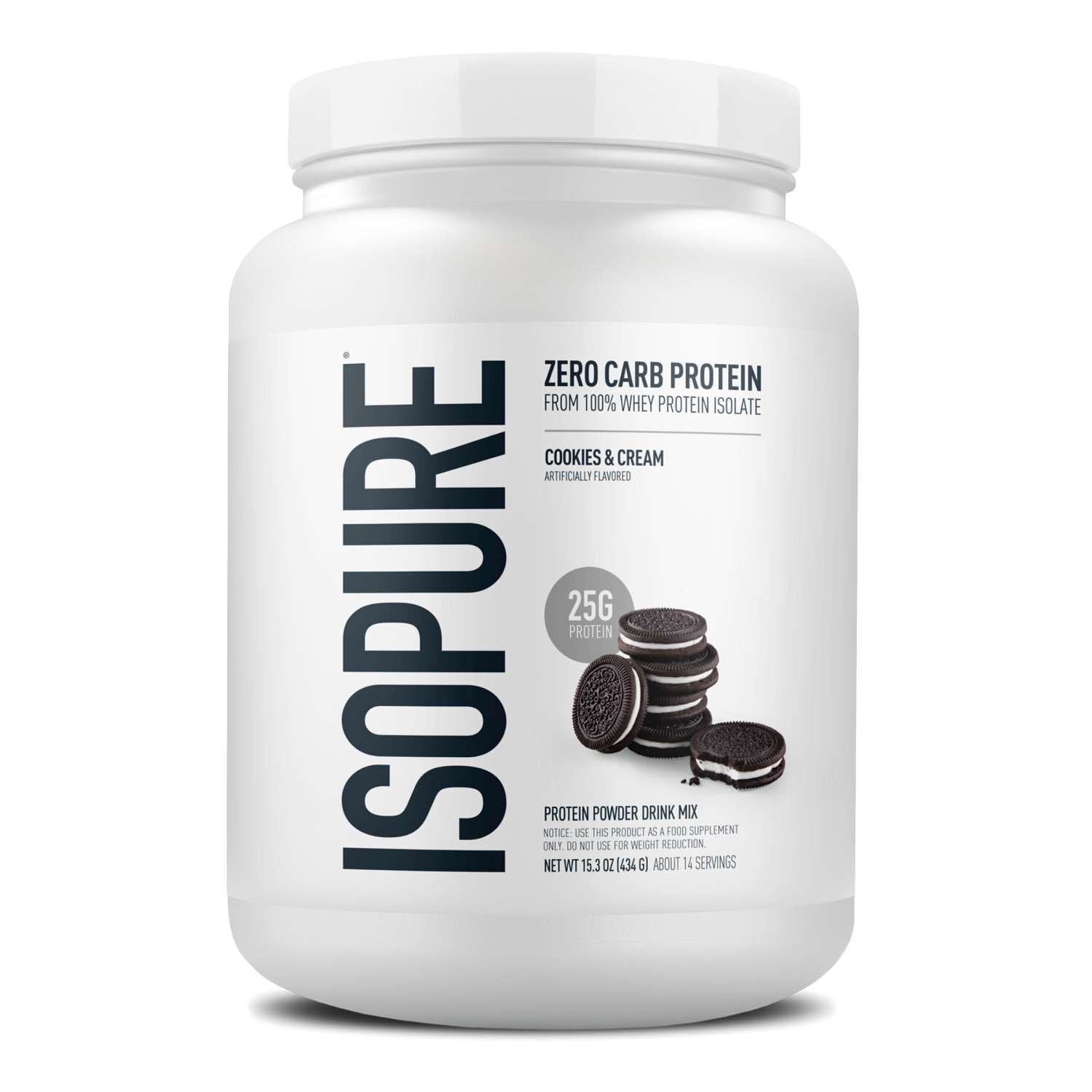
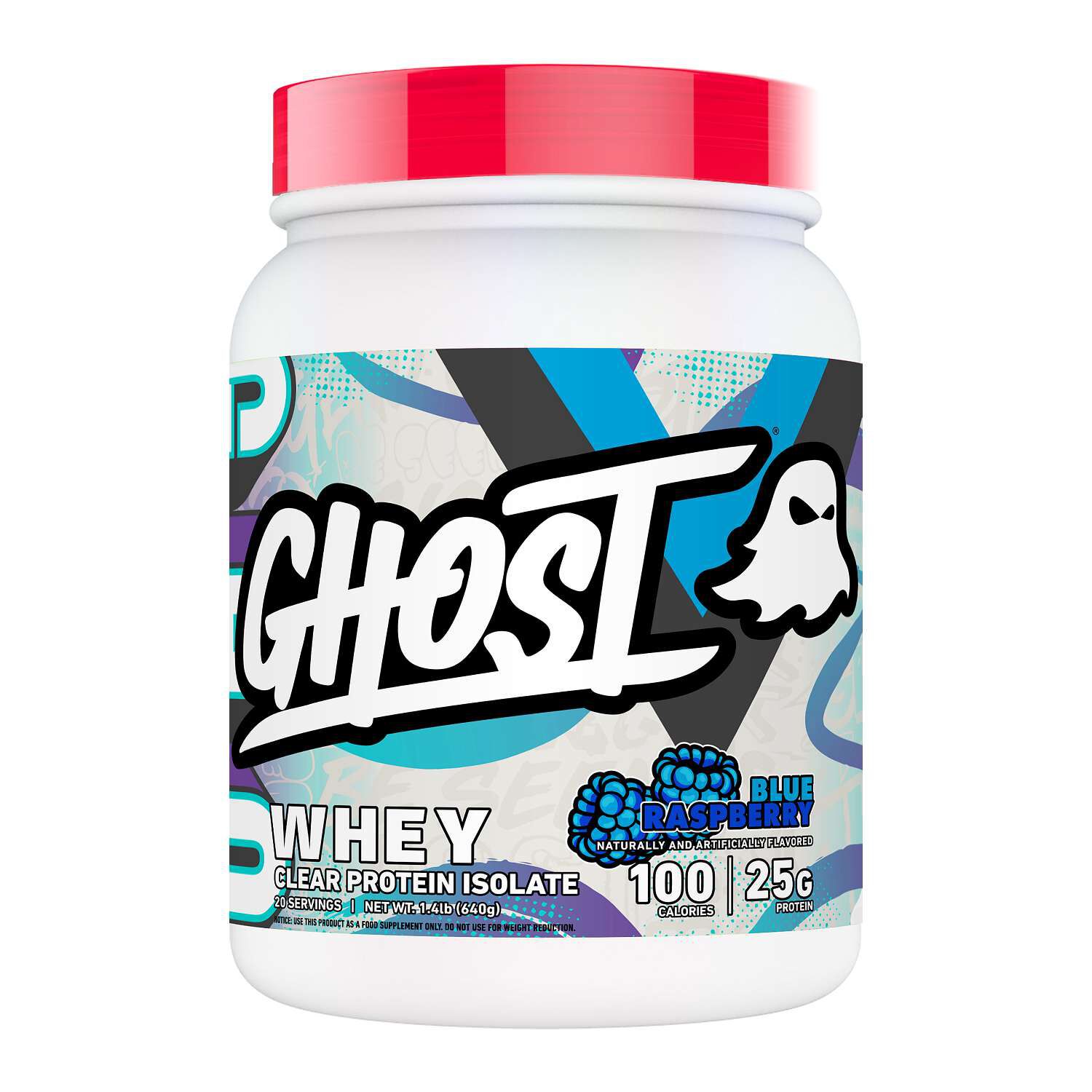

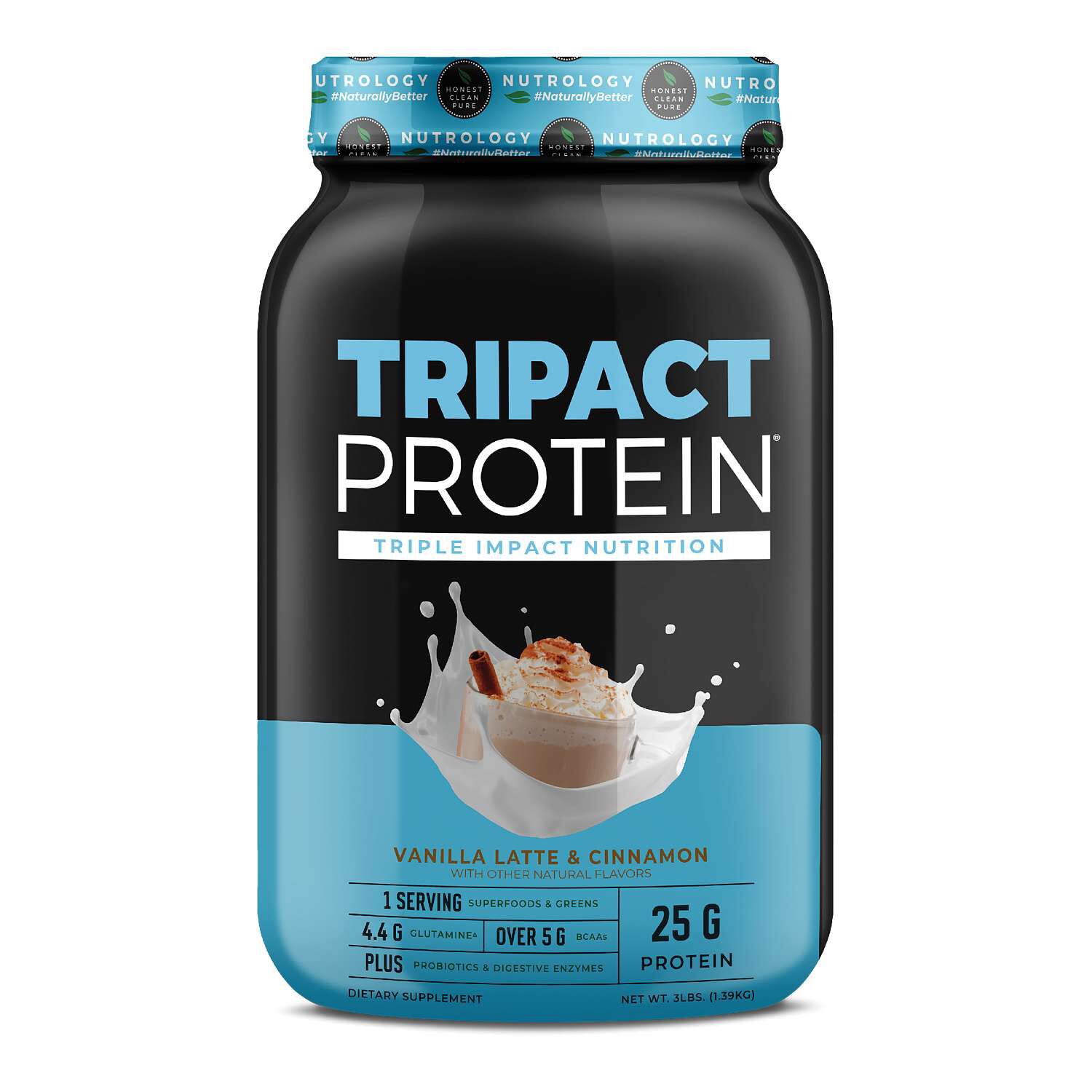
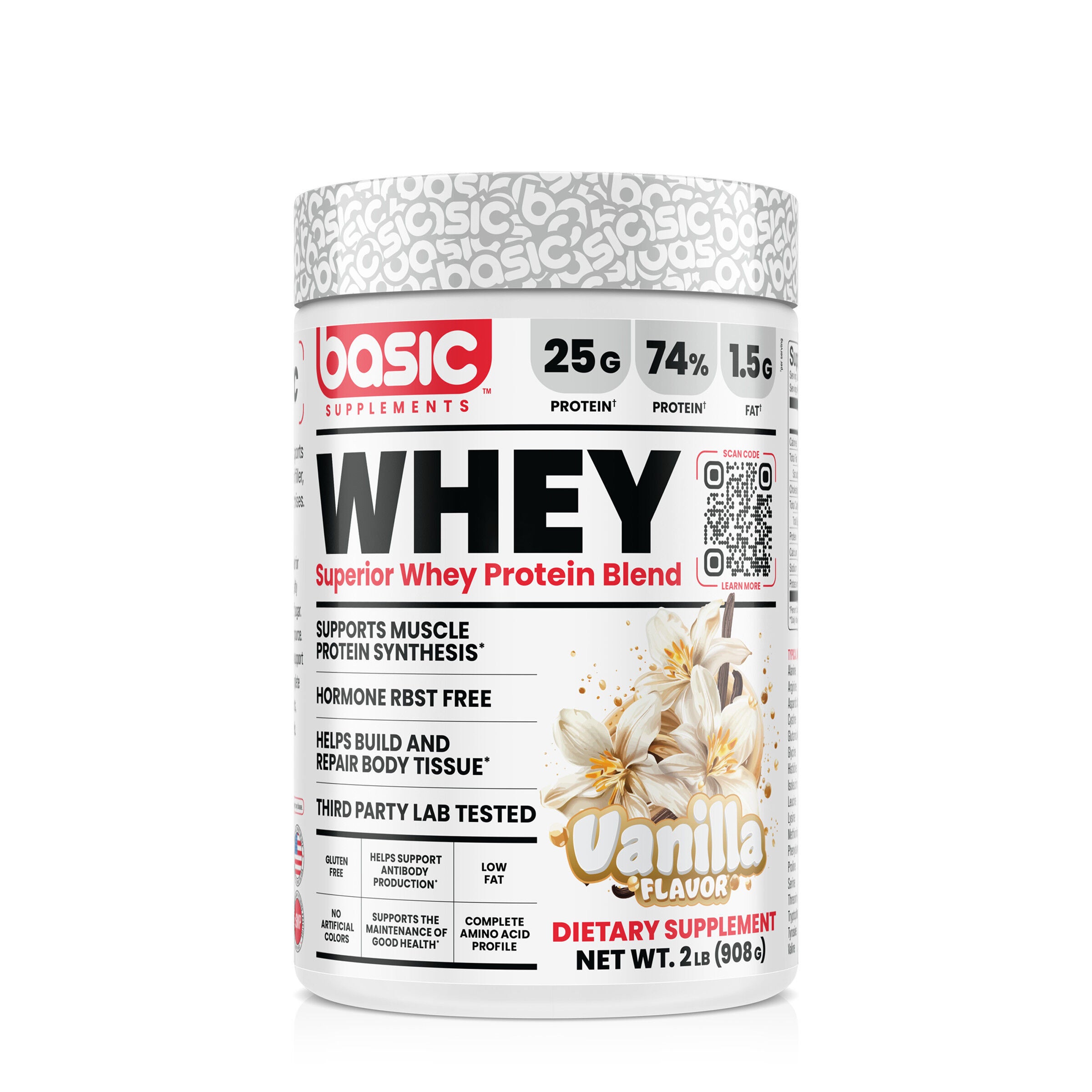

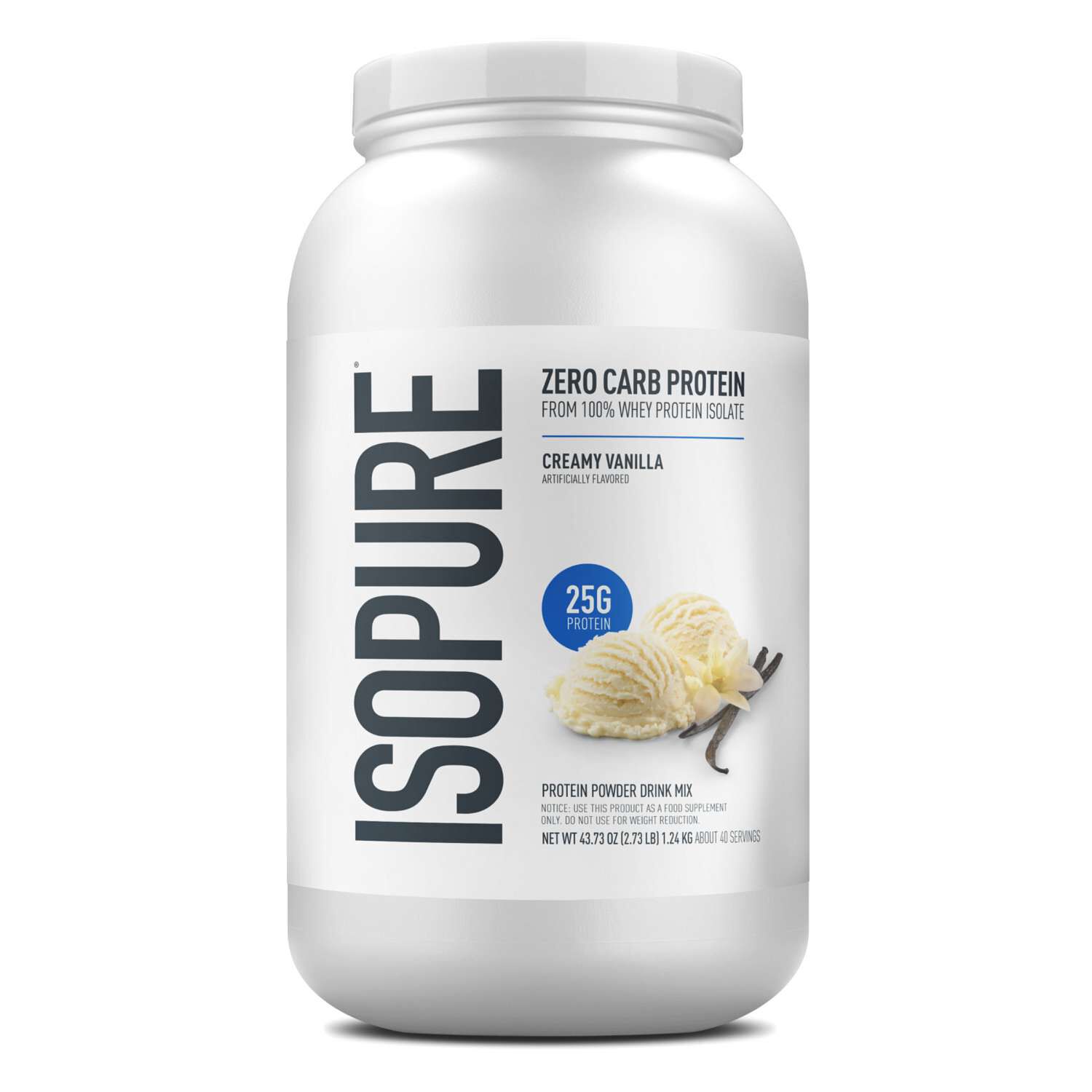

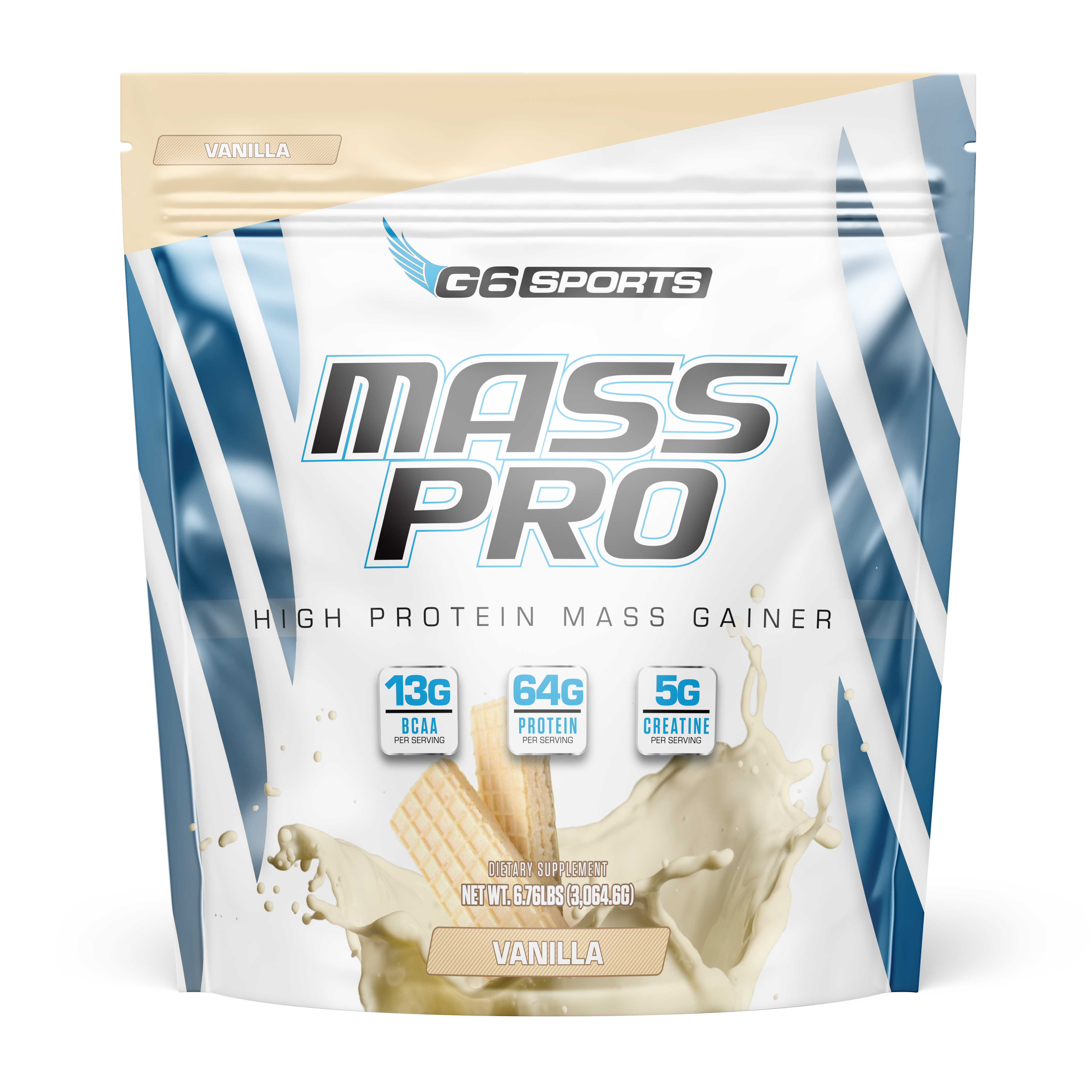

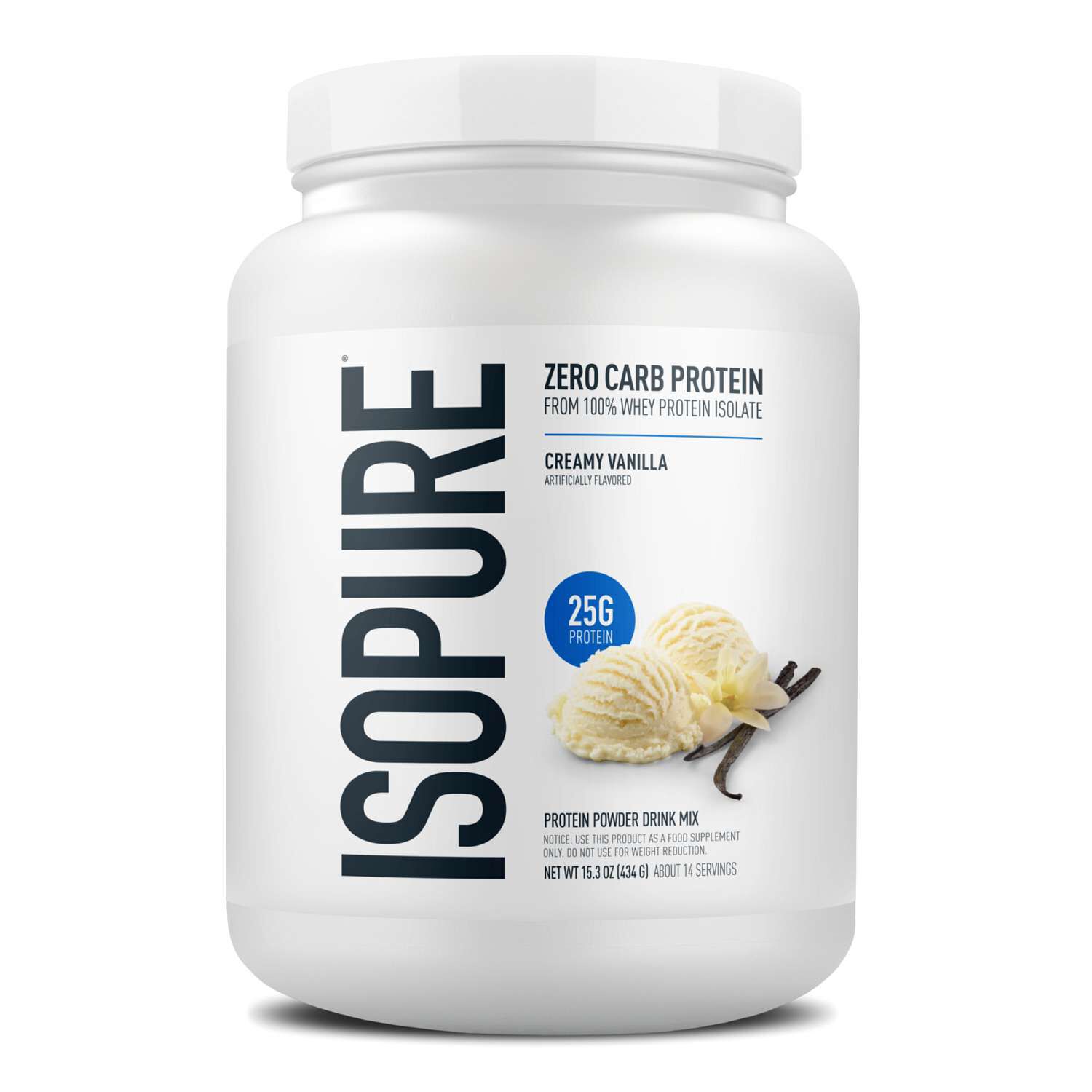
Low sugar protein powders may offer a practical way to add protein to everyday meals and snacks while keeping an eye on sugar intake. They can fit into a wide range of routines, from an early morning smoothie before a commute to a creamy shake enjoyed after a walk, a workout, or a busy afternoon. When comparing options, begin with the nutrition facts panel and look at the grams of sugar per serving, along with the amount of added sugar. Some formulas contain zero grams of sugar, while others may contain one or two grams depending on the flavor, ingredients, and serving size. It also helps to compare protein per scoop or serving, since container sizes and suggested portions can vary. A powder with a higher protein count may work well for someone building a more filling smoothie, while a lighter serving could be convenient for mixing into oatmeal, yogurt, or pancake batter. Calories, carbohydrates, fat, fiber, sodium, and the ingredient list all deserve a quick look as well, particularly when the powder will be used every day. A short ingredient list may appeal to shoppers who prefer a straightforward formula, while others may choose a blend with flavoring, thickening agents, or added nutrients for a particular texture or taste. Vanilla and chocolate remain versatile choices for smoothies, coffee-style drinks, and baked recipes, while fruit-forward flavors may pair nicely with berries, bananas, or nut butter. For shoppers who prefer a plant-based option, powders made with pea, rice, soy, or other plant proteins could be worth exploring. Whey concentrate, whey isolate, milk protein, and blended dairy formulas offer other choices for those who enjoy a smooth, creamy shake. Whey isolate and plant isolates may contain less sugar and fat than some broader protein blends, although the nutrition panel remains the best way to compare one serving with another.
Sweetness and texture can make a noticeable difference in whether a powder becomes part of a regular routine. Some low sugar protein powders use stevia, sucralose, monk fruit, acesulfame potassium, or other sweetening ingredients, while others use sugar alcohols such as erythritol or xylitol. These choices may affect aftertaste, sweetness, and how a drink feels when mixed. Anyone with personal dietary preferences should review the full label and consider whether a formula fits those preferences. Dairy-based powders may not suit every shopper, so plant-based options could be a useful alternative for people who choose to avoid dairy ingredients. Likewise, shoppers who prefer a thinner drink may enjoy a powder that dissolves readily in water, while a milk or milk alternative may create a richer texture. A shaker cup works well for many formulas, though a blender may produce a smoother result when adding ice, frozen fruit, oats, or nut butter. In a home kitchen, a scoop of vanilla powder stirred into Greek-style yogurt can create a simple snack with a dessert-like texture; chocolate powder may blend into warm oats for a cozy breakfast during the cooler months. It may also be useful to check whether the container provides single-serving packets, especially for office drawers, travel bags, or gym lockers. A larger tub could suit someone who makes shakes several times each week, while smaller packaging may be a thoughtful gift for a college student, a new gym member, a frequent traveler, or a friend who enjoys experimenting with smoothie recipes. Before purchasing, consider serving size, flavor variety, dietary preferences, allergen statements, package count, and storage needs. Keeping the container sealed in a cool, dry place may help preserve its flavor and texture throughout regular use.
Low sugar protein powders can fit into meal planning in many different ways without being limited to a traditional shake. A scoop may be blended with cold water for a quick drink, stirred into overnight oats, mixed with yogurt and fruit, or added to a batch of homemade muffins and energy bites. During cooler weather, a warm bowl of oats with cinnamon, sliced pear, and vanilla protein powder can feel especially inviting, while an iced coffee-style smoothie may suit a busy morning before heading out the door. Recipes should follow the package directions, since heat, liquid amount, and blending time can affect texture. It is also worth remembering that a low sugar label does not automatically describe the entire nutrition profile; shoppers may still want to review calories, protein, fat, carbohydrate content, sweeteners, and serving size together. A powder with zero grams of sugar may be appealing to someone who wants to limit sugar from the powder itself, while another shopper may prefer a small amount of sugar and a simpler flavor profile. The right choice could depend on taste, eating pattern, preferred protein source, and how the powder will be used. For a convenient snack pairing, browse Low Sugar Protein Snacks to find options that may complement a shake, desk drawer, lunch bag, or post-workout routine. Whether purchased for personal use or given as a seasonal gift, a thoughtfully selected protein powder may bring variety to familiar recipes and make it easier to keep convenient ingredients on hand. A favorite mug, shaker bottle, frozen fruit, and a dependable scoop can turn a simple pantry staple into a comforting part of the day.