





Low Sugar Protein Shakes For Women
(0 Results)
Low sugar protein shakes for women offer a convenient option for those looking to support their nutrition goals while keeping sugar intake in check. With a variety of flavors and formulas, these protein shakes may fit seamlessly into busy lifestyles, whether used as a post-workout beverage or a quick snack on the go. Explore low sugar protein shakes for women that could help you stay fueled and satisfied throughout your day.
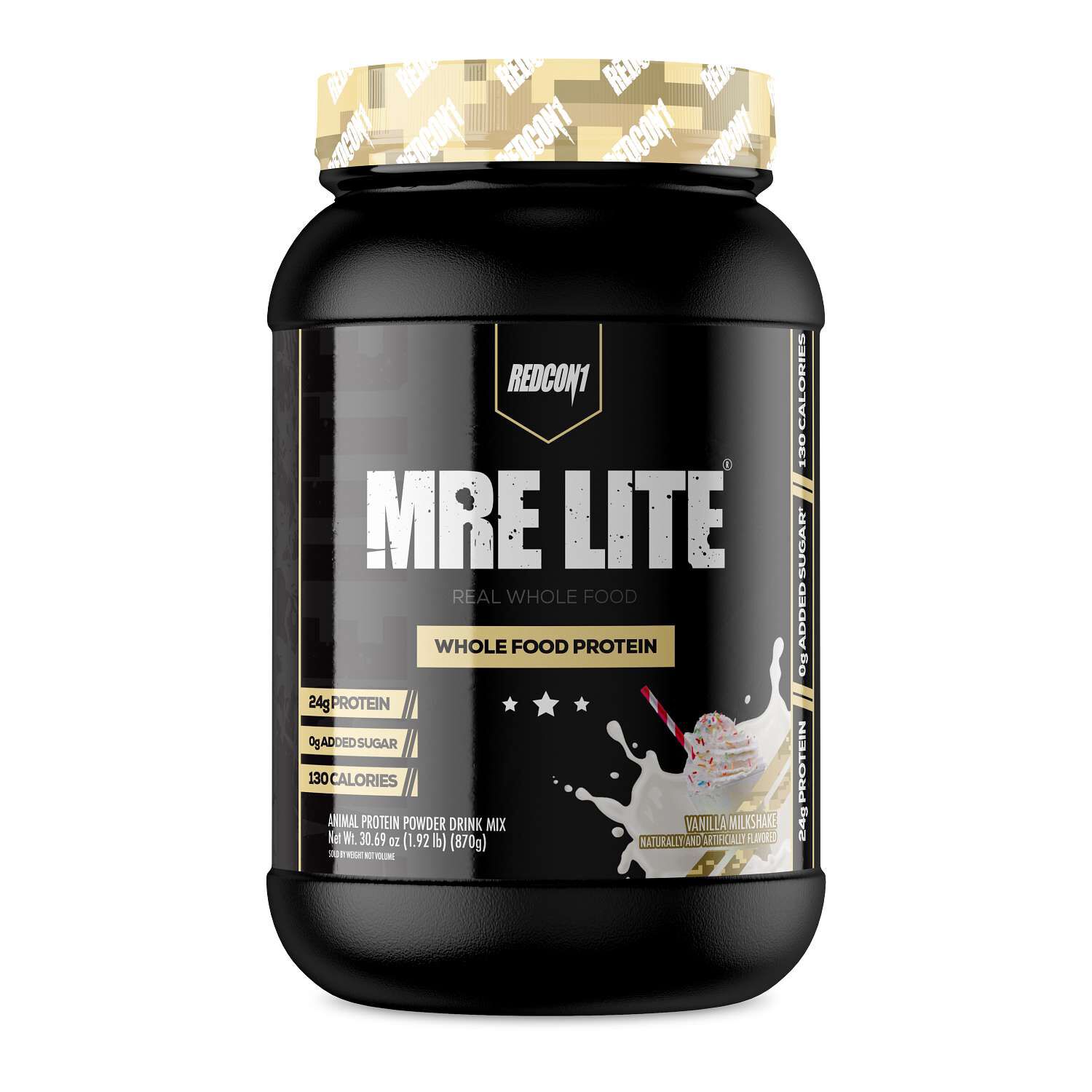
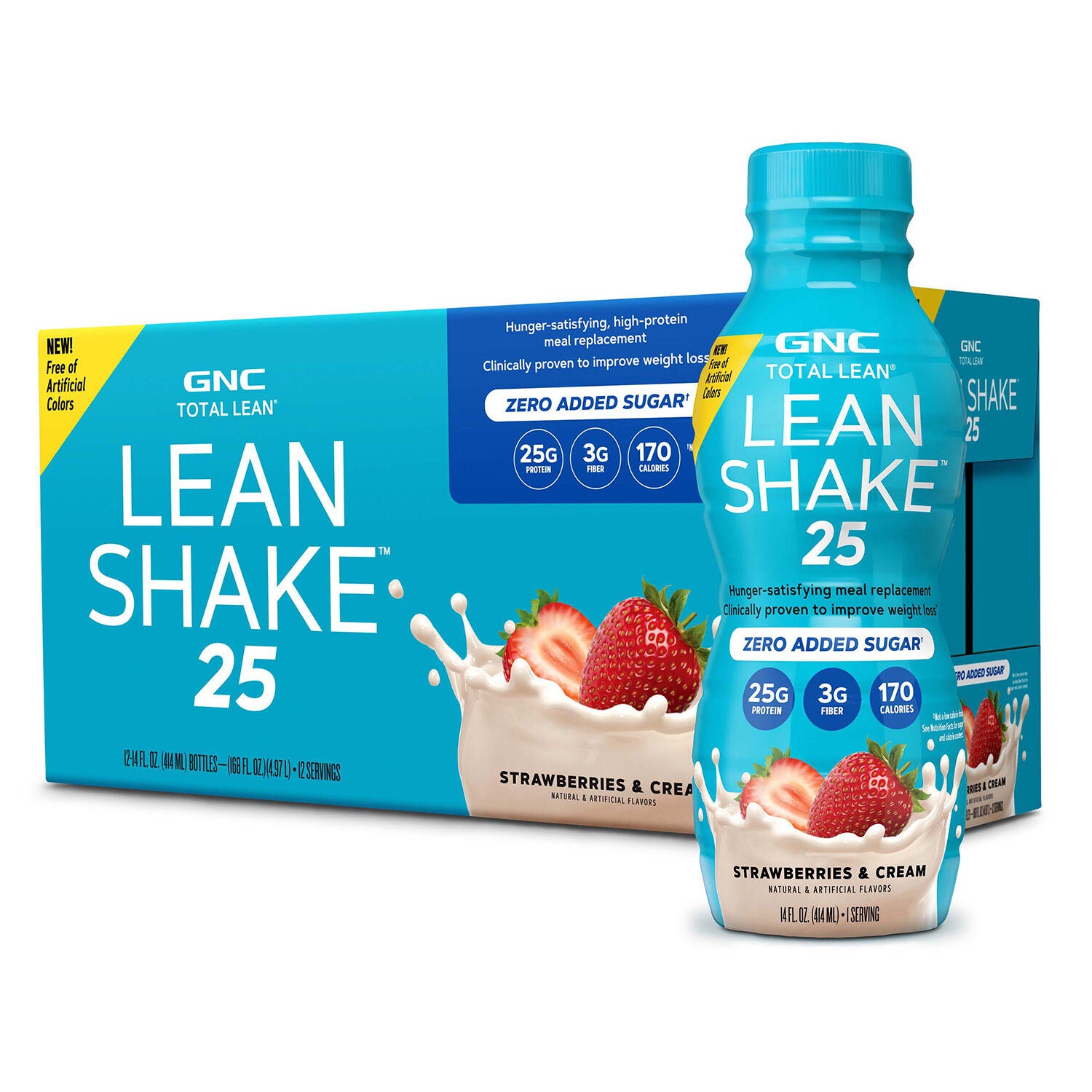

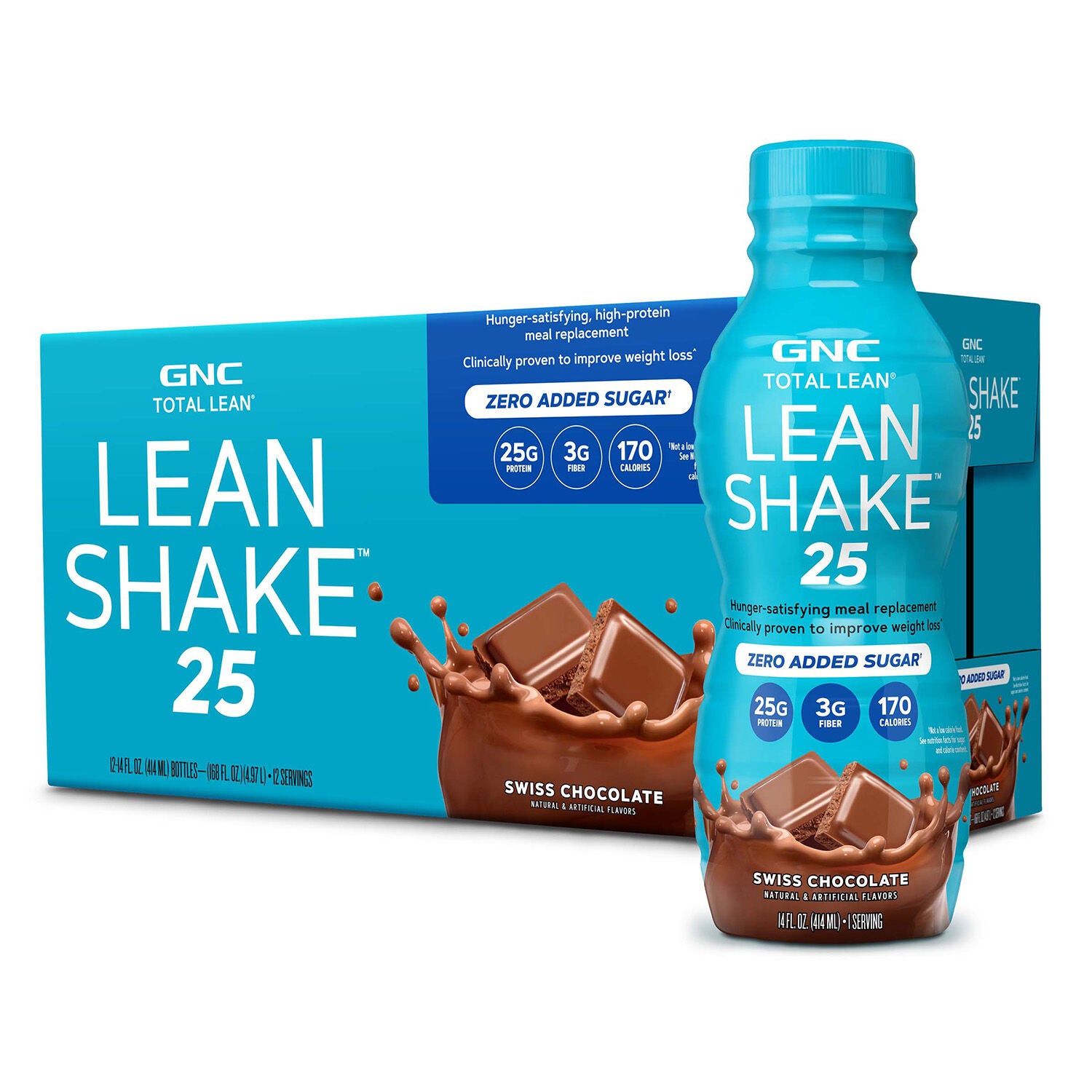
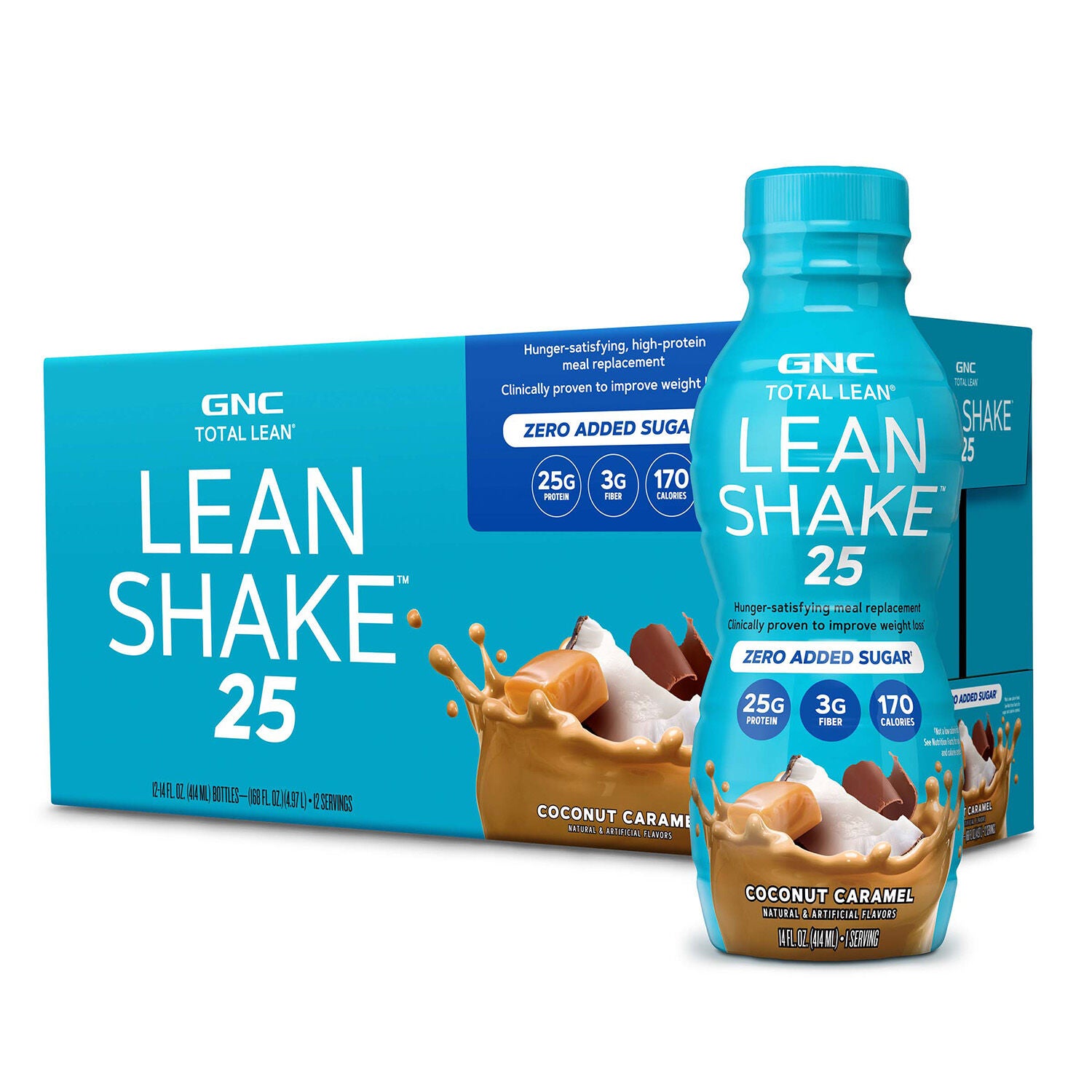
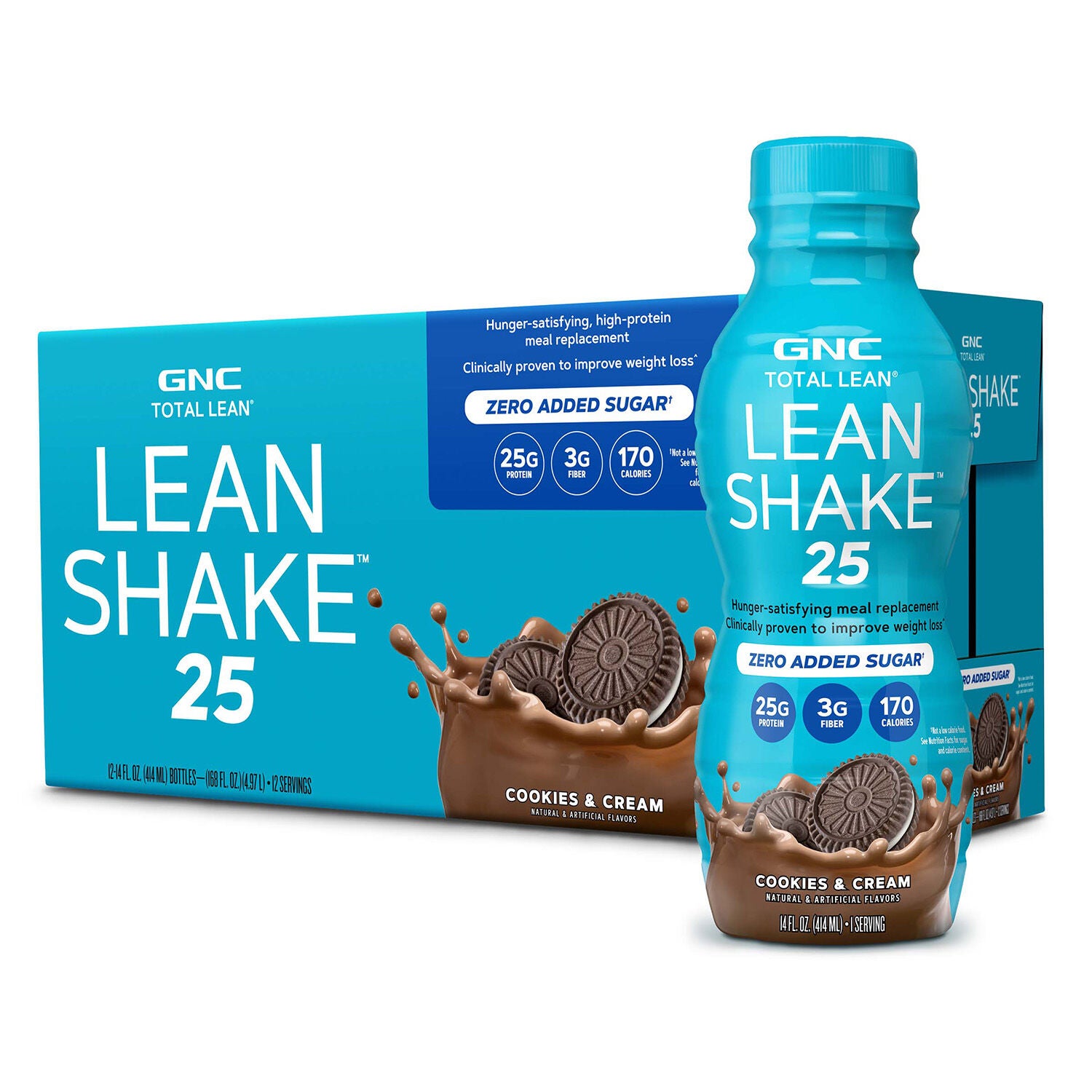
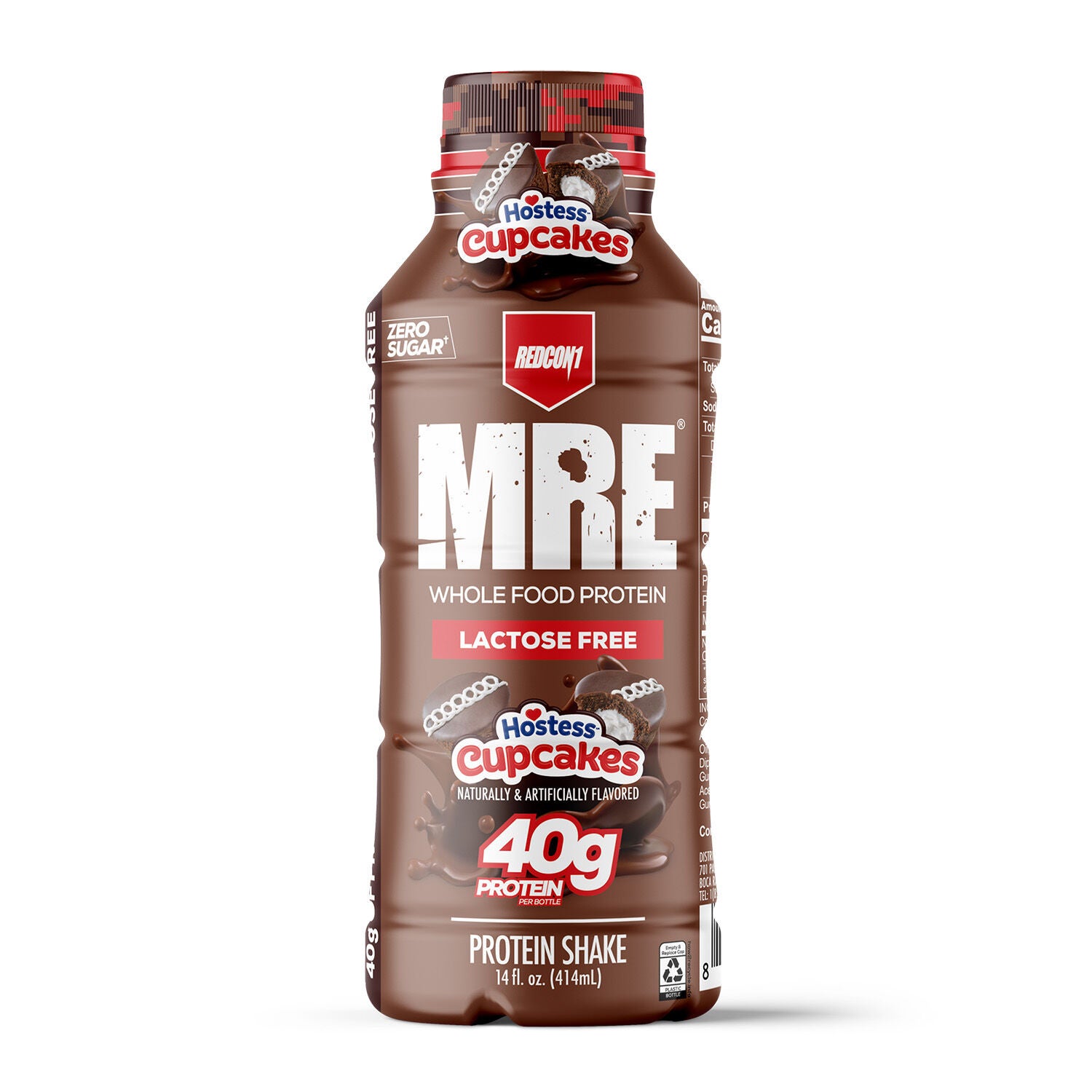
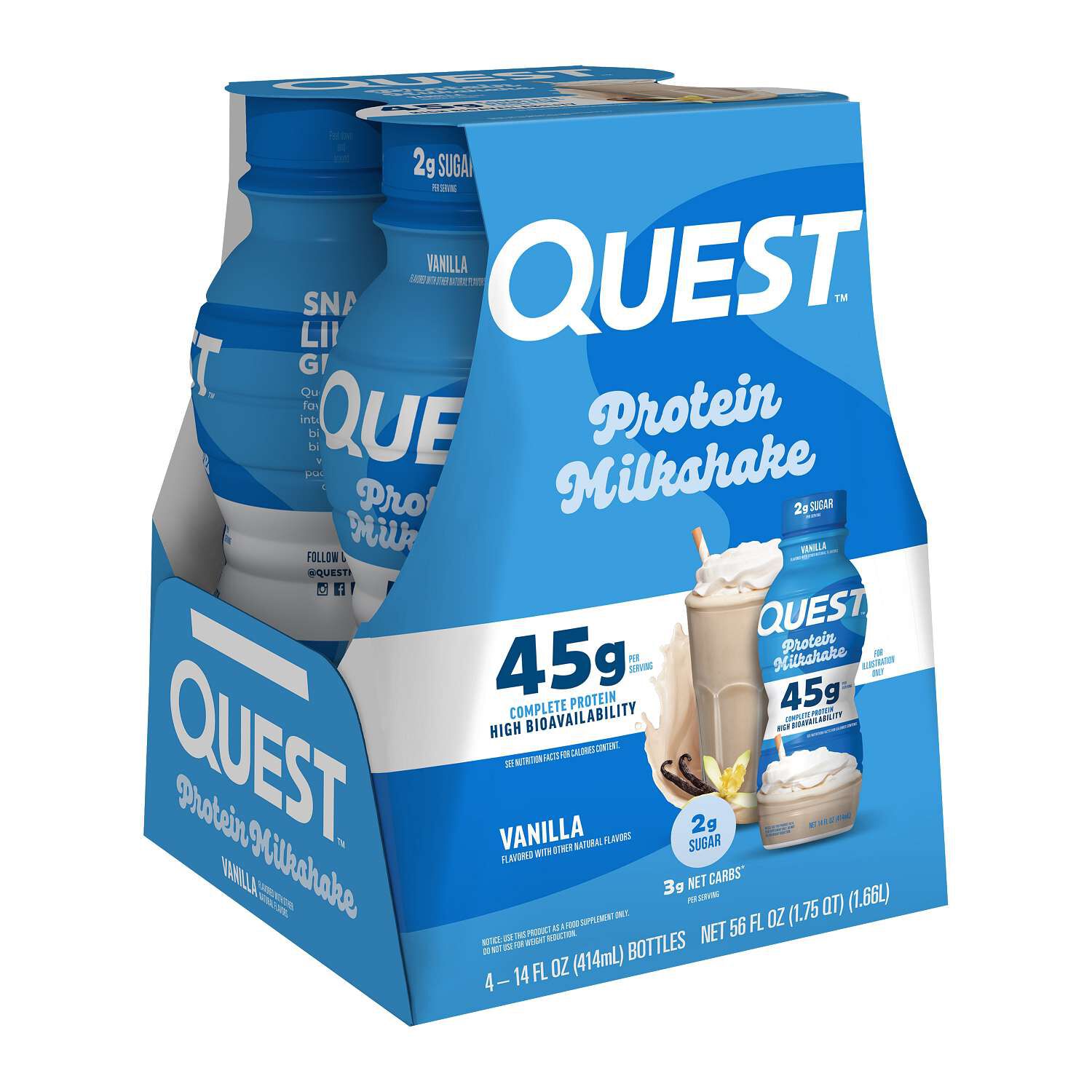

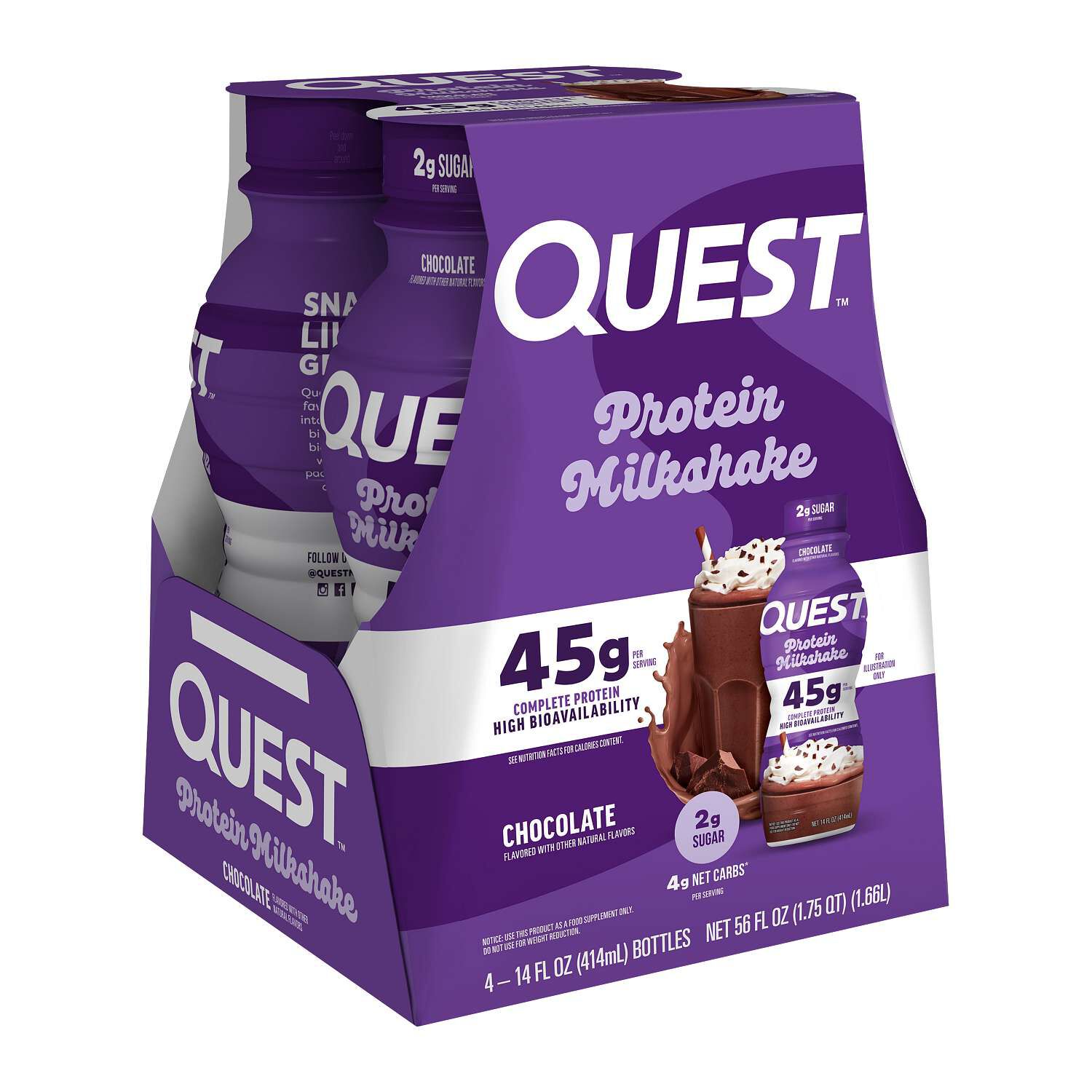
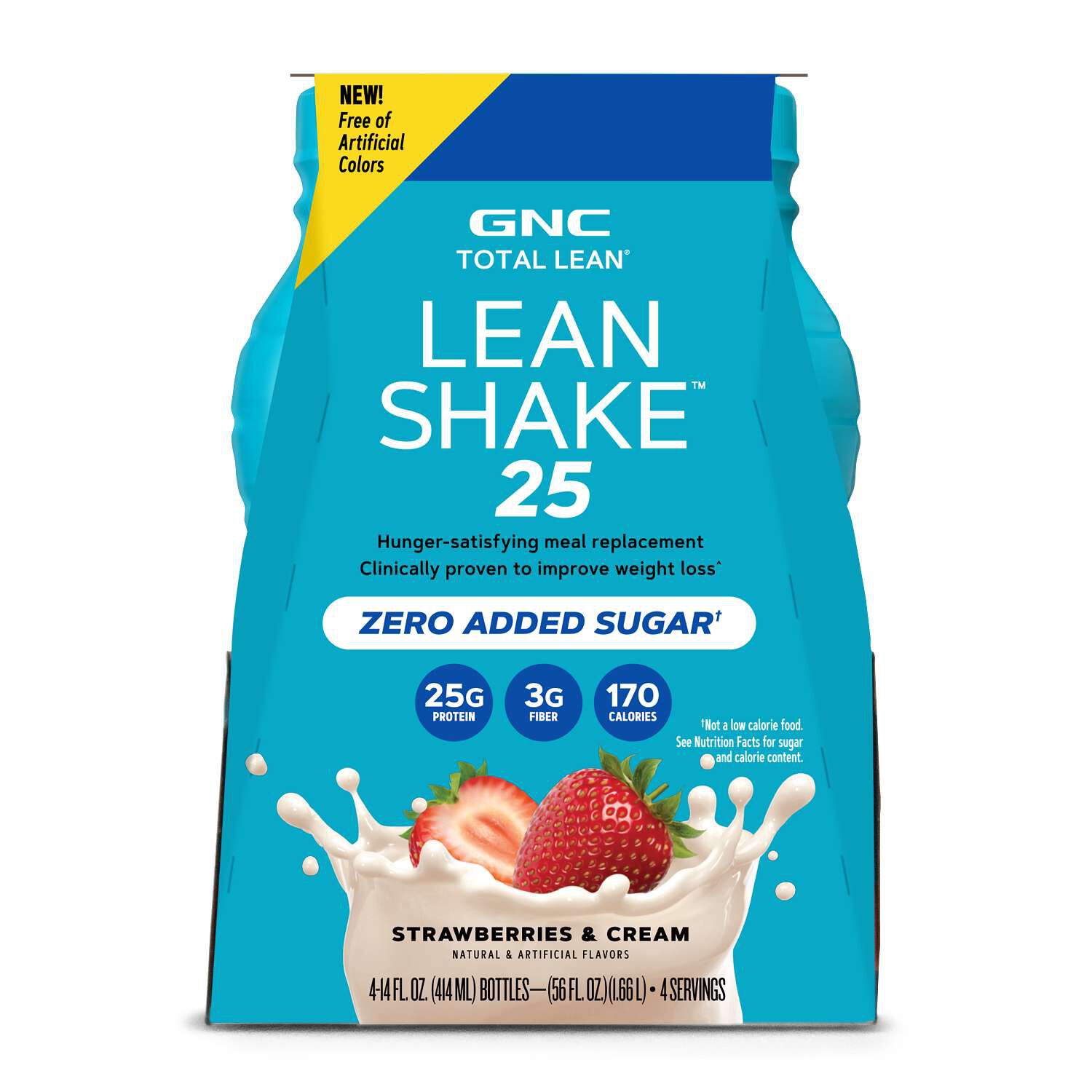
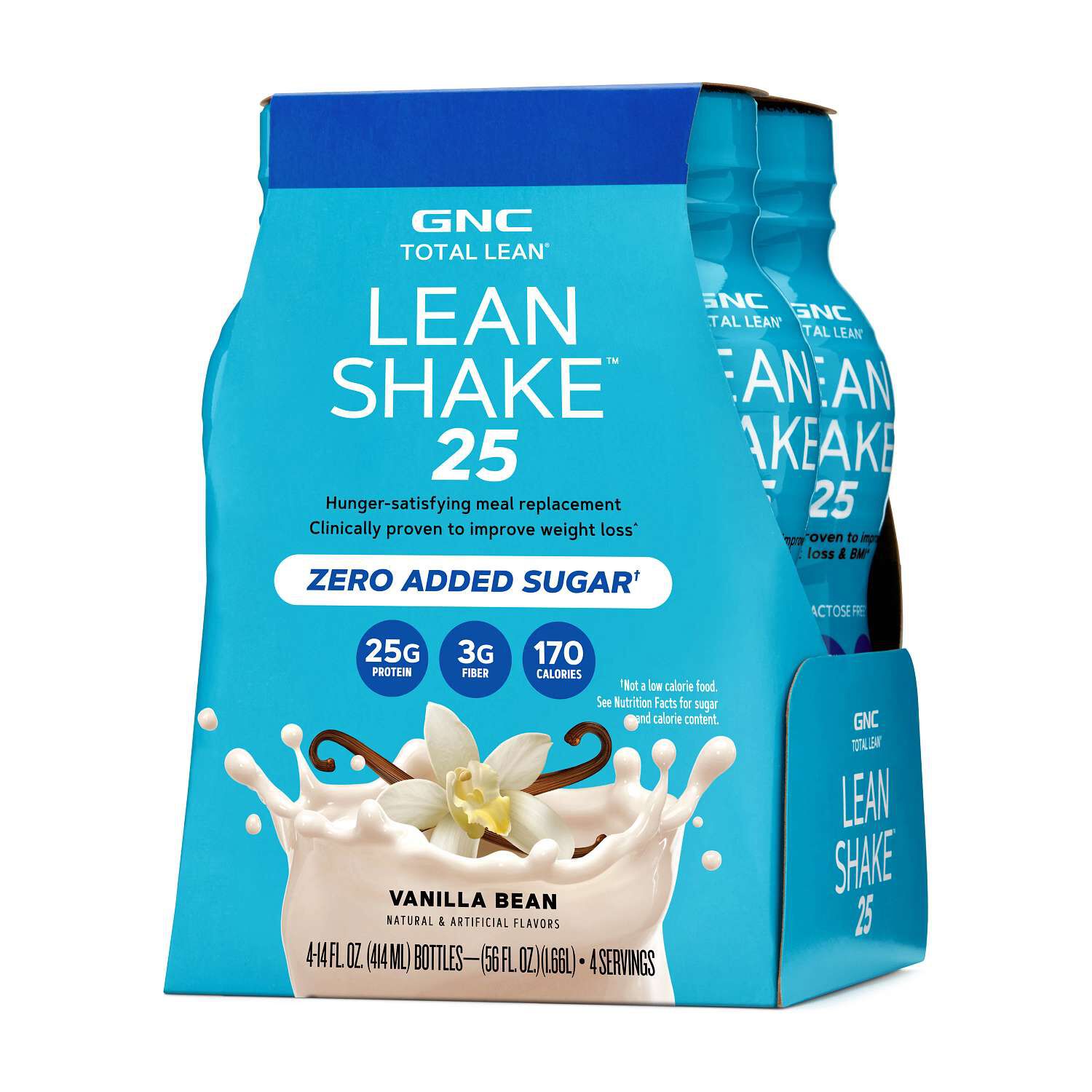
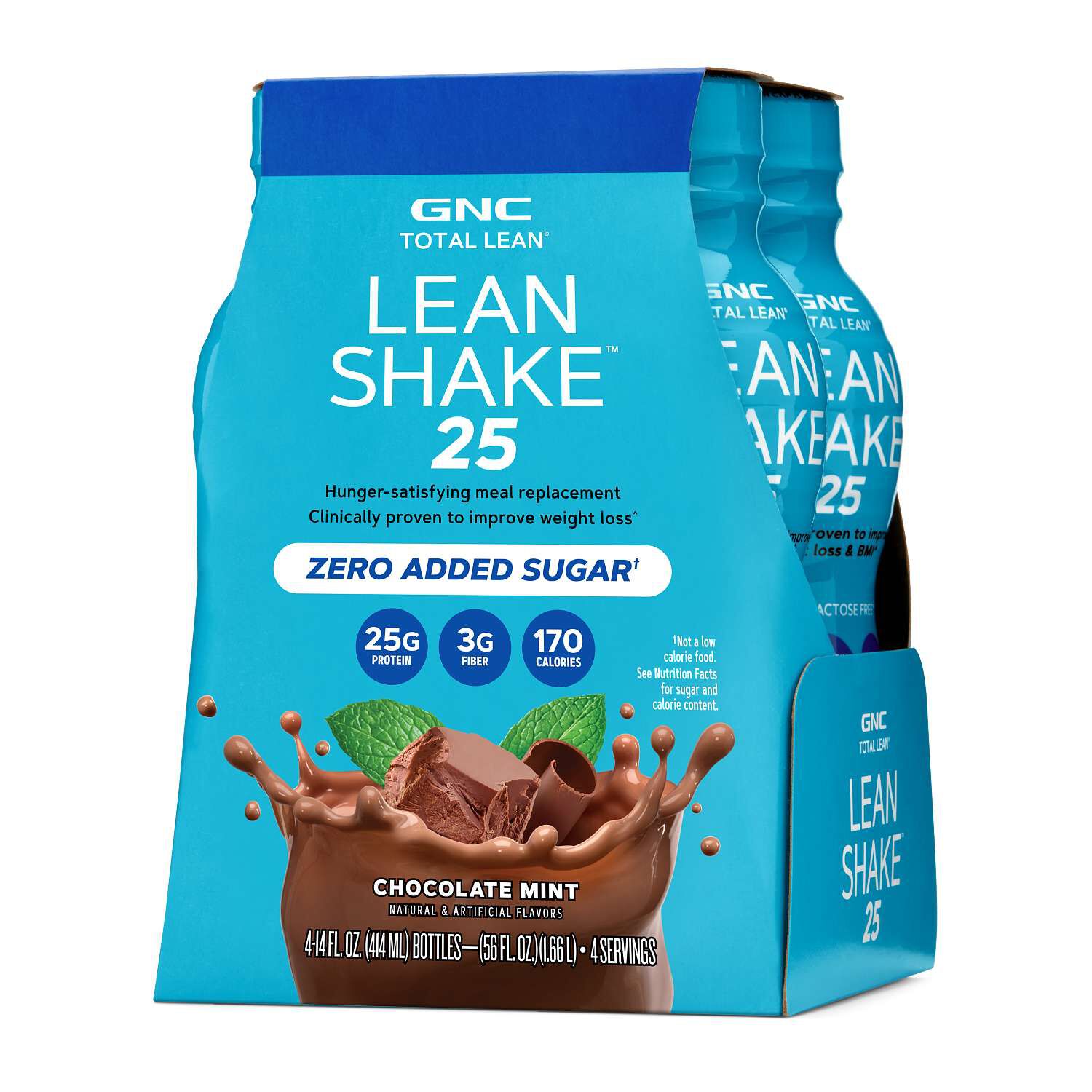

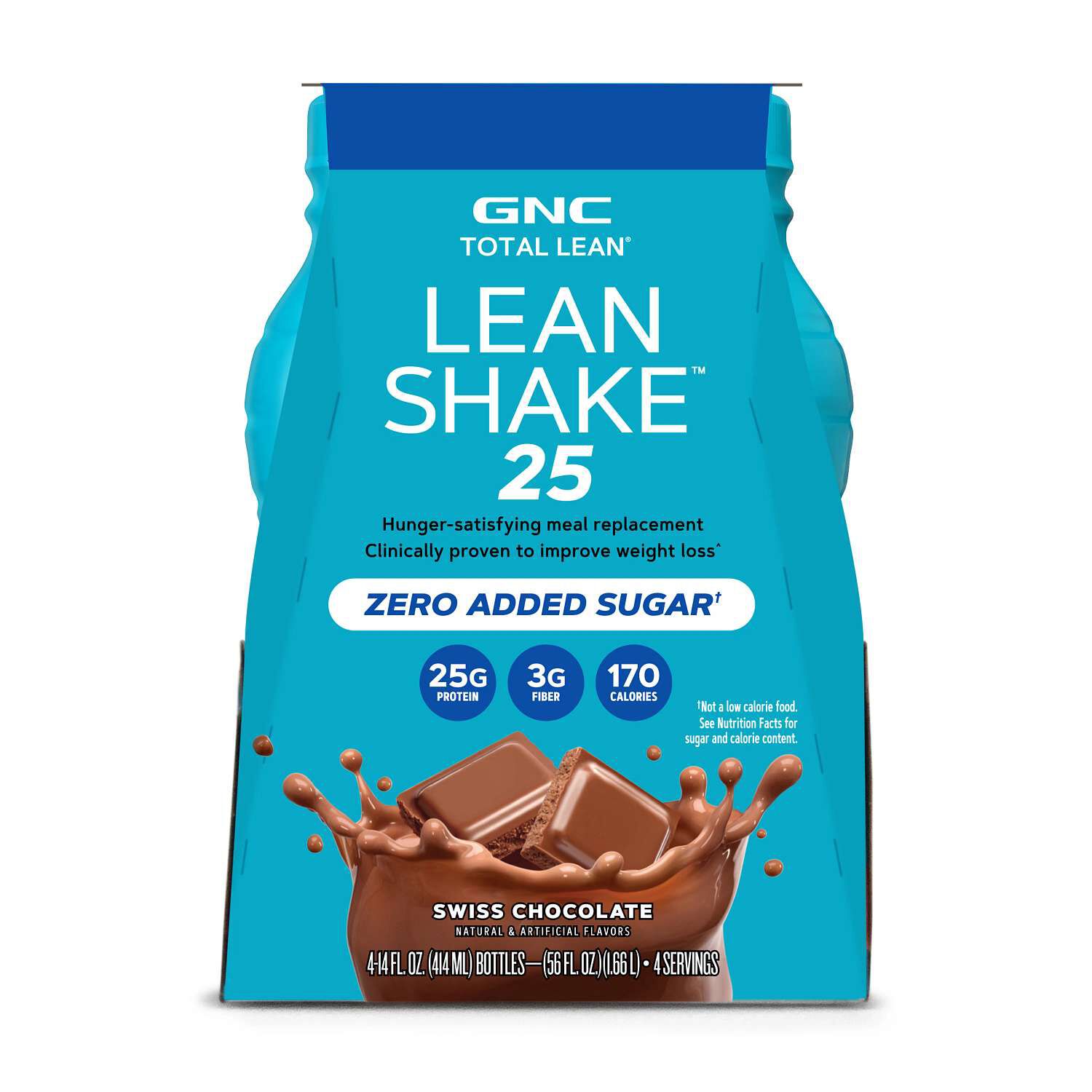


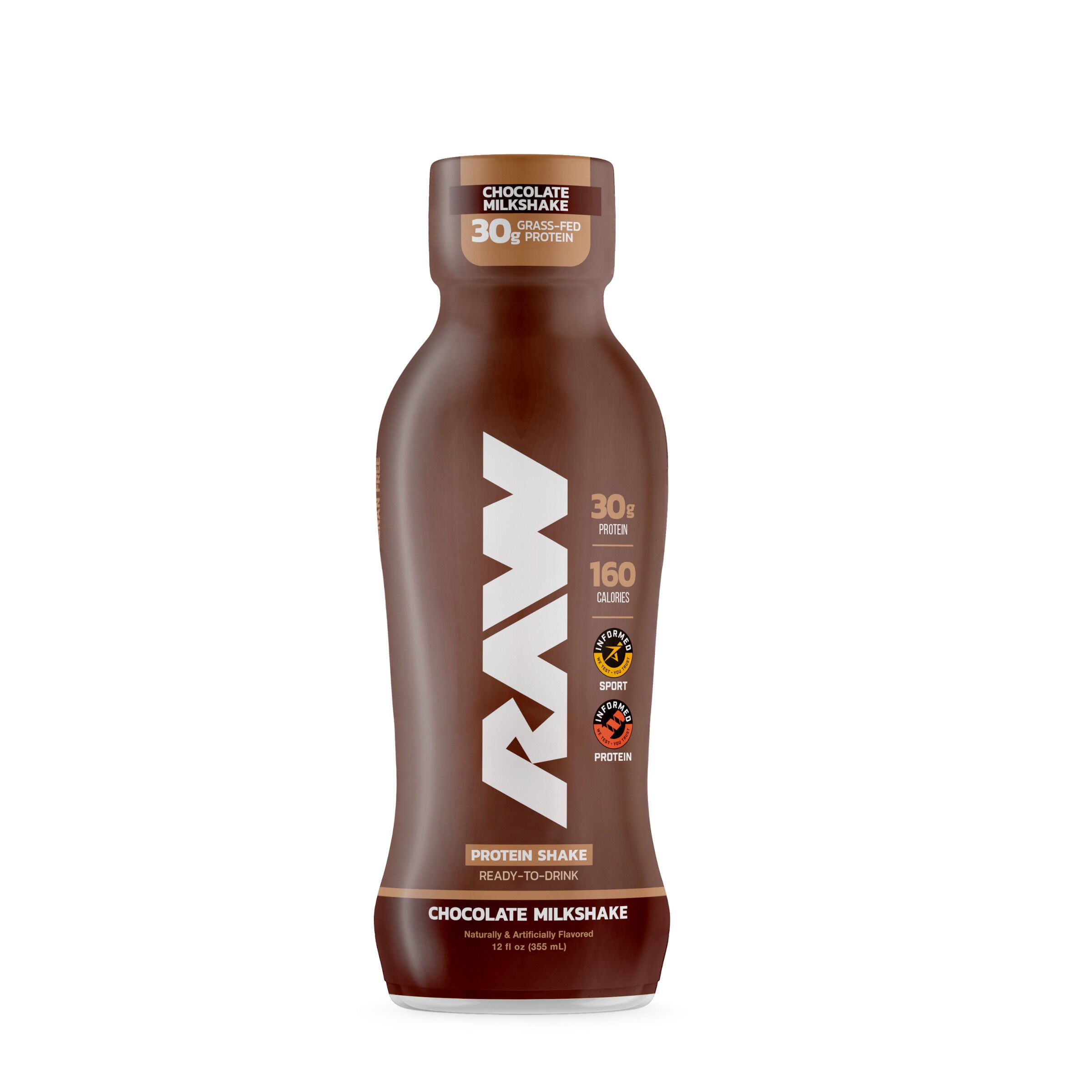
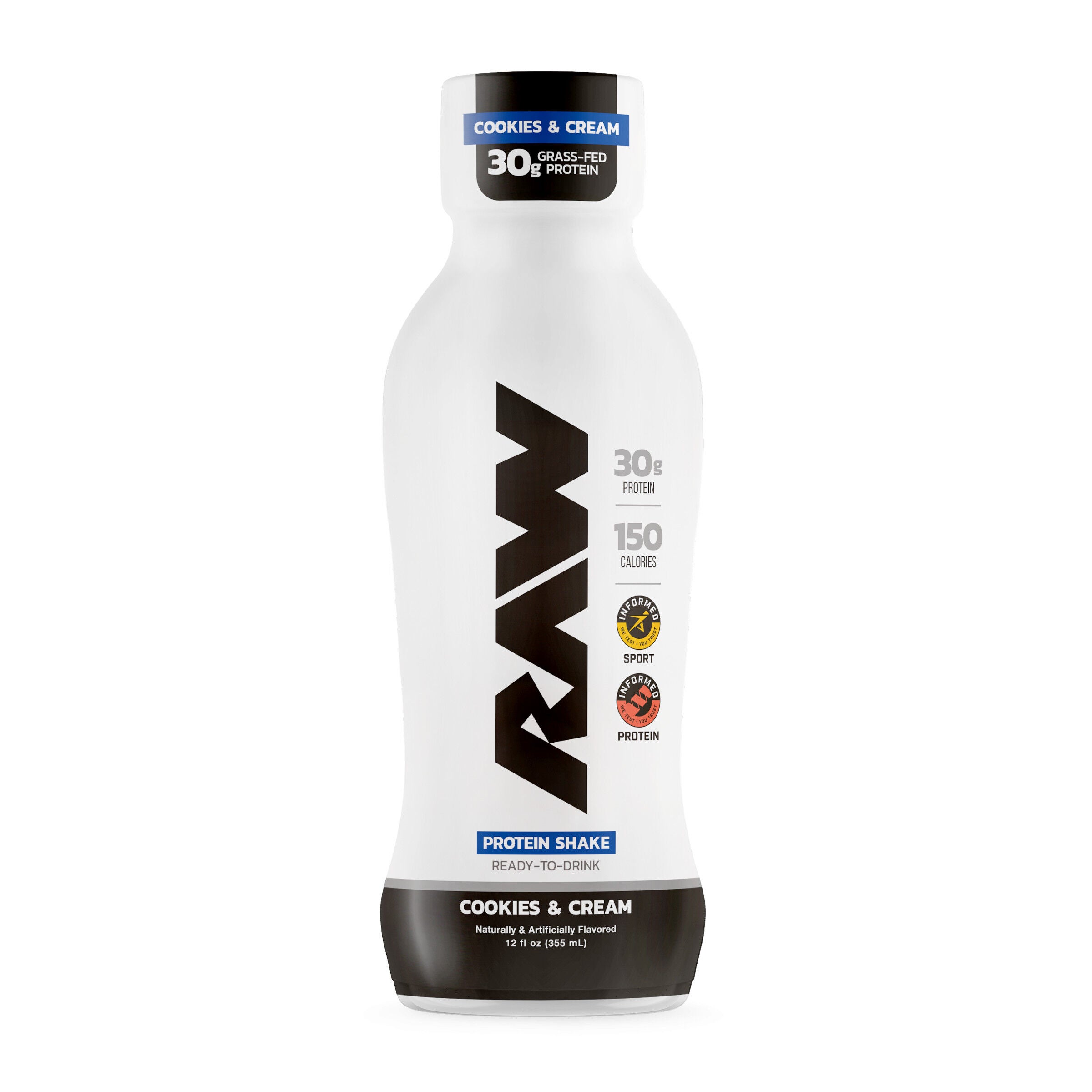


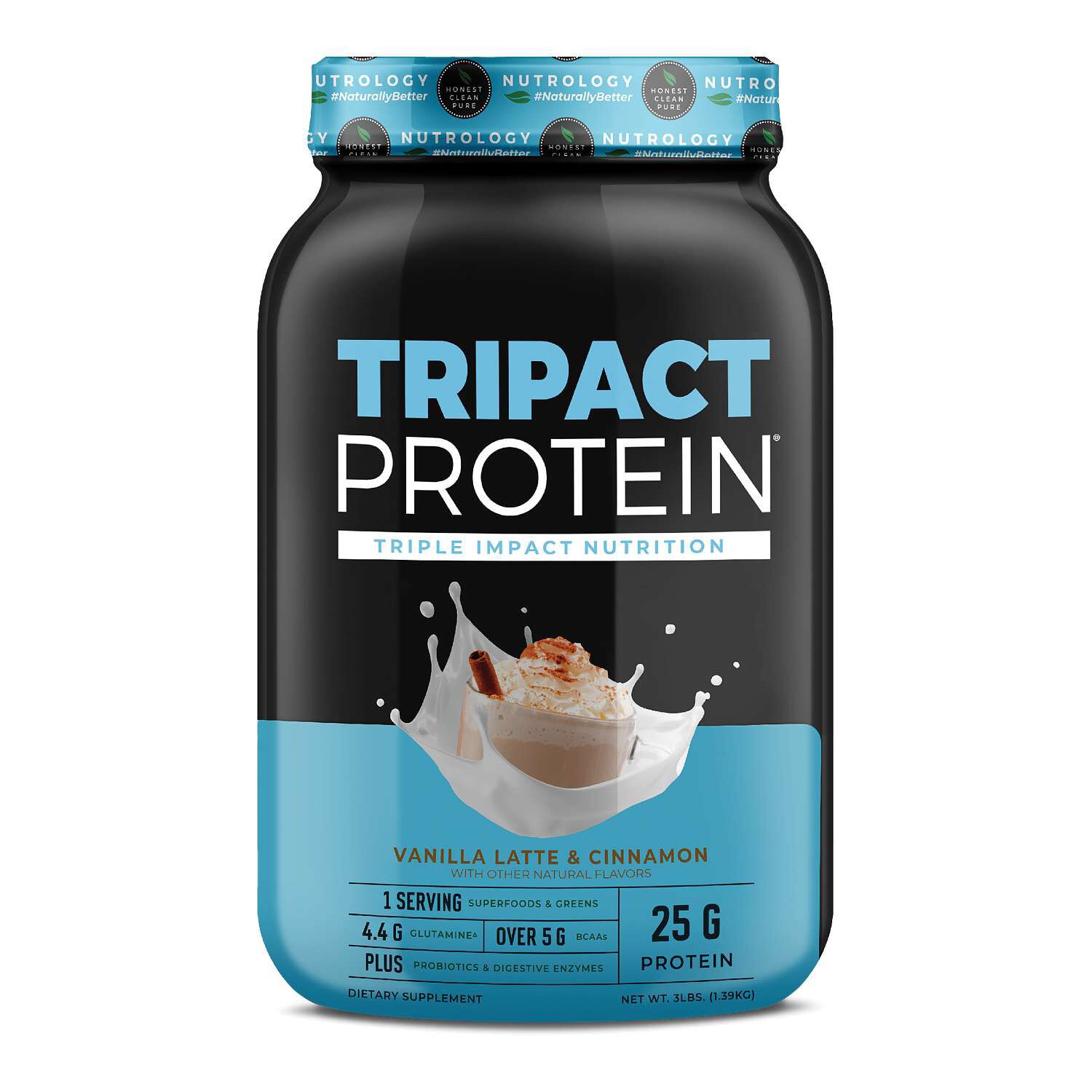
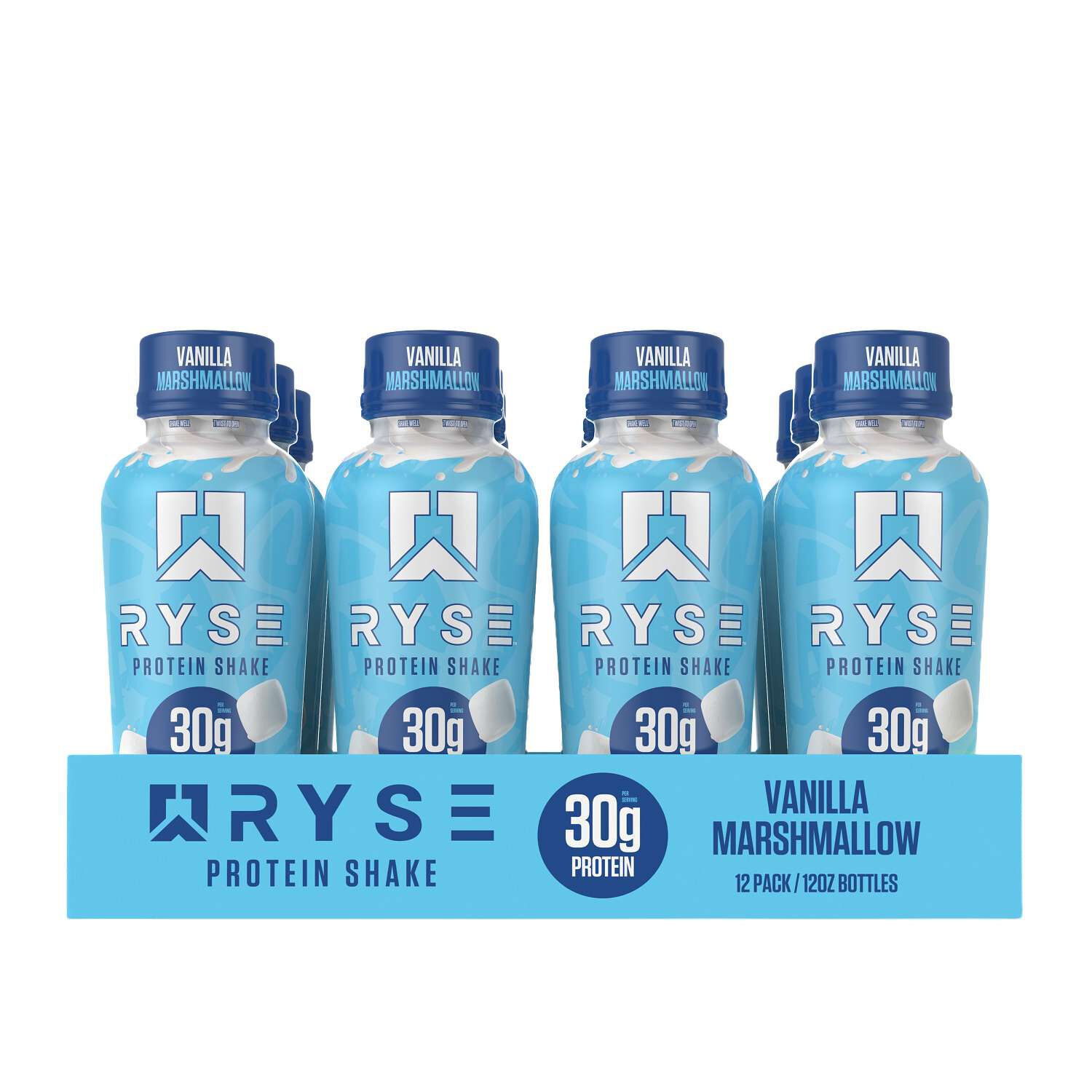
Low sugar protein shakes for women may offer a convenient way to add protein to a meal or snack while keeping sugar intake in mind. The category includes ready-to-drink shakes and powdered mixes, with differences in protein source, sweetness, texture, serving size, and preparation. Women’s preferences and protein needs vary with their eating patterns, activities, and personal goals; packaging designed for women is only one part of the picture. The nutrition information and ingredient list provide a clearer view of what is inside. A shake for the drive to work might have a different place in the day than one mixed at home after a workout or enjoyed alongside an afternoon snack. Some shoppers prefer a small serving with a lighter consistency, while others enjoy a richer shake that feels more like a familiar café drink. Neither texture nor flavor name reveals how much sugar a serving contains. Chocolate, vanilla, and fruit-inspired varieties may have quite different nutrition profiles, even when they share a similar flavor description. Sugar per serving, added sugars, protein grams, and calories each tell a different part of the story. A lower sugar content does not automatically mean fewer calories, and a larger bottle is not always equivalent to a single serving. Naturally occurring sugars, such as lactose from milk ingredients, also differ from sugars added during formulation, although both contribute to the sugar amount shown on the label. These details matter when comparing shakes intended for different moments in a routine. A drink paired with oatmeal and berries has a different role than a shake carried as a standalone snack. Low sugar protein shakes may complement varied eating habits, but a protein-focused drink is not necessarily formulated as a meal replacement. Products with similar protein amounts may differ considerably in fiber, fat, carbohydrates, and other nutrients. Looking at the whole nutrition panel, rather than one prominent number on the front, gives the category more useful context.
Protein source is another meaningful distinction among low sugar shakes. Whey and casein are derived from milk, while plant-based formulas may contain pea, soy, rice, or combinations of plant proteins. Some formulations combine sources, and the ingredient list identifies the proteins used. The source matters for dietary preferences, but it does not tell the entire story about taste or consistency. Flavorings, sweeteners, fats, and thickening ingredients also contribute to a shake’s character. One formula might have a light, milk-like finish; another might feel dense and creamy, with a more noticeable cocoa or vanilla flavor. Lower sugar does not necessarily mean less sweet, since some formulas contain sweeteners that contribute little or no sugar. Depending on the ingredients, a shake may have a lingering sweetness or a flavor that becomes more noticeable as it is sipped. Personal preference makes a difference here: a very sweet dessert-style shake may suit one shopper, while a subtler flavor may suit another. Milk, soy, and other allergen declarations are relevant details, along with any dietary statements on the package. For powdered shakes, the mixing liquid adds another layer to the comparison. Water, milk, and plant-based beverages have different nutrition profiles, so the prepared drink may contain different amounts of sugar, protein, fat, and calories than the powder alone. Even two beverages described as almond or oat drinks may differ in added sugar. The liquid amount also matters to the finished texture: a smaller amount may produce a thicker shake, while more liquid may create a lighter consistency. Preparation directions provide the intended starting point for the formula. A shaker bottle may suit a straightforward powder-and-liquid mix, while a blender may suit recipes with fruit, yogurt, or nut butter. Those additions bring their own flavors and nutrients, making the finished drink distinct from the serving described on the powder’s label.
Everyday practicality often shapes which low sugar protein shakes for women fit comfortably into a routine. Ready-to-drink formats require no measuring or mixing, which may suit a tightly scheduled morning, a work break, or a stop between errands. Package size, opening style, and whether the container can be resealed are useful considerations for carrying and drinking. Storage directions matter just as much as portability: some shakes require refrigeration before opening, while others have different instructions for unopened and opened containers. A bottle’s place in a gym bag or lunch tote depends on those directions, not simply on whether the packaging looks convenient to carry. Powders involve more preparation but allow the serving to be mixed when needed. For shoppers comparing that format, Low Sugar Protein Powders provides a related category to explore alongside ready-to-drink options. At home, a measuring scoop, a container with a secure lid, and space to store the powder according to its label are practical parts of the setup. Reusable mixing containers also need regular washing, including the lid, gasket, and mixing insert, where residue may collect. For a long commute, a securely closed container and appropriate storage may matter more than elaborate preparation. For a slower morning at home, flavor and consistency may take priority, especially when the shake accompanies breakfast. The same approach applies to variety. A familiar flavor may be an easy daily preference, while a different protein source or a less pronounced sweetness may be worth considering when preferences change. Package information remains the most reliable basis for comparing serving sizes, ingredients, and preparation requirements across the category. A well-suited choice reflects more than a low sugar number: it also aligns with the shopper’s preferred ingredients, eating habits, and willingness to mix, carry, chill, and clean. Those practical details may make a protein shake a more natural part of an established routine, whether that routine centers on busy workdays, regular exercise, or convenient snacks between meals.
Best Sellers


Related Pages


Top Collections
- GLP 1 Support For Adults
- Supplements For Yoga Joint Flexibility
- Supplements For Balance
- Joint Mobility Supplement Packs
- Zinc Supplements | Top Brands at Great Prices | GNC
- Capsule Supplements For Energy And Stamina
- Supplements For Anxiety Relief Support
- Chronic Fatigue Supplements
- Zinc Supplements For Men
- Iron Supplements