





Liquid B Vitamins
(0 Results)
Liquid B vitamins offer a convenient and efficient way to boost your energy levels, support overall health, and promote optimal well-being. Packed with essential B vitamins such as B12, B6, and B9, these liquid supplements are easily absorbed by your body, ensuring maximum effectiveness. Whether you're looking to enhance your metabolism, support your nervous system, or simply maintain a healthy lifestyle, our selection of liquid B vitamins provides a quick and easy solution to meet your daily nutritional needs.

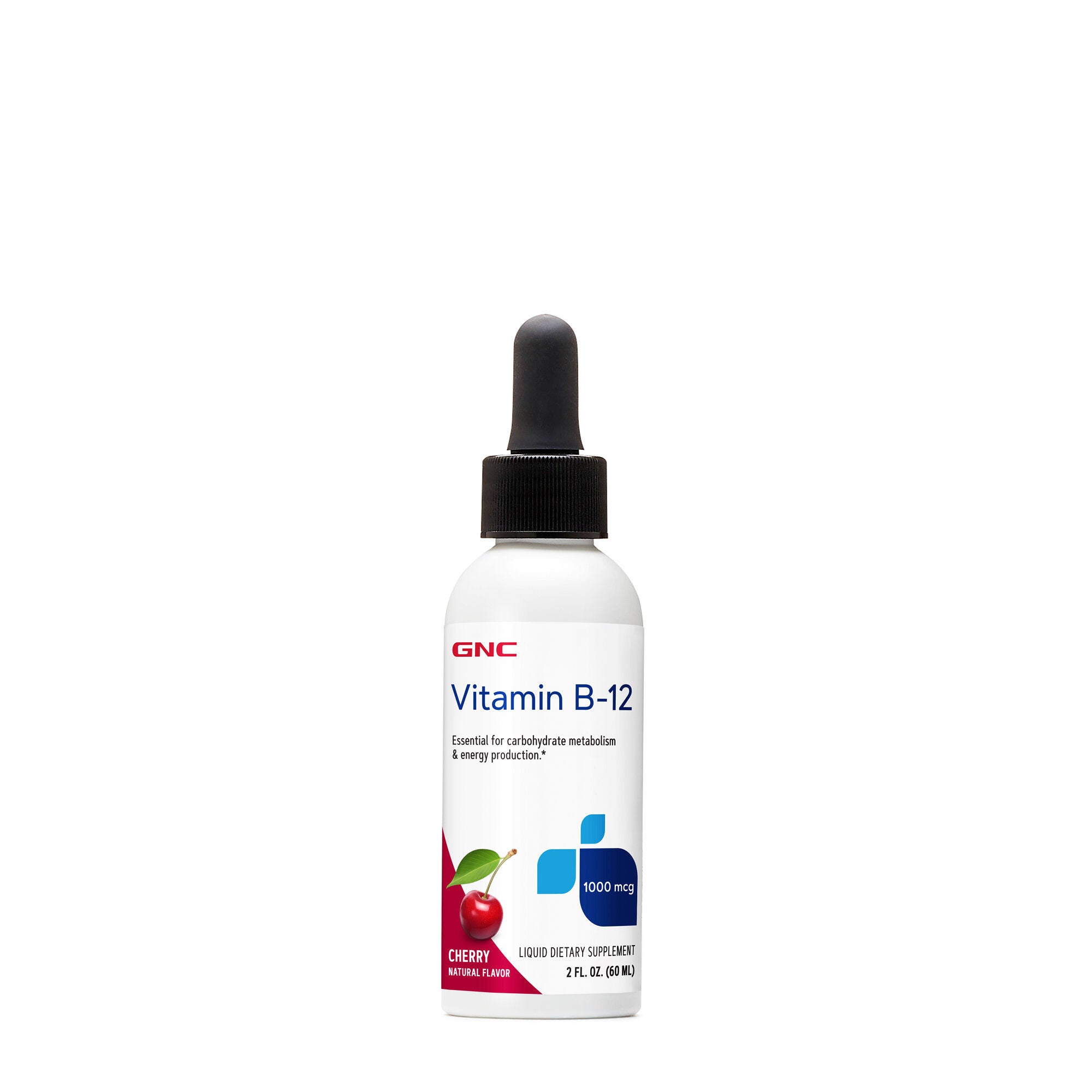
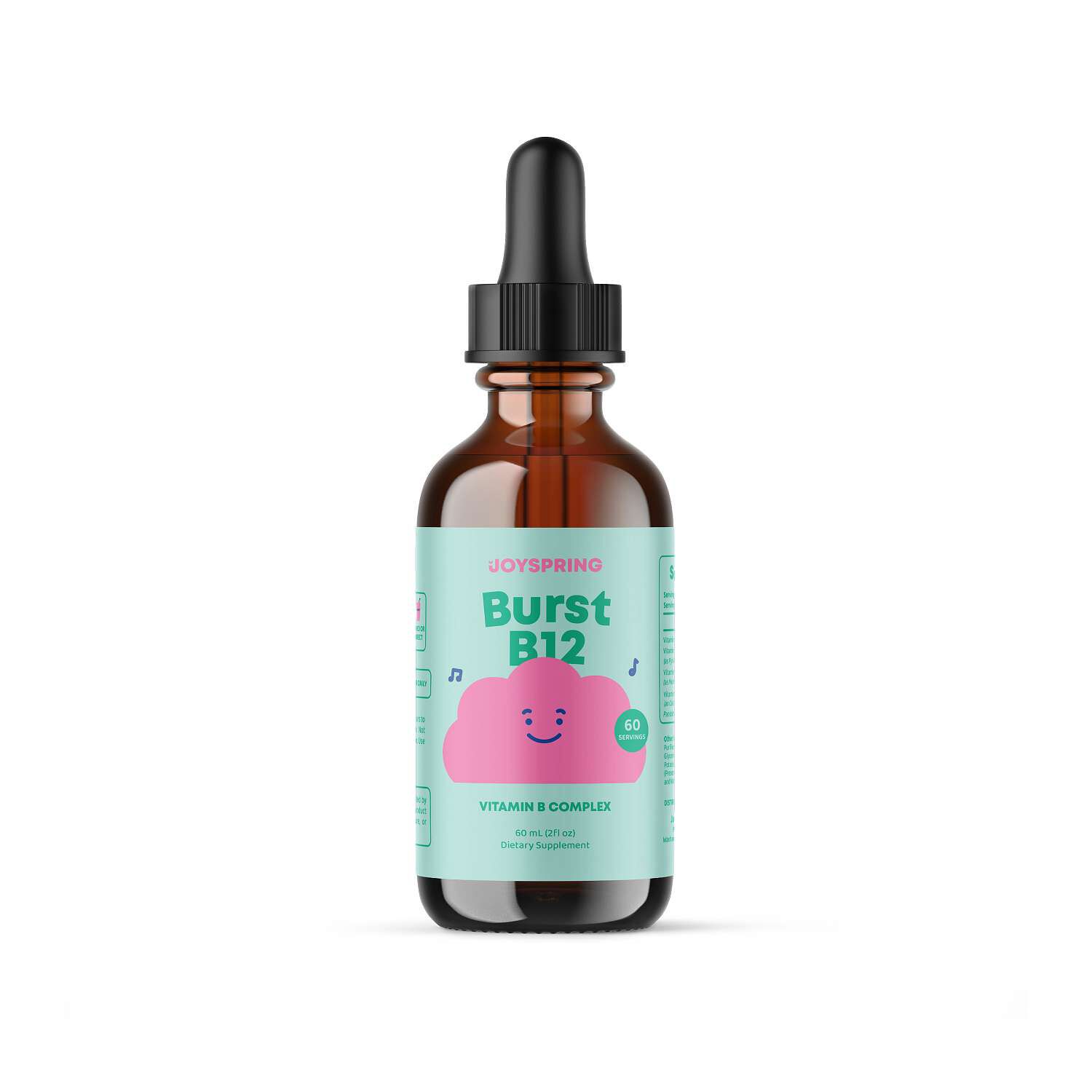
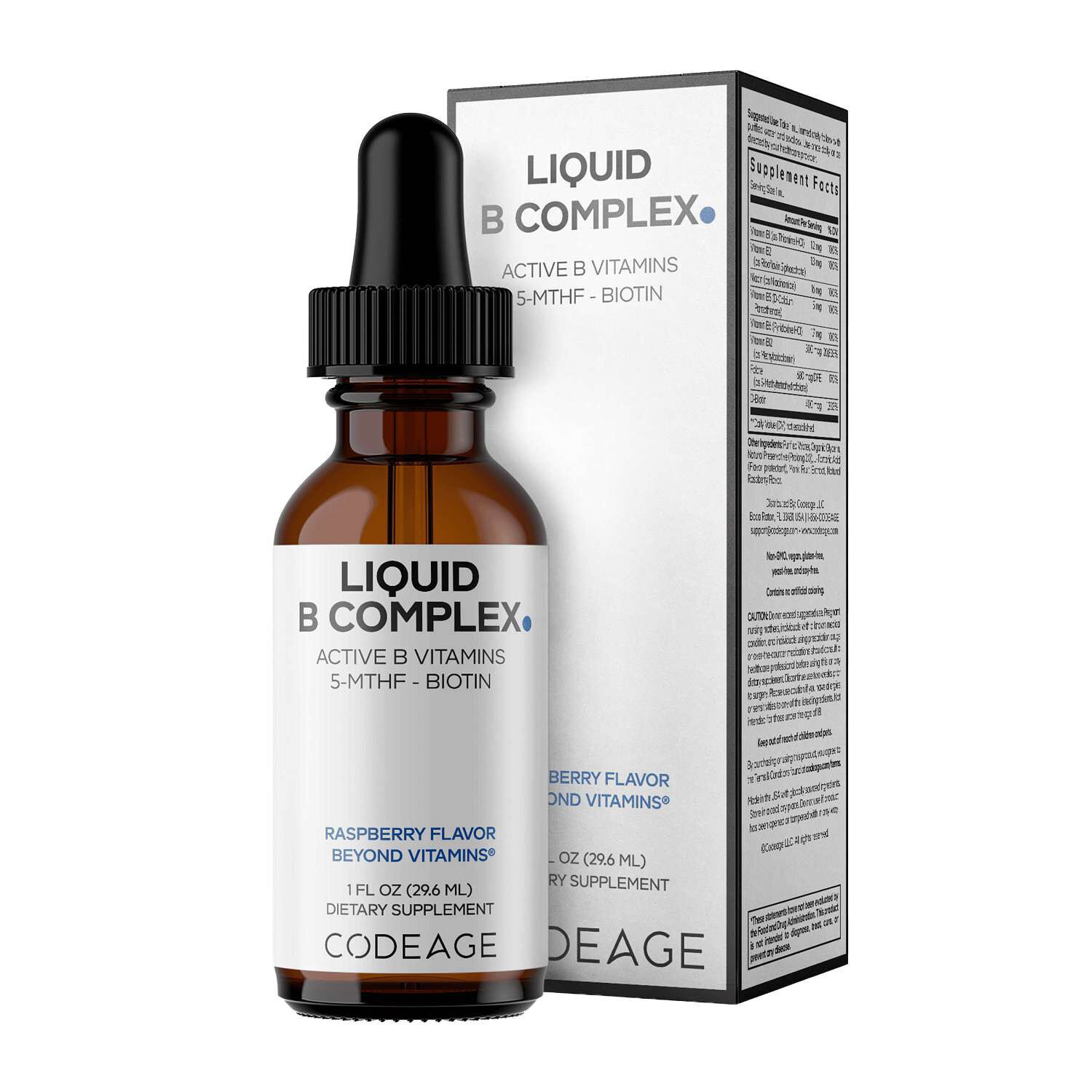

Liquid B vitamins are dietary supplements that provide vitamin B12, a combination of B vitamins, or a broader B-complex blend in a liquid format. They may appeal to adults who prefer a measured liquid serving over a tablet or capsule, whether the priority is taste, texture, or a format that fits an established routine. The category includes drops, liquids measured with a cap, and formulas labeled for use under the tongue. These formats are not interchangeable: the package directions describe how to measure and use each formula, and a dropper does not automatically mean a supplement is intended for sublingual use. The B-vitamin family includes thiamin, or B1; riboflavin, or B2; niacin, or B3; pantothenic acid, or B5; vitamin B6; biotin, or B7; folate, or B9; and vitamin B12. A liquid B12 supplement focuses on that nutrient, while a liquid B-complex formula contains a combination of B vitamins. The name on the front of a bottle is only the starting point, since blends differ in which nutrients they contain and how much of each appears in a serving. The Supplement Facts panel provides the more useful comparison, showing the serving size, named nutrients, and their amounts. B12 may be listed as methylcobalamin or cyanocobalamin, and folate may appear in different ingredient forms. Those names describe the formulation; they do not, on their own, establish that one option is a better match for every shopper. Liquid presentation also does not establish faster absorption or greater benefit than a tablet or capsule. For someone comparing liquid B vitamins, the clearest distinction is often practical: a focused B12 formula versus a multi-nutrient blend, followed by serving size, flavor, ingredient preferences, and the method of use stated on the label. A familiar-looking bottle can contain a very different nutrient combination from another bottle of similar size, making the written details more informative than the package shape.
Flavor and texture deserve attention when choosing a supplement that will become part of a regular routine. Liquid B vitamins may have fruit-inspired flavors, a lightly sweet taste, or a more noticeable vitamin character, depending on the formulation. A shopper who dislikes strongly flavored supplements might prefer a simpler flavor profile, while someone accustomed to berry or citrus drinks might find a familiar flavor more appealing. Sweeteners, flavor ingredients, colors, and preservatives appear in the ingredient list rather than necessarily receiving prominent space on the front label. Dietary preferences are another reason to look beyond the category name. A liquid format does not automatically establish that a formula meets vegetarian or vegan preferences, and plant-based eating patterns do not make every B-vitamin blend interchangeable. Any dietary designation should be supported by the package information. Serving volume matters just as much as bottle volume: one formula may use a small measured amount, while another calls for a larger liquid serving. Comparing the stated serving size with the number of servings per container gives a more useful picture of how the bottle fits into a routine than comparing container size alone. Nutrient amounts also require a careful reading because milligrams, written as mg, and micrograms, written as mcg, are different units. A larger printed number is not necessarily a larger amount when the units differ. The measuring accessory is worth considering, too. A clearly marked dropper or cap may make the labeled amount easier to identify, particularly for someone who values a straightforward setup on a kitchen counter. A dropperful, a marked milliliter measurement, and a number of individual drops are not necessarily equivalent. Package directions clarify which measurement applies. For mixed liquids, the label also indicates whether shaking is part of preparation. These details distinguish formulas in ways that a flavor name or a prominent nutrient number cannot, especially when the goal is a supplement routine with fewer steps and less guesswork.
The intended use of liquid B vitamins is as a dietary supplement, not as a substitute for meals or a varied eating pattern. Adults considering the category may be looking for a different delivery format, a focused B12 option, or a B-complex blend that aligns with their ingredient preferences. Someone who already keeps a measured supplement beside a breakfast setting might value a bottle with readable markings and a securely closing cap. Another shopper who packs a lunch bag each day might care more about whether the original container fits upright in a designated pocket and whether the serving accessory stays with the bottle. Those everyday details are more useful than assuming every liquid formula works the same way. The label determines whether a serving is taken directly, held under the tongue, or mixed with another liquid; a method described for one formula should not be assumed to apply to another. Storage is similarly formula-specific. Some bottles have refrigeration directions after opening, while others specify a different storage approach. The printed instructions and expiration date remain the reference points, along with any directions for cleaning or handling the measuring accessory. Keeping the original label readable preserves access to the ingredient list, serving information, and storage requirements throughout use. Closing the container as directed and keeping the bottle in its designated storage location are practical parts of caring for a liquid supplement. Shoppers interested in comparing B-focused formulas with broader daily vitamin blends can also explore Liquid Daily Vitamins for another view of liquid supplement formats. The meaningful comparison remains the same across categories: what the formula contains, the amount in a labeled serving, the ingredients that shape its taste, and how its directions fit into daily life. Rather than choosing on bottle size or flavor alone, considering those details together may help narrow the selection to a format that feels manageable and consistent with personal preferences. A readable label, an understandable measurement, and a suitable flavor profile are concrete features to evaluate when browsing liquid B vitamins.
Best Sellers

Related Pages

Top Collections
- Daily Collagen Supplements | Top Brands & Deals | GNC
- Joint Mobility Supplement Packs
- Zinc Supplements | Top Brands at Great Prices | GNC
- Supplements For Yoga Joint Flexibility
- Supplements For Balance
- Chronic Fatigue Supplements
- Capsule Supplements For Energy And Stamina
- Cortisol Supplements
- NAD+ Supplement Tablets
- Iron Supplements