Liquid Fitness Boosters
(0 Results)
Discover the potential benefits of liquid fitness boosters, designed to complement your active lifestyle and support your wellness goals. These convenient, easy-to-consume supplements may provide a range of nutrients that could aid in enhancing your workout performance and recovery. From pre-workout energizers to post-exercise recovery aids, liquid fitness boosters might be the perfect addition to your fitness regimen. Explore our selection and find the ideal booster to help you stay on track with your fitness journey.
-

-
-
-

-

-
-

-

-

-

-

-

-
 $34.99
 -
 $34.99
 -
-

-

-

-

-

-

-


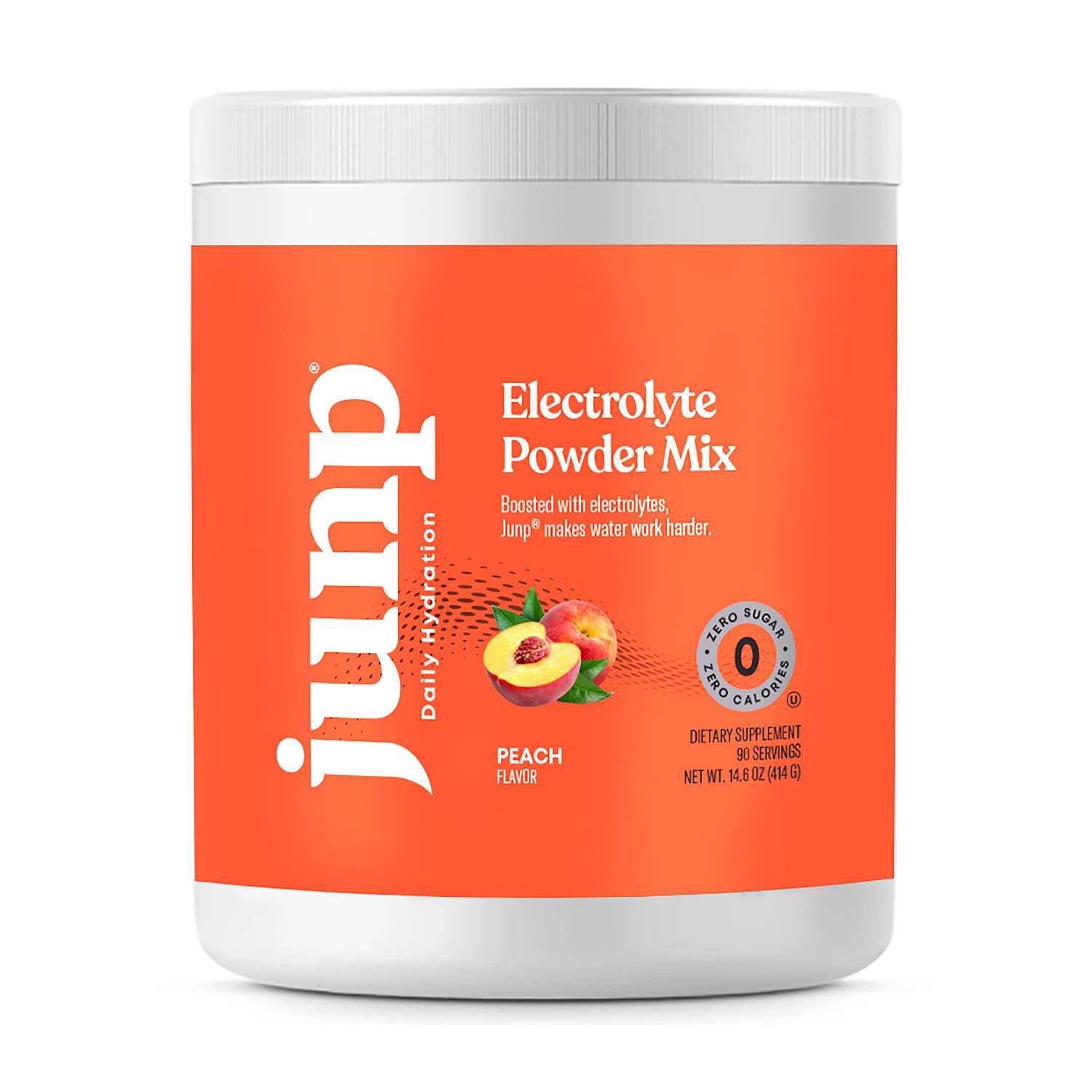
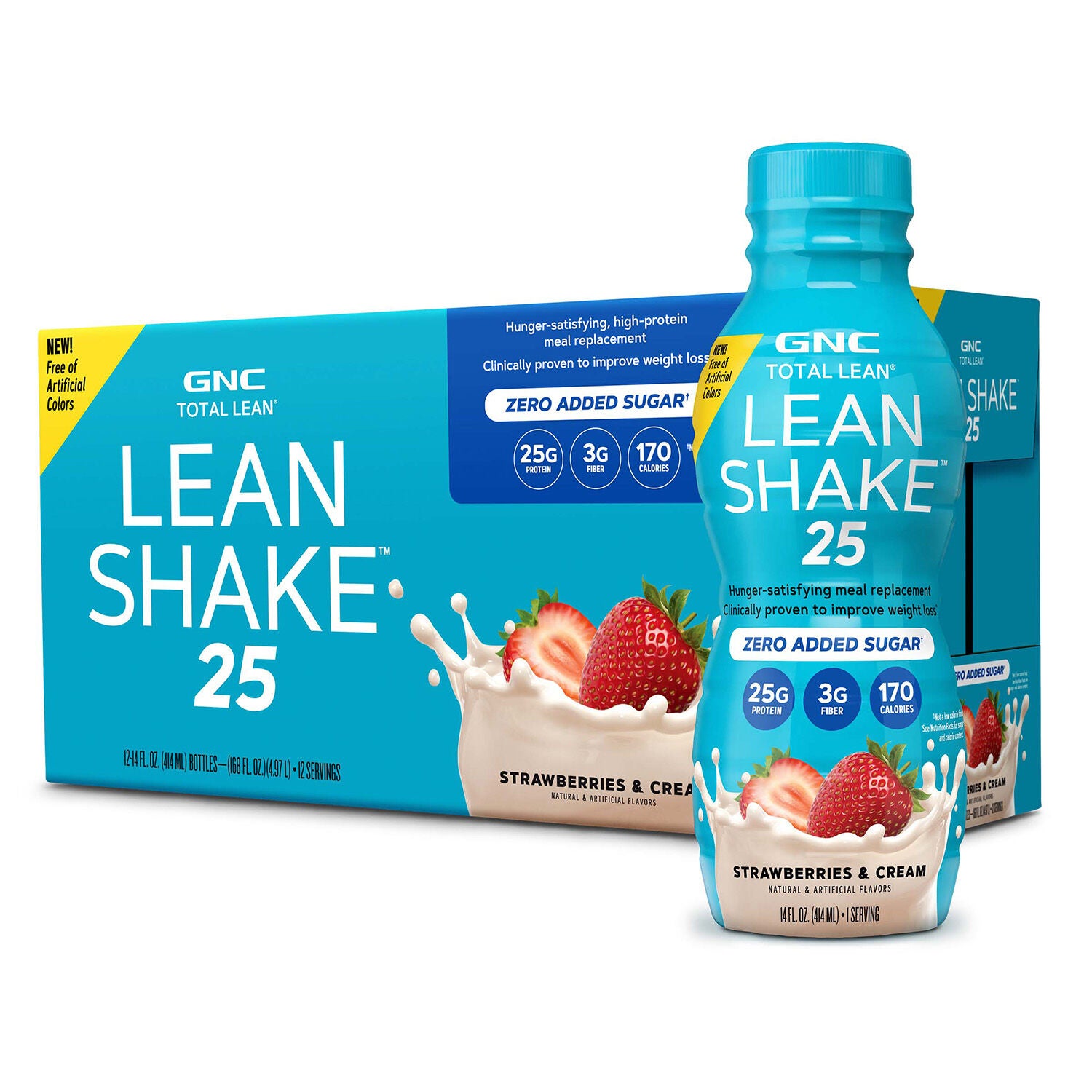
Liquid fitness supplements are drinkable formulas designed for use alongside an exercise routine, with formats ranging from ready-to-drink servings to concentrates mixed with water. The category includes electrolyte liquids, amino acid formulas, liquid glycerol blends, and options containing caffeine, vitamins, or other ingredients associated with sports nutrition. Their shared characteristic is the liquid format, not a single ingredient profile or intended purpose. Some are formulated for use before training, while others are intended for sipping during exercise or incorporating into a daily nutrition routine according to their directions. For someone heading from a desk to the weight room, a measured liquid serving may be a practical alternative to carrying a tub of powder. For someone preparing a bottle before a long outdoor session, a concentrate may offer a convenient way to mix a flavored drink in advance. Ready-to-drink formulas generally require no dilution unless the label states otherwise; concentrates require attention to both serving size and the specified amount of water. That distinction matters because a small bottle is not necessarily one serving, and two liquids with similar packaging can have very different directions. Texture also varies. A water-based formula may have a light consistency, while a glycerol-containing concentrate can feel thicker when poured. Citrus, berry, and other fruit flavors are common across sports nutrition liquids, although sweetness and intensity depend on the formula and dilution. A strong flavor in a small serving can taste quite different once mixed into a larger bottle. The most useful comparisons begin with what the formula contains, how it is intended to be used, and how comfortably that format fits an existing routine. A liquid supplement is not a substitute for meals, water, rest, or consistent training, and the format alone does not establish greater effectiveness than a powder or capsule. Ingredient amounts and labeled use provide more meaningful context than bottle size or bold packaging.
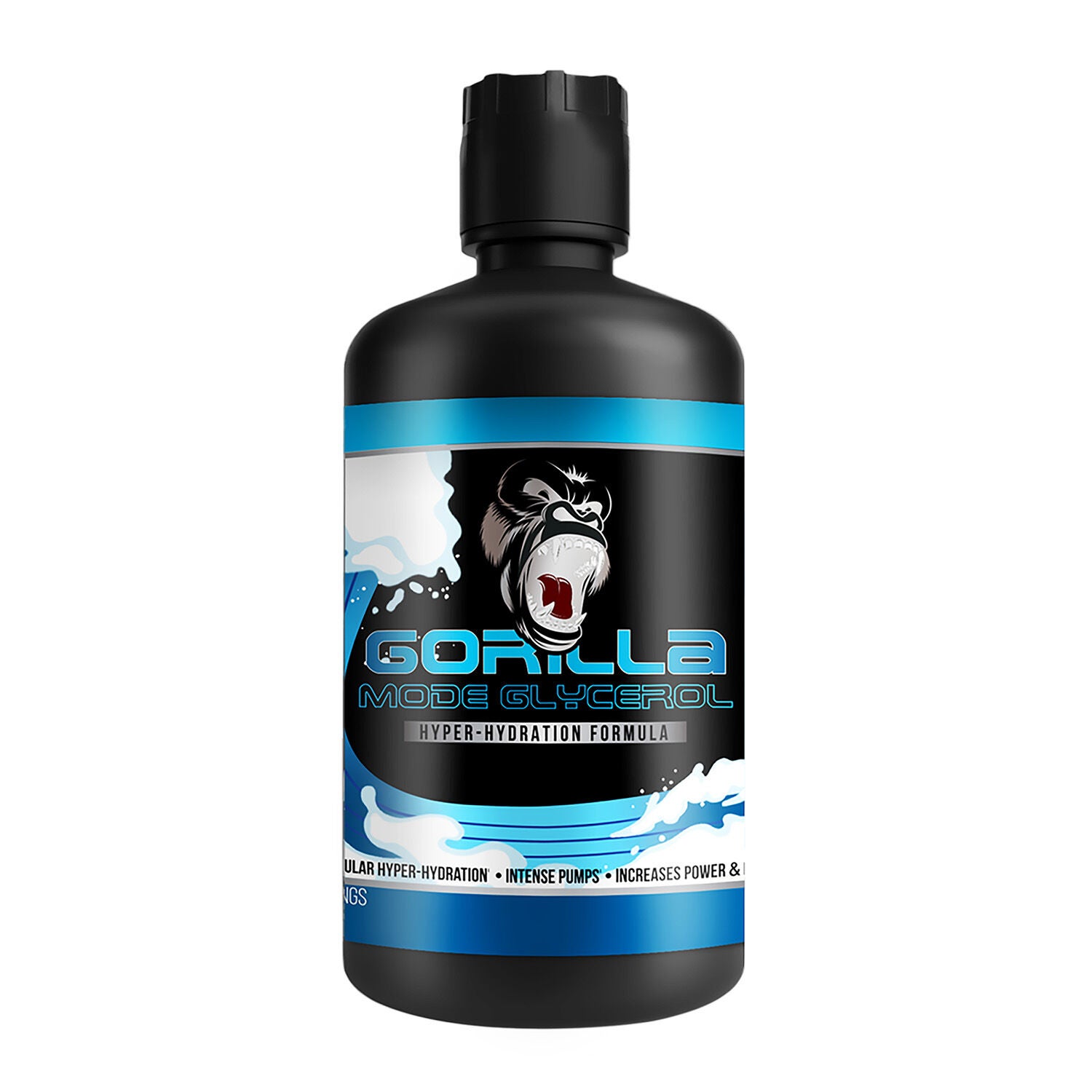
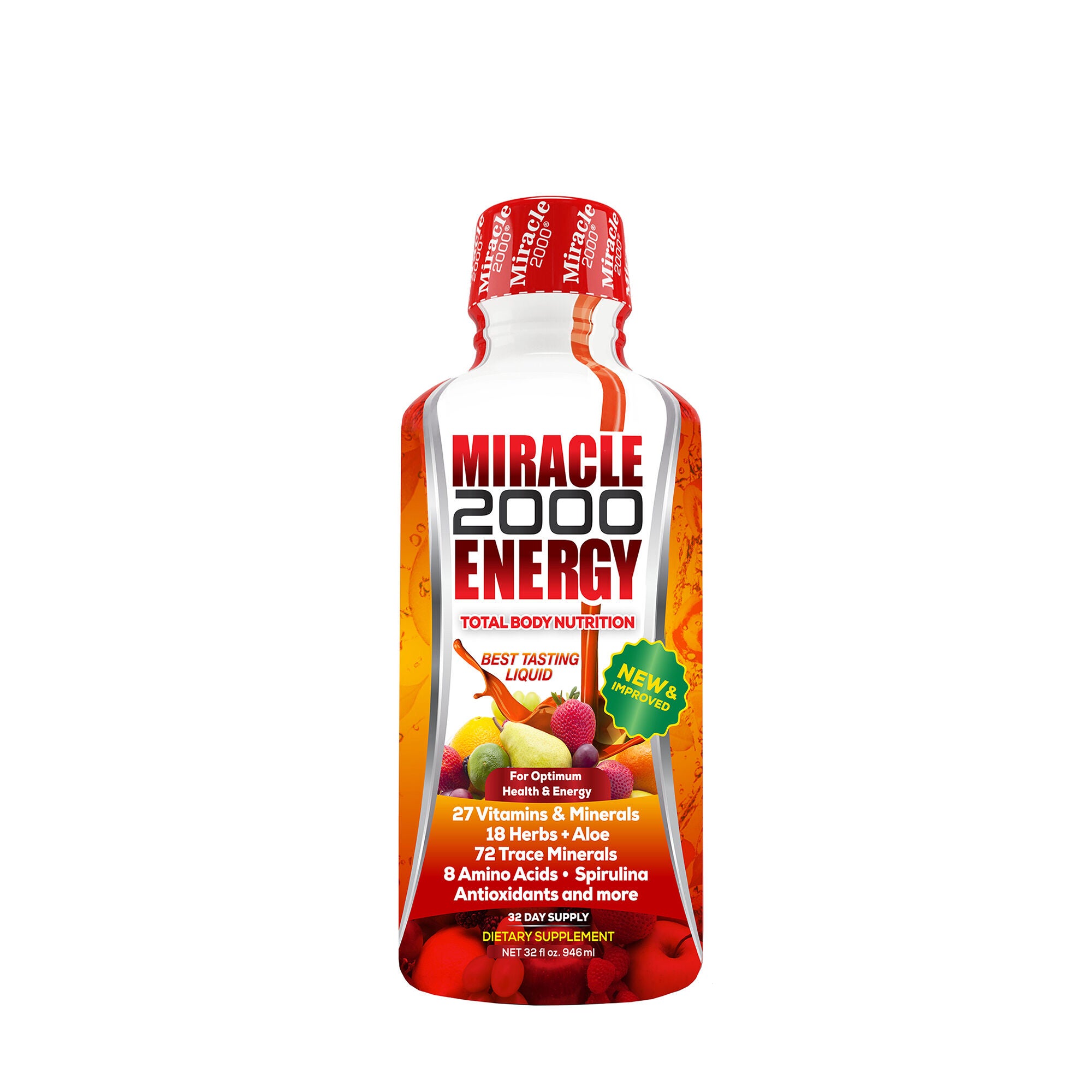
Within liquid sports nutrition, the ingredient panel helps distinguish formulas that otherwise look similar. Electrolyte blends commonly contain minerals such as sodium and potassium and may support hydration during exercise. The amount of each mineral varies by serving, so an electrolyte liquid should not be treated as interchangeable with every other flavored workout drink. Liquid glycerol formulas represent another part of the category and are often positioned around hydration and muscle fullness during training. Any potential effect depends on the formulation and its intended use; a thicker consistency does not by itself indicate a stronger formula. Amino acid liquids can contain different combinations and quantities of amino acids, while vitamin-containing liquids may be designed around broader nutritional needs rather than a particular workout. Caffeine-containing formulas may support alertness, but caffeine content deserves its own comparison rather than being inferred from words associated with sports or energy. Some liquid fitness supplements contain no caffeine, making that label detail relevant when comparing options for an evening gym visit with those intended for an earlier session. Coffee, tea, and other supplements can also contribute caffeine to a daily routine. Clearly stated ingredient amounts make it easier to understand what is in each serving and recognize overlapping ingredients across different formulas. For shoppers comparing an adjacent category, Liquid Focus Supplements offers another way to explore liquid formats with a different intended emphasis. The same distinctions still matter: serving size, caffeine content, ingredient amounts, and directions are more informative than a shared flavor or bottle shape. Sugar, calories, sweeteners, and allergen statements are also relevant to personal preferences and dietary requirements. A sweet-tasting formula is not necessarily high in sugar, and a fruit flavor does not establish that fruit juice is a primary ingredient. Reading the ingredient list alongside the nutrition or supplement information provides a clearer picture of the formula without relying on assumptions about its name, color, or taste.
Everyday fit often comes down to preparation, packaging, and storage as much as ingredients. A compact, individually portioned container may suit someone who packs a gym bag the night before, while a larger bottle with a measured serving may make more sense for mixing drinks at home. A concentrated format may reduce the amount of liquid carried before mixing, but it still requires access to the water specified on the label. For a commuter changing into workout clothes after work, that could mean preparing a drink before leaving home rather than measuring a serving in a crowded locker room. For a weekend walk or an indoor cycling session during the cooler months, the relevant considerations include session length, access to water, flavor preference, and the formula’s labeled purpose. Bottle materials and closure styles vary, and packaging intended for a single serving differs from a container meant to be opened repeatedly. A secure cap and upright storage are useful considerations for a bag that also holds clothing, headphones, and a towel. The bottle’s stated capacity matters when a concentrate requires dilution, particularly if ice will take up some of the space. Measurement markings or the supplied measuring device may make preparation more consistent than estimating a pour. Care instructions deserve attention after opening: some formulas call for refrigeration, while others specify storage away from heat or direct sunlight. The printed date and any directions about use after opening provide the relevant boundaries for storage; appearance alone is not a reliable basis for judging suitability. Reusable mixing bottles also need regular washing according to their care instructions, including the lid and any removable seals. A gift for a fitness-minded adult requires more personal knowledge than choosing a favorite flavor, since ingredient preferences, dietary restrictions, and familiar routines all matter. Whether the setting is a home workout space, a neighborhood gym, or an outdoor route, a thoughtful choice starts with a clearly labeled formula, manageable preparation, and an intended use that matches the occasion.