Liquid Hydration Boosters For Adults
(0 Results)
Liquid hydration boosters for adults are a convenient way to help support your daily hydration routine. With a variety of flavors and formulas available, these options may offer an easy addition to your water bottle or favorite beverage. Whether you’re looking to stay refreshed during workouts or throughout a busy day, liquid hydration boosters for adults could be a simple solution to help you meet your hydration goals. Explore different choices to find the one that fits your lifestyle.
-
-
 Instant Hydration$19.99
-

-
-
 $34.99
-

-
 Instant Hydration$19.99
-

-
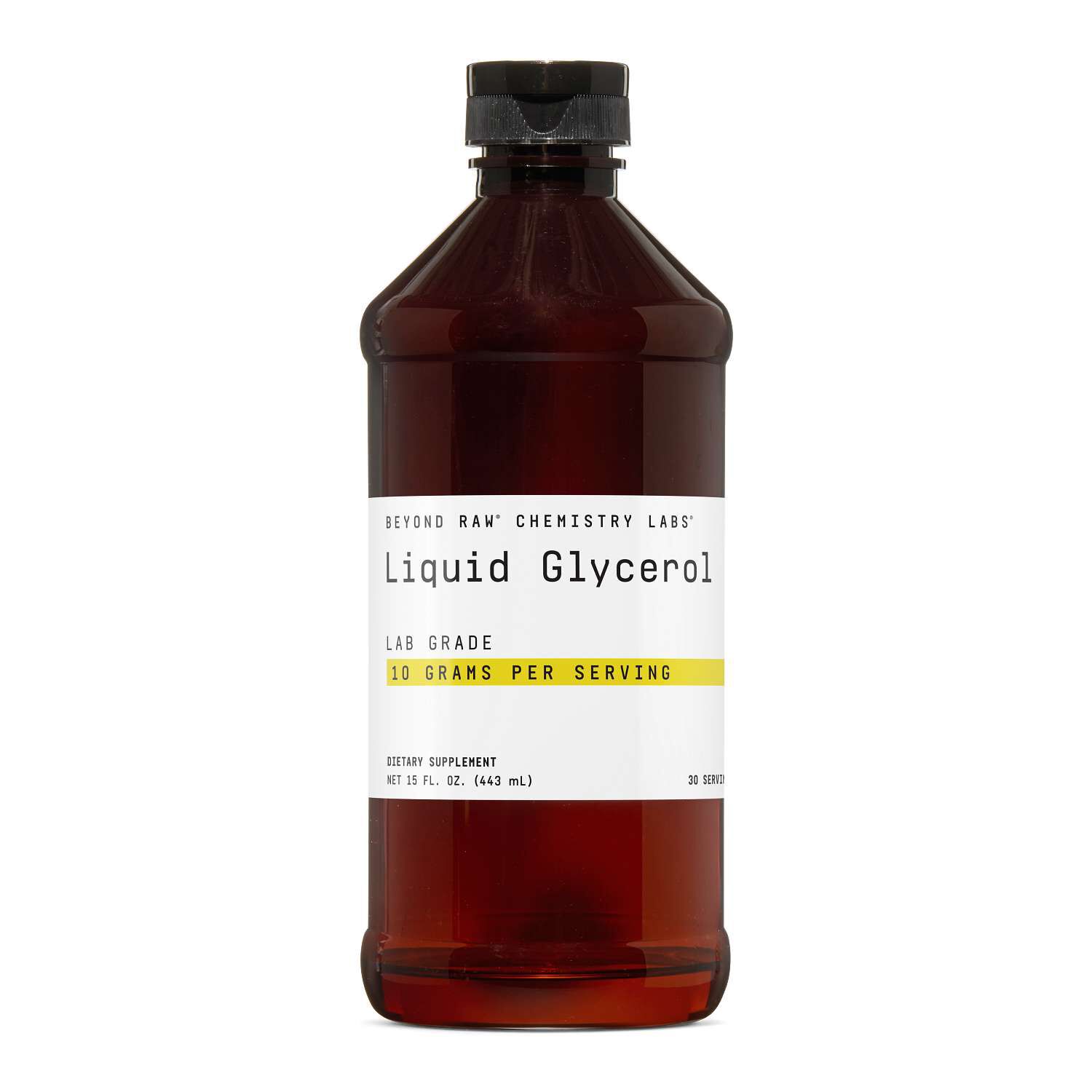 $29.99
-

-
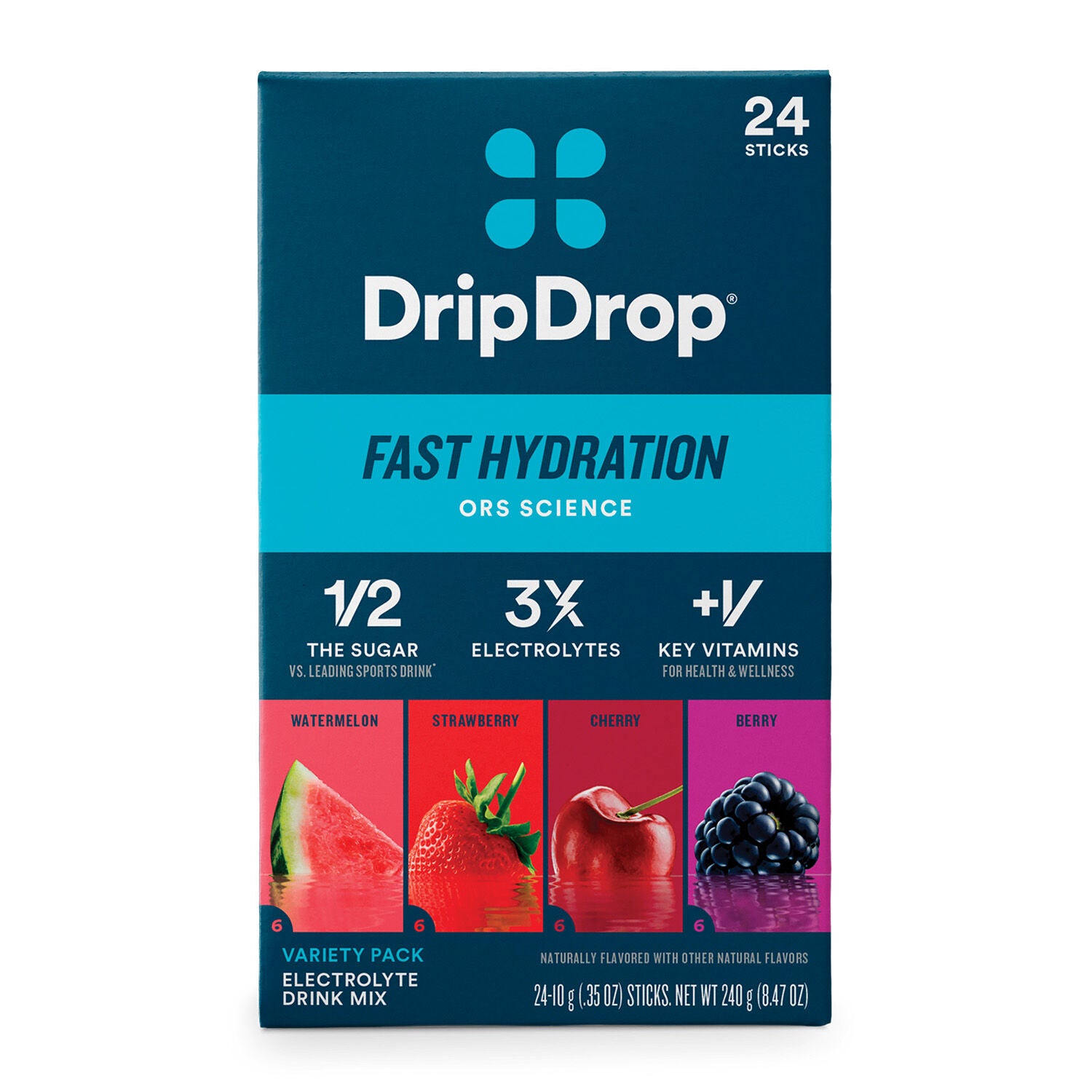 $26.99
-
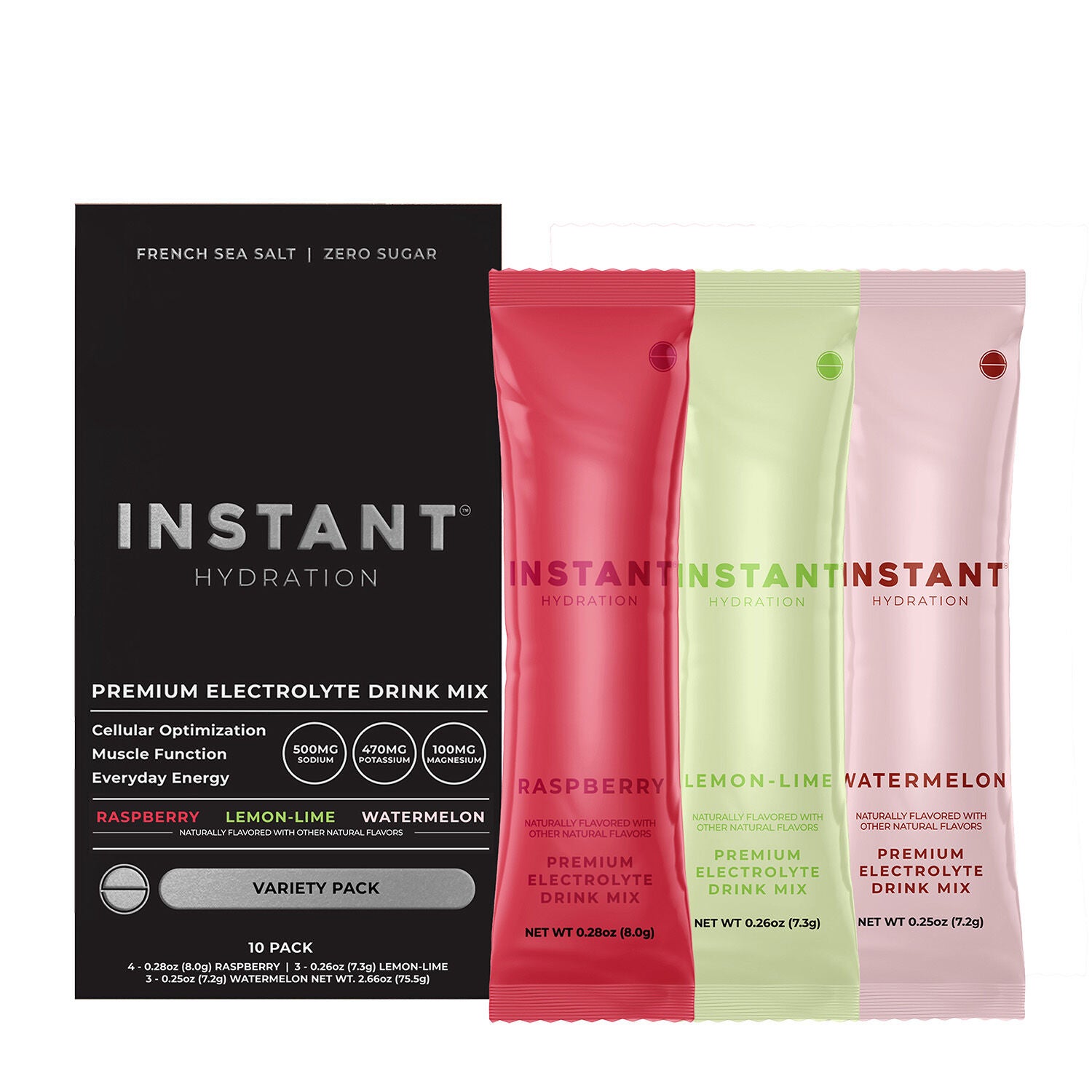 Instant Hydration$19.99
-
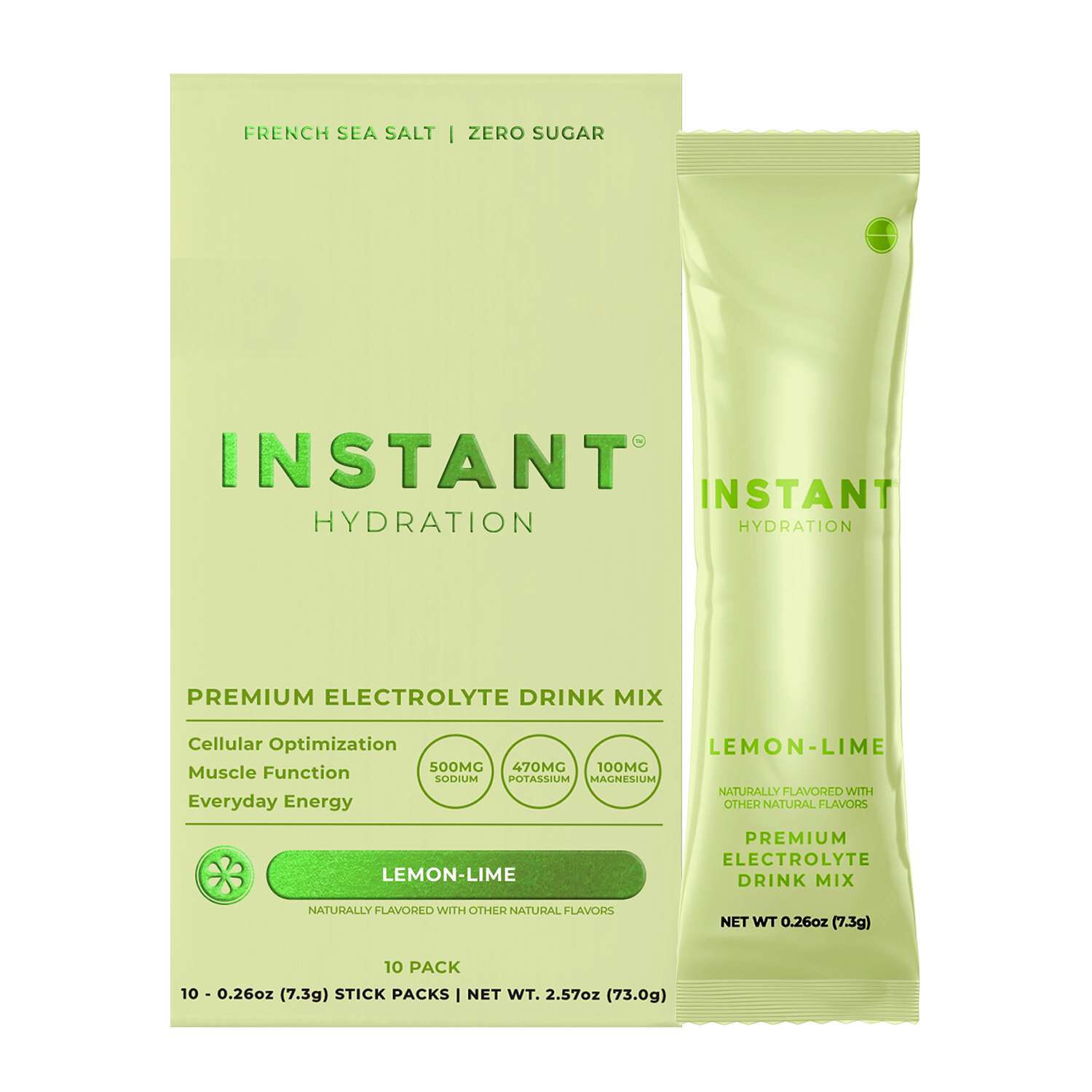 Instant Hydration$19.99
-
 $34.99
-

-

-
-
 Instant Hydration$19.99
-
 $24.99
-
 Axe & Sledge Supplements$29.99
-

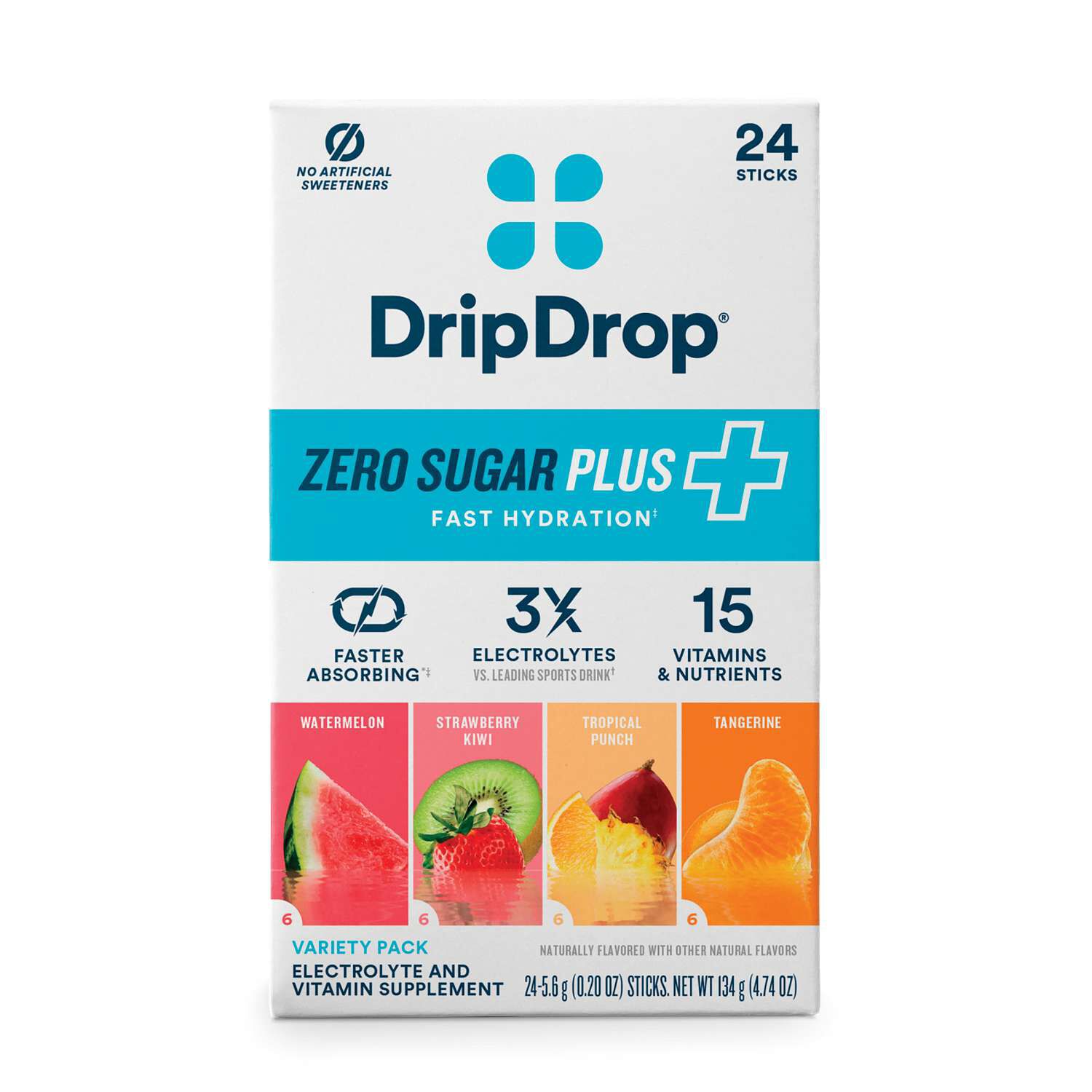
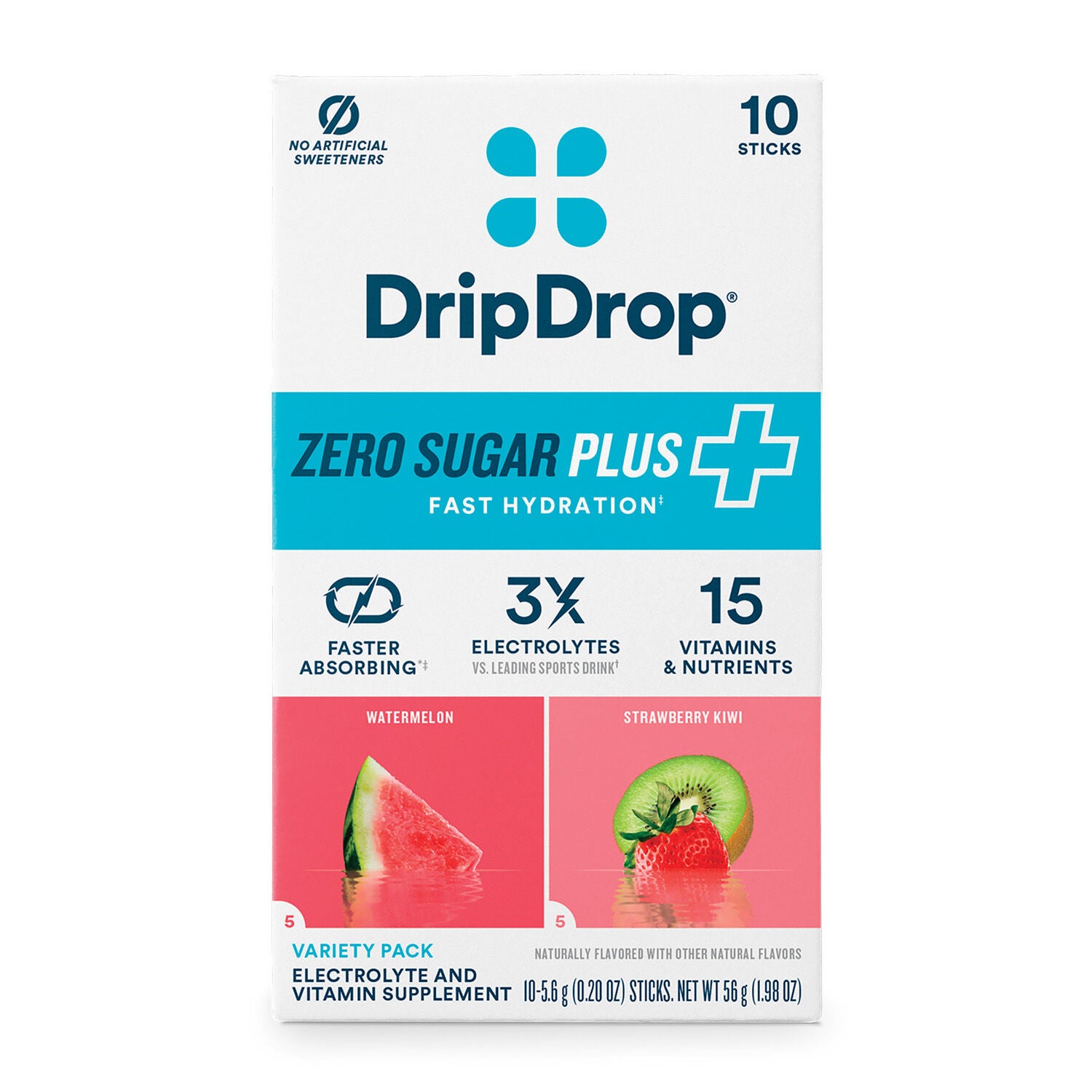
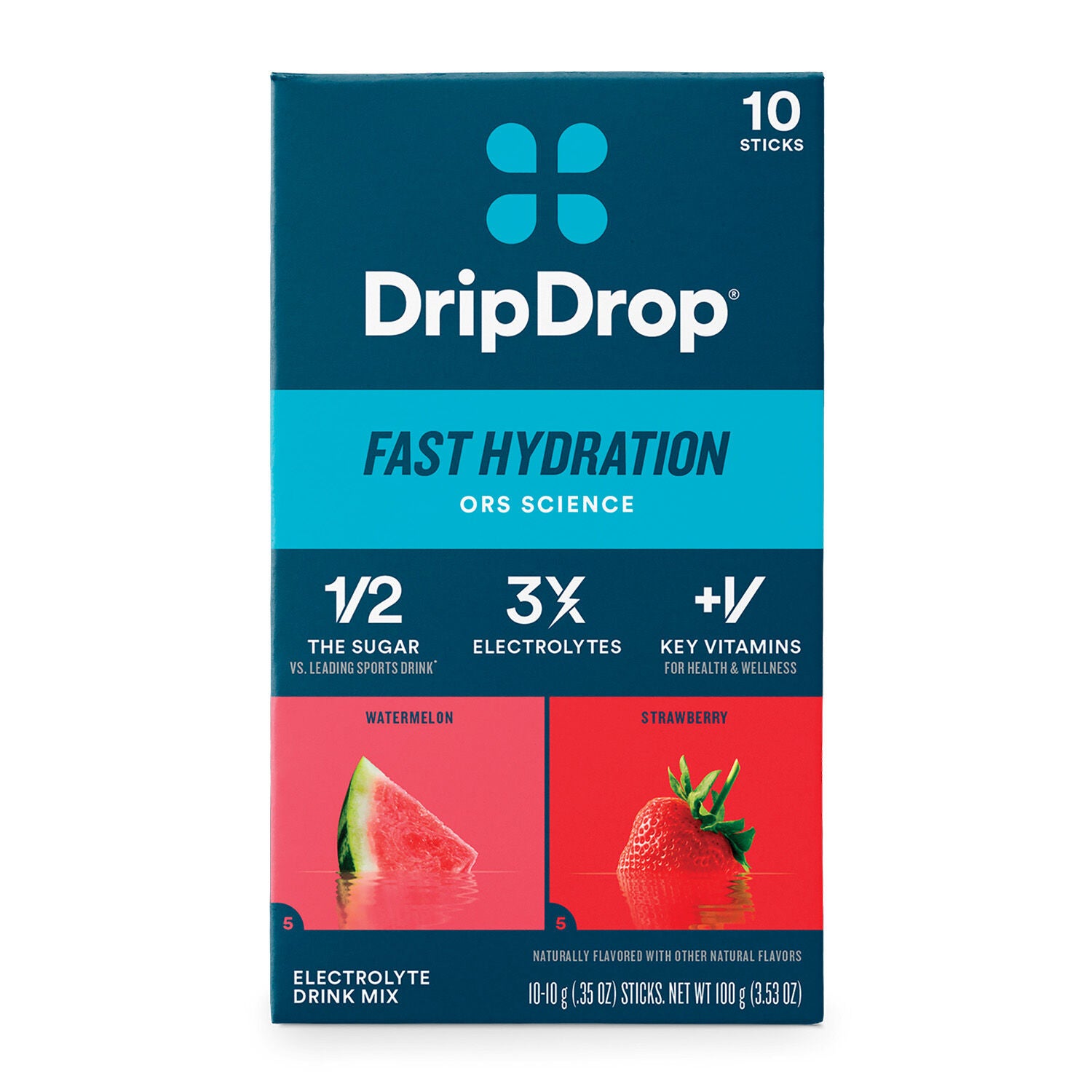
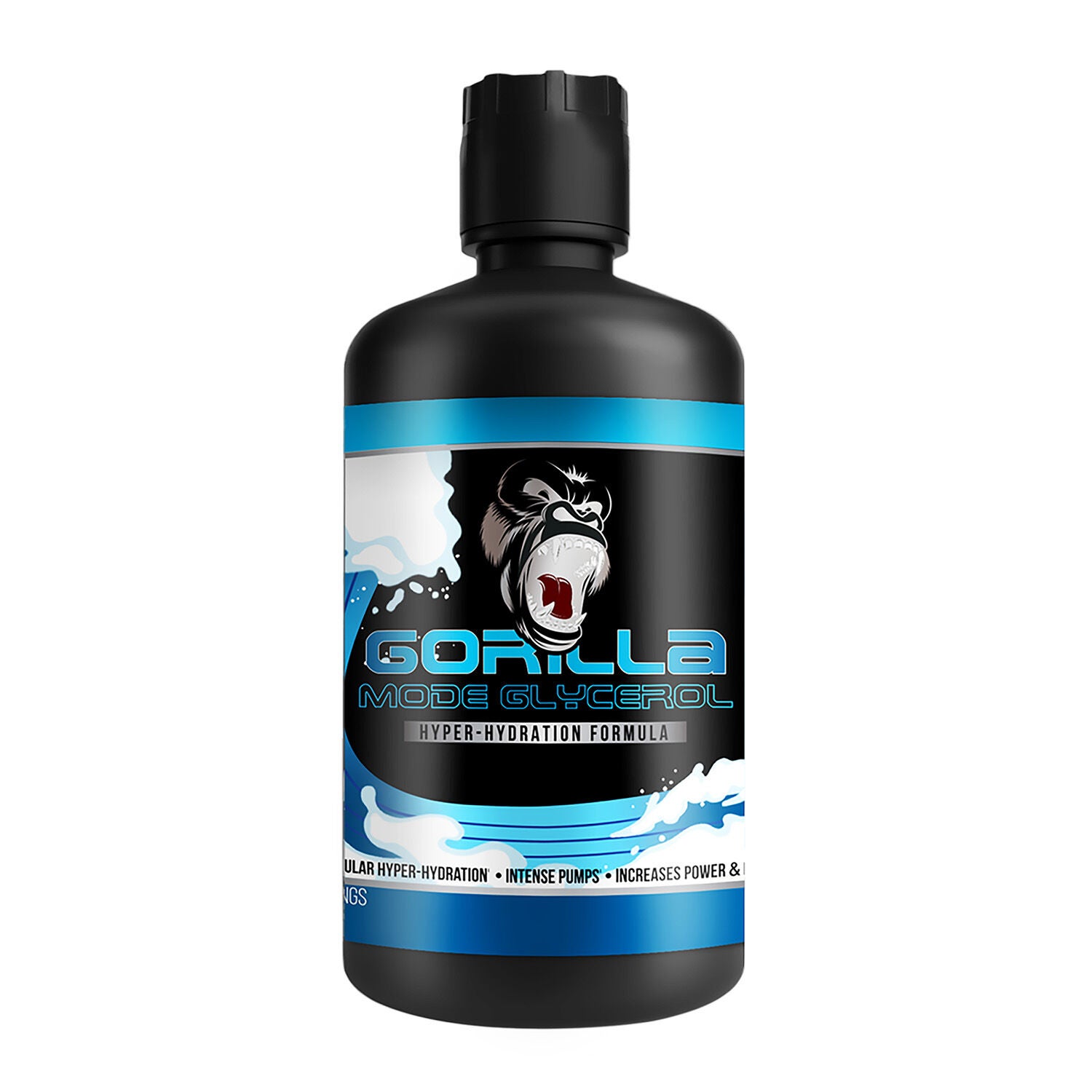
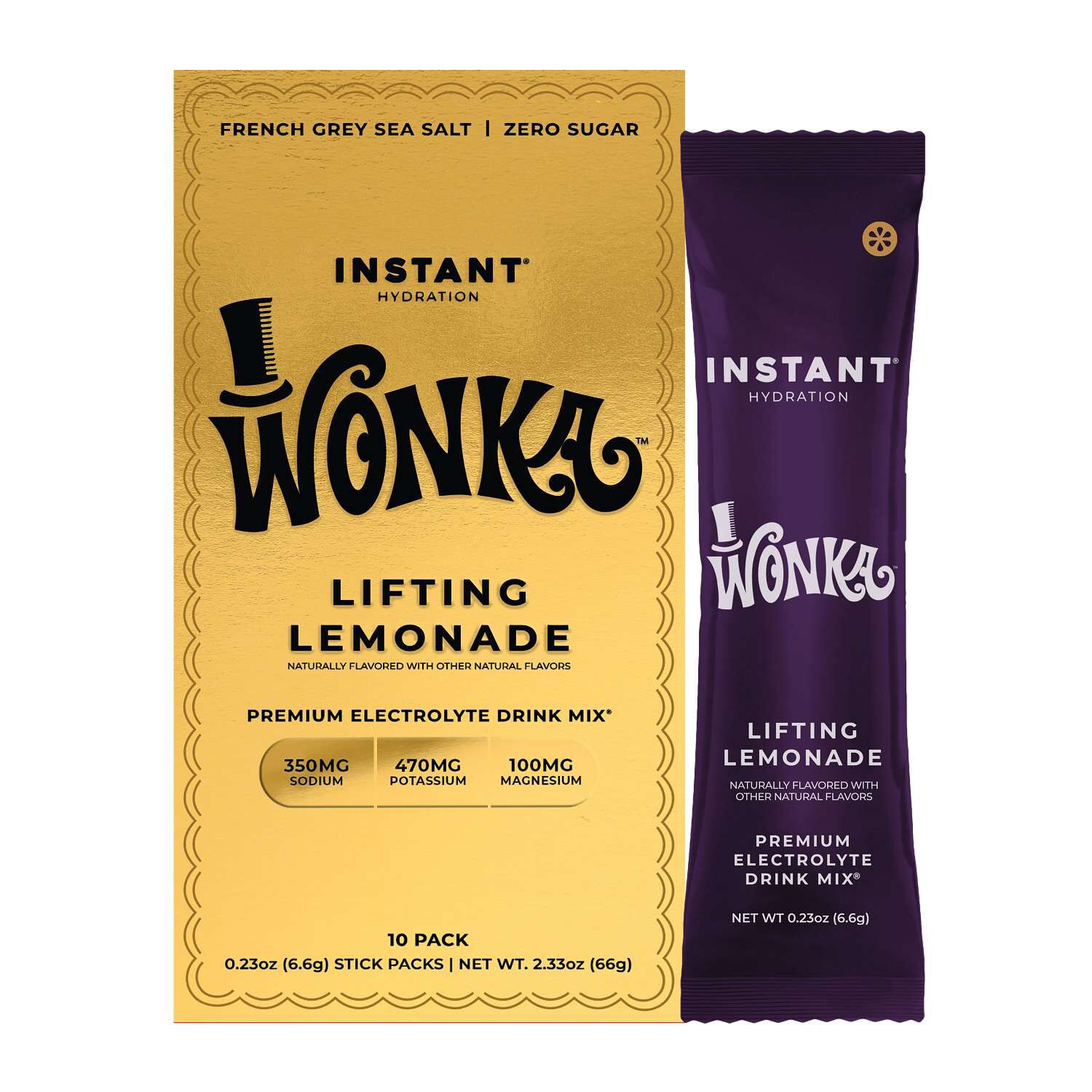
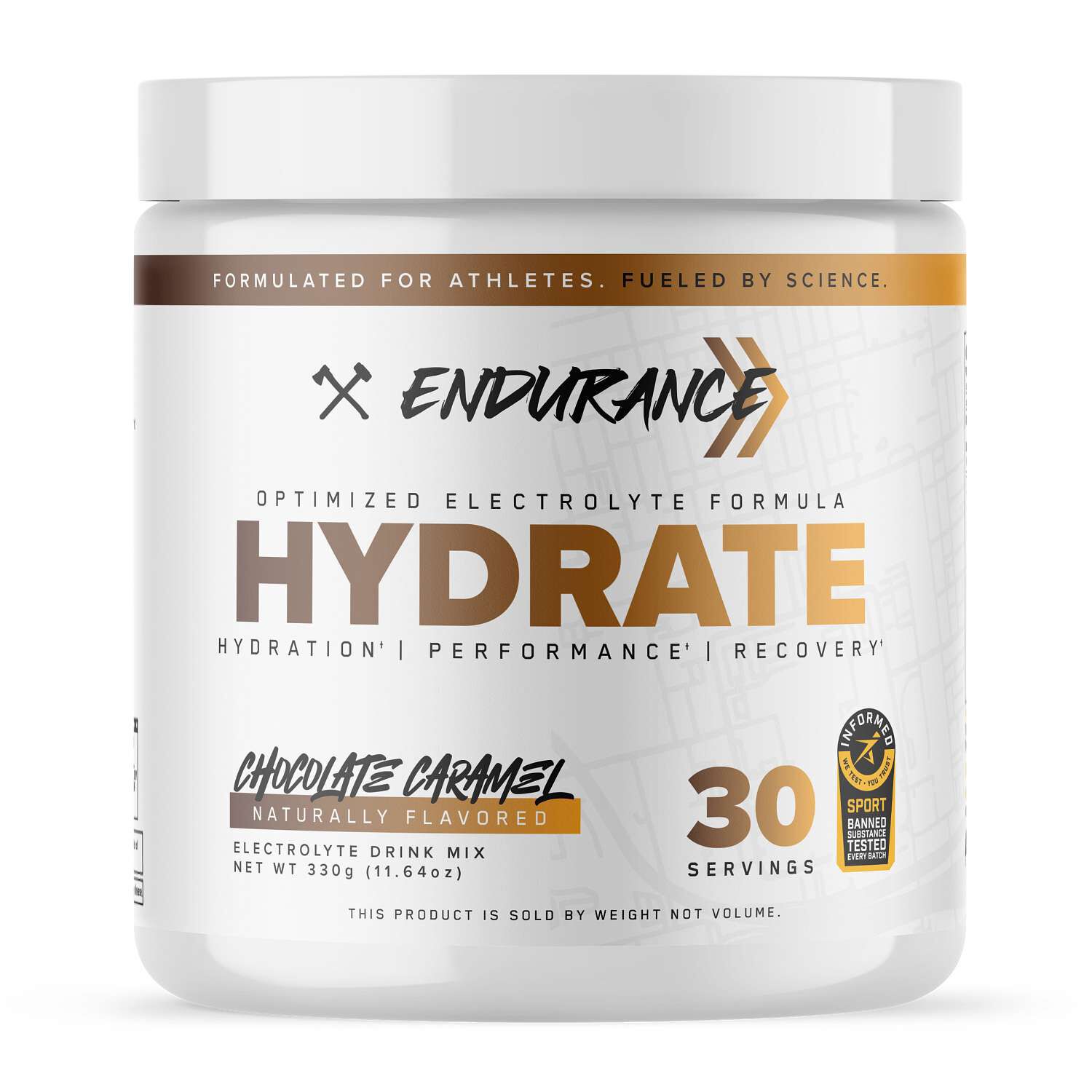
Liquid hydration products for adults include ready-to-drink beverages, concentrated liquids, and measured drops designed to be added to water. The broader category also includes drink mixes that become liquid beverages after preparation, so the format is worth checking when comparing options. A small bottle of concentrate serves a different purpose from a beverage that is ready to open and sip, while an individually portioned mix offers another approach to packing a drink for the day. These products may support hydration during everyday routines, exercise, or travel, with ingredients and serving directions that vary by formula. Many feature electrolytes such as sodium and potassium, and some include magnesium, carbohydrates, vitamins, or other added nutrients. Electrolytes are minerals; their presence does not mean every formula contains the same combination or amount. Reading the ingredient list alongside the Nutrition Facts or Supplement Facts panel gives a clearer picture of what each serving contains. Sugar content is another meaningful distinction. Some formulas contain sugar, while others use alternative sweeteners or have no added sugar. Those descriptions are not interchangeable, and the nutrition panel provides more detail than a flavor name or front-label description alone. For adults who prefer a familiar drink, citrus, berry, and tropical flavors offer different starting points. Lemon and lime profiles often lean tart, berry blends tend toward a sweeter impression, and tropical combinations may feature fruit notes such as pineapple or mango. Electrolyte ingredients may also contribute a salty note, making flavor balance an important part of the drinking experience. A lightly flavored concentrate might suit someone who enjoys water with a subtle fruit taste, while a fuller-flavored beverage could appeal to someone who prefers a more pronounced sip. Texture matters, too: a ready-to-drink liquid, diluted concentrate, and mixed powder may feel different in the mouth. Looking at preparation requirements, ingredients, and flavor together makes the category easier to understand without treating every hydration product as the same kind of beverage.
The practical fit of a liquid hydration product often comes down to where it will be used and how much preparation that setting allows. At a desk, a multidose concentrate and a reusable bottle might fit neatly beside a keyboard, with the product stored according to its packaging instructions between uses. For a gym bag, a securely closed container and a clearly marked serving measure could make preparation more convenient. On a commute or a day of errands, a ready-to-drink format might suit someone who would rather avoid measuring and mixing. Concentrated products require attention to dilution: the amount of liquid concentrate and the amount of water should follow the directions for that formula rather than a ratio borrowed from another product. Some packages measure a serving in drops, others use a cap or another marked measure, and individually portioned formats have their own instructions. A bottle with visible volume markings may make it easier to match the specified water amount. The finished drink’s sweetness, tartness, and mineral taste may vary with dilution, so following the stated proportions is a useful starting point for the intended flavor. Stirring or shaking should also follow the package directions, with enough room in the drinking container for any recommended mixing. Container design deserves attention alongside the formula itself. A compact package might fit a work tote, but the closure needs to remain secure when carried as directed. A measuring cap should stay with its original container, and an applicator or dropper should be handled according to the product’s instructions. Glass, stainless steel, and plastic drinking bottles each have their own care requirements; compatibility with the chosen beverage and cleaning method should be checked with the bottle manufacturer. After use, cleaning the drinking container according to its care directions may help keep lingering flavors from carrying into the next beverage. Storage requirements also vary, particularly after opening, so the package is the best reference for refrigeration instructions, closure guidance, and the period of use after opening.
Choosing among adult liquid hydration options also involves matching the formula to personal preferences rather than focusing only on the package format. An adult who already enjoys plain water might prefer a product with a restrained flavor and a short ingredient list. Someone who likes a sweeter beverage could favor a fruit-forward formula, while another person might look closely at the type of sweetener used. For an exercise routine, serving size, carbohydrate content, electrolyte amounts, and preparation requirements are useful comparison points. For everyday use, the same details matter, along with whether the product includes caffeine or additional vitamins and minerals. Added ingredients are not identical across the category, and more ingredients do not automatically make a formula a better match for a particular routine. The declared amount per serving provides more useful information than simply noting that a nutrient appears somewhere on the label. When comparing a concentrated liquid with a ready-to-drink beverage, it also helps to distinguish the quantity in the package from the serving used to prepare or consume a drink. A small concentrate bottle may contain several servings, while a larger beverage container may have a different serving arrangement; the label clarifies both. Adults interested specifically in liquid formats may also explore Hydration Support Liquid Supplements for a related view of the category. Familiar routines offer a practical way to think about fit: a drink prepared before leaving home, a bottle mixed beside a lunch container, or a beverage packed for a workout each calls for a different balance of portability and preparation. As a gift, a hydration product might suit an adult who enjoys fitness accessories or regularly carries a reusable bottle, provided the flavor and ingredient preferences are already known. For personal use or gifting, clear directions, readable serving information, and packaging suited to the recipient’s routine are meaningful details. The most suitable choice may be the one whose taste, format, and preparation requirements feel comfortable enough to use as directed within an established daily routine.