Magnesium For Workout Recovery
(0 Results)
Magnesium could be an essential component in your workout recovery routine, potentially aiding in muscle relaxation and reducing fatigue. As a vital mineral, magnesium might support energy production and help maintain normal muscle function, making it an excellent addition to any fitness regimen. Whether you're an athlete pushing your limits or simply looking to optimize your post-exercise recovery, exploring magnesium supplements may offer benefits that align with your health and wellness goals. Dive into how this powerhouse mineral might contribute to a more effective and efficient recovery process.
-
-
 459$24.99
 -
 Optimum Nutrition459$24.99
 -

-
-

-
 _Front.jpg?sw=305&sh=305&sm=fit "Magnesium: Bioactive Magensium Citrate - 120 Capsules (120 Servings) | GNC")
-
 _Front.jpg?sw=305&sh=305&sm=fit "Magnesium: Bioactive Magensium Citrate - 60 Capsules (60 Servings) | GNC")
-

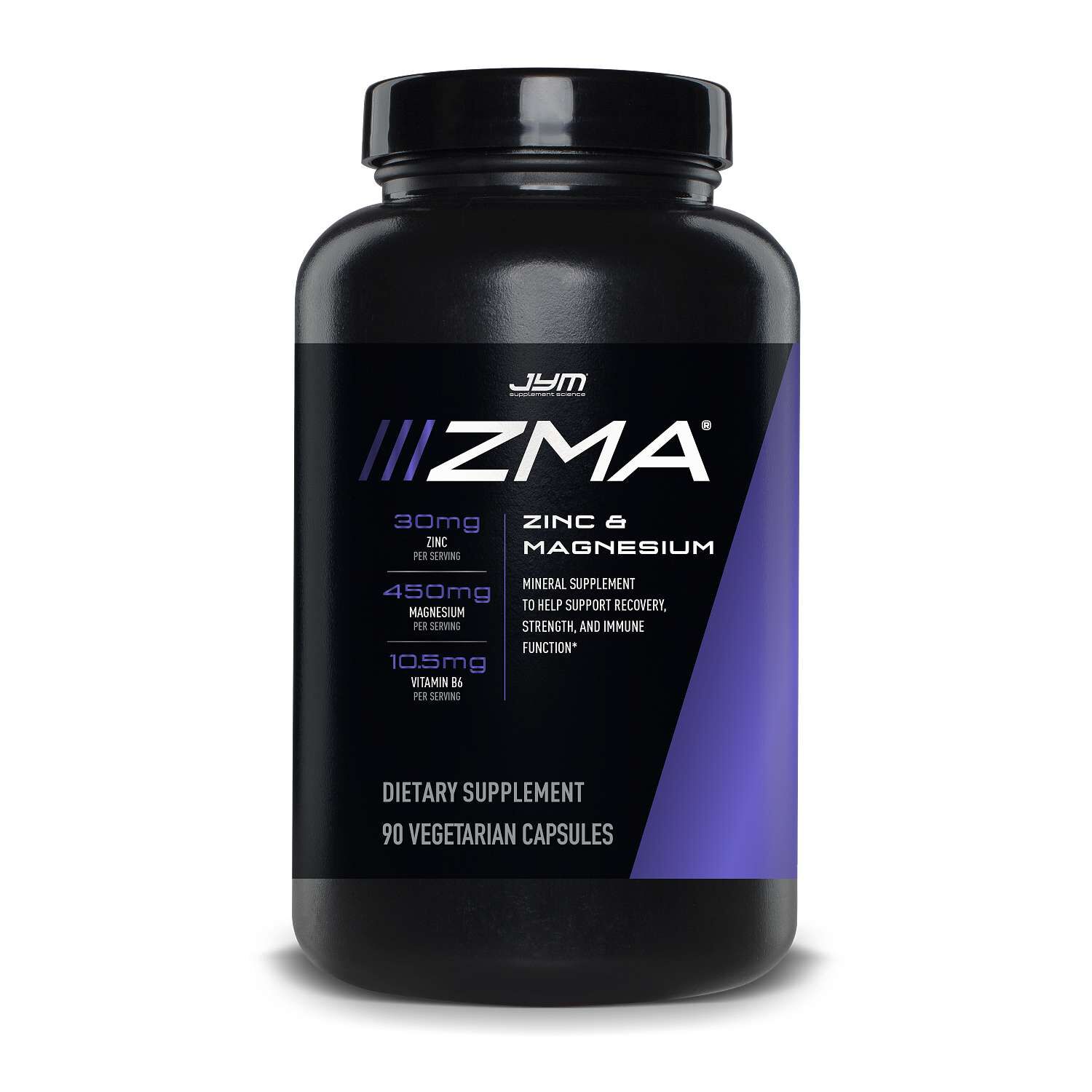
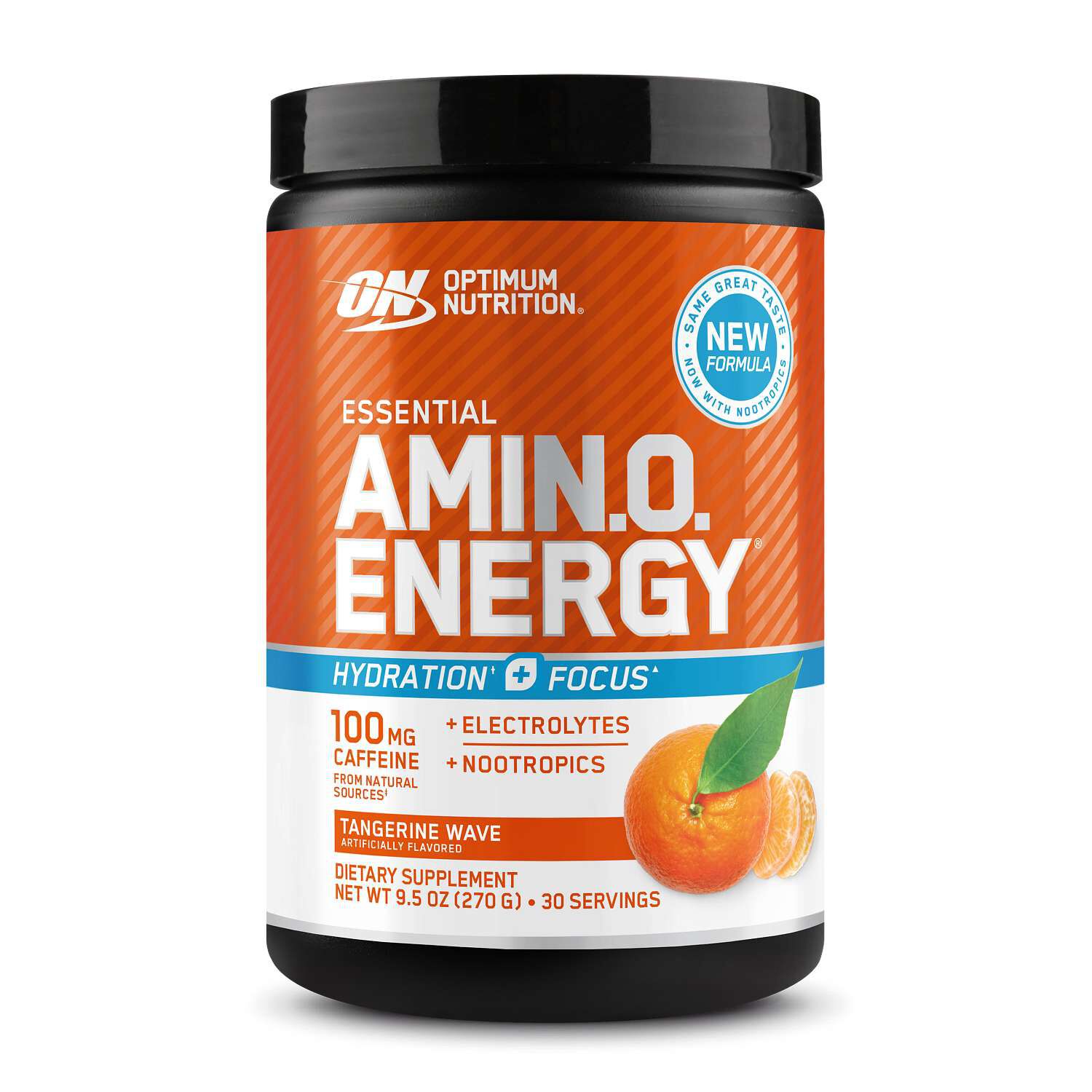
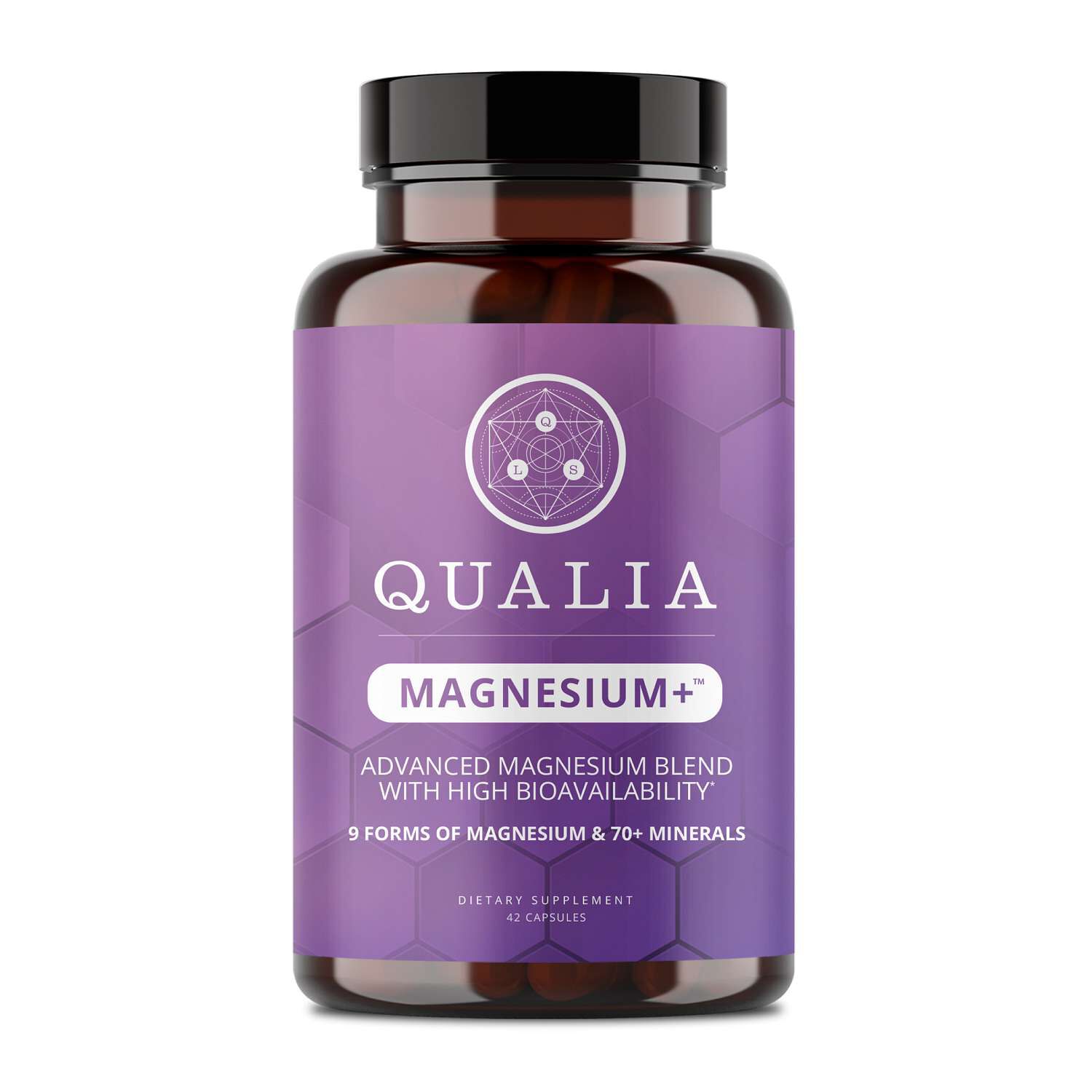
Magnesium is a mineral often included in workout routines because it may support normal muscle function, energy production and relaxation after physical activity. During a challenging session, muscles repeatedly contract and release while the body uses fluids and nutrients to meet increased demands. A magnesium supplement may fit into the recovery part of that routine, alongside a balanced eating pattern, hydration, stretching, mobility work and consistent rest. People who lift weights, run, cycle, attend group fitness classes or enjoy recreational sports may browse magnesium products when they want a simple addition to their post-training habits. It may also appeal to anyone whose routine changes with the seasons, such as someone moving indoor workouts to a home gym during cooler months or preparing for longer walks, hikes and training sessions as the weather shifts. Magnesium is available in several forms, and the right choice may depend on personal preferences, the rest of a supplement routine and how the product fits into the day. Magnesium glycinate is often selected for evening use and may suit shoppers looking for a gentle option that fits alongside a nighttime routine. Magnesium malate is paired with malic acid and may appeal to active adults who prefer to take their supplement earlier in the day. Magnesium citrate is another familiar form and may be chosen by shoppers who want a versatile option, although some people find that it can be more likely to loosen the stool, particularly when taken in larger amounts. Reading the Supplement Facts panel can help shoppers compare the amount of elemental magnesium, serving size, additional ingredients and suggested use. It is also helpful to consider whether a product includes other minerals, vitamins, herbs or flavoring ingredients already found elsewhere in a daily routine, since taking several overlapping products may not be necessary.
Timing can be shaped around the way magnesium fits into a person’s workout and evening habits. Some active adults may prefer taking it with a meal after training, while others may choose an evening serving as part of a wind-down routine. A person who trains before work might keep the supplement with breakfast; someone who works out after dinner may place it near a water bottle, journal or other bedtime cue. There is no single schedule that suits every shopper, and following the product label may help establish a consistent approach. People who are new to supplements may want to begin by reviewing the serving information rather than assuming that a larger amount is better. Food sources such as leafy greens, beans, nuts, seeds, whole grains and some dairy foods can also contribute magnesium to the daily diet, so the amount provided by a supplement is only one part of the overall picture. Anyone with a health condition, anyone who is pregnant or nursing, or anyone taking prescription or over-the-counter products may wish to speak with a qualified healthcare professional before adding a new supplement. This is especially relevant for shoppers who take products that must be separated from minerals or who have been given specific dietary guidance. Magnesium products are not a replacement for meals, fluids, a structured training plan or adequate rest. Instead, they may serve as one small, convenient piece of a broader routine. Shoppers building a pre-training regimen may also explore Pre-Workout For Muscle Recovery to compare options for different parts of the day, while keeping the label directions and their own tolerance in mind.
Magnesium can make a thoughtful gift for an active friend, training partner, college athlete, family member or coworker who enjoys keeping a gym bag ready. It may be especially practical for someone who has recently started strength training, joined a recreational league or created a more regular movement routine during the cooler months. A small supplement organizer, insulated water bottle, resistance band or soft towel could accompany a magnesium product as part of a considerate fitness-themed gift, although the recipient’s preferences should guide the choice. When selecting a product, shoppers may want to compare capsule, tablet, powder and liquid formats, since the easiest option to use is often the one that fits naturally into an established routine. Powdered formats may work well for someone who already mixes a post-workout drink, while capsules or tablets may be convenient for a desk drawer, travel bag or locker. Flavor, serving size, dietary preferences and added sweeteners can also influence the decision. A shopper seeking a simple formula may look for a short ingredient list, while another person may appreciate a blend that pairs magnesium with other nutrients used in an active lifestyle. Checking the package for allergen statements, storage instructions and serving guidance can make the purchase more personal and practical. Consistency may matter more than elaborate timing: taking a product as directed, eating regularly, drinking enough fluids and allowing muscles time to rest could help create a steady recovery ritual. Whether it sits beside a morning coffee, follows a late afternoon training session or becomes part of a quiet evening routine, magnesium may offer a convenient way to organize one more intentional step around exercise and rest.
Best Sellers
-
 Rho Nutrition
 -
 Qualia Life Sciences