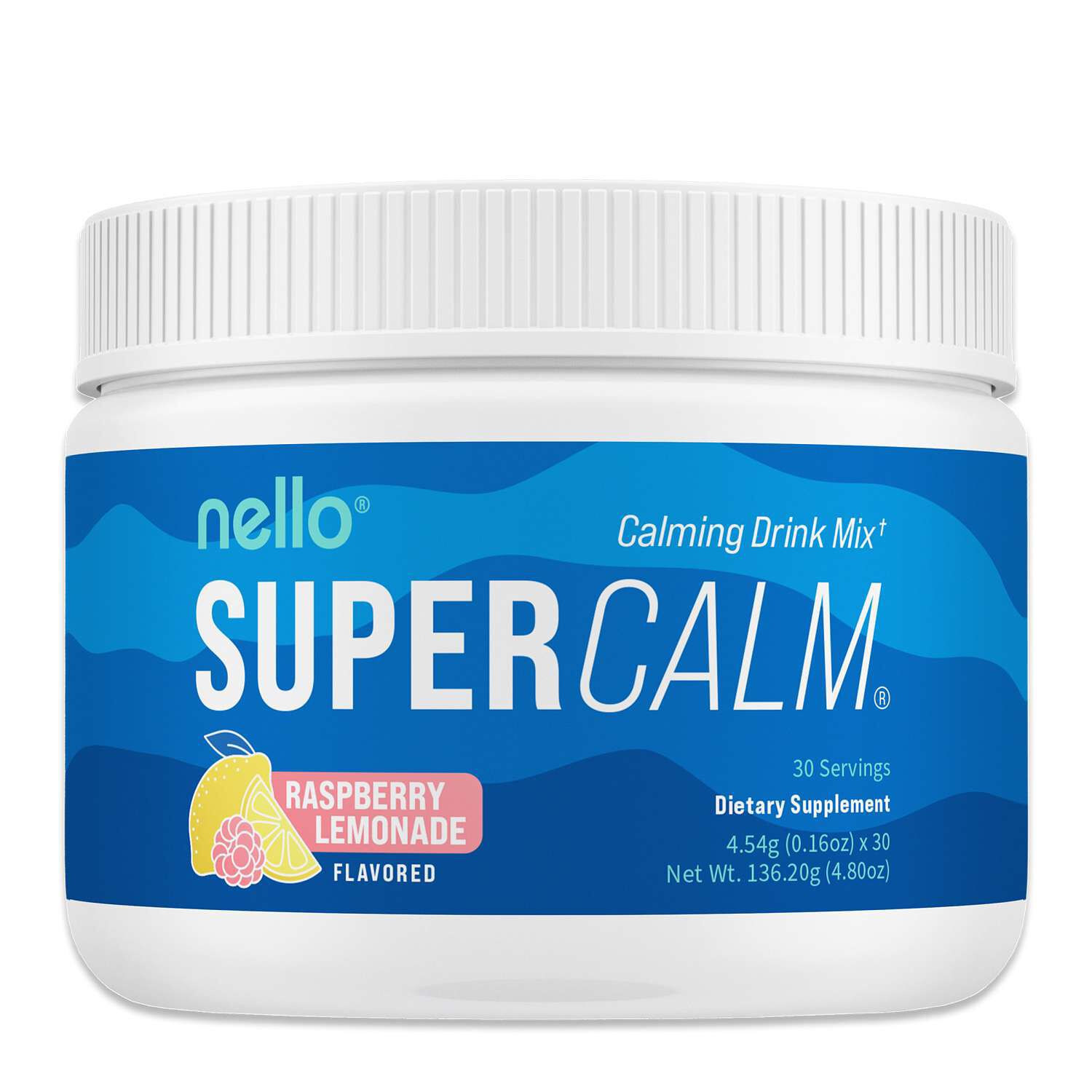
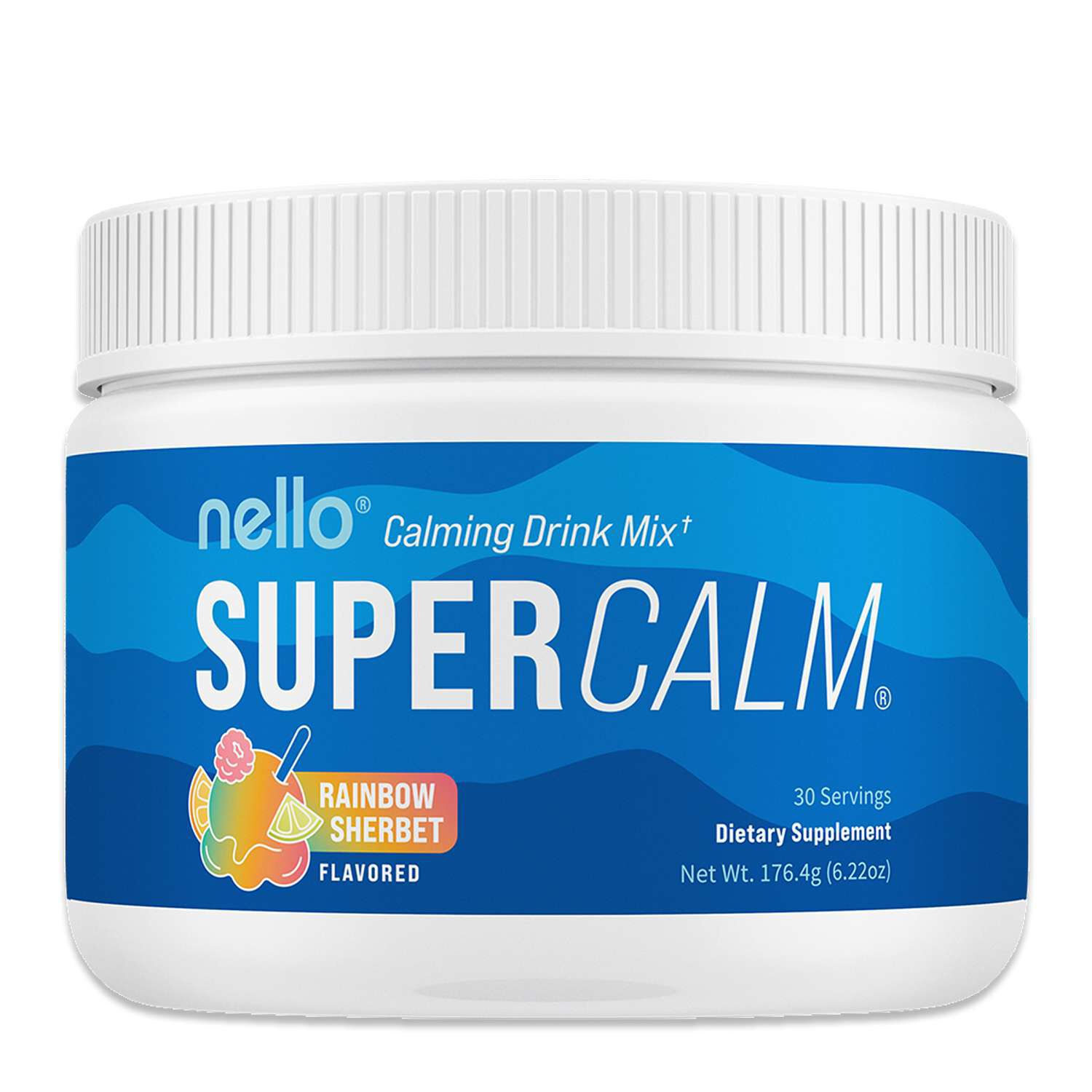
Magnesium Glycinate Capsules For Overall Wellness
(0 Results)
Magnesium glycinate capsules for overall wellness are a popular choice for those looking to support their daily routine with a convenient supplement option. Known for their gentle formulation, these capsules may fit seamlessly into an active lifestyle. Explore a range of magnesium glycinate capsules for overall wellness and discover how they might complement your balanced approach to health.
-
-
-
-

-

-
-

-

-

-

-

-

-

-
-
 $29.99
-
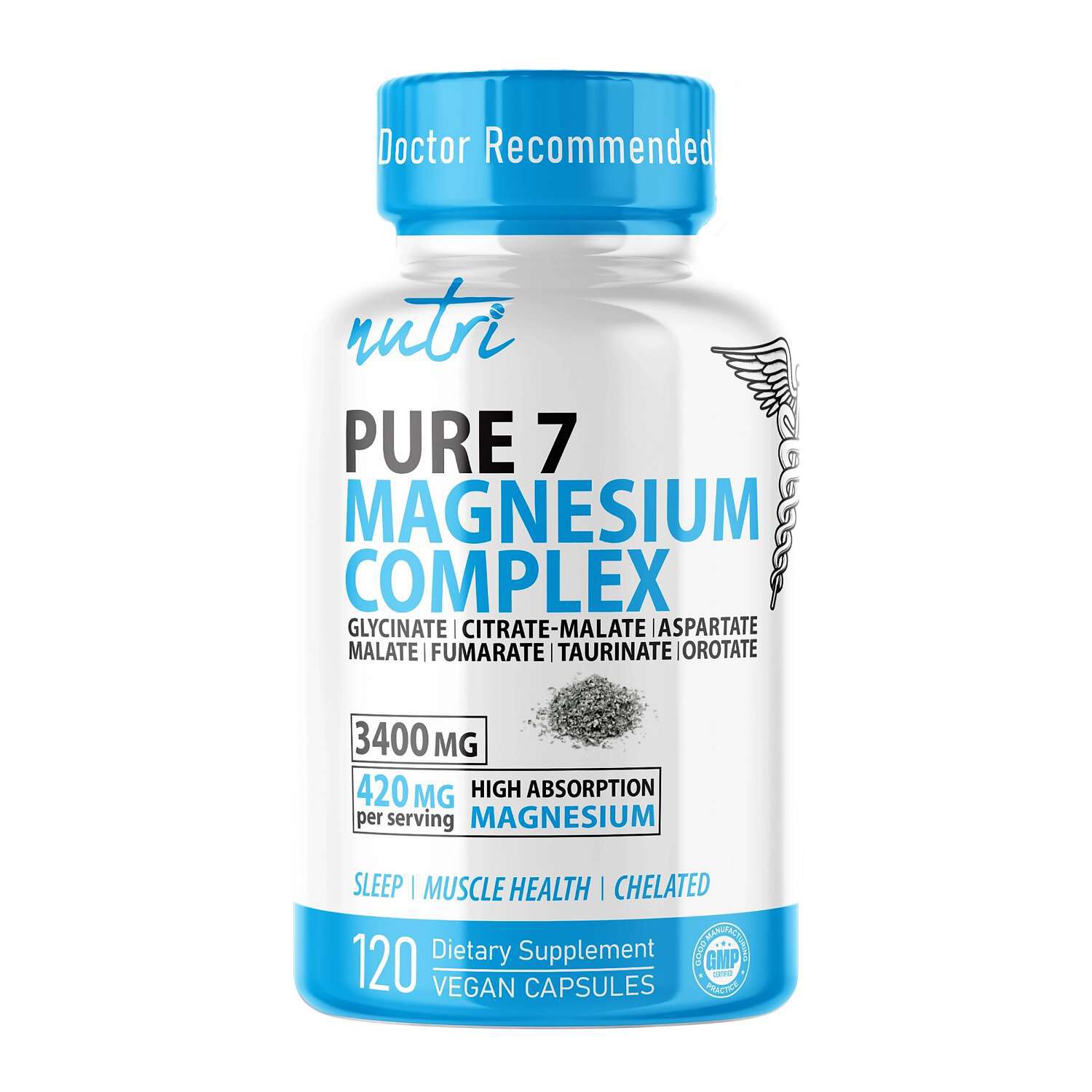 Nature's Fusions$29.99
-
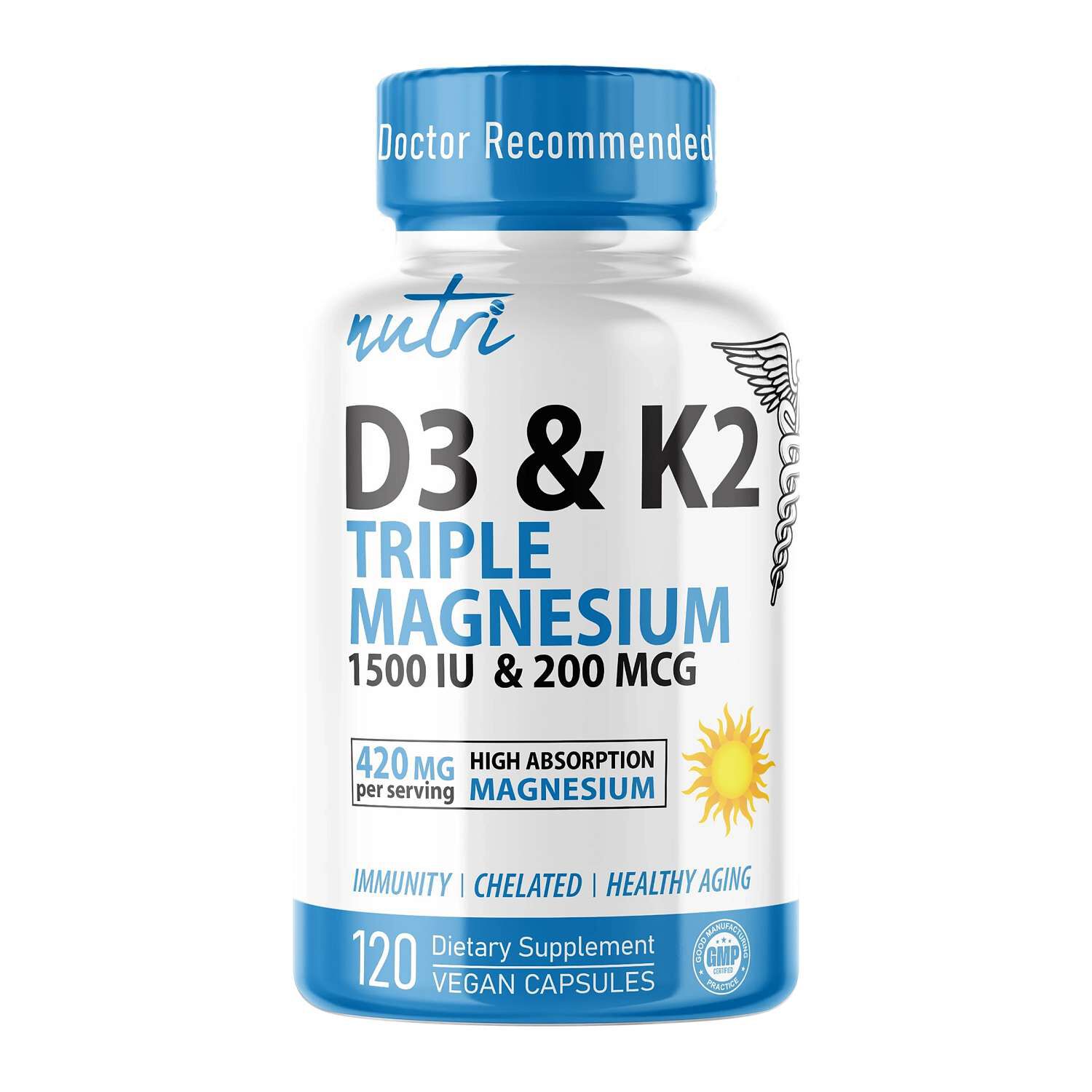 Nature's Fusions$29.99
-
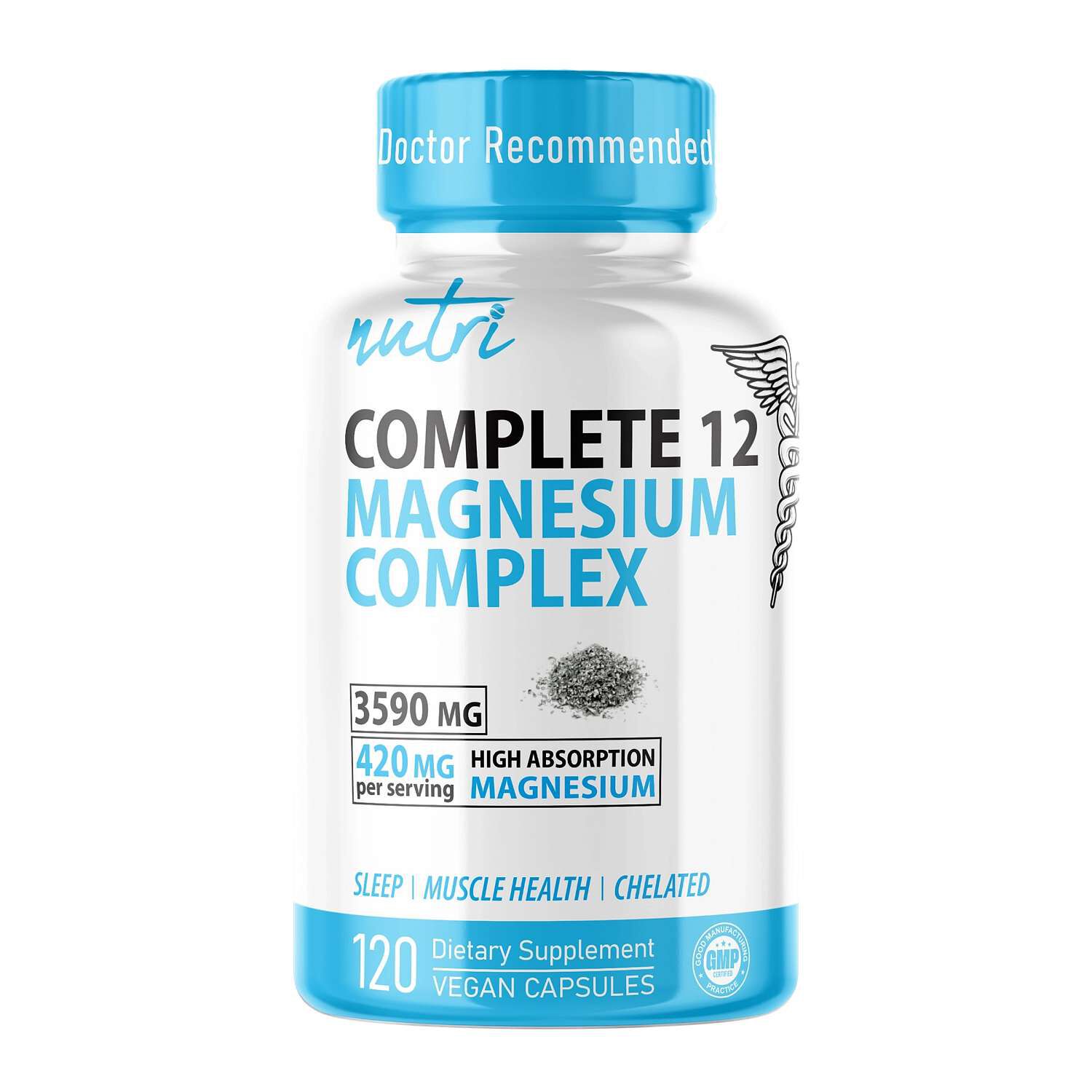 Nature's Fusions$31.99
-
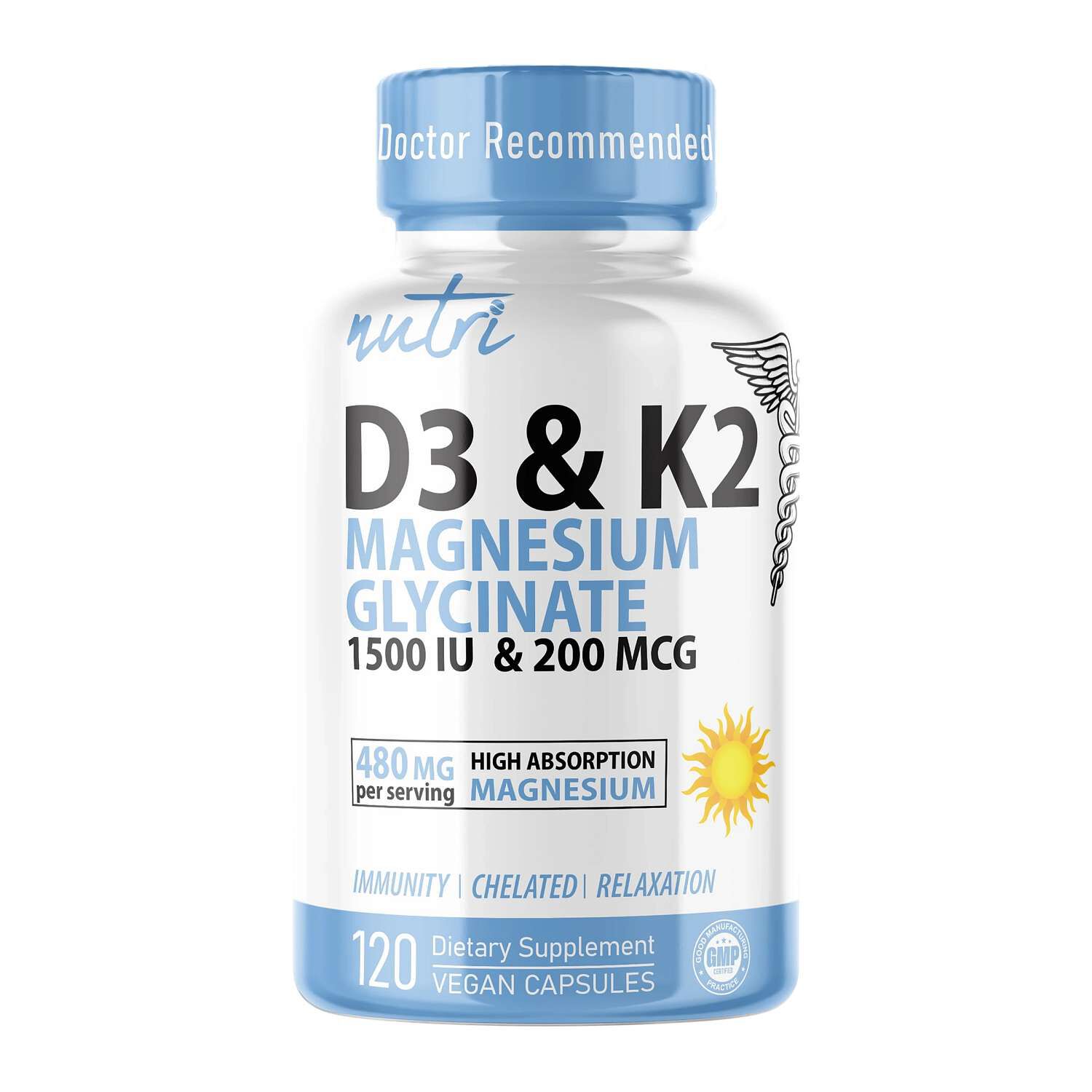 Nature's Fusions$29.99
-
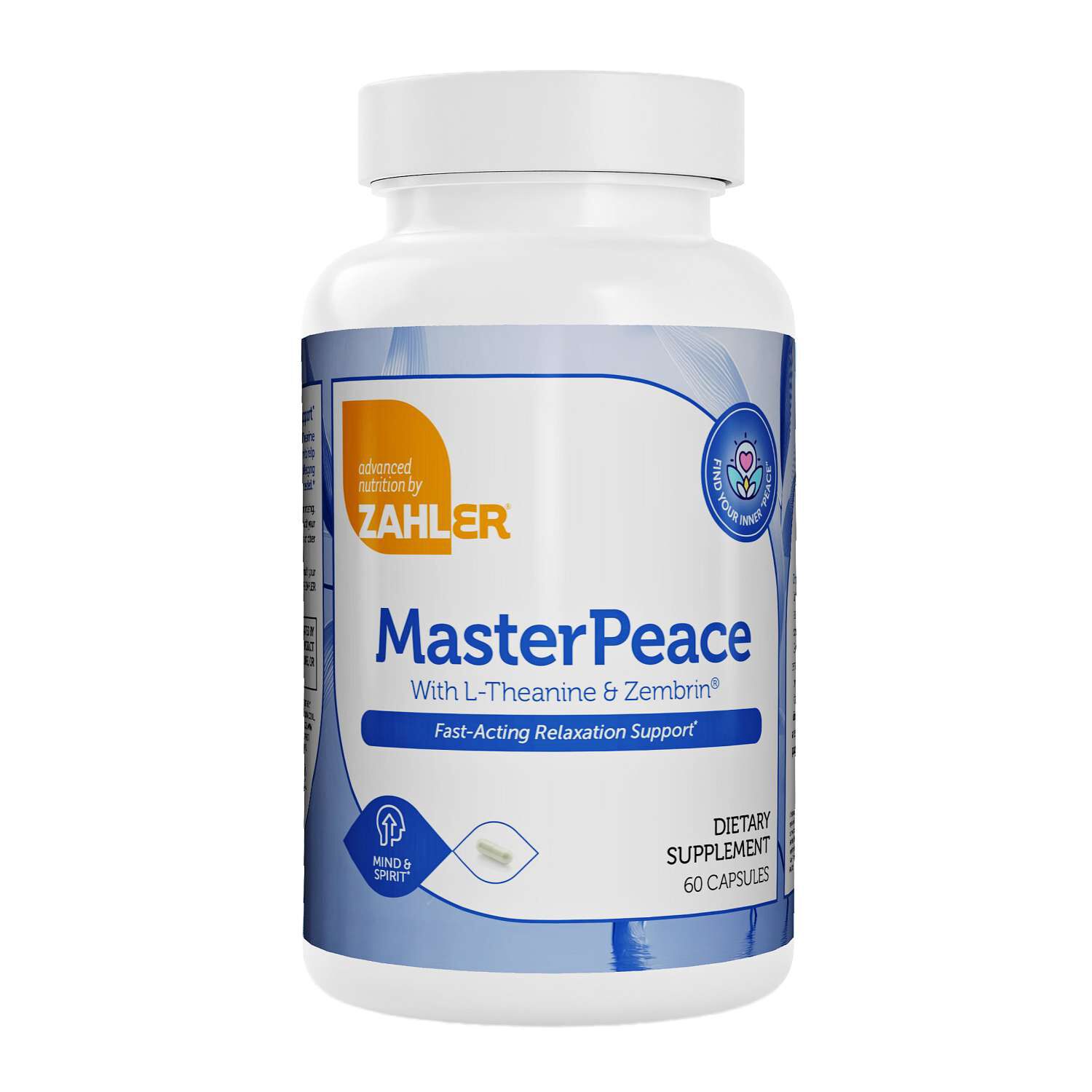 $49.99
-
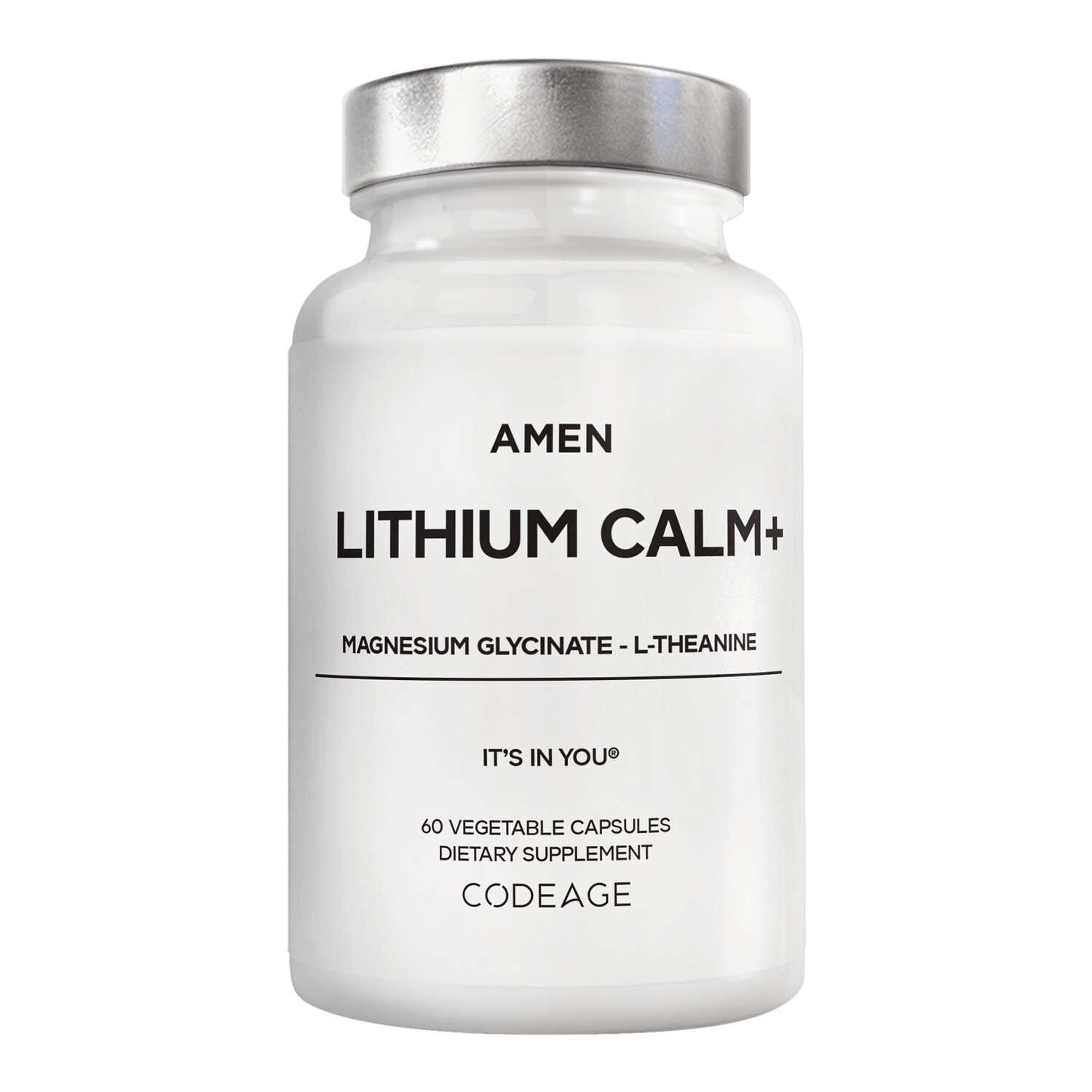 $29.99
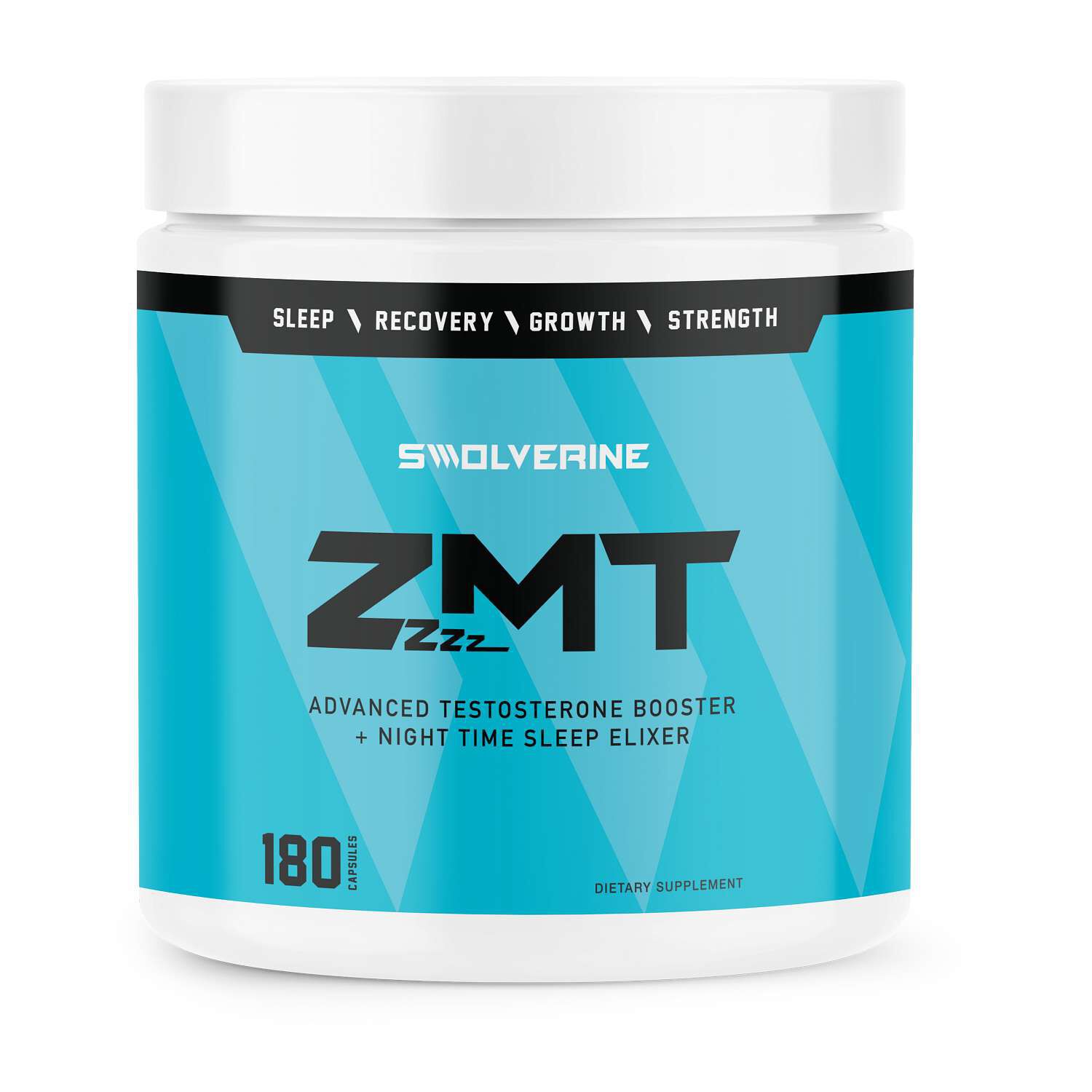
Magnesium glycinate capsules for overall wellness bring together a specific mineral form and a familiar supplement format. Magnesium glycinate is magnesium bound to glycine, an amino acid; the term “chelated” describes this binding. Some labels also use the name magnesium bisglycinate. These details help identify the ingredient, but the name on the front of a bottle is only part of the picture. The Supplement Facts panel shows how much magnesium a serving provides, which magnesium sources are included, and how many capsules make up that serving. For adults interested in adding a magnesium supplement to an established wellness routine, those distinctions make comparisons more meaningful than a large number printed on the package. Capsules may appeal to people who prefer a format that requires no measuring, mixing, or flavored beverage. They also offer a different experience from powders, gummies, and tablets, with their own considerations around capsule dimensions, shell ingredients, and serving size. Magnesium occurs naturally in foods such as beans, nuts, seeds, whole grains, and leafy greens, while supplements provide another source in a packaged format. A supplement may complement a varied eating pattern, but it is not a replacement for the variety that meals provide. Within this category, overall wellness is best understood as a broad shopping interest rather than a specific outcome every bottle can deliver. The glycinate form alone does not establish how a person will experience a supplement, and capsule format does not establish ingredient quality. A useful comparison starts with the actual formulation: whether magnesium glycinate is the only magnesium source, whether other nutrients are included, and whether the capsule materials align with personal dietary preferences. Someone who wants a straightforward mineral supplement may value a short ingredient list, while someone comparing combination formulas may spend more time reviewing each component. Neither preference makes one format universally preferable; the meaningful distinction is how clearly the label describes what is inside and how well that description matches the shopper’s intended use.
A closer look at the label helps separate magnesium content from the weight of the compound that contains it. The magnesium amount listed in Supplement Facts represents elemental magnesium, not the combined weight of magnesium and glycine. That distinction matters when packaging highlights different kinds of numbers. For example, two bottles could list the same magnesium amount per serving while requiring different numbers of capsules to provide it. Capsule count and serving count are therefore not interchangeable: a bottle containing 90 capsules has 30 servings if the labeled serving size is three capsules. This arithmetic describes the package, not a recommended amount for an individual. The source information beside the magnesium entry is equally useful. A formula may contain magnesium glycinate alone or combine it with another magnesium form, such as magnesium oxide or magnesium citrate. Wording such as “buffered” deserves a closer read because the formula may include an additional magnesium source. Beyond the mineral itself, the Other Ingredients section identifies materials used for the capsule shell and manufacturing. Shells may use gelatin or plant-derived materials such as hypromellose, and formulas may also contain ingredients that help powders flow during production. A plant-derived shell is one detail to examine rather than proof that every component meets a particular dietary preference. Shoppers looking for vegan formulations can compare the full ingredient list with any relevant labeling or certification. Allergen statements and manufacturing disclosures offer additional context for people with specific ingredient concerns. When a label carries an independent testing mark, the named organization and the scope of its testing matter more than a general impression of quality. Testing for identity or composition does not establish a particular wellness result. Similarly, descriptive language about absorption or digestive comfort should not substitute for clear ingredient information. Magnesium glycinate capsules can differ in formulation even when their front labels look similar, so a side-by-side review of serving size, magnesium sources, capsule materials, and additional ingredients provides a more grounded comparison.
Everyday fit also depends on details that become noticeable after the bottle leaves the shelf. Capsule dimensions may matter to someone who already has a preferred supplement format, although the magnesium amount alone does not reveal capsule size. A smaller capsule may come with a larger labeled serving count, while a larger capsule may contain more material; the package specifications clarify those differences when dimensions are provided. Intended use matters just as much as physical format. These are dietary supplements, and the labeled directions, intended age group, and storage instructions define their use more clearly than a broad wellness phrase. Adults comparing options for themselves may prioritize dietary compatibility and a manageable format, while those browsing on behalf of a partner or family member may need to understand that person’s ingredient preferences first. Supplements are a personal purchase, so a gift is more thoughtful when the recipient has already expressed interest in the category and can review the label. For a related selection organized around men’s shopping preferences, Magnesium Glycinate Capsules For Men offers another way to browse this capsule format. Audience-based wording does not replace a comparison of ingredients or serving information. At home, packaging and care are practical considerations rather than afterthoughts. The original container keeps the ingredient panel, lot information, expiration date, and directions together. A legible label, a securely closing cap, and intact packaging are useful details to check, particularly for a bottle that will be handled regularly. Storage should follow the package instructions, including any directions about moisture and keeping the container out of reach of children. For someone with a busy kitchen counter or a crowded cabinet, a designated storage spot may make the label easier to find and the bottle easier to keep organized. The most useful choice is not defined by the longest ingredient list or the largest number on the front. It rests on understandable labeling, an appropriate format for the intended user, and attention to the details that distinguish one magnesium glycinate formulation from another.
Best Sellers
-
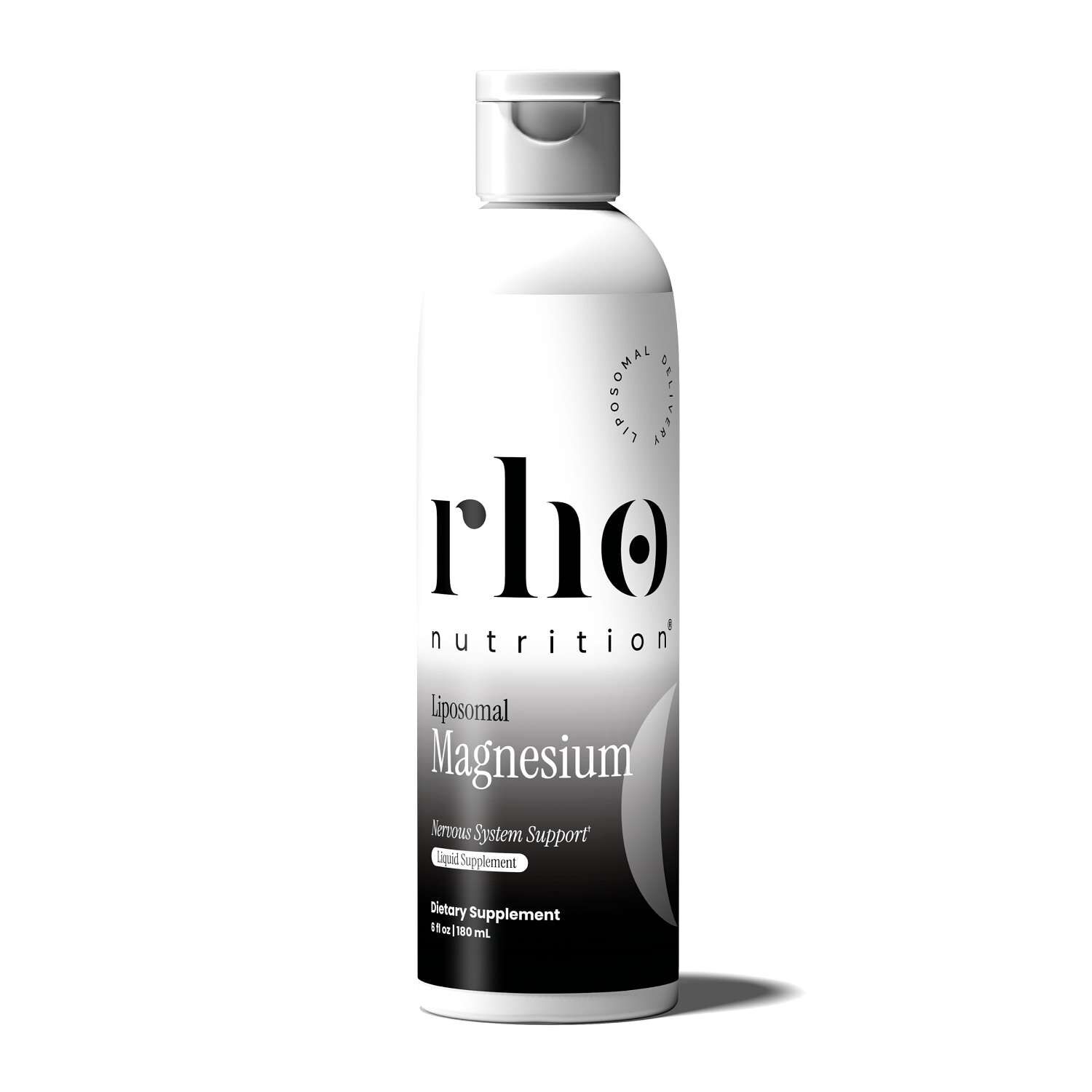 Rho Nutrition
-
Qualia Life Sciences