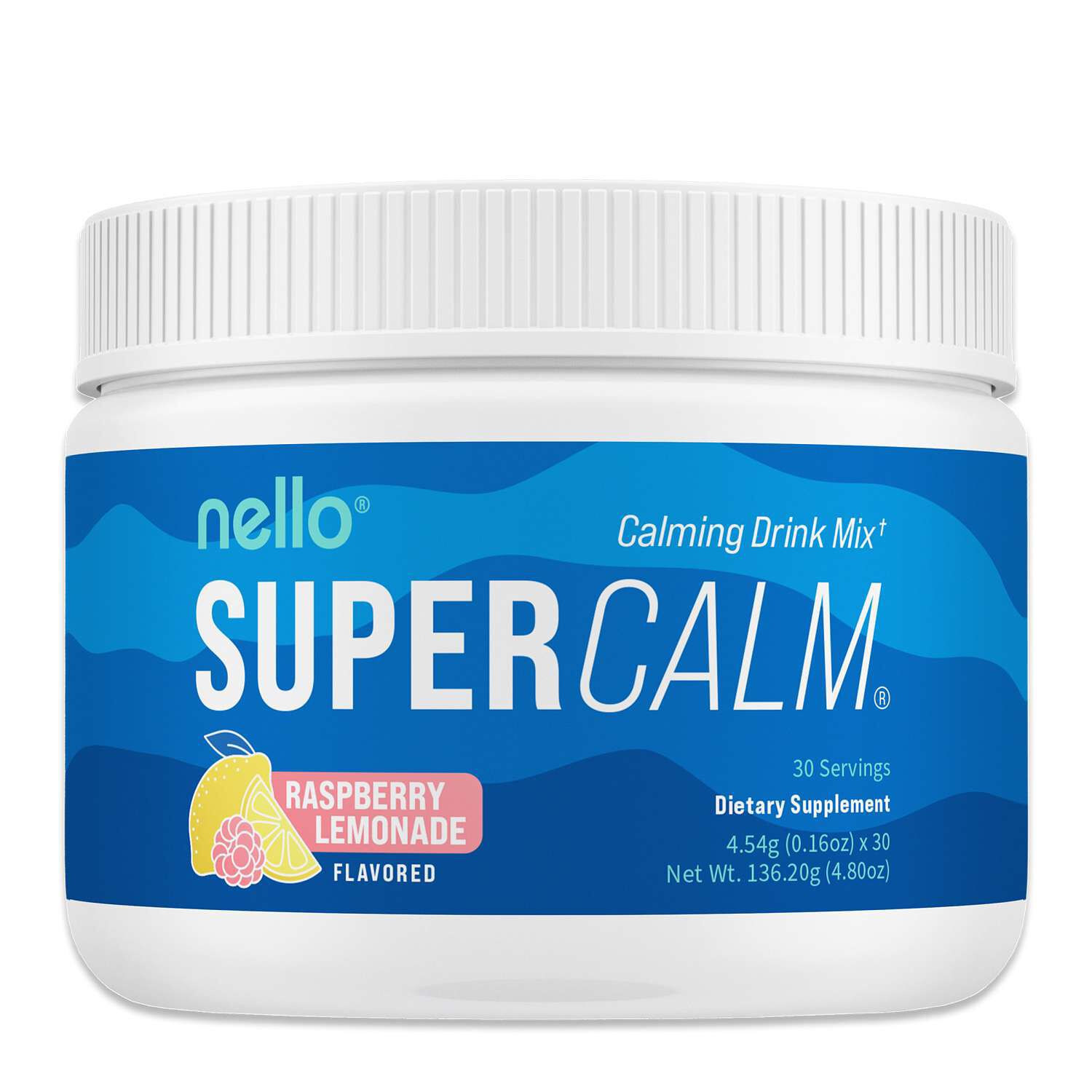
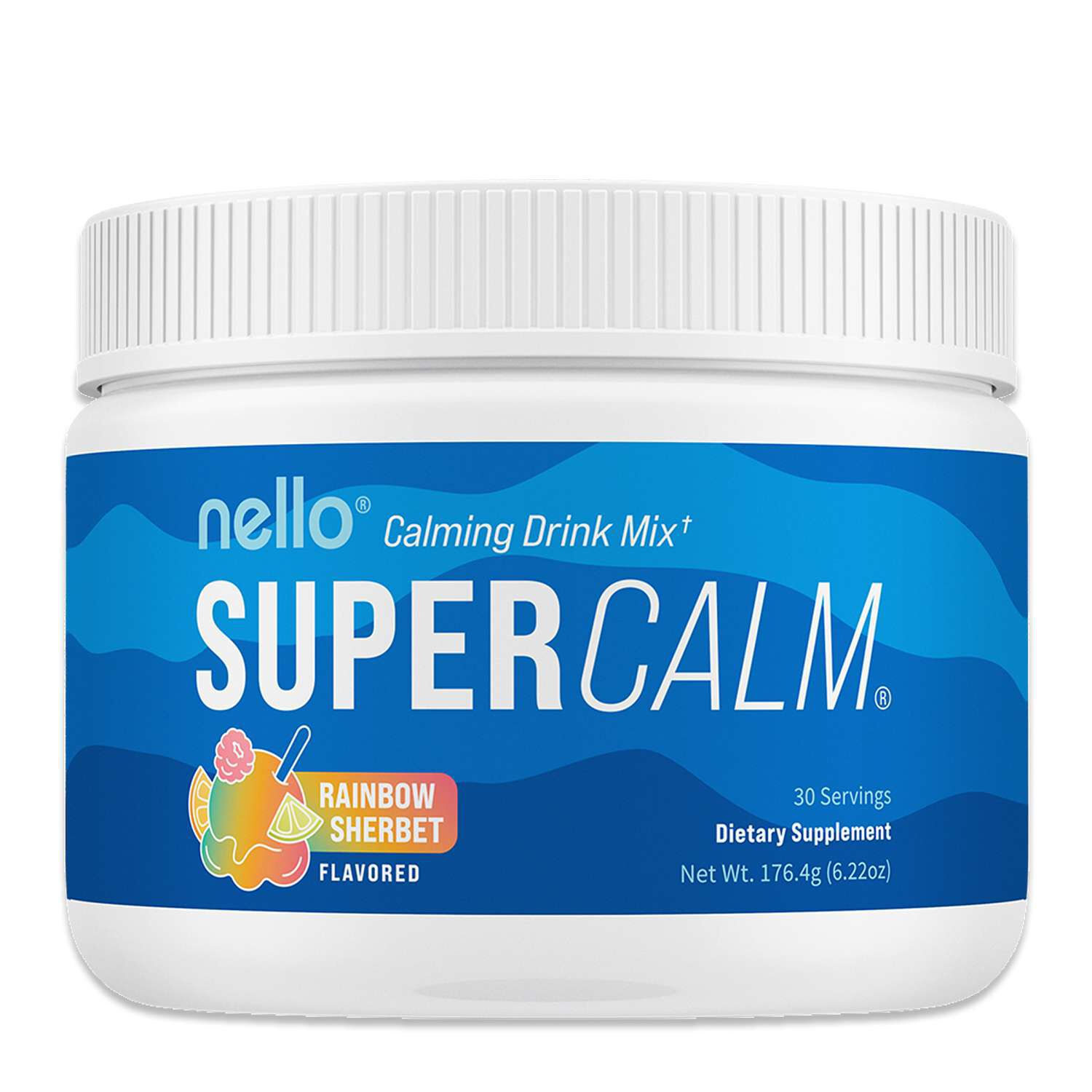
Magnesium Glycinate Capsules For Healthy Metabolism
(0 Results)
Magnesium glycinate capsules for healthy metabolism are a popular choice for those looking to support their wellness routines. Known for their gentle form, these supplements may be an easy addition to your daily habits. Whether you’re interested in maintaining overall well-being or simply exploring new ways to care for your body, magnesium glycinate capsules for healthy metabolism could be a convenient option to consider. Discover a range of options that may fit into your lifestyle and wellness goals.
-
-
-

-

-
-

-

-

-

-

-
-
 Nature's Fusions$29.99
-
 Nature's Fusions$31.99
-
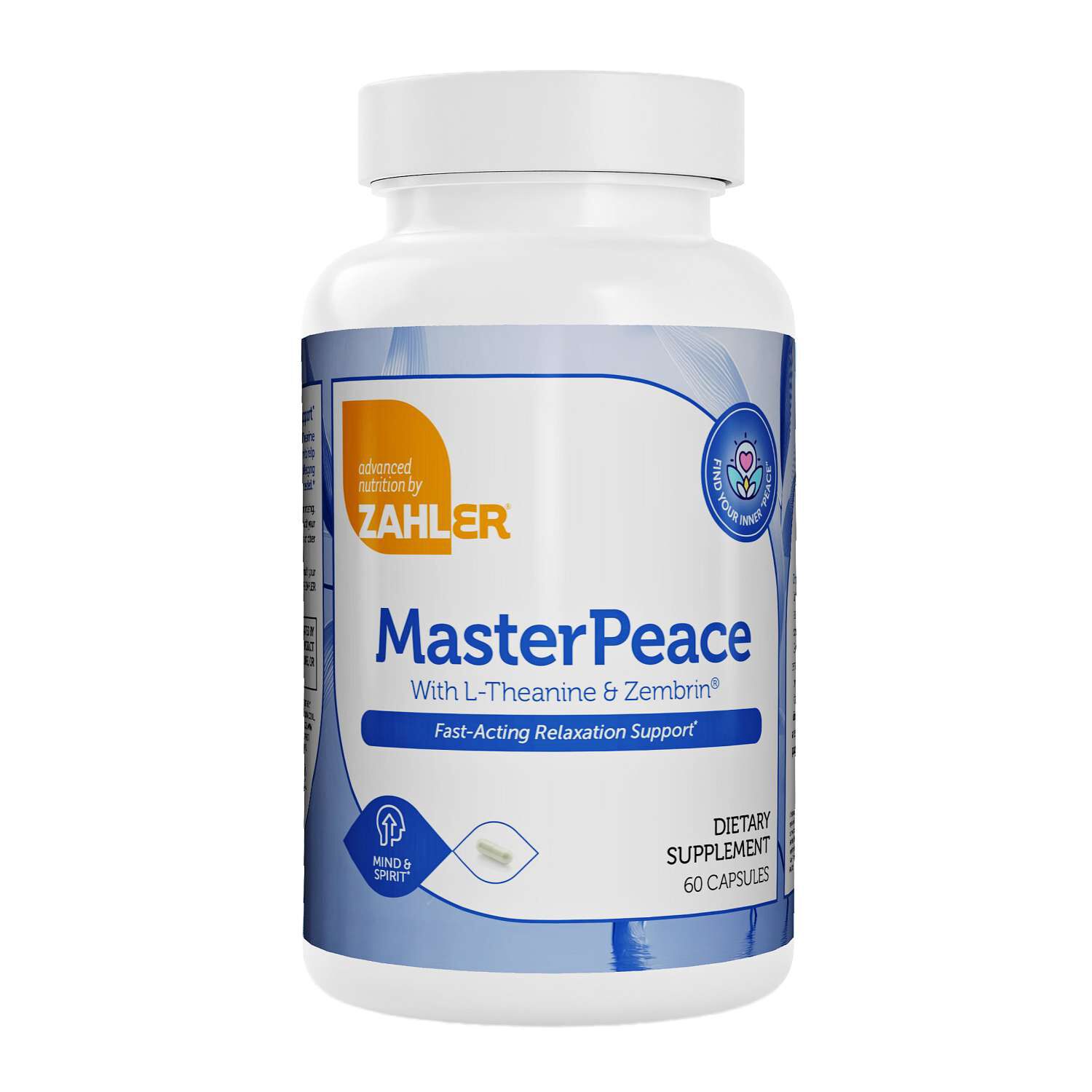 $49.99
-
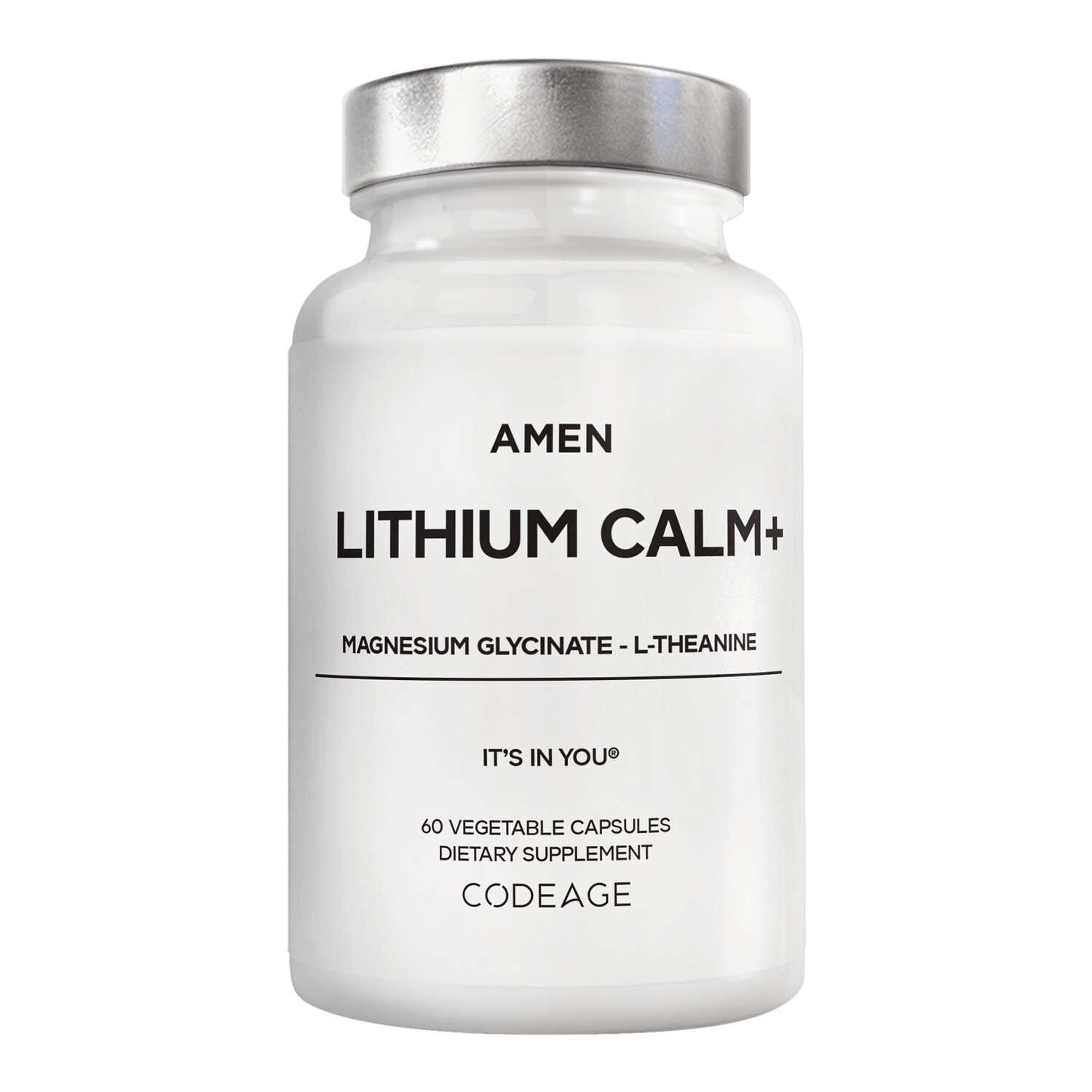 $29.99
-
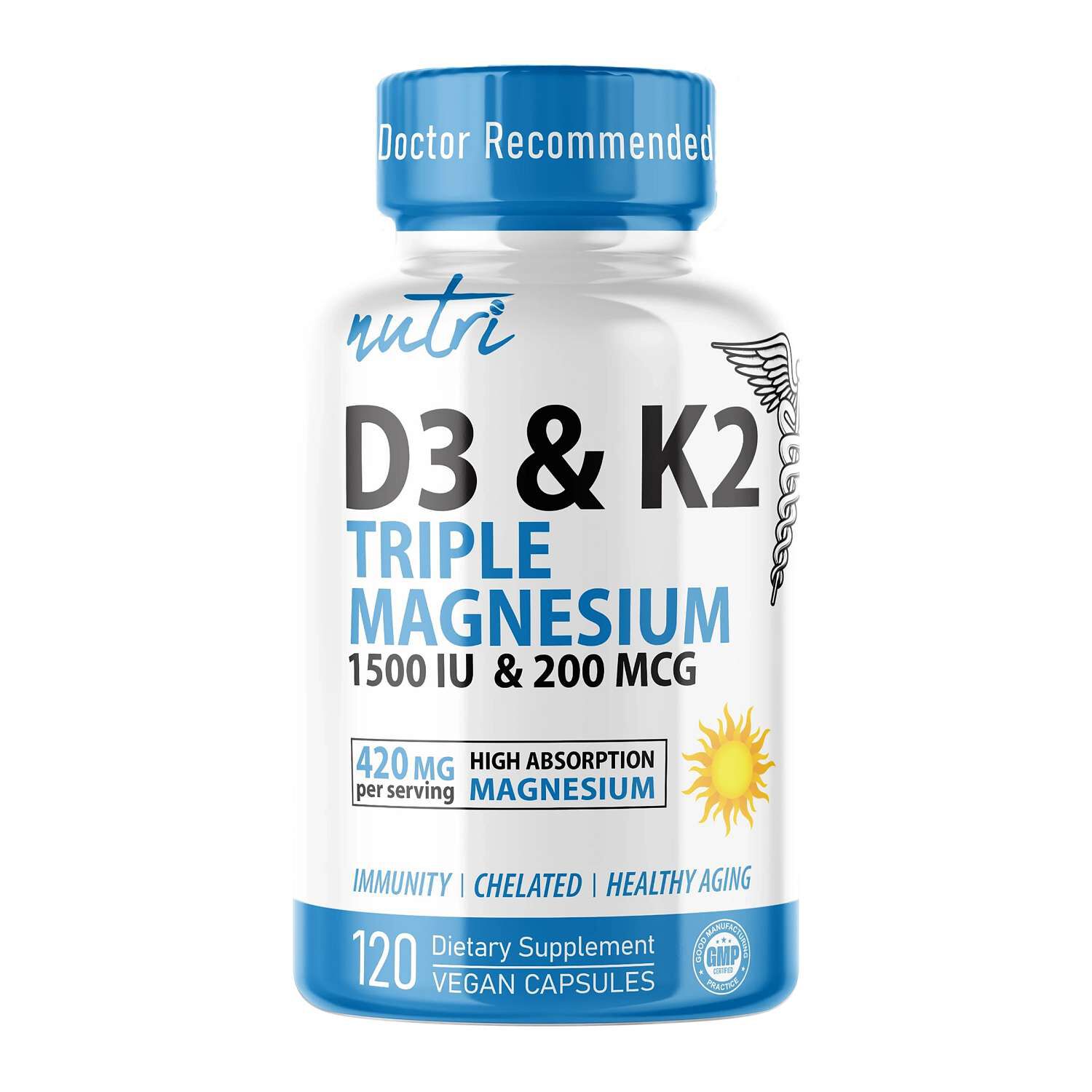 Nature's Fusions$29.99
-
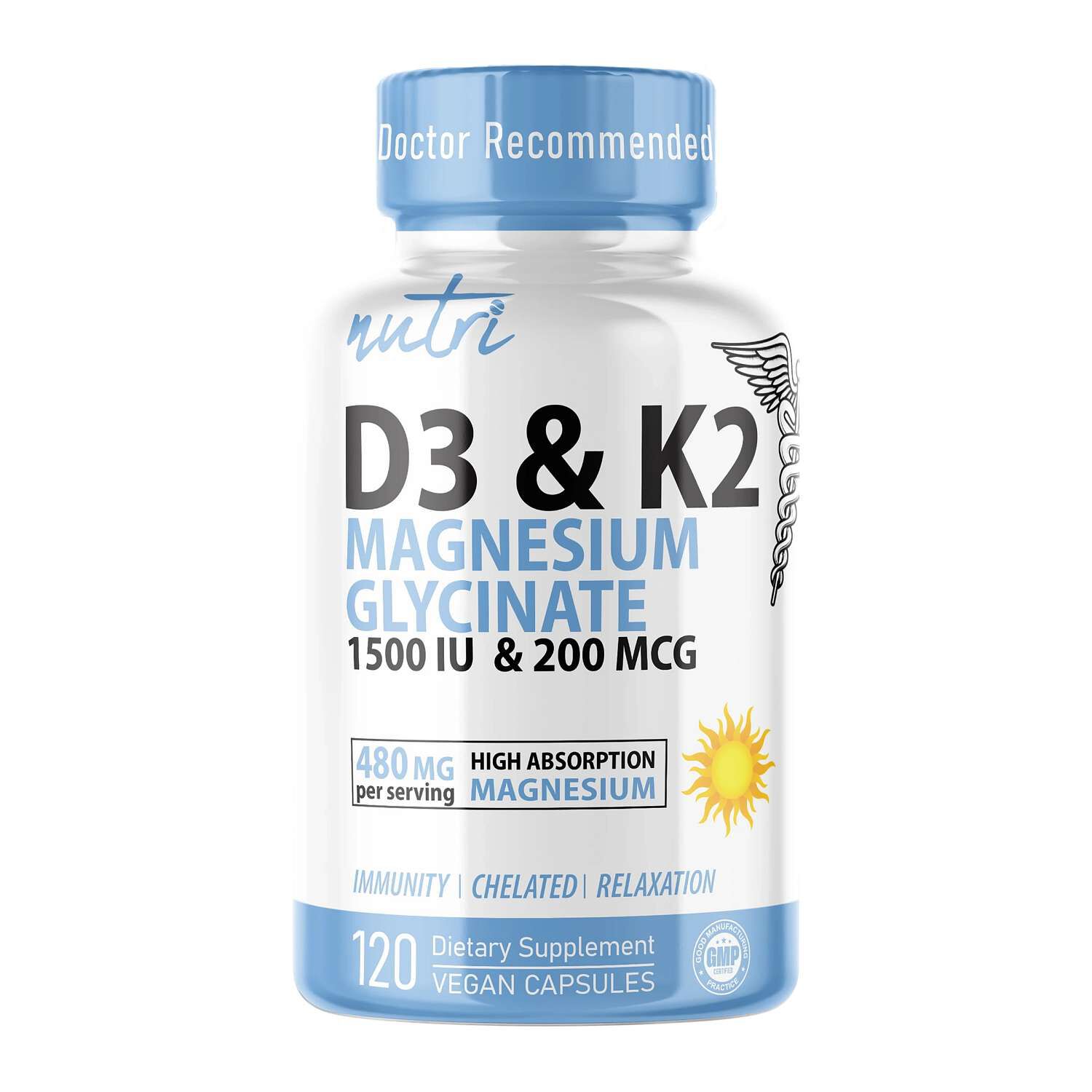 Nature's Fusions$29.99
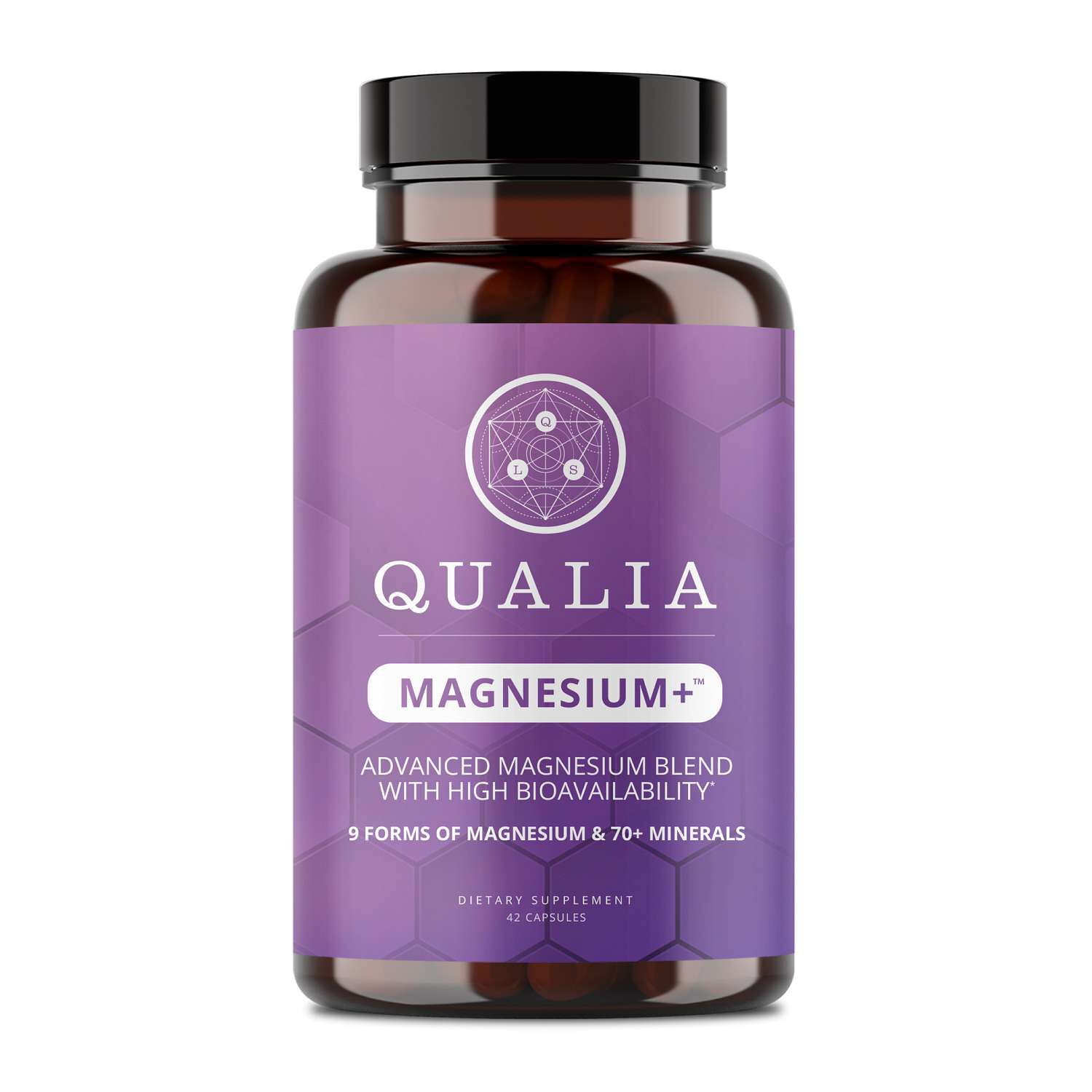
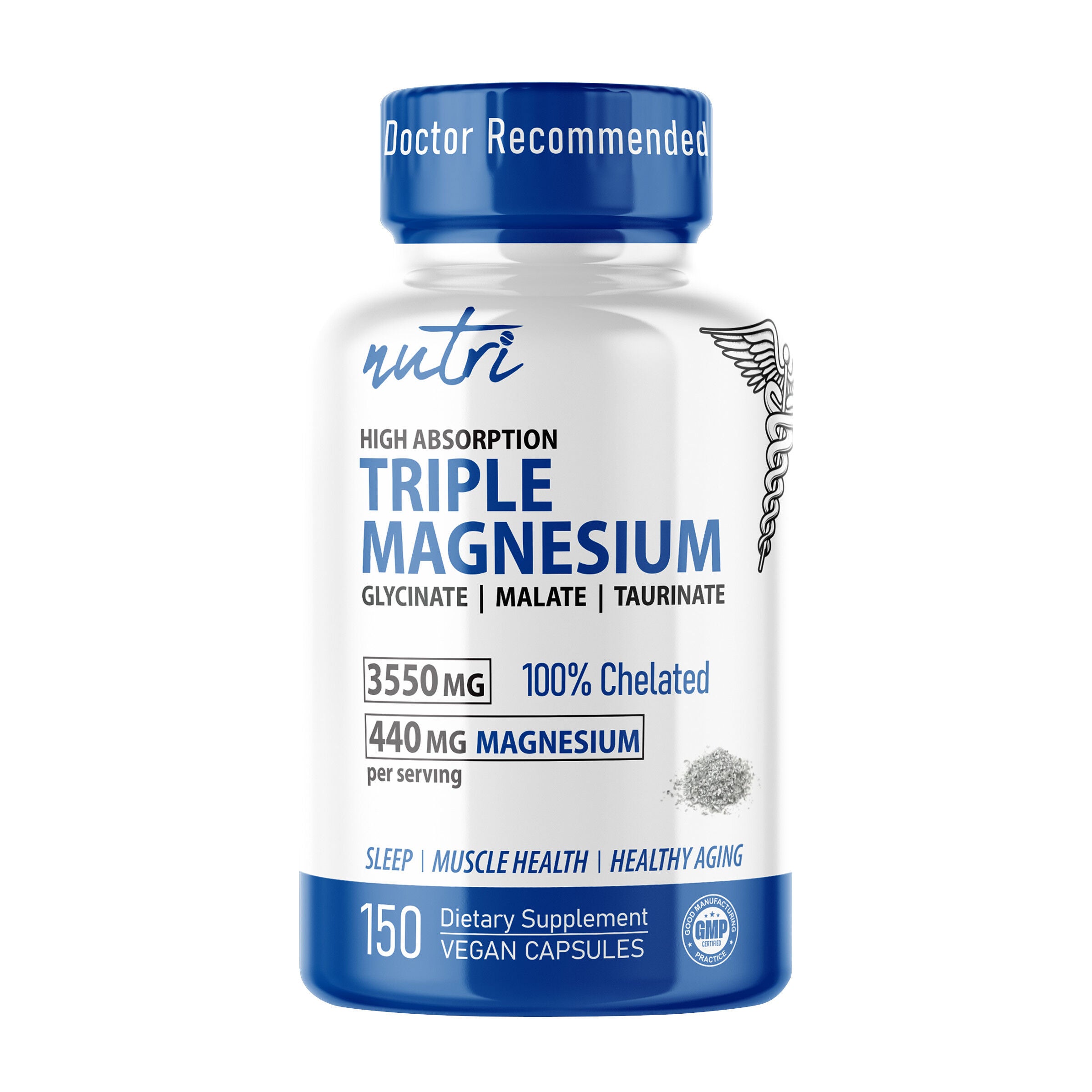
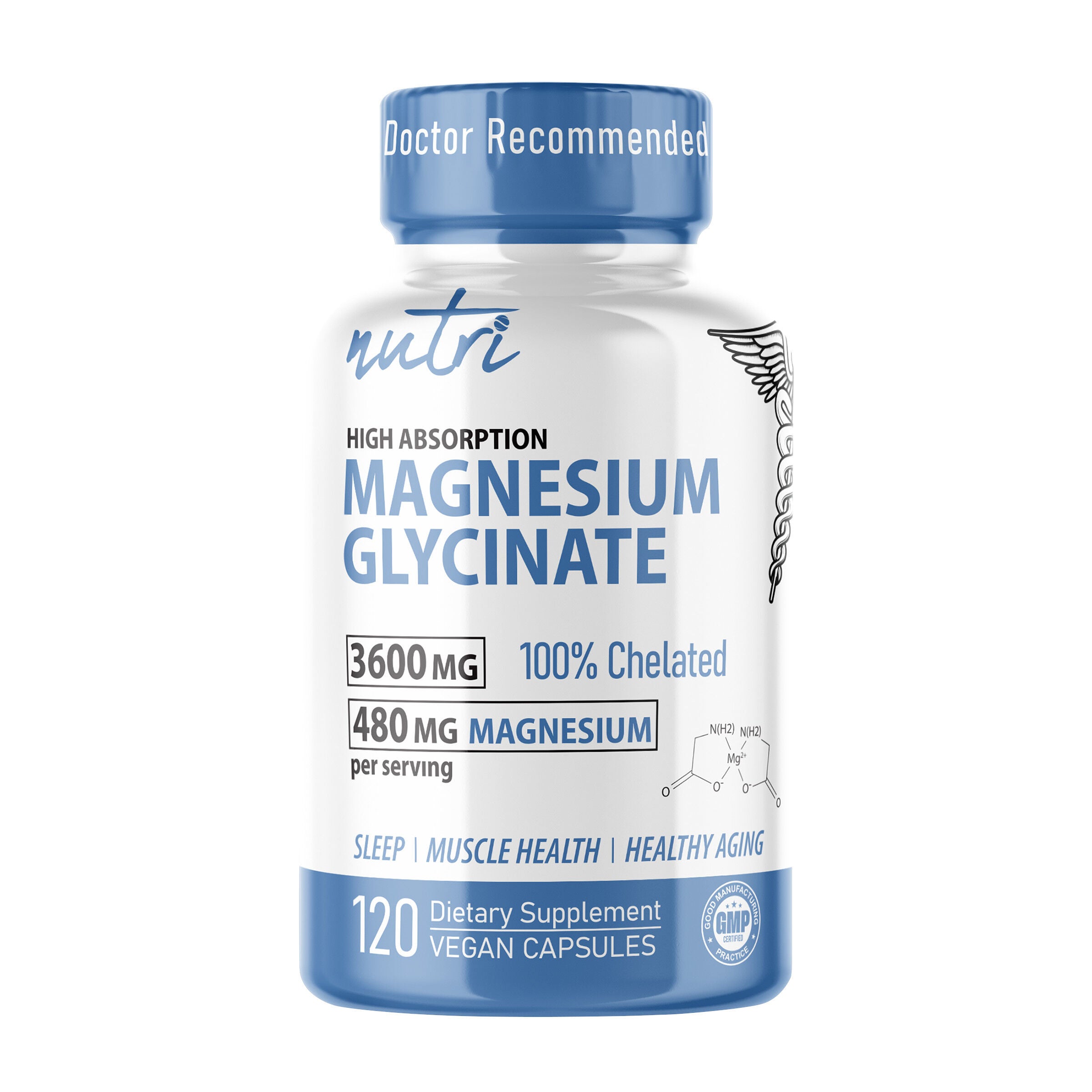
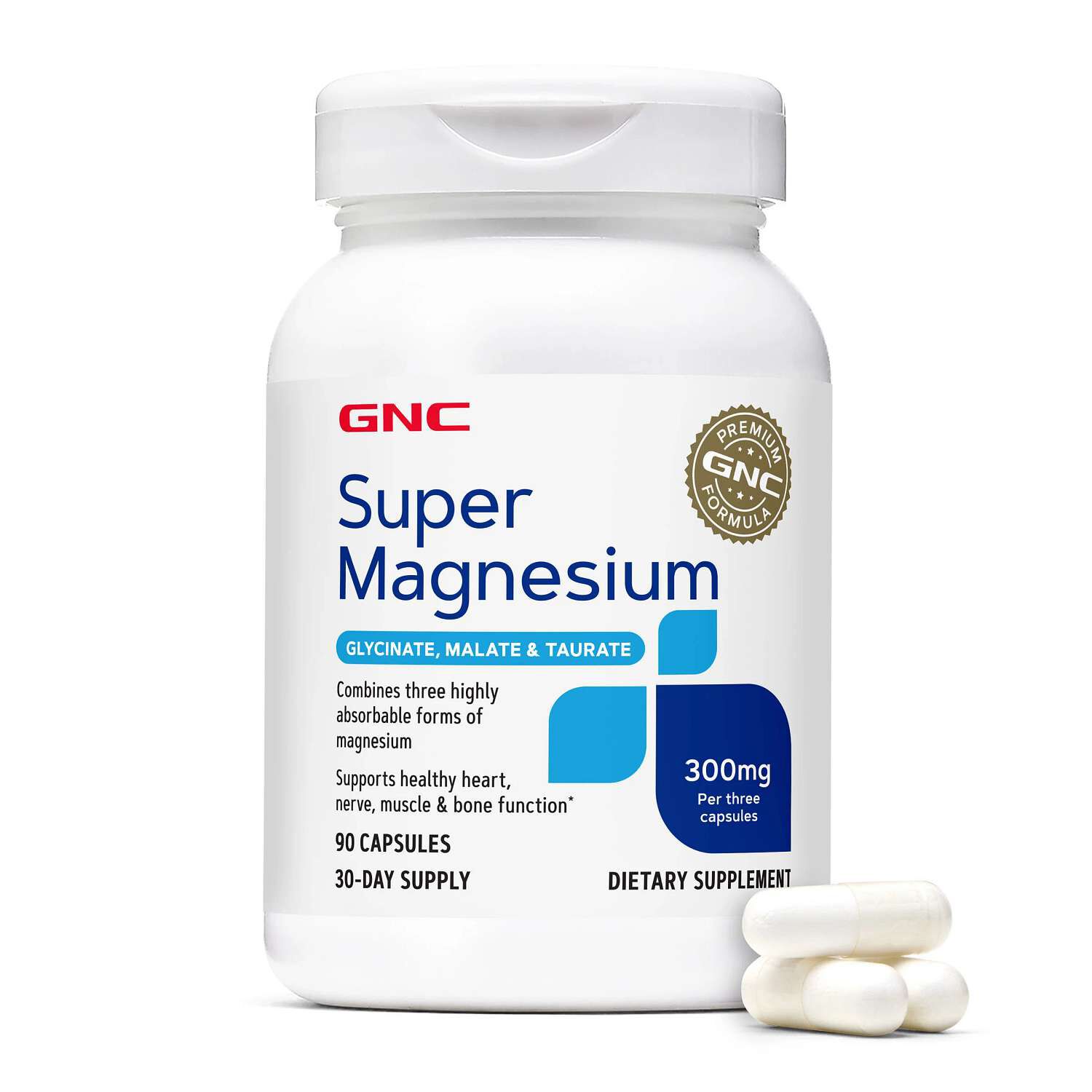
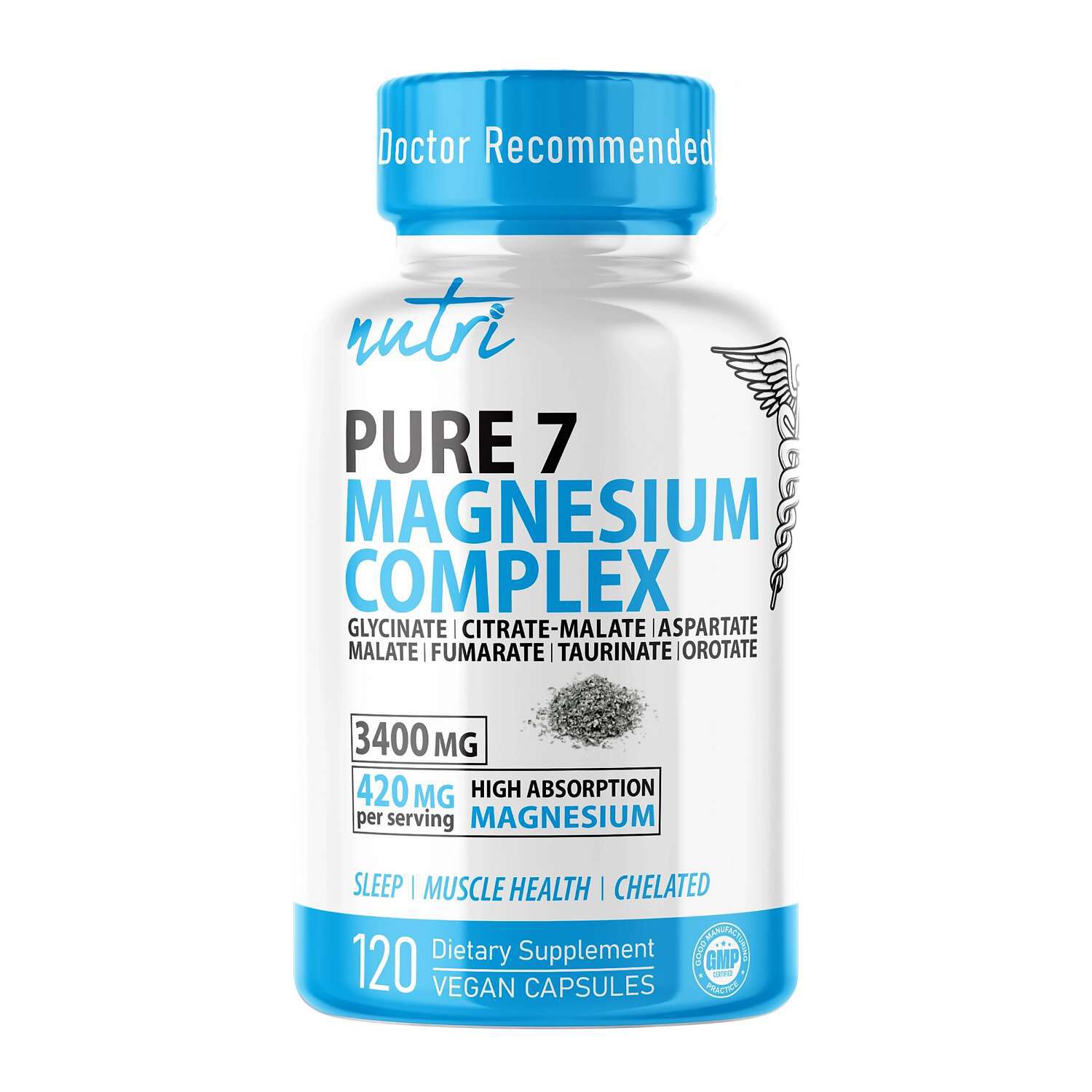
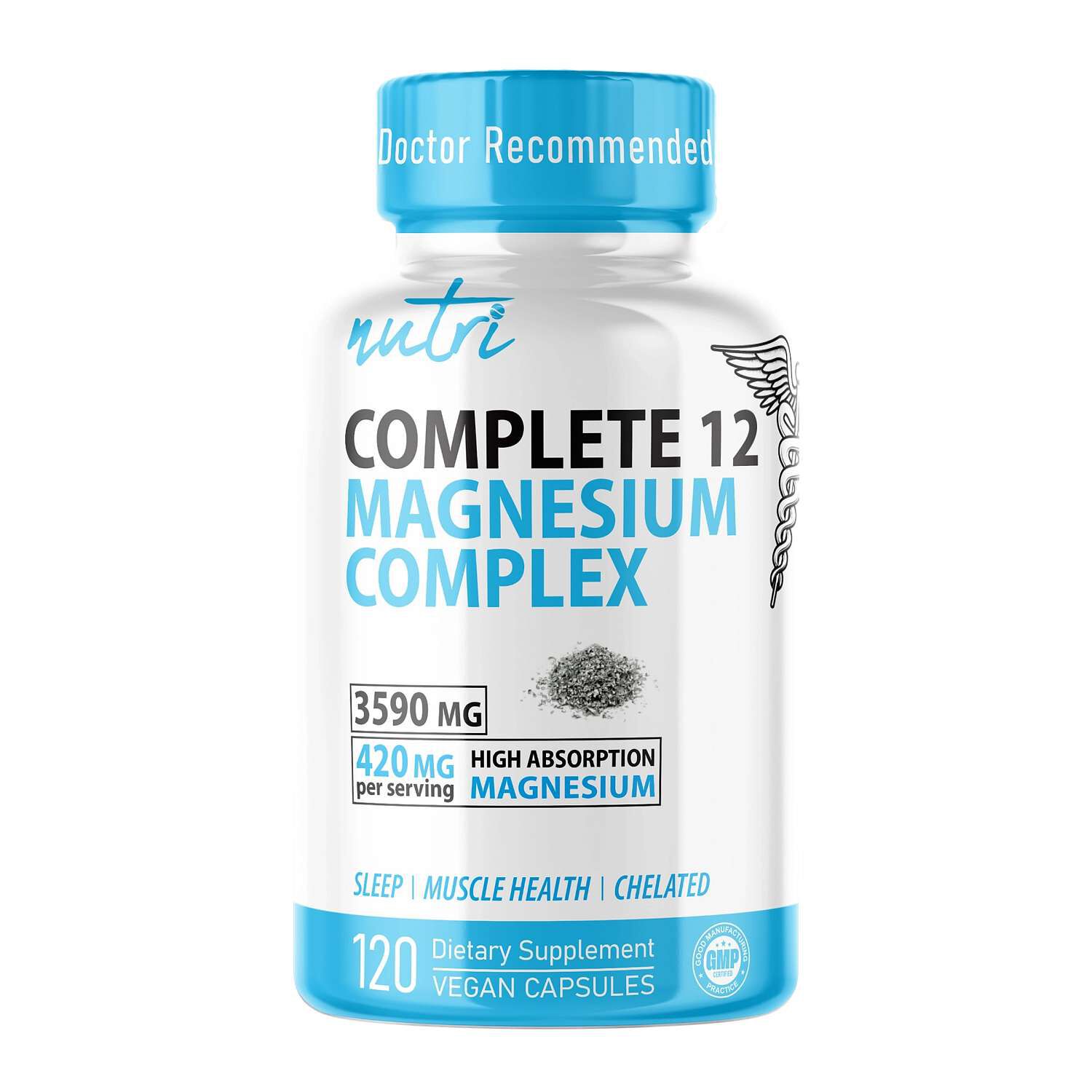
Magnesium glycinate capsules for healthy metabolism center on a dietary mineral and a capsule format that can fit into an everyday wellness routine. Magnesium glycinate is a form of magnesium paired with glycine, an amino acid. In general nutrition, magnesium participates in enzyme activity involved in the body’s use of carbohydrates, fats, and proteins, including processes associated with cellular energy. Magnesium glycinate capsules may support normal energy metabolism as part of a varied diet, but that nutritional role is different from the immediate sensation associated with a caffeinated beverage. Healthy metabolism describes the body’s ongoing handling of nutrients, not simply how energetic someone feels during a busy afternoon. For shoppers, that distinction helps keep the category focused on everyday nutritional support rather than dramatic changes or quick results. Adults who prefer capsules over drink mixes may appreciate a format that requires no measuring scoop, flavor selection, or mixing bottle. The mineral form and the delivery format are separate considerations: glycinate describes the magnesium ingredient, while the capsule describes how the serving is packaged. A capsule can contain a single magnesium source or a formula with additional ingredients, so the category name alone does not tell the whole story. Many shoppers browsing magnesium glycinate are interested in keeping their supplement routine straightforward, with a clearly stated serving size and an ingredient panel they can understand. Others are comparing several magnesium forms and want to see exactly which source appears on the label. Food remains part of that context. Meals containing beans, nuts, seeds, whole grains, or leafy greens can contribute dietary magnesium alongside other nutrients. A breakfast bowl with oats and seeds or a lunch built around beans and vegetables illustrates the broader eating pattern in which a magnesium supplement might have a place. Capsules may complement that pattern; they do not stand in for the variety, texture, and nutrients supplied by food. The most useful comparison therefore considers the formula, the labeled amount, and the practical details of the capsule together.
The amount of elemental magnesium listed in Supplement Facts is an important detail when comparing magnesium glycinate capsules. Elemental magnesium refers to the magnesium portion of the ingredient, rather than the weight of the entire magnesium-and-glycine compound. A larger number printed elsewhere on a package may refer to a compound weight, making the Supplement Facts panel a clearer point of comparison. Serving size matters just as much: the listed magnesium amount may apply to one capsule or to a serving made up of several capsules. Bottle capsule count and servings per container describe different things, and neither should be read without the serving instructions. Ingredient naming can also vary. Magnesium bisglycinate is terminology shoppers may encounter, while some formulas combine glycinate with another magnesium source. The ingredient panel shows those distinctions more precisely than a broad description on the front of the bottle. Glycinate’s identity alone is not a reason to assume that every formula has identical absorption characteristics or will feel the same to every person. Digestive experience can vary, and a simple ingredient profile does not establish a particular outcome. Beyond the mineral source, the capsule shell and other ingredients deserve attention. Shells may be made with gelatin or plant-derived materials such as cellulose, and a plant-derived shell does not by itself establish the suitability of every ingredient for a vegan eating pattern. Clearly stated dietary designations and allergen information provide additional context for shoppers with particular preferences. Other ingredients may serve manufacturing purposes, such as helping powder move consistently through equipment or maintaining the capsule’s form. Capsule dimensions are another practical consideration, especially for someone who already takes several supplements or prefers a smaller format. When dimensions are provided, they offer a more useful reference than a photograph alone. Packaging details, ingredient transparency, and any stated independent testing can add context about how a formula is made and evaluated, without establishing the effects someone will experience. A shopper comparing two bottles might find that similar front-label descriptions conceal different serving sizes, capsule materials, or ingredient combinations. Those concrete details make it easier to distinguish otherwise similar-looking options without relying on broad wellness language.
Intended use and day-to-day handling round out the comparison of magnesium glycinate capsules for healthy metabolism. Many formulas in this category are labeled for adults, and the intended audience should be clear on the package rather than inferred from the capsule format. These products may appeal to adults who prefer an unflavored supplement format, want to compare magnesium sources, or are building a routine around general nutritional wellness. A desk-based workday, a regular exercise schedule, and a busy household can each create different preferences for packaging and serving convenience, but none of those settings determines the appropriate formula by itself. Someone carrying a packed lunch may value straightforward bottle labeling, while someone organizing several supplements may pay closer attention to the number of capsules in a serving. The labeled directions remain the reference for a product’s intended use; timing and serving instructions can differ between formulas. Capsules also deserve careful storage because their shells and powdered contents can be affected by moisture. A dry cabinet away from the sink or stove is a more suitable setting than an open shelf beside a steamy cooking area, subject to the package’s storage directions. Keeping the original label with the product preserves access to the ingredient panel, serving information, storage instructions, and expiration date. A securely closed container also helps protect the contents during ordinary handling, and storage should keep supplements out of children’s reach. Shoppers interested in a related wellness focus can also browse Magnesium Glycinate Capsules For Healthy Nerves. Across these related categories, the most meaningful distinctions remain the magnesium source, elemental amount per labeled serving, capsule construction, and additional ingredients. A thoughtfully chosen capsule format may make a nutritional routine easier to maintain, while realistic expectations keep the emphasis on everyday nourishment rather than a single product outcome. Clear labeling and practical packaging give shoppers tangible details to evaluate, allowing magnesium glycinate capsules to be considered within the larger context of food choices, personal preferences, and daily habits.
Best Sellers
-
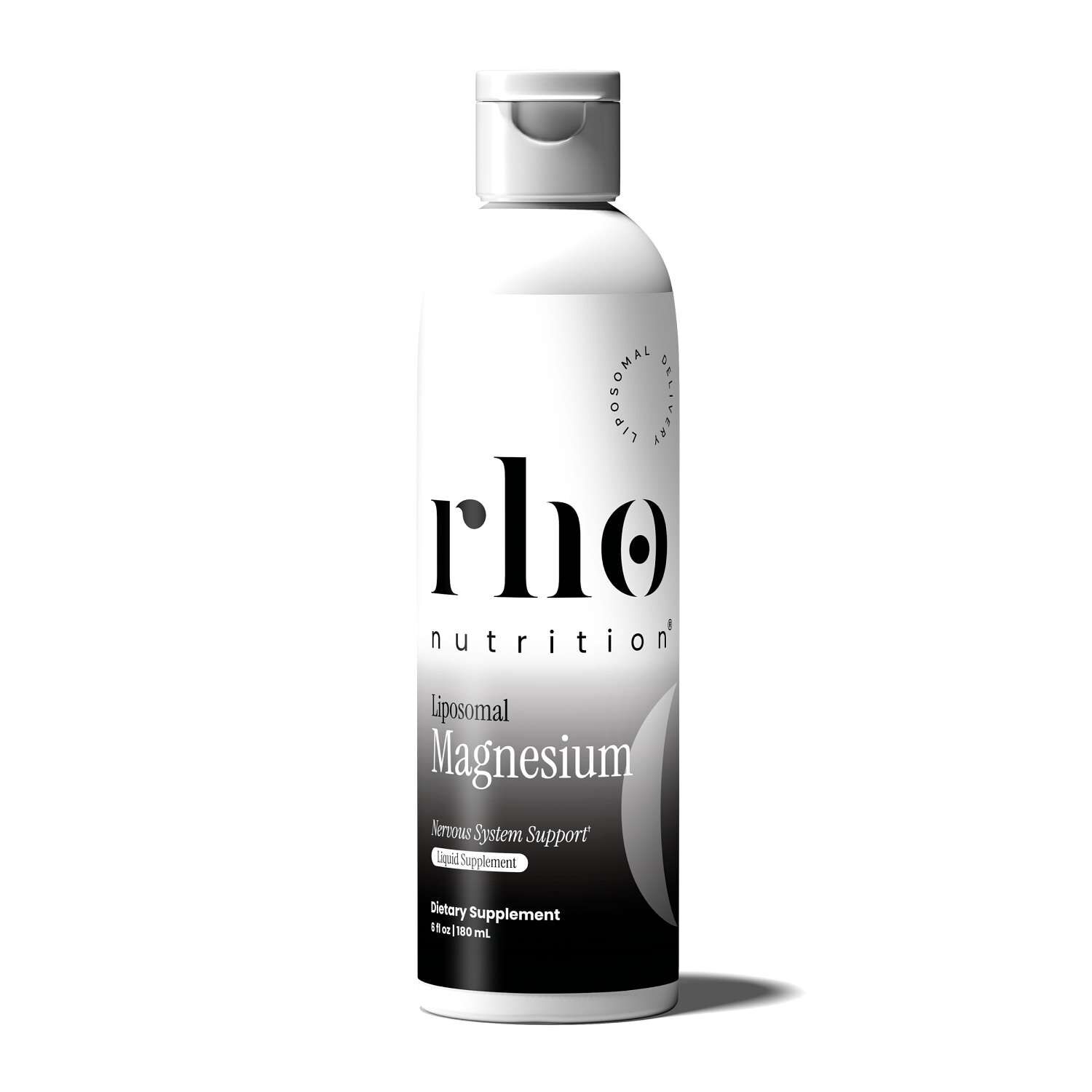 Rho Nutrition
-
Qualia Life Sciences