





Magnesium Glycinate Capsules For Healthy Nerves
(0 Results)
Magnesium glycinate capsules for healthy nerves could be a convenient addition to your daily routine for those seeking support for overall wellness. Formulated to be easily absorbed, these capsules might offer a gentle way to help maintain your body’s natural balance. Explore a variety of options that may fit your lifestyle and wellness goals, and discover how magnesium glycinate capsules for healthy nerves could be incorporated into your supplement regimen.
-
-
-

-
-

-

-

-

-

-
-
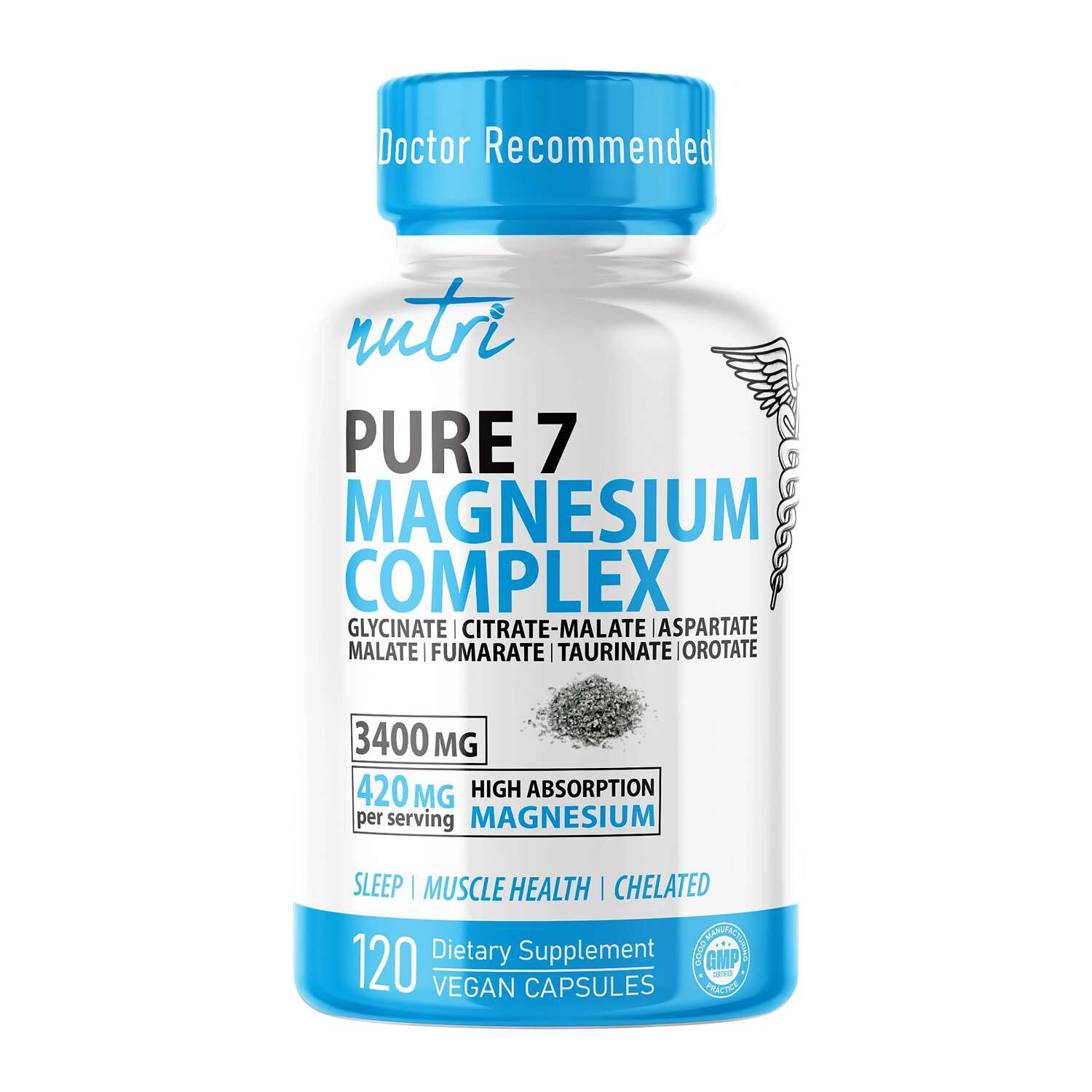 Nature's Fusions$29.99
 -
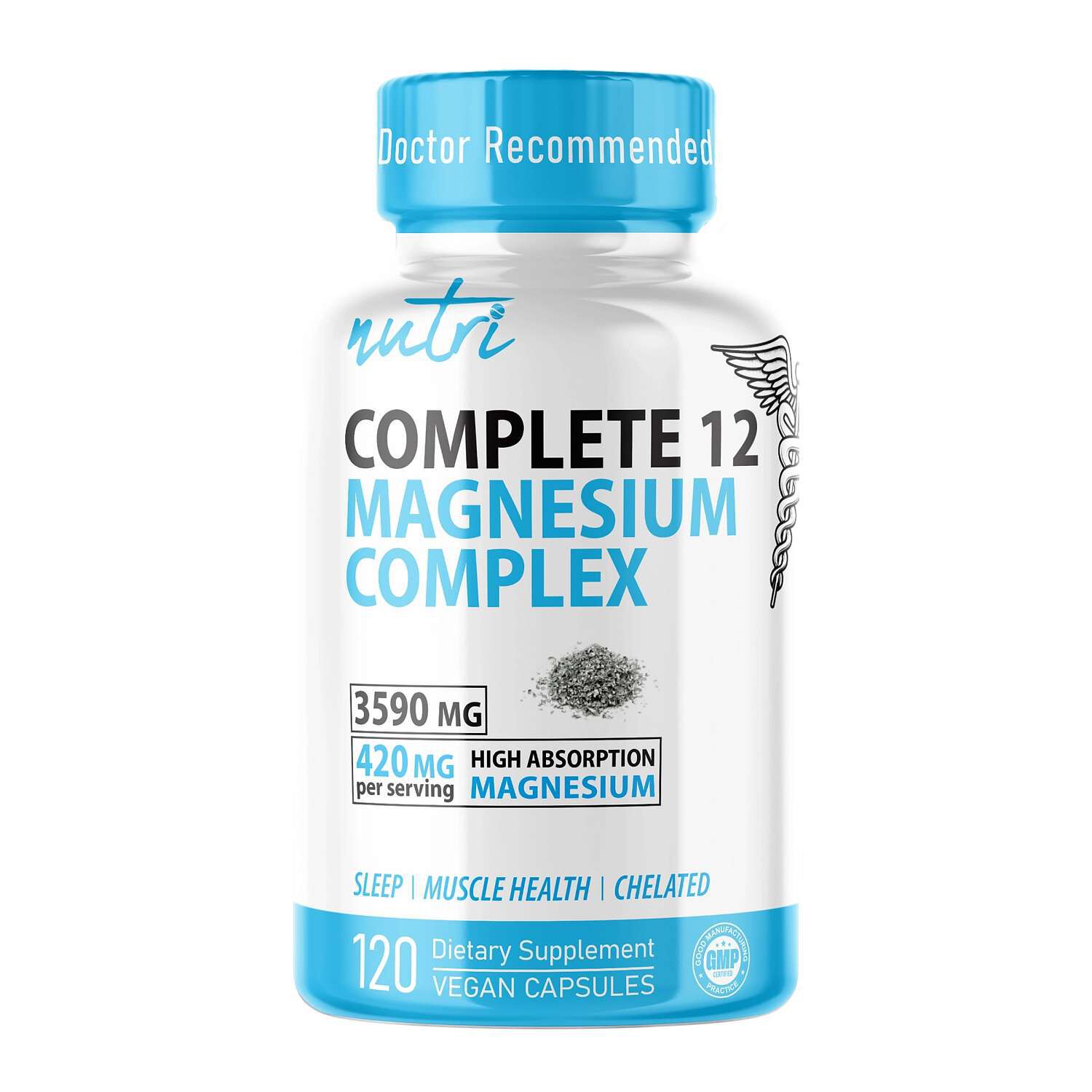 Nature's Fusions$31.99
 -
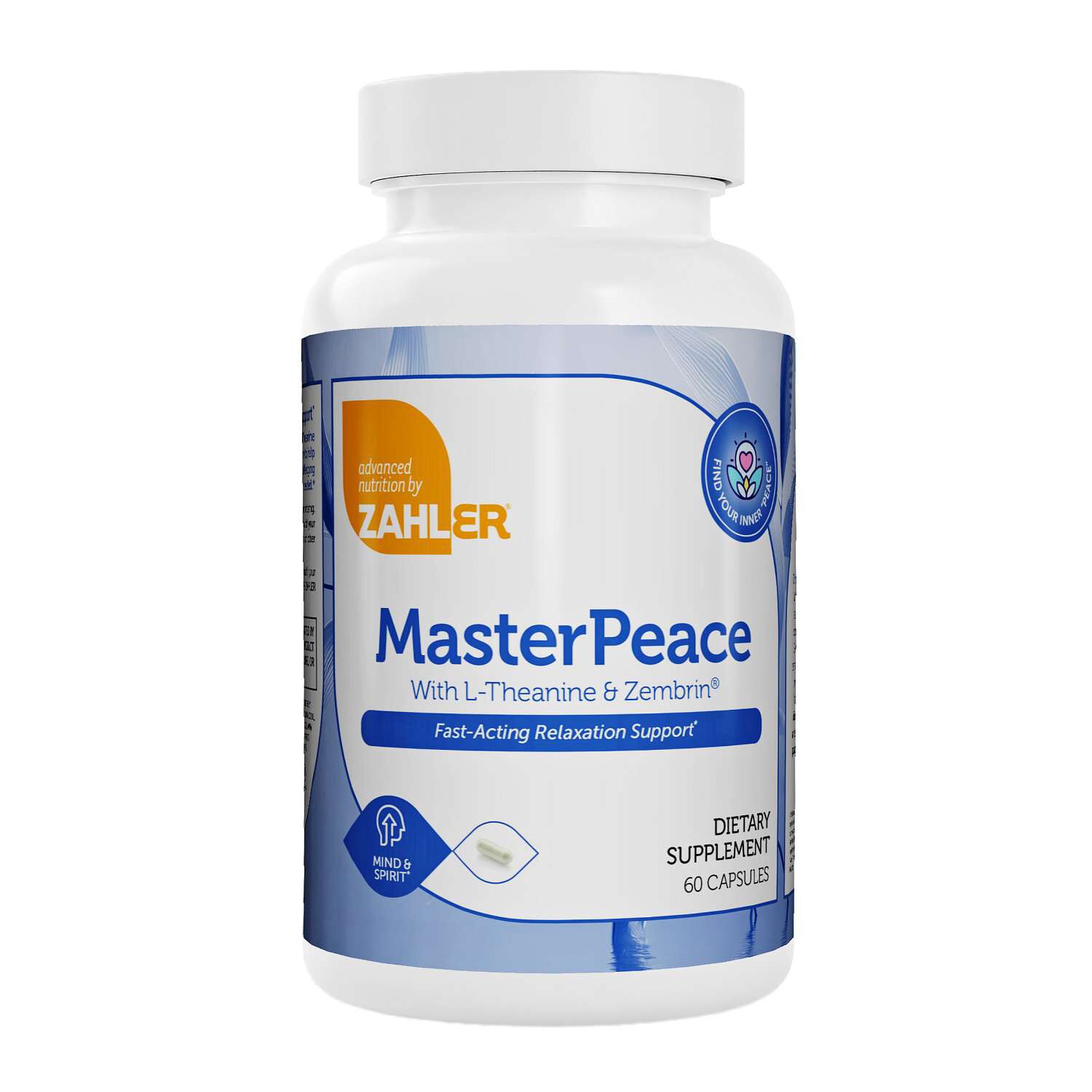 $49.99
 -
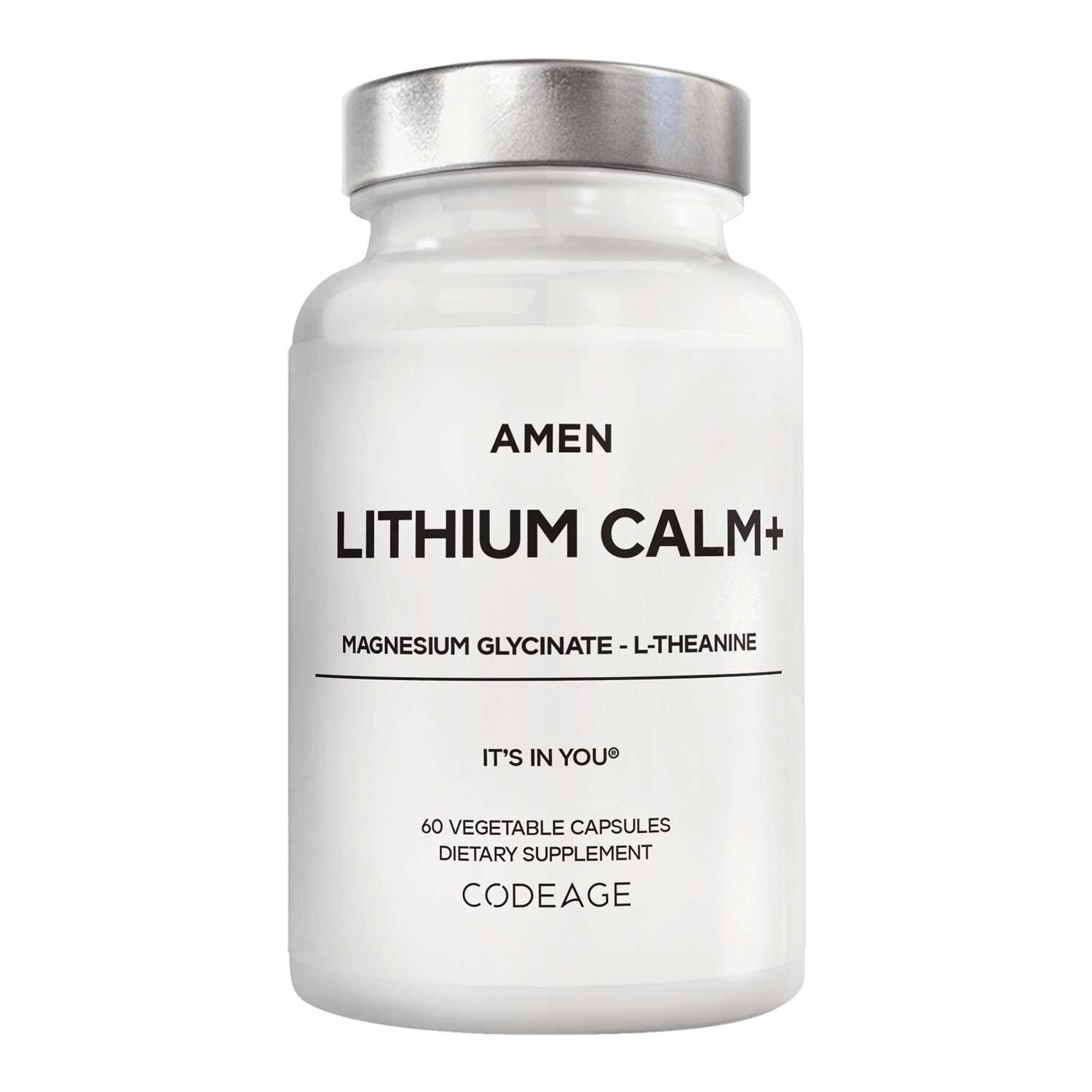 $29.99
 -
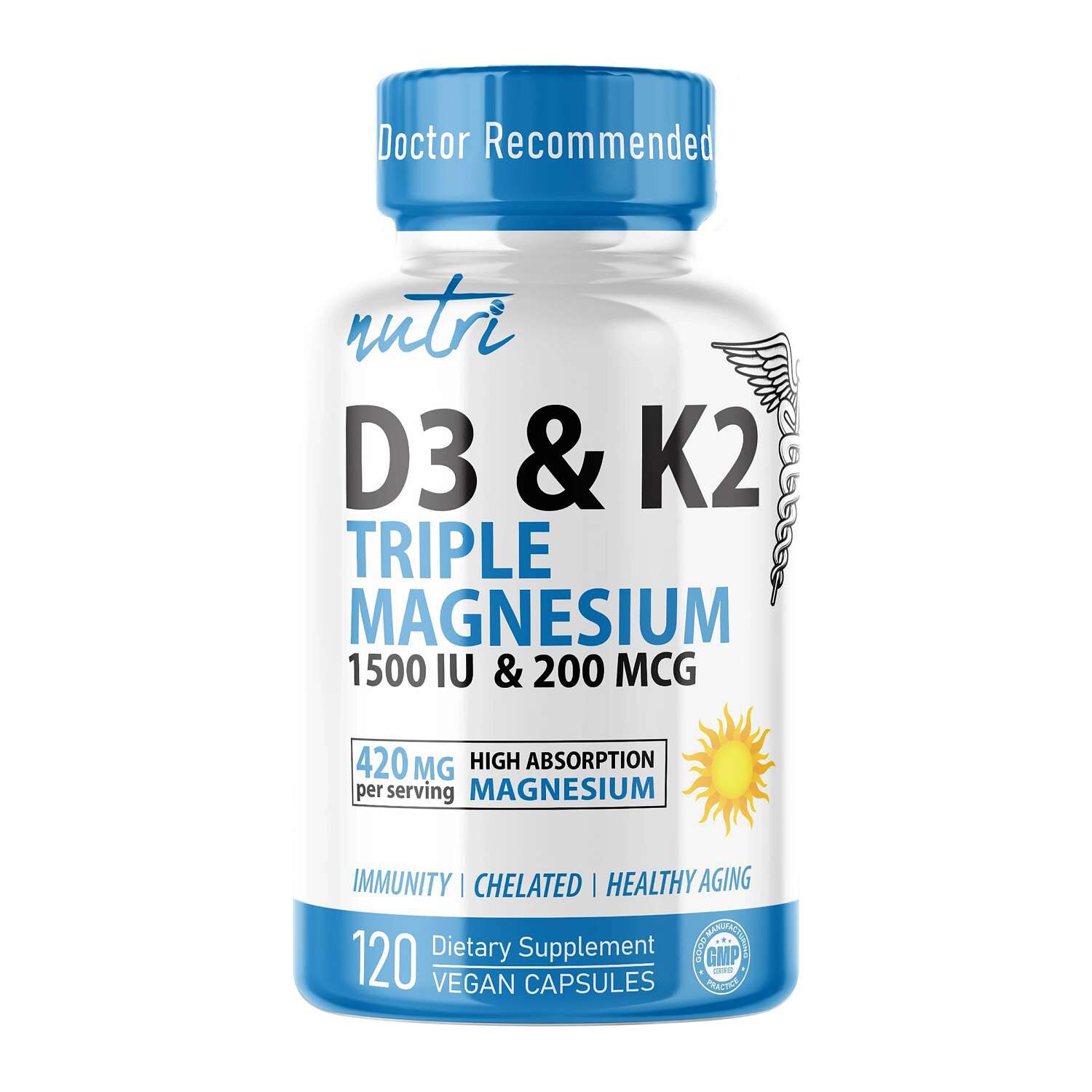 Nature's Fusions$29.99
 -
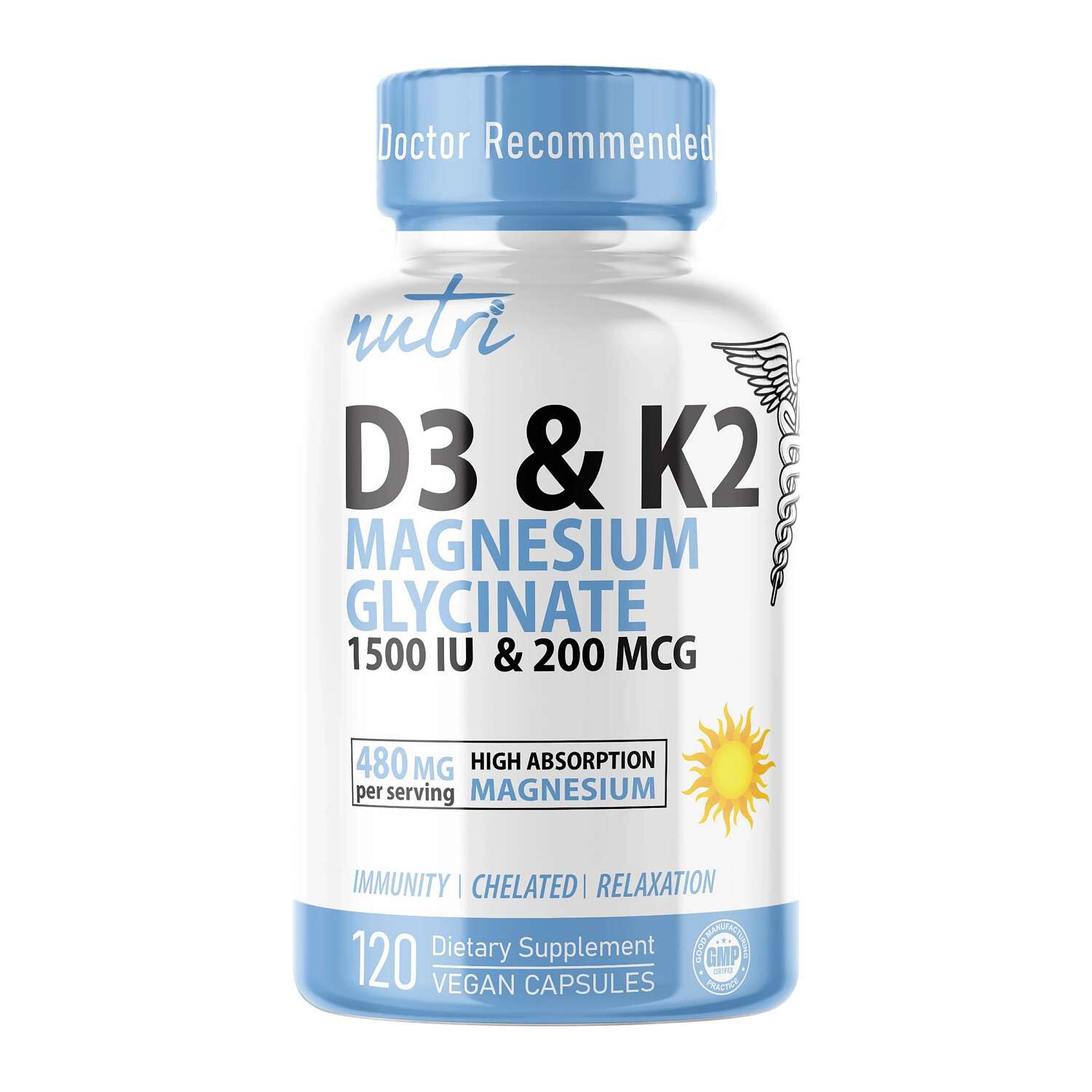 Nature's Fusions$29.99
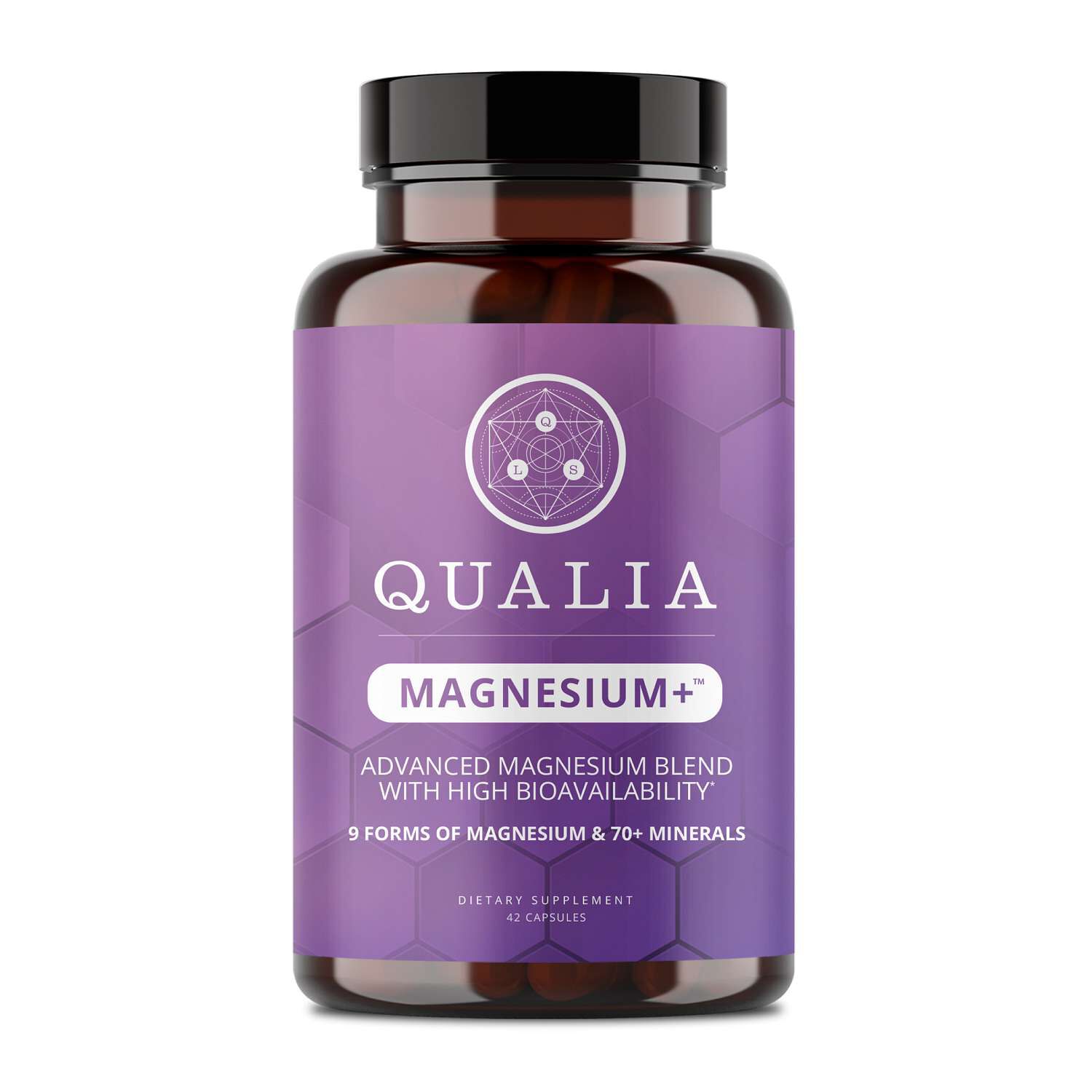
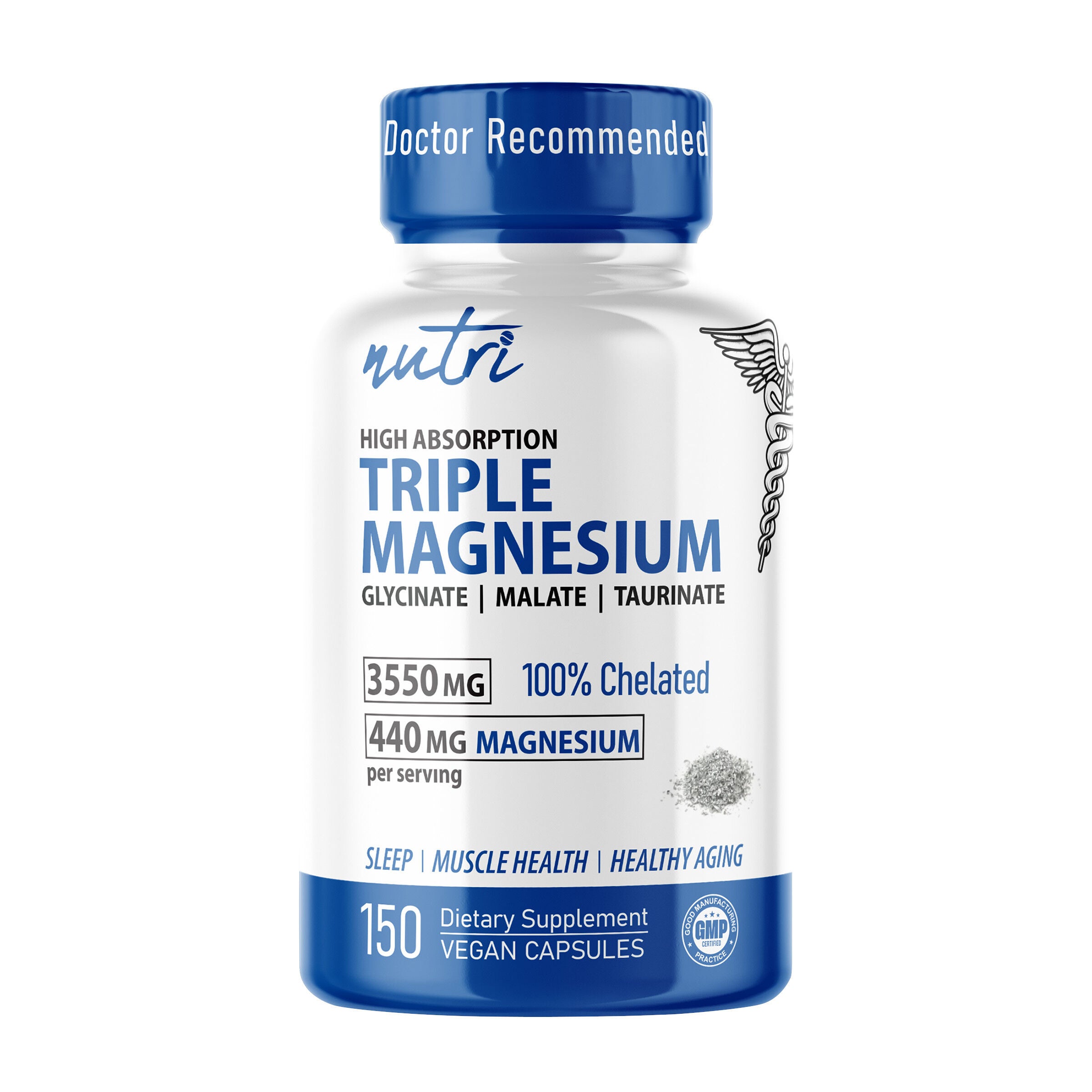
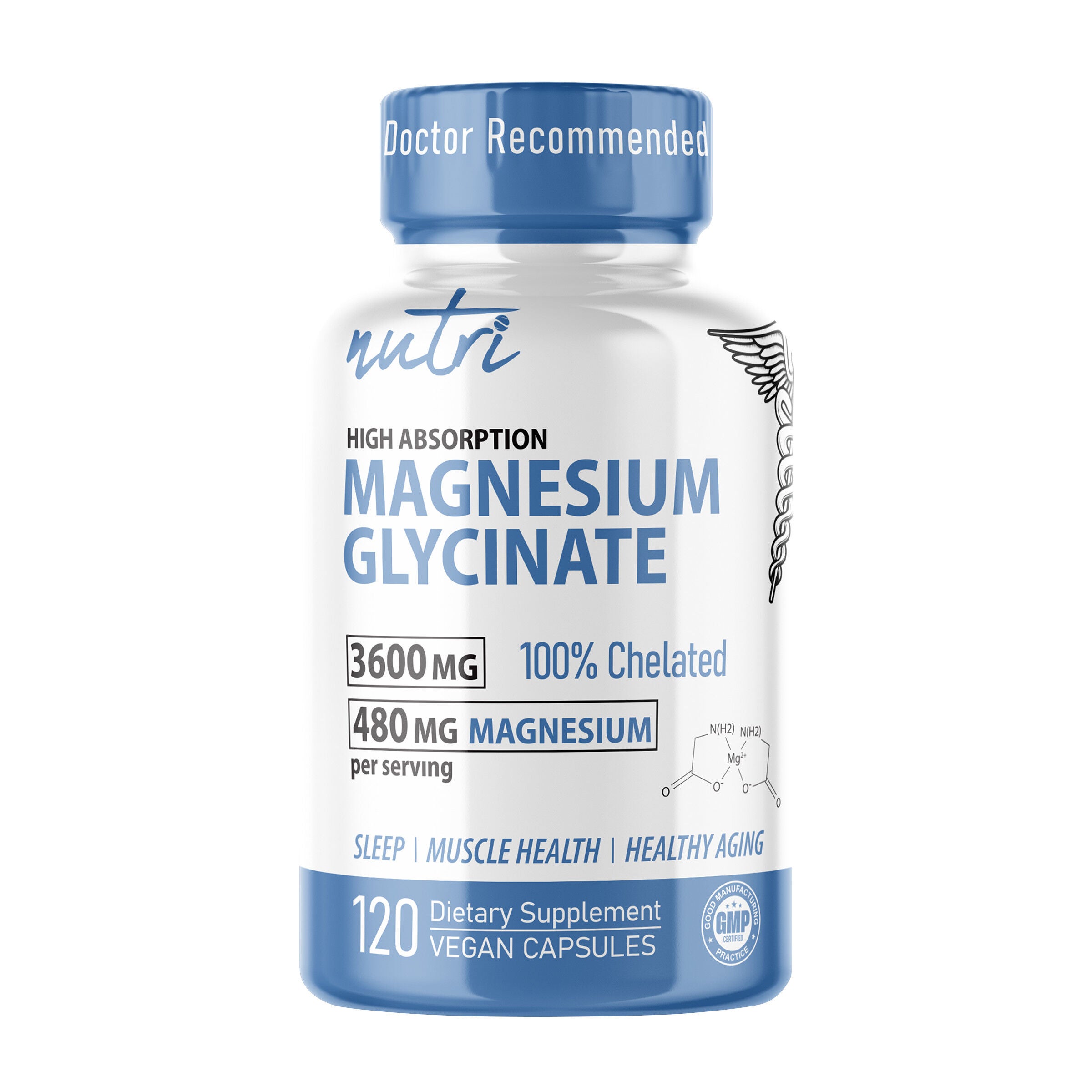
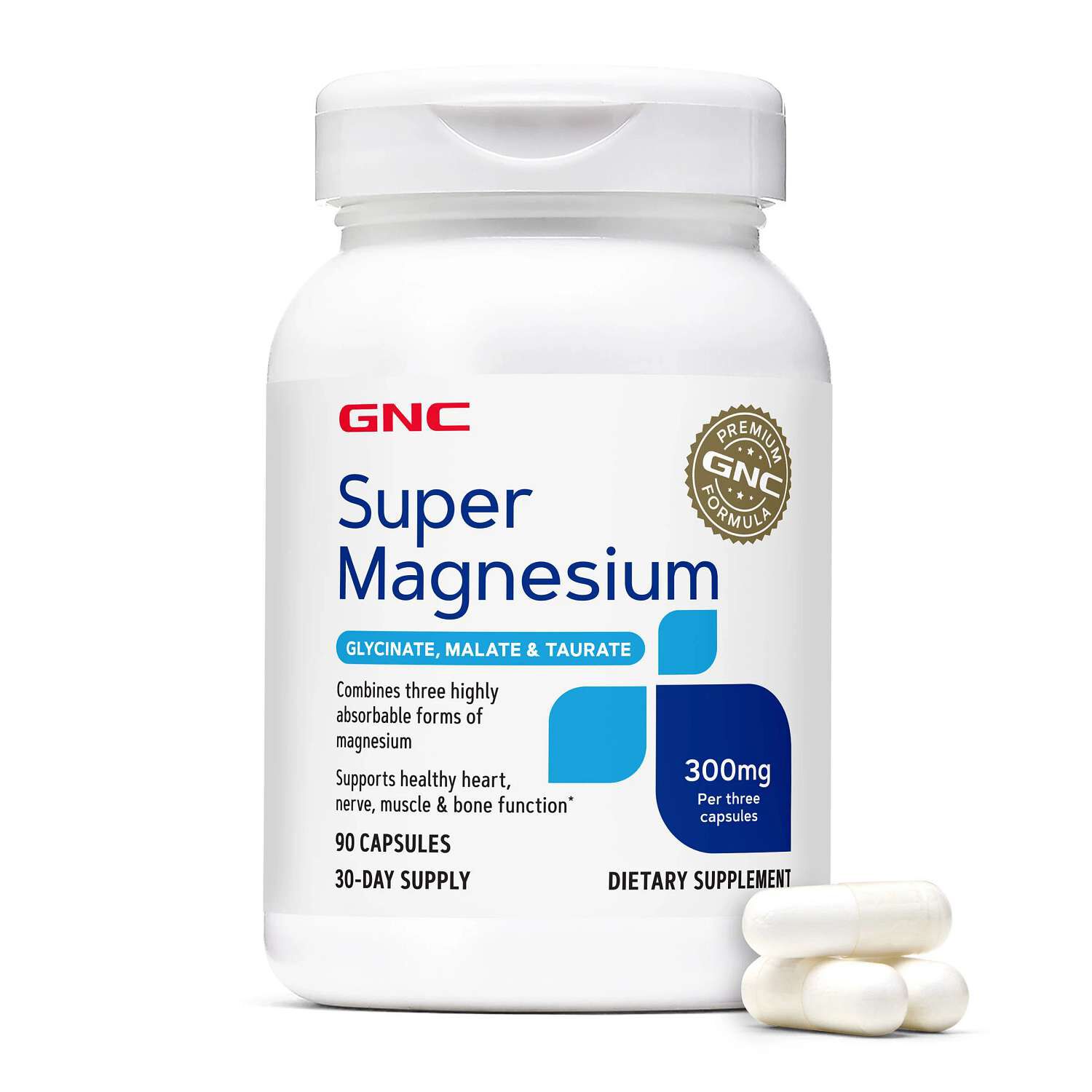
Magnesium glycinate capsules may support normal nerve function as part of a balanced approach to everyday nutrition. This supplement format pairs magnesium, a mineral found in foods such as beans, nuts, seeds, and leafy greens, with glycine, an amino acid. The resulting compound is commonly described as a chelated form of magnesium, meaning the mineral is bound to an organic molecule rather than simply mixed with another ingredient. For adults comparing magnesium glycinate capsules for healthy nerves, that distinction provides useful context, but the name on the front of the bottle is only the beginning of the comparison. The Supplement Facts panel identifies the amount of magnesium in a serving, while the ingredient information identifies its source. Magnesium glycinate may also appear under the name magnesium bisglycinate, which refers to magnesium bound to two glycine molecules. Some formulas contain more than one magnesium source, so a label that mentions glycinate does not necessarily describe a formula made with glycinate alone. Reading the source information alongside the serving size gives a clearer picture of what each option contains. Capsules also offer a different everyday experience from powders or chewable formats: there is no drink to prepare, no flavor to choose, and no scoop to keep track of. Their enclosed format may suit adults who prefer a straightforward addition to an established routine, whether that routine centers on breakfast at home or another consistent part of the day. The practical appeal is the format, not an expectation of a particular sensation after taking a capsule. Although magnesium glycinate often appears in conversations about evening routines, the ingredient name alone does not establish a bedtime schedule or a predictable calming effect. Normal nerve function is a nutritional consideration rather than something a shopper can assess from how a supplement feels. Clear labeling, transparent ingredient information, and a format that fits everyday preferences offer more useful points of comparison than dramatic descriptions.
A closer look at the label can reveal meaningful differences between magnesium glycinate capsules that otherwise seem similar. Start with the relationship between the serving size and the listed magnesium amount: a serving may consist of one capsule or several capsules, and the amount shown on the Supplement Facts panel applies to that stated serving. The magnesium entry generally represents elemental magnesium, meaning the magnesium itself rather than the weight of the entire magnesium-and-glycine compound. Those measurements are not interchangeable. A large number elsewhere on a package may describe the compound weight, which makes the Supplement Facts panel a more consistent reference when comparing formulas. The percent Daily Value provides standardized label context, not a personalized recommendation. Beyond mineral content, capsule materials matter to shoppers with particular dietary preferences. Shells may be made from gelatin or plant-derived materials such as cellulose, and the source should be confirmed on the package rather than assumed from the product category. The other ingredients list may include materials used to help manufacture the capsule or keep the powdered contents moving consistently during production. A shorter ingredient list is not, by itself, evidence of a better fit; what matters is whether the ingredients are clearly identified and align with the shopper’s preferences. Likewise, a plant-derived shell does not automatically establish every dietary attribute of the finished formula. Explicit package statements are more informative than assumptions based on a single ingredient. Capsule dimensions are another practical consideration, particularly for someone who already knows a preferred size. Serving count, capsule count, and capsule size describe different aspects of the experience, and each deserves a separate look. A bottle containing many capsules may represent fewer servings when several capsules make up one serving. For someone arranging a daily organizer or packing for a few nights away, these small distinctions can matter more than a prominent number on the front label. Clear photographs of the packaging and readable ingredient details may make those comparisons easier without relying on broad claims about one formula being better than another.
The intended use of magnesium glycinate capsules is nutritional supplementation, and their place in a routine depends on more than the mineral form alone. They are not a substitute for varied meals, and capsule shopping need not turn into a search for the strongest-sounding description. An adult who prefers unflavored formats may focus on shell materials and capsule dimensions, while someone who already uses a multivitamin may be especially interested in seeing magnesium amounts clearly identified across labels. Neither situation makes a larger serving inherently more suitable. Package directions and intended-user information remain important distinctions between formulas; an adult-oriented capsule should not be assumed to suit every member of a household. Storage deserves the same attention as ingredient selection because the capsule shell and its powdered contents need protection from unsuitable conditions. Follow the storage directions on the package, keep the closure secure, and retain the original label for its ingredient information, lot identification, and date marking. A steamy bathroom shelf, a windowsill in direct sunlight, or a bag left in a hot vehicle can expose a bottle to conditions outside its storage directions. For travel, the original container also keeps the contents identifiable instead of leaving loose capsules in an unmarked pouch. Practical details like a readable label and a manageable closure may become especially relevant when choosing a format for a long-standing routine. Shoppers exploring nutrition through different stages of adulthood can also browse Magnesium Glycinate Capsules For Healthy Aging for a related perspective on this capsule category. Across these interests, the most useful comparisons remain grounded in what a formula actually contains and how it is presented: the magnesium source, elemental amount per serving, number of capsules per serving, shell composition, and other listed ingredients. Together, those details describe the product more accurately than its name alone and help distinguish a capsule format that matches everyday preferences from one that merely sounds similar.
Best Sellers
-
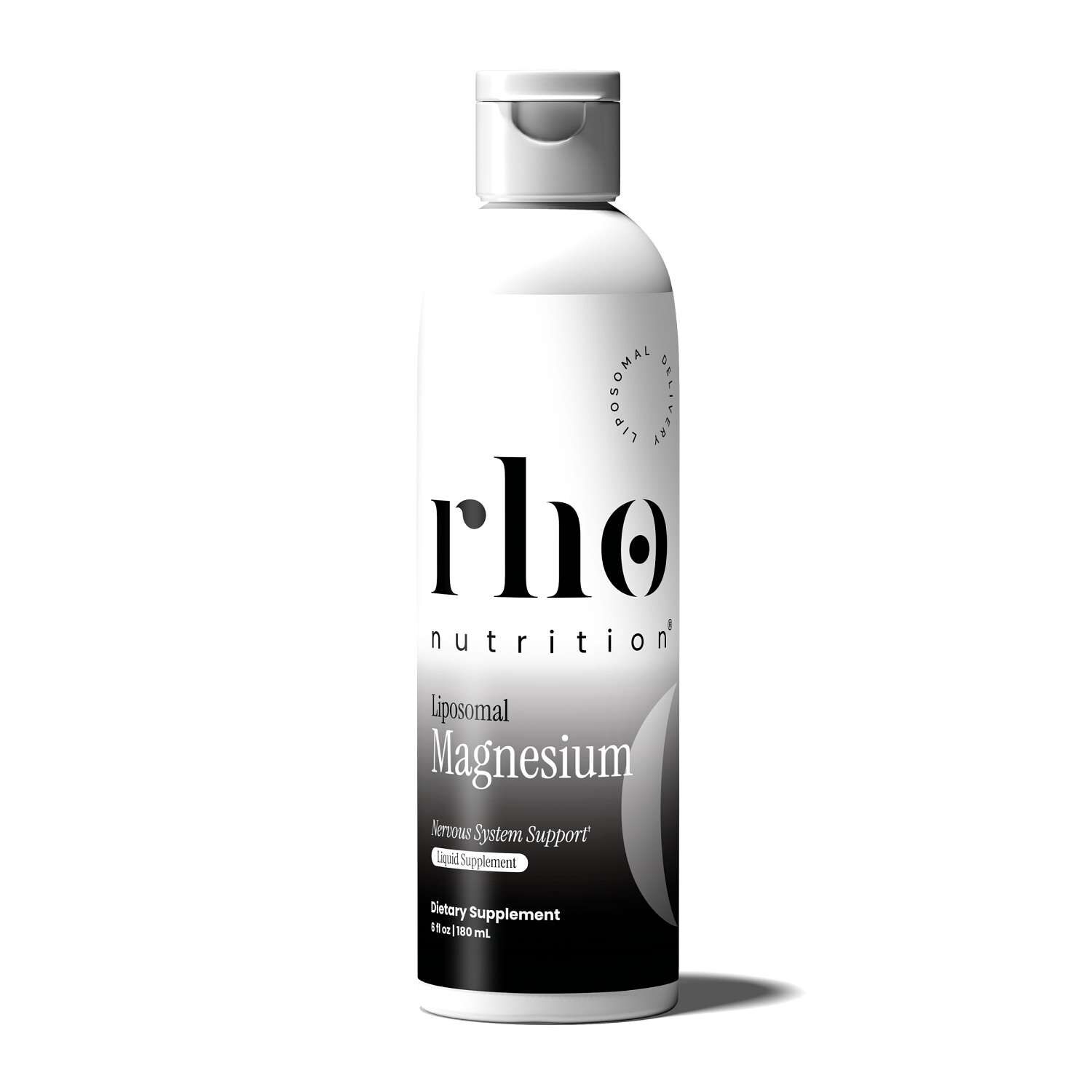 Rho Nutrition
 -
Qualia Life Sciences
Related Pages

Top Collections
- Daily Collagen Supplements | Top Brands & Deals | GNC
- Natural Collagen Supplements | Top Brands & Deals | GNC
- Top Rated Collagen | Shop Customer Favorites | GNC
- Cortisol Supplements
- Vitamins For Hair Loss
- Spirulina Tablets
- NAD+ Supplement Tablets
- Peptide Supplements
- Best Brand of Magnesium Glycinate
- Vitamins That Help Support Weight Gain