Magnesium Glycinate Supplements For Energy
(0 Results)
Magnesium glycinate supplements for energy are a popular choice for those looking to support their overall wellness routines. Known for their easy-to-absorb form, these supplements may be an ideal option for individuals seeking to maintain healthy energy levels throughout the day. With a variety of options available, finding the right magnesium glycinate supplement could help you take a proactive approach to your daily vitality and well-being. Explore different formulations and strengths to discover what might work best for your lifestyle and nutritional needs.
-

-

-

-
-
-

-

-
-

-
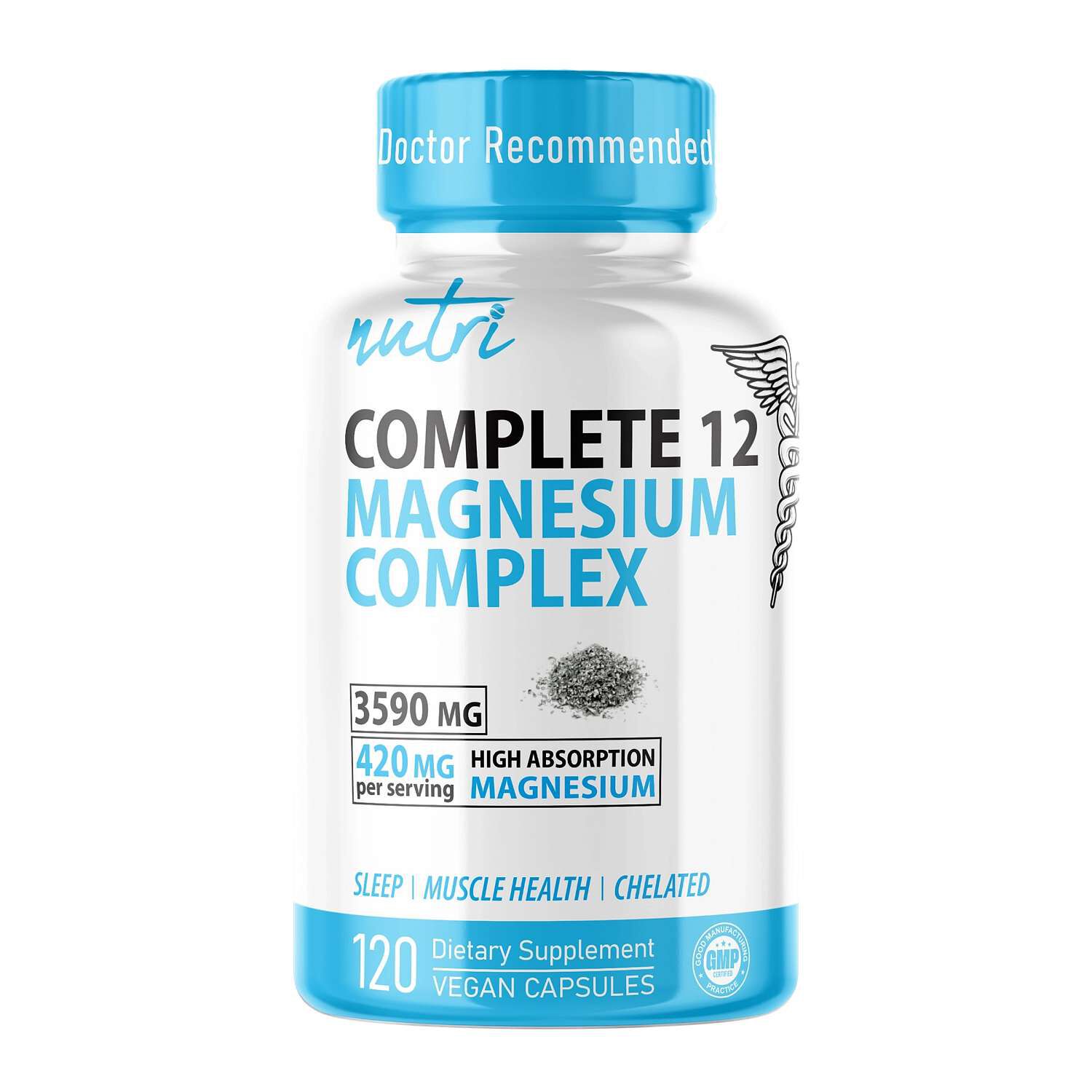 Nature's Fusions$31.99
-
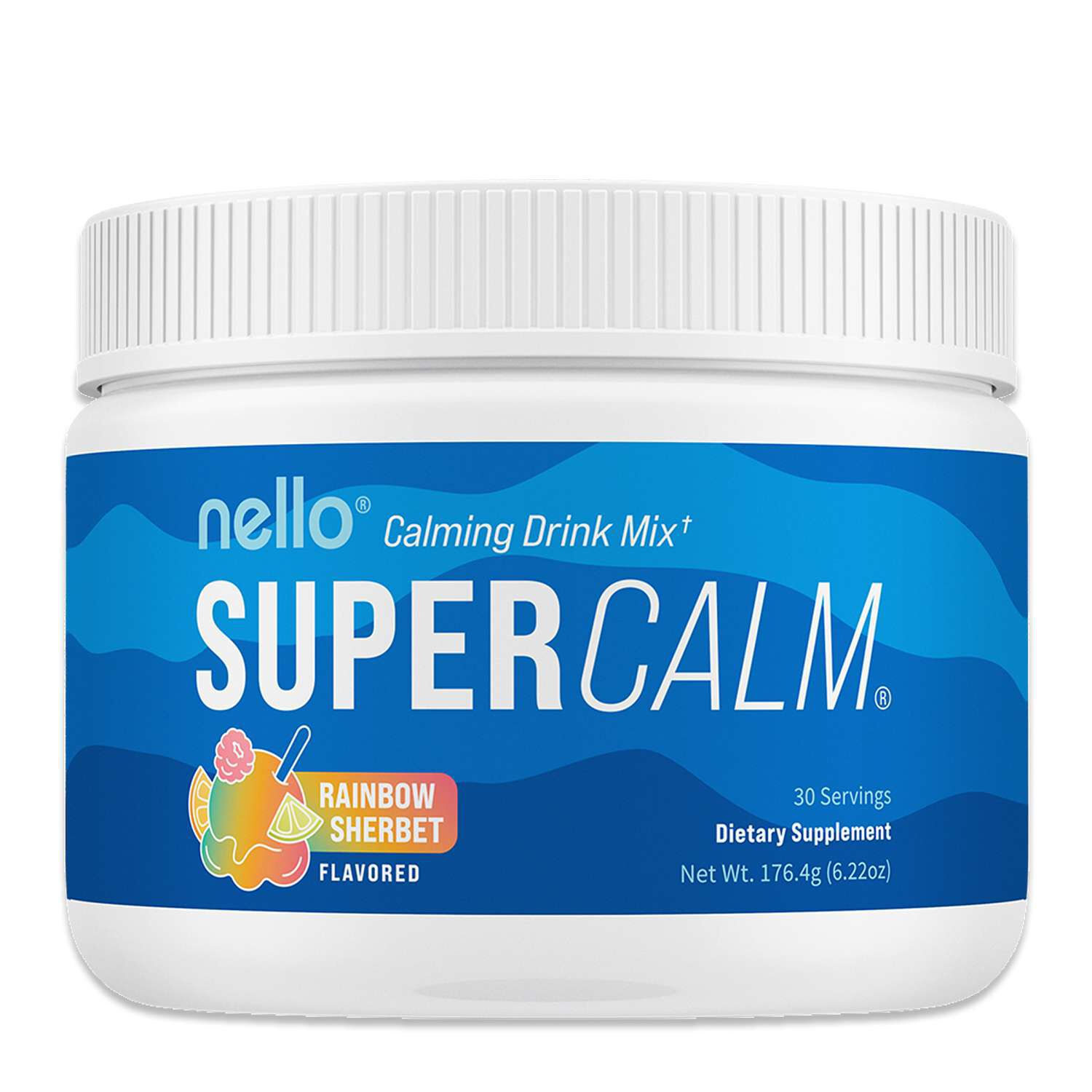
-
-
-
-

-

-
-

-
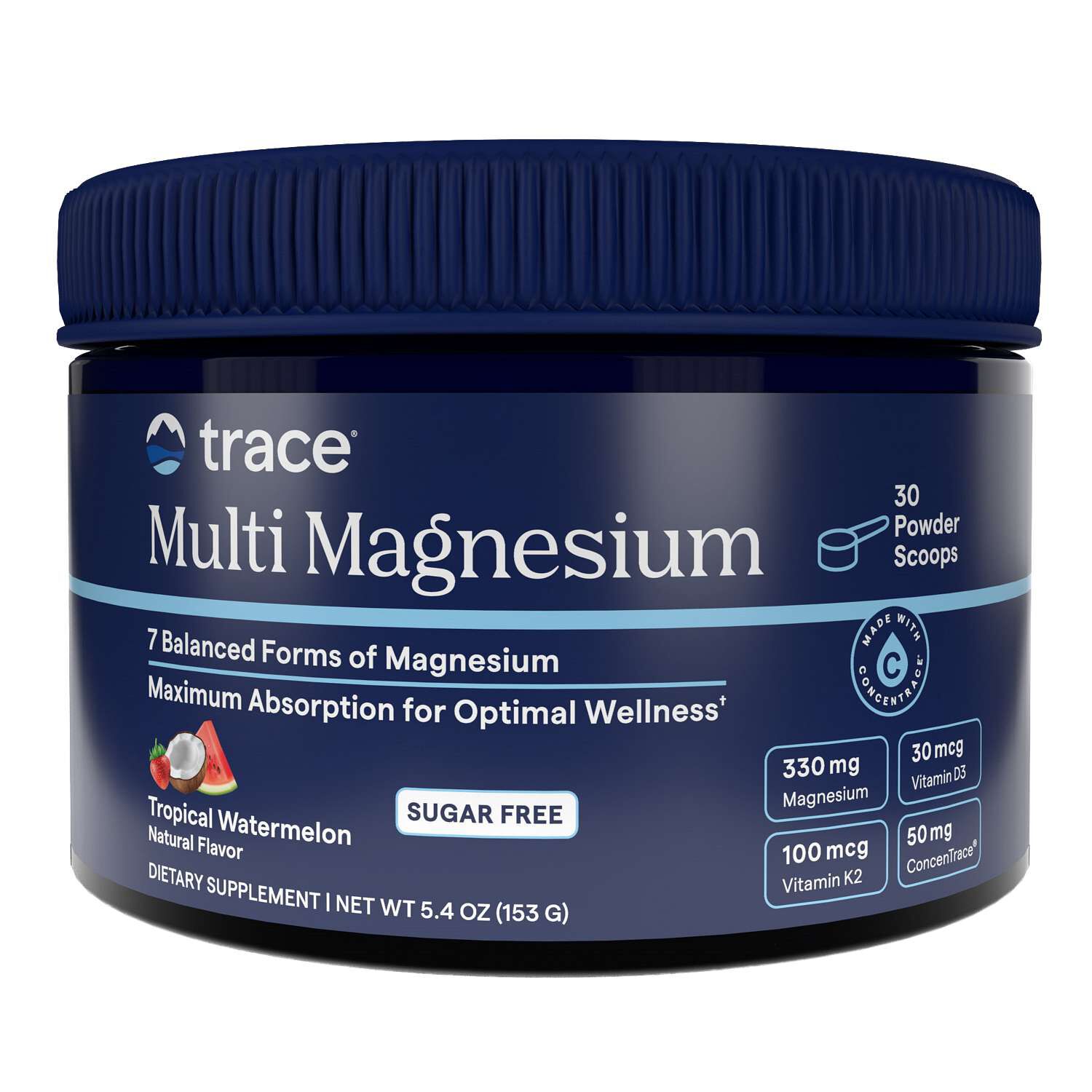 Trace Minerals$29.99
-
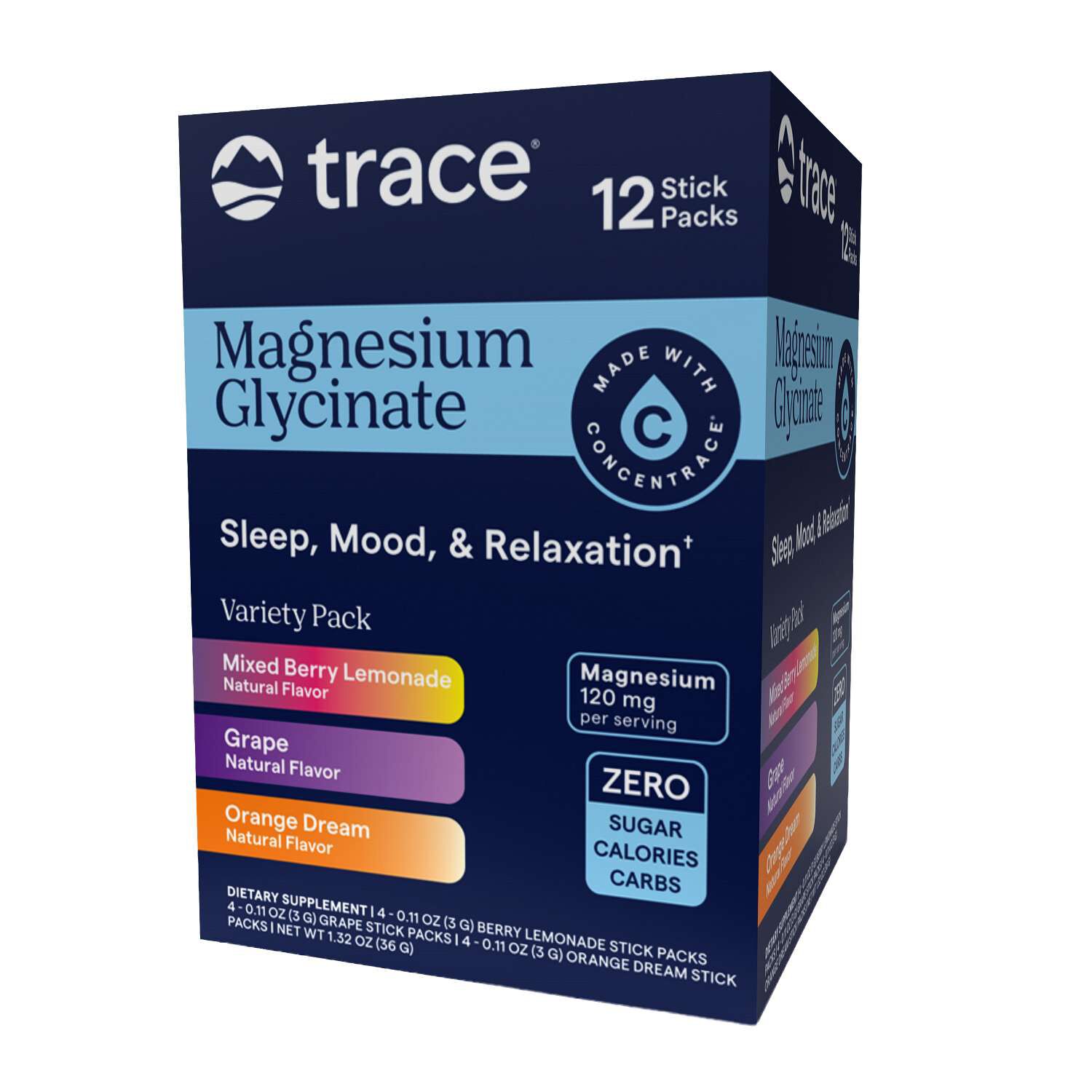 Trace Minerals$14.99
-
 Nature's Fusions$29.99

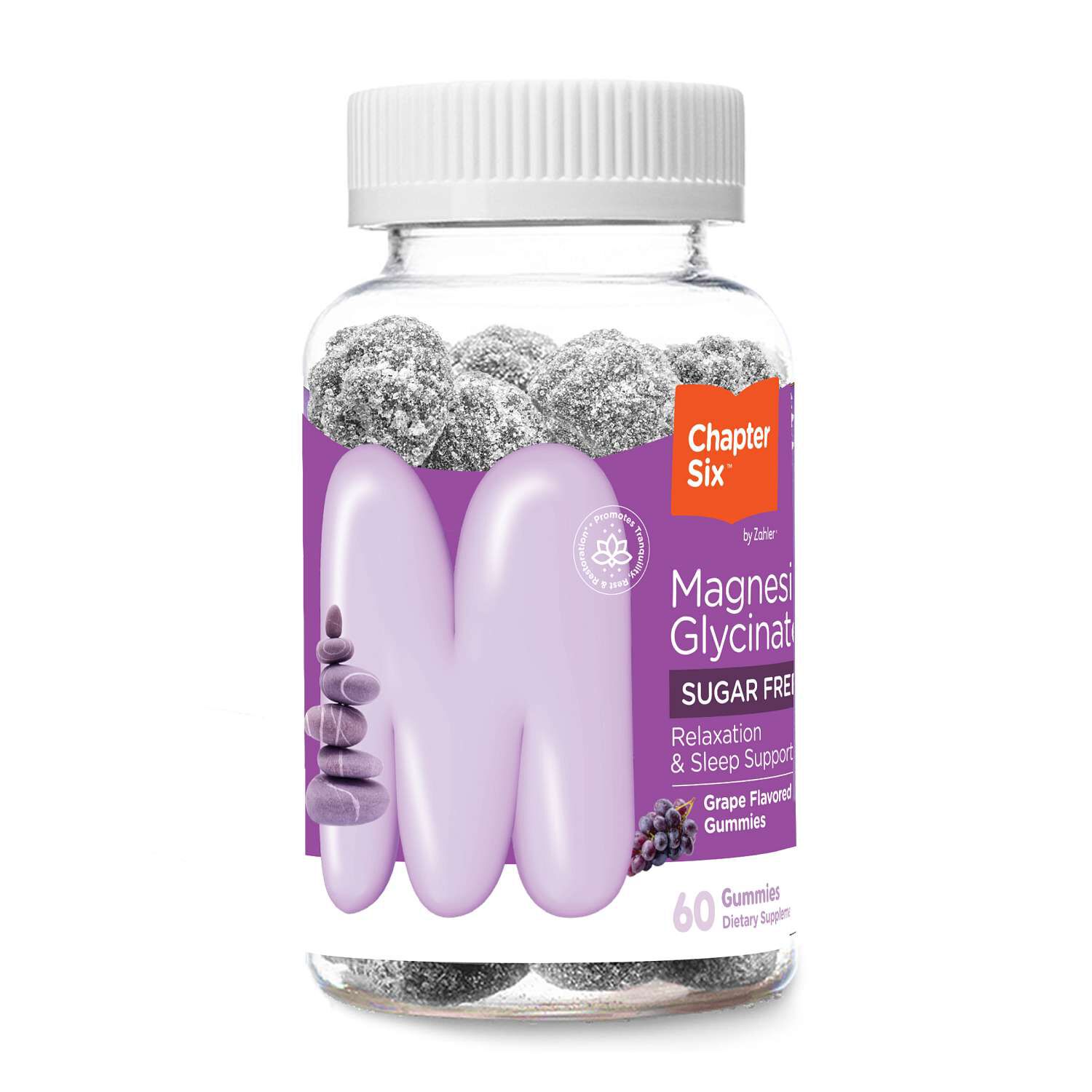
Magnesium glycinate supplements for energy may support normal energy metabolism as part of a balanced daily routine. Magnesium glycinate is a form of magnesium paired with glycine, an amino acid. Its connection to energy is nutritional rather than the familiar sensation associated with a caffeinated drink. Magnesium participates in the body’s normal handling of nutrients and in processes involving adenosine triphosphate, or ATP, the molecule cells use to transfer energy. That background explains why this mineral appears in conversations about everyday energy, even though a magnesium supplement is not intended to deliver a quick stimulant jolt. For someone moving from a morning commute to an afternoon workout, or balancing a full workday with evening activities, the relevant consideration is how mineral supplementation fits alongside meals, hydration, and adequate rest. It is not a replacement for any of those foundations. Foods such as beans, nuts, seeds, whole grains, and leafy greens contribute dietary magnesium, while supplements offer a labeled serving in a separate format. The glycinate designation identifies the mineral’s form; it does not, by itself, describe the amount of magnesium in a serving or every other ingredient in the formula. Glycine is also a normal component of dietary protein, but its presence in the compound does not make a magnesium glycinate supplement a protein supplement. Adults interested in magnesium glycinate for daily energy may approach the category with different preferences: a straightforward mineral formula, a capsule that fits an established supplement routine, or a powder mixed according to its label directions. The most useful distinction is between a product’s intended nutritional role and expectations of an immediate feeling. Magnesium glycinate may support normal energy production, but the amount on the label should not be read as a measure of how energized someone will feel. Individual experiences can differ, and a larger serving is not a reliable shortcut to a more noticeable effect.
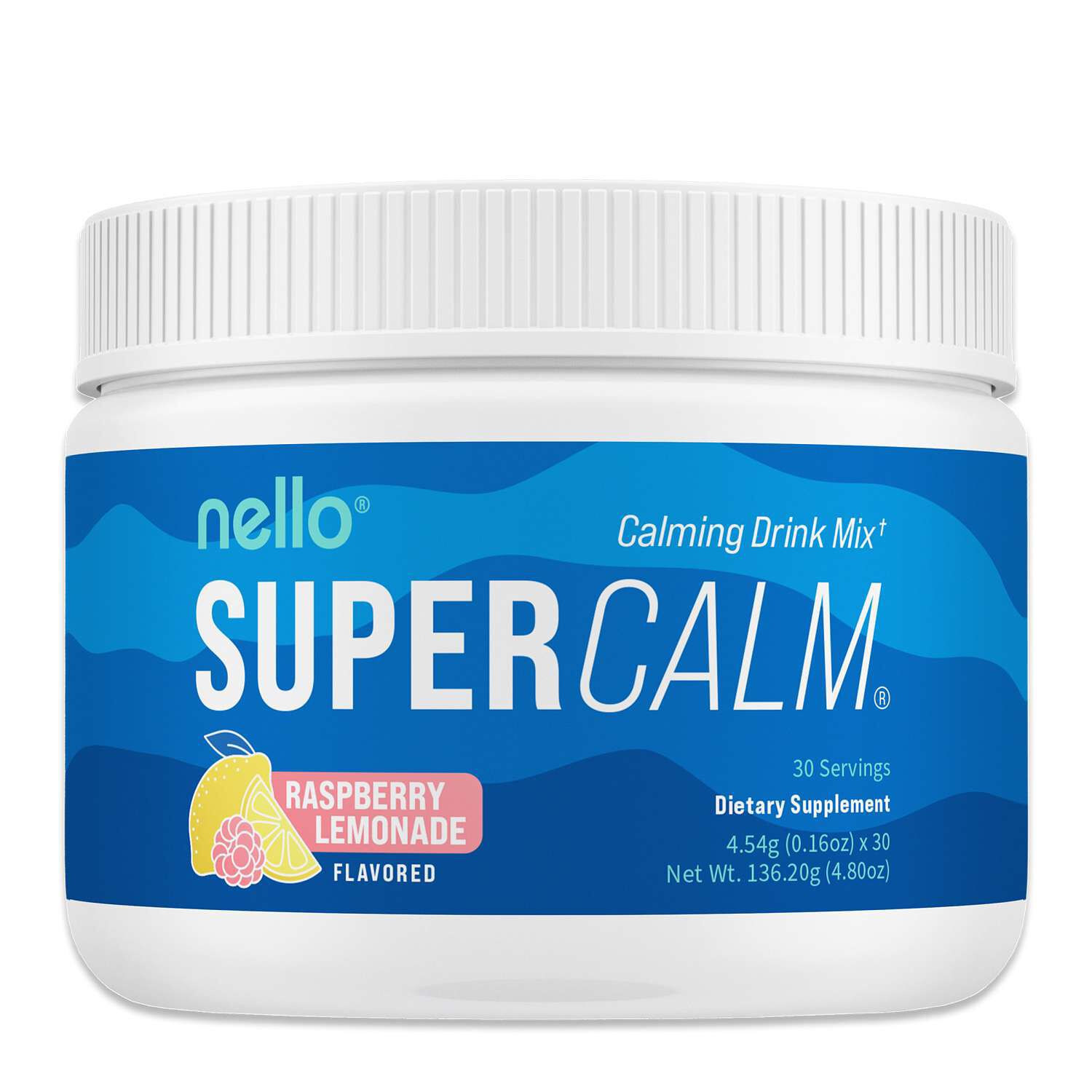
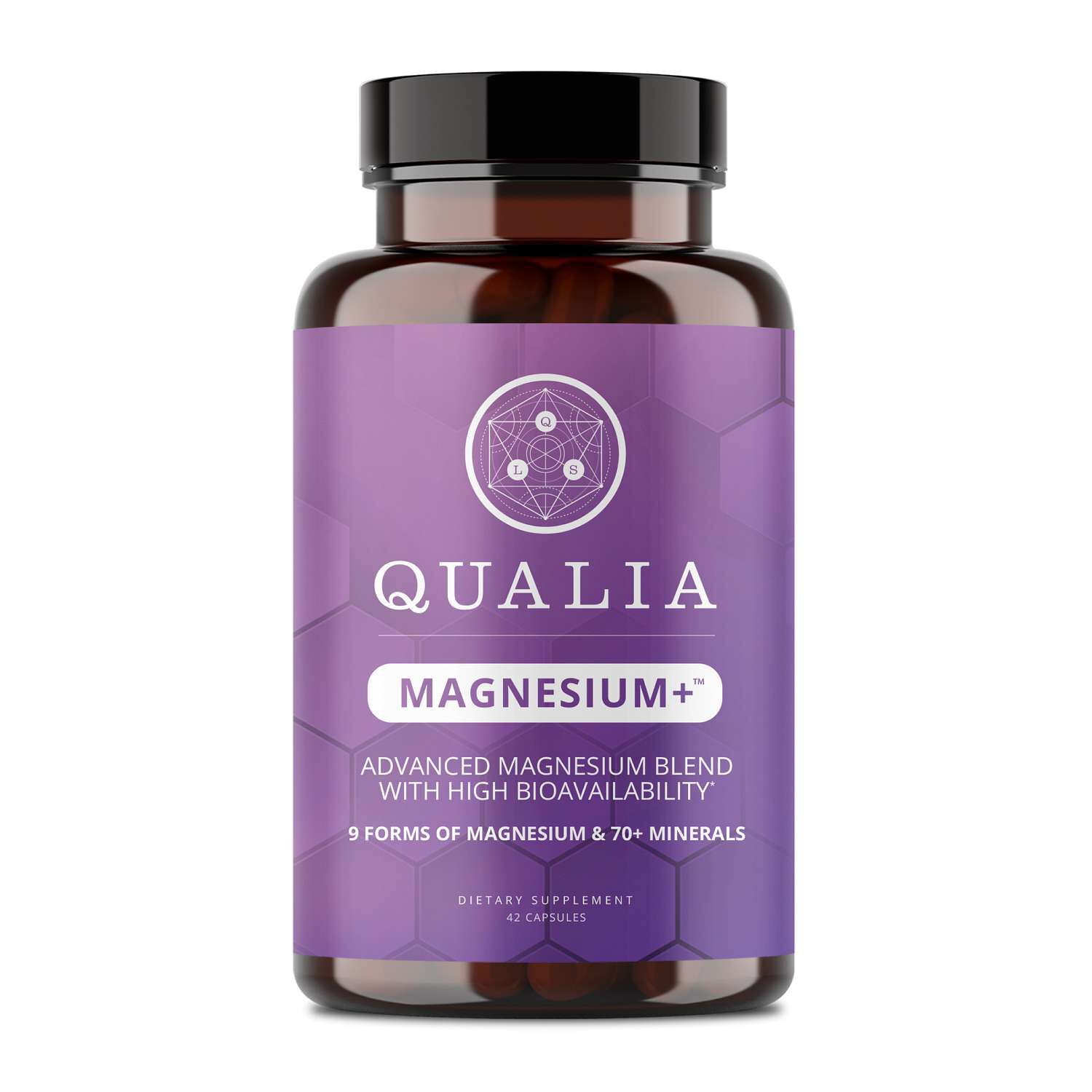
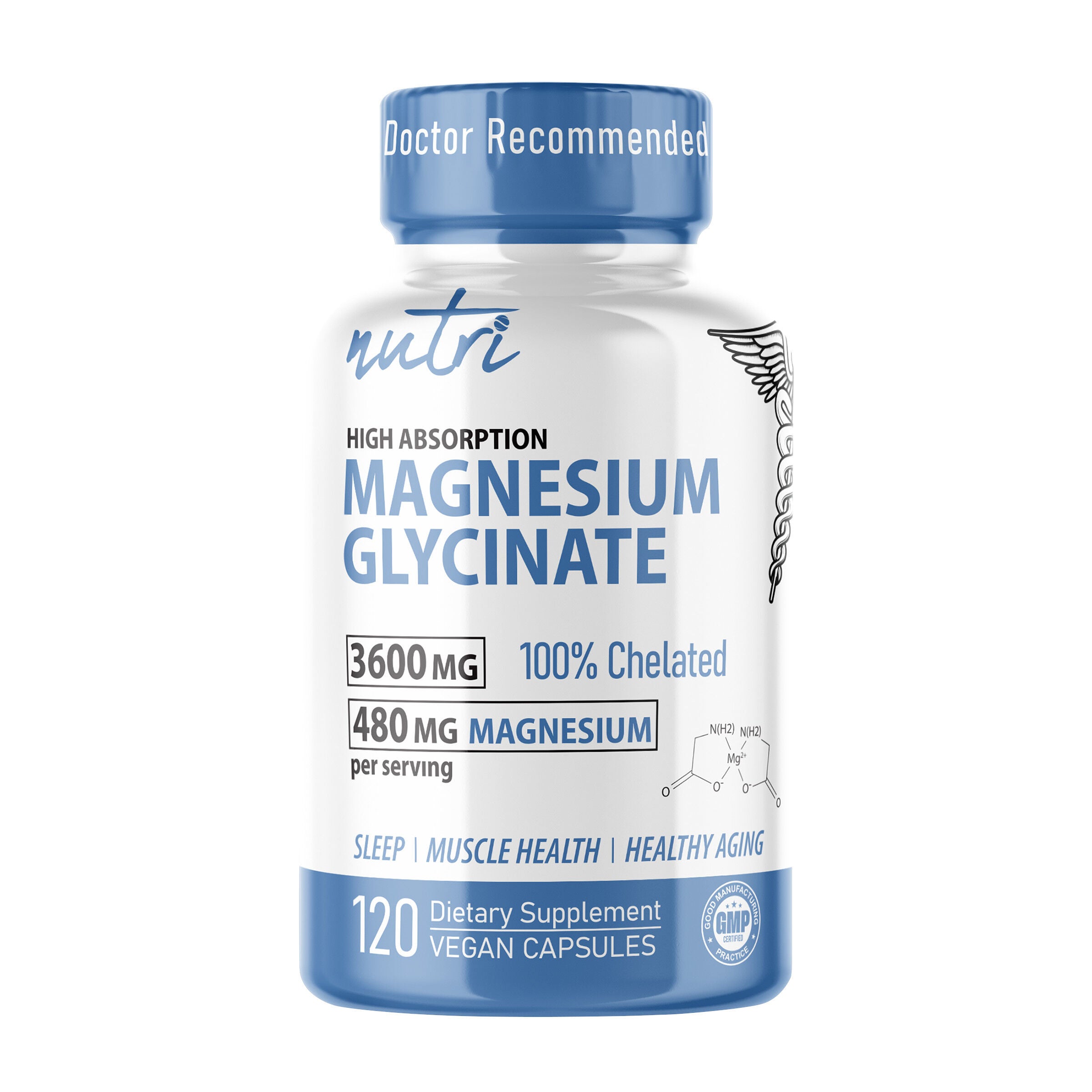
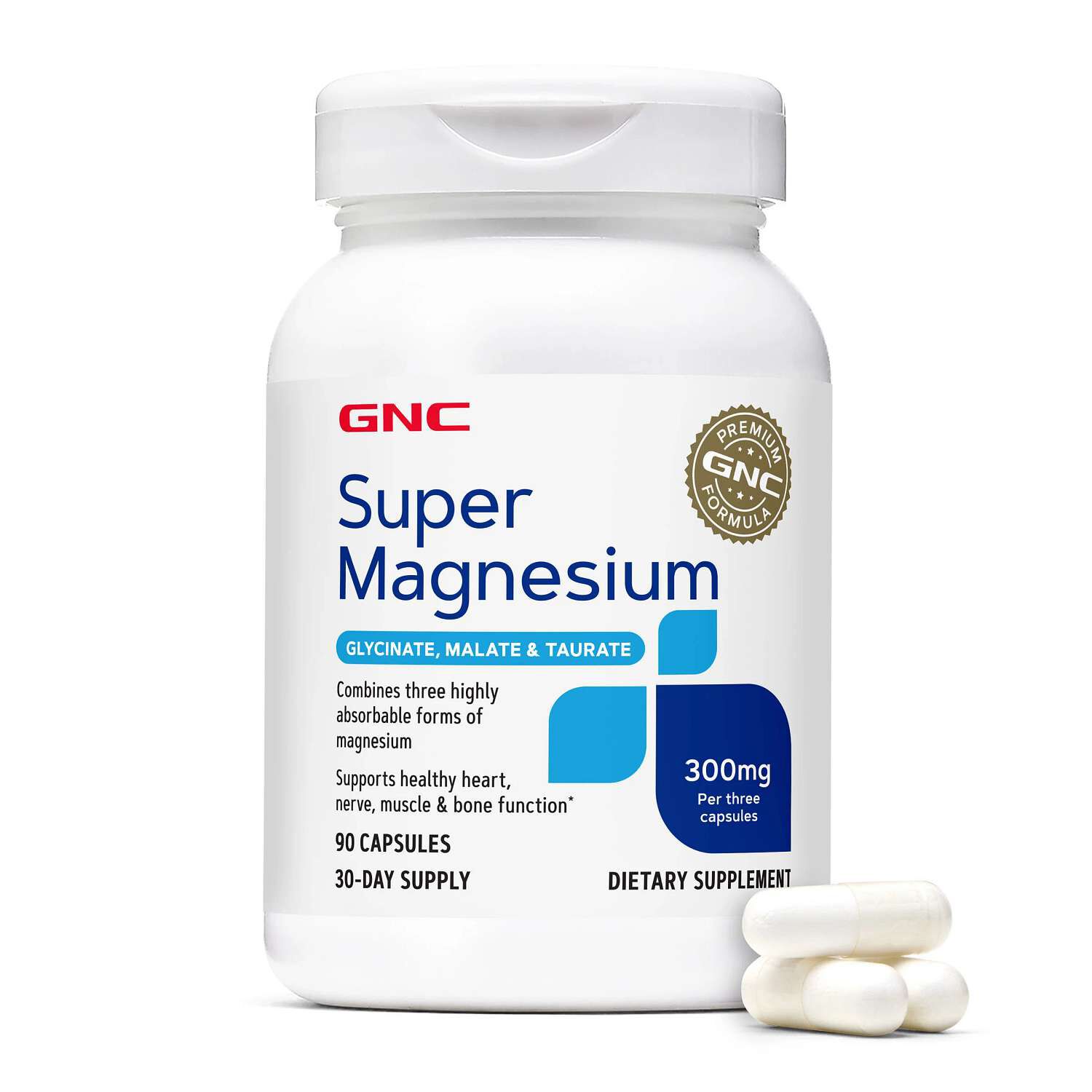
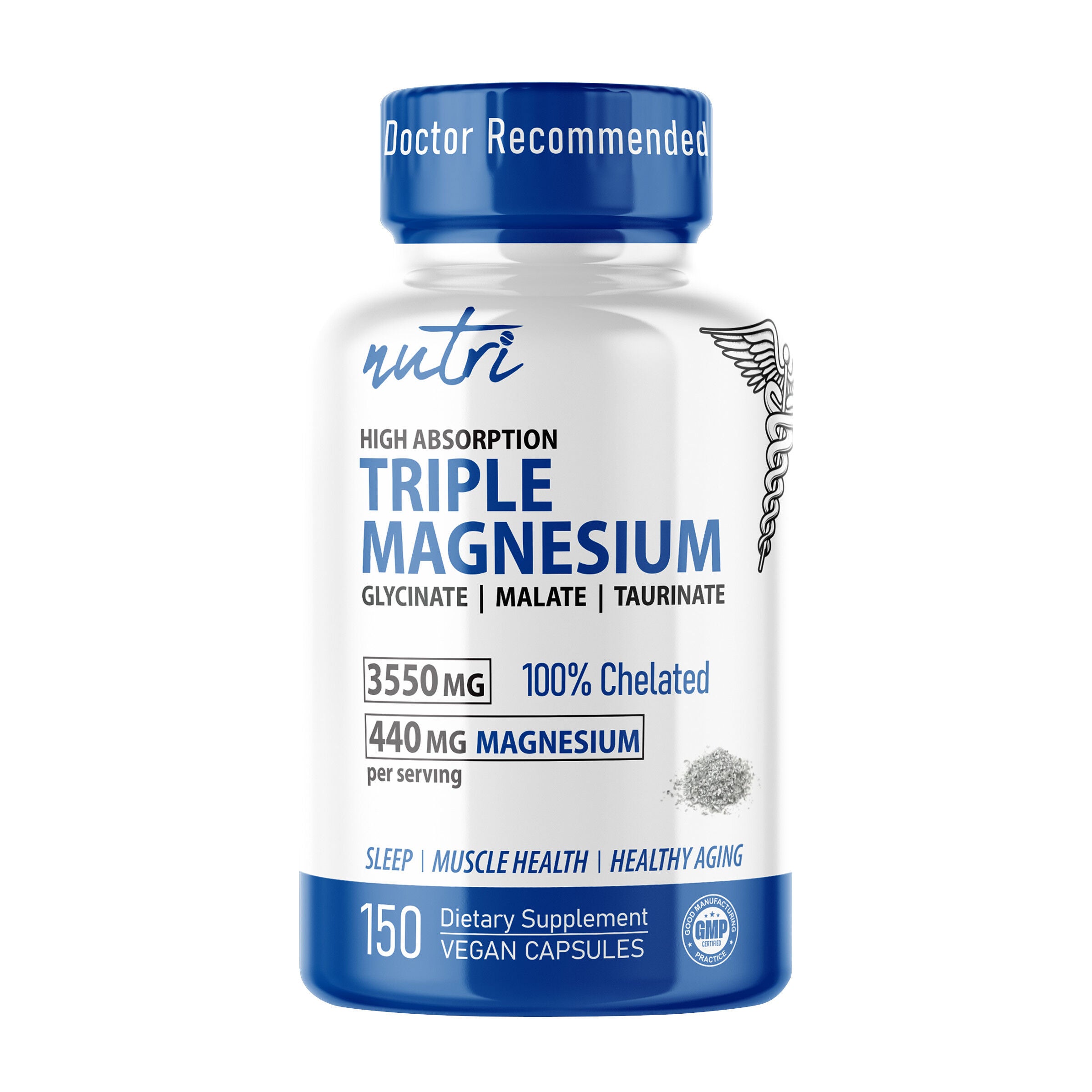
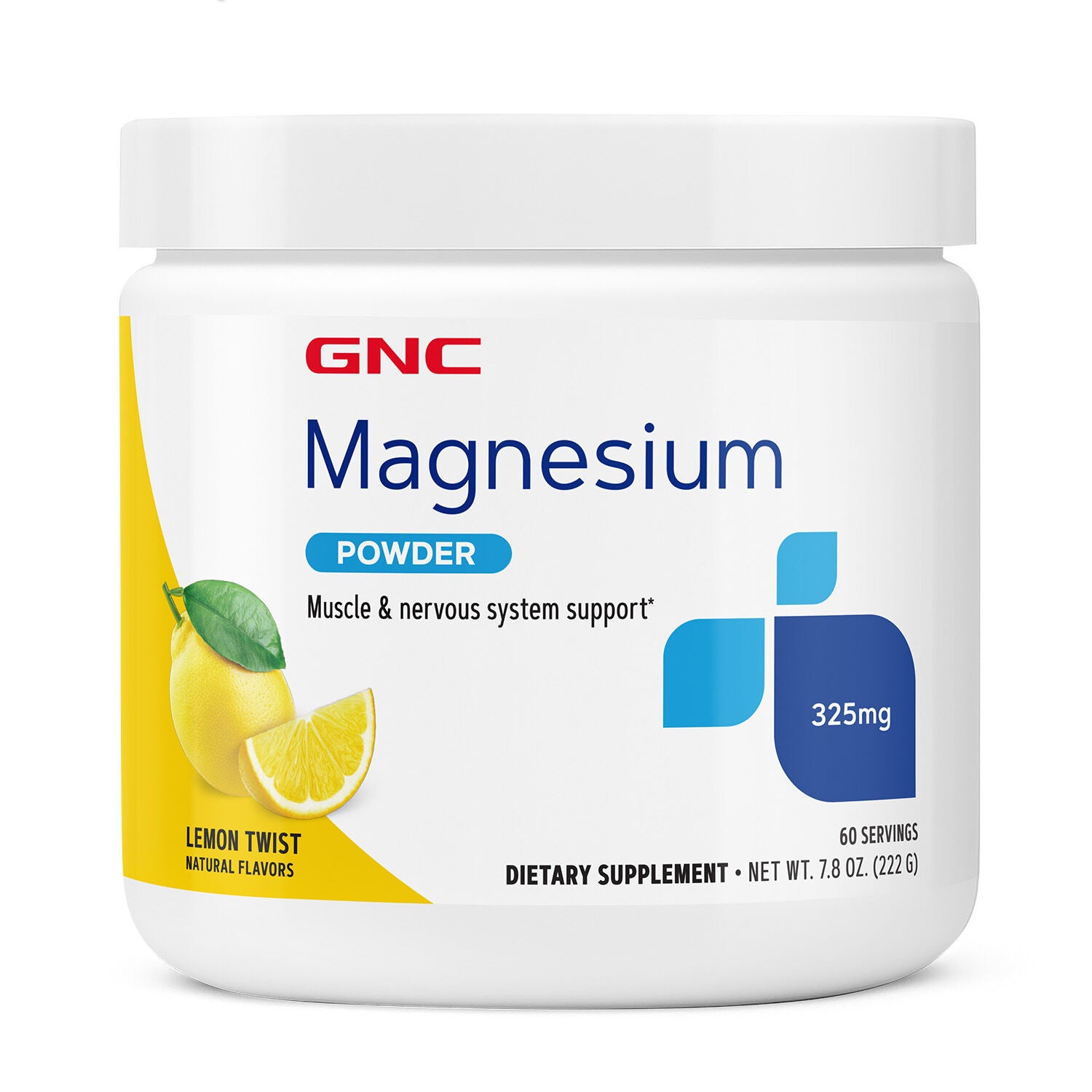
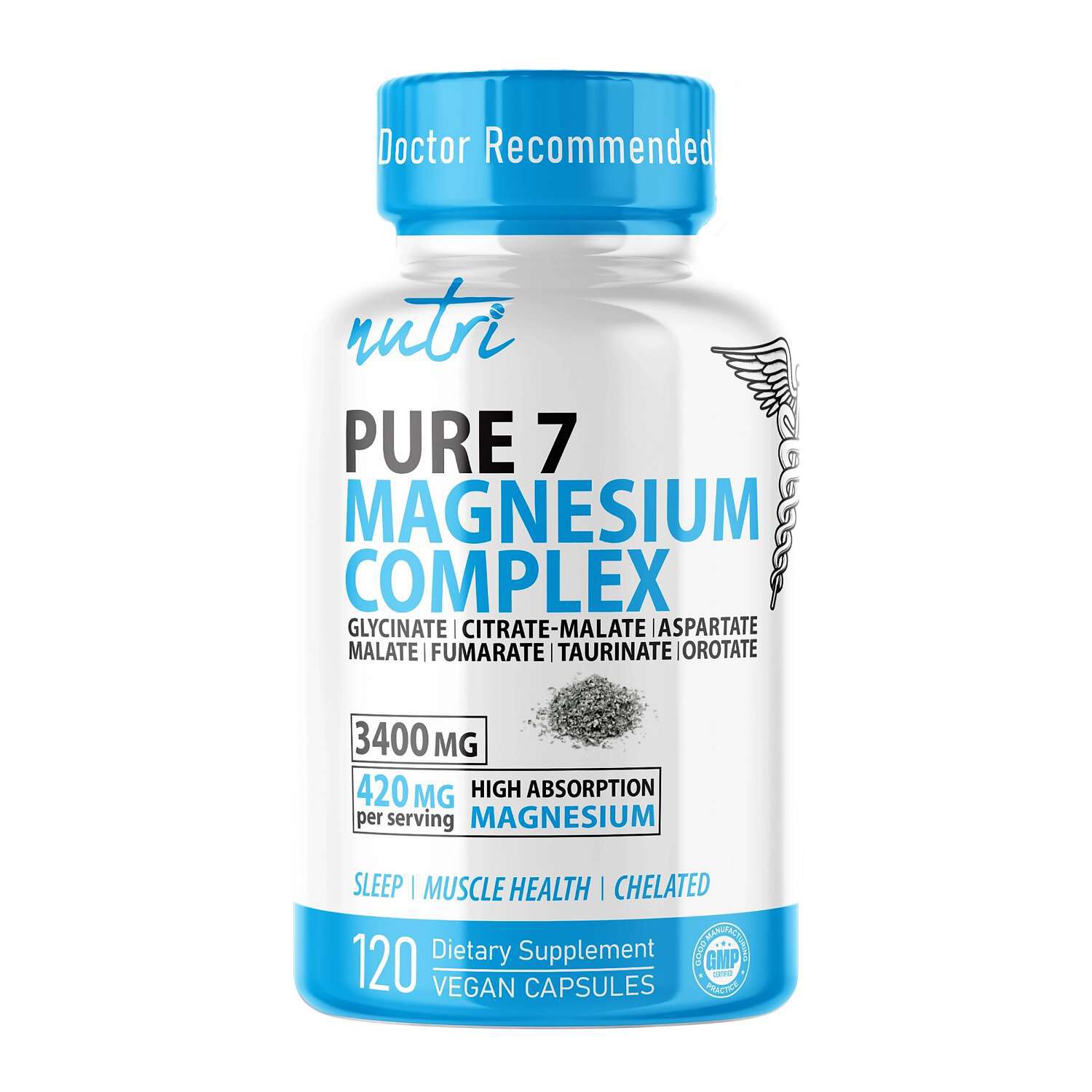
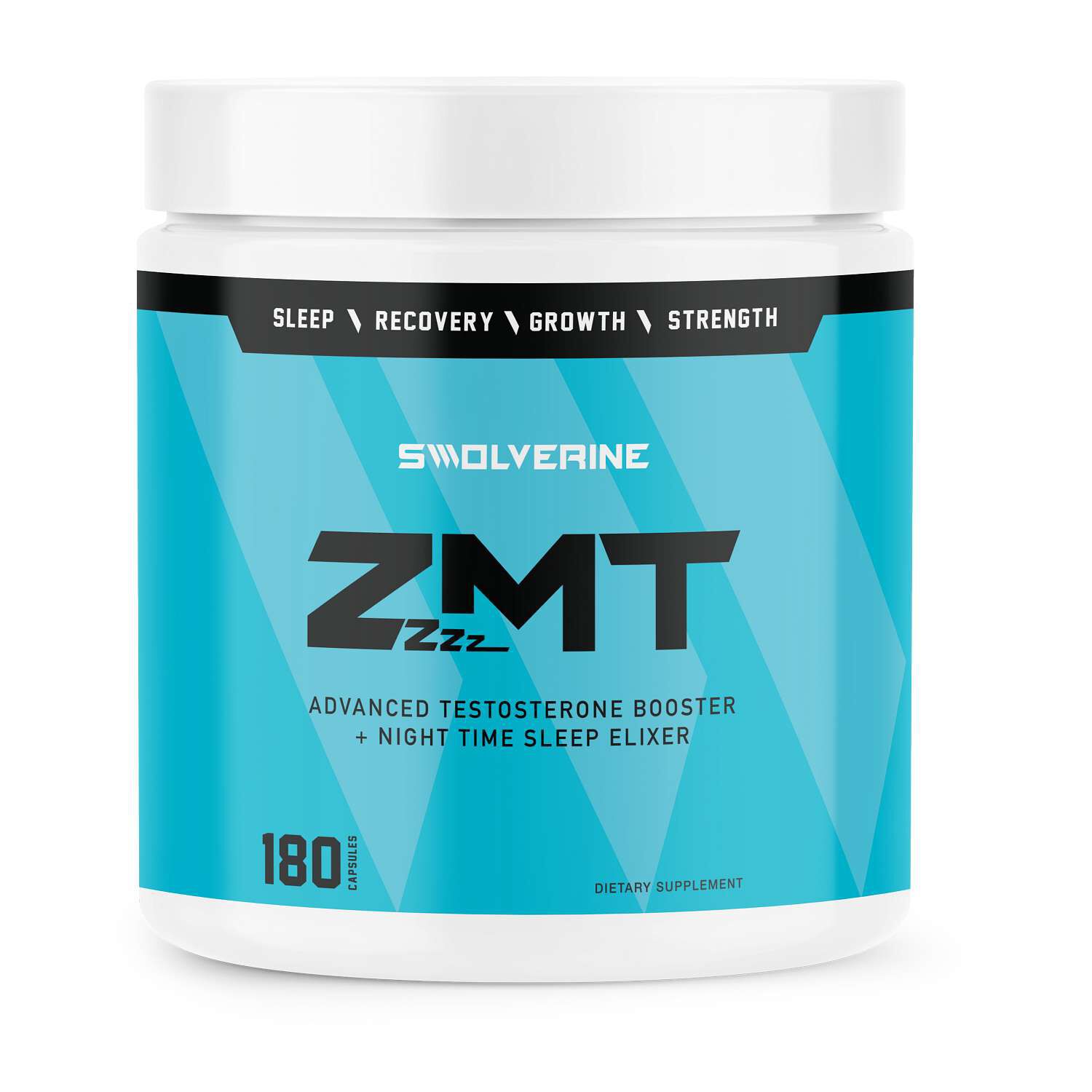
The details on the Supplement Facts panel make comparisons more meaningful than the wording on the front of the bottle alone. A label may identify magnesium with “as magnesium glycinate” in parentheses, while the listed milligram amount represents the magnesium supplied per serving. That amount is different from the weight of the entire magnesium-and-glycine compound, which may also appear elsewhere on the packaging. Serving size deserves equal attention: two capsules and one capsule are different portions, even when the bottles look similar. A powder may define its serving by a scoop or a measured weight, while a chewable format may require more than one piece. Comparing the same serving basis helps clarify those differences without relying on container size. The ingredient list also distinguishes formulas centered on magnesium glycinate from blends containing additional magnesium forms or other nutrients. Neither a long ingredient list nor a short one tells the whole story; the relevant question is whether the composition matches the shopper’s preferences and intended use. Capsules can suit someone who prefers a portioned format without mixing, while tablets offer another solid option with their own dimensions and coating characteristics. Powder may appeal to someone who would rather prepare a serving in a glass, although flavor, mixing directions, and the amount of liquid can vary. Chewable formats bring texture, flavoring, and sweetener choices into the comparison. For a capsule, the shell may contain gelatin or a plant-derived material such as cellulose, making the other-ingredients panel relevant to vegetarian or vegan preferences. Allergen statements and any clearly identified third-party verification provide additional information to review. A certification mark applies to the criteria of that particular program, not to every possible aspect of a supplement. Product photography may help show capsule shape or container design, but the written label remains the better reference for serving information, ingredients, and directions. These practical distinctions matter whether a bottle will sit beside breakfast dishes or travel in a gym bag.
An everyday supplement routine also has to work beyond the first serving. Container size, serving count, closure style, and storage directions all affect how a format fits into a household. Someone who spends much of the day away from home may prefer a securely closed bottle of capsules over a powder that needs a scoop, a glass, and water. Someone who already prepares a drink at home may find the mixing step less important than flavor or texture. The product’s own directions should determine preparation and use rather than an assumption that morning or evening use will produce a particular result. The energy theme does not establish a universal schedule, and magnesium glycinate should not be treated as an on-demand substitute for a meal or a night’s rest. When several supplements share space on the counter, comparing their nutrient panels can reveal where ingredients overlap; familiar packaging alone can make those overlaps easy to miss. A qualified healthcare professional can address questions about personal suitability or how a supplement fits an individual’s circumstances. For shoppers considering a women’s-focused selection, the Magnesium Glycinate Supplements For Women collection provides another browsing path, with the same attention to magnesium form, serving size, and other ingredients. Care after purchase is straightforward but worth considering: keep the original label readable, close the container as directed, and follow the stated storage conditions. A dry scoop and a firmly secured lid matter for powders, while original packaging keeps directions and date information together. Keep supplements out of reach of children, and check the printed date and package condition before use. Ultimately, magnesium glycinate supplements for energy are best understood as nutritional products with distinct formats and labeled compositions, not as interchangeable versions of an energy drink. A suitable choice reflects the shopper’s dietary preferences, comfort with the format, and willingness to follow the stated directions within an established daily routine.
Best Sellers
-
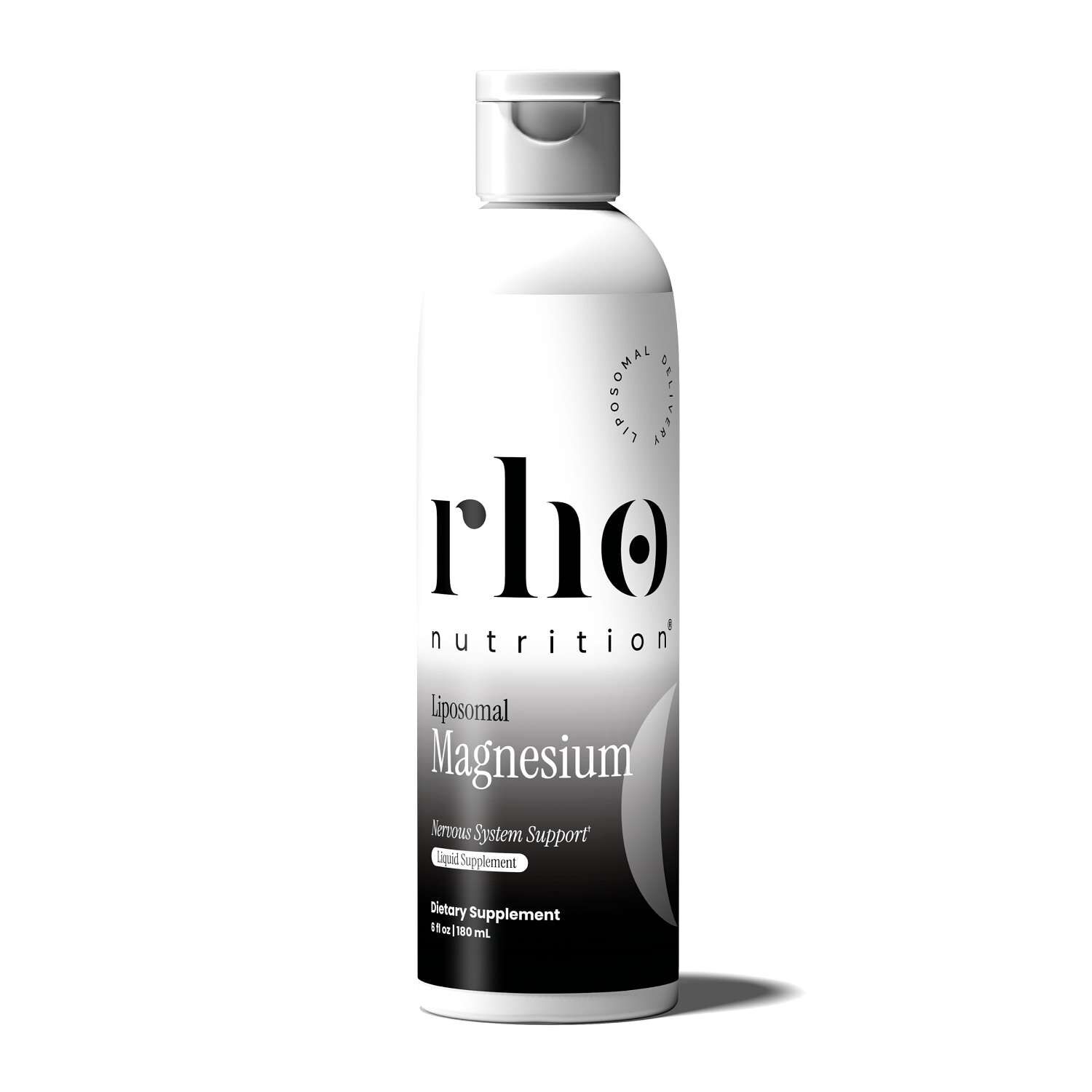
Rho Nutrition
-
Qualia Life Sciences