

Meal Replacement Shakes For Fall Fitness
(0 Results)
Meal replacement shakes for fall fitness could be a convenient way to support your seasonal wellness routine. As the days get cooler and schedules fill up, these shakes may offer an easy option for those on the go or looking to maintain balanced nutrition. Whether you’re heading to the gym, enjoying outdoor activities, or simply seeking a quick meal solution, meal replacement shakes for fall fitness might fit seamlessly into your active lifestyle. Explore options that could align with your goals and help you make the most of the season.
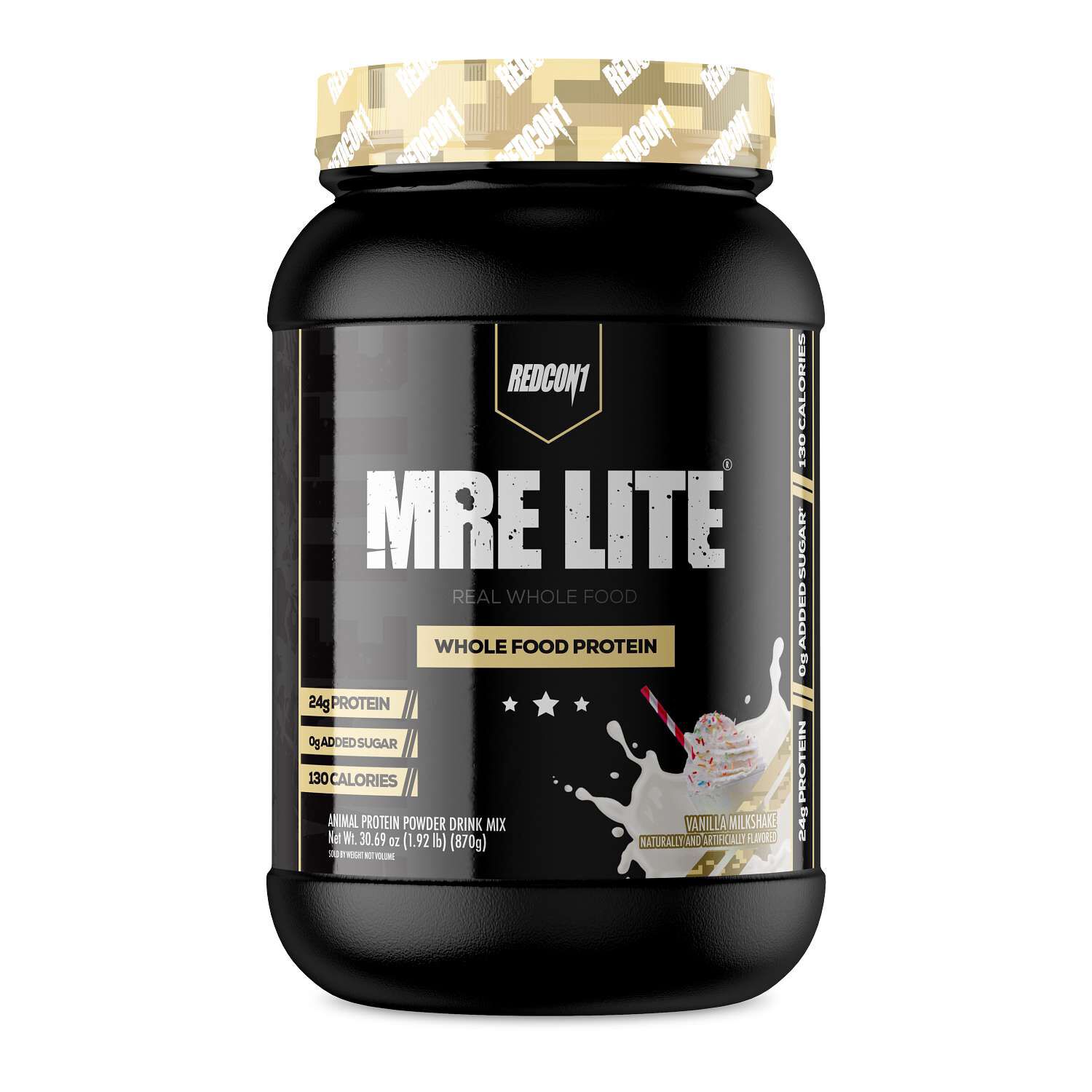

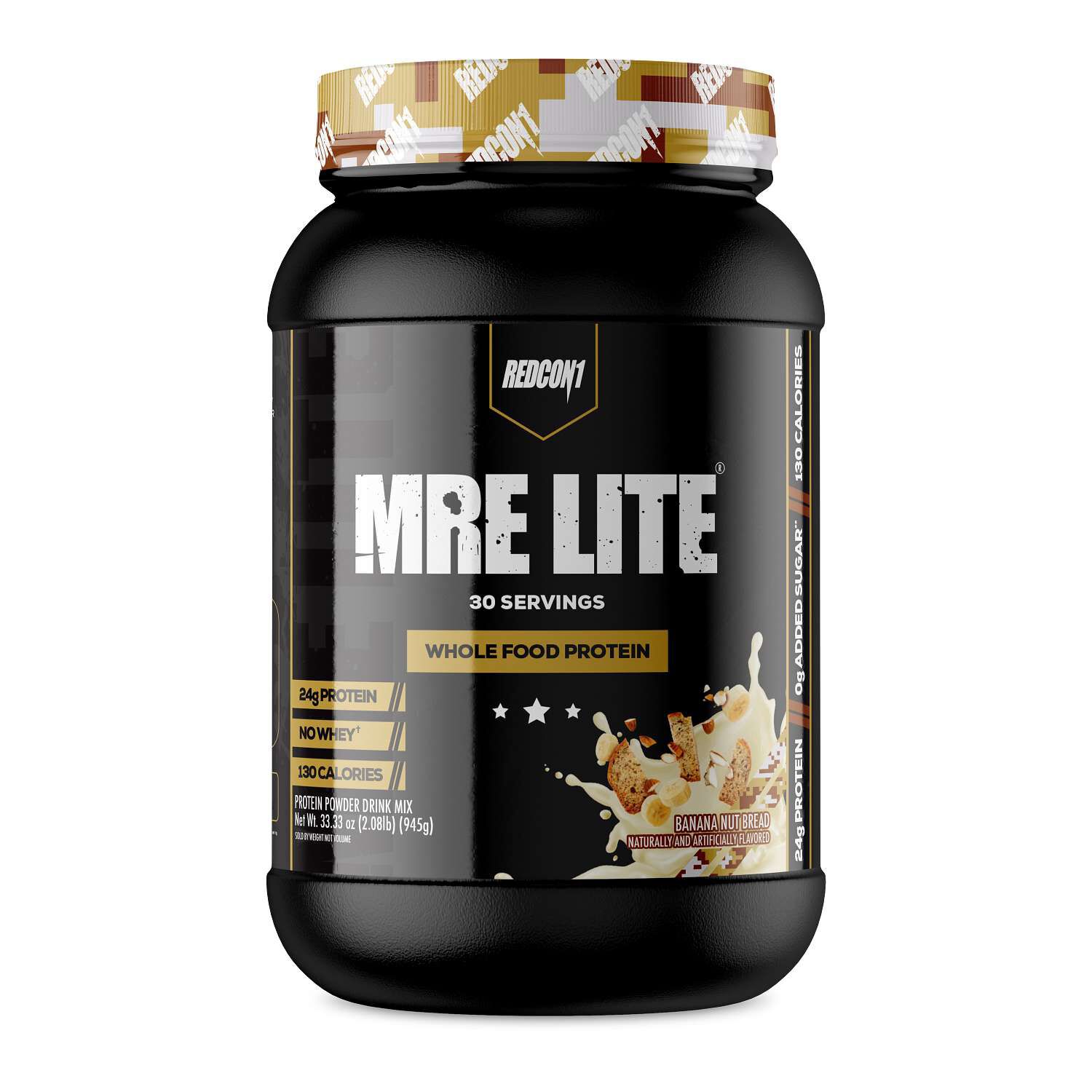


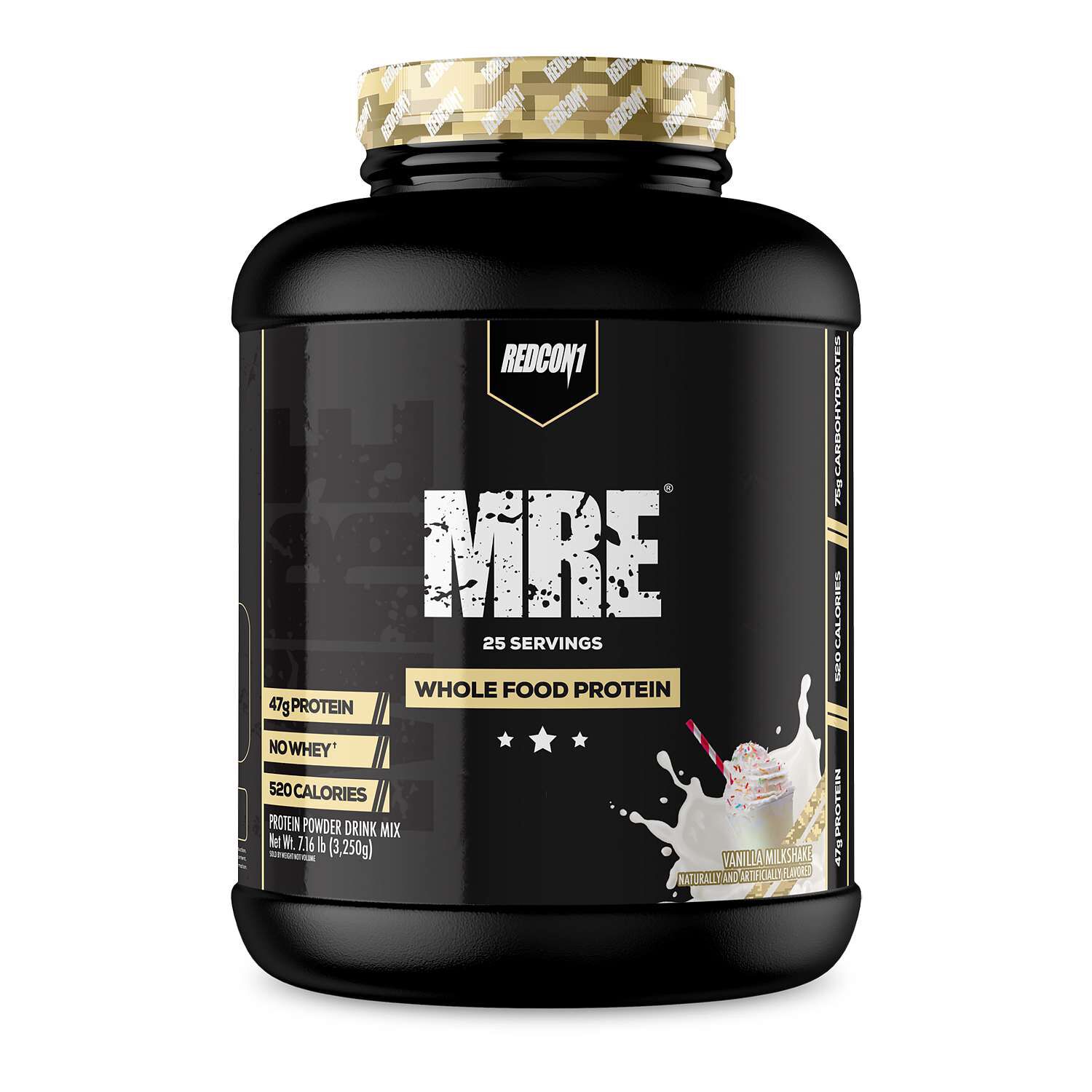

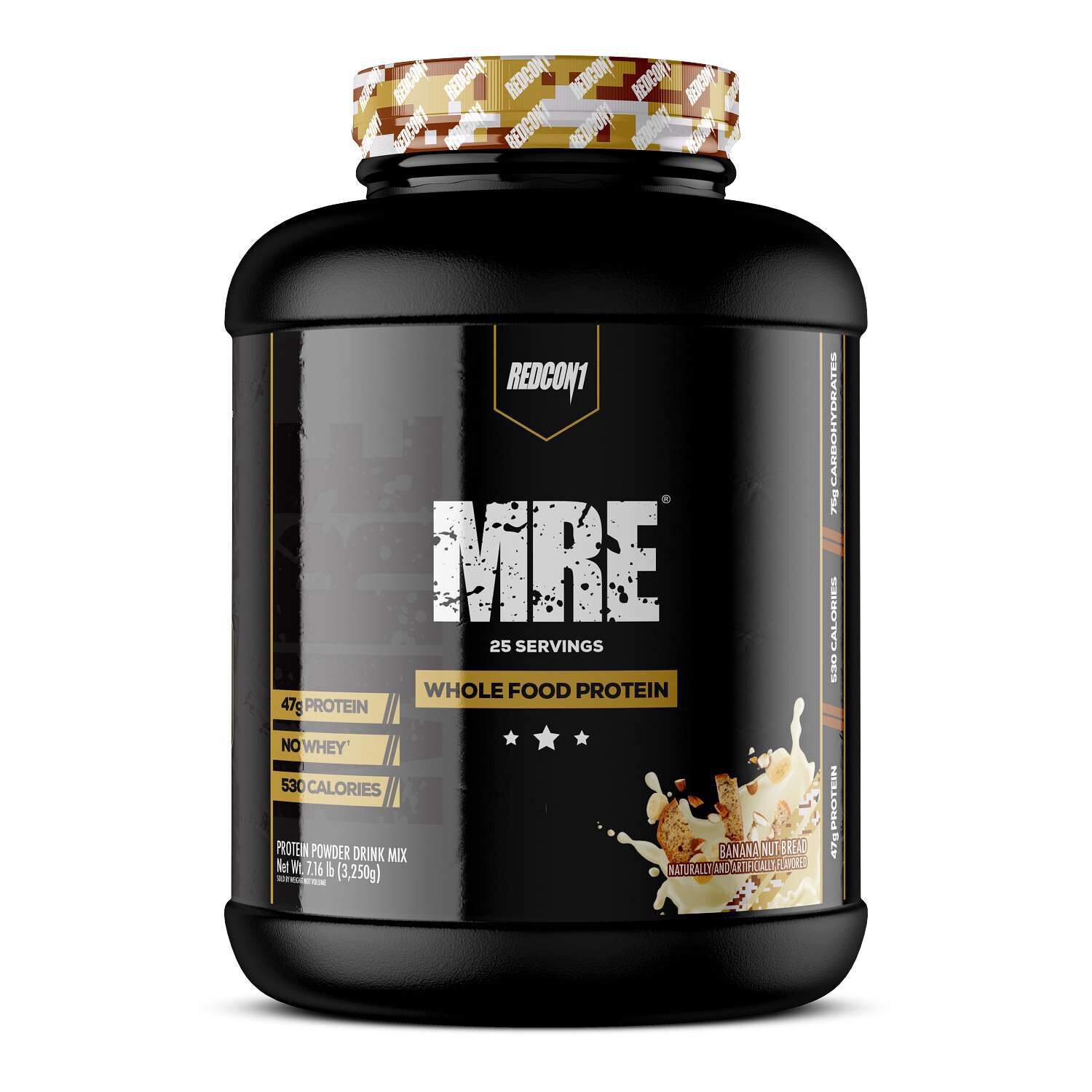

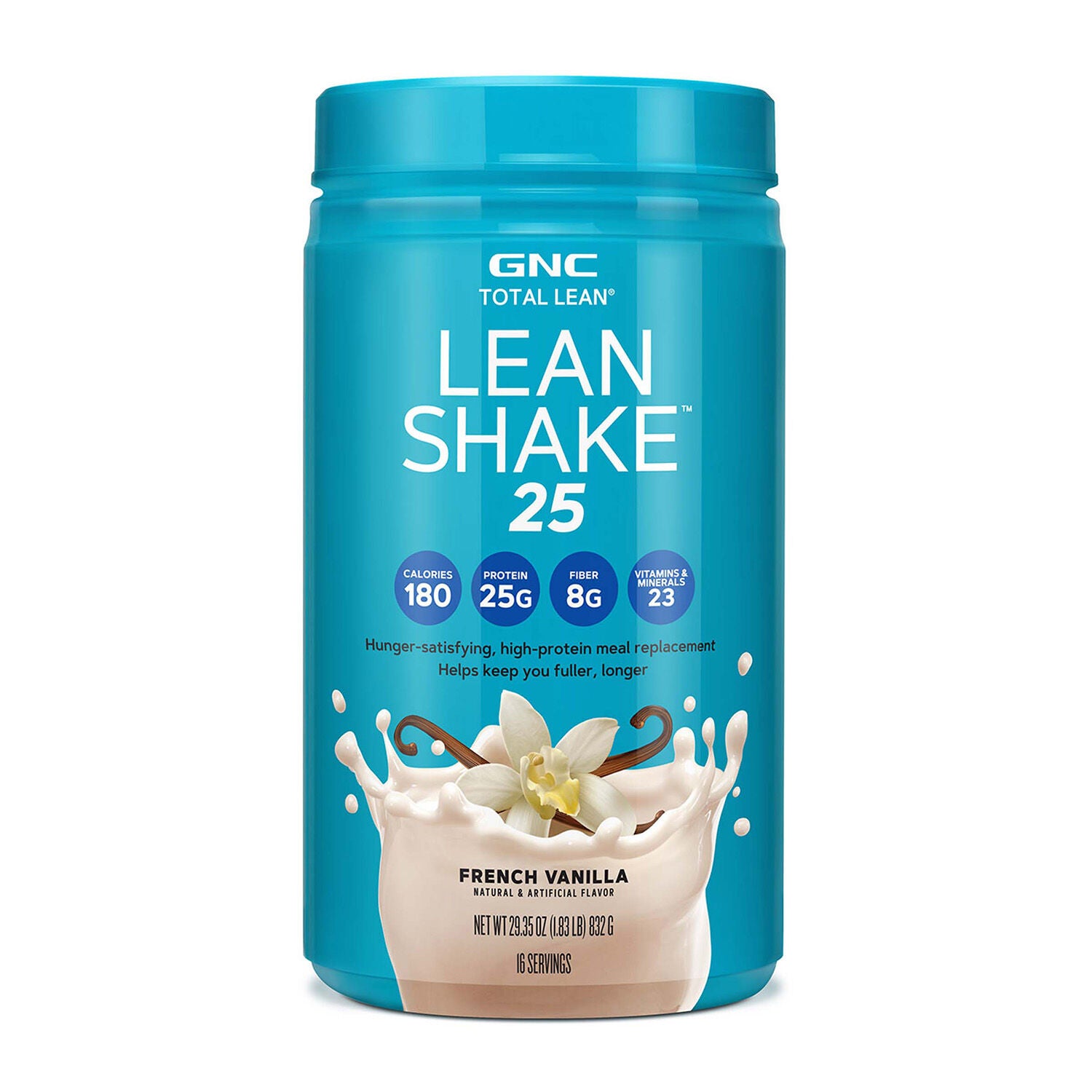
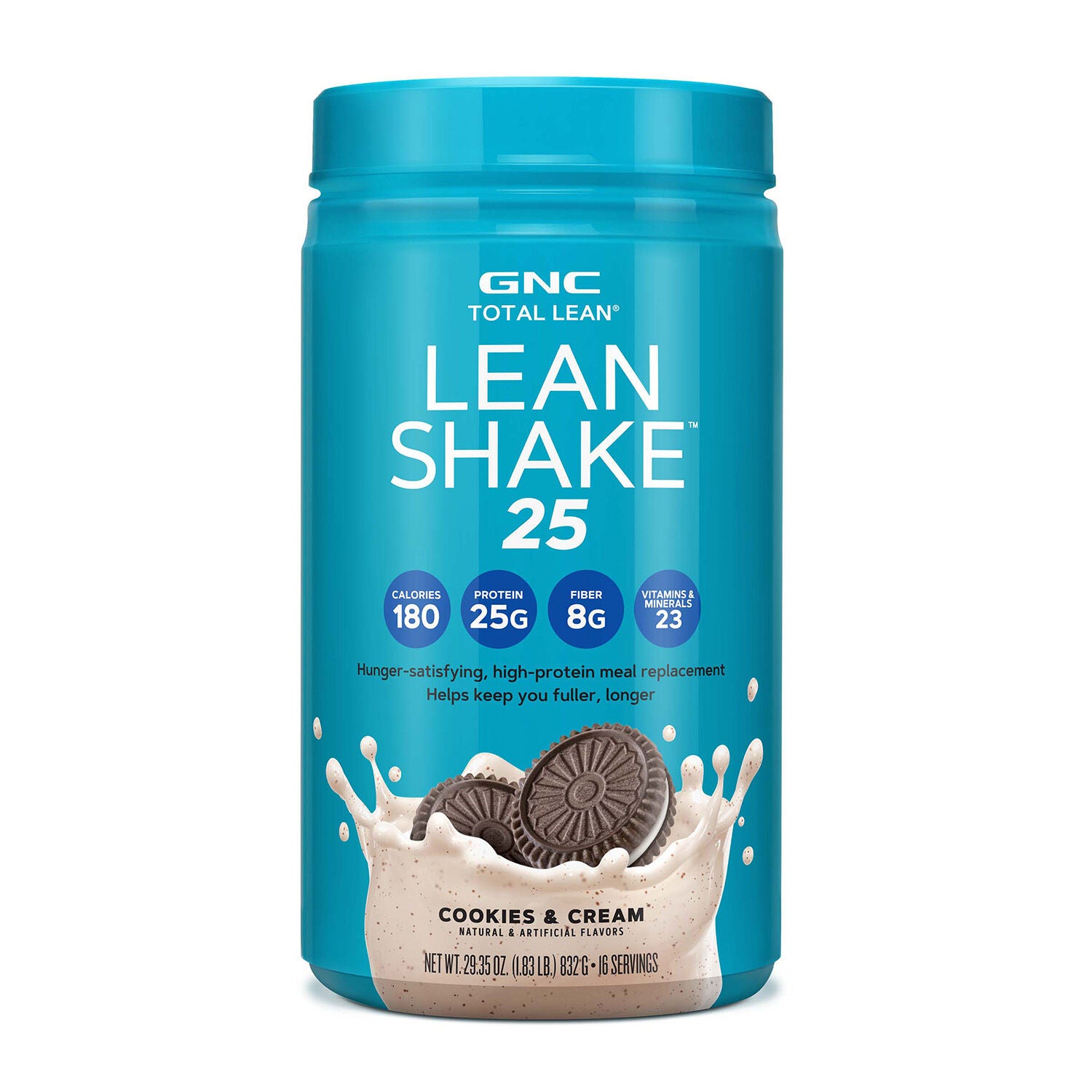
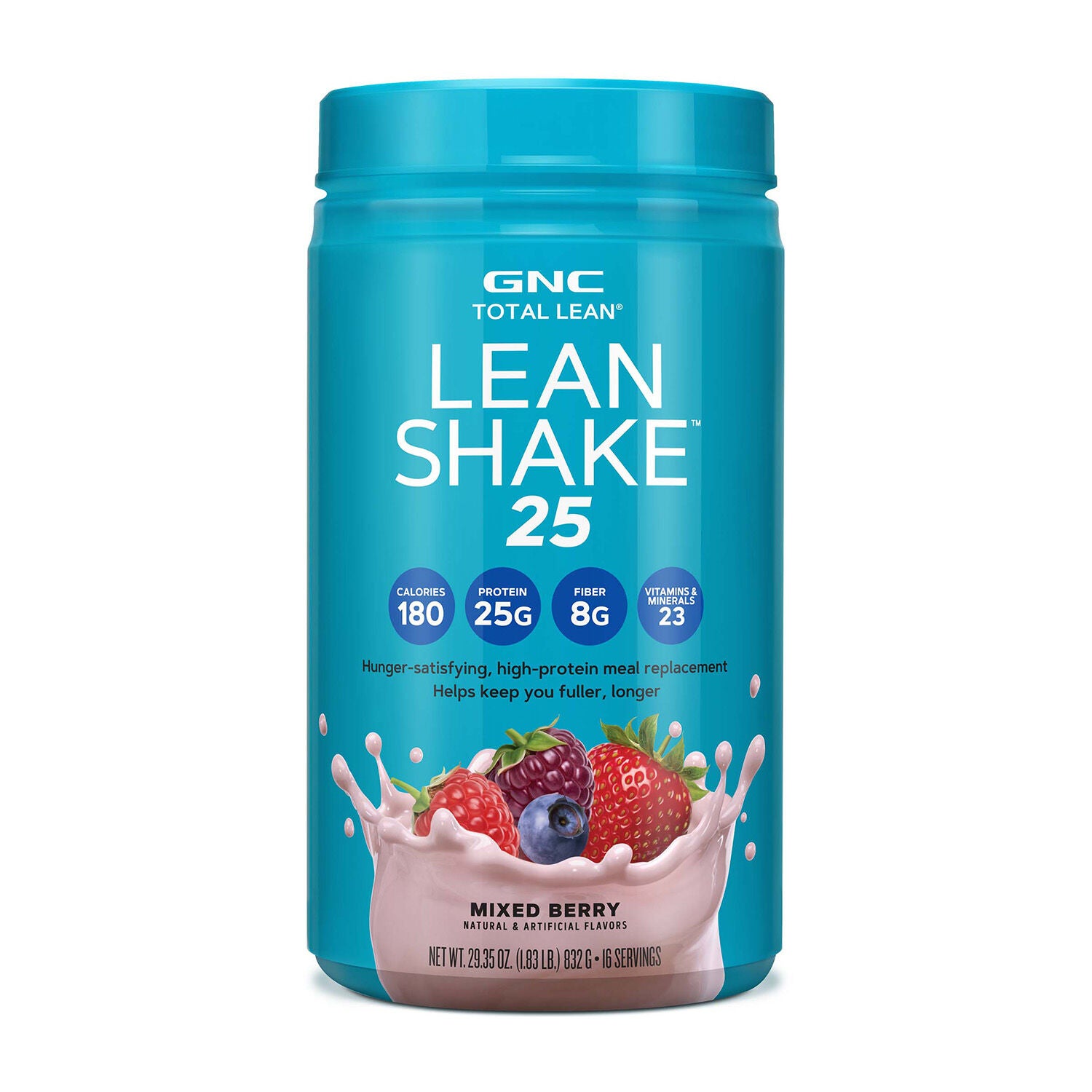
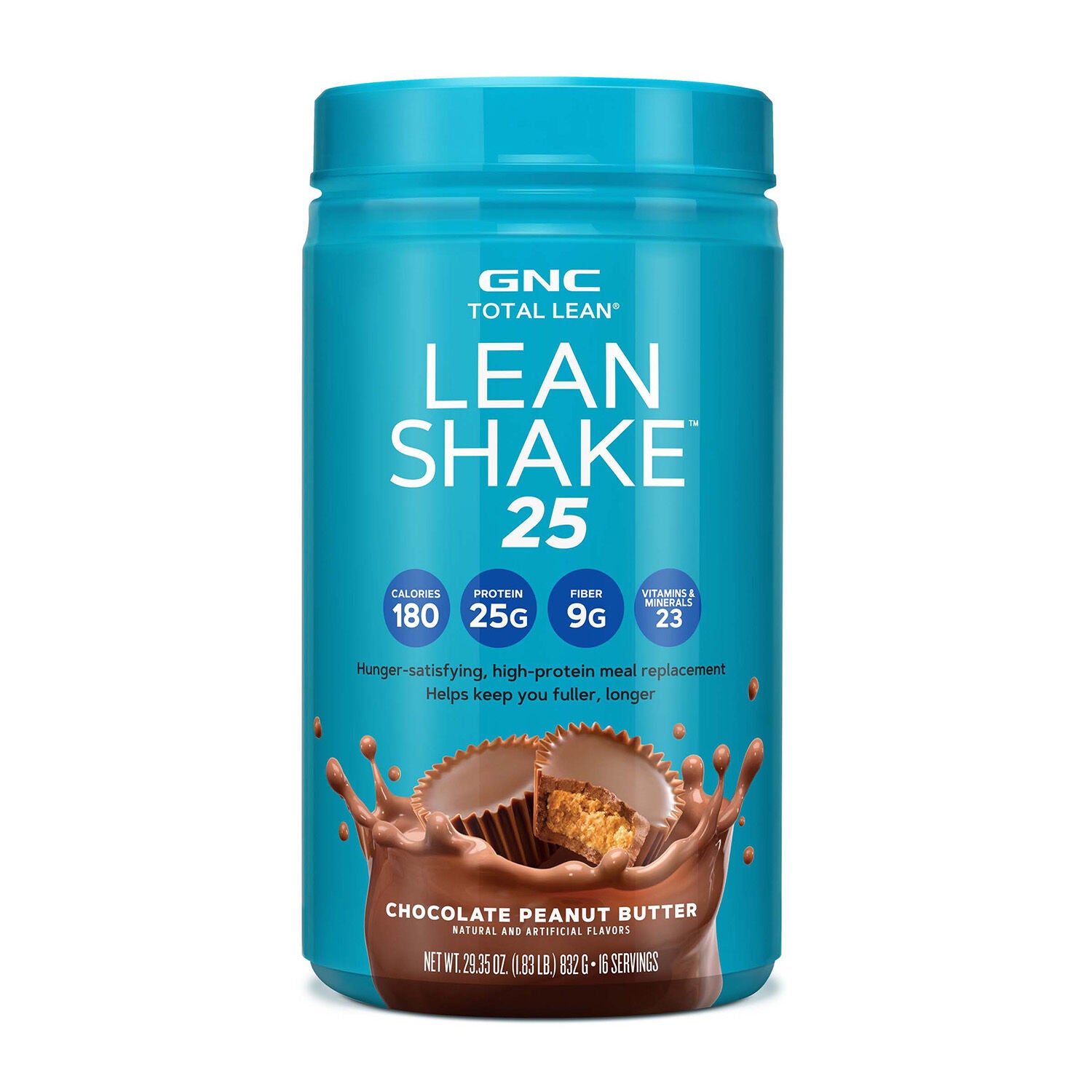

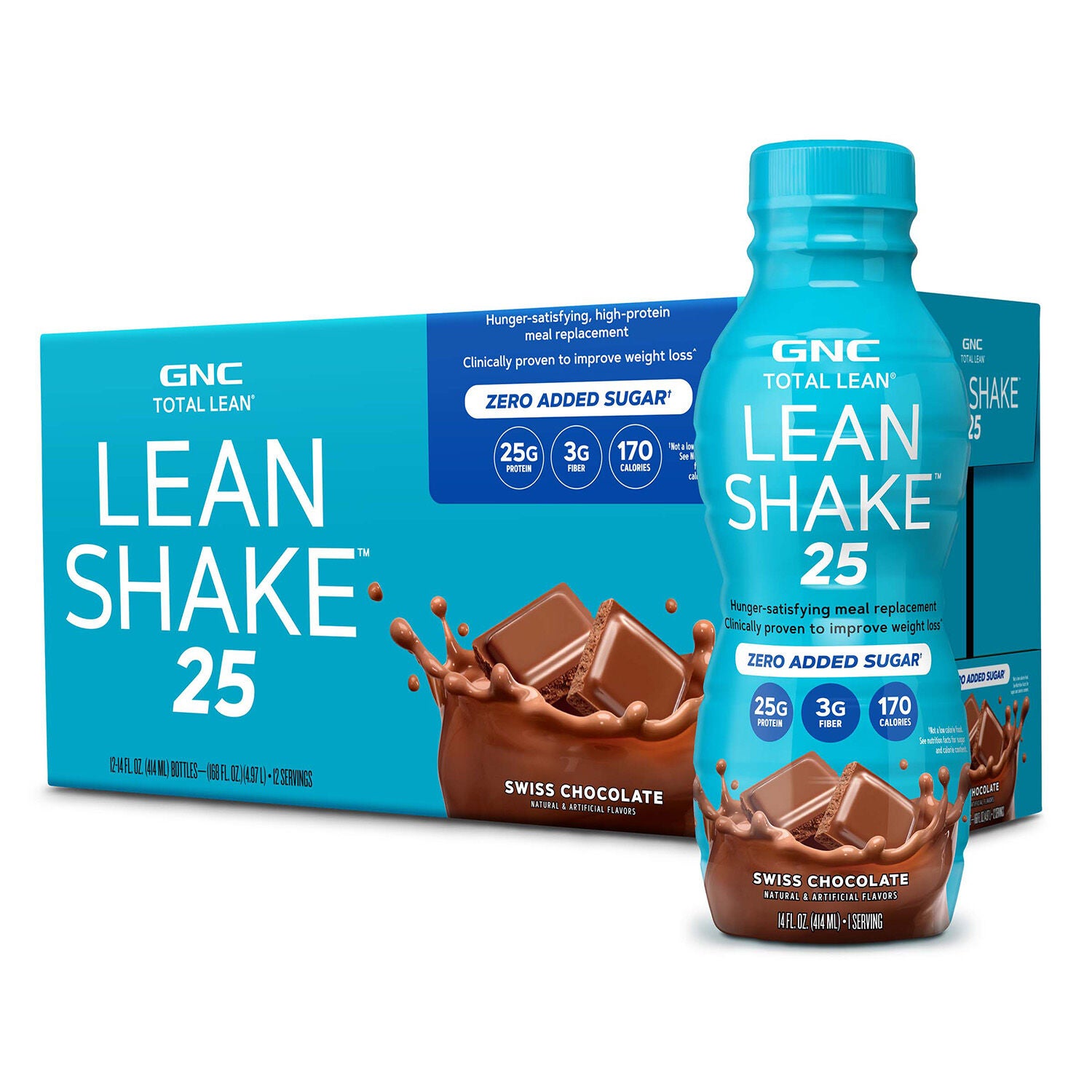
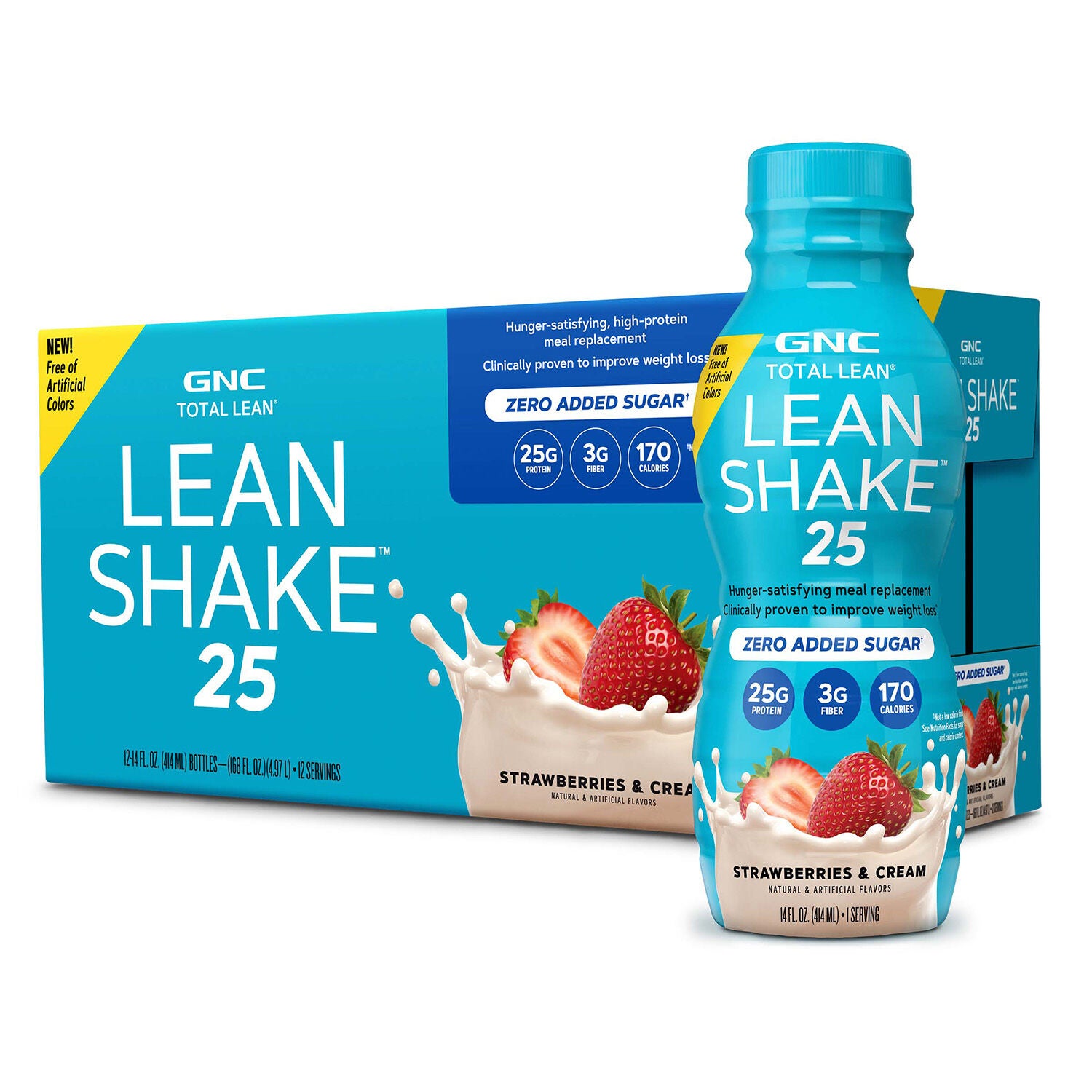
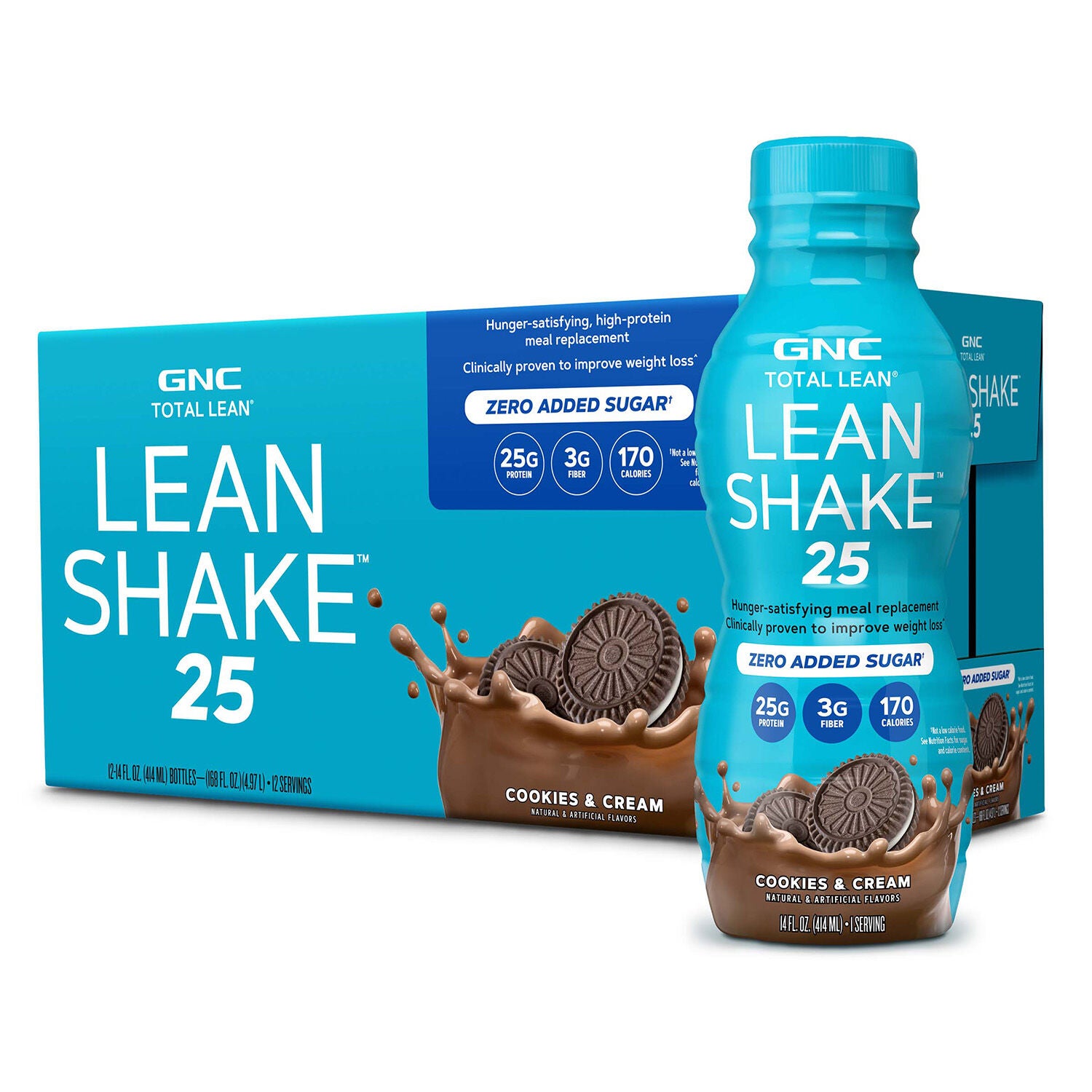
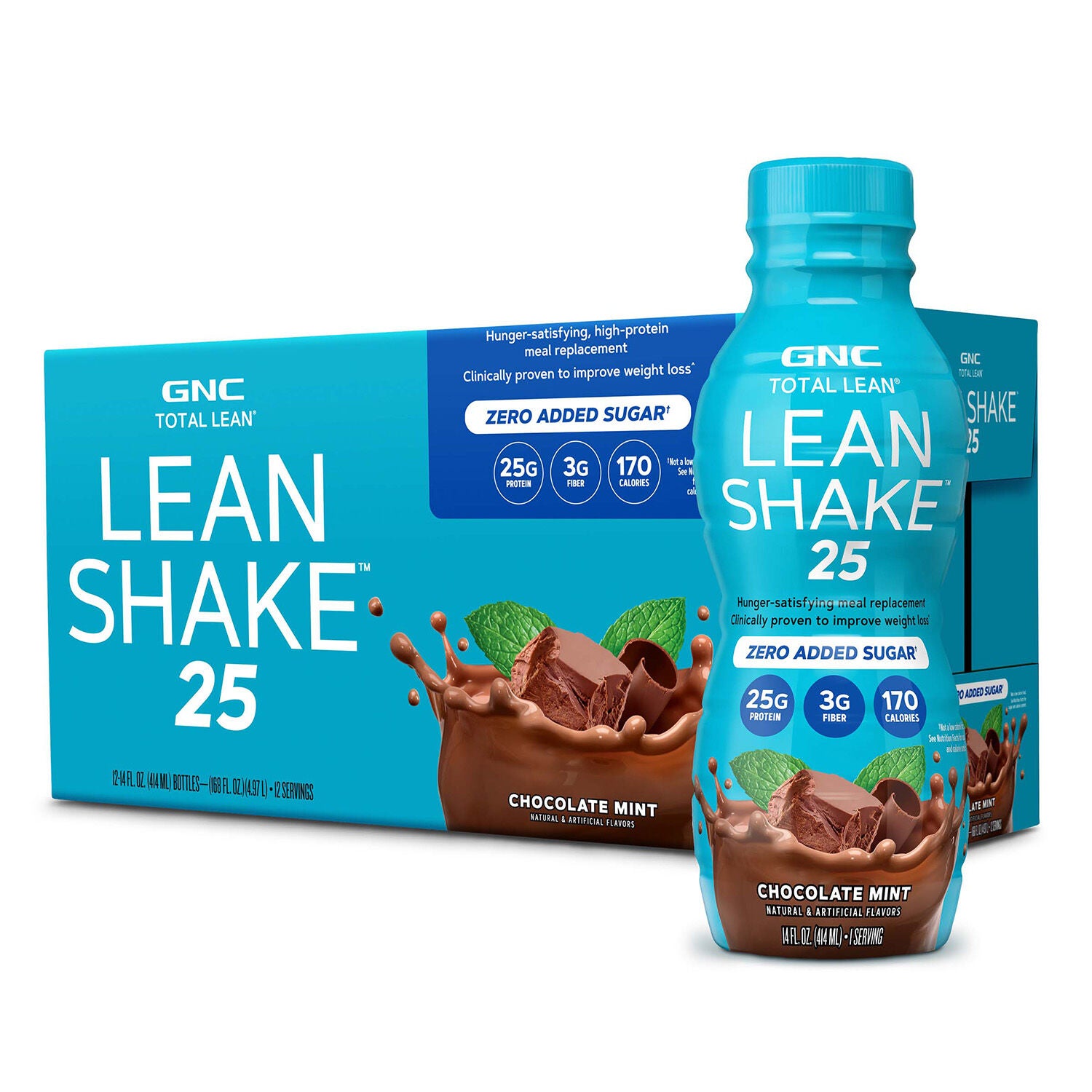
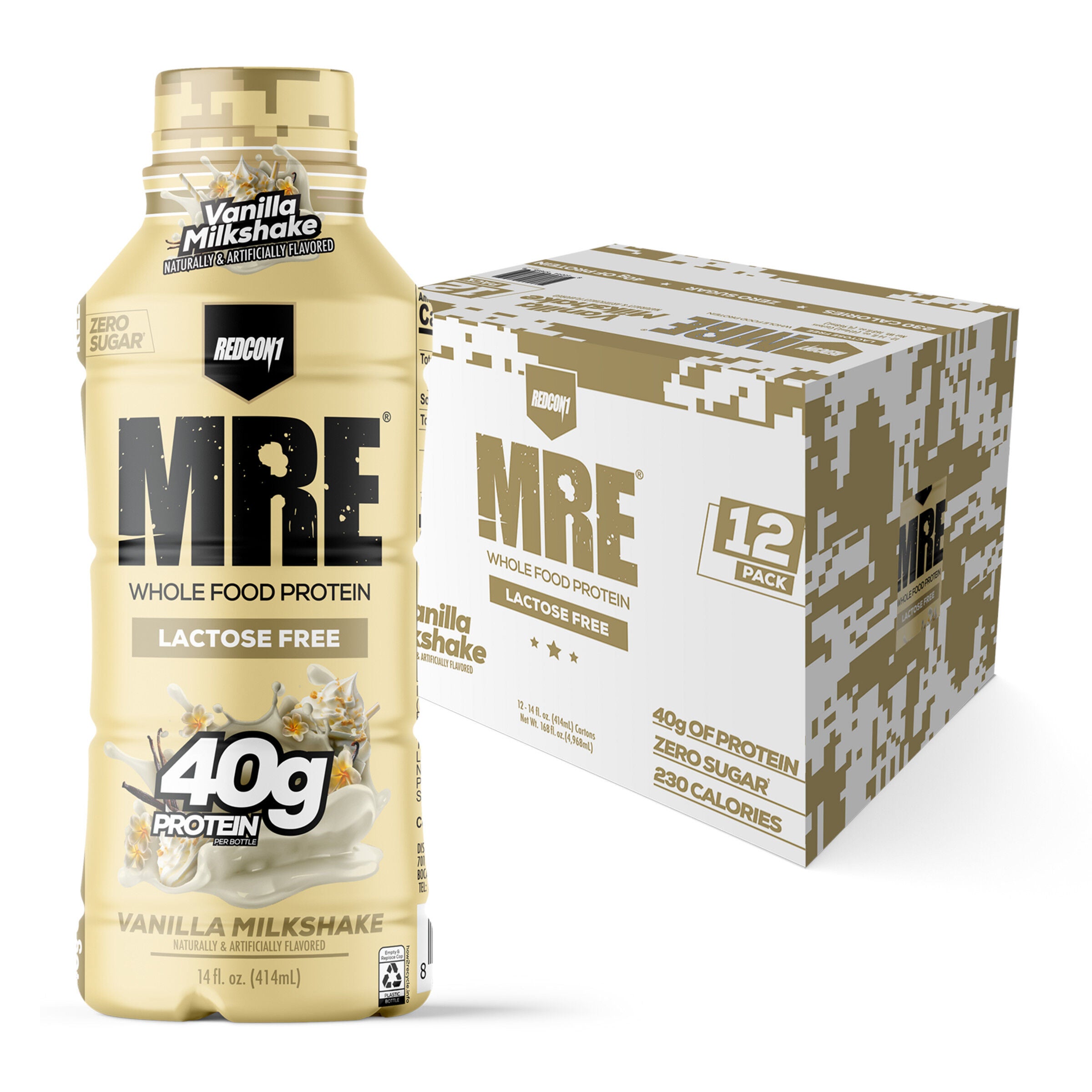


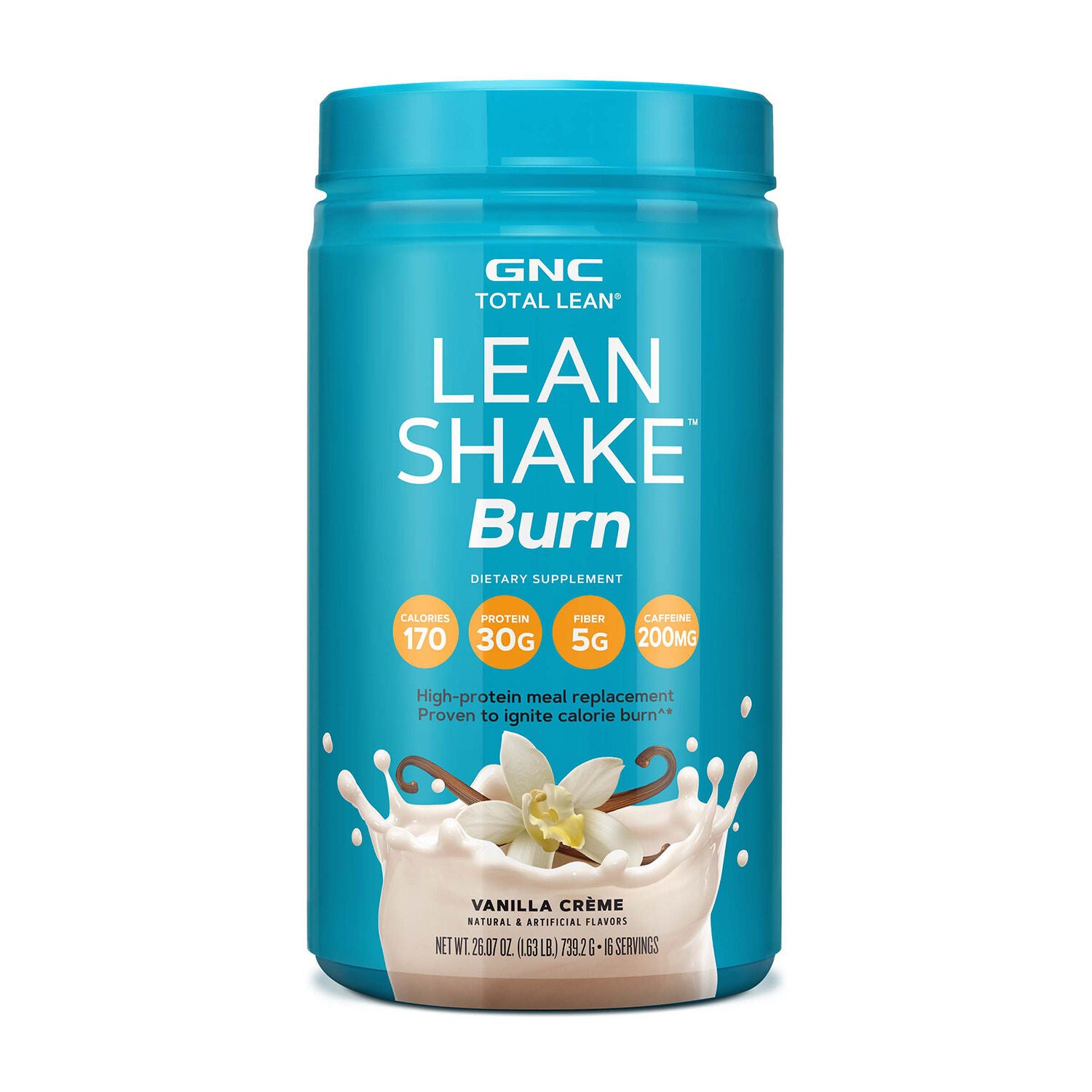

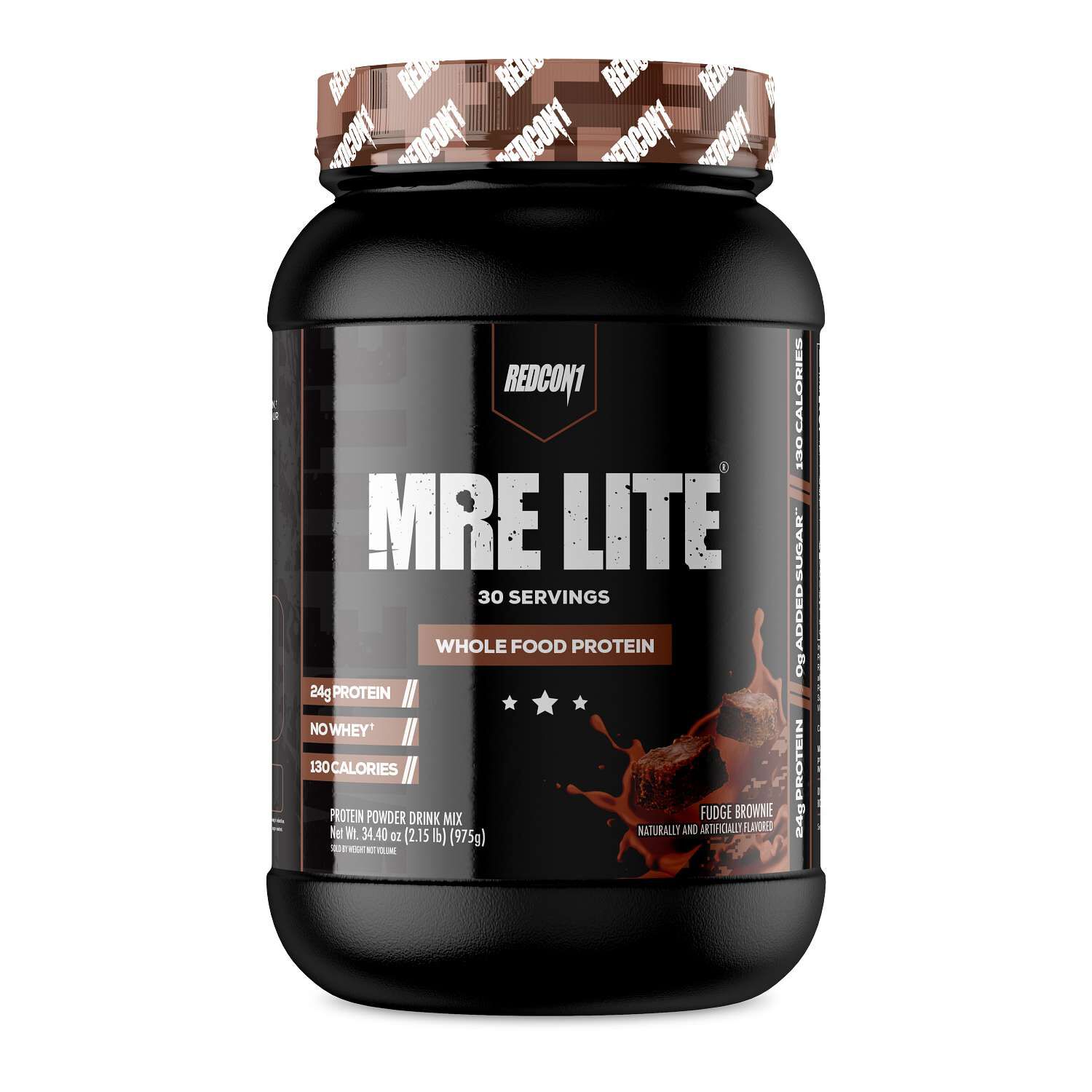
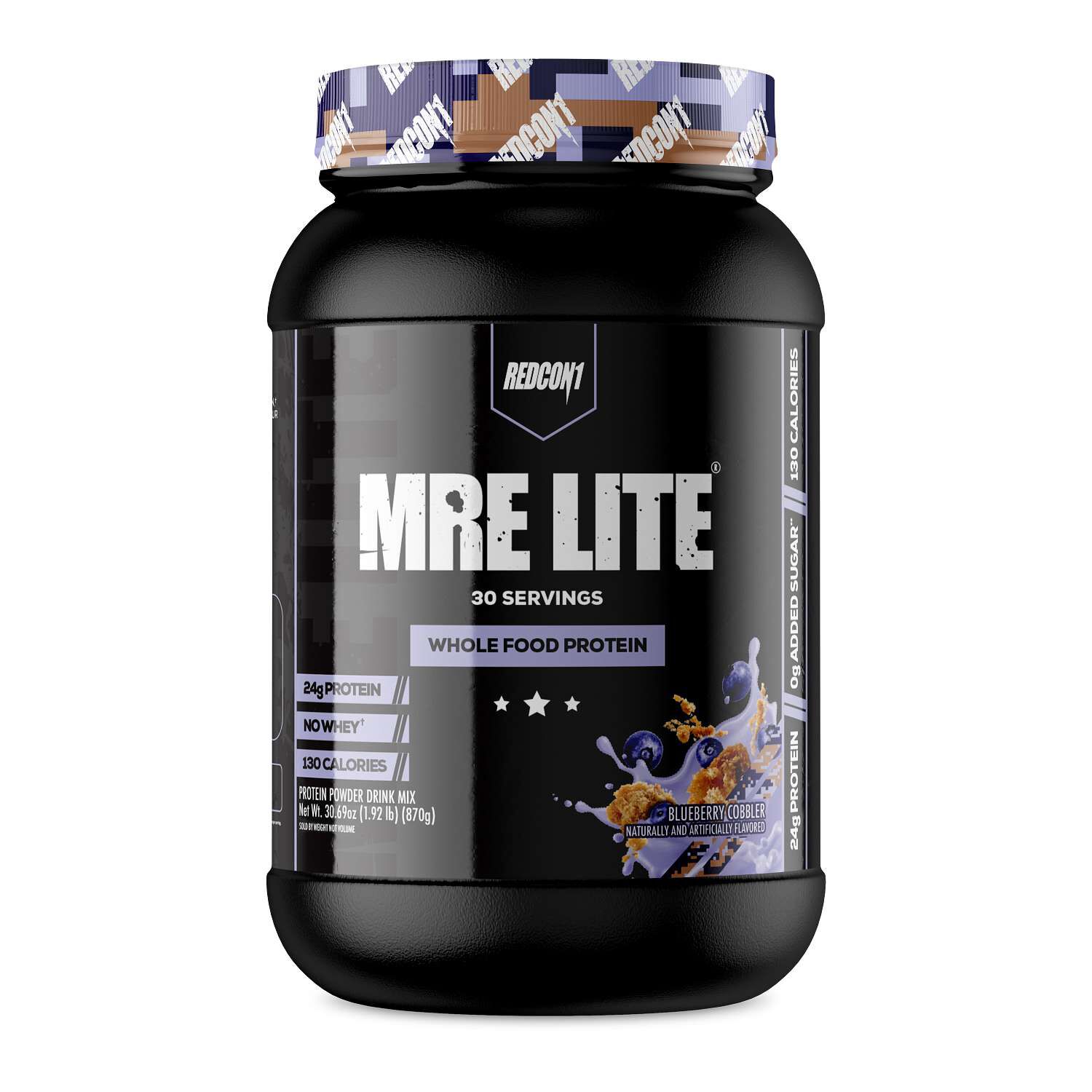
Meal replacement shakes can fit naturally into a fall fitness routine as schedules shift, mornings grow busier, and outdoor workouts move between crisp air and indoor training spaces. A well-chosen shake may serve as a convenient breakfast, a portable lunch, or a planned option after a workout when preparing a full meal is not practical. For shoppers comparing meal replacement shakes for fall fitness, the nutrition label offers a useful place to begin. Many people look for around 20 to 30 grams of protein per serving, particularly when their routine includes resistance training, brisk walks, cycling, or other regular activity. Protein may help make a shake feel more satisfying and may complement a balanced eating pattern that includes meals and snacks throughout the day. Fiber is another consideration, with at least 3 grams per serving appealing to shoppers who prefer a more filling option. Carbohydrates can also vary widely, so reviewing the source and amount may help match a shake to the rest of the day’s meals and the demands of a workout schedule. Some formulas provide a moderate calorie count for a lighter breakfast or snack, while others offer a more substantial serving that may stand in for a meal when paired with thoughtful choices later in the day. Vitamins and minerals are often included as well, and comparing the nutrition facts panel can help shoppers select a formula that suits their usual eating habits without relying on a shake for every meal. The texture and preparation style matter just as much as the numbers. Ready-to-drink shakes can slip into a work bag or gym tote, while powders may be convenient for keeping at home, in an office drawer, or beside a blender. A smooth vanilla flavor may pair well with coffee, oats, or fruit, while chocolate, cinnamon, or other richer flavors can feel fitting when cooler weather brings cravings for cozy foods. For a thicker texture, shoppers may blend a powder with milk or a milk alternative, ice, banana, or nut butter; adding ingredients also changes the calorie, protein, carbohydrate, and fat profile, so the finished serving is worth considering. Anyone avoiding particular ingredients may want to check for dairy, soy, egg, gluten, tree nuts, artificial sweeteners, and other allergens before purchasing. Plant-based shoppers can look for protein sources such as peas, rice, or other legumes, while those who prefer dairy-based formulas may compare milk proteins and serving details. The Meal Replacement Shakes collection makes it easier to browse options by format, flavor, and nutrition profile while building a routine that feels practical from late summer through the cooler months.
These shakes may suit a wide range of routines, from the person heading out for an early trail walk to the student rushing between classes, the parent fitting in a gym session before the household wakes up, or the traveler who wants a predictable option during a busy day. They can also make a thoughtful gift for someone organizing a new training schedule, setting up a home workout corner, or preparing for more structured meals as cooler weather changes outdoor habits. A shaker cup, insulated bottle, or compact blender can pair naturally with a powder-based option, while ready-to-drink servings may work well in a care package for a friend with long commutes or early shifts. The most useful choice depends on how and when it will be used. For a morning routine, a shake with protein, fiber, and a moderate calorie count may be easier to pair with fruit or toast than a very rich formula. For a post-workout window, shoppers may prefer a serving with a familiar protein amount and enough carbohydrates to fit the rest of their day. For a meal replacement at the office, a formula with a satisfying texture and a flavor that remains enjoyable after repeated use may matter more than a long list of added ingredients. Storage is worth reviewing too: some products require refrigeration, while others are designed for pantry storage until opened. Portion size, scoop count, mixing instructions, and the need for a blender can all shape the cost and convenience of a routine. Price per serving may provide a clearer comparison than package price alone, especially when formulas differ in container size or serving count. People with food allergies, dietary restrictions, or specific nutrition needs may wish to read the full label and consult a qualified professional for personal guidance. Meal replacement shakes are best viewed as one flexible part of an eating pattern that can also include colorful produce, grains, dairy or alternatives, legumes, nuts, seeds, and other foods. During the transition from warm-weather activity to indoor workouts and cooler outdoor sessions, keeping a few dependable options nearby may make it easier to stay organized without turning meals into another complicated task. With the right flavor, format, and nutrition profile, a shake may become the simple bridge between a busy morning and the next satisfying meal.