





Meal Replacements For Diabetics
(0 Results)
Meal replacements for diabetics offer a convenient option for those looking to support their nutrition goals while managing their dietary needs. With a variety of flavors and formats available, these products may fit into different lifestyles and preferences. Whether you are seeking something quick for on-the-go or a simple solution to help manage your routine, meal replacements for diabetics could be a helpful addition to your daily plan. Explore options designed with balanced nutrition in mind to find what might work best for you.
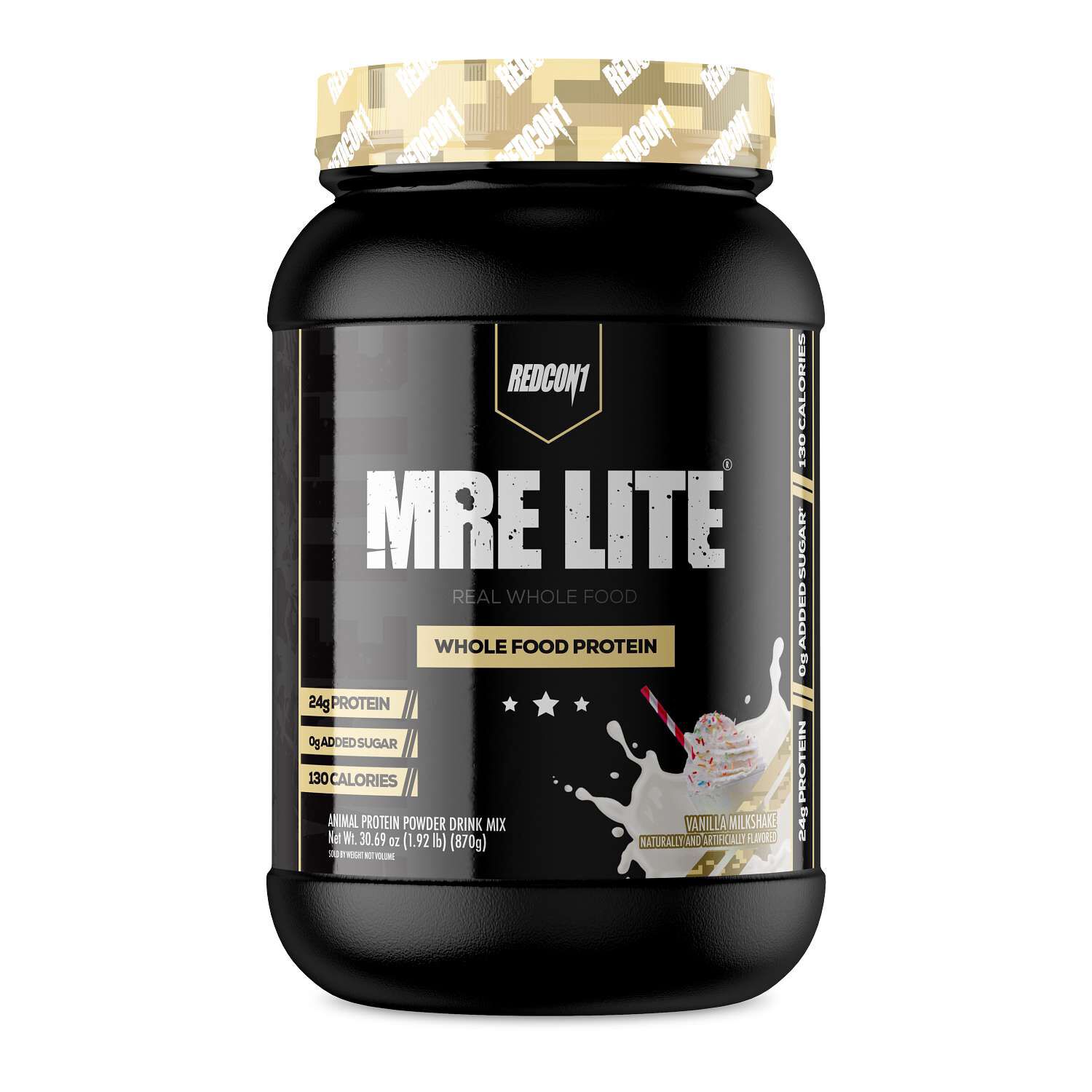

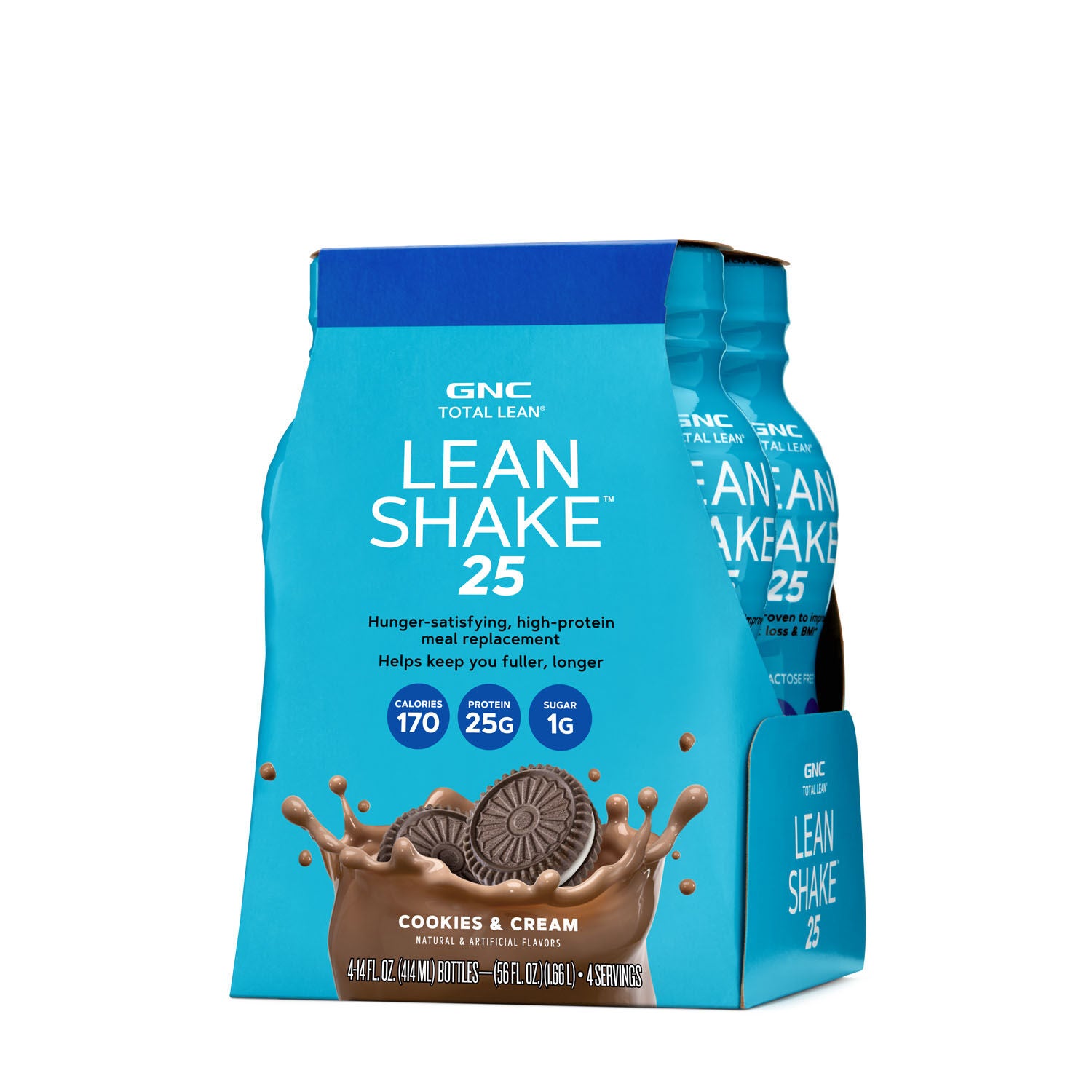
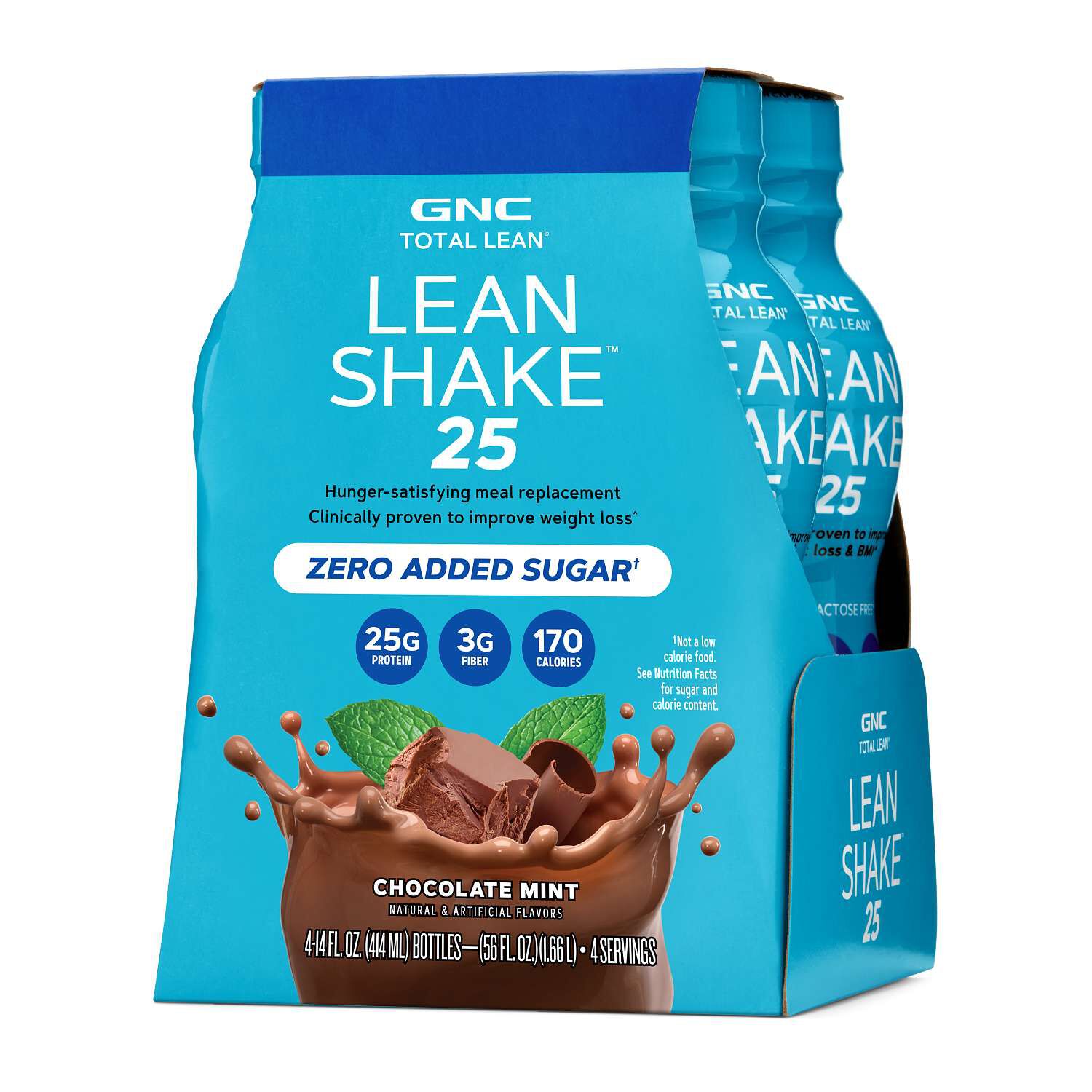
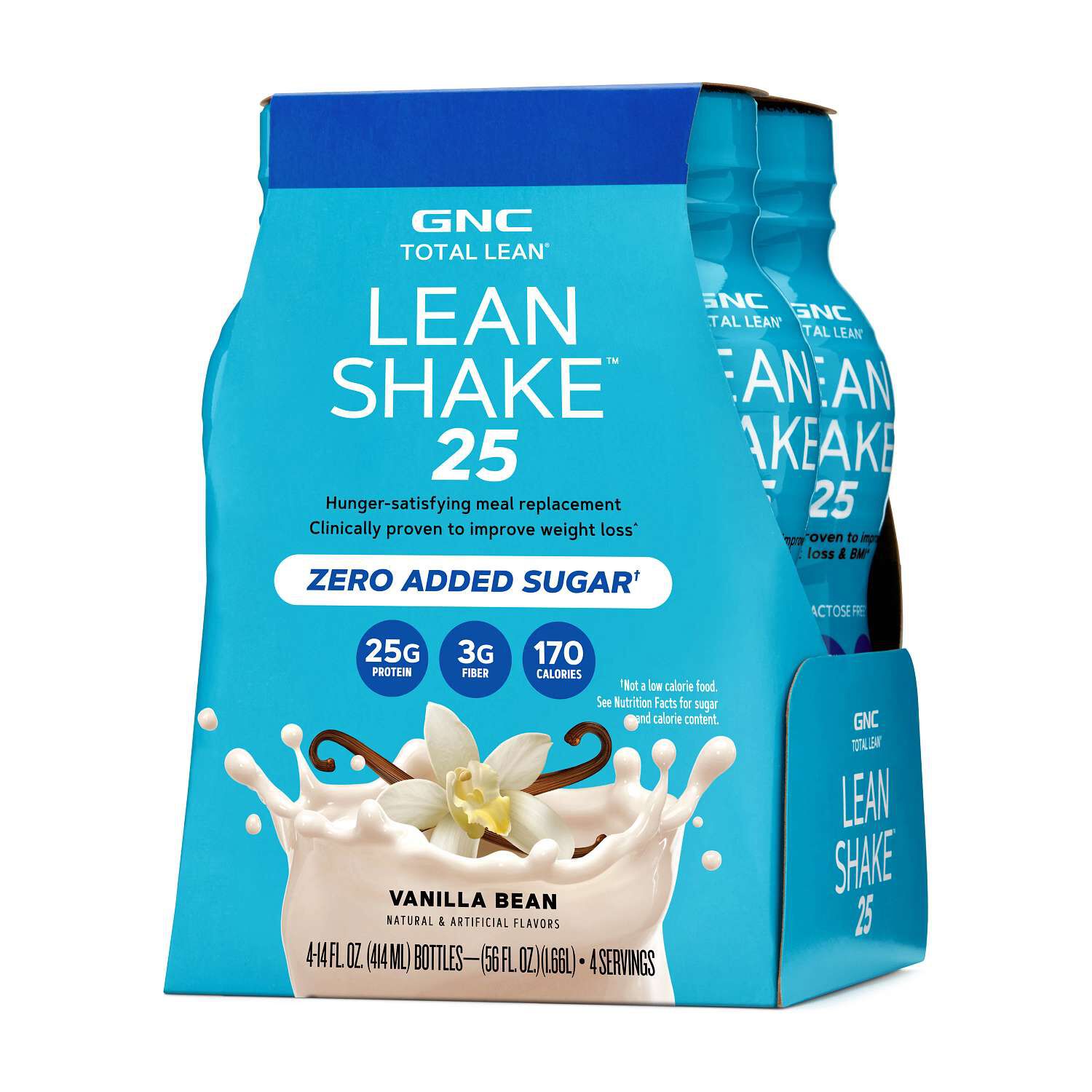
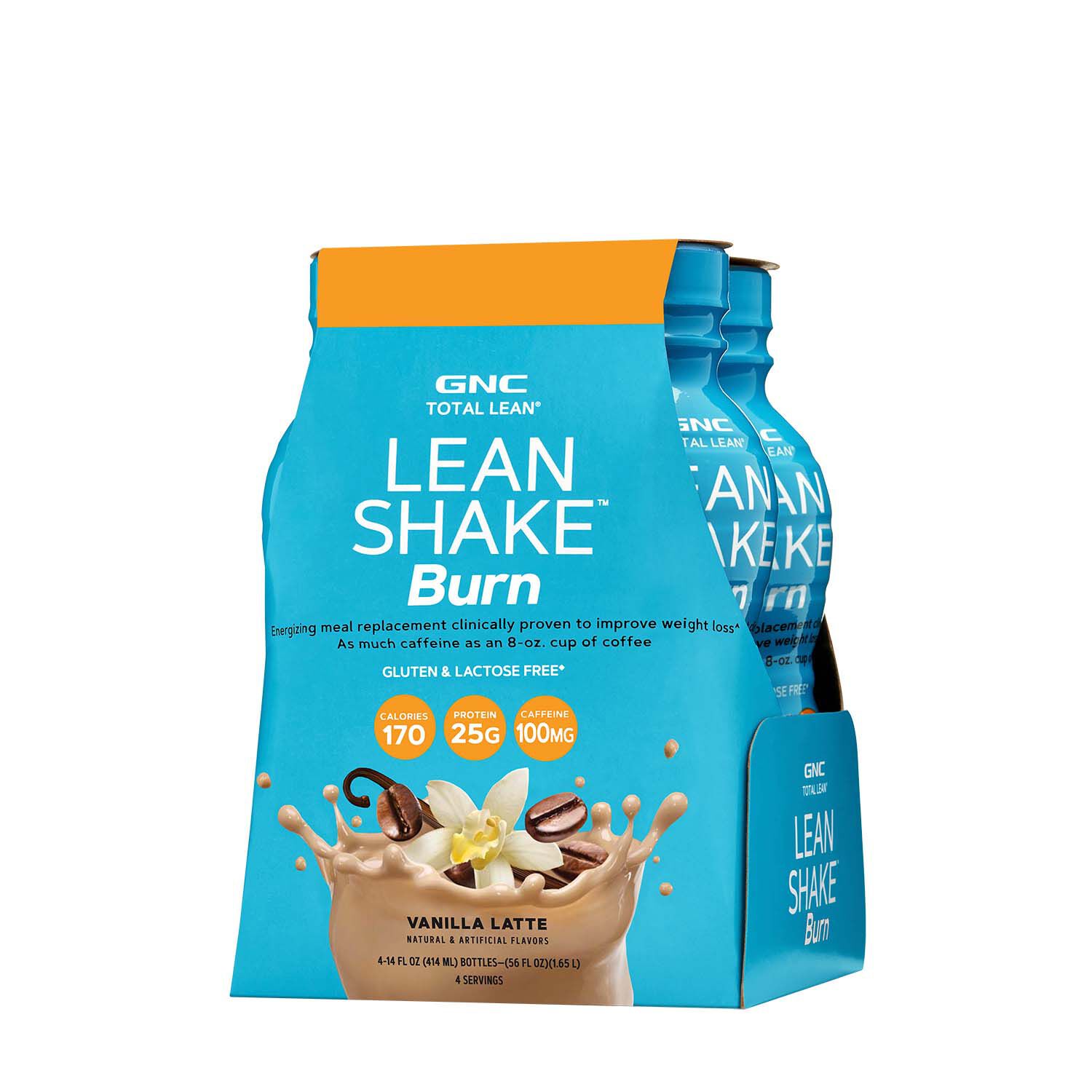


Meal replacements for diabetics include shakes, powders, and bars considered in the context of an individual’s eating plan, food preferences, and daily routine. The category does not represent one fixed recipe or nutrient profile: serving sizes, carbohydrate amounts, protein sources, fiber content, and preparation methods differ across formulas. For people living with diabetes, those distinctions matter more than a familiar flavor or a prominent phrase on the package. Carbohydrates, dietary fiber, added sugars, protein, fat, and calories are separate pieces of nutrition information, and no single number describes everything a serving contains. A label emphasizing a small amount of sugar does not necessarily describe a small amount of carbohydrate, just as a high protein amount does not establish whether a drink was formulated to replace a meal. Meal replacements and protein supplements can share ingredients while having different intended uses. Some formulas contain a broader assortment of vitamins, minerals, fats, and carbohydrates; others focus primarily on protein. The nutrition panel and stated use provide a more specific description than the product format alone. Serving size also changes the comparison. A scoop of powder, a prepared shake, and a packaged bar are different measurements, even when their front labels highlight similar nutrients. The number of servings in a container adds another detail, particularly when a bottle or larger bar is divided into more than one labeled serving. Terms such as “low carb” and “no added sugar” describe different attributes rather than interchangeable nutritional profiles. Sugar alcohols and other sweeteners may also appear in formulas, making the ingredient list another useful source of context. There is no universal carbohydrate, calorie, or protein target that makes every meal replacement appropriate for every person with diabetes. Individual suitability involves the person’s established nutrition plan and the characteristics of the prepared serving, rather than the category name alone.
Format is another meaningful distinction among meal replacements for diabetics. Ready-to-drink shakes arrive premixed, powders require a liquid and some preparation, and bars provide a chewable alternative. Someone with a short lunch break may prefer a premixed bottle, while a person with access to a kitchen may prefer measuring powder into a blender. A bar may suit a routine where carrying a mixing cup is inconvenient, although its nutrient profile still deserves the same attention as a drink’s. For those comparing liquid formats, Meal Replacement Shakes brings the focus to drinkable options with different ingredients, flavors, and preparation requirements. Milk-derived proteins such as whey and casein appear in some formulas, while others use soy, pea, or combinations of plant proteins. A plant-based description does not establish the absence of every allergen, and the ingredient statement and allergen declaration offer more precise information about what is included. Flavor and texture are practical considerations, too. Chocolate, vanilla, and fruit-inspired profiles may appeal to different preferences, and the experience can range from a thin, drinkable texture to a thicker blended consistency. Texture preferences may become particularly noticeable when a shake is part of a recurring routine rather than an occasional purchase. Powders also differ in their mixing instructions: some are prepared with water, while others specify milk or another beverage. The chosen liquid contributes its own nutrients, so a powder mixed with water and the same powder mixed with milk are not nutritionally identical. Fruit, yogurt, oats, and nut butters introduce further ingredients and serving-size changes. Nutrition information for the powder alone therefore differs from information for a finished blend with additions. Preparation details help distinguish the packaged formula from the drink that actually reaches the glass, without assuming that every homemade variation has the same composition.
Intended use, packaging, and storage round out the comparison. Meal replacements are packaged foods intended for a different role than a small snack or a beverage enjoyed alongside a meal, though individual labels vary in how they describe that role. A desk drawer, a work bag, and a home pantry each present different practical considerations. An unopened container may have shelf-storage instructions, while the same container may require refrigeration after opening; the package directions specify those conditions. Resealable bottles, individually wrapped bars, and multi-serving powder tubs also involve different ways of portioning and handling food. For a powder stored at home, the lid, measuring scoop, and preparation instructions are part of everyday use. For a drink carried to work, the opening directions and any required refrigeration may be more relevant. Container size matters independently of serving size: a compact package is not necessarily a small serving, and a large tub does not indicate how much powder belongs in a prepared drink. Best-by dates, intact seals, and clear storage directions provide additional context when assessing packaging and planning use. A serving prepared before leaving home also has different handling requirements from an unopened shelf-stable container. These details may make one format a more practical match for a particular routine without changing its nutritional characteristics. The setting matters as well: a drink taken between appointments involves a different experience from a blended shake prepared at a kitchen counter or a bar eaten during a scheduled break. Taste, preparation effort, portability, and package handling may all influence which format someone prefers. For shoppers browsing meal replacements for diabetics, the most informative comparison brings those everyday details together with the ingredient list, nutrition panel, labeled serving, and intended use. The result is a clearer picture of what each format contains and how it is prepared, without treating a product description as a substitute for an individualized eating plan.
- Q: What are meal replacements for diabetics?
A: Meal replacements for diabetics are specially formulated shakes, bars, or powders designed to provide balanced nutrition while supporting healthy blood sugar. They typically contain controlled amounts of carbohydrates, protein, fiber, and important vitamins and minerals. - Q: How do meal replacements for diabetics differ from regular meal replacements?
A: Meal replacements for diabetics often have a lower glycemic index, reduced sugar content, and higher fiber compared to regular meal replacements. These features help minimize blood sugar spikes and support better glucose management. - Q: Can meal replacements for diabetics be used as a snack or only as a meal?
A: Meal replacements for diabetics can be used either as a convenient meal option or as a nutritious snack between meals. Always consider your individual dietary needs and consult with your healthcare provider for personalized guidance. - Q: Are there specific nutrients to look for in diabetic-friendly meal replacements?
A: Yes, look for meal replacements that offer balanced macronutrients—moderate protein, healthy fats, high fiber, and controlled carbohydrates. Additionally, they should include important vitamins and minerals without added sugars. - Q: Who might benefit from using diabetic-friendly meal replacements?
A: People with diabetes who need convenient nutrition options or those looking to manage their carbohydrate intake may benefit from diabetic-friendly meal replacements. They can also be helpful for busy lifestyles or when preparing a balanced meal is not possible.
Best Sellers


Related Pages

Top Collections
- Top Rated Collagen | Shop Customer Favorites | GNC
- Cortisol Supplements
- Vitamins For Hair Loss
- NAD+ Supplement Tablets
- Peptide Supplements
- Best Brand of Magnesium Glycinate
- Vitamins That Help Support Weight Gain
- Protein Powders For Muscle Growth Support
- Spirulina Tablets
- Peptide Supplements for Muscle Growth