





Meal Replacement Snacks
(0 Results)
Looking for convenient and nutritious options to fuel your day on-the-go? Our selection of meal replacement snacks offers a variety of tasty choices packed with essential nutrients to help you stay satisfied and energized. Whether you need a quick bite between meetings, a post-workout refuel, or a healthy snack option for your busy schedule, these snacks are designed to support your wellness goals without sacrificing taste. Discover a range of delicious options that make it easy to nourish your body when you're short on time.
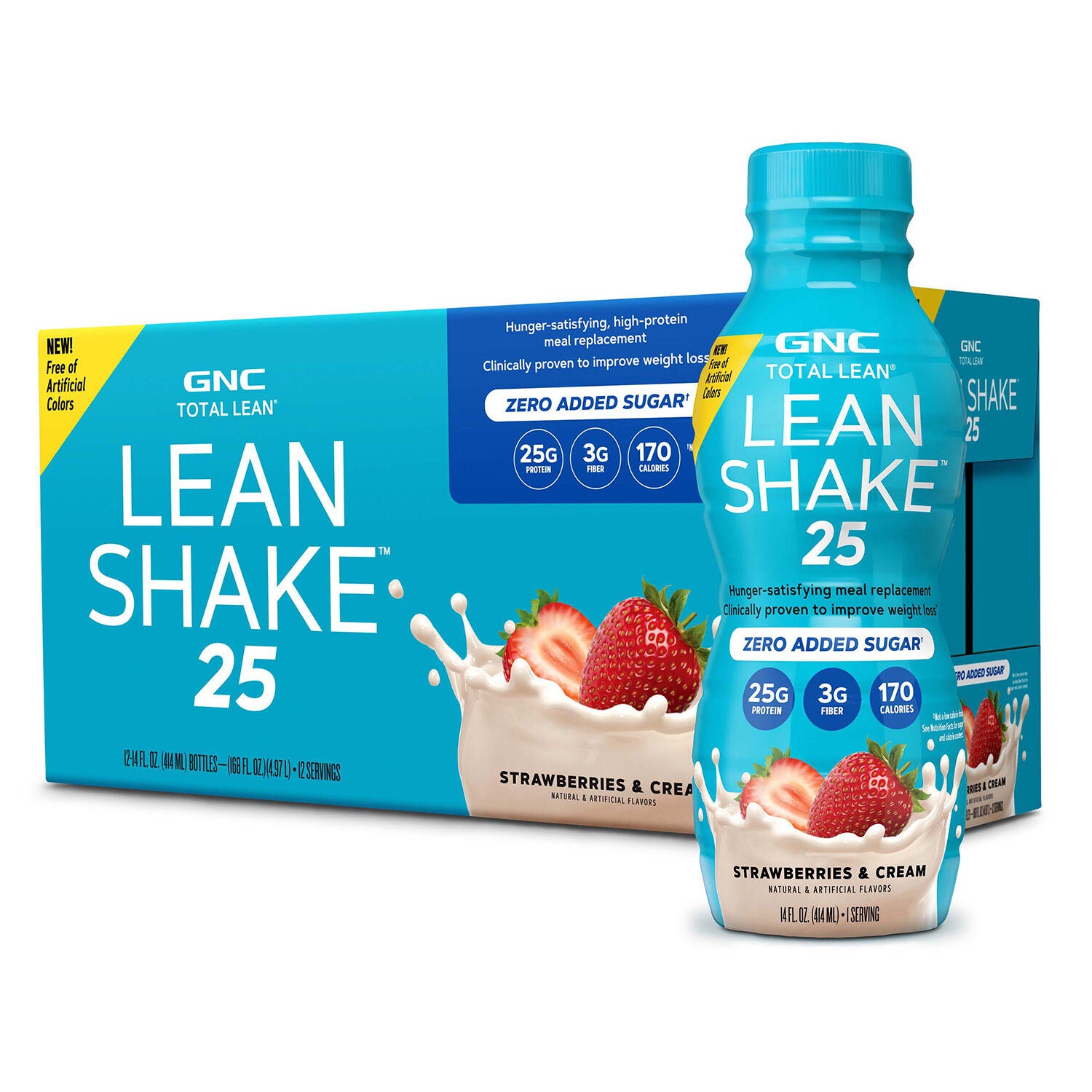


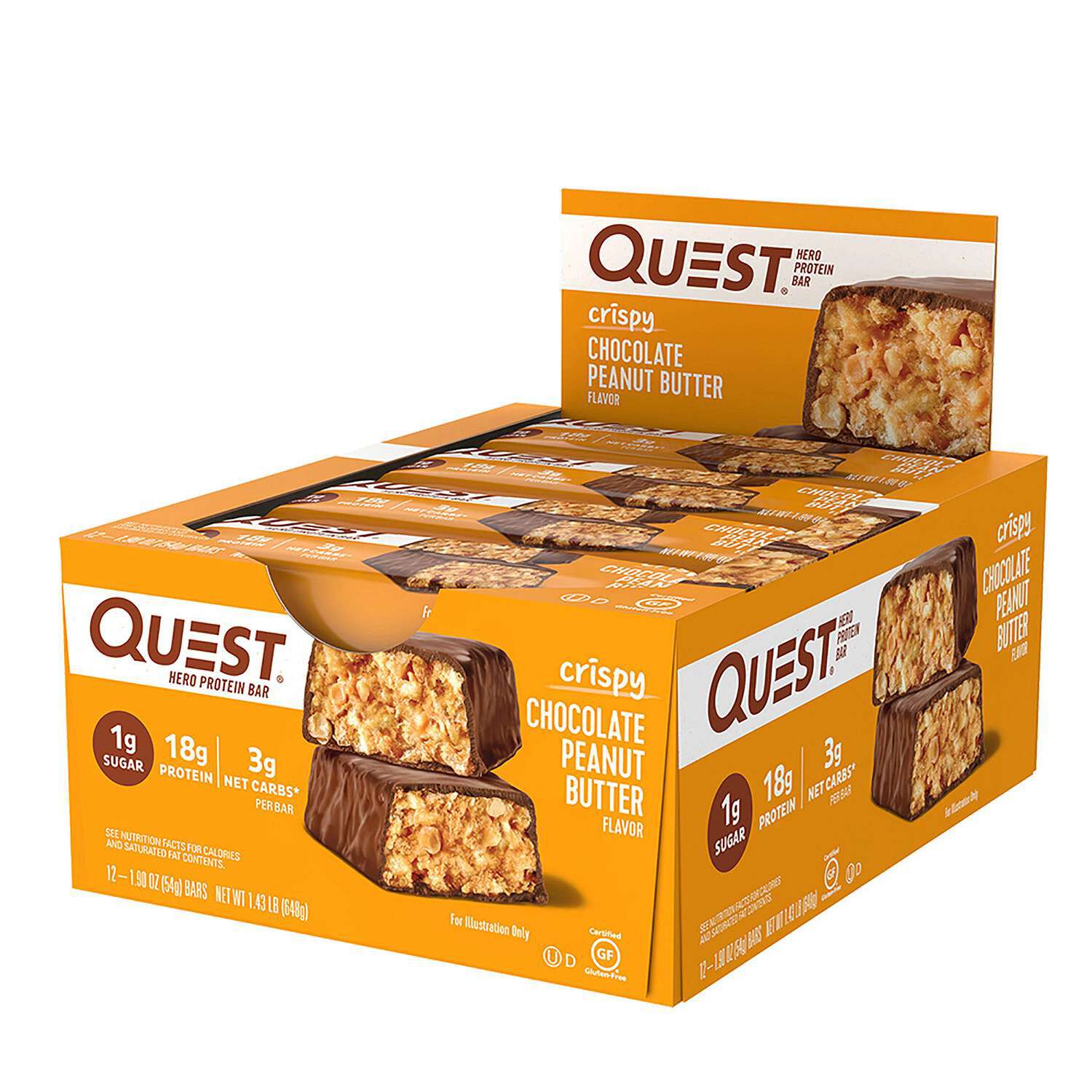

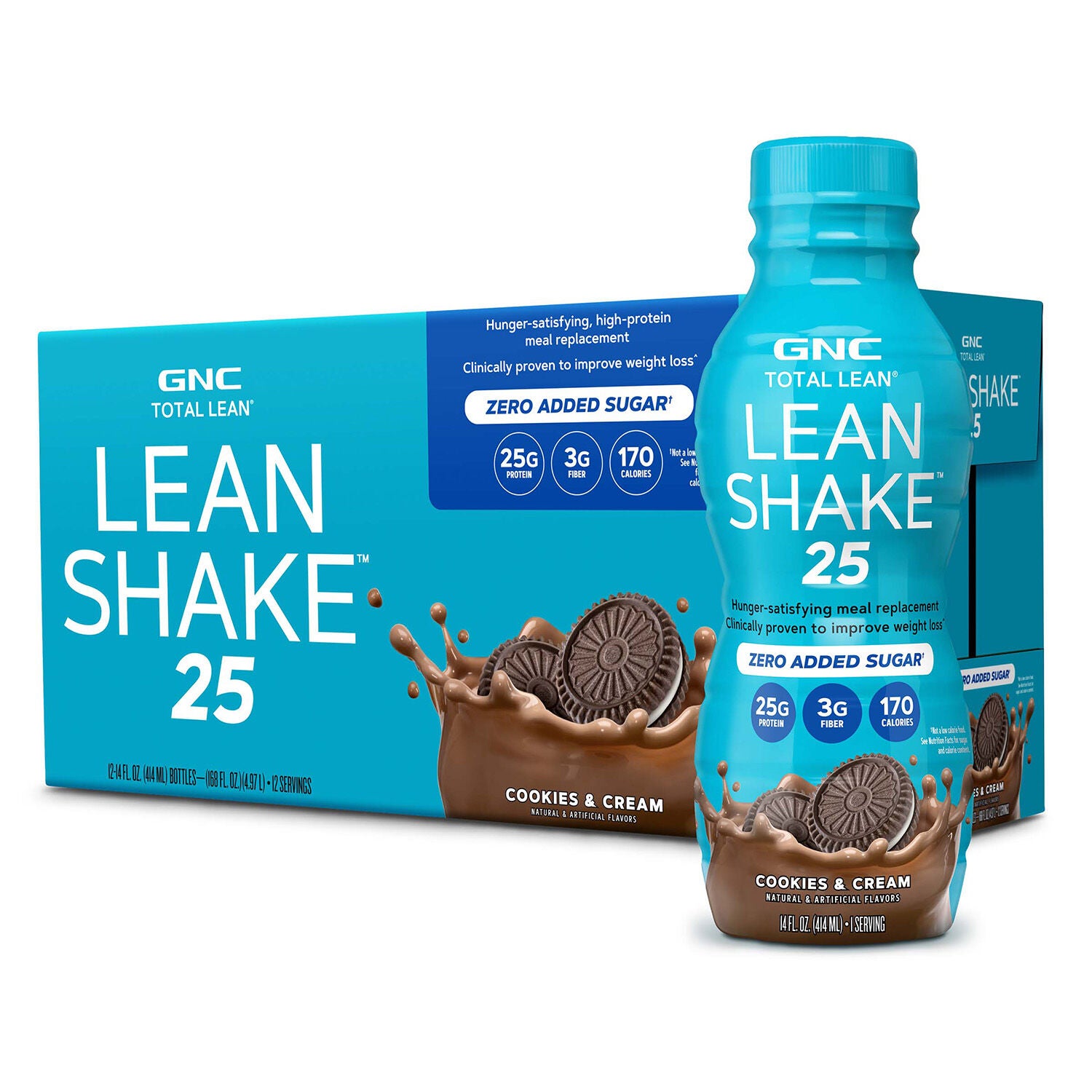
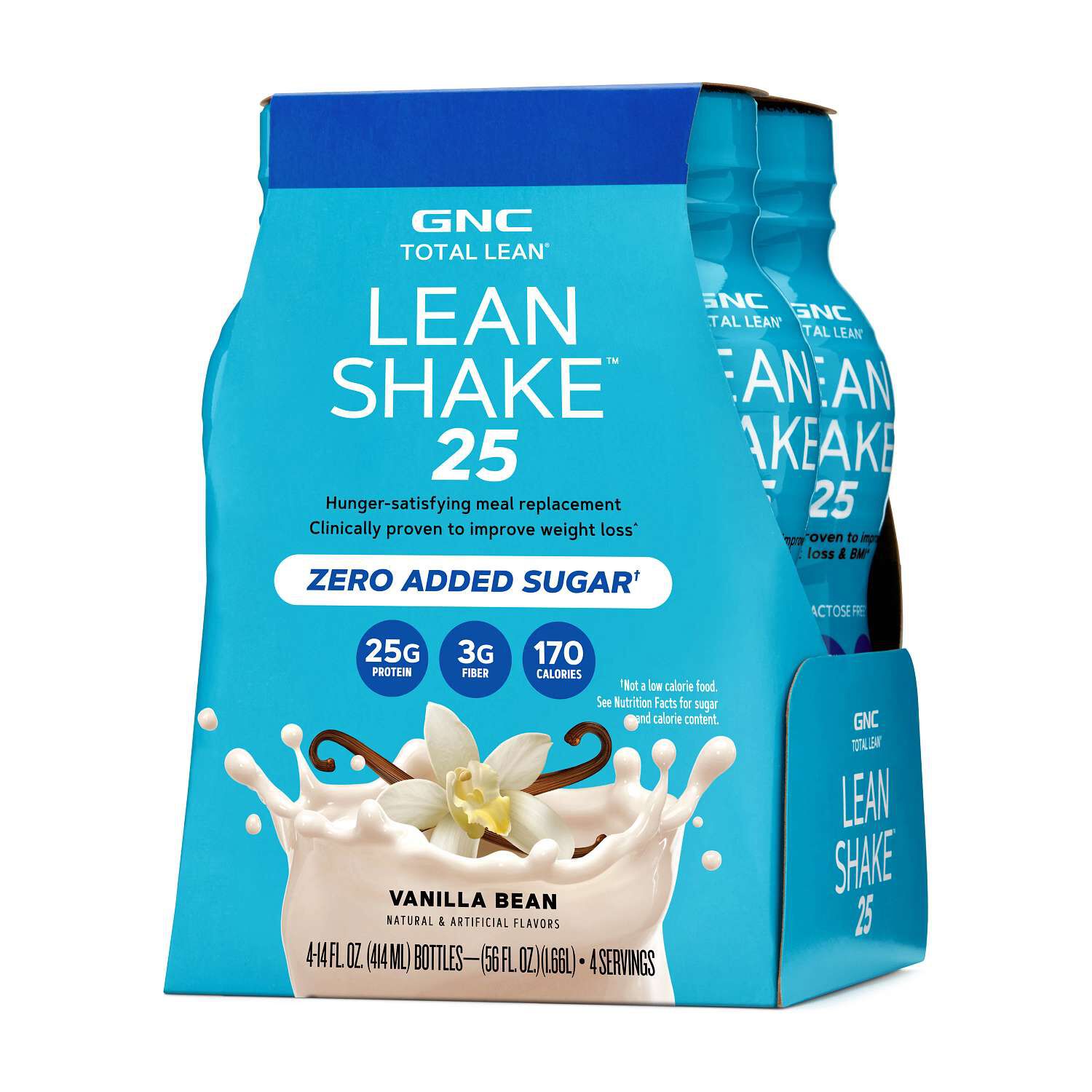
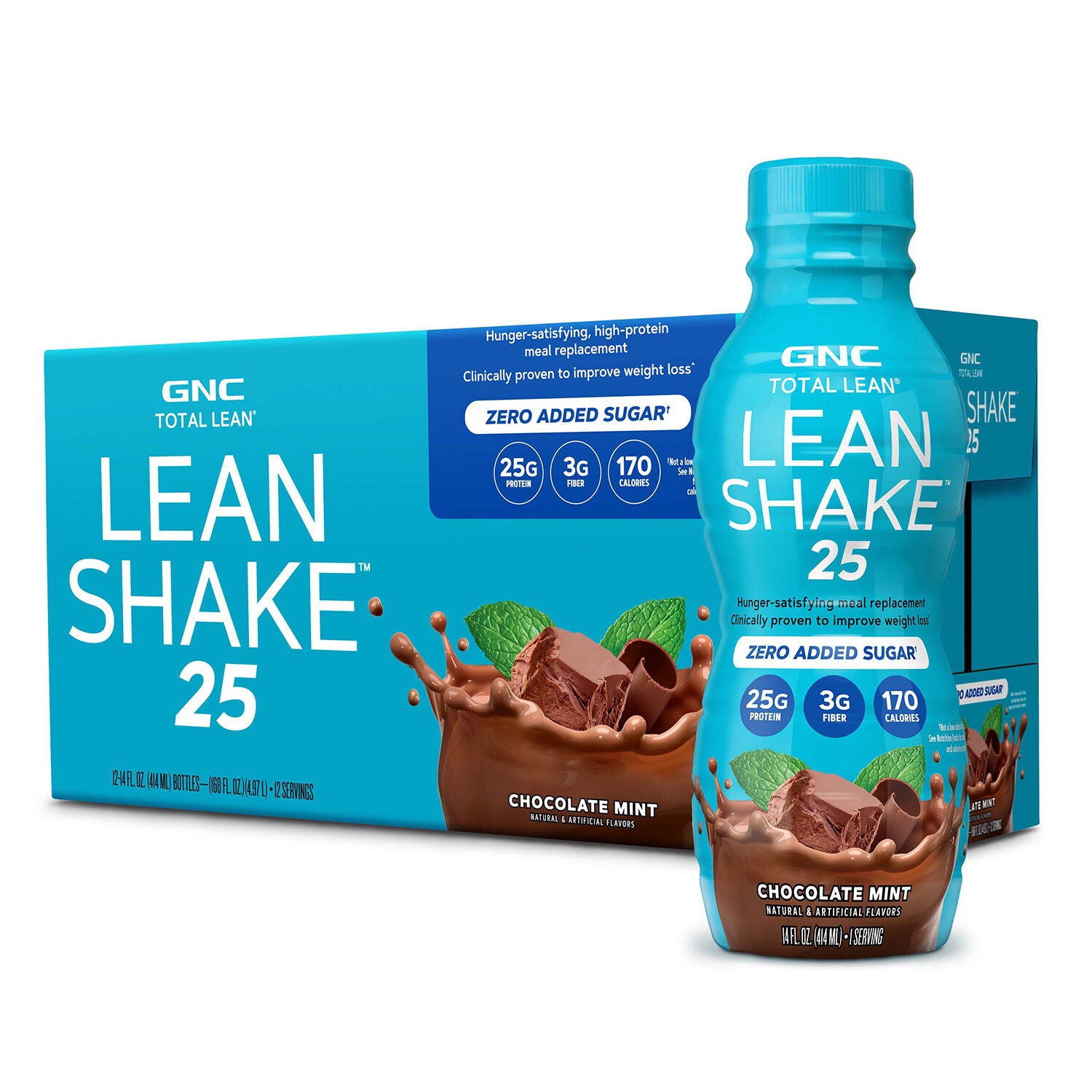
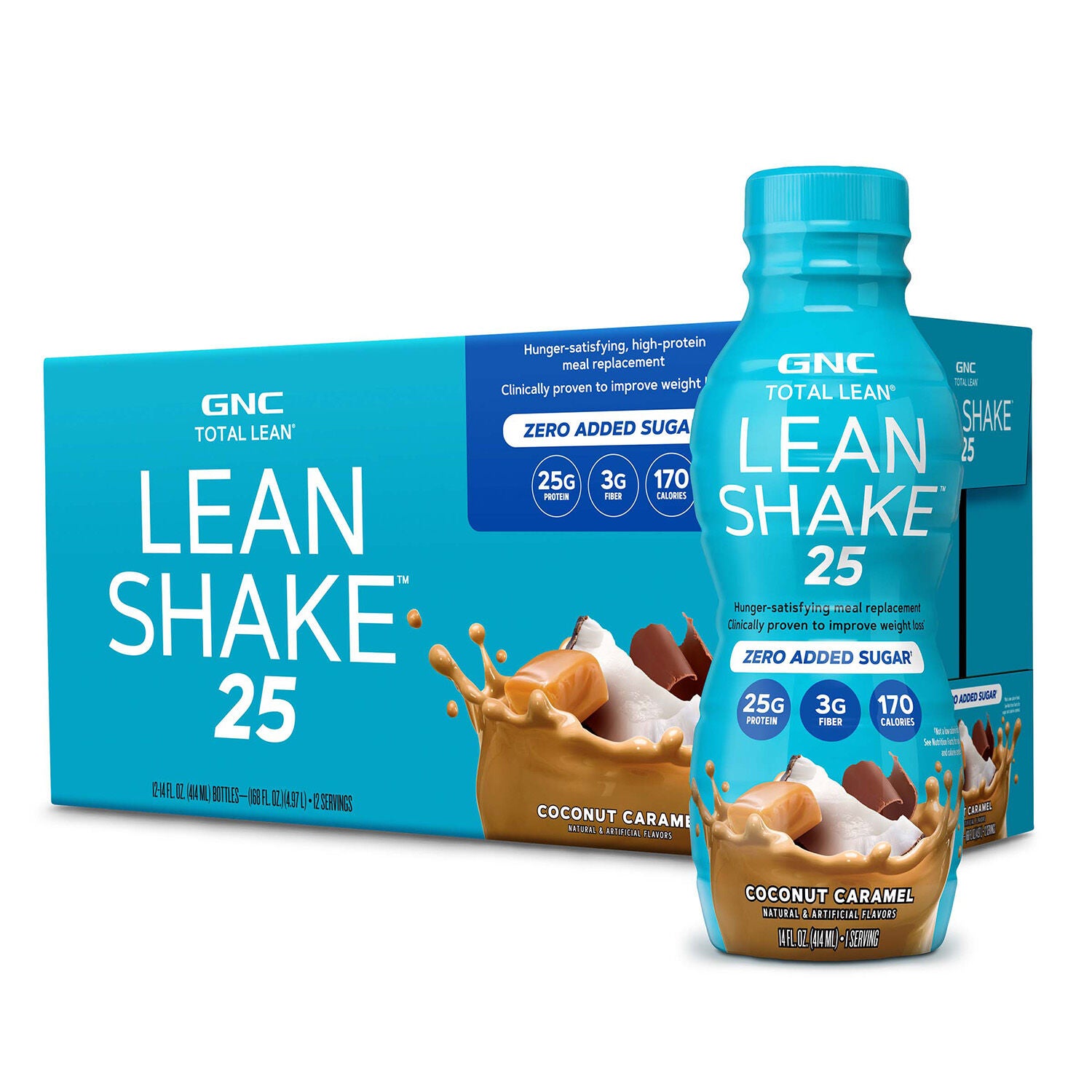
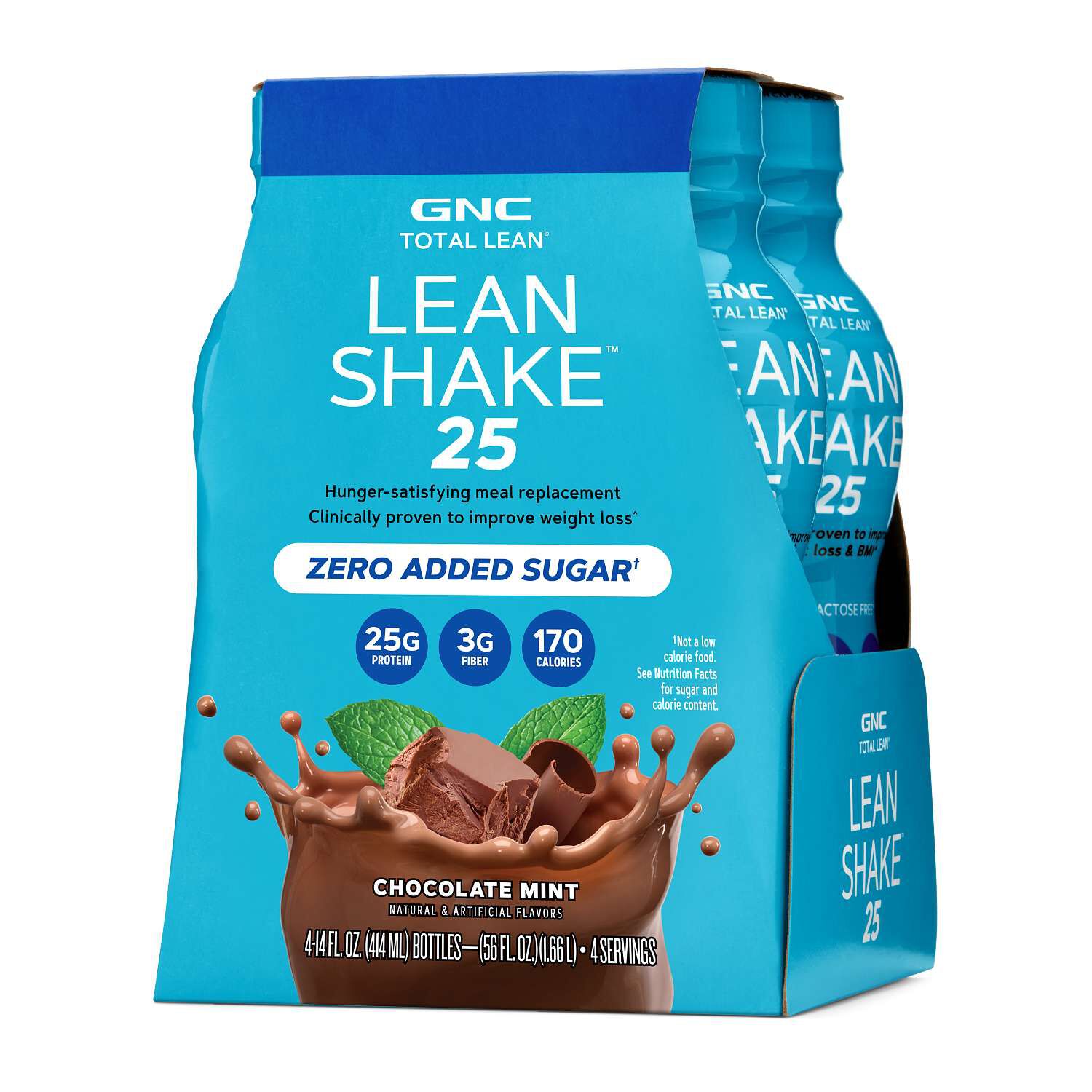
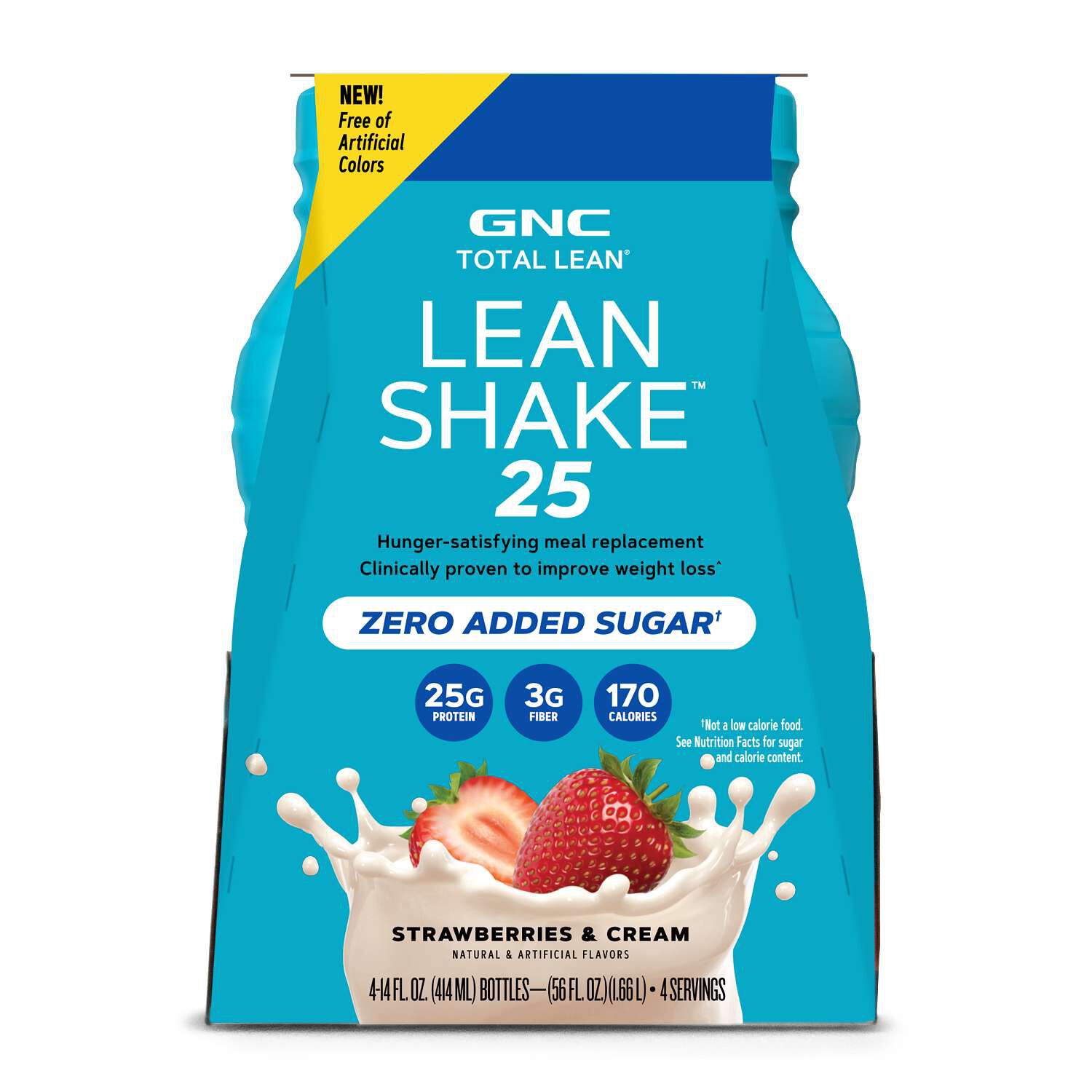
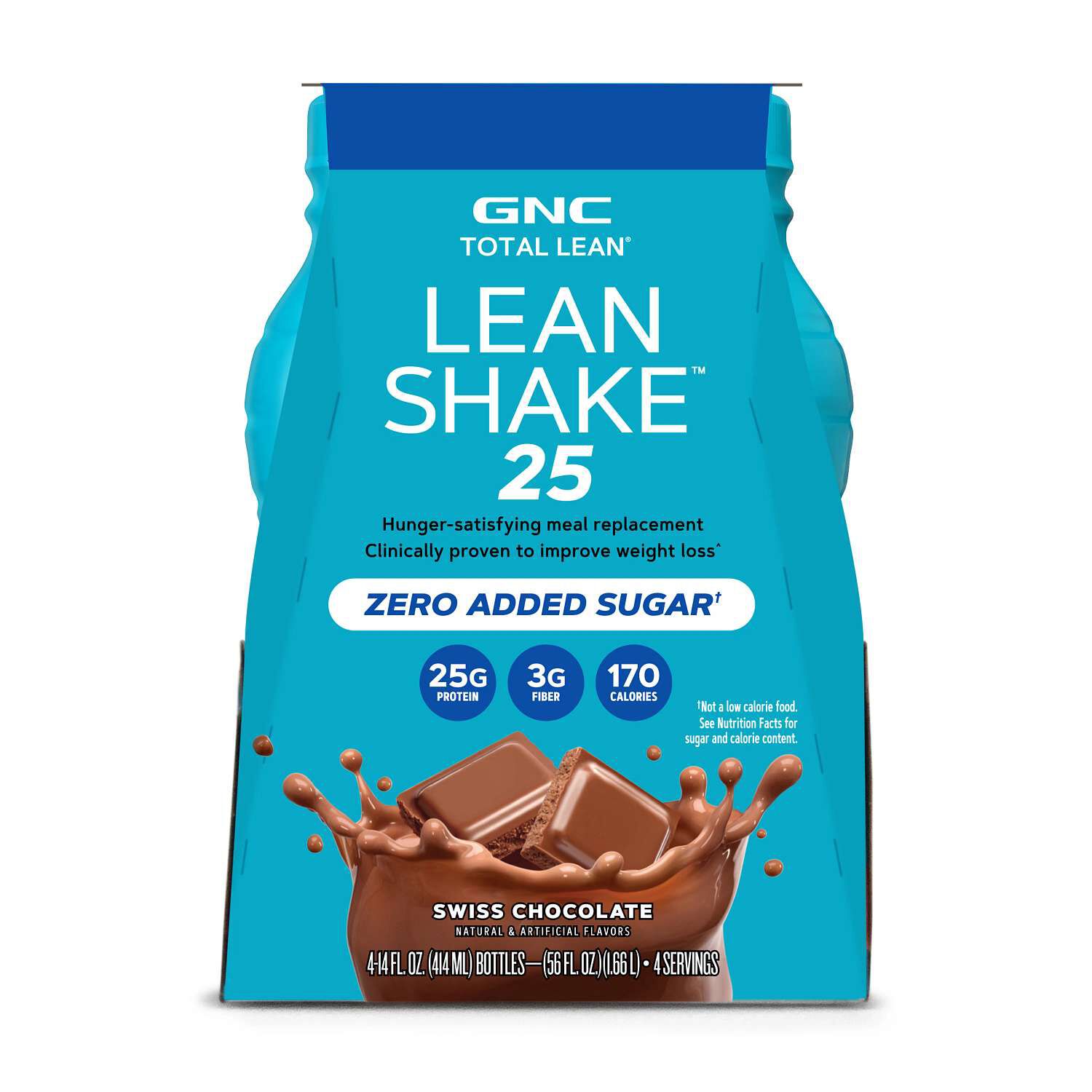


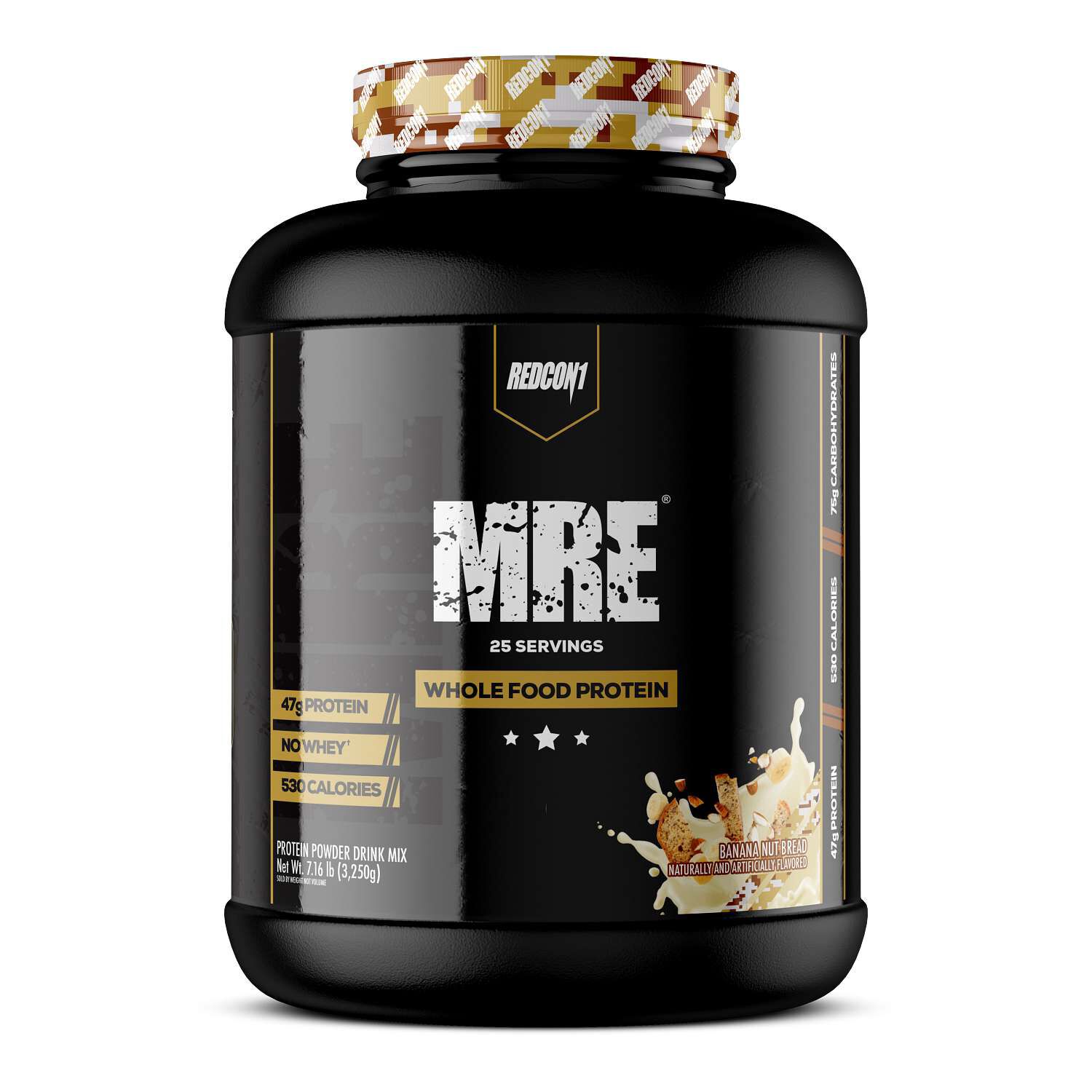

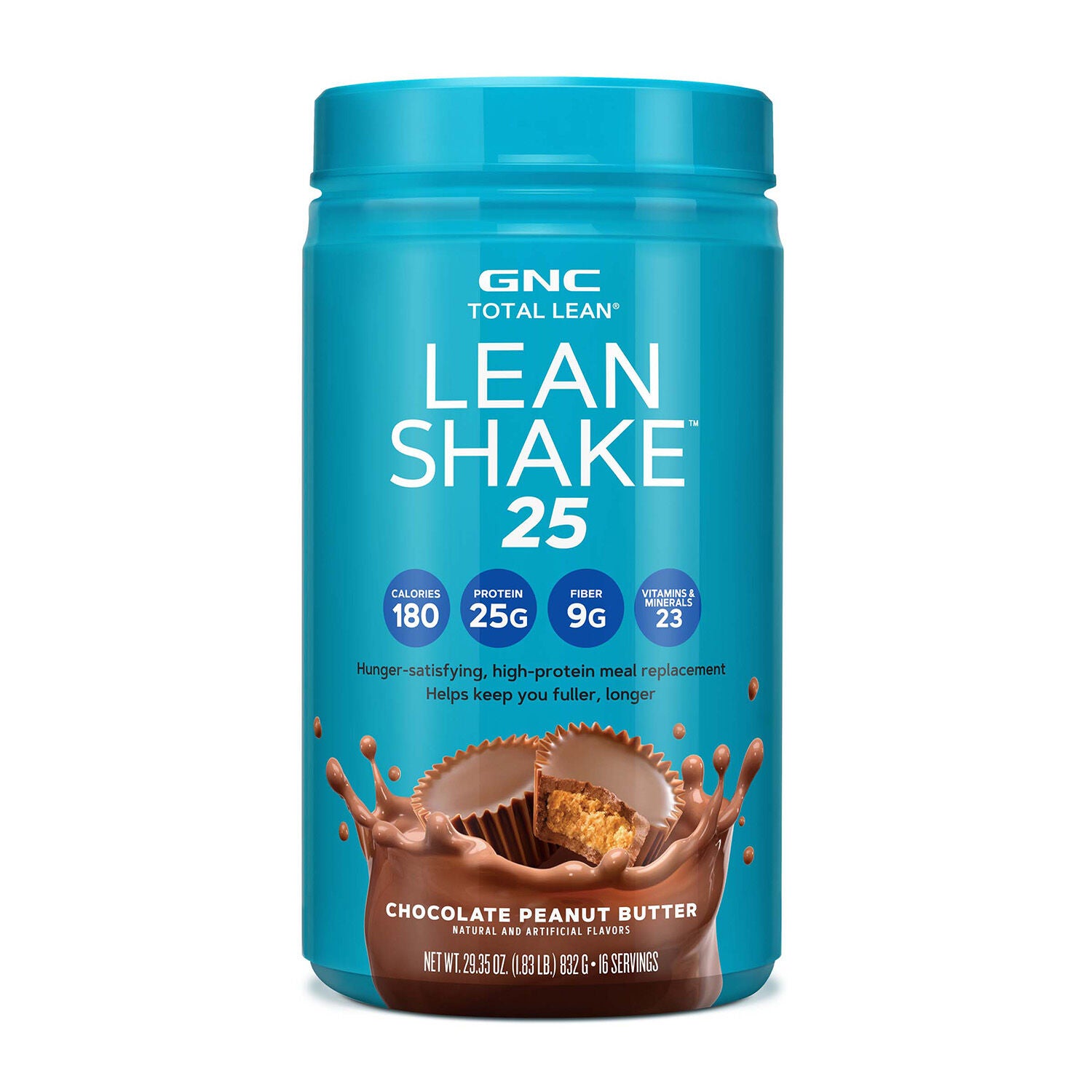

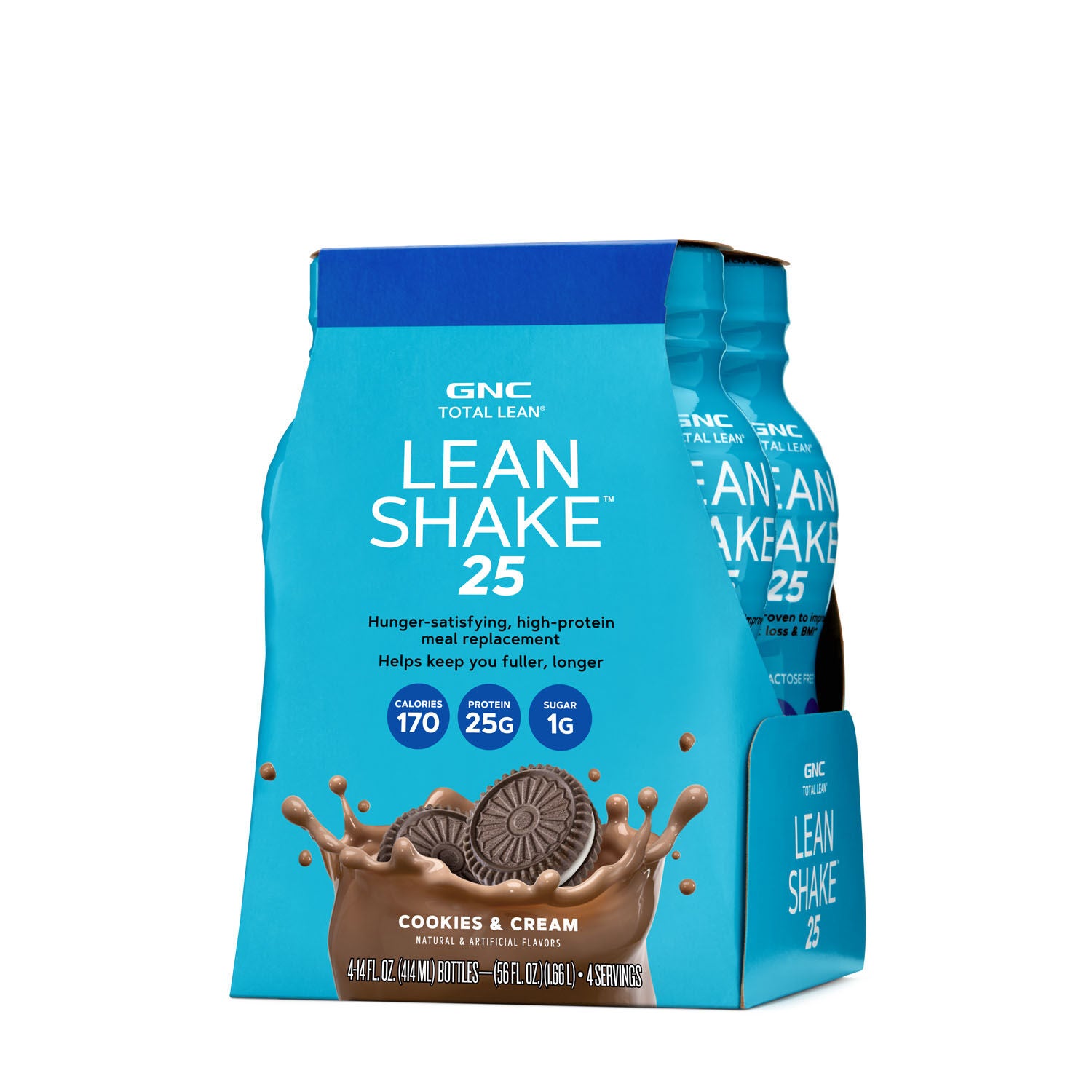
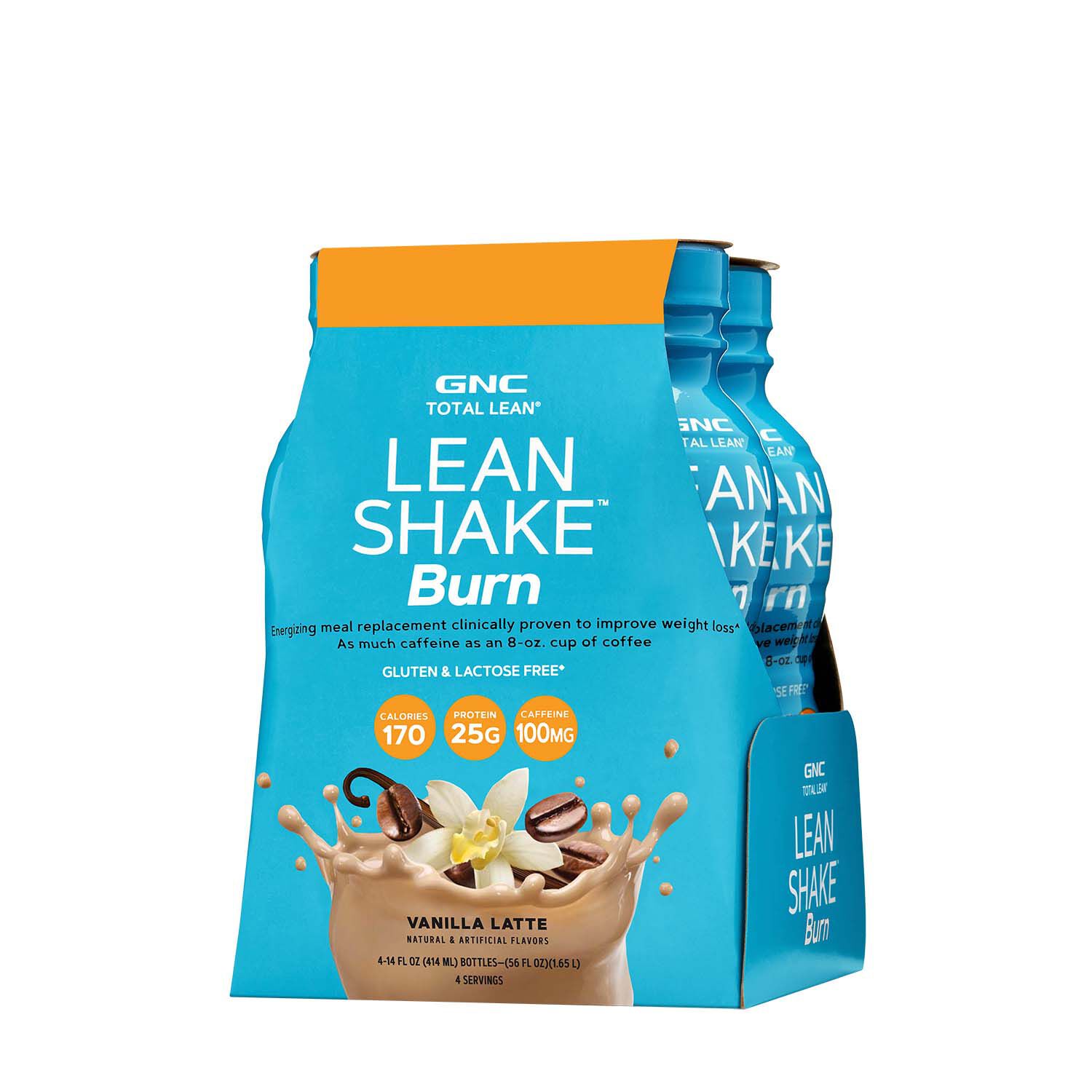
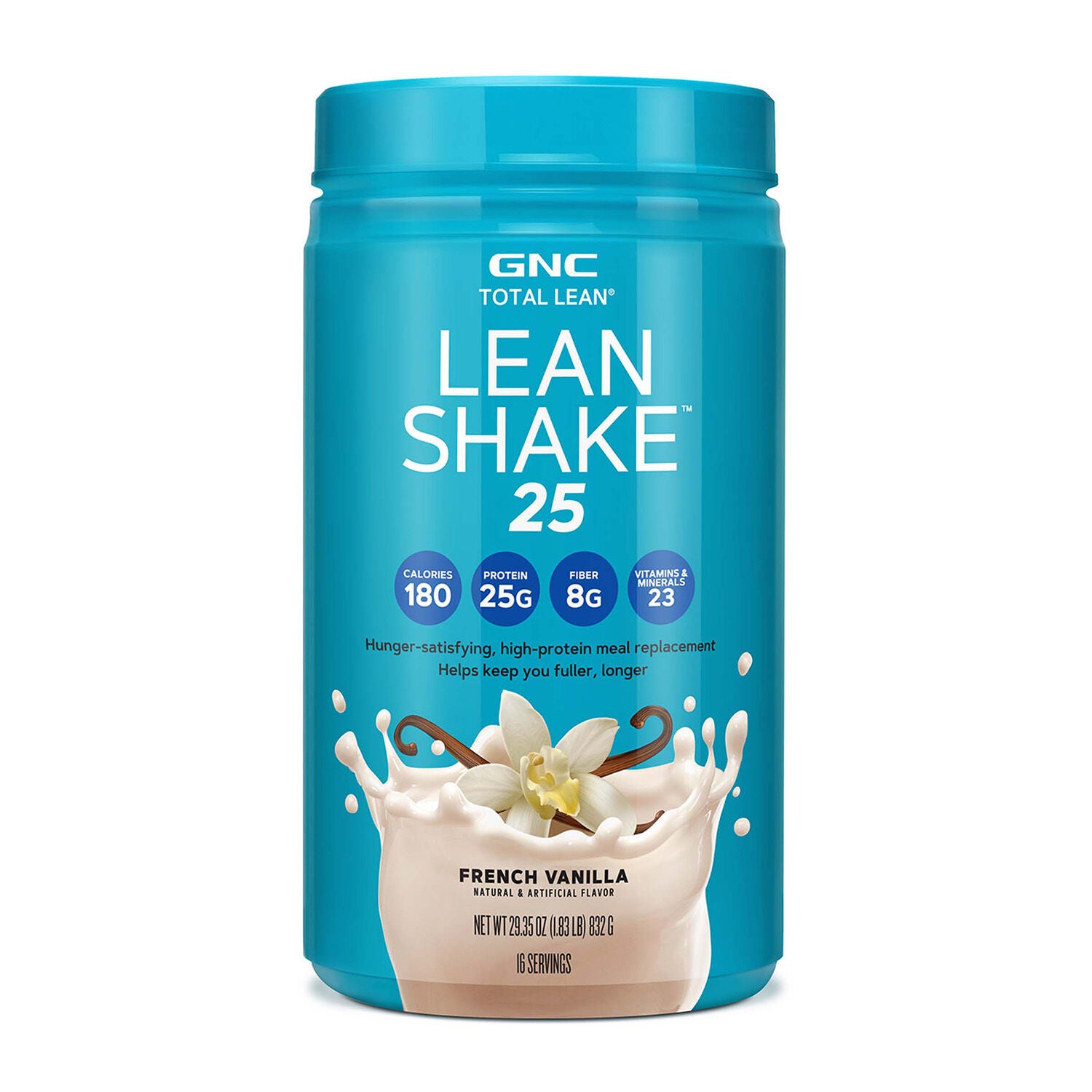

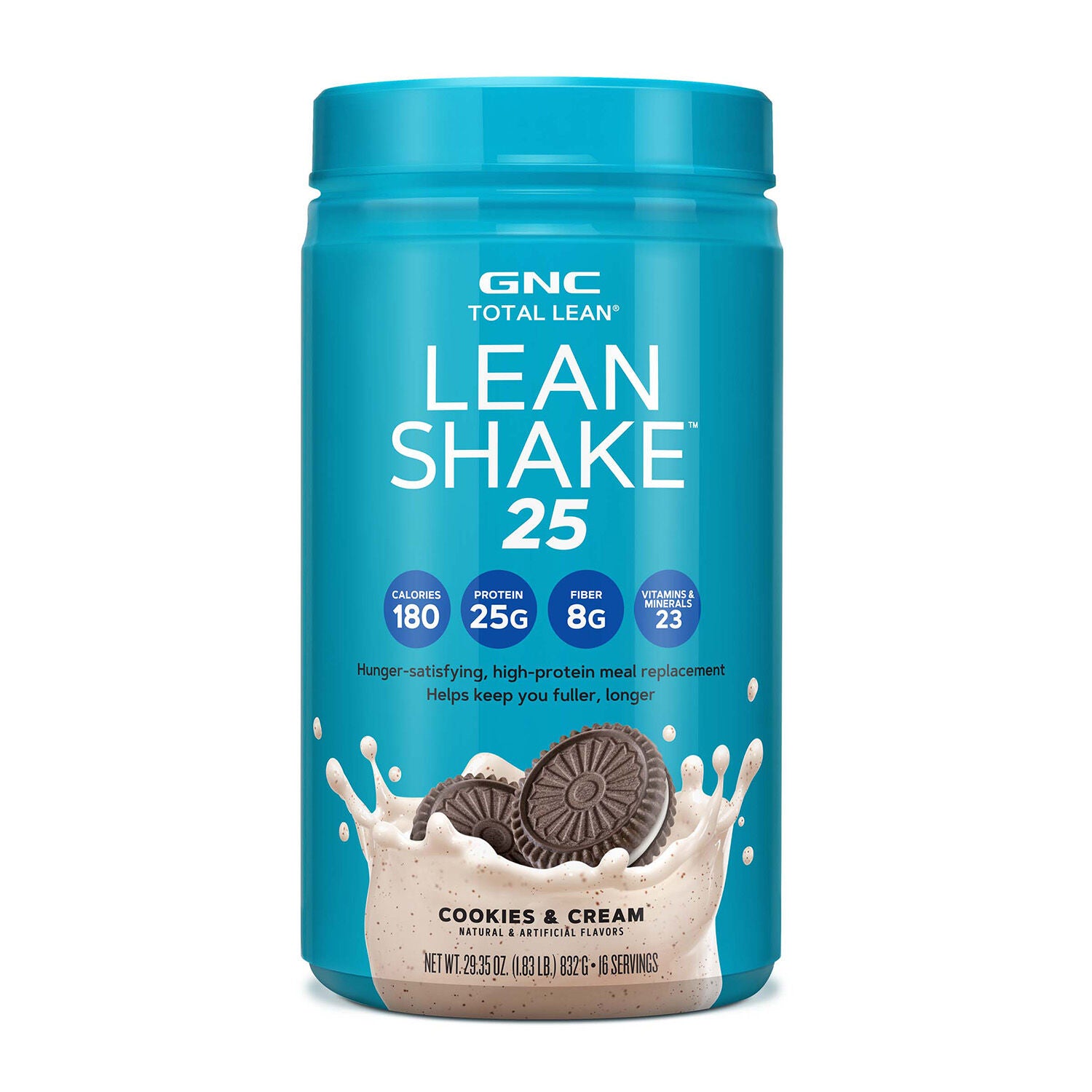
Meal replacement snacks are portioned foods intended for occasions when a sit-down meal is not practical, with formats that range from chewy bars and crisp bites to drinkable options. They bring a different set of considerations than a small snack chosen simply for flavor or crunch. Protein, carbohydrates, fats, fiber, and calories all matter when comparing a meal-oriented option with something meant for a brief break between meals. Some recipes also include added vitamins and minerals, while others center on ingredients such as oats, nuts, seeds, or fruit. The phrase “meal replacement” does not mean every option has the same nutritional profile, and a high protein amount alone does not tell the whole story. Serving size and calories provide context for how substantial a portion is, while the ingredient list describes what goes into it. A compact bar eaten between appointments can have a very different composition from a larger portion intended for a missed lunch. For someone heading from an early commute into back-to-back meetings, packaging that opens neatly and a texture that is comfortable to eat at a desk may matter as much as the flavor. For a student moving between buildings or a parent spending the afternoon at activities, a format that needs no utensils may be especially convenient. Meal replacement snacks may help bridge a busy stretch when there is little opportunity to prepare food, but they are not interchangeable with every meal or with a varied eating pattern. Their intended role is occasional convenience, with the right fit depending on appetite, preferences, and the rest of the day’s food. Familiar flavors such as chocolate, peanut butter, vanilla, and berry offer different starting points, while differences in sweetness, density, and texture make the eating experience just as important as the numbers on the label. A snack that tastes good to one person may feel too rich, too chewy, or too sweet to another.
The ingredients in meal replacement bars and other packaged snacks shape both their nutritional makeup and their character. Whey and milk proteins appear in some recipes, while soy, pea, and other plant proteins appear in others. Nut butters can give a bar a dense, smooth texture; oats can add chew; and nuts or seeds can create a more varied bite. Coatings, fillings, and crisp layers introduce additional contrasts, from a soft center to a light crunch. These details matter for anyone who expects to eat the same format regularly, since texture fatigue can make even a familiar flavor less appealing over time. Variety can come from alternating a chewy option with a crisp one rather than relying only on different flavors of the same base recipe. Nutritional comparisons are most useful when the serving sizes line up: a package can contain more than one serving, and two similarly sized bars can have different calorie, protein, fiber, and added sugar amounts. Protein and fiber may contribute to a feeling of fullness, though the experience varies by person and portion. Neither a front-label protein number nor a dessert-inspired flavor name describes everything about a food. Ingredient lists also distinguish recipes made with whole nuts or fruit pieces from those built around blended protein ingredients and syrups. For shoppers with ingredient preferences, vegan labeling and clearly identified protein sources offer useful context. For those avoiding particular ingredients, the allergen statement and any shared-equipment information deserve attention alongside the main ingredient list. Milk, soy, peanuts, tree nuts, wheat, and sesame can appear in this category, and formulations differ. Sugar alcohols and other sweeteners are another point of comparison for people who have established preferences about taste or ingredients. No single recipe suits every routine, which makes transparent labeling, an appealing texture, and a suitable portion more meaningful than a broad claim on the front of a wrapper.
Portability involves more than whether a snack fits into a bag. The wrapper, shape, serving format, and storage directions all affect how practical it is outside the kitchen. A firm, individually wrapped bar can tuck into a work tote, while a pouch of bites may suit someone who prefers eating a few pieces at a time. Resealable packaging matters when a portion will not be eaten at once, and a rigid container can protect softer foods from getting flattened beneath a laptop or notebook. Crumbly textures may be less convenient in a car or shared workspace, while coated snacks can leave more residue on fingers than an uncoated option. Drinkable formats offer a different experience but require attention to whether the container is ready to open or the contents need mixing. A powder also means planning for liquid, a suitable cup, and cleanup afterward. Label directions govern storage before and after opening, and a printed best-by date helps with organizing snacks kept at a desk or in a pantry. An unopened package designed for pantry storage is a different proposition from one that requires refrigeration; the distinction matters during a long commute or an extended outing. Travel adds its own practical details, including how much room packaging takes up and whether food can be eaten neatly while waiting at a gate. For that setting, Meal Replacements For Travelers offers a related category to explore. At home, a packaged snack can also sit alongside fruit, yogurt, or another familiar food when a larger eating occasion is preferred, rather than serving the same purpose every time. For commuters, students, shift workers, and people with crowded schedules, the appeal is often that flexibility. Thoughtful comparisons bring the focus back to the everyday experience: the portion inside the package, the ingredients behind the flavor, the amount of preparation involved, and whether the format fits the place where it will actually be eaten.
Best Sellers


Related Pages

Top Collections
- Top Rated Collagen | Shop Customer Favorites | GNC
- Cortisol Supplements
- Vitamins For Hair Loss
- NAD+ Supplement Tablets
- Peptide Supplements
- Best Brand of Magnesium Glycinate
- Vitamins That Help Support Weight Gain
- Protein Powders For Muscle Growth Support
- Spirulina Tablets
- Peptide Supplements for Muscle Growth