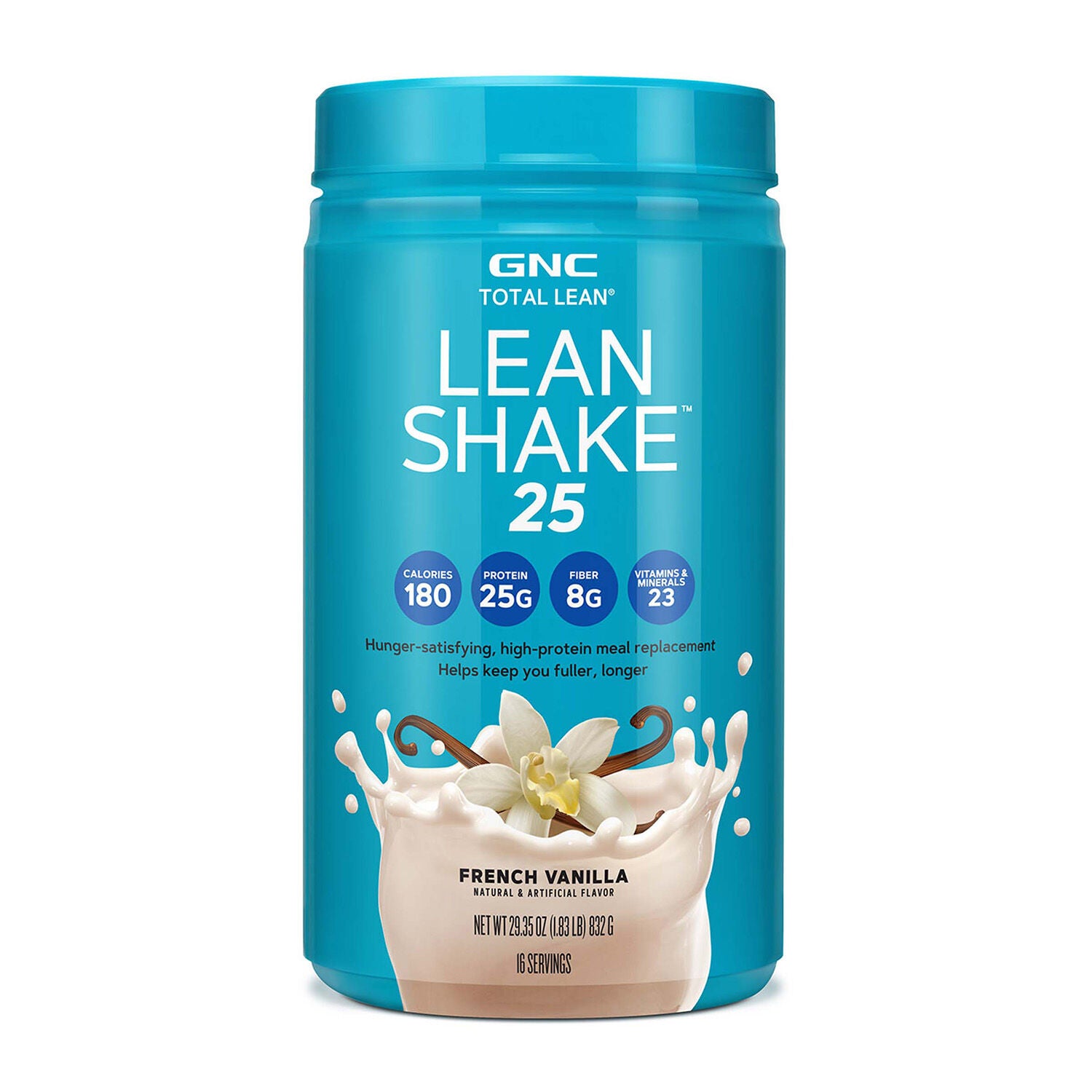
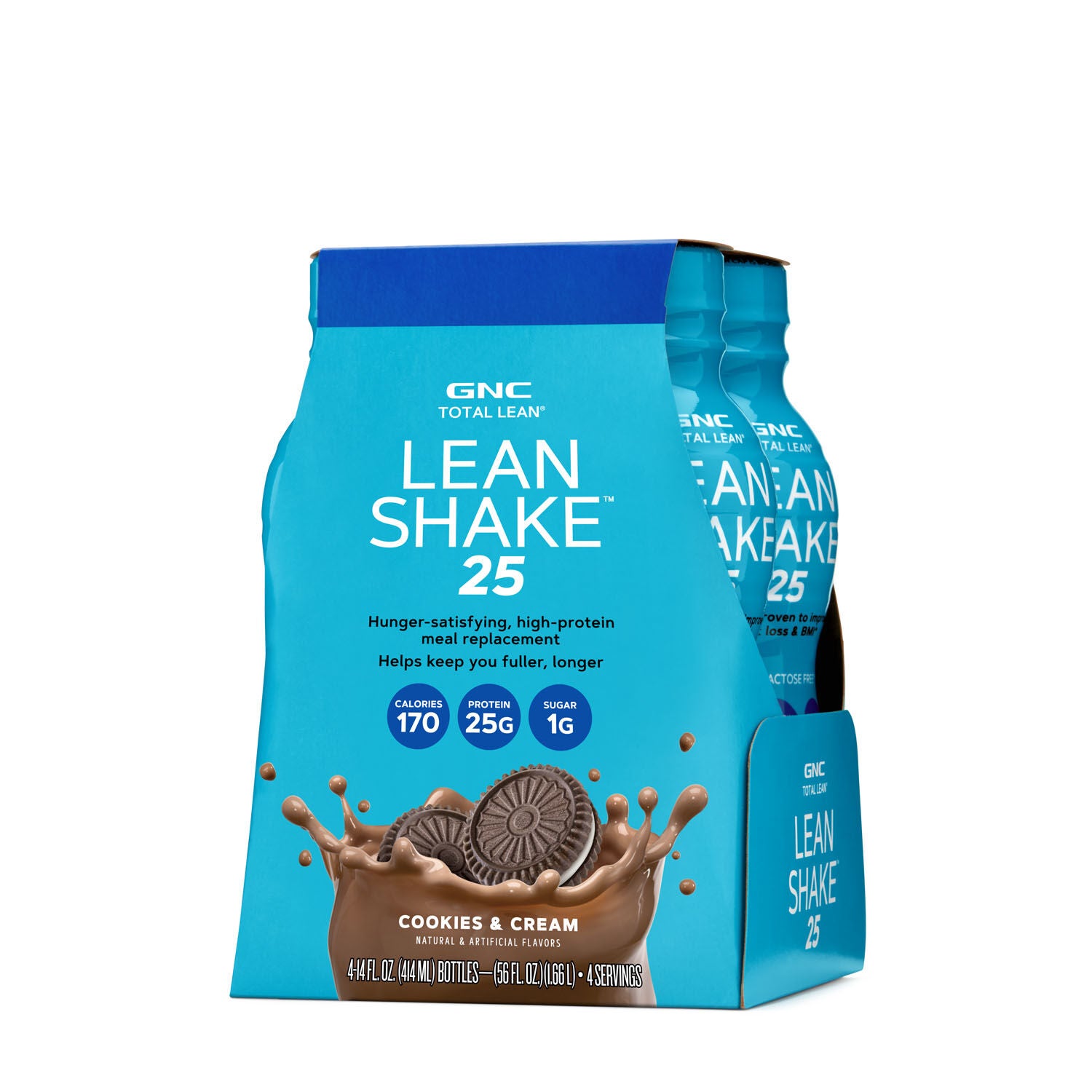
Meal Supplements
(0 Results)
Looking to boost your daily nutrition in a convenient and effective way? Our meal supplements category offers a wide selection of products designed to provide essential vitamins, minerals, and nutrients to support your overall health and wellness goals. Whether you're looking to fuel your active lifestyle, manage weight, or simply ensure you're getting all your necessary nutrients, our meal supplements are formulated to help you meet your dietary needs with ease. Explore our range of meal supplements to find your perfect match for a healthier, more balanced lifestyle.


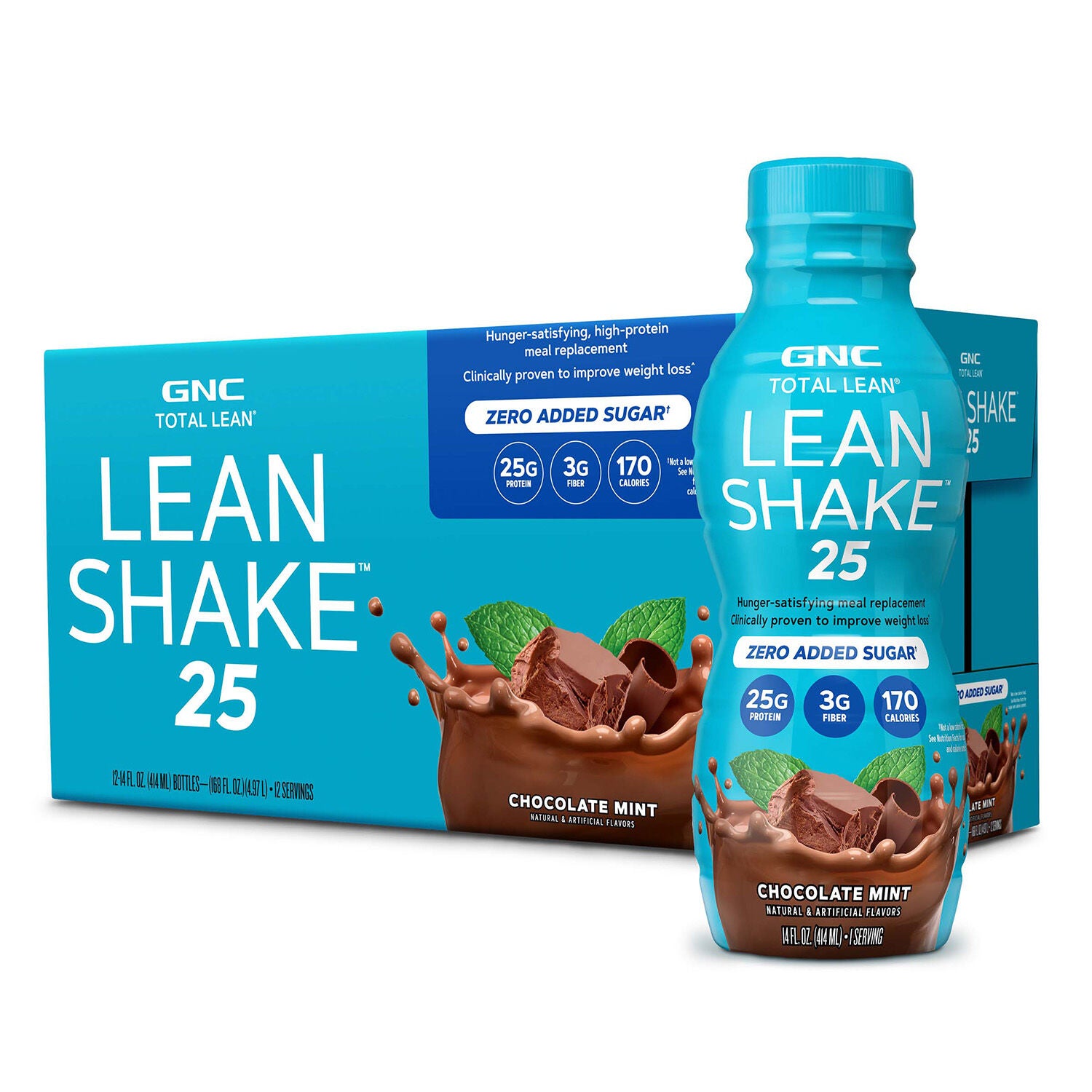
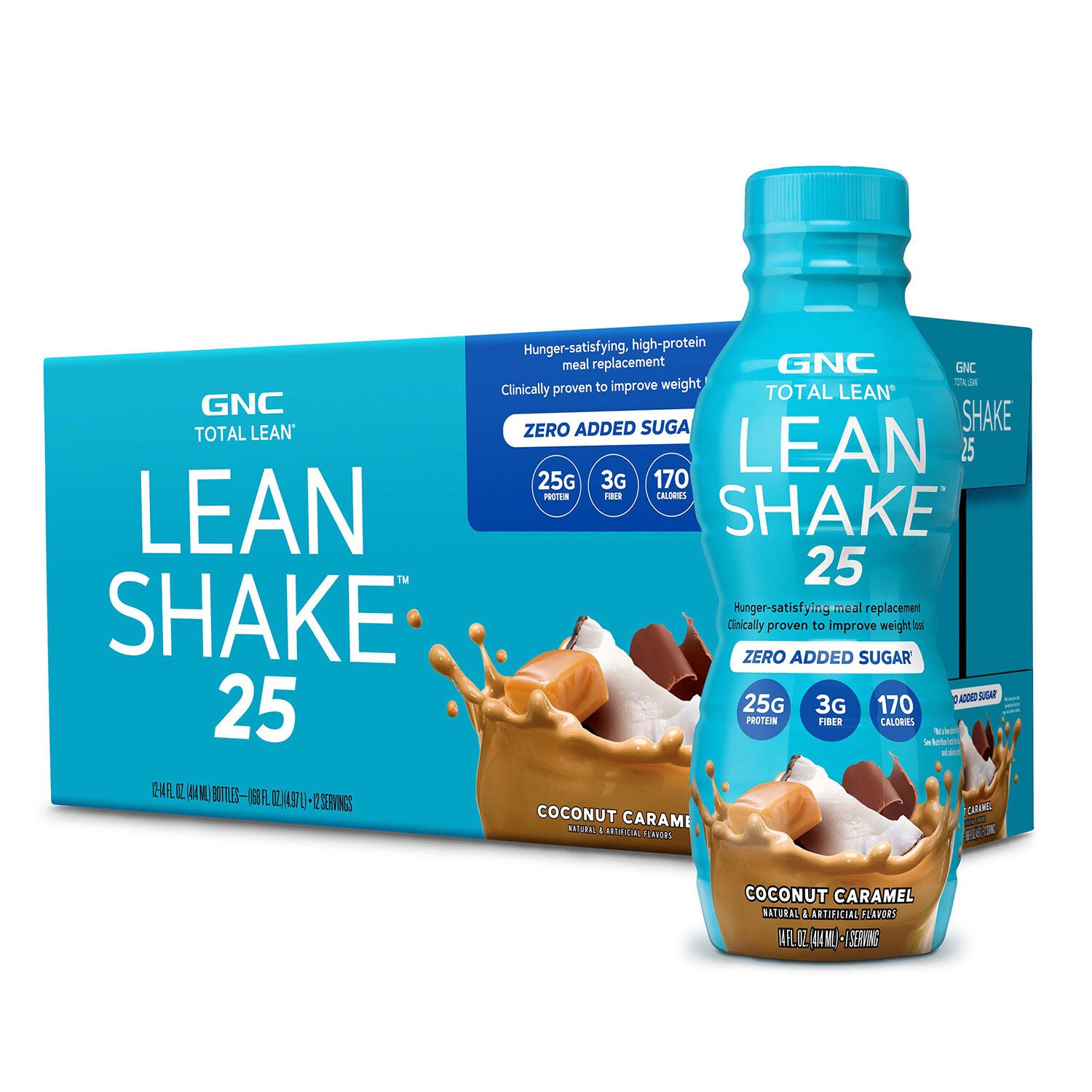
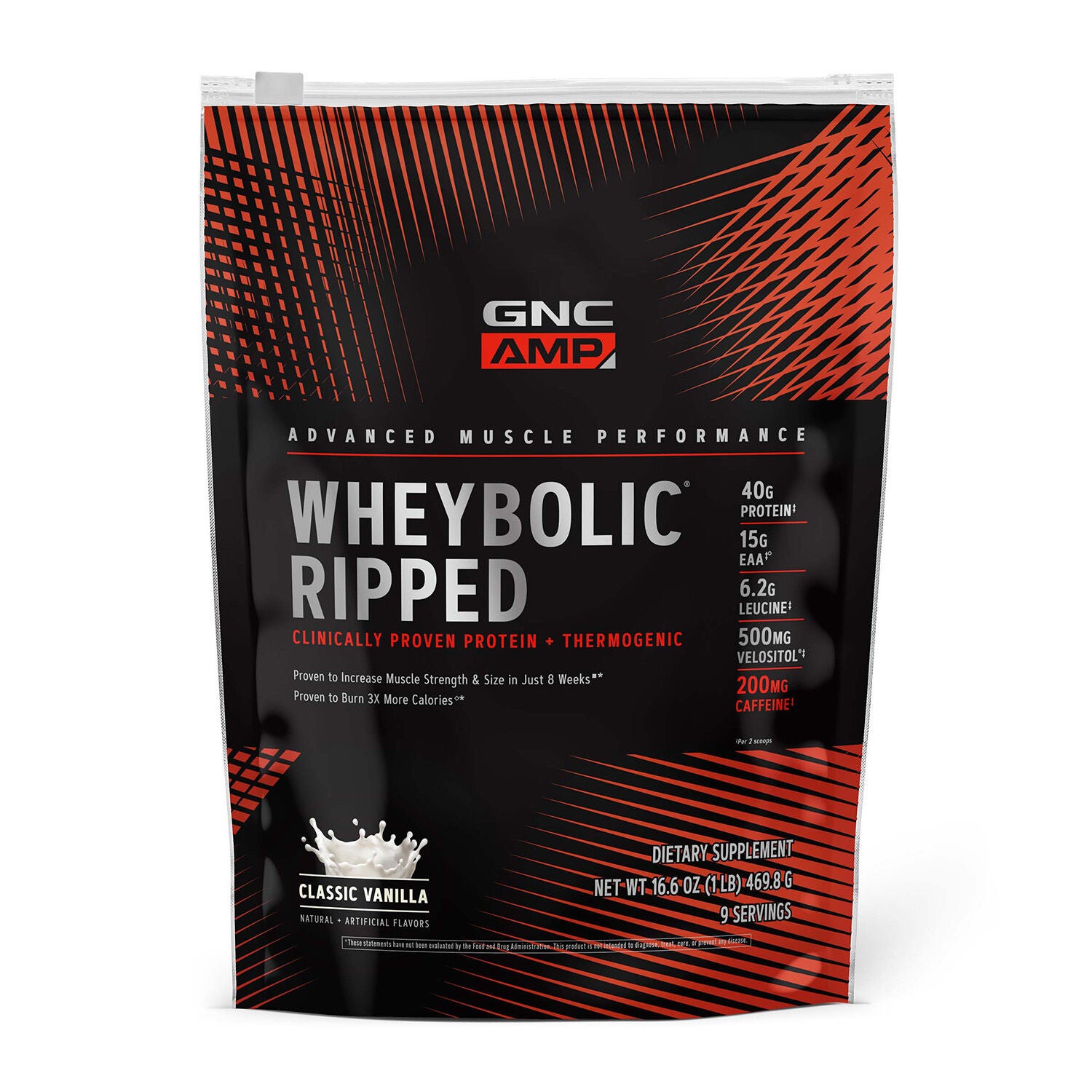

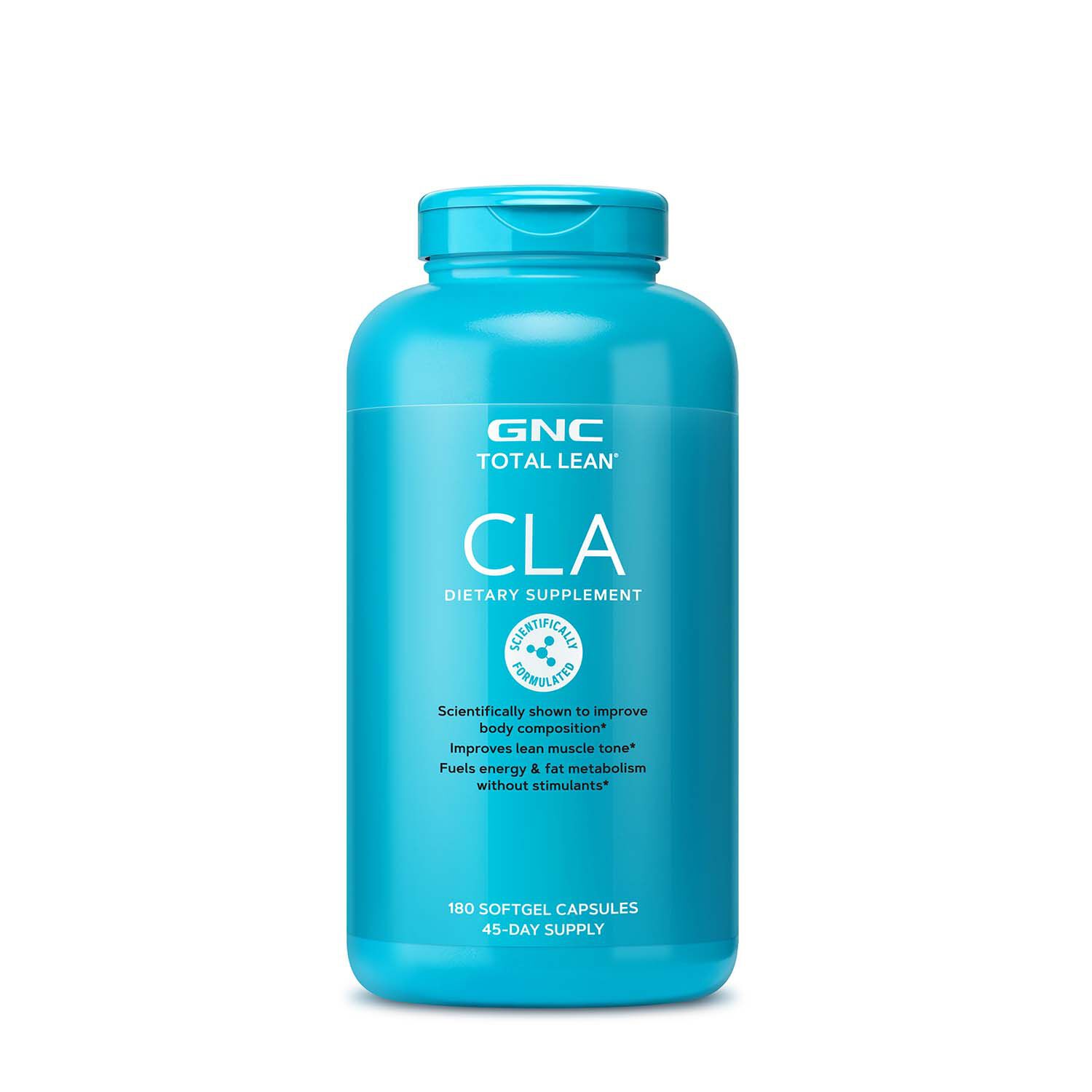
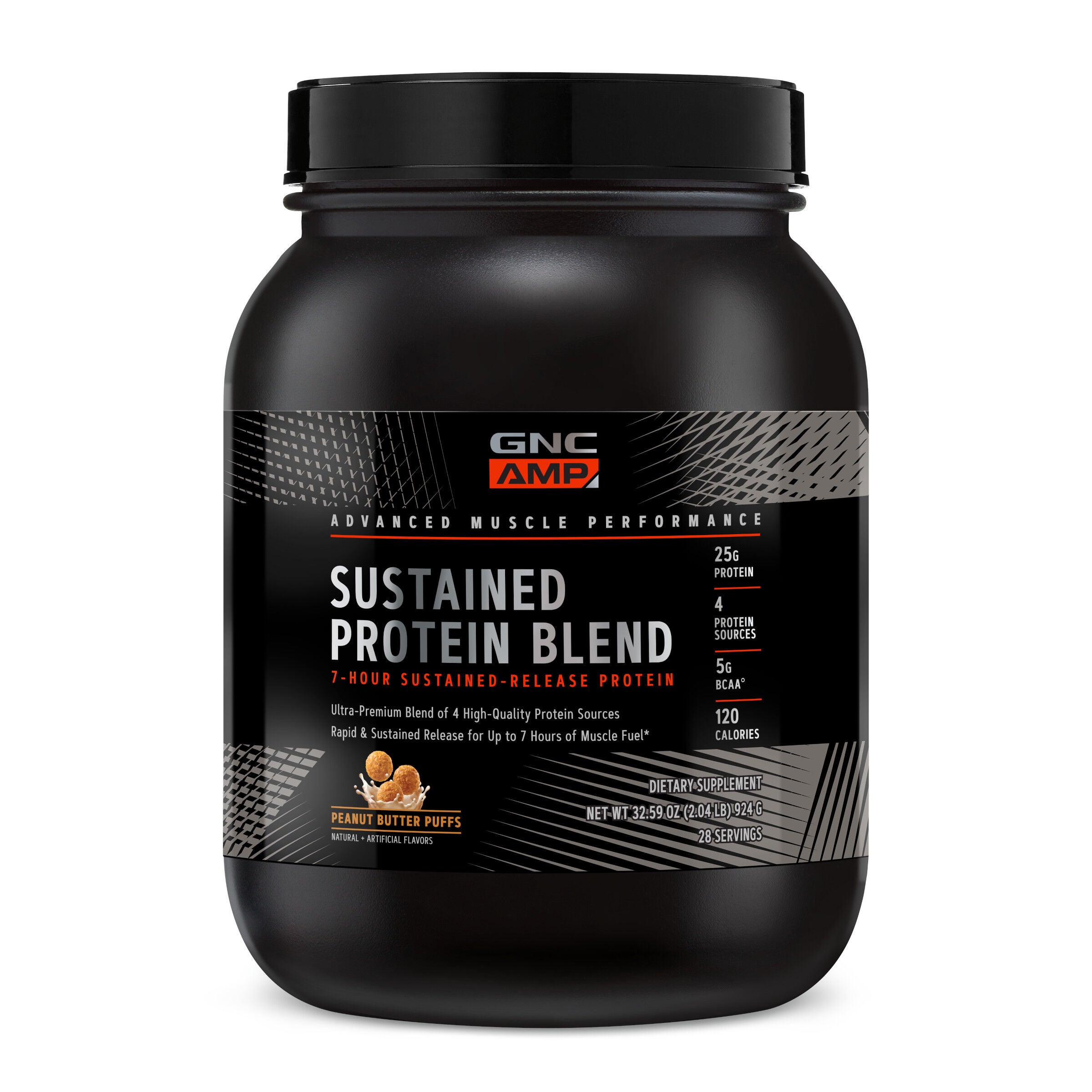

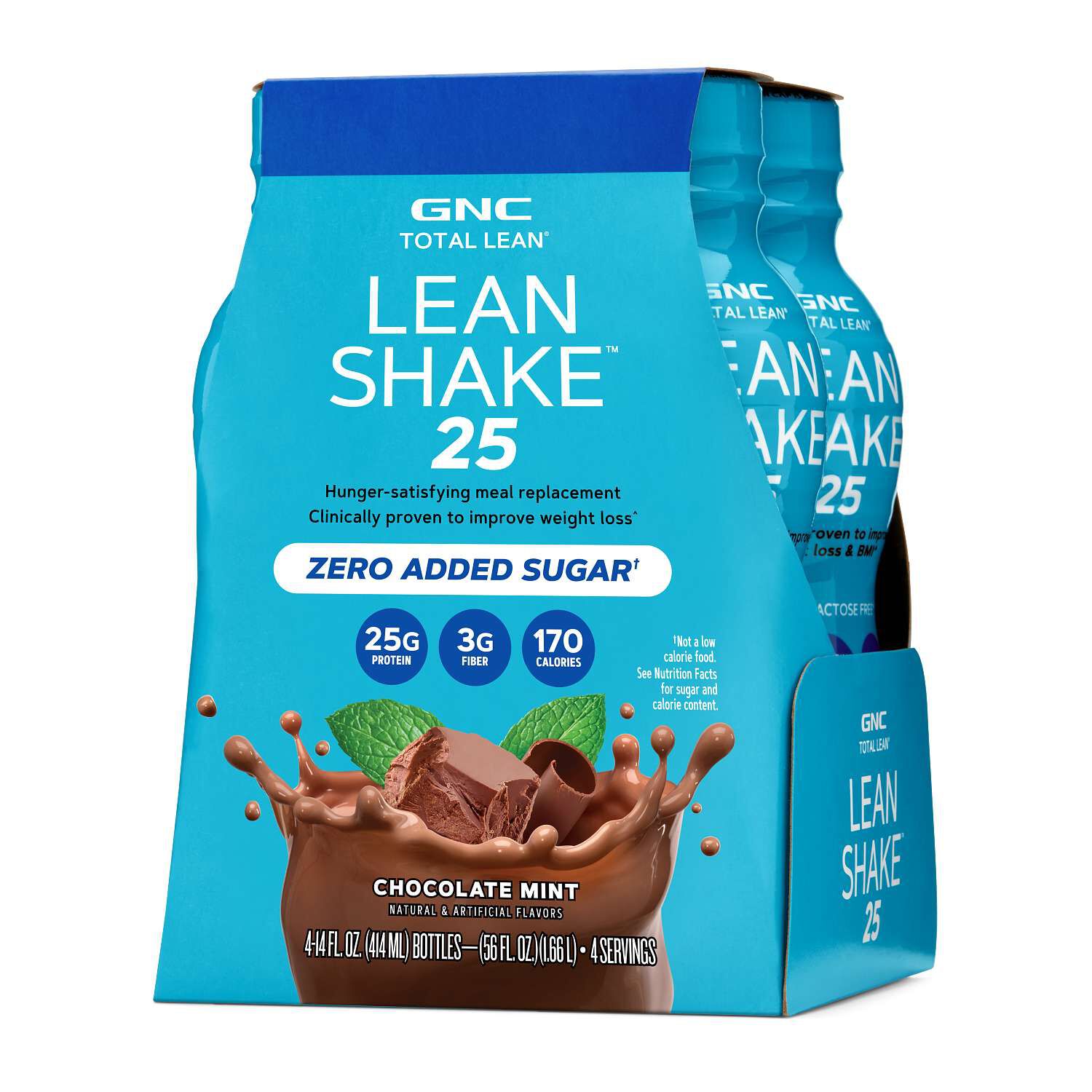
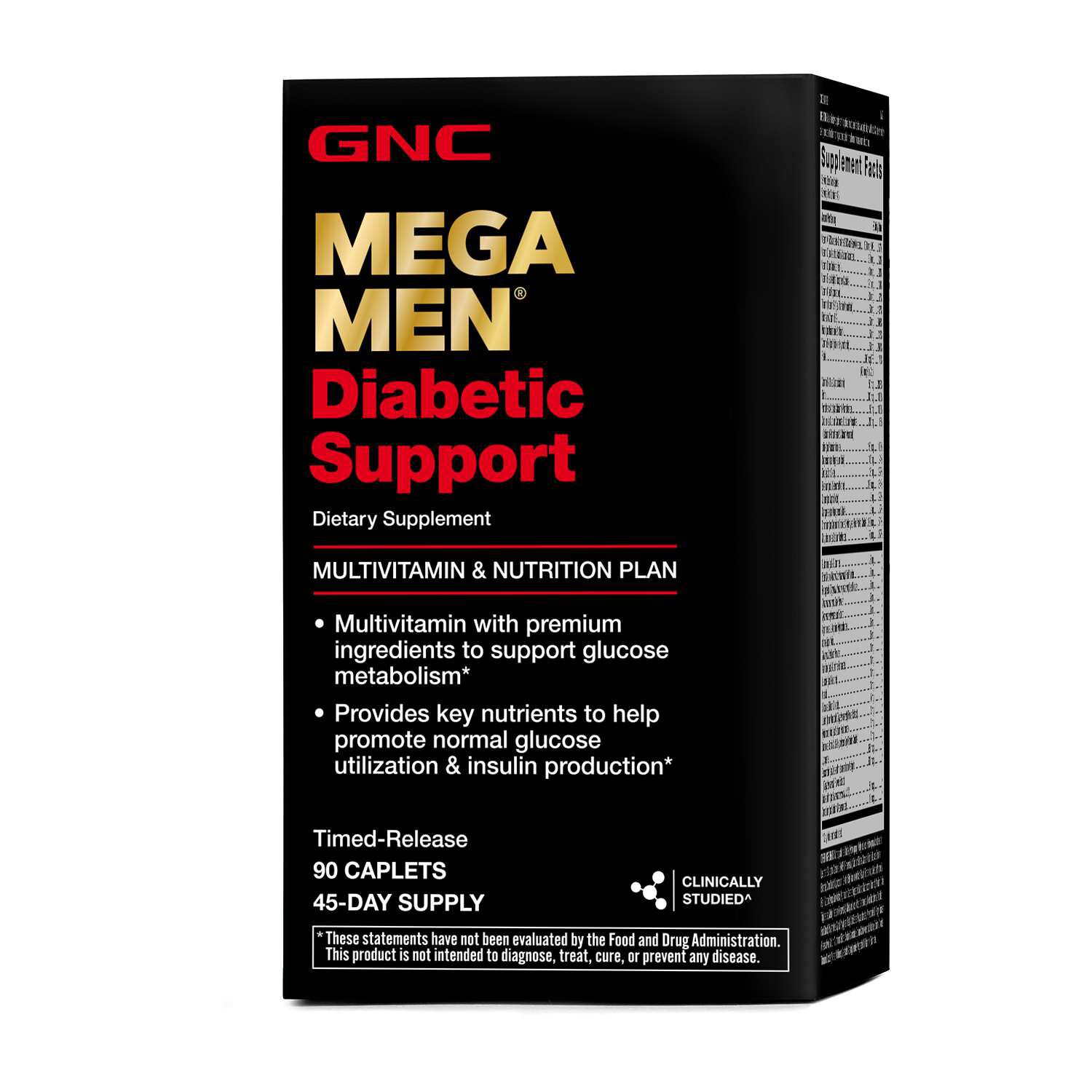
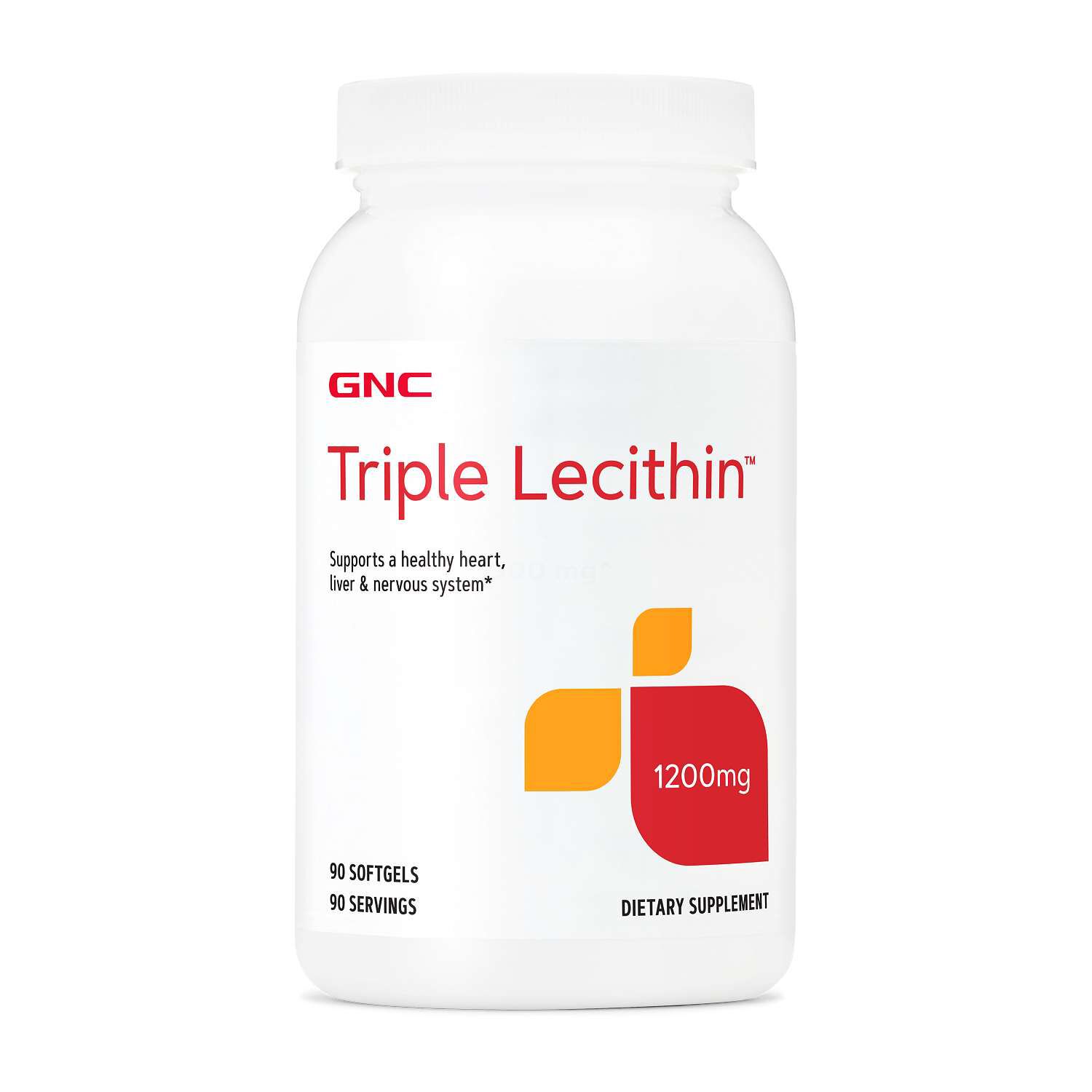


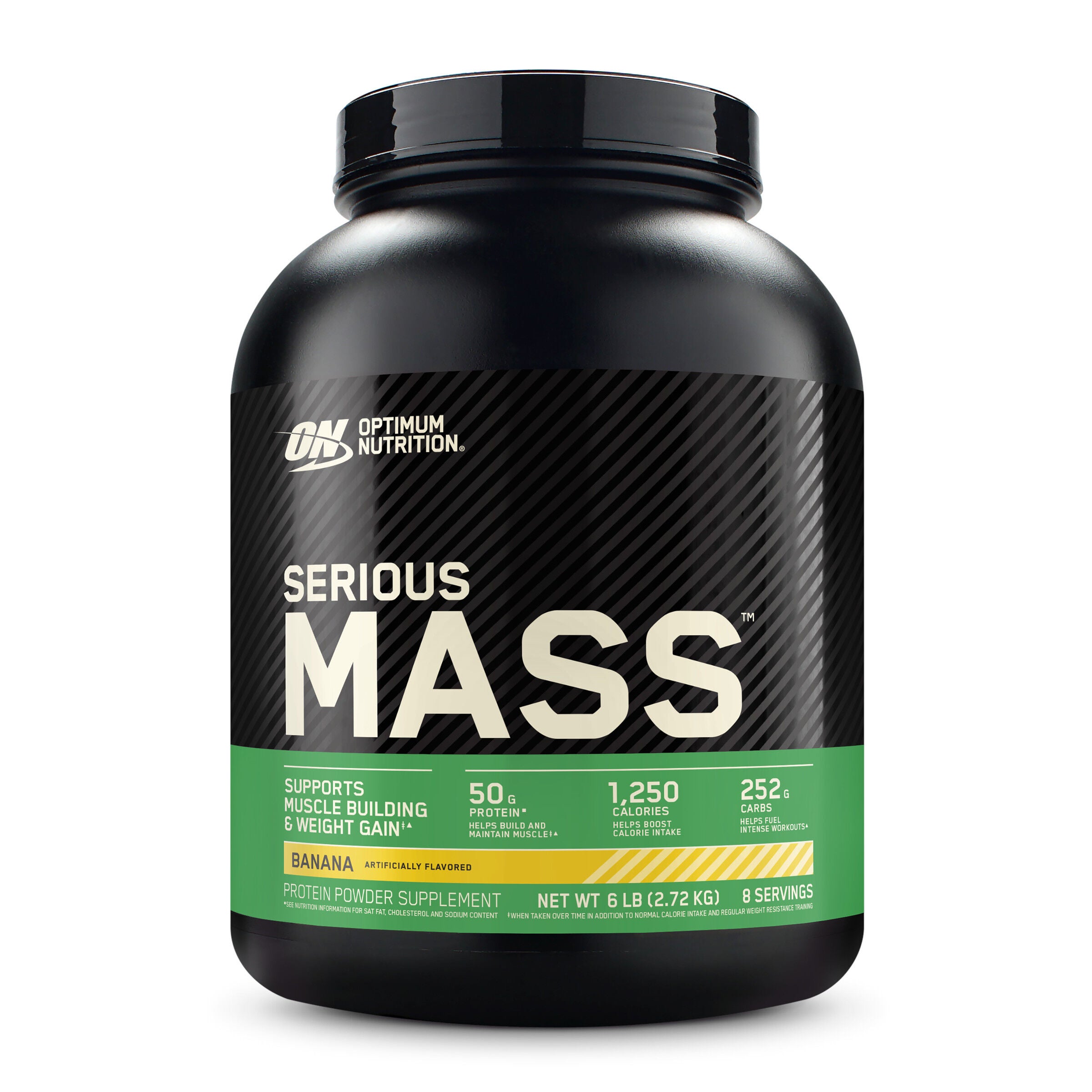
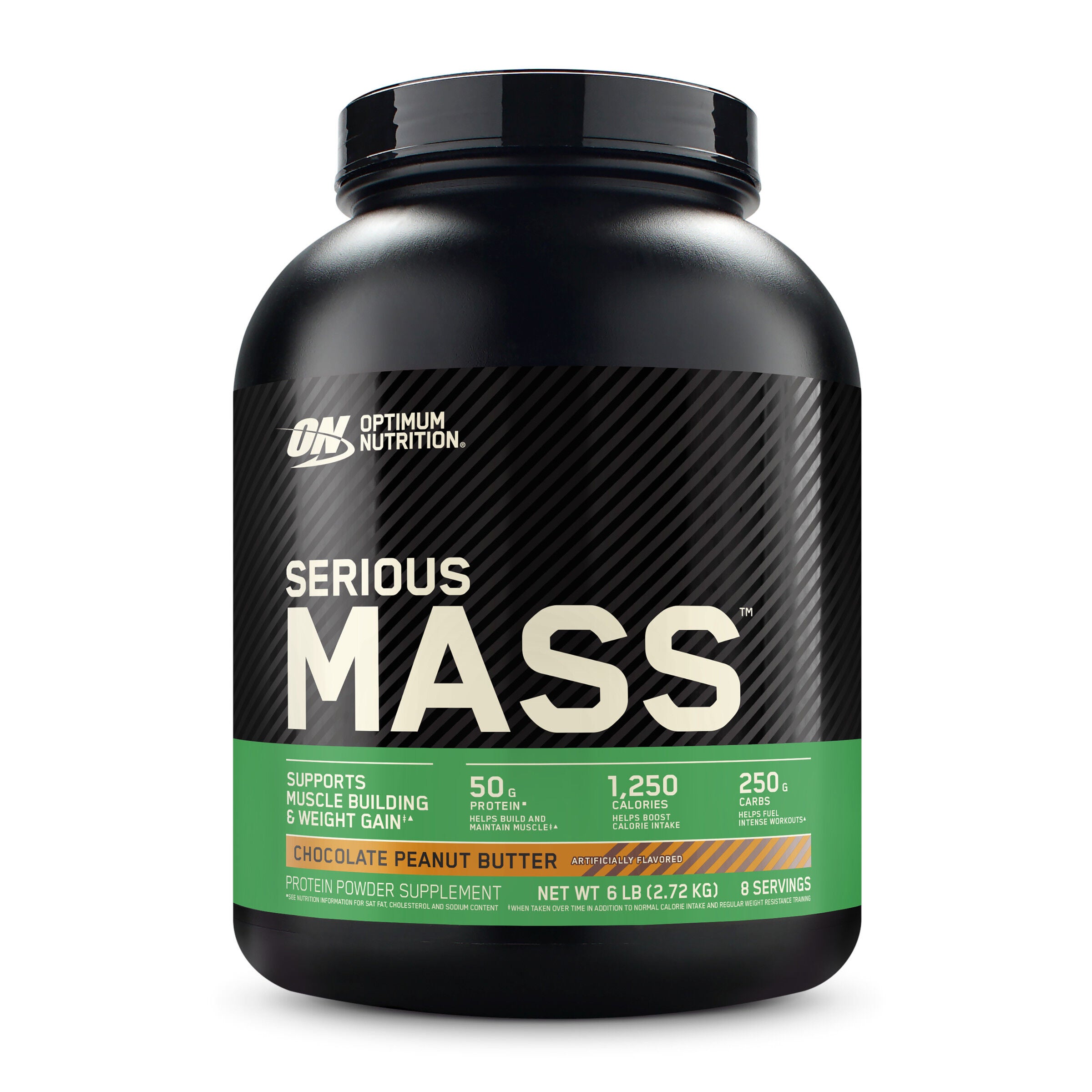

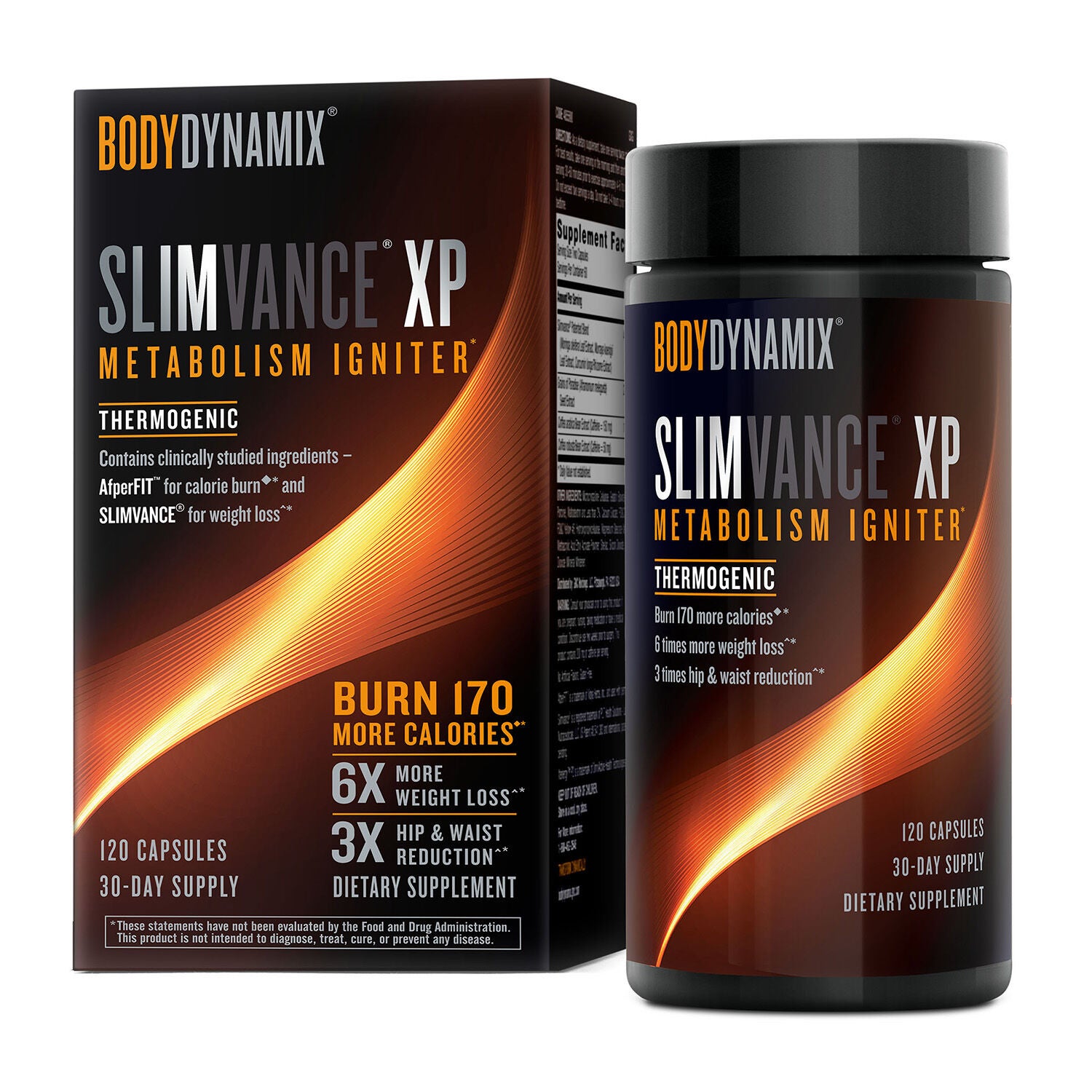
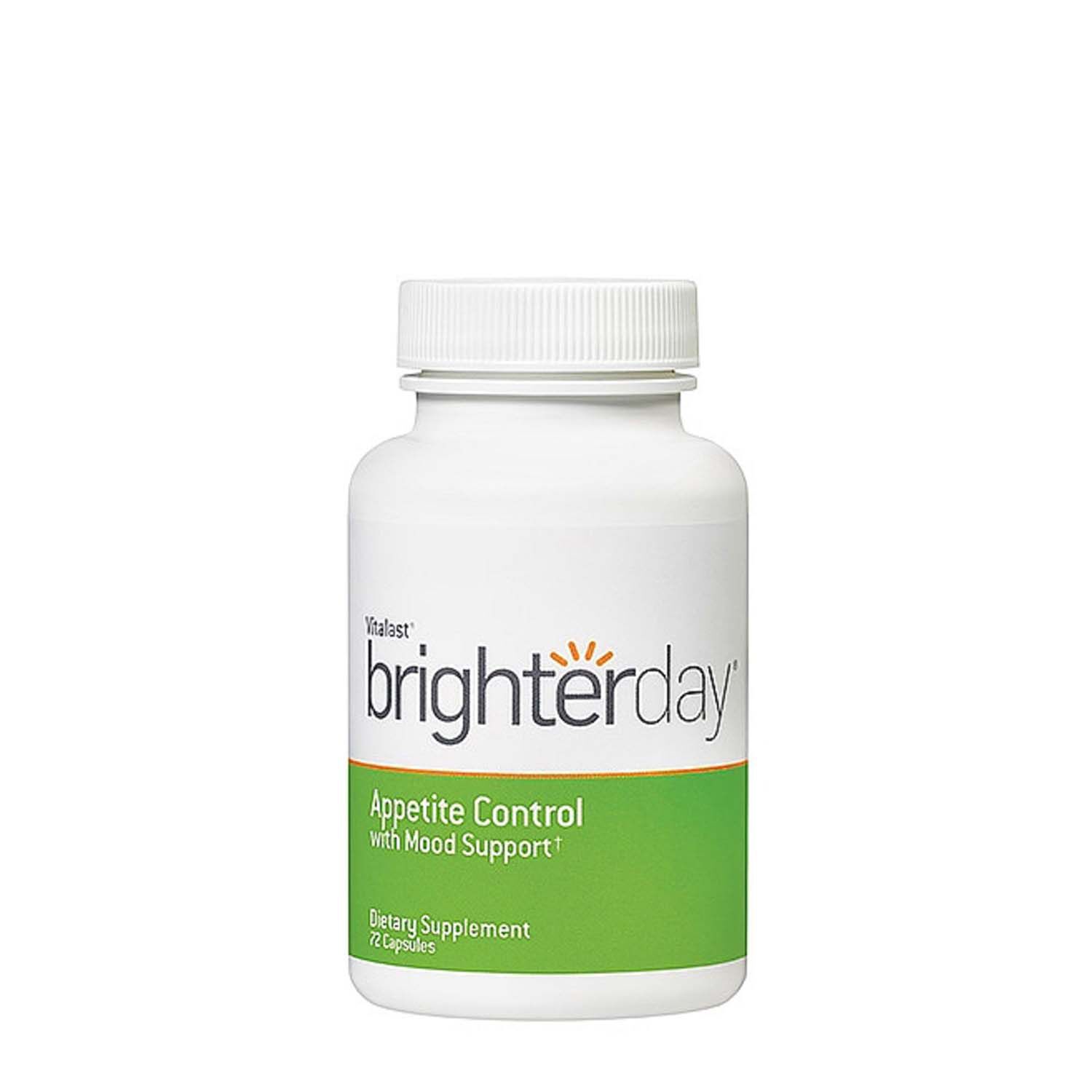

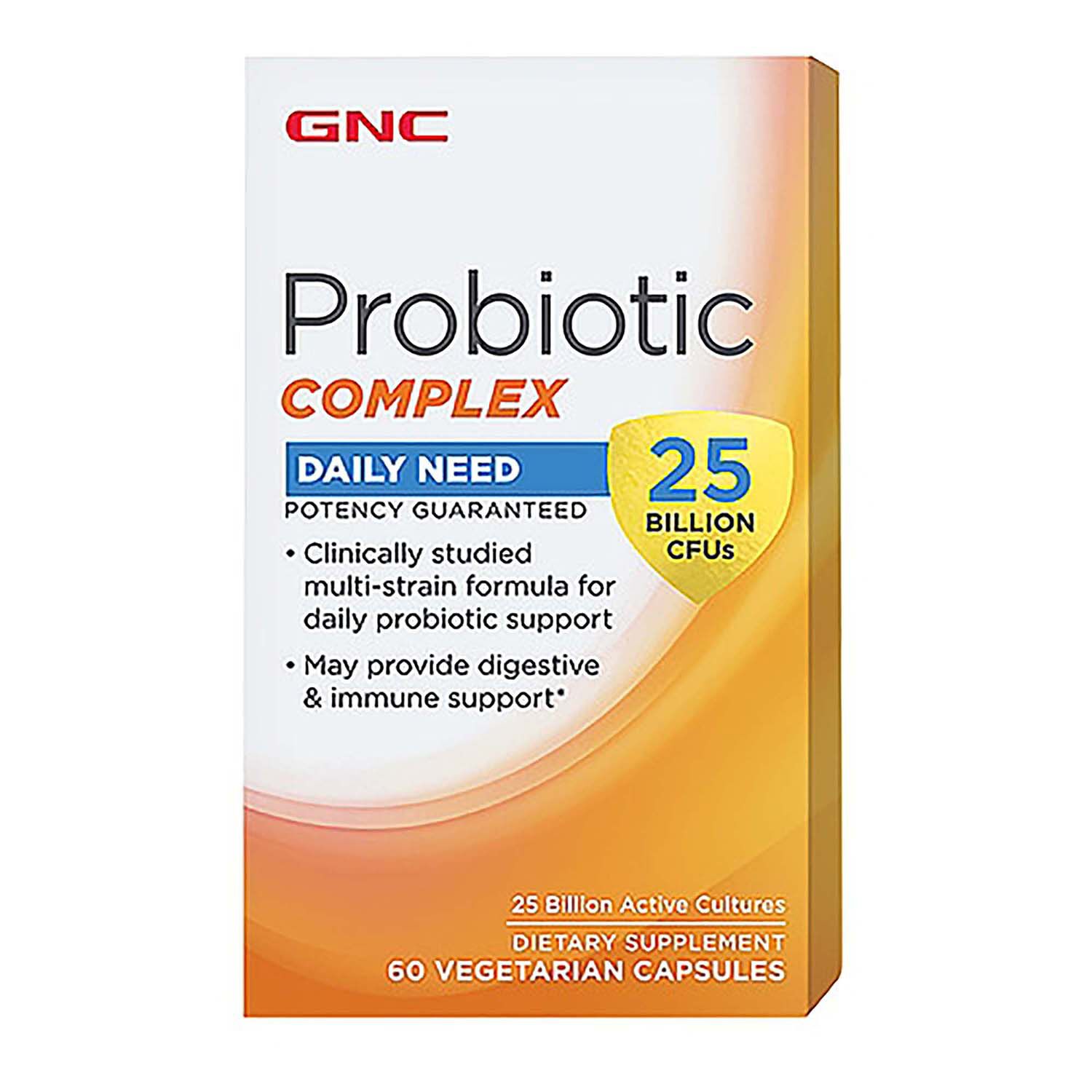

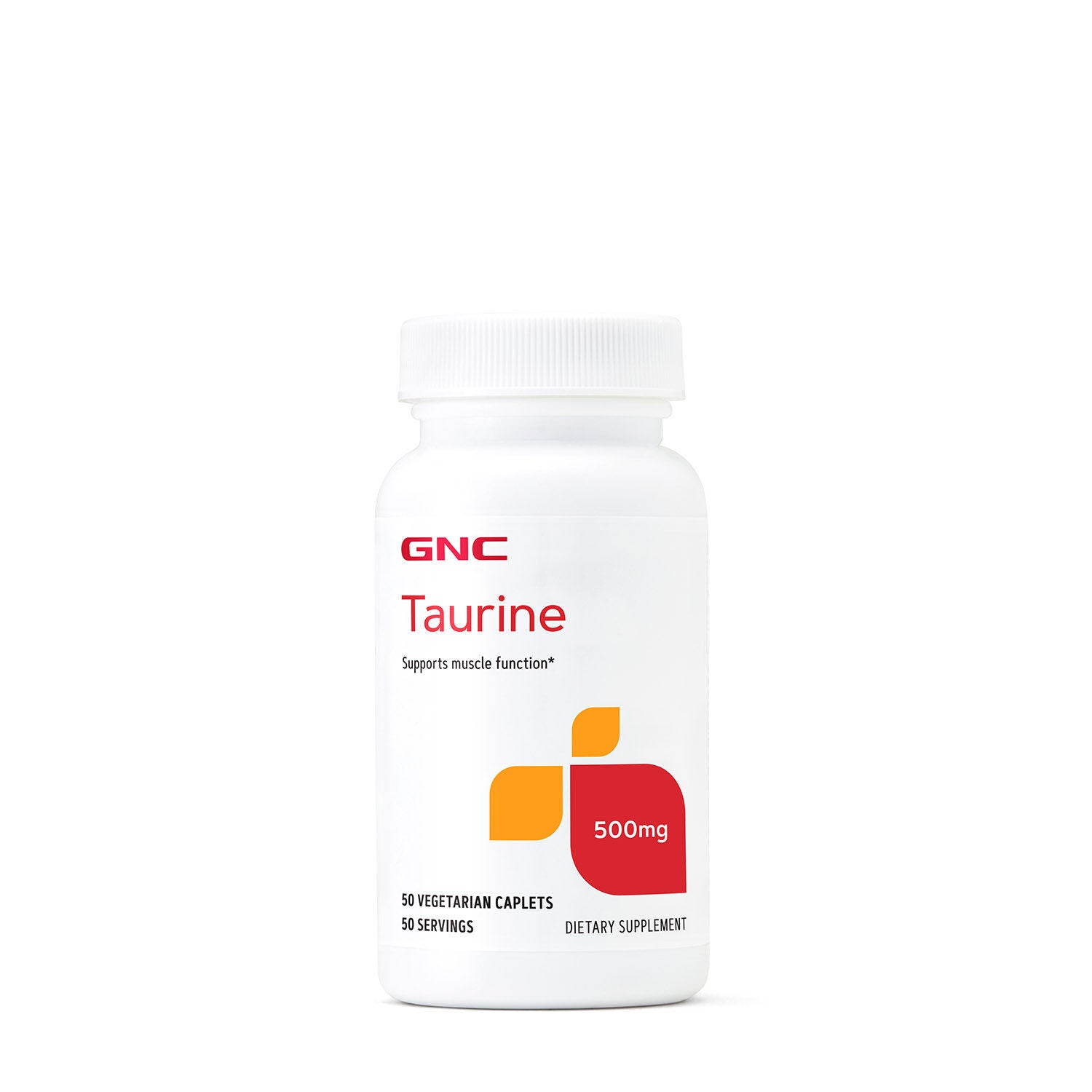

Meal supplements are packaged nutrition products, including shakes, powders, and bars, intended to add nutrients to an eating routine or, when labeled for that purpose, serve as a meal replacement. The term covers a broad category rather than one standard formula, so the intended use and nutrition information matter more than the format alone. A protein shake primarily supplies protein, while a meal replacement generally includes protein, carbohydrates, and fat, often with fiber, vitamins, and minerals. Those distinctions are worth noting when comparing something to enjoy alongside breakfast with something intended to stand in for an occasional meal. A bottle with a creamy texture or a powder with a long ingredient list does not automatically provide the same nutritional profile as a meal replacement. Calories, serving sizes, and nutrient amounts differ between formulas, and the front label tells only part of that story. Meal supplements may suit adults whose schedules sometimes leave little room for preparation, such as commuters heading out before breakfast, students moving between campus buildings, or people with short lunch breaks. A ready-to-drink shake may make a packed morning easier to navigate, while a powder may suit someone who prefers choosing the liquid and consistency. Bars offer a chewable format without a cup or shaker, although some are intended as snacks rather than meal replacements. For a closer look at drinkable options, Meal Replacement Shakes focuses on that part of the category. Whatever the format, these products have a different role from the variety of tastes, textures, and ingredients found in everyday meals. They may offer a practical option for particular moments without needing to become the centerpiece of an eating routine. The most useful comparison starts with a concrete occasion: a shake beside toast at home, a packaged option during a workday, or a powder mixed in a kitchen before leaving for the day.
Ingredients, serving information, and preparation directions help distinguish meal supplements that otherwise look similar. Protein sources may include whey, casein, soy, pea, or blends of plant proteins, while carbohydrate ingredients may include oats or other grains. Fat sources vary as well, with some formulas using oils, nuts, or seeds. The ingredient list identifies what goes into the formula, and the Nutrition Facts or Supplement Facts panel shows the amounts supplied by the labeled serving. Comparing the same serving basis is important: one scoop is not always one serving, and a single container may hold more than one serving. Preparation also changes the finished drink. A powder mixed with water has a different nutrient profile from the same powder prepared with milk or a plant-based beverage, and those beverages differ from one another. Some contribute protein and fat, while others contribute relatively little protein. When comparing meal replacement powders, it helps to distinguish the nutrition of the dry mix from any nutrition listed for a prepared serving. Protein grams are only one part of the comparison; calories, carbohydrates, fat, fiber, sodium, and added sugars also describe how formulas differ. A higher protein amount alone does not establish whether a product is intended to replace a meal. Ingredient preferences deserve the same attention as the numbers. Milk, soy, wheat, peanuts, and tree nuts appear in some formulas, so allergen statements matter when shopping for personal use or a shared household. Plant-based wording does not, by itself, describe every ingredient or every manufacturing consideration. Sweeteners, flavorings, and added fiber ingredients also vary, which may influence taste and texture preferences. Someone who likes a mild breakfast drink may prefer a different flavor profile from someone who enjoys a rich, dessert-style shake. Clear labeling, a suitable serving size, and an ingredient list that matches personal preferences provide a more useful basis for comparison than package imagery alone.
Format and handling are just as relevant as nutrition when choosing meal supplements for everyday use. Ready-to-drink bottles require no measuring or mixing, making them a straightforward format for a desk lunch or a bag packed before a commute. Their packaging still deserves attention: a resealable cap differs from a single-use opening, and container dimensions matter when fitting a drink into a lunch bag or cup holder. Storage instructions vary, especially after opening, so the label determines whether refrigeration is needed and how soon an opened drink should be used. Powders offer more control over preparation but require a little more planning. A wide-mouth shaker may make measuring and cleaning easier, while a blender may suit thicker mixtures or additions such as fruit and oats. The amount of liquid affects consistency, so following the preparation directions provides a useful starting point before making small adjustments for preference. Stirring a powder into a glass may produce a different texture from shaking or blending it, particularly with grain-based ingredients. Dry storage, a tightly closed container, and a clean, dry scoop help keep moisture out of the powder. Shaker lids, seals, and mixing pieces need washing according to their care instructions, including the grooves where residue can collect. Bars need no utensils, but texture still matters: crisp layers, dense centers, and chewy grain mixtures offer very different eating experiences. Individually wrapped portions may suit a work bag, while larger powder containers may be more practical for a kitchen counter or pantry. Package condition and best-by information are relevant across formats, especially for products kept in a desk drawer or carried regularly. For shared spaces, clearly labeled portions may make it easier to distinguish different dietary preferences. The practical choice is not necessarily the most elaborate formula or the largest serving. It is a meal supplement whose intended use, ingredients, flavor, preparation needs, and storage requirements fit the occasion, whether that means a measured shake at home or a packaged option for an unusually busy day.
Best Sellers
-
 GNC Pro Performance
 -
 GNC Pro Performance
 -
 GNC Pro Performance
 -
 GNC Pro Performance