





Melatonin For Travel
(0 Results)
Melatonin for travel is a popular choice for those looking to support their routines while on the go. Whether you are crossing time zones or adjusting to new environments, many travelers explore melatonin supplements as part of their travel plans. Discover a variety of options that may fit into your journey and help you feel prepared for your next adventure.
-

-

-

-
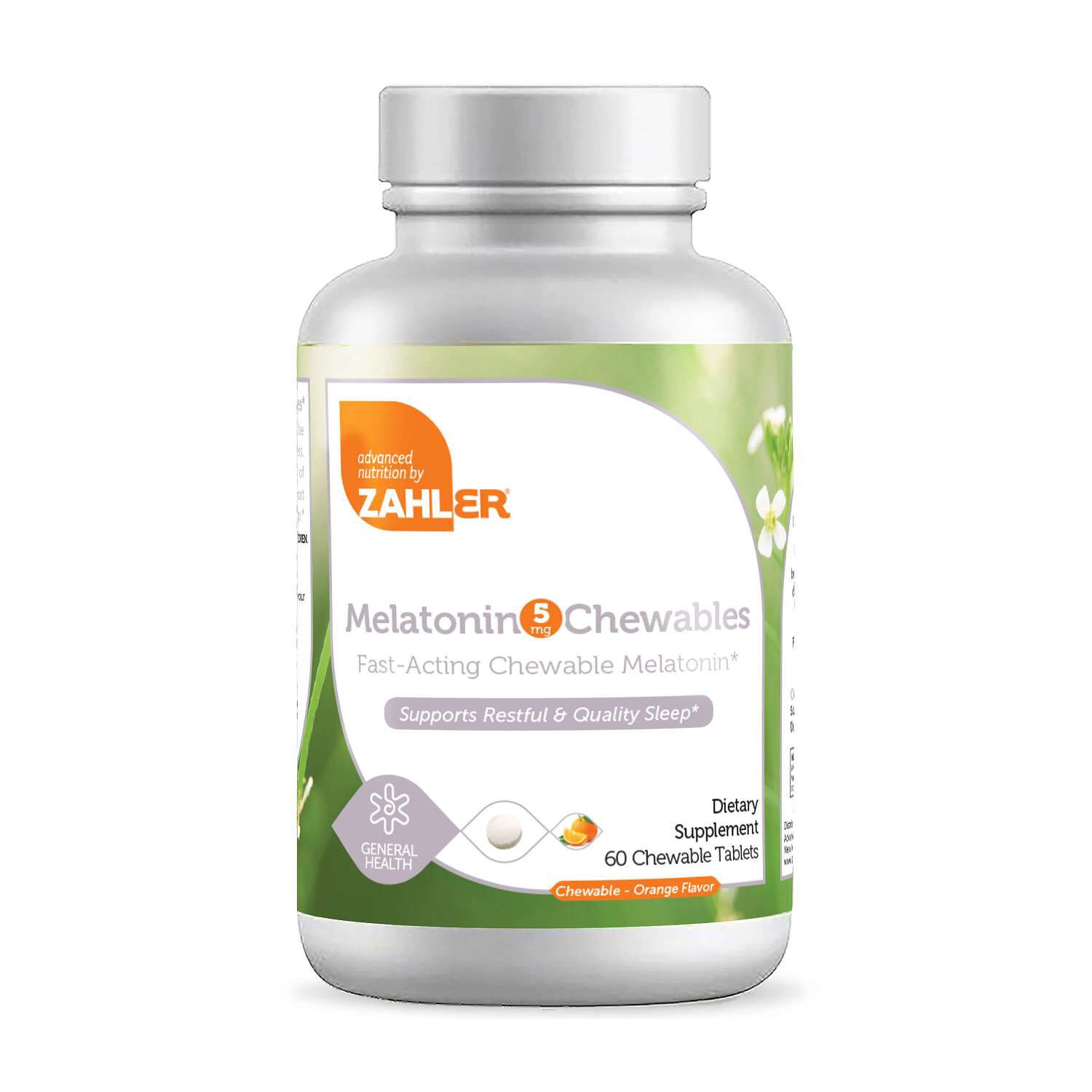 $13.99
-

-

-
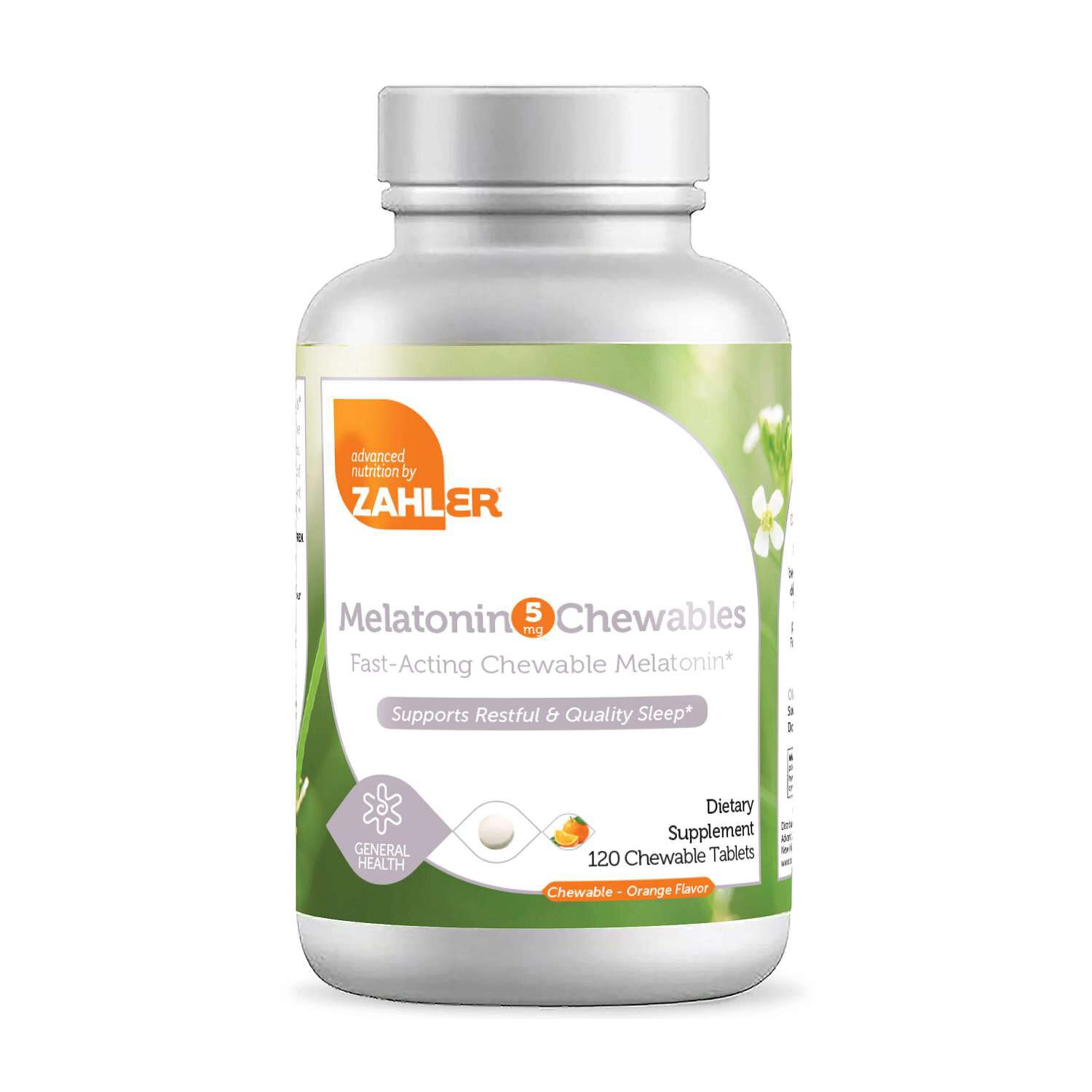 $17.99
-
 Angry Supplements$14.99

Melatonin for travel describes supplements intended for nighttime routines when a trip takes someone away from a familiar sleep schedule. Melatonin is a hormone naturally produced by the body and associated with the sleep-wake cycle; supplemental melatonin comes in several forms, including tablets, capsules, gummies, and liquids. For adults browsing this category, the practical question is often how a supplement might fit into an established routine while traveling. A hotel room after a long flight, a guest bedroom during a family visit, and a different bedtime on a business trip all create a different setting from home. Crossing time zones can also put the destination’s clock out of step with familiar bedtime cues. Melatonin may complement a nighttime routine in these situations, but the format, ingredients, label directions, and storage requirements deserve attention alongside the reason for the trip. A familiar evening can involve small details: putting away a laptop, closing the curtains, setting out clothes for the next day, and having personal toiletries within reach. A supplement may be one part of that setting rather than the defining feature of it. Travelers also have different preferences about what belongs in a carry-on or overnight bag. Someone who already uses tablets at home may prefer a similar format away, while another shopper may be more comfortable with a chewable option. Neither preference establishes how a supplement will suit every traveler. Trip length, access to drinking water, luggage space, and the ability to keep a container securely stored are useful considerations when comparing formats. An overnight work visit calls for different packing decisions than an extended stay with several hotel changes. The most relevant comparison is therefore not simply which package looks most travel-oriented, but which labeled format matches the traveler’s existing preferences and the practical details of the itinerary. Those details help distinguish a portable supplement from one that is merely packaged in a small bottle.
When comparing melatonin for travel, the Supplement Facts panel and directions provide a clearer picture than the front of the package alone. The amount of melatonin per serving, the number of tablets or gummies in a serving, and any additional ingredients are separate details worth reviewing. A single piece is not necessarily the same as a labeled serving, and similar-looking containers can describe different serving sizes. Tablet dimensions and capsule size also matter to shoppers who have established preferences about what they swallow. Gummies introduce other considerations, including flavor, texture, sugar content, and the ingredients used to create their shape and consistency. Chewable and dissolving formats have their own directions, so their names should not be treated as interchangeable descriptions. Liquid formats involve a container and a measuring method, both of which occupy space and require attention during packing. For any format, ingredient preferences may include gelatin sources, plant-based capsule materials, sweeteners, colors, and flavorings. Allergen statements and other label information provide additional context for comparing formulas. Products with melatonin as the only listed supplemental ingredient differ from blends that include other ingredients, even when both are presented for nighttime use. The full ingredient list is therefore part of understanding what is in the container, not an incidental detail. Package quantity matters for travel planning, too: the number of servings and the container’s dimensions answer different questions about luggage space. A compact bottle may be convenient to organize, while a larger container can occupy more room than expected in a toiletry pouch. Individually enclosed formats, where offered, have different opening and storage requirements from a bottle used repeatedly throughout a trip. For shoppers specifically interested in tablets, Melatonin Tablets For Summer Sleep Support provides a related collection to explore. Across formats, thoughtful comparison centers on readable labeling, familiar handling, ingredient preferences, and intended use rather than treating all melatonin supplements as equivalent. A clear view of those details makes the category easier to navigate without relying on package imagery alone.
Travel also puts everyday packaging through handling that a bedside drawer does not. A bottle may move between a suitcase, a hotel cabinet, and an overnight bag several times during one itinerary. Secure closures, intact seals, and legible labels matter in that setting. The container needs to remain identifiable, and its storage directions remain relevant after it leaves the house. Moisture and repeated handling may affect a supplement’s condition, so bathroom counters and loosely closed toiletry bags deserve consideration when deciding where a container will stay. Keeping supplements in their labeled packaging preserves access to the ingredient list, directions, serving information, and expiration date. It also keeps those details together if the itinerary changes or a bag needs to be reorganized. A small pouch can separate the bottle from items that might leak, while a designated storage spot can keep it from disappearing among chargers, receipts, and travel-size toiletries. Child-resistant packaging does not replace secure storage away from children, particularly in shared accommodations or during visits with family. For flights, liquid and gel formats can involve additional carry-on requirements, and destination rules for supplements may differ from those at home. Airline, airport, and destination requirements are separate from the directions printed on a supplement label. These practical differences matter whether the trip involves one overnight stop or several destinations. The same attention applies after arrival: a clearly labeled container, an appropriate storage location, and access to its directions remain useful throughout the stay. Melatonin for travel is best understood as a supplement category with several formats and individual considerations, not as a uniform answer to every unfamiliar bedtime. For adults considering it as part of an existing nighttime routine, the most useful distinctions are concrete ones: what the formula contains, how the format is used according to its label, how it fits into luggage, and how it will be stored away from home. Those details keep the focus on informed product comparison and the realities of travel.
- Q: What is melatonin and why do people consider it for travel?
A: Melatonin is a hormone that the body naturally produces, and some travelers may choose melatonin supplements as part of their routine when adjusting to new time zones or changing sleep schedules. - Q: How might melatonin fit into a travel routine?
A: Some individuals include melatonin in their travel plans to support their regular bedtime habits, especially when crossing multiple time zones. - Q: When do travelers typically take melatonin during a trip?
A: Travelers may choose to take melatonin close to their desired bedtime at their destination, as part of their efforts to adjust to a new schedule. - Q: Can melatonin be used alongside other travel wellness practices?
A: Many people combine melatonin with other habits like staying hydrated, getting sunlight, and maintaining consistent sleep routines while traveling. - Q: Are there different forms of melatonin available for travelers?
A: Melatonin supplements are available in various forms such as tablets, gummies, and liquids, which some travelers find convenient for packing and use on the go.
