Melatonin Gummies For Sensitive Diets
(0 Results)
Melatonin gummies for sensitive diets may offer a convenient way to support your evening routine while keeping dietary preferences in mind. These gummies are crafted to fit a variety of lifestyles and may be a gentle option for those who are mindful of certain ingredients. Whether you follow specific dietary guidelines or simply seek a product that aligns with your needs, exploring melatonin gummies for sensitive diets could be a thoughtful choice as you wind down at the end of the day.

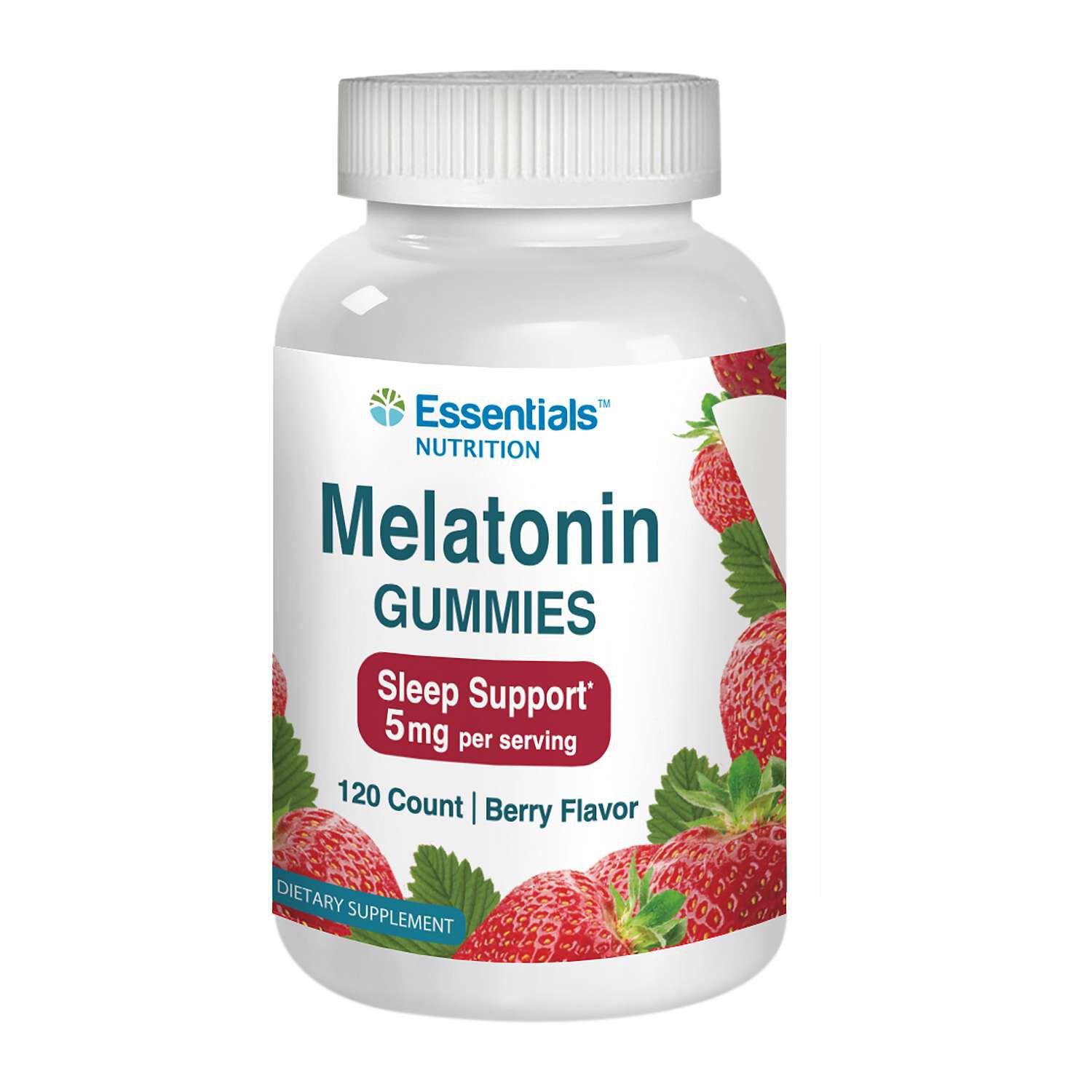
Melatonin gummies for sensitive diets are chewable dietary supplements made with ingredient preferences and dietary restrictions in mind. Depending on the formula, these preferences may include avoiding gelatin, milk ingredients, wheat, soy, certain sweeteners, or artificial colors and flavors. The phrase “sensitive diets” does not describe one standard formula, so the ingredient list matters more than a broad description on the front of a bottle. A gummy made without gelatin is not necessarily vegan, and a vegan gummy does not automatically meet every other dietary requirement. For adults considering melatonin as part of a bedtime routine, the dietary fit involves both the melatonin serving and the ingredients that give the gummy its shape, flavor, and texture. Pectin, a plant-derived gelling ingredient commonly sourced from fruit, is one alternative to animal-derived gelatin. It gives manufacturers a way to create a chewy format without using gelatin, although the rest of the formula still needs a separate look. Sweeteners, flavorings, color sources, coatings, and additional active ingredients all contribute to the finished gummy. Someone who avoids milk ingredients may focus on a different part of the label than someone who follows a vegan eating pattern or limits added sugar. A household with several dietary preferences may also need to distinguish between a product’s ingredient statement and information about shared manufacturing equipment. These are different pieces of information, and neither should be assumed from the gummy’s appearance or flavor. A berry-shaped gummy, for example, says little about its gelling agent or how its fruit flavor was produced. Clear labeling makes these distinctions easier to understand. In this category, useful details include the amount of melatonin per serving, the number of gummies in that serving, the full ingredient list, and any relevant dietary certifications. Together, those details offer a more meaningful picture than flavor, color, or a short description alone.
The gummy base is an important consideration because it accounts for much of the product’s eating experience and dietary suitability. Pectin and gelatin create different textures, and the exact chew also depends on moisture, sweeteners, and other formulation choices. Pectin-based gummies often have a tender, jellylike bite, while gelatin formulas can have a more elastic chew; neither texture identifies every ingredient in the bottle. For a closer look at this particular formulation preference, Melatonin Gummies Without Gelatin focuses on the absence of that animal-derived gelling ingredient. A vegetarian or vegan preference still calls for attention to other components, including beeswax, which can appear in gummy coatings. Sweetening systems deserve similar attention. Some formulas use sugar or glucose syrup, while others use alternative sweeteners or sugar alcohols. Added sugar, carbohydrate content, and the source of a sweetener are separate considerations, so a choice based on one does not necessarily address the others. For someone avoiding corn-derived ingredients, for instance, the absence of corn syrup would not establish the source of every other component. Ingredient sources that are not clear on the package may require additional manufacturer information. Flavor descriptions also deserve a closer reading: “natural flavor” does not, by itself, identify all source materials or establish suitability for a particular restriction. Fruit and vegetable juices may supply color in some formulas, while other gummies use different coloring ingredients. Likewise, a fruit-flavored gummy is not nutritionally interchangeable with fruit. The Supplement Facts panel and ingredient statement provide the relevant context for what is actually in a serving. For dietary requirements involving gluten, milk, or soy, explicit labeling and relevant certification are more informative than an assumption based on a plant-based appearance. Manufacturing statements add another layer of context, especially when ingredients someone avoids may be handled at the same facility. When that information is absent, the absence of a statement should not be treated as confirmation about manufacturing conditions.
Beyond ingredient exclusions, the intended use and practical details of melatonin gummies help distinguish one formula from another. These products belong to the dietary supplement category, not the candy aisle, even when they have a familiar fruit flavor or sugar-dusted surface. Their intended place is within a bedtime routine, and the package’s age designation, directions, and warnings are important parts of that context. A gummy format may appeal to adults who prefer a chewable supplement rather than a tablet or capsule, but texture and taste are only part of the comparison. The melatonin amount shown on a label may refer to a serving of more than one gummy. Reading the serving size alongside that amount helps avoid confusing the contents of a single piece with the contents of the labeled serving. A larger number on the front of a bottle is not, by itself, a reason to favor one formula. Some gummies contain melatonin as their only listed active ingredient, while others combine it with botanicals or additional nutrients. Those combinations create a different ingredient profile and deserve their own review rather than being treated as equivalent to a simpler formula. Bottle count can also be misleading without the serving size: the number of pieces is not always the number of servings. Packaging and storage matter for a chewy product, too. A container that closes securely and a clearly printed expiration date are useful everyday details, and the storage directions describe how the manufacturer intends the gummies to be kept. Their candy-like appearance makes storage out of children’s reach particularly important. For adults managing a detailed dietary checklist, retaining the original packaging also keeps ingredients, directions, and manufacturing information close at hand. Preferences and formulas can differ enough that familiar flavors or similar bottle designs are not substitutes for reading the label. A thoughtful comparison brings the key details together: dietary compatibility, a clearly stated serving, an understandable ingredient list, and packaging information that remains useful throughout the product’s use.