Melatonin Gummies With No Dairy
(0 Results)
Melatonin gummies with no dairy offer a convenient way to support your nighttime routine while fitting into a dairy-restricted lifestyle. These gummies may be a popular choice for those looking to avoid dairy ingredients as part of their wellness journey. Explore a variety of options that could align with your dietary preferences and help you prioritize your evening wind-down.

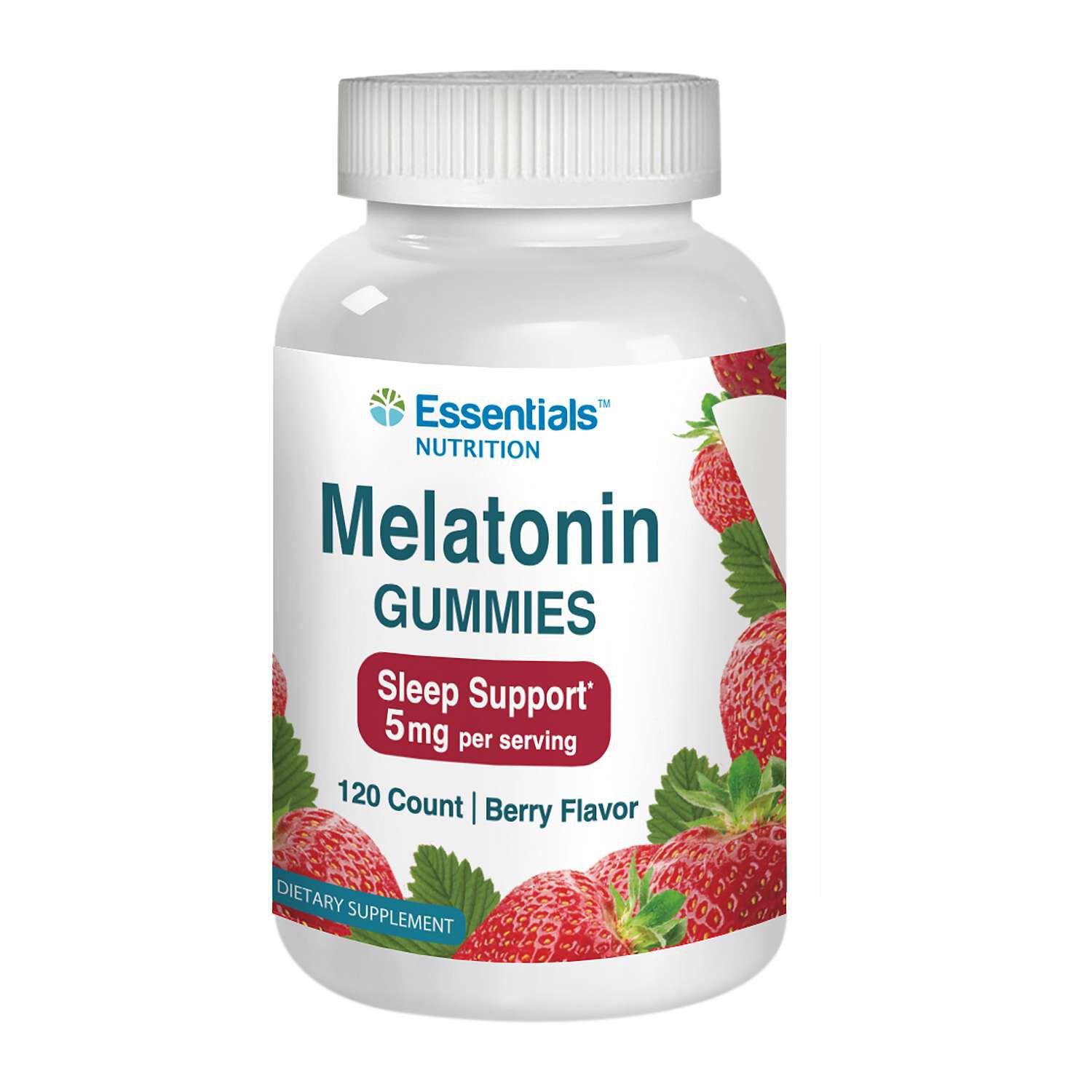
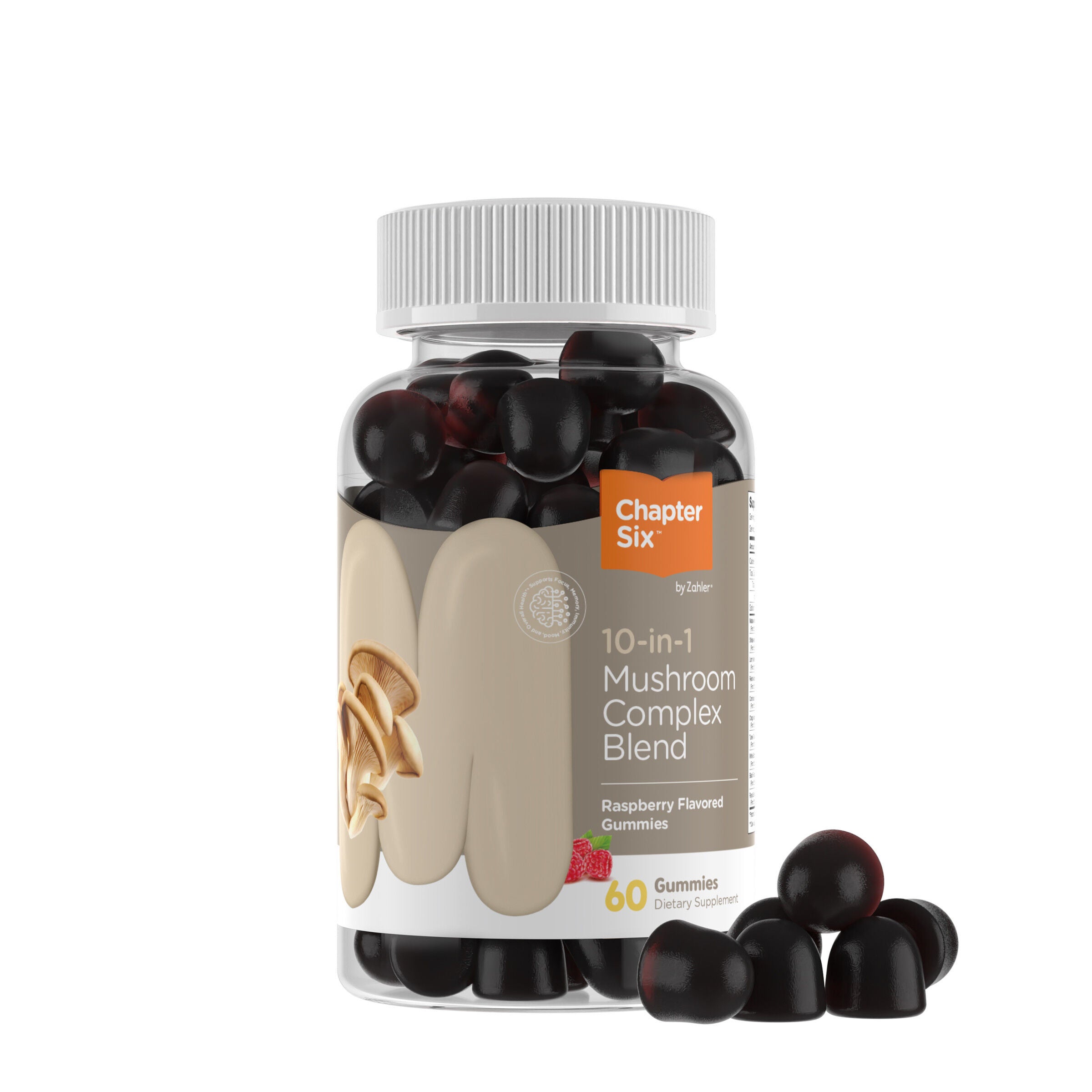
Melatonin gummies with no dairy are chewable melatonin supplements made without dairy ingredients, offering a format for adults who prefer to keep milk-derived ingredients out of their supplement routine. Many gummy formulas use pectin or gelatin to create their texture rather than milk-based ingredients, but the gelling ingredient alone does not establish whether a finished product contains dairy. The full ingredient list and allergen labeling provide a more useful picture than the flavor name, color, or appearance of a gummy. Milk, whey, casein, and milk powder are examples of ingredients that matter when comparing formulas in this category. A fruit-flavored gummy is not automatically made without dairy, and a soft, creamy-looking chew does not reveal its composition on its own. Statements about shared equipment or manufacturing facilities offer additional context beyond the recipe itself; a formula made without milk ingredients and one produced without shared dairy-processing equipment describe different attributes. For shoppers avoiding all milk-derived ingredients, a lactose-focused statement also answers a narrower question than a statement addressing dairy ingredients as a whole. These distinctions make precise labeling particularly relevant to this collection. Melatonin is a hormone naturally produced by the body and is also sold as an ingredient in dietary supplements intended for bedtime routines. In gummy form, it is combined with ingredients that provide structure, sweetness, flavor, and color. Those supporting ingredients are an important part of choosing a formula that fits personal food preferences. Someone who already checks plant-based beverages, snack bars, and pantry staples for dairy ingredients may bring the same attention to a bottle of gummies. The most informative comparisons account for the entire formula rather than treating the word “gummy” as a dietary designation. Clear ingredient information, a readable Supplement Facts panel, and specific dairy-related labeling help distinguish products that otherwise look quite similar on the shelf.
Beyond dairy ingredients, melatonin gummies vary in their gelling agents, flavor profiles, sweeteners, and serving sizes. Pectin is a plant-derived ingredient used to create a gel, while gelatin comes from animal sources. Neither ingredient is itself a milk ingredient, so a gummy made with gelatin can still contain no dairy. Conversely, a pectin-based gummy is not automatically vegan, since other ingredients in the formula may come from animal sources. Shoppers comparing both attributes can explore Melatonin Gummies Without Gelatin, while checking each formula separately for dairy ingredients. Texture is another meaningful point of comparison: some gummies have a tender, jelly-like bite, while others are firmer or more elastic. The gelling system, moisture content, and coating all contribute to those differences, so pectin or gelatin alone does not tell the whole texture story. Fruit flavors, tart notes, and sugar coatings create distinct taste profiles, and the ingredient list identifies the sweeteners used to achieve them. Added sugars and sugar alcohols are separate label details worth distinguishing rather than grouping together simply as sweetness. On the Supplement Facts panel, the serving size establishes how many gummies correspond to the listed amount of melatonin. A bottle listing an amount per two-gummy serving is not directly comparable to one listing an amount per single gummy unless that difference is taken into account. Bottle count and servings per container are likewise different measurements: the number of pieces does not necessarily equal the number of labeled servings. A larger melatonin amount is a different formulation attribute, not an automatic mark of better quality or a better personal fit. Some formulas feature melatonin as the only listed dietary ingredient, while others include additional vitamins, minerals, or botanical ingredients. Those combinations deserve the same ingredient-by-ingredient attention as the gummy base. For a shopper seeking a straightforward formula, a shorter list may be preferable; someone with multiple dietary preferences may place greater importance on clearly stated sourcing and ingredient details.
The practical appeal of melatonin gummies with no dairy lies partly in how they fit an adult’s existing supplement preferences. A chewable format may suit someone who prefers gummies to tablets or capsules, while individual packaging details can make one bottle more convenient to store and handle than another. These products are dietary supplements, not confectionery, even when their shapes and fruit flavors resemble familiar sweets. Intended age information, package directions, and storage instructions remain important parts of the product description. For a household with several adults, keeping each supplement in its original, clearly labeled container preserves the connection between the gummies, their ingredients, and their directions. It also keeps the serving information and date markings accessible instead of separating the product from details printed only on the bottle. A designated storage space out of children’s reach is more appropriate than a shared candy dish or an unlabeled kitchen jar. Texture and condition matter over time, too. Gummies can stick together, lose moisture, or change consistency when stored contrary to their package instructions. A securely closed lid and handling that keeps moisture out of the container may help preserve their intended texture. The printed storage directions and expiration information provide product-specific context that a general description cannot replace. For someone organizing a bedside cabinet or a designated supplement shelf, container dimensions, closure style, and label readability are practical considerations alongside flavor and ingredient preferences. A compact bottle may suit a smaller storage space, but readable directions and intact original packaging still matter. Because melatonin supplements involve personal ingredient preferences and individual routines, they are generally a more personal purchase than a casual gift. Choosing within this category is therefore less about an appealing gummy shape and more about finding transparent labeling, an acceptable ingredient list, and a format that matches the intended adult user’s preferences. Dairy ingredients, gelatin content, serving information, and storage requirements each answer a different part of that comparison, giving this collection a useful focus beyond flavor alone.