

Melatonin Recovery Supplements
(0 Results)
Melatonin recovery supplements could be a helpful addition to your wellness routine when looking to support restful nights and post-activity recovery. Designed for those with active lifestyles or anyone seeking a more balanced approach to winding down, these supplements may offer a convenient way to prioritize rest and relaxation. Explore a wide selection of melatonin recovery supplements that may fit seamlessly into your daily regimen and help you feel ready for whatever comes next.
-

-

-

-

-

-
-
 Purity Products$19.99
 -
 $13.99
 -
 $17.99
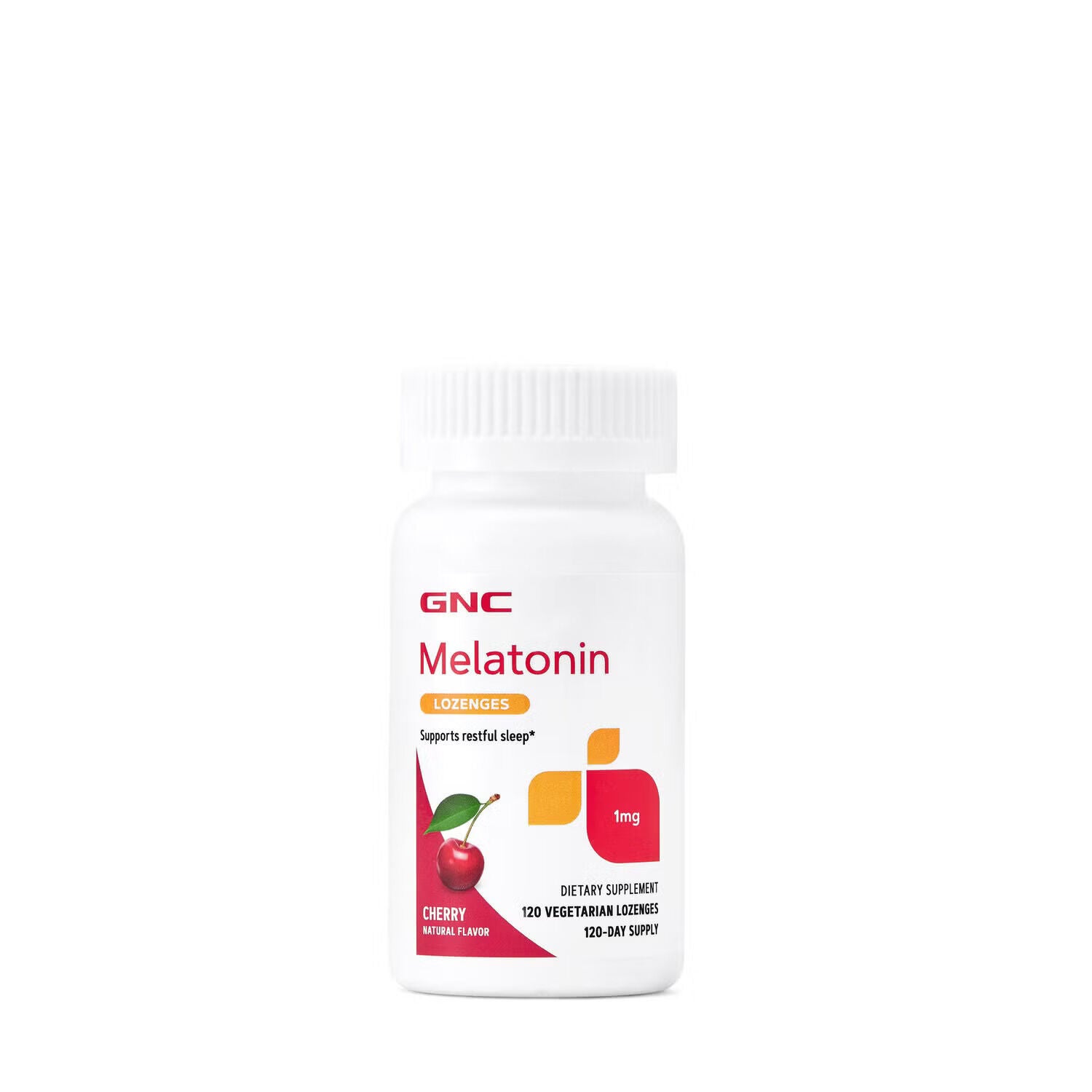
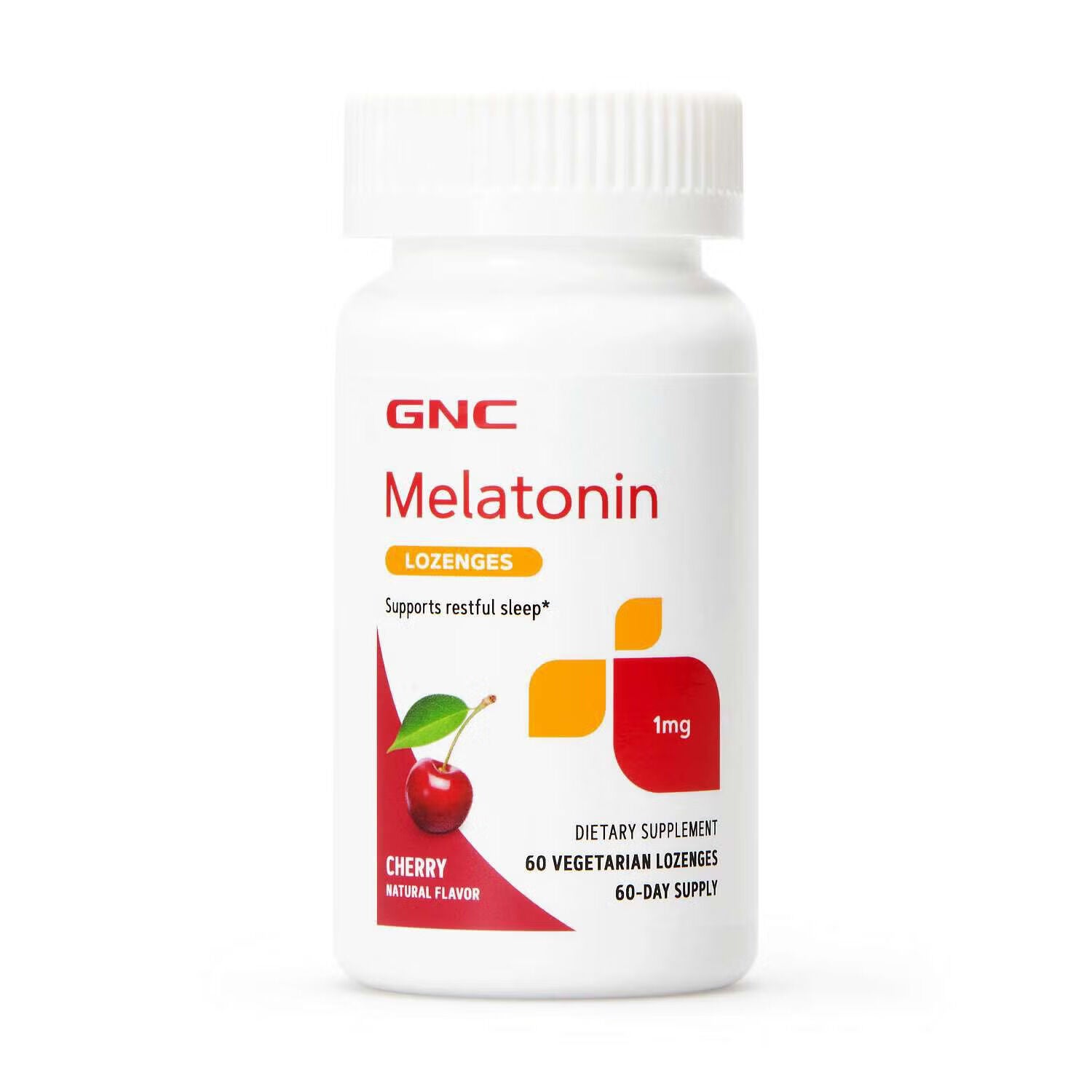

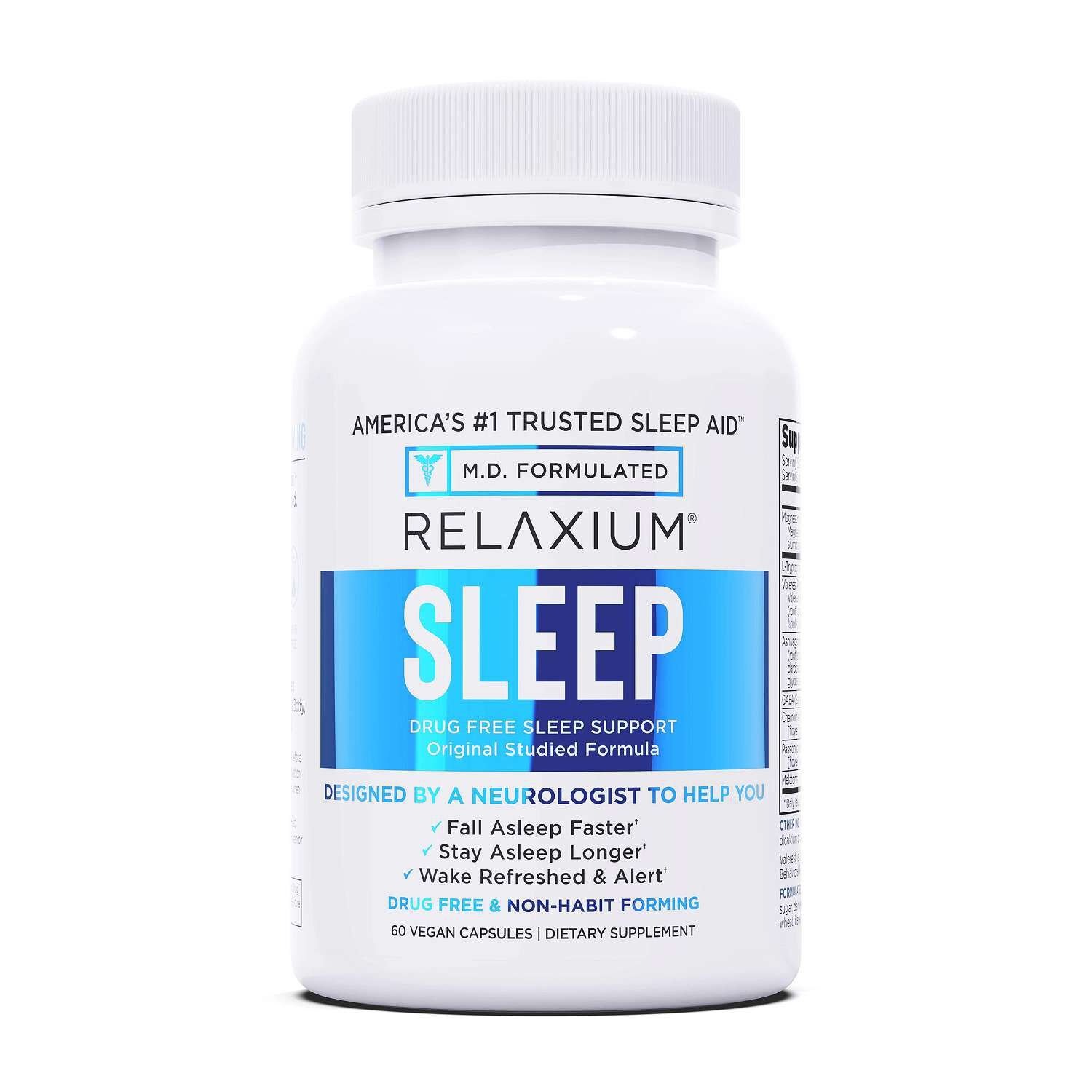
Melatonin recovery supplements bring a bedtime focus to a category often associated with workouts, active days, and the downtime that follows them. Melatonin is a hormone naturally produced by the body and involved in the sleep-wake cycle. In supplement form, it may support occasional rest as part of an evening routine. Within this category, formulas can pair melatonin with ingredients such as magnesium, L-theanine, or tart cherry extract, bringing several components together in a capsule, tablet, gummy, or drink mix. The word “recovery” describes the intended place of these supplements in a rest-focused routine; it does not mean that every formula contains the same ingredients or serves the same purpose. A melatonin blend is distinct from a protein powder, an electrolyte drink, or a post-workout shake, even when each has a place in the same shopper’s cabinet. For adults who organize their days around strength training, recreational sports, or regular movement, the appeal may be a supplement format intended for the quieter part of the day rather than another addition to a gym bottle. Picture the stretch of an evening after the training shoes are put away, dinner is finished, and tomorrow’s bag is packed: that is the setting these products are designed around. Their relevance is not limited to competitive athletes, and training intensity alone does not determine which formula fits an individual’s preferences. Some shoppers want a short ingredient list centered on melatonin, while others prefer a blend with several clearly identified ingredients. Neither a longer list nor a larger melatonin amount automatically makes a formula a better match. The meaningful distinctions lie in the labeled serving, the form of each ingredient, the delivery format, and the product’s stated intended use. Those details give melatonin recovery supplements their identity beyond a broad nighttime label.
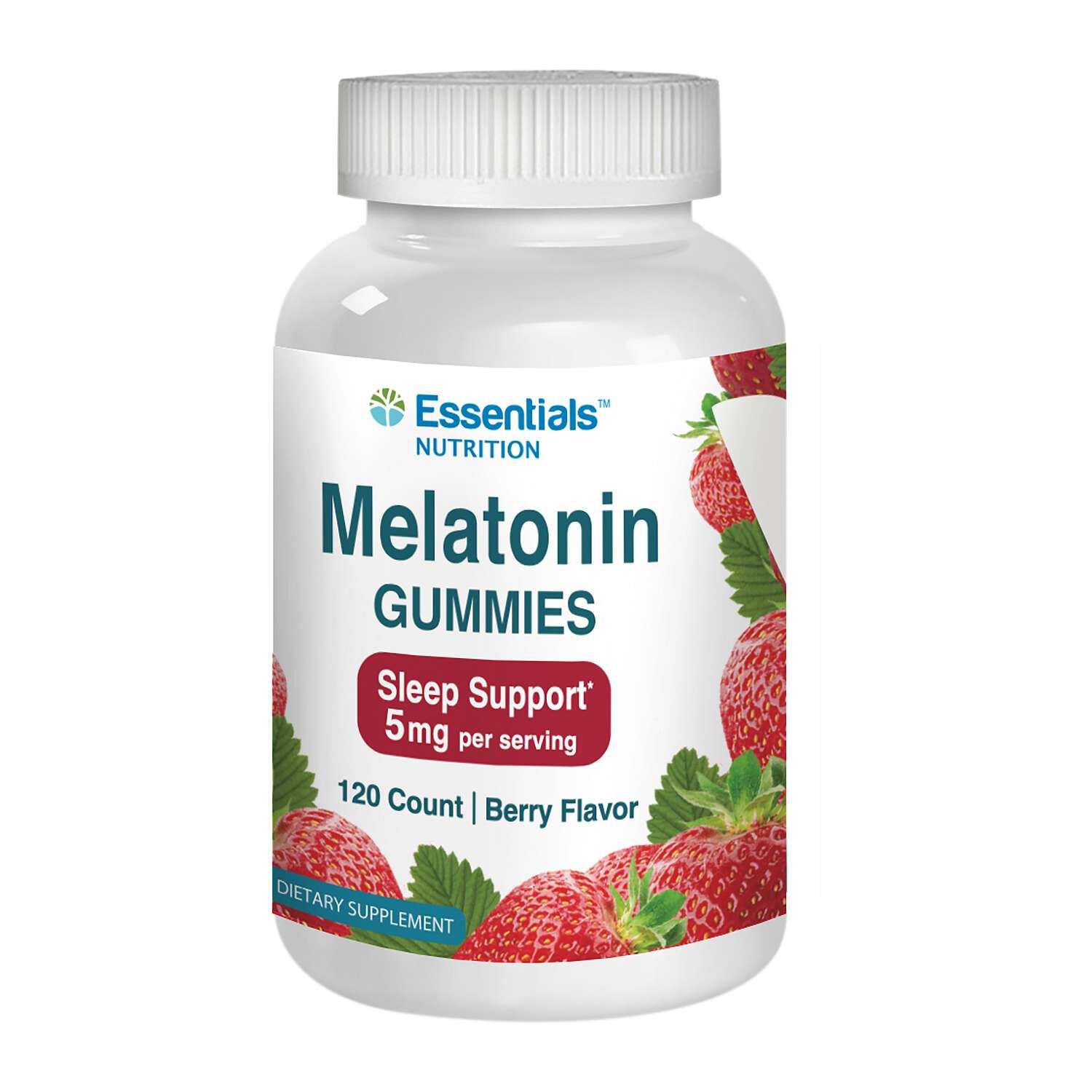
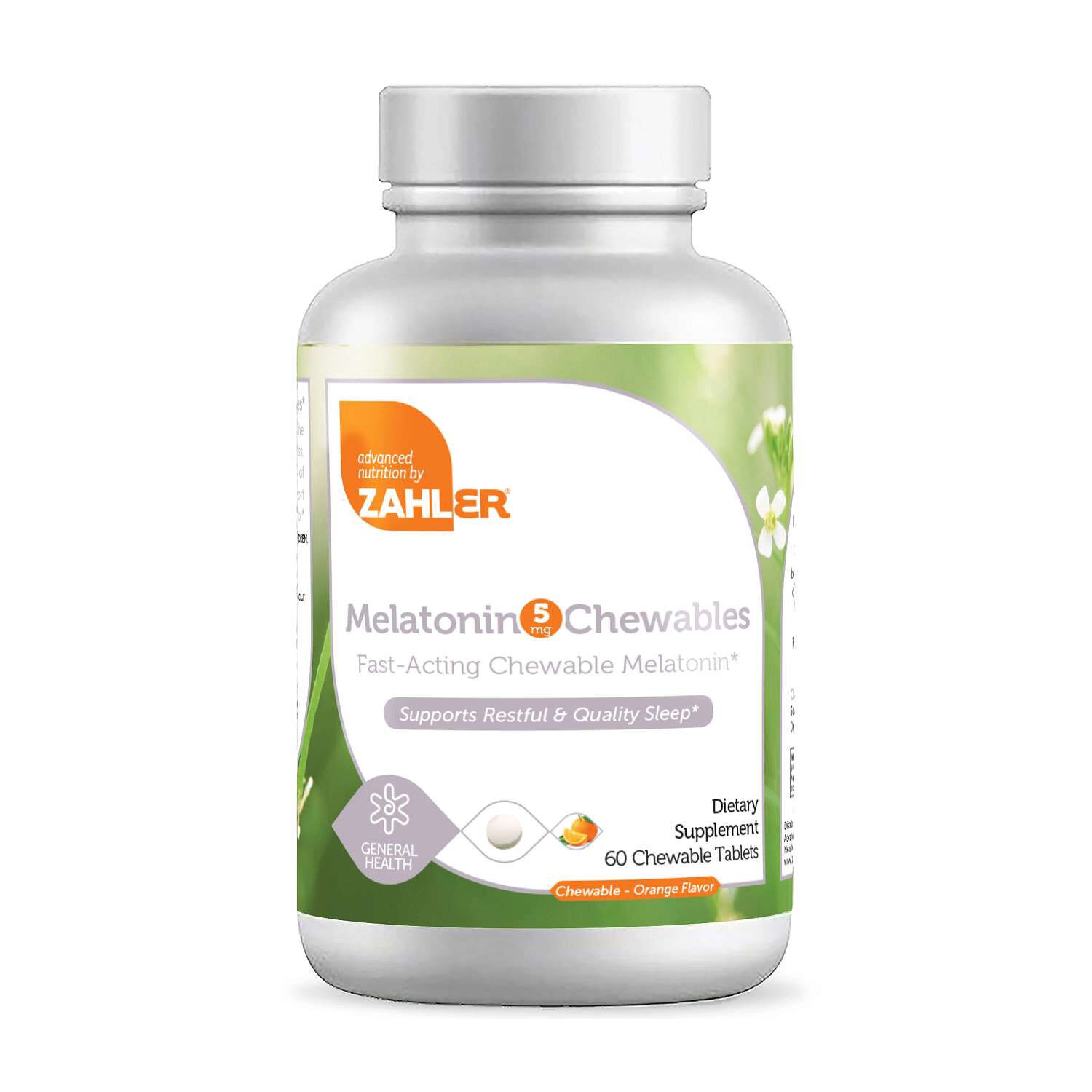
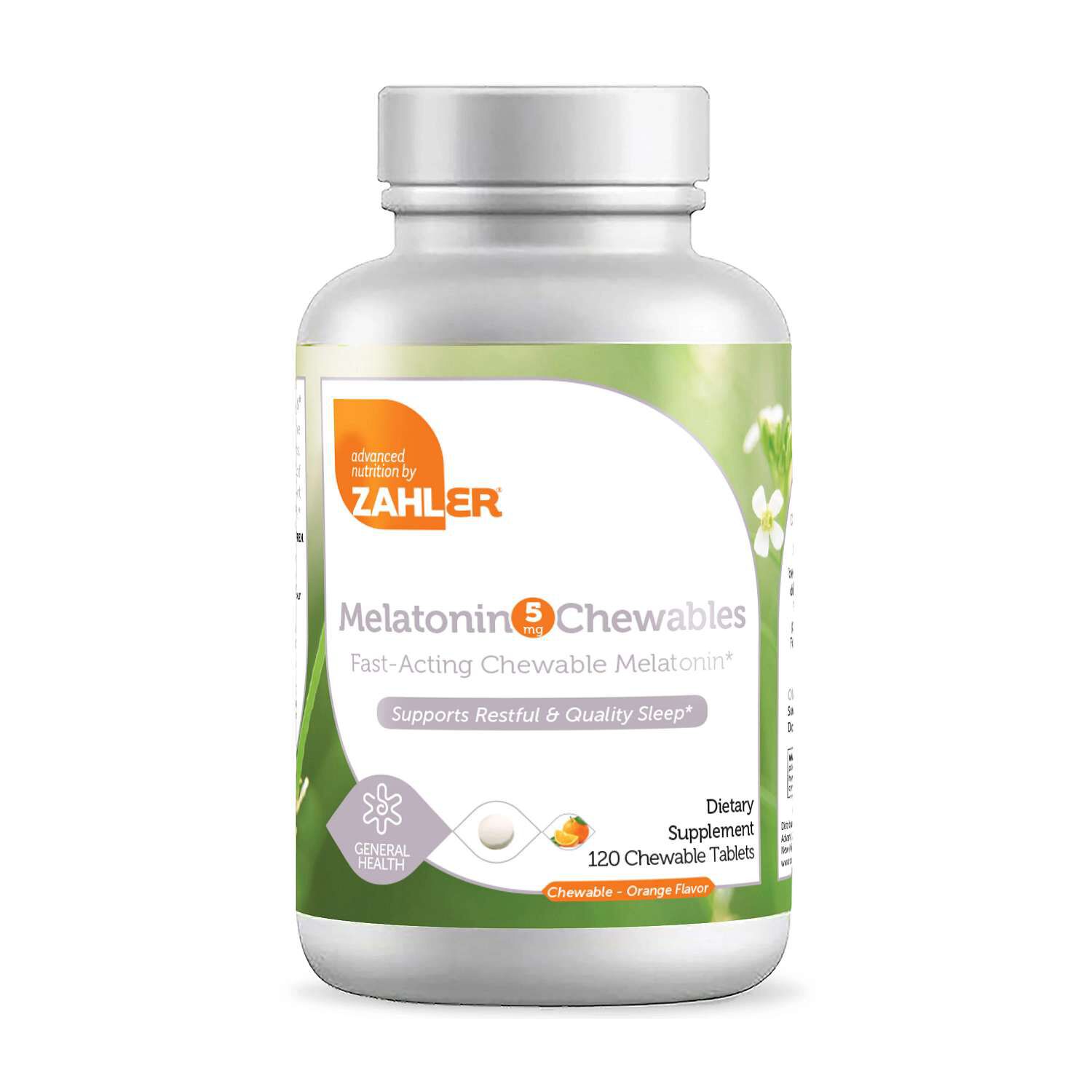
Format makes a noticeable difference in the everyday experience of a melatonin recovery supplement, from its taste and texture to how it fits into an established routine. Capsules generally offer a straightforward format without a beverage to prepare, and their shells may be made from gelatin or plant-derived materials. Tablets can differ in size, shape, coating, and whether they are intended to be swallowed or chewed, so two bottles with similar front labels can feel quite different to use. Gummies place more emphasis on flavor and texture, with ingredients such as pectin or gelatin contributing to their structure. Their serving size may include more than one gummy, and the amount of melatonin listed per serving is not necessarily the amount in a single piece. Sweeteners, added sugars, colors, and flavoring ingredients are additional points of distinction for shoppers with specific dietary preferences. Powdered blends introduce another set of practical details: serving measurements, preparation directions, beverage volume, and the presence of flavored or unflavored ingredients. A powder may appeal to someone who enjoys preparing an evening drink, while a capsule may suit someone who prefers fewer preparation steps. Individually packaged servings and larger containers also create different experiences in a cupboard or an overnight bag, although packaging alone says nothing about a formula’s suitability. Taste matters most with chewable and drinkable formats, where fruit notes, sweetness, and mouthfeel can influence personal preference. A smooth drink and a chewy gummy offer very different sensory experiences, even if both contain melatonin. Ingredient blends deserve the same close attention as format. Magnesium may appear in different forms, and tart cherry ingredients may be listed as juice powder, fruit powder, or extract. Those descriptions are not interchangeable, and the amount and identity of each ingredient provide more useful context than the number of ingredients on the front panel. A formula’s character comes from the combination of its contents, serving structure, and preparation requirements—not simply from being presented as a nighttime blend.
Label detail adds another layer of context when comparing melatonin recovery supplements. The Supplement Facts panel identifies serving size and declared ingredient amounts, while the other-ingredients list describes components used for flavor, texture, coating, and capsule construction. Milligrams and micrograms are different units, making the unit beside an amount just as important as the number itself. Similarly, the number of capsules or gummies in a container is separate from the number of labeled servings it contains. A blend that groups ingredients under a shared amount provides different information from one that lists each ingredient’s amount individually. Clear labeling can make those distinctions easier to understand without relying on a product name or package imagery. Dietary preferences also extend beyond the featured ingredients: capsule materials, sweeteners, and allergen statements may matter to someone comparing otherwise similar formulas. For shoppers interested in the broader category, Sleep Recovery Supplements offers a related theme that is not defined solely by melatonin. That distinction matters because a sleep-focused supplement and a melatonin-containing supplement are not necessarily the same thing. Practical ownership details matter, too. Storage directions, closure design, and expiration dating belong alongside ingredient information when considering how a container will fit into daily life. A bottle kept in its original packaging retains its serving directions and ingredient details; loose servings in an unmarked pouch do not offer that same reference. Gummies, powders, tablets, and capsules can have different storage requirements, so their labels remain the source for product-specific handling information. For a household with shared shelves, recognizable packaging and a designated storage location can also make organization simpler. These are personal-use supplements rather than a casual addition to a shared snack drawer or an assumed gift for anyone who enjoys exercise. The most useful comparison stays grounded in what each formula actually contains and how it is intended to be used. Across melatonin recovery supplements, a clearly described serving, a preferred format, and transparent ingredient information offer a more concrete basis for browsing than athletic imagery or an elaborate blend name.