

Melatonin Supplements For Bedtime Routine
(0 Results)
Creating a calming bedtime routine could be easier with melatonin supplements for bedtime routine. These supplements may offer a convenient addition to your nightly wind-down, supporting those looking to maintain healthy sleep habits. Explore a variety of options that might fit seamlessly into your evening rituals, helping you prioritize rest and relaxation as part of your overall wellness journey.
-

-

-

-

-

-
-
 Purity Products$19.99
 -
 $13.99
 -
 $17.99
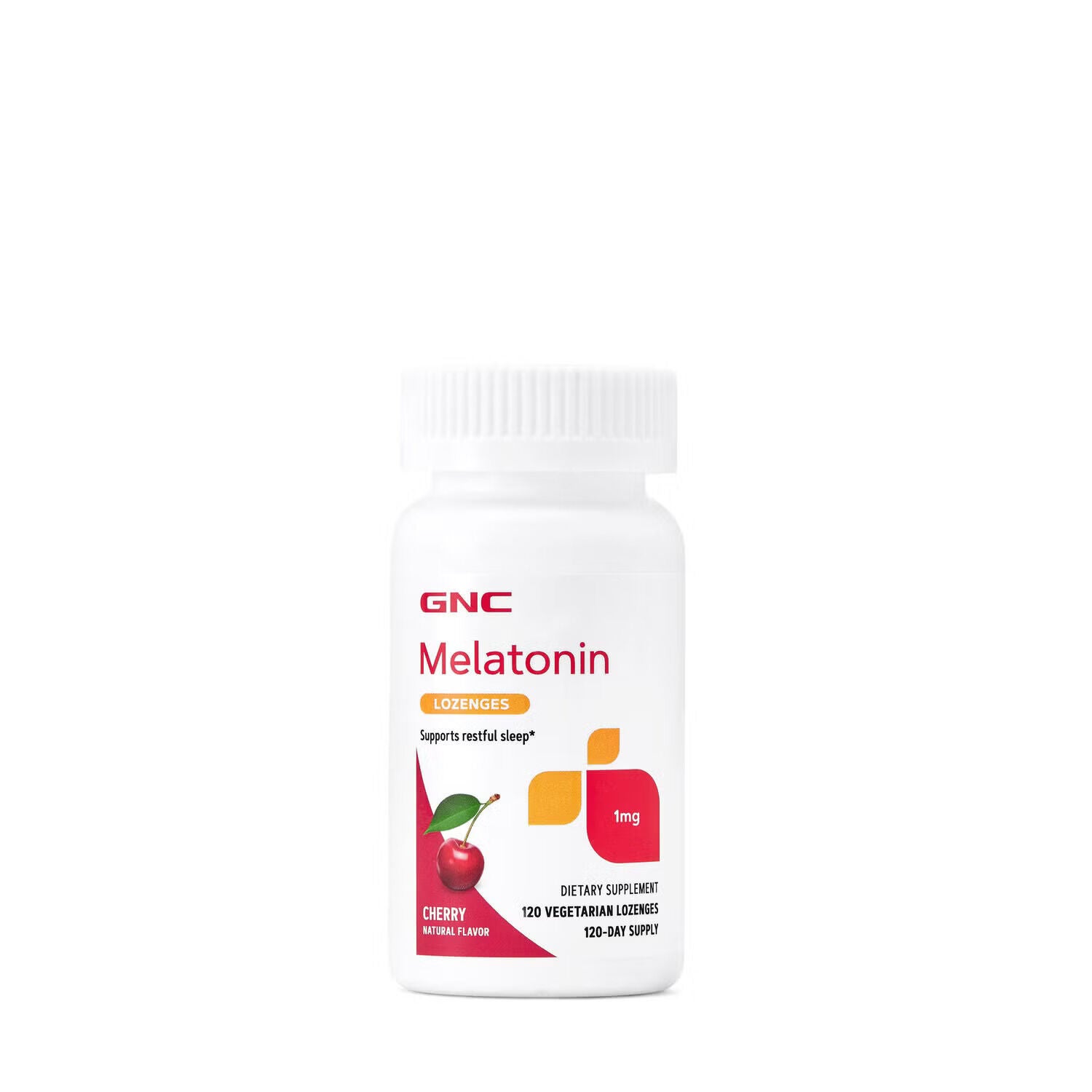
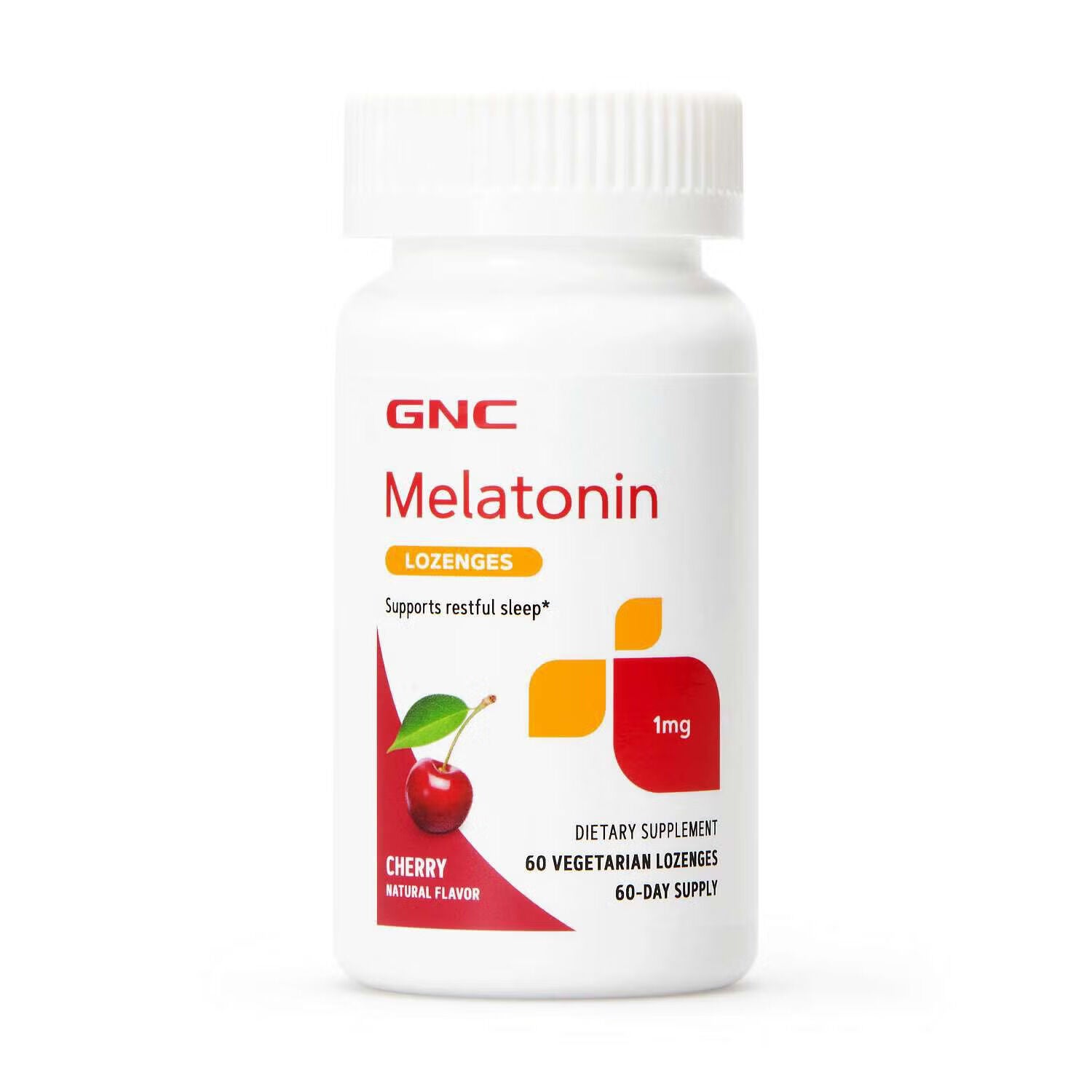

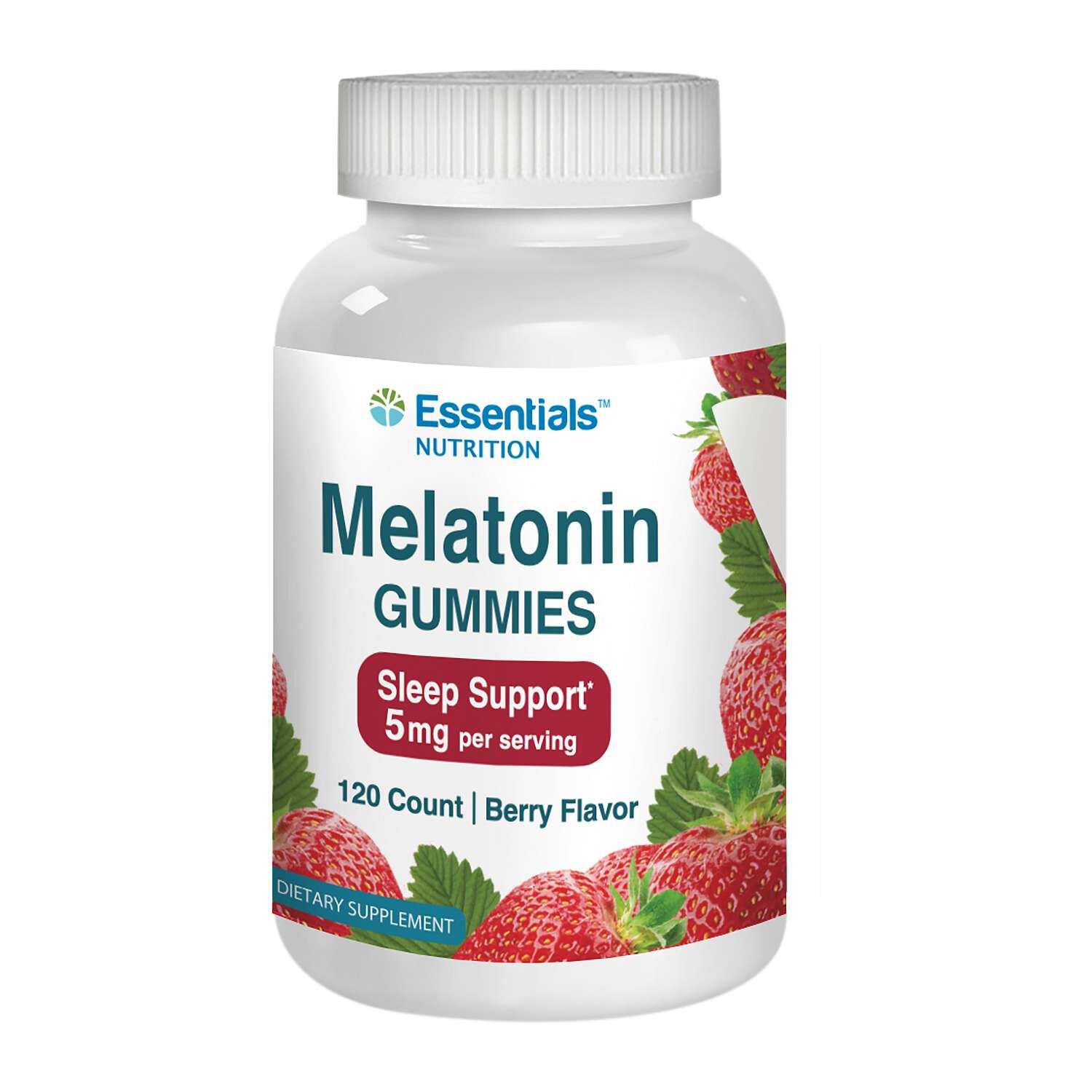
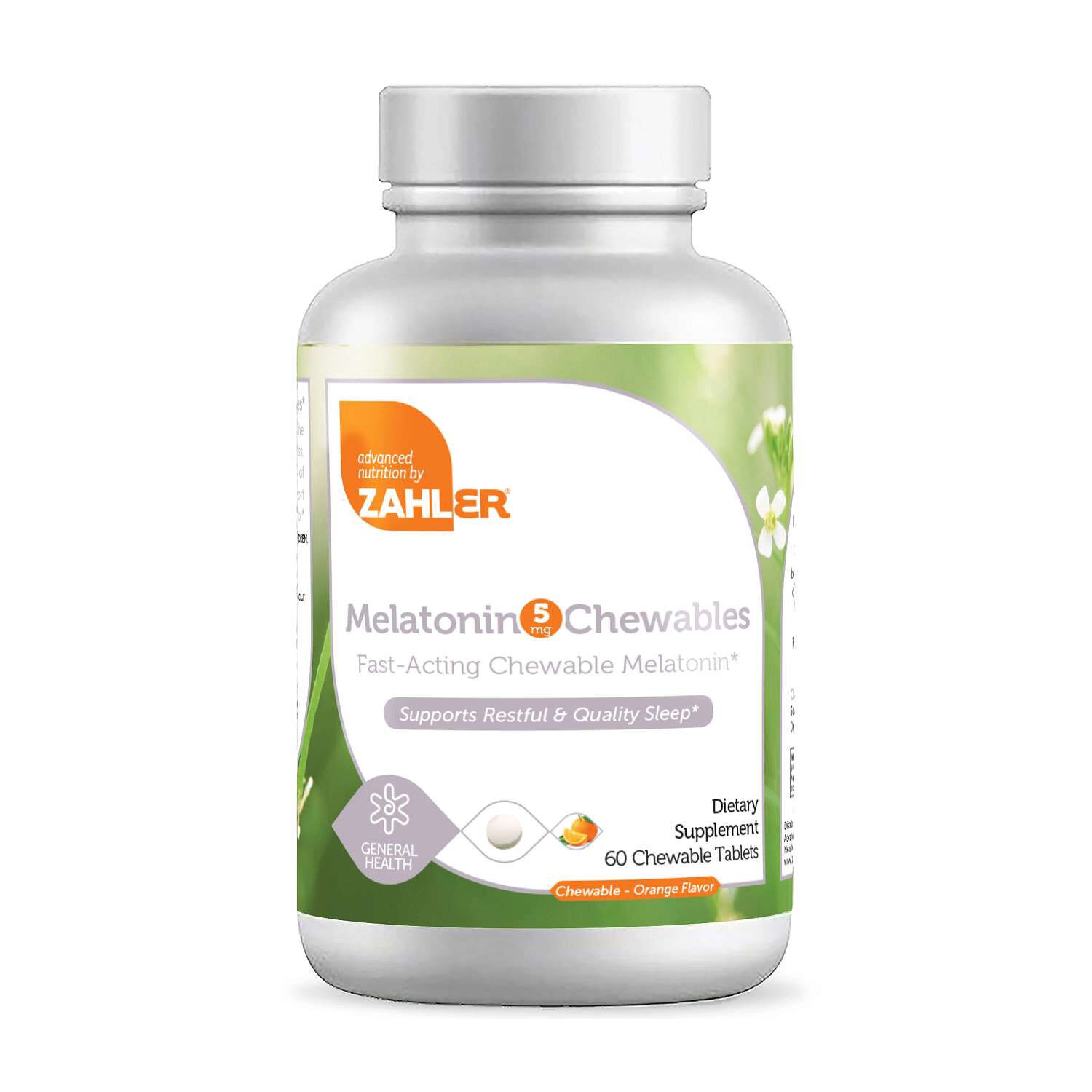
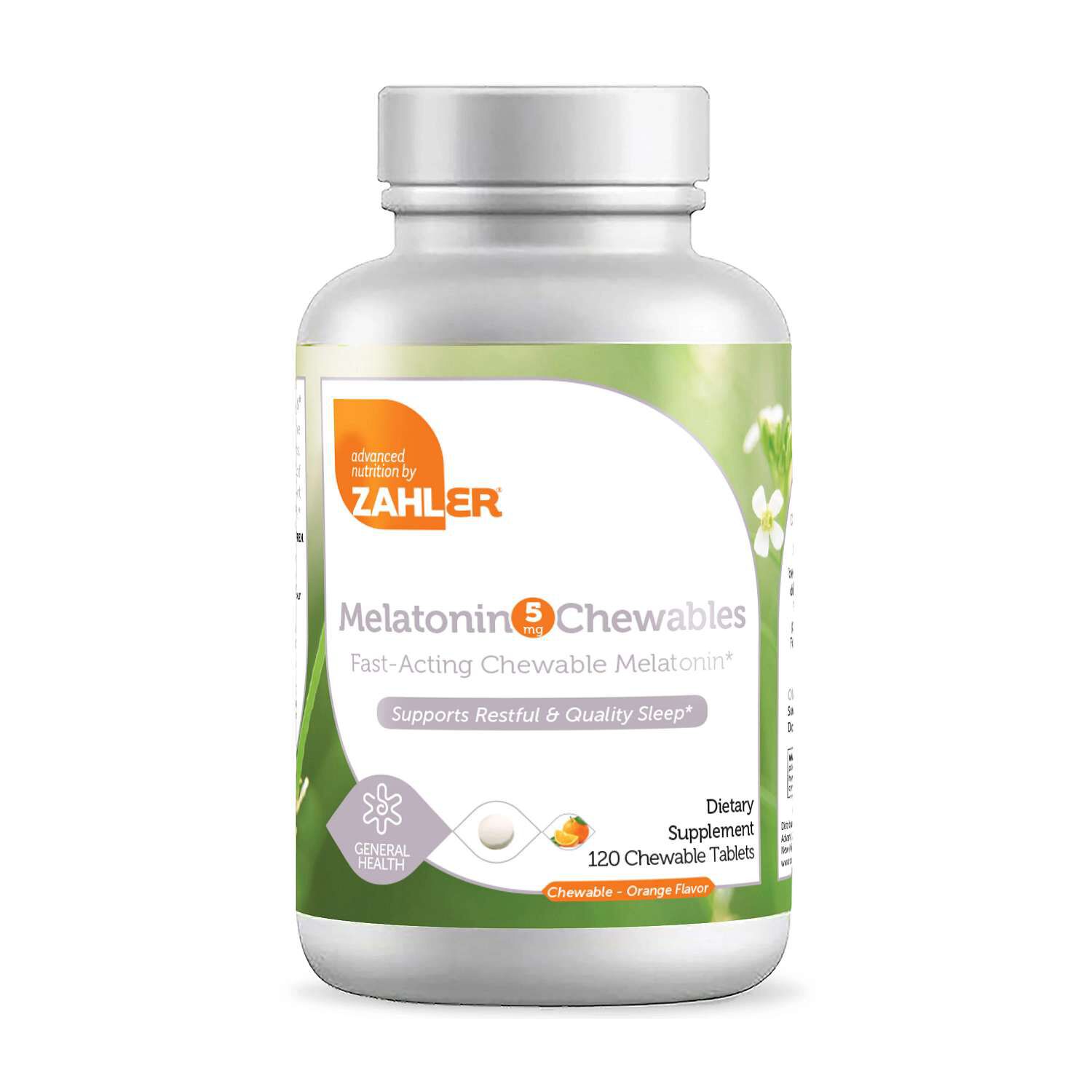
Melatonin supplements for a bedtime routine are dietary supplements intended for nighttime use, with formats that include tablets, capsules, gummies, dissolving tablets, and liquids. Melatonin is a hormone the body naturally produces as part of its sleep and wake cycle, the daily rhythm often called the circadian rhythm. As a supplement, it may support sleep, but it is not a substitute for a regular bedtime or a comfortable place to rest. For shoppers, the most useful distinctions often come down to format, the amount of melatonin per serving, the other ingredients in the formula, and the directions on the package. A familiar capsule, a flavored gummy, and a measured liquid offer different experiences, even when their labels list the same amount of melatonin. That makes the supplement panel more informative than the package size or the number printed most prominently on the front. Serving size matters: one serving may consist of one tablet, multiple gummies, or a specified volume of liquid. The amount per serving and the number of servings per container describe different things, and neither should be assumed from the bottle’s appearance. A larger printed amount does not, on its own, establish that a formula is a better match for a particular person. Adults browsing this category can also explore Melatonin Supplements For Adults to compare options intended for an adult audience. Age labeling remains an important distinction because a sweet flavor, small tablet, or colorful package does not establish who a supplement is intended for. In a category built around a personal evening ritual, clear labeling and a familiar format offer more useful context than dramatic language about overnight results. The practical question is how the product is presented and used according to its label, not how ambitious its name or packaging might sound.
The physical form of a melatonin supplement shapes much of the shopping experience. Tablets and capsules are straightforward formats for people who already prefer a conventional supplement, although dimensions, coatings, and capsule shells vary. A small bottle does not necessarily contain small tablets, so descriptions of tablet size or capsule design can be useful when provided. Capsule shells may contain gelatin or plant-derived materials, while tablets often include binders and coatings that hold the ingredients together. Gummies offer a chewable format with their own texture, sweetness, and flavor profile; their ingredient lists may include gelatin or pectin, sugars, sugar alcohols, colors, and flavorings. Those details are relevant to personal preferences and eating patterns, not just taste. Dissolving tablets have a different texture and method of use from standard tablets, and their package directions explain how the format is intended to be used. Liquid melatonin supplements call for particular attention to the labeled concentration and measuring device, since the volume of liquid and the amount of melatonin are separate measurements. A dropper marking is meaningful only in the context of that formula’s directions. Across formats, some supplements contain melatonin as the only featured ingredient, while others pair it with ingredients such as magnesium, L-theanine, or botanical extracts. A longer ingredient list is not automatically a reason to favor one option over another; it simply adds more details to review. The Supplement Facts panel identifies serving information and listed dietary ingredients, while the other ingredients statement describes components such as sweeteners, capsule materials, and flavorings. Allergen statements and dietary certifications can provide additional context when those details matter to the shopper. Flavor deserves a closer look as well: a fruit-flavored gummy and a flavored liquid may leave very different impressions at the end of an evening. These everyday distinctions make comparisons more concrete than treating every melatonin supplement as interchangeable.
A bedtime routine is usually made up of small, familiar moments: putting a book beside the bed, closing the laptop, drawing the curtains, or setting aside tomorrow’s clothes. Melatonin supplements belong to that nighttime context, but their serving instructions and intended use come from the individual label rather than from the routine itself. There is no single serving amount or timing instruction that describes every formula in this category. Directions can differ by concentration, format, and formulation, so a general category description should not be treated as a replacement for the information on the package. The same care applies when comparing standard and extended-release formats. Those terms describe formulation differences; they do not establish that one is the right choice for every shopper or that two products with matching amounts are equivalent in use. Packaging also affects the day-to-day experience. A bottle with a clearly printed panel, an intact closure, and readable serving information offers practical details that remain useful after the initial purchase. Original containers keep directions, ingredient statements, lot information, and date markings together. Storage instructions matter for preserving the intended texture and condition of a supplement, especially for chewable and liquid formats. A gummy’s texture, a tablet’s coating, and a liquid’s measuring device each bring different handling considerations, making the package instructions more useful than assumptions based on appearance. Melatonin supplements should also be stored out of the reach of children, including gummies that resemble candy. For adults who travel, container dimensions and closure design may be relevant, but portable packaging does not change the labeled directions. For a shared household, legible age labeling and distinct storage are practical considerations, too. Ultimately, comparing melatonin supplements for a bedtime routine means looking beyond a single number to consider the whole presentation: the intended audience, format, serving size, ingredients, directions, and packaging. Those details give shoppers a grounded way to browse a varied category while keeping the focus on personal preferences and the product’s stated use.