

Mental Clarity Powders
(0 Results)
Unlock your potential with mental clarity powders. These innovative supplements could support cognitive function and help you stay focused throughout the day. Whether you're tackling a busy work schedule or studying for exams, mental clarity powders may be an excellent addition to your daily routine. Explore a variety of options that might assist in sharpening your mind and enhancing productivity.
-

-

-

-

-
-

-
-
-
-

-
-
-

-
-
 459$24.99
 -
 Optimum Nutrition459$24.99
 -

-

-
-
-

-
-
-
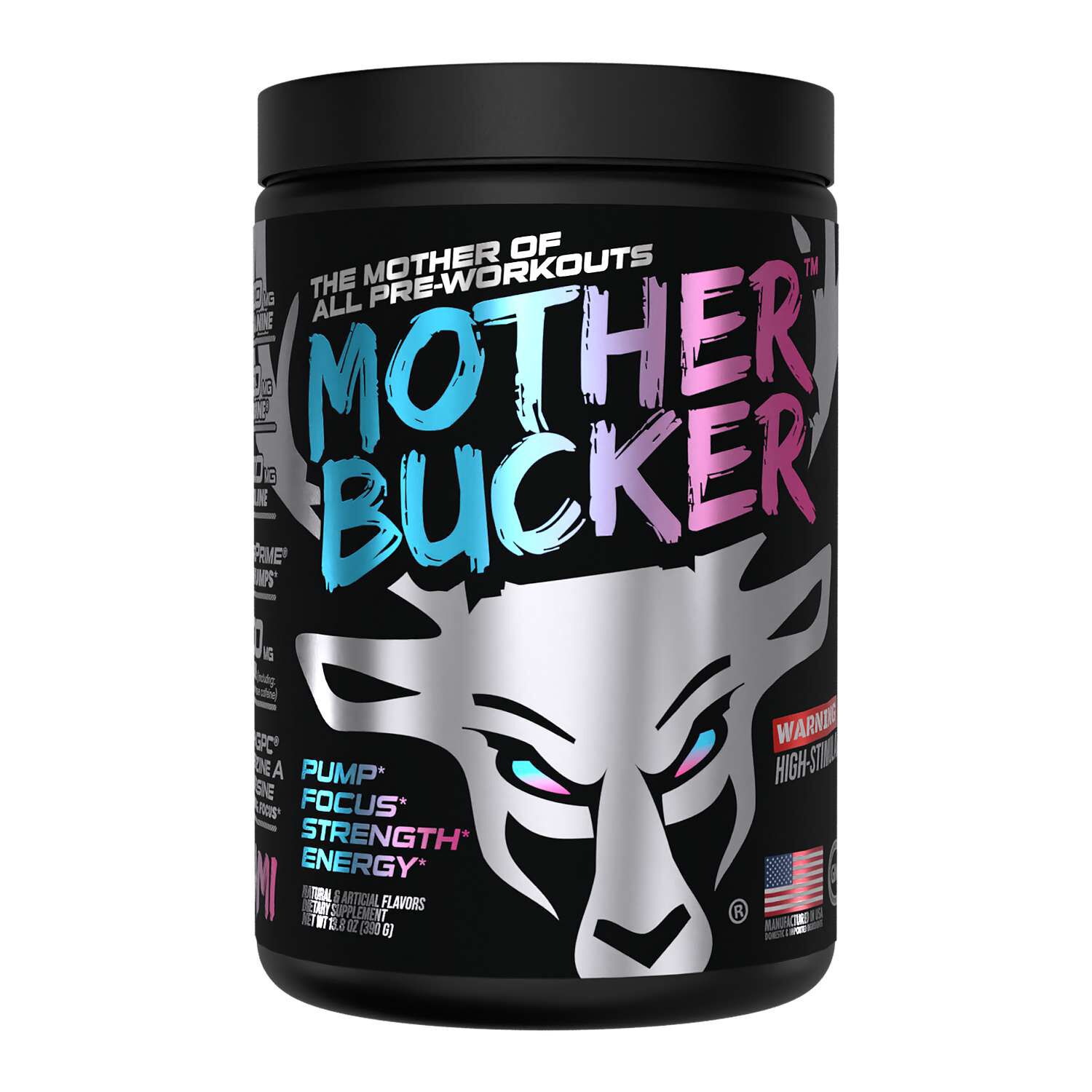
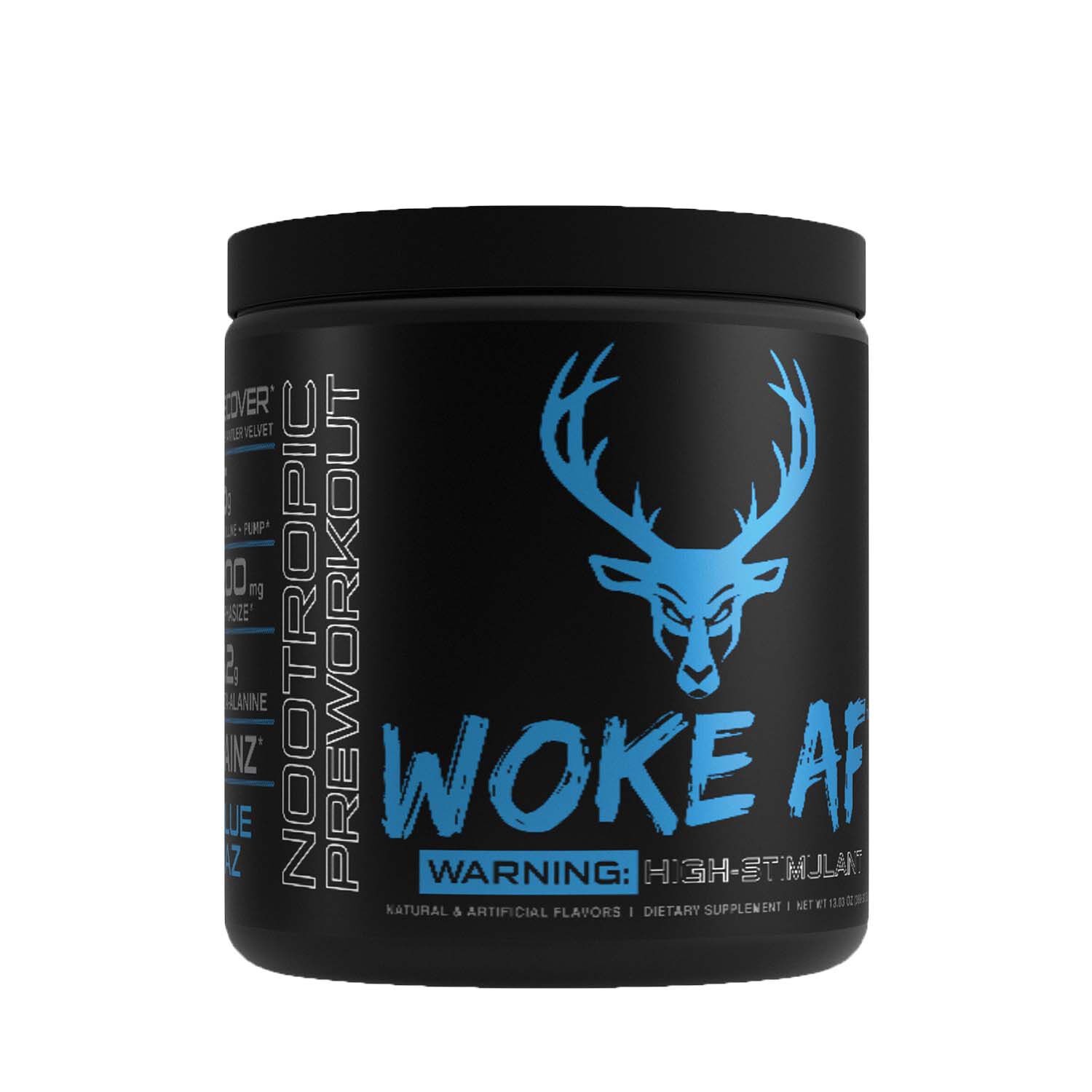
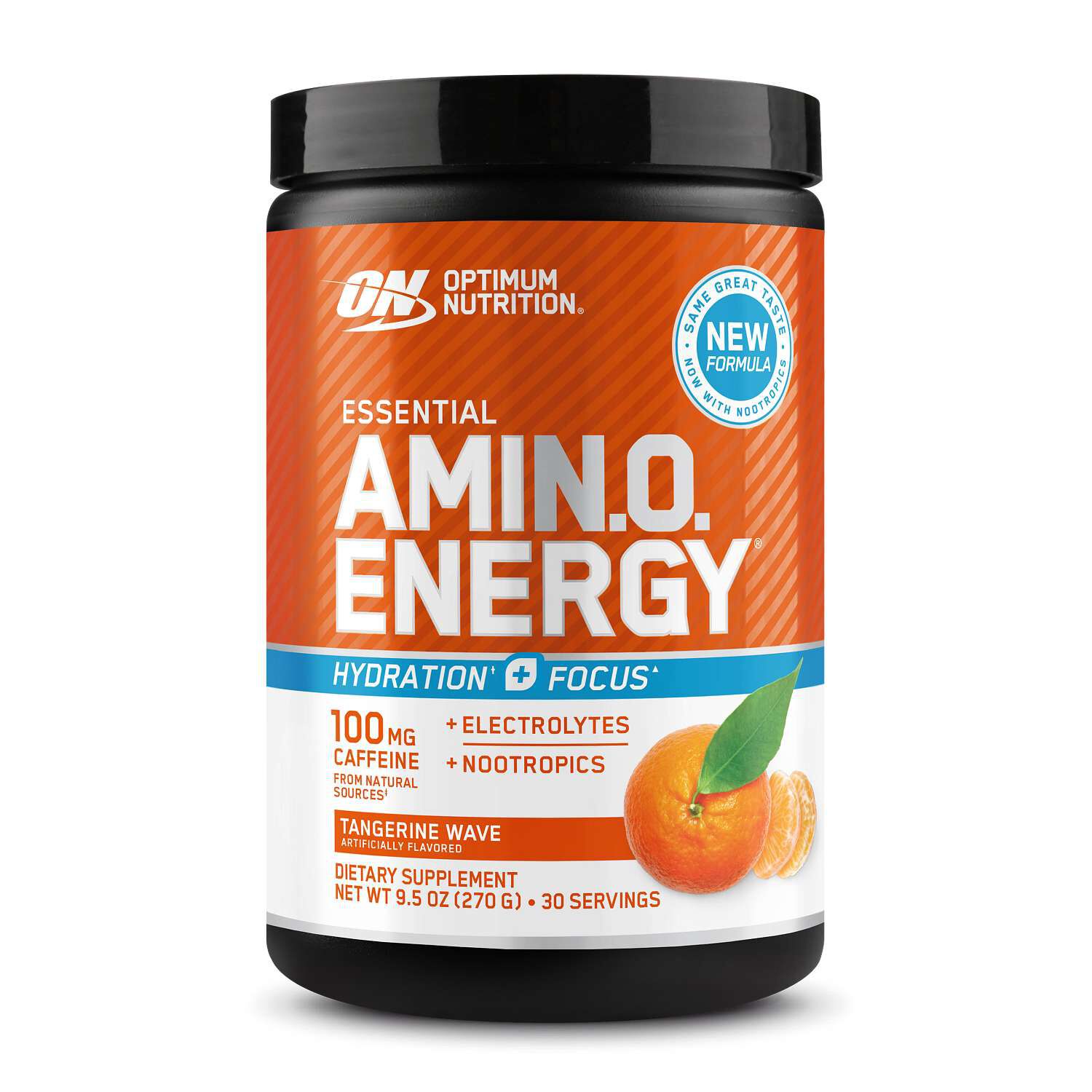
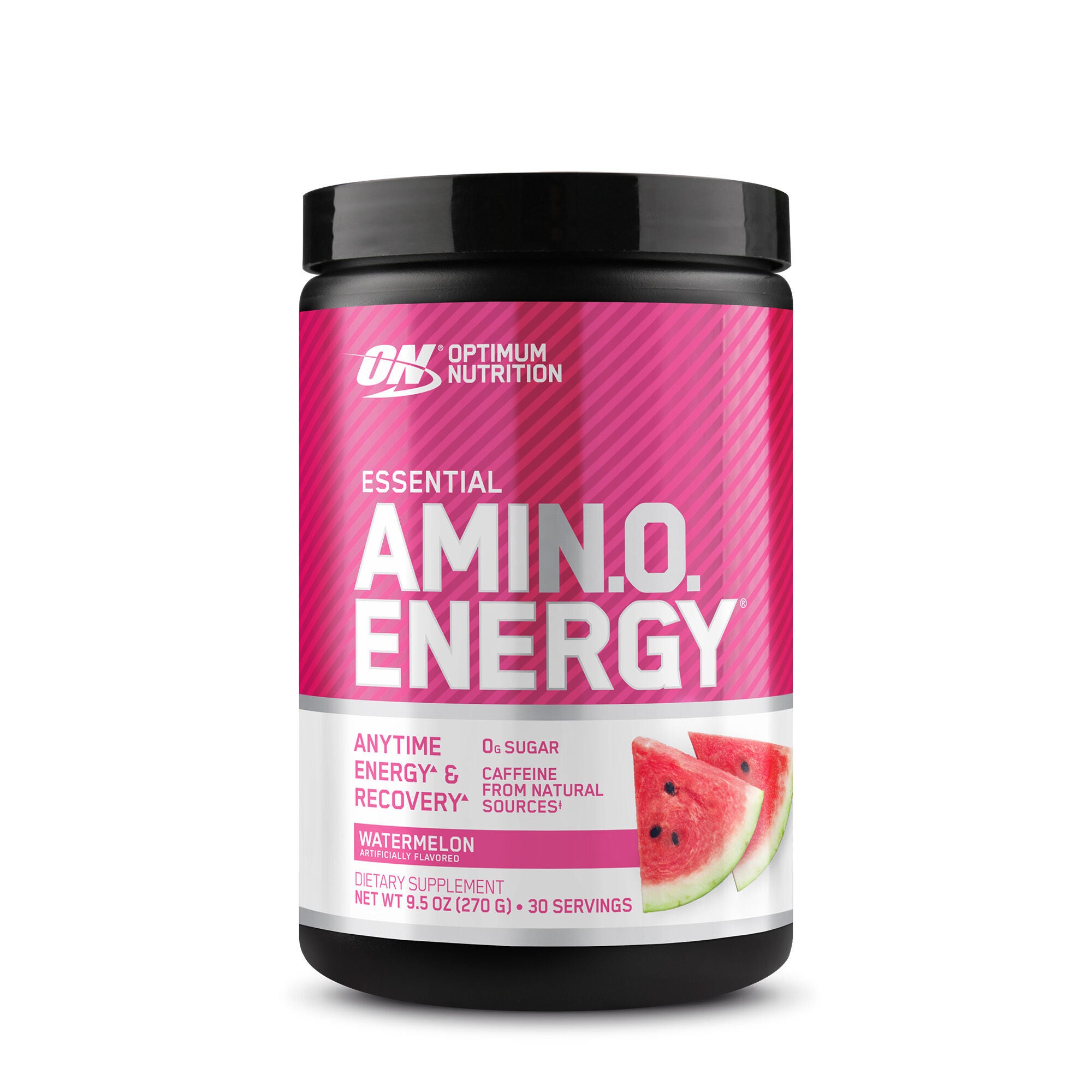
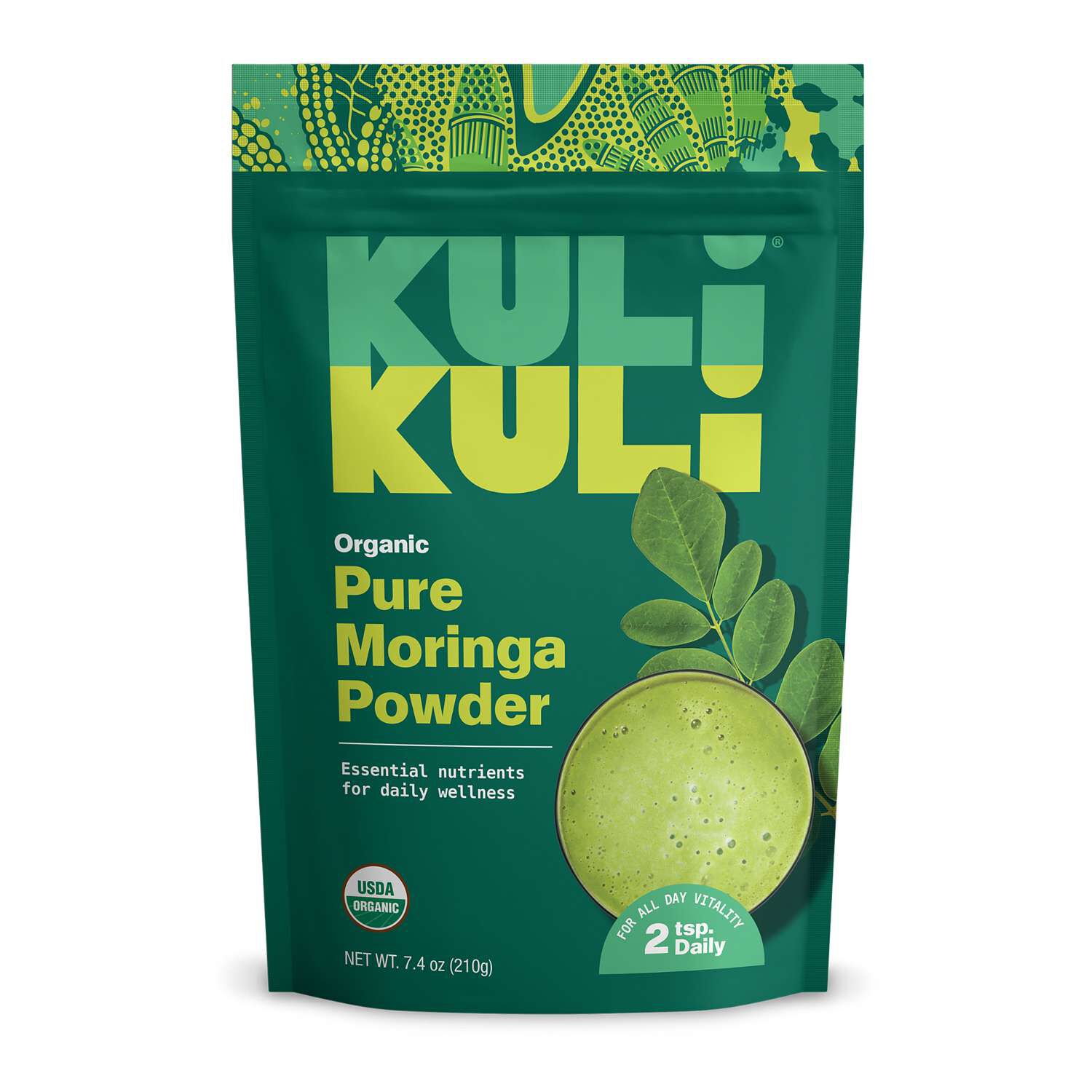
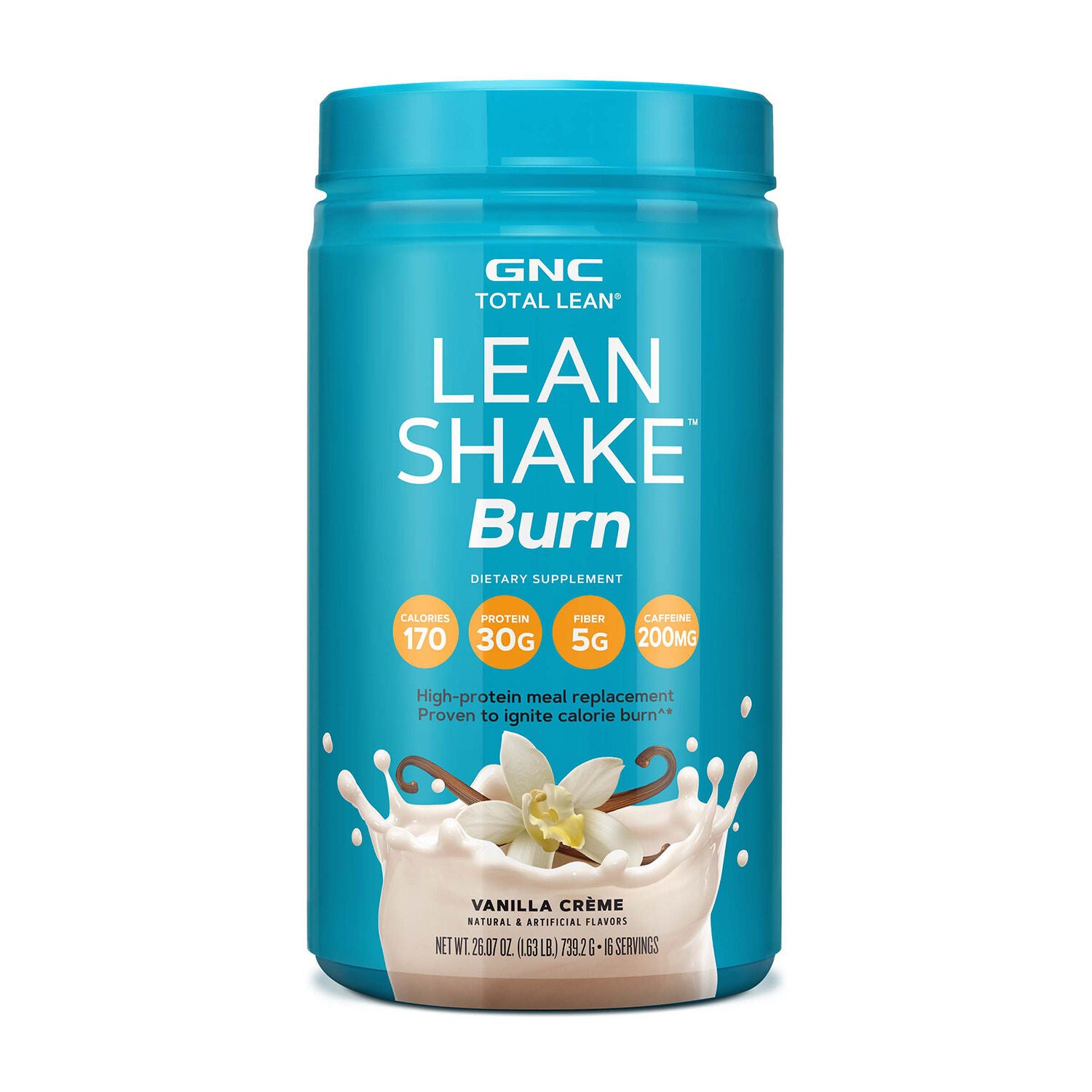
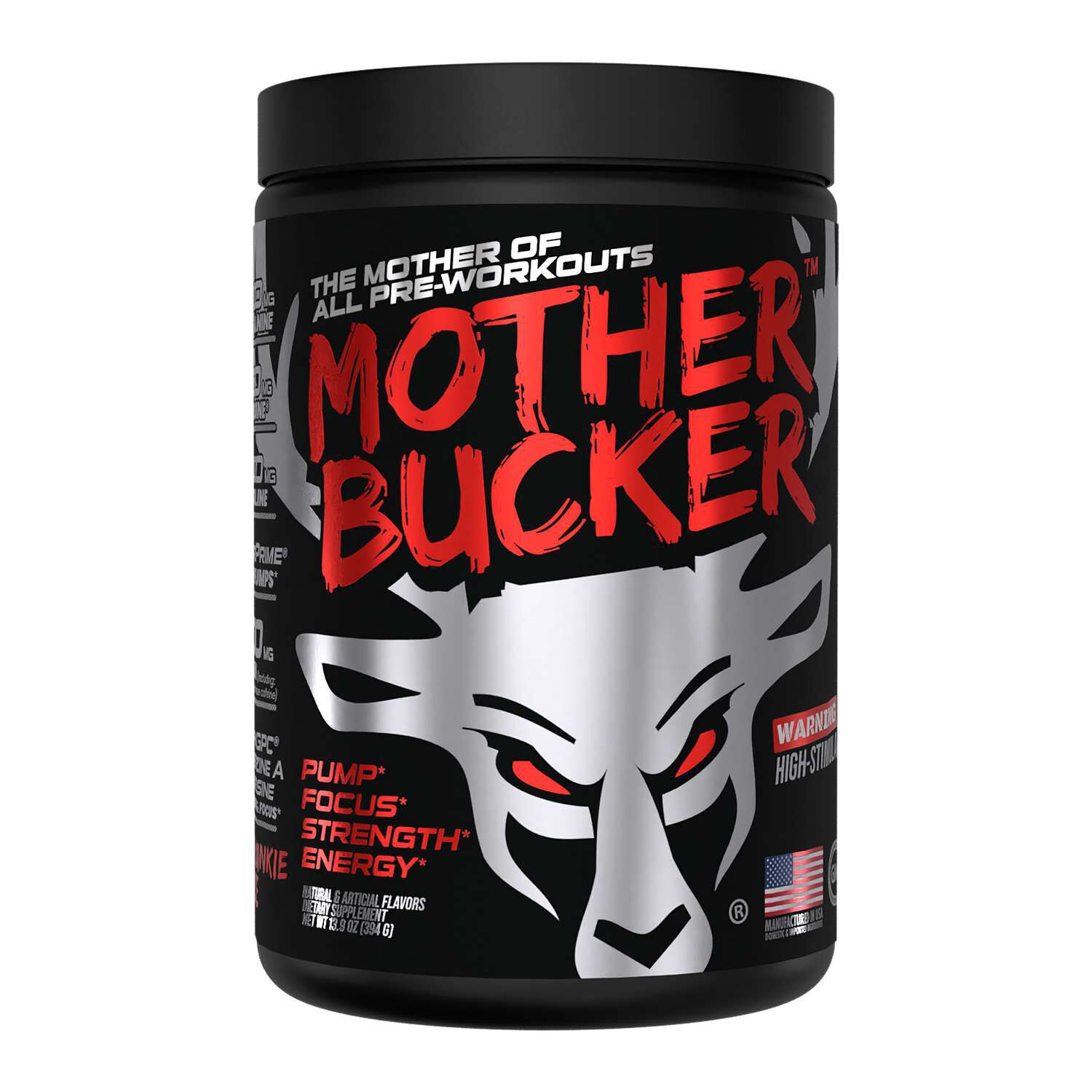
Mental clarity powders are dietary supplements in a mixable format, with formulas that may support everyday focus and alertness. The category includes different ingredient combinations rather than one standard recipe, so the name on the front of a container tells only part of the story. A powder intended for a morning beverage may have a different ingredient profile from one intended for use without added caffeine. Common ingredients associated with this category include lion’s mane, bacopa monnieri, L-tyrosine, and B vitamins. Lion’s mane is a mushroom ingredient, bacopa is a botanical, L-tyrosine is an amino acid, and B vitamins are nutrients. These ingredients may appear individually or alongside other components, and their amounts and forms differ among formulas. Mushroom powders and mushroom extracts are also distinct ingredient forms, making the wording on the label worth a closer look. Some mental clarity powders contain caffeine, while others do not; caffeine-containing formulas may support alertness, but the amount per serving is an important distinction when comparing them. For someone who already enjoys coffee or tea, that detail belongs alongside flavor and serving size in the shopping decision. Adults interested in this format might include students organizing a study routine, professionals settling into a desk-based workday, or people who prefer a drinkable supplement to another capsule. A powder can have a practical place beside a breakfast glass, in a desk drawer, or with a reusable shaker carried between home and work. Those settings illustrate how the format fits into daily life without suggesting that every formula suits every person. The most useful distinctions are concrete: what the powder contains, how much constitutes a serving, what liquid the label recommends, and whether the flavor sounds enjoyable enough for regular use. A short ingredient list and a more elaborate blend offer different shopping considerations, but neither description alone establishes how a formula might feel. Clear labeling provides a firmer basis for comparison than a name associated with productivity or concentration.
Flavor and preparation are a large part of the experience with mental clarity powders because the supplement becomes something to drink, not simply something to swallow. Fruit-inspired flavors, lightly flavored blends, and unflavored options each have a different place in a routine. A citrus profile might suit someone who prefers a bright-tasting beverage, while an unflavored powder may appeal to someone who wants fewer competing flavors in the glass. Botanical and mushroom ingredients may bring earthy or bitter notes, and sweeteners or flavoring ingredients may influence the finished taste. The ingredient list identifies details such as added sugars, sugar alcohols, stevia, or monk fruit when they are present. Preferences about sweetness deserve the same attention as preferences about caffeine, especially for a drink intended to become a familiar part of the day. Texture matters, too. Depending on the formula and preparation method, a powder may mix into a relatively smooth drink or leave some visible particles. Label directions provide the intended liquid amount and mixing method; those details are more reliable than assuming every powder behaves like a flavored drink mix. A spoon, shaker, or other mixing accessory may be appropriate according to the package directions. Serving sizes also differ, and the enclosed scoop should be read in the context of the stated serving rather than treated as interchangeable with a scoop from another container. For a commuter, preparation might happen at the kitchen counter before leaving home. For someone working at a desk, keeping the recommended mixing accessory nearby may make the format more convenient. Individual packets and multi-serving containers offer different handling experiences, with packets emphasizing portability and tubs allowing repeated preparation from one package. Dietary preferences add another layer: plant-based ingredients do not automatically establish that every part of a formula meets a particular eating preference. Ingredient statements, allergen information, and any clearly stated dietary attributes are useful points of comparison. The goal is a format whose flavor, ingredients, and preparation requirements make sense together within an existing routine.
Packaging, storage, and label clarity round out the practical considerations for this category. Powders need attention to moisture because a damp scoop, an open lid, or a humid storage spot may contribute to clumping. A securely closed container and a clean, dry serving utensil help keep preparation tidy, while the package’s storage directions establish the appropriate conditions for that formula. Original packaging also keeps the ingredient list, serving directions, date information, and other product details close at hand. For a packet carried in a bag, an intact seal matters; for a container used repeatedly, a lid that closes securely is a useful everyday feature. The amount of powder in the package and the stated serving size explain the number of labeled servings, while the date marking provides another detail to consider when planning use. Beyond storage, the Supplement Facts panel offers a structured view of ingredients and declared amounts. Some blends identify individual ingredient amounts, while others group ingredients together, so a lengthy list is not necessarily the same as a detailed breakdown. Caffeine information, serving directions, and the intended audience on the label are particularly relevant when comparing otherwise similar-looking formulas. These details also matter when considering a supplement as a gift: the recipient’s known flavor preferences and preferred format are more useful than choosing solely from an appealing package name. Someone who enjoys preparing a beverage may appreciate the powder format, while someone who prefers a chewable option may want to explore Mental Clarity Gummies. The distinction is primarily about format, since ingredients and serving directions still vary within either category. Powders involve a liquid and a mixing step; gummies offer a chewable alternative without that preparation. For shoppers comparing mental clarity powders, the clearest picture comes from considering the formula and the everyday experience together. Ingredient transparency, caffeine content, taste, texture, serving size, and storage requirements each contribute something different to that comparison. A suitable choice is one that aligns with the shopper’s stated preferences and the product’s labeled use, rather than one selected on the strength of a broad category name alone.