Methylated B Vitamins
(0 Results)
Discover the potential benefits of methylated B vitamins, essential nutrients that could support energy levels, cognitive function, and overall well-being. Methylated forms of B vitamins might offer enhanced absorption and bioavailability, making them a great choice for those seeking optimal nutritional support. Explore how these powerful vitamins may contribute to a balanced lifestyle by promoting healthy metabolism and aiding in the reduction of homocysteine levels. Whether looking to boost vitality or maintain overall health, methylated B vitamins could be a valuable addition to your daily regimen.
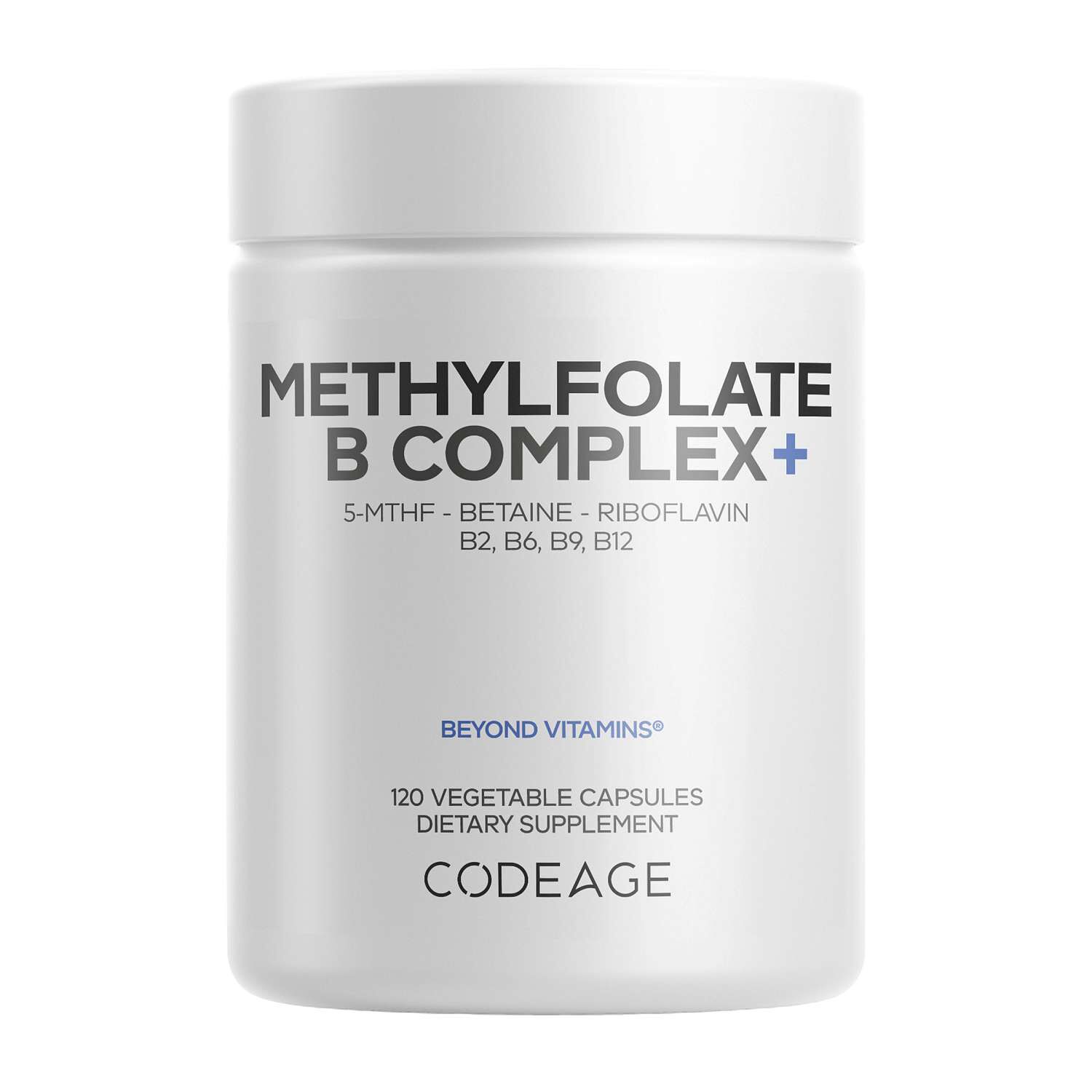

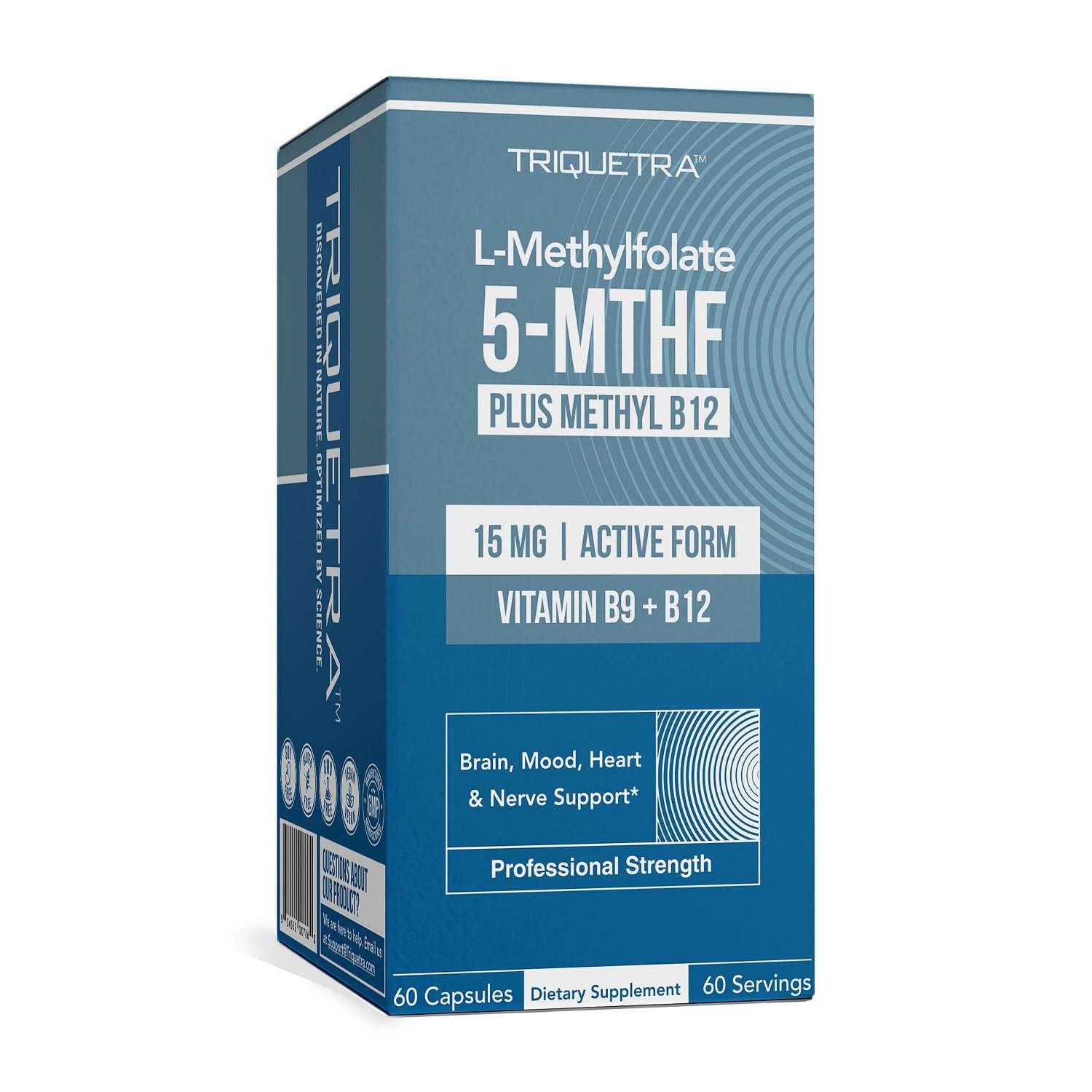
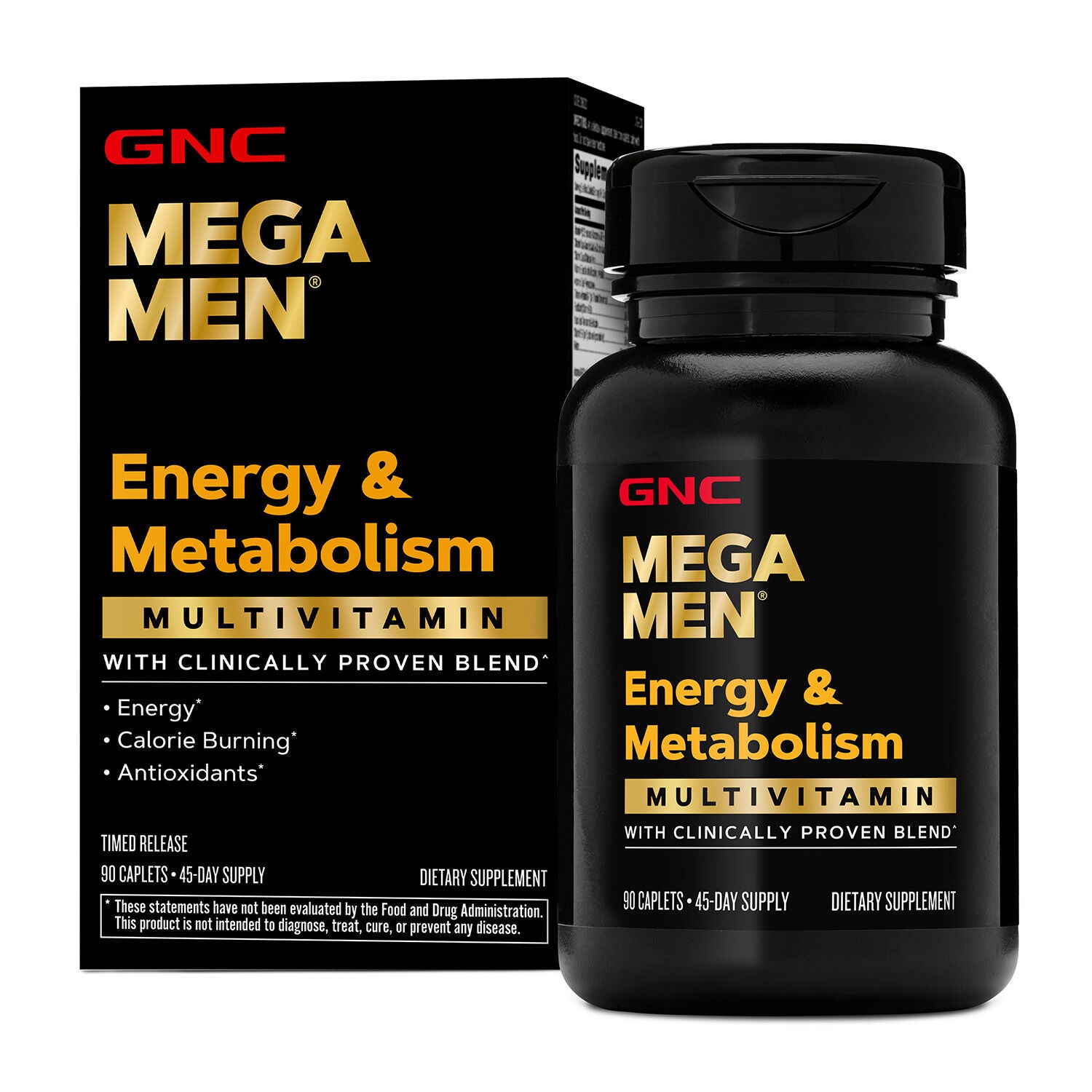
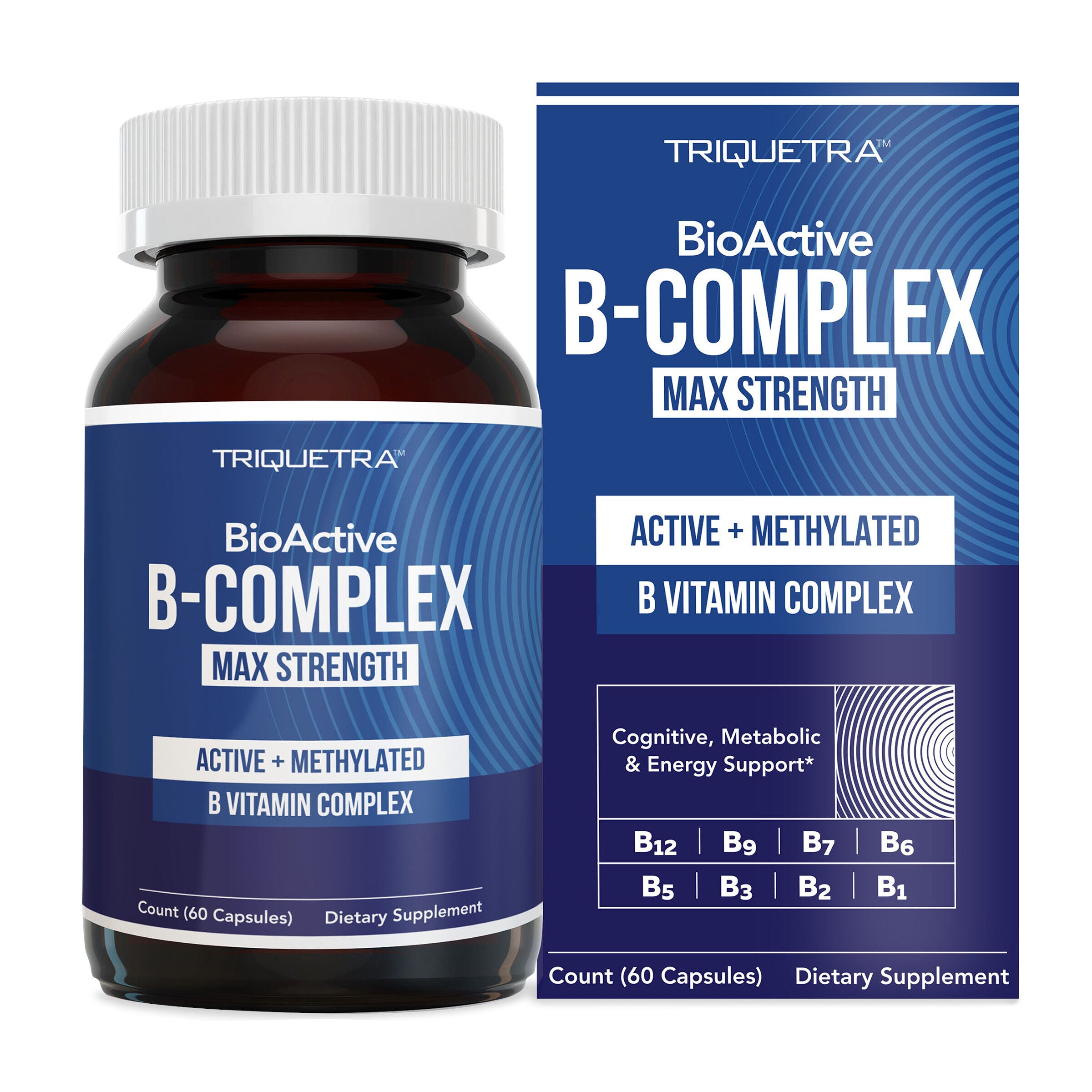
Methylated B vitamins are dietary supplements that feature methylated forms of certain B vitamins, most commonly methylfolate, a form of vitamin B9, and methylcobalamin, a form of vitamin B12. The word “methylated” refers to a chemical characteristic: a methyl group attached to the vitamin molecule. In this category, that description usually points to the forms of folate and B12 rather than every nutrient in the bottle. A methylated B complex can contain several B vitamins alongside those two ingredients, while a more focused formula may contain just methylfolate, methylcobalamin, or a combination of the two. That distinction matters when comparing bottles with similar names but different ingredient panels. Folate may appear on a label as L-methylfolate, 5-methyltetrahydrofolate, or 5-MTHF; methylcobalamin is the name to look for when identifying methylated B12. Folic acid and cyanocobalamin are different forms of B9 and B12, respectively, and their names are not interchangeable with the methylated versions. Some B-complex formulas also include riboflavin-5-phosphate, a form of B2, and pyridoxal-5-phosphate, a form of B6. Those ingredients are often described as coenzyme forms, but that does not make them methylated vitamins. “Active,” “coenzyme,” and “methylated” therefore describe related but distinct characteristics, not one uniform formula. The category name alone also does not establish how much of each nutrient a supplement contains, how it compares with another formula, or what a person might experience from taking it. For shoppers interested specifically in B9, Methylfolate Supplements for Wellness Support offers a narrower category to explore. Across methylated B vitamin supplements, the clearest starting point is the ingredient identity printed in the Supplement Facts panel, followed by the amount per serving and the format. These details provide a more useful comparison than similar packaging or broad front-label descriptions.
Methylated B vitamin formulas differ in scope, concentration, and the balance of nutrients included. A B complex generally brings together multiple members of the B vitamin family, which includes thiamin, riboflavin, niacin, pantothenic acid, B6, biotin, folate, and B12. Not every formula uses the same forms or proportions, and some contain additional ingredients beyond B vitamins. A shopper who wants a short ingredient list may prefer to compare focused B9 or B12 formulas, while someone looking for several B vitamins in one supplement may be more interested in a B complex. Neither format is automatically a better match simply because its ingredient list is longer. Serving size is another practical distinction: the amounts shown on a label may refer to one capsule, two capsules, a tablet, or a measured portion of liquid. Two bottles with the same capsule count can therefore represent different numbers of servings. Units deserve close attention as well. Milligrams and micrograms are different measurements, and a large printed number is not meaningful without its unit and serving context. Folate labeling can include micrograms of dietary folate equivalents, abbreviated as mcg DFE, along with information identifying the source ingredient. The declared folate amount and the source amount may be presented differently, making a side-by-side reading worthwhile. Percent Daily Value is a labeling reference, not a score for product quality or a prediction of results. For a household where a multivitamin and several individual supplements share a cabinet, overlapping ingredients are another useful comparison point; a methylated B complex may repeat nutrients already listed elsewhere. Supplement labels can clarify those overlaps without making the products interchangeable. Front-label terms such as “methylated” also do not establish suitability based on genetic testing, eating patterns, or individual circumstances. These supplements are intended to complement food intake, not replace meals or establish an individual nutrient requirement. Their practical appeal lies in the opportunity to compare named nutrient forms and clearly labeled formulas rather than treating every B vitamin supplement as the same purchase.
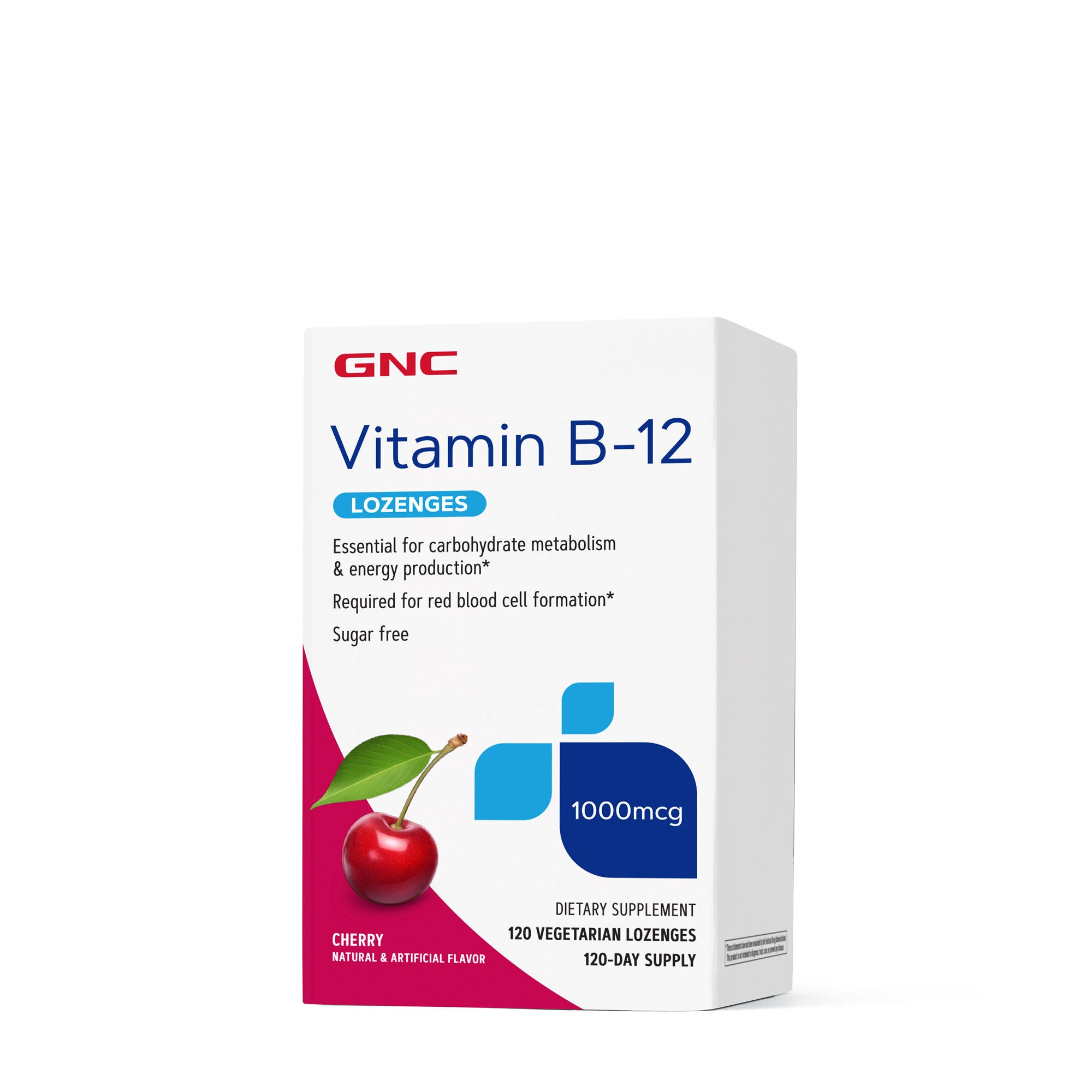
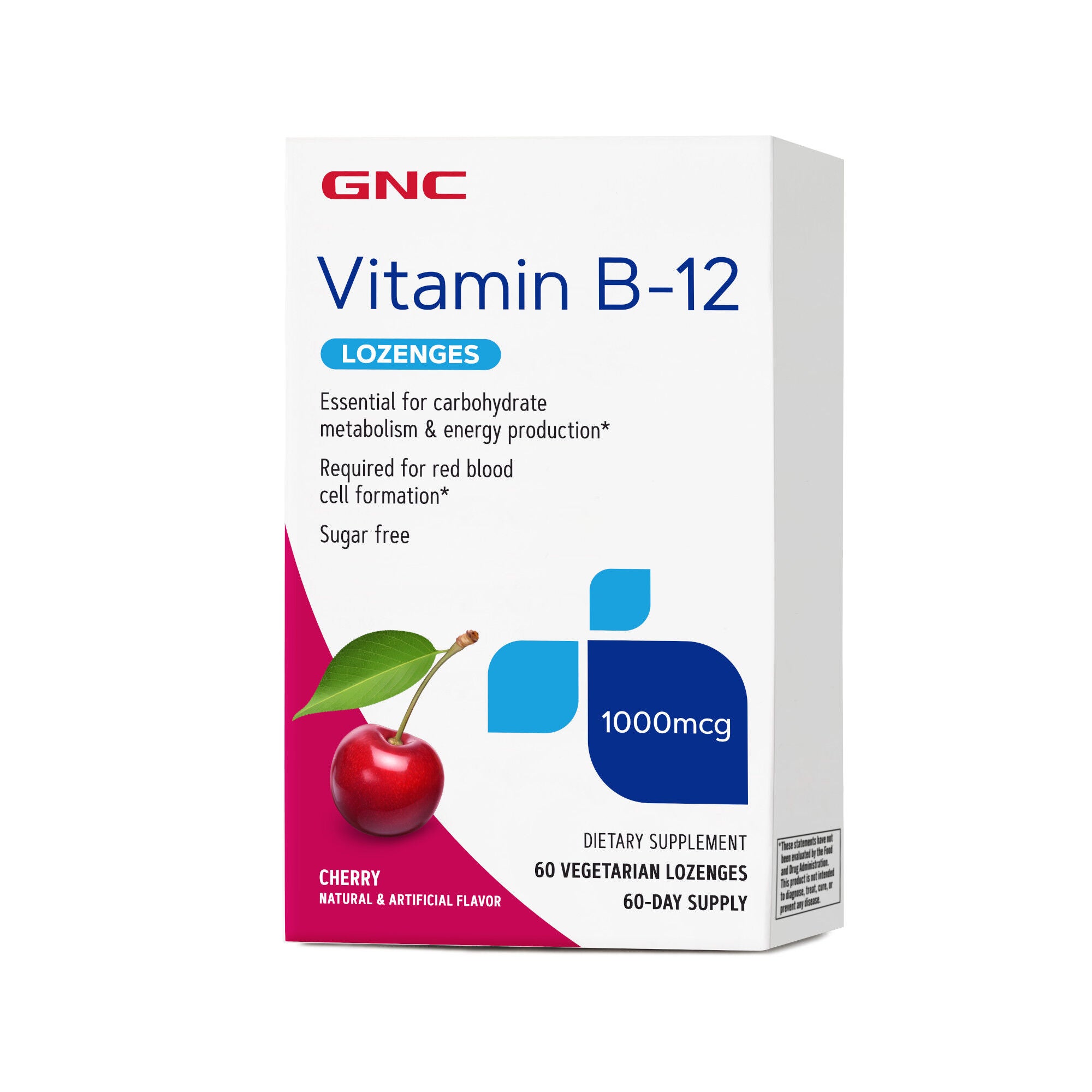
Format and supporting ingredients often determine how comfortably a methylated B vitamin supplement fits an everyday routine. Capsules and tablets offer premeasured portions, but their dimensions, coatings, and serving counts vary. A bottle that calls for several capsules per serving creates a different daily routine from one labeled for a single tablet. Chewable tablets, gummies, lozenges, and liquids introduce other considerations, including flavor, texture, sweeteners, and measuring directions. A liquid may use a dropper or another measuring device, while a lozenge may have specific directions that differ from those for a standard tablet. The product’s labeled format and instructions matter more than assumptions about how similar-looking supplements are used. Someone packing a small work bag may value a compact original container with a readable label, while someone organizing a shared pantry may place greater importance on distinct packaging and a secure closure. For shoppers following vegetarian or vegan eating patterns, the capsule shell and other ingredients are worth examining alongside the vitamin names. Gelatin, plant-derived capsule materials, flavorings, colors, and other supporting ingredients can vary independently of whether the B12 is methylcobalamin or the folate is 5-MTHF. Dietary suitability belongs to the finished formula, not just its featured nutrient. The same attention applies to allergen statements and any third-party certification shown on the package; a specific certification has a defined scope and should not stand in for the rest of the label. Packaging and storage also deserve a place in the comparison. A legible expiration date, an intact seal, and storage directions help distinguish a well-documented supplement from a bottle with little practical information. Keeping the original label with the supplement preserves access to its ingredient list, serving instructions, and lot details. Rather than focusing on durability as with a reusable household item, supplement shoppers can focus on package integrity and the labeled storage period. Whether the preference is a straightforward methylcobalamin tablet, a folate-focused formula, or a broader methylated B complex, a thoughtful comparison comes down to nutrient form, serving size, supporting ingredients, and everyday usability.