





Methylfolate Capsules For Women's Health
(0 Results)
Methylfolate capsules for women's health are designed to support your wellness journey with a convenient daily supplement. Many women choose methylfolate as part of their routine, as it may play a role in overall well-being. Whether you're looking to add to your existing supplement regimen or exploring new options, methylfolate capsules for women's health could be a valuable addition. Discover a range of choices that fit your lifestyle and nutritional preferences.
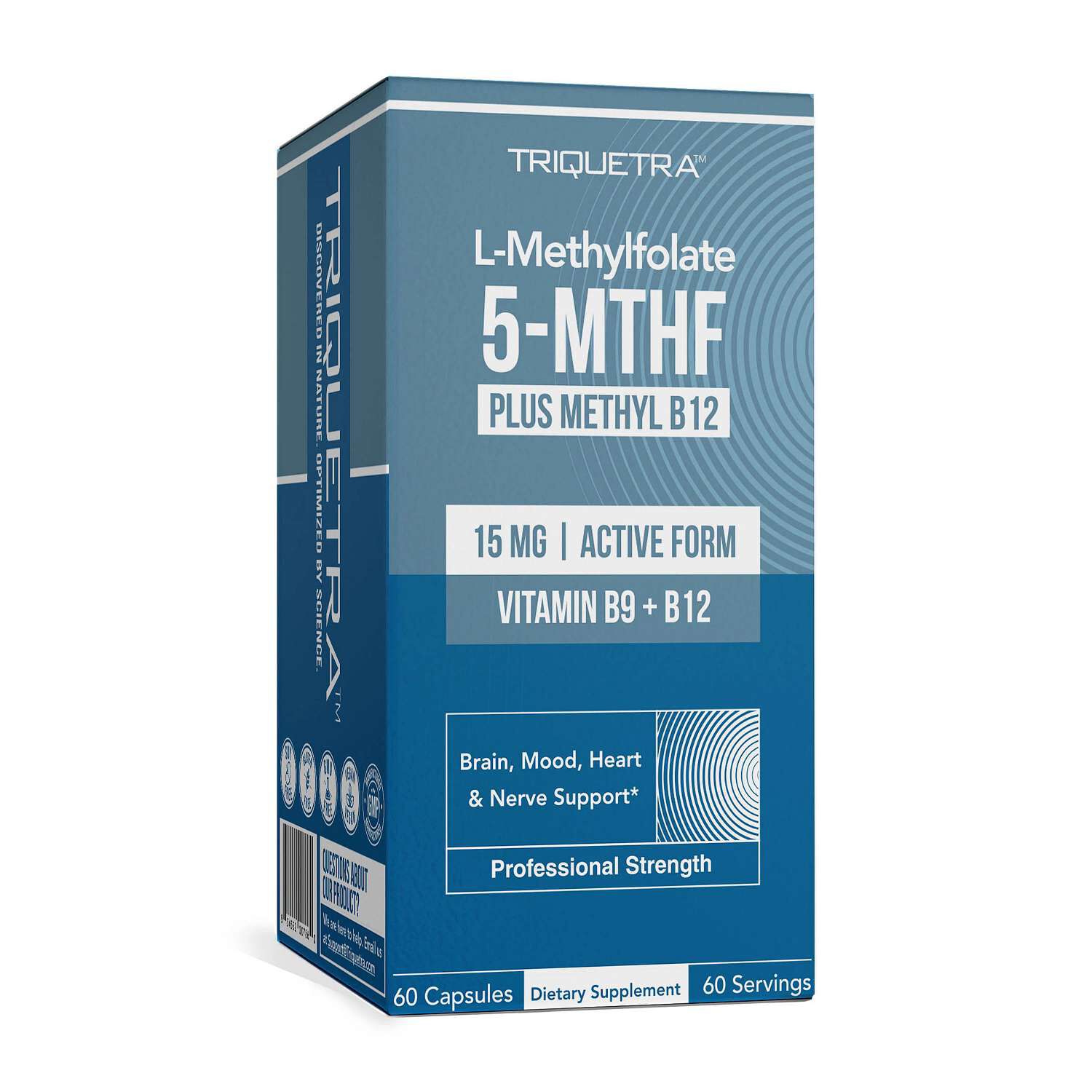
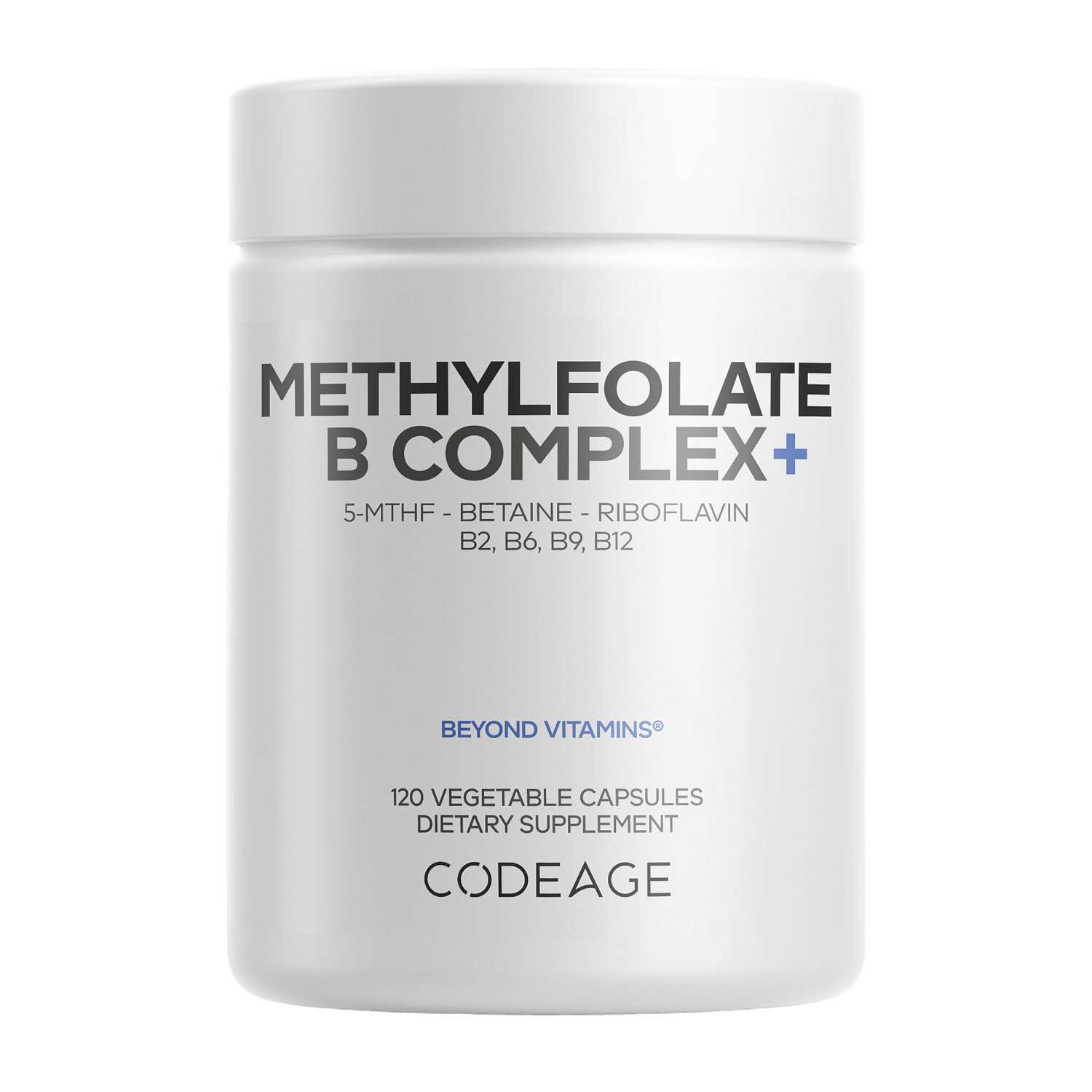
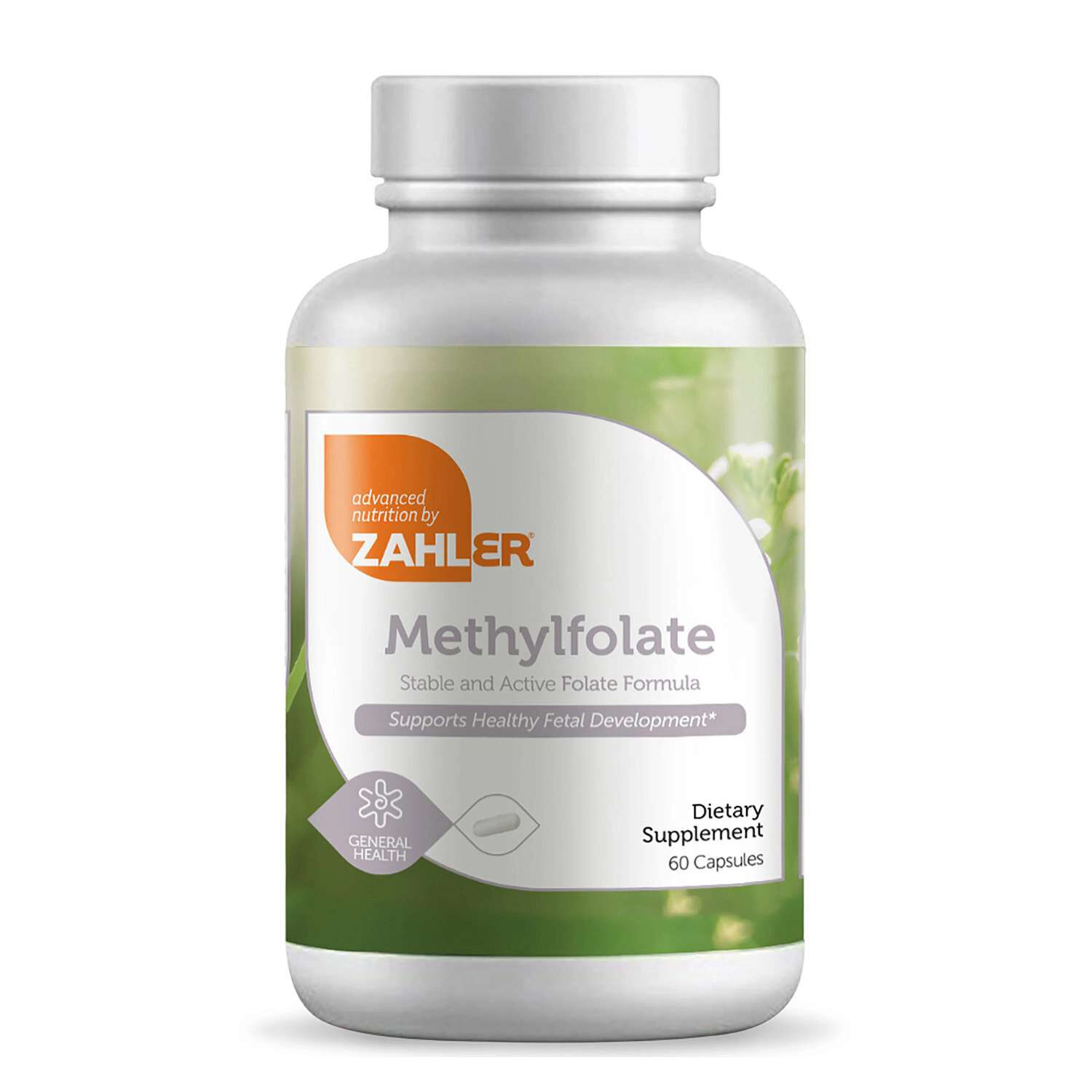

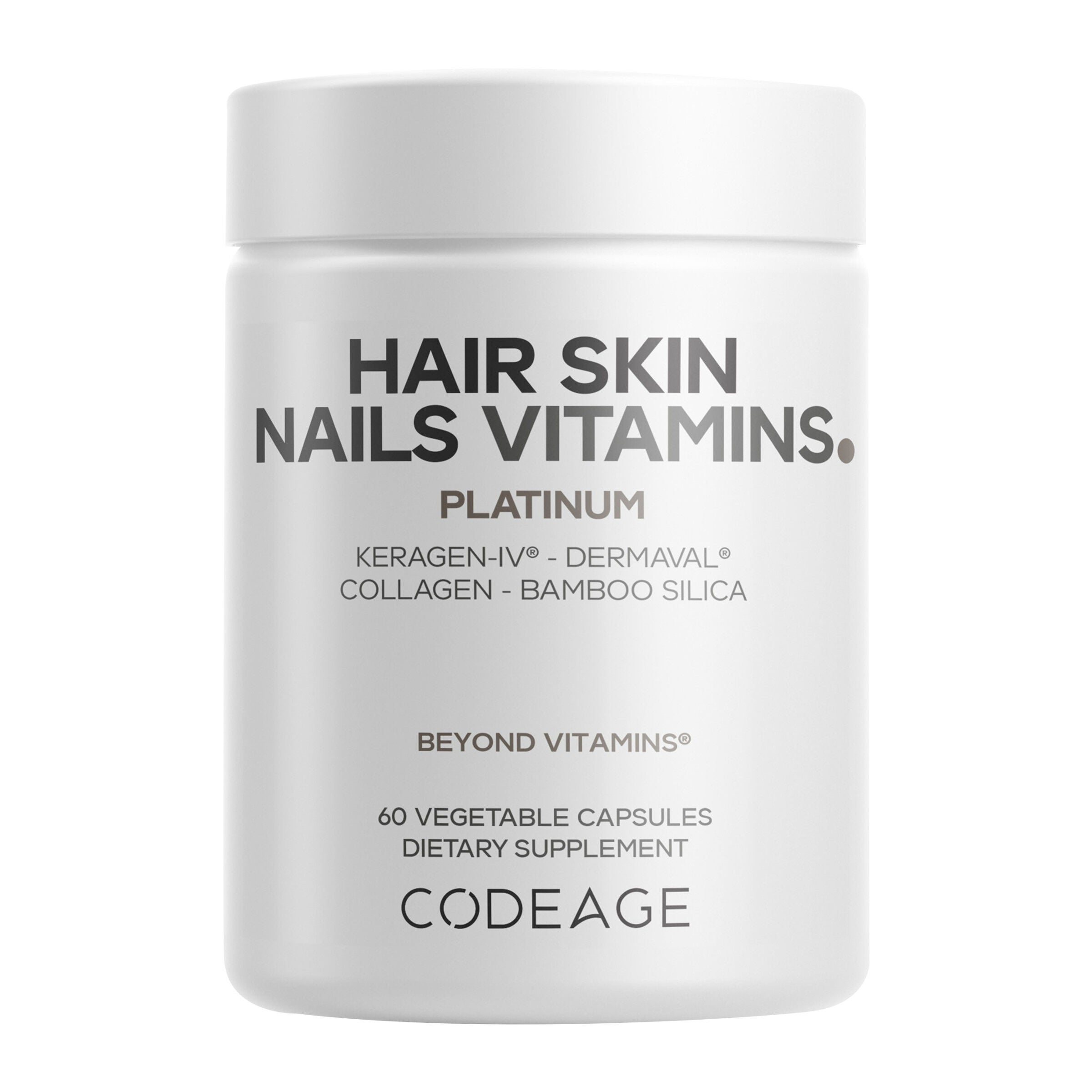
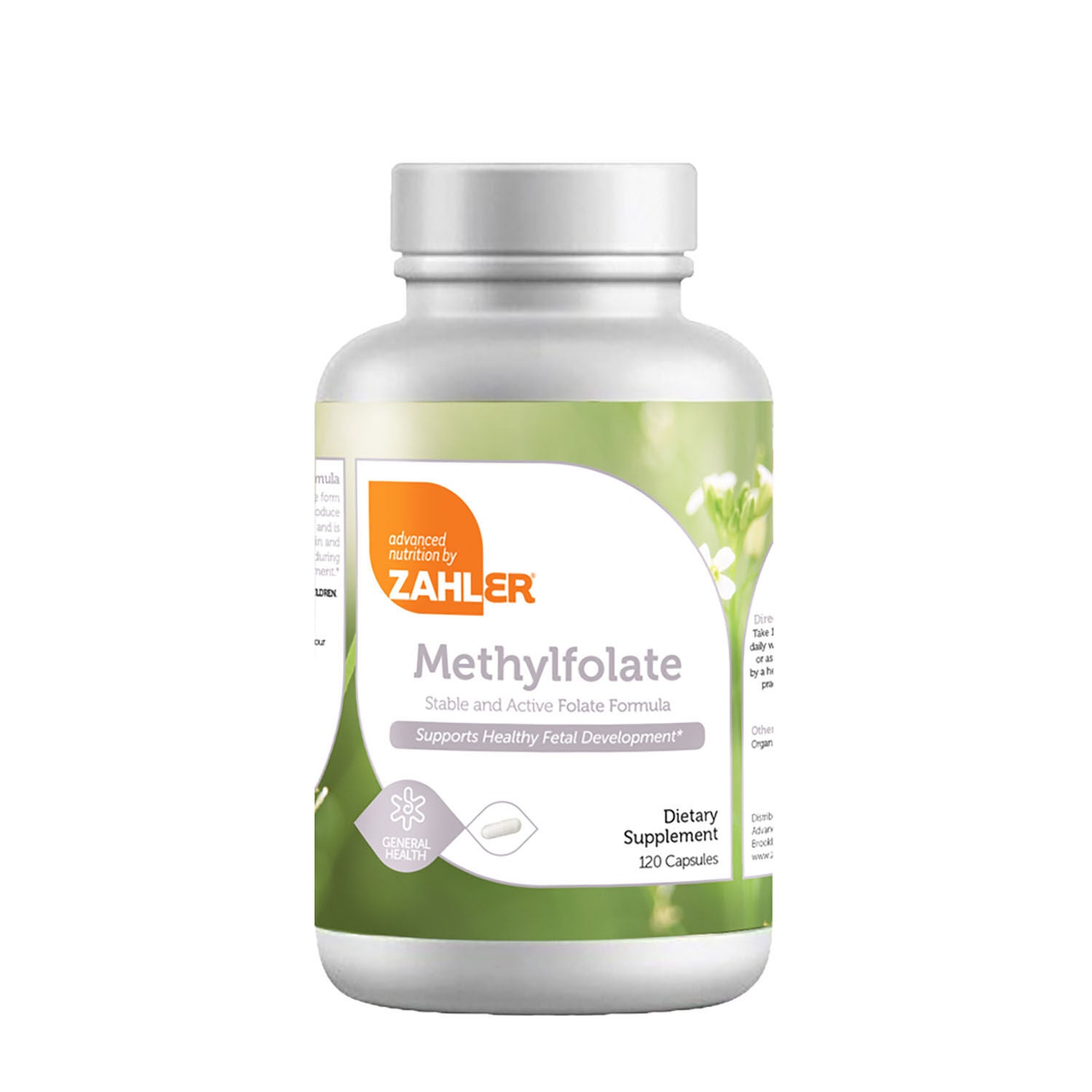


Methylfolate capsules for women's health contain a form of folate, also known as vitamin B9. Labels may identify this ingredient as L-methylfolate, 5-MTHF, or L-5-methyltetrahydrofolate. Methylfolate and folic acid are different forms of the same vitamin, so their names should not be treated as interchangeable when comparing ingredient lists. Folate also occurs naturally in foods such as leafy greens, beans, lentils, and asparagus, while supplements present the nutrient in a measured serving. Within a capsule collection, meaningful distinctions include the form of folate, the amount per serving, the capsule material, and the presence of other nutrients. A formula centered on folate has a different composition from a B-complex or multivitamin, even when methylfolate appears in each ingredient list. Some formulas pair it with vitamin B12 or other B vitamins, while others feature folate as the only listed vitamin. Women comparing these formats may prefer to begin with those concrete differences rather than broad wording on the front of a bottle. A capsule format may appeal to someone who prefers an alternative to flavored powders, chewables, or liquids that require measuring. The women's health category encompasses many nutritional interests, but a women's wellness description does not automatically identify a supplement as a prenatal formula. Pregnancy planning, pregnancy, and breastfeeding involve distinct considerations, and questions about personal suitability belong with a qualified healthcare professional. The same applies to questions involving medications, individual health circumstances, or genetic terminology encountered while researching folate. An ingredient name alone does not determine which supplement suits a particular person. For a useful comparison, keep the distinction between a nutrient's identity and a formula's intended use in view: methylfolate identifies the folate form, while the rest of the label describes the serving, accompanying ingredients, and directions. That approach keeps attention on what a capsule contains without assuming that every formula bearing the same vitamin name is alike.
Reading the Supplement Facts panel closely reveals details that a product name or bottle photograph cannot convey. Folate amounts may be expressed in micrograms of dietary folate equivalents, abbreviated mcg DFE, with additional information identifying the amount and form of the folate ingredient. DFE is a labeling measure, not another ingredient, and its number should not be confused with a separately stated ingredient amount. Micrograms and milligrams also represent different units: one milligram equals 1,000 micrograms. A larger printed number therefore does not necessarily represent a larger amount when the units differ. The Daily Value percentage provides a labeling reference rather than an individualized serving recommendation. Serving size deserves equal attention because the amounts shown on the panel refer to the stated serving, which is not always a single capsule. Capsule count and serving count describe different things, too; a bottle's capsule count does not by itself establish how many labeled servings it contains. Beyond the nutrient panel, the other ingredients list describes the shell and materials used within the capsule. Shells may contain gelatin or plant-derived materials such as cellulose or pullulan. A vegetarian shell describes one part of the formula, not necessarily every ingredient inside it, so dietary preferences call for attention to the entire ingredient list and any relevant certification on the package. Other ingredients may serve manufacturing purposes, such as carrying small quantities of a nutrient or helping powder move consistently during production. Their names should be considered separately from the amount of methylfolate listed in the nutrient panel. Capsule dimensions, when provided, offer another practical comparison for someone with a preference for a particular size. A larger capsule does not inherently indicate more folate, since accompanying ingredients and manufacturing choices also influence its dimensions. Taken together, the serving information, nutrient form, shell composition, and ingredient list offer a clearer description than capsule color, bottle shape, or front-label language alone.
Everyday use also involves practical details beyond ingredient selection. Someone organizing several supplement bottles on a kitchen shelf may value clearly printed serving information, while someone packing for a work trip may pay closer attention to container size and closure design. These preferences concern format and organization rather than a reason to change the labeled directions. Keeping the original packaging preserves access to the ingredient list, serving information, lot identification, and printed date. Storage directions vary by formula, so the package remains the reference for care. A secure closure and a storage location away from sinks and showers are useful considerations for protecting capsules from moisture during ordinary handling. Container construction matters here: the cap, inner seal when included, and bottle material are parts of the packaging rather than evidence of a particular nutritional outcome. For travel, retaining the labeled container also keeps identifying information with the capsules instead of separating them into an unmarked pouch. When comparing a folate-focused capsule with a broader blend, consider how much label information needs to be tracked across the products already in a routine. The same nutrient may appear in a multivitamin, a B-complex, and an individual supplement under different ingredient names. Recording those names and labeled amounts creates a clearer reference for a conversation with a qualified healthcare professional, without treating one bottle as interchangeable with another. The related collection, Methylfolate Supplements for Wellness Support, provides another way to explore the ingredient beyond a capsule-focused category. For shoppers who prefer capsules, the most informative comparison remains grounded in the actual label: which folate form is listed, how the serving is defined, what accompanies the nutrient, and how the package is intended to be stored. Those details distinguish formulas with similar names and help keep a search for women's methylfolate capsules focused on composition, format, and intended use rather than assumptions about personal results.
Best Sellers
Related Pages
Top Collections
- GLP 1 Support For Adults
- Supplements For Yoga Joint Flexibility
- Supplements For Balance
- Joint Mobility Supplement Packs
- Zinc Supplements | Top Brands at Great Prices | GNC
- Capsule Supplements For Energy And Stamina
- Supplements For Anxiety Relief Support
- Chronic Fatigue Supplements
- Zinc Supplements For Men
- Iron Supplements