Multi Ingredient Joint Health Supplements
(0 Results)
Multi ingredient joint health supplements offer a convenient way to support your active lifestyle. Combining a variety of ingredients that may work together to promote overall joint well-being, these supplements could be an ideal choice for those looking to maintain flexibility and mobility. Explore options designed to fit your wellness routine and discover how multi ingredient joint health supplements might help you stay moving with confidence.
-
-

-

-
-

-

-
-
-

-

-

-

-

-
-

-

-

-

-
 You Matter Wellness$39.99
 -
 Divine Health$54.99


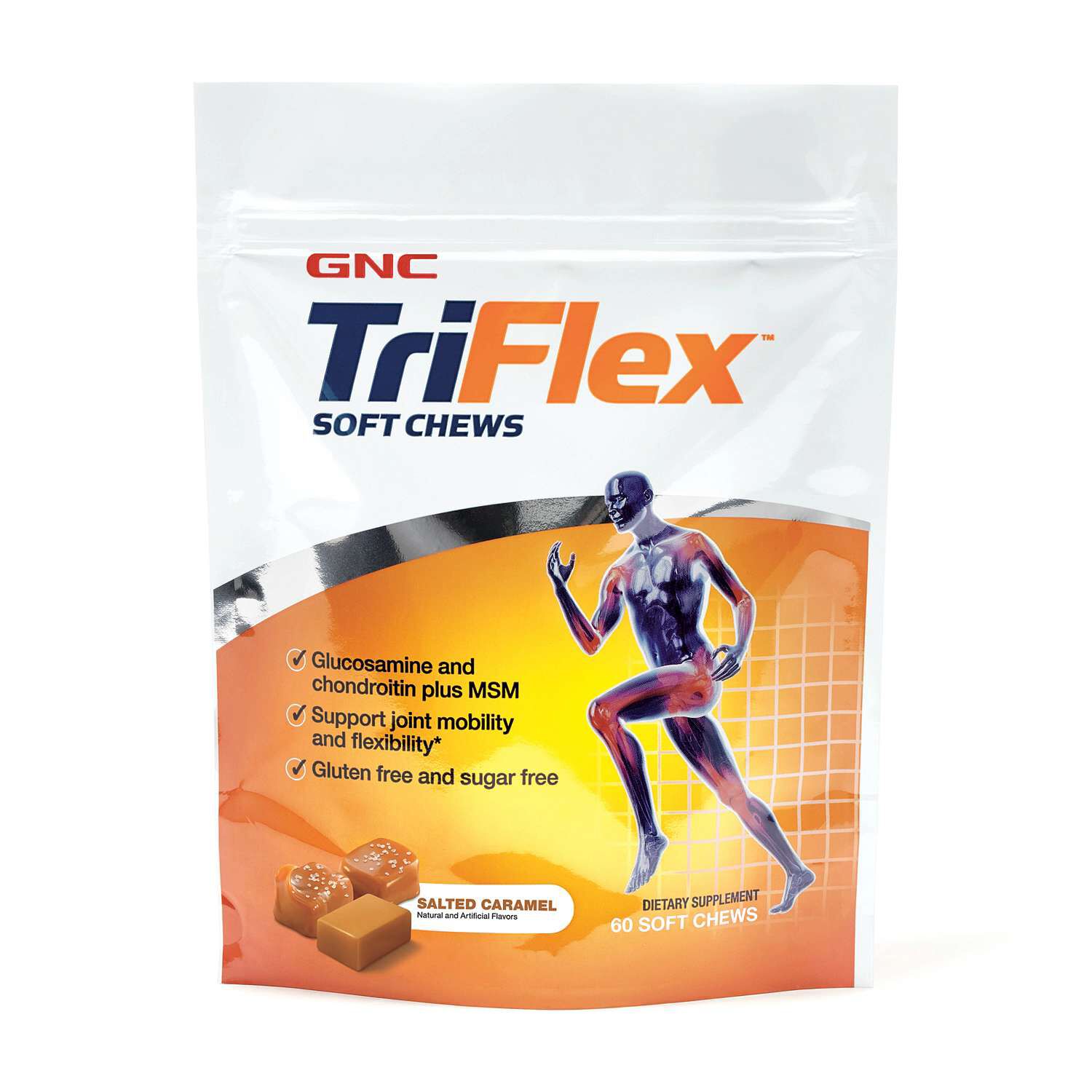
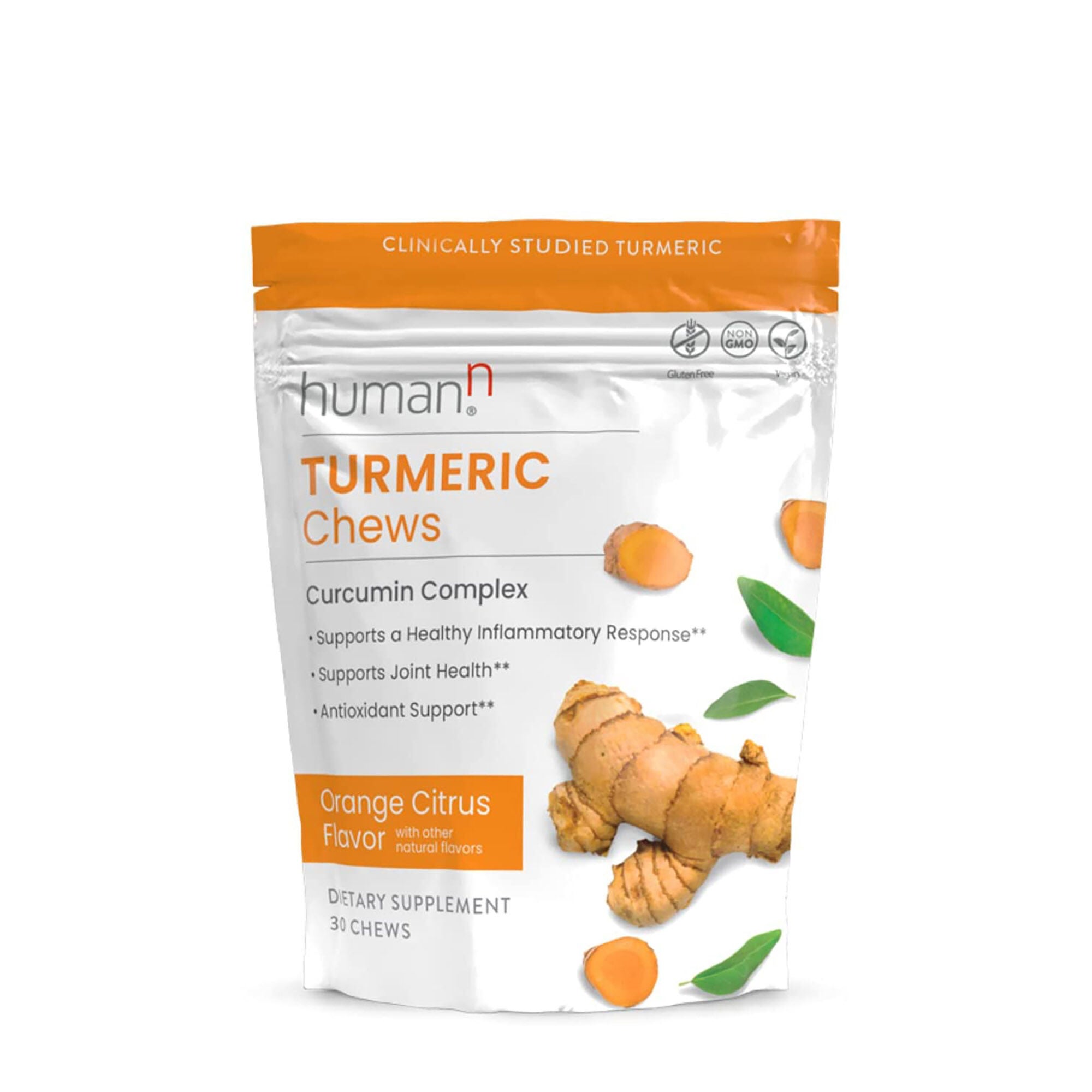
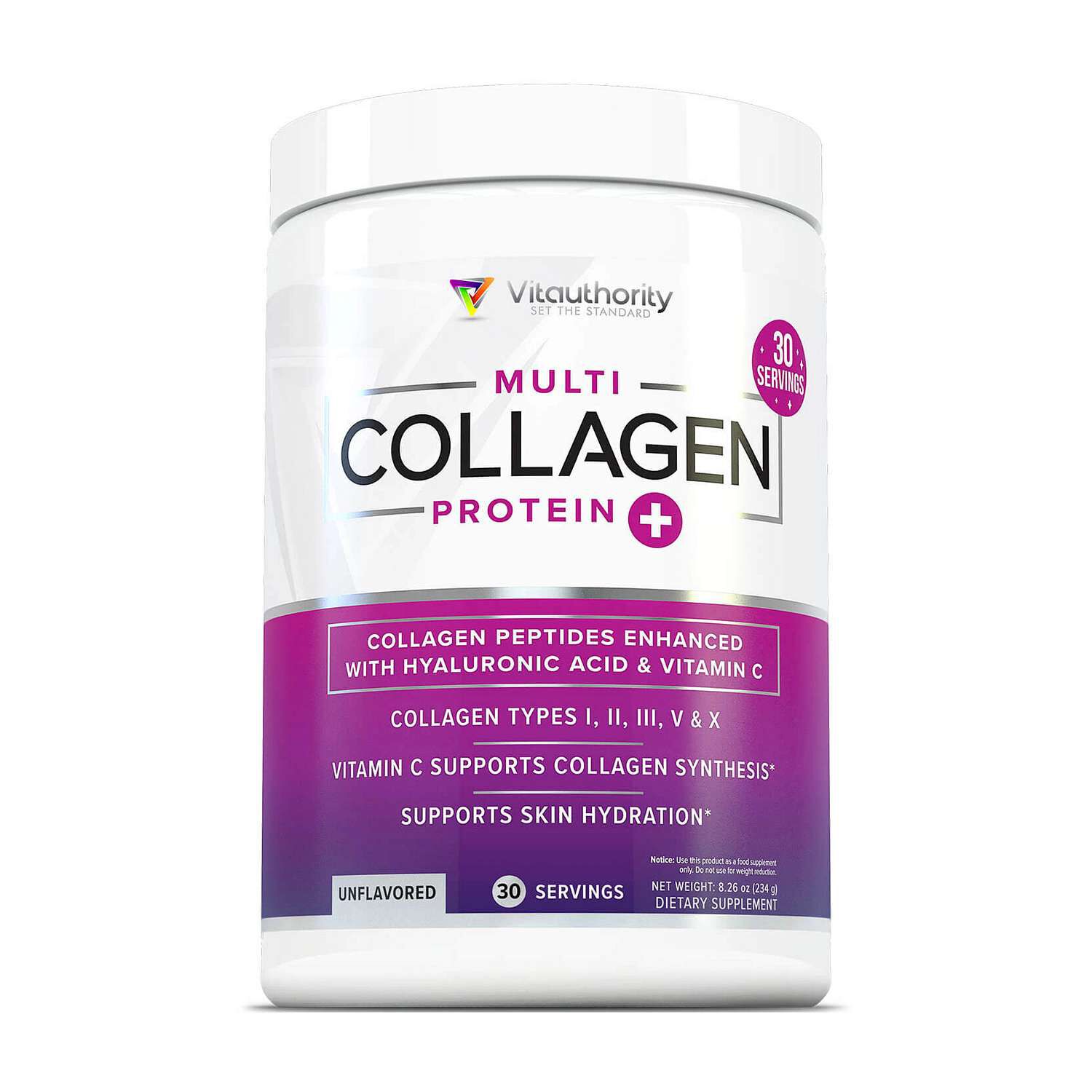
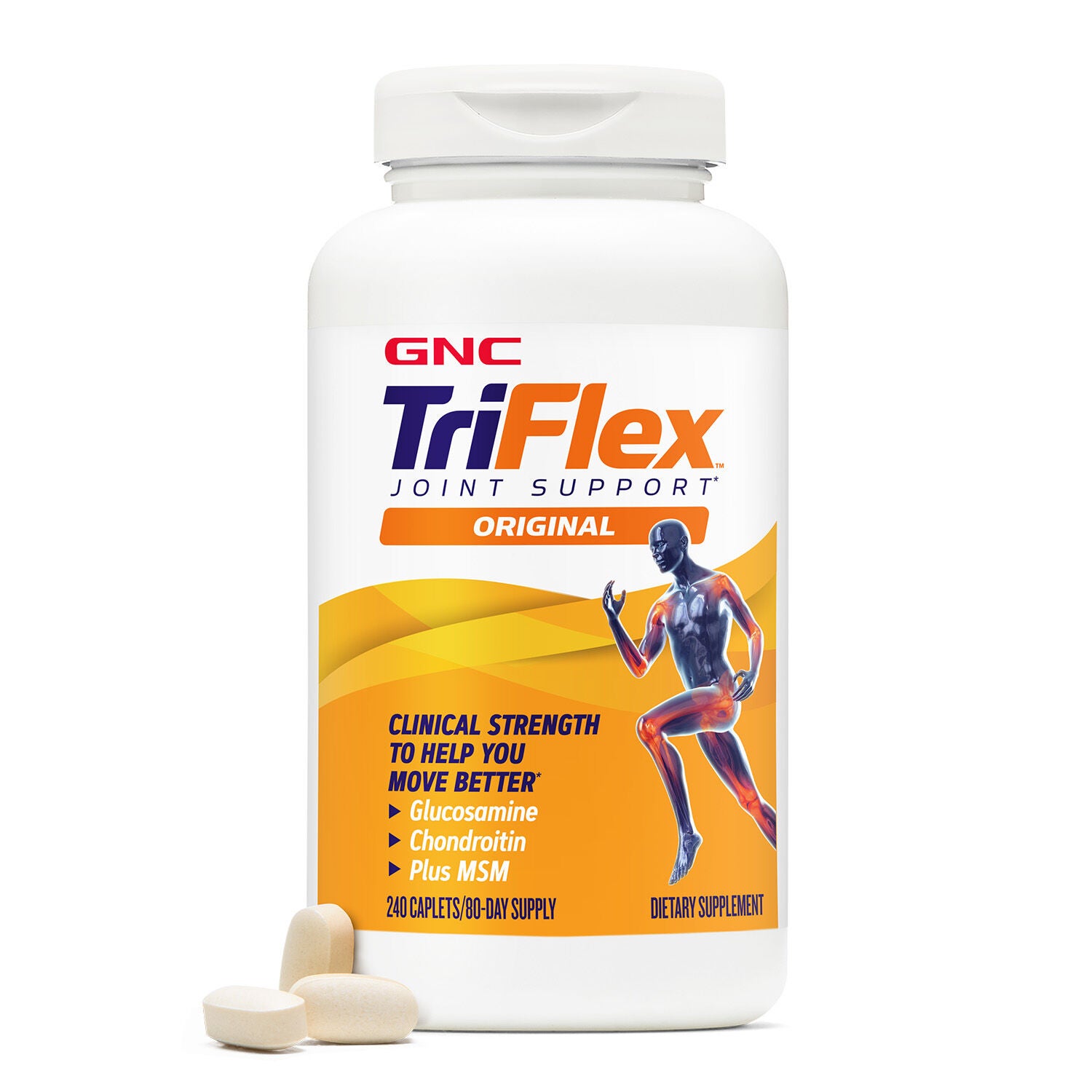
Multi-ingredient joint health supplements bring together two or more ingredients in a single formula intended for everyday joint wellness. Common combinations feature glucosamine, chondroitin, methylsulfonylmethane, often shortened to MSM, collagen, or botanical ingredients such as turmeric. Some formulas also include vitamins and minerals, making the ingredient list an important distinction between otherwise similar-looking bottles. These supplements may support joint mobility and help complement an active routine, but ingredient combinations, serving sizes, and formats differ. For someone who enjoys neighborhood walks, regular gym sessions, or afternoons tending a garden, the practical appeal is having several preferred ingredients in one supplement rather than organizing separate containers. Glucosamine is an amino sugar, while chondroitin is a substance naturally found in cartilage, the connective tissue at the ends of bones. MSM is a sulfur-containing compound frequently included alongside those ingredients. Collagen is a structural protein found in connective tissues, and supplement labels may identify its source and form. Turmeric is a botanical ingredient whose label may distinguish between root powder and an extract containing curcuminoids. These descriptions explain what the ingredients are; the amount and form included still matter when comparing formulas. A blend featuring three ingredients is not necessarily interchangeable with another blend featuring the same three names. One may provide different amounts per serving, use another source material, or require a different number of capsules. A longer ingredient list also does not, by itself, establish that a formula is a better match. For adults comparing multi-ingredient joint supplements, the most useful starting point is a clearly described formula that aligns with personal ingredient preferences and a manageable daily routine. The category spans straightforward combinations and more extensive blends, with meaningful differences often found in the Supplement Facts panel rather than the large lettering on the front of the package.
Ingredient sourcing deserves close attention, especially when dietary preferences influence the choice. Glucosamine can come from shellfish or fermentation, while chondroitin and collagen are commonly animal-derived. A formula that includes a botanical ingredient is not necessarily vegetarian, and a plant-derived capsule shell does not establish the origin of everything inside it. Capsule materials, flavorings, and other ingredients belong in the comparison alongside the featured blend. Shoppers seeking options that align with a vegetarian eating pattern can explore Vegetarian Joint Supplements and examine each formula’s ingredient sources and dietary labeling. For any formulation, distinguish the amount per serving from the amount in an individual tablet, capsule, scoop, or measured portion. A serving may involve more than one unit, so two bottles with similar front-label descriptions can represent quite different routines. Individually listed ingredient amounts make those differences easier to understand. When a proprietary blend lists only a combined amount, the quantity of each component may not be shown. Botanical descriptions offer another point of comparison: turmeric root powder and turmeric extract are different ingredient preparations, and an extract label may specify its curcuminoid content. Collagen descriptions can likewise distinguish hydrolyzed collagen peptides from other collagen forms; these names should not be treated as interchangeable. Vitamins and minerals included in the blend add another layer of detail, particularly for someone who already keeps a multivitamin or another daily supplement on the kitchen shelf. Comparing labels side by side makes repeated ingredients visible without relying on memory. Quality information is also most useful when it is specific. A named independent certification, when present, can provide information about the standards against which a supplement has been evaluated. The certification’s scope matters, since checks involving manufacturing practices, ingredient identity, or certain contaminants address different aspects of a formula. Such labeling does not establish a particular personal outcome. Clear source descriptions, readable serving information, and accessible storage directions provide a more concrete basis for comparison than broad statements on a package.
Format determines much of the day-to-day experience of using a joint health supplement. Tablets and capsules offer a measured format without preparation, although their dimensions and the number in a serving can affect personal preference. Softgels have a different texture and may contain gelatin, which matters to shoppers comparing animal-derived and plant-derived materials. Powders involve measuring and mixing, with flavor, texture, and the suggested mixing method becoming part of the routine. Liquids require attention to the measuring instructions and any directions for handling after opening. Chewable formats may include sweeteners, flavorings, and additional ingredients that deserve the same attention as the featured joint wellness blend. Someone who prefers a brief morning routine may evaluate formats differently from someone who already measures a powder into a drink each day. A person packing a work bag may also care about container size, closure design, and whether the labeled serving is convenient to carry in its original packaging. These everyday details help define fit more meaningfully than the appearance of the bottle. Package count and servings per container are separate measurements, so a large container does not necessarily represent a longer period of use. For consumable products, shelf life and storage take the place of the durability considerations associated with reusable goods. The printed date, package condition, closure, and storage directions all deserve attention. Some liquids may have distinct instructions after opening, while powders and capsules may carry directions concerning moisture or light. Keeping the label readable preserves access to ingredient amounts, serving directions, and handling information throughout use. Multi-ingredient joint health supplements may fit into an adult wellness routine built around everyday movement, varied meals, and rest. Their role is supplemental, and personal experiences may differ. A thoughtful comparison brings together the actual ingredient forms, transparent amounts, dietary suitability, format, and care requirements to identify a formula that suits the person and the routine—not simply the bottle with the most ingredients.