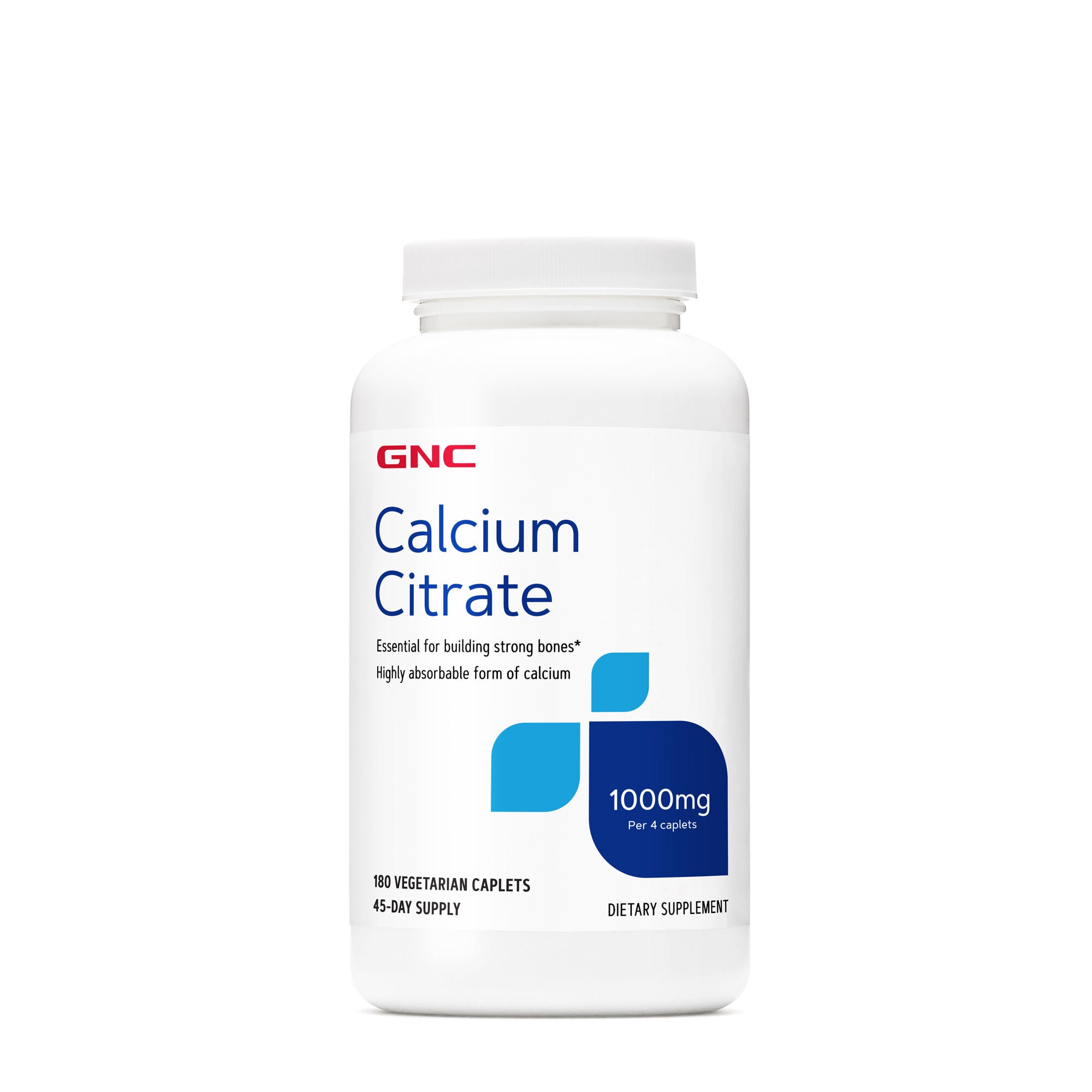
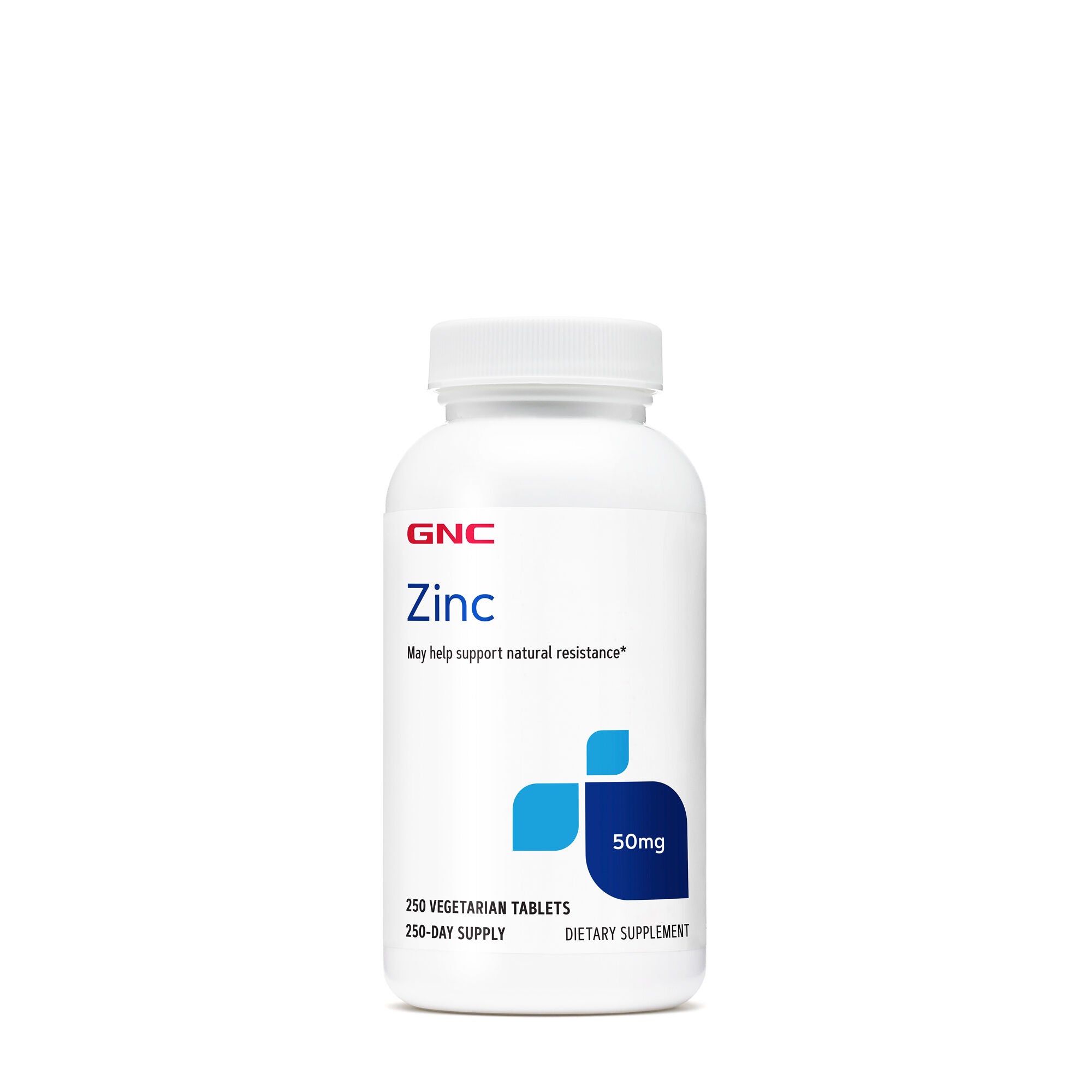
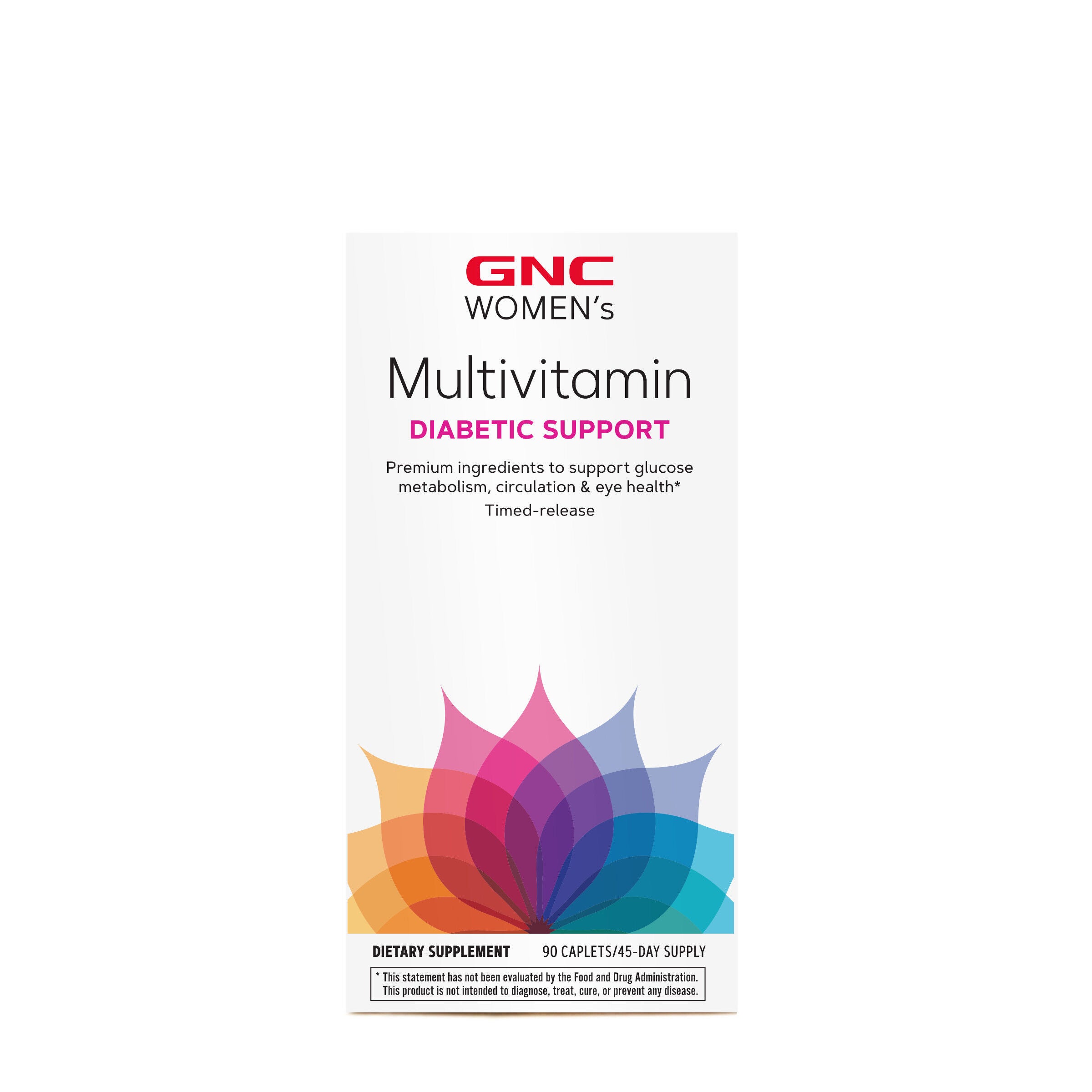
Multimineral Supplements
(0 Results)
Discover a wide selection of multimineral supplements to support your overall health and well-being. Packed with essential minerals such as calcium, magnesium, zinc, and more, these supplements are designed to fill any nutritional gaps in your diet. Whether you're looking to boost your immune system, support bone health, or enhance your energy levels, our range of multimineral supplements offers a convenient way to meet your daily nutrient requirements. Explore our collection and find a supplement that aligns with your health goals and lifestyle needs.

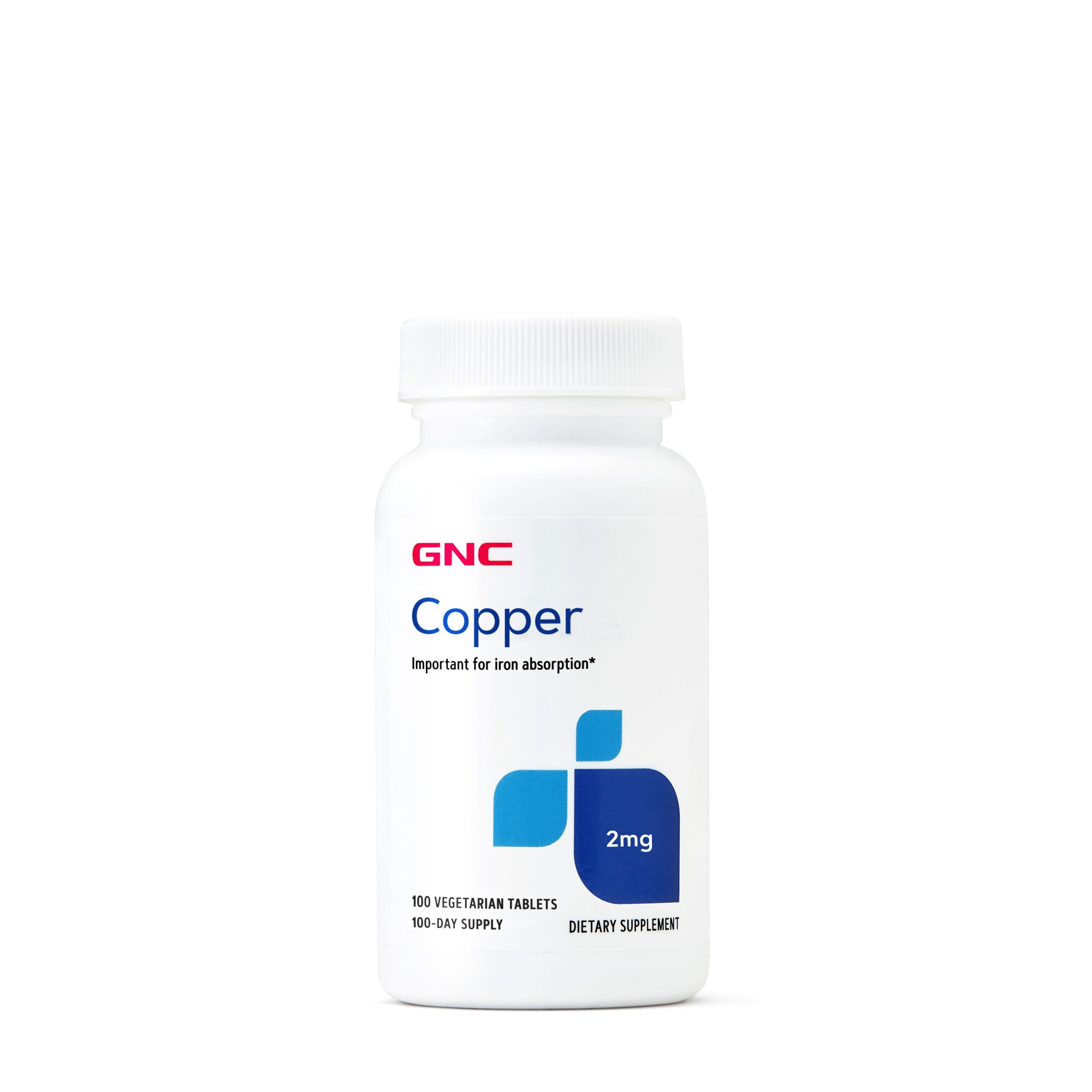
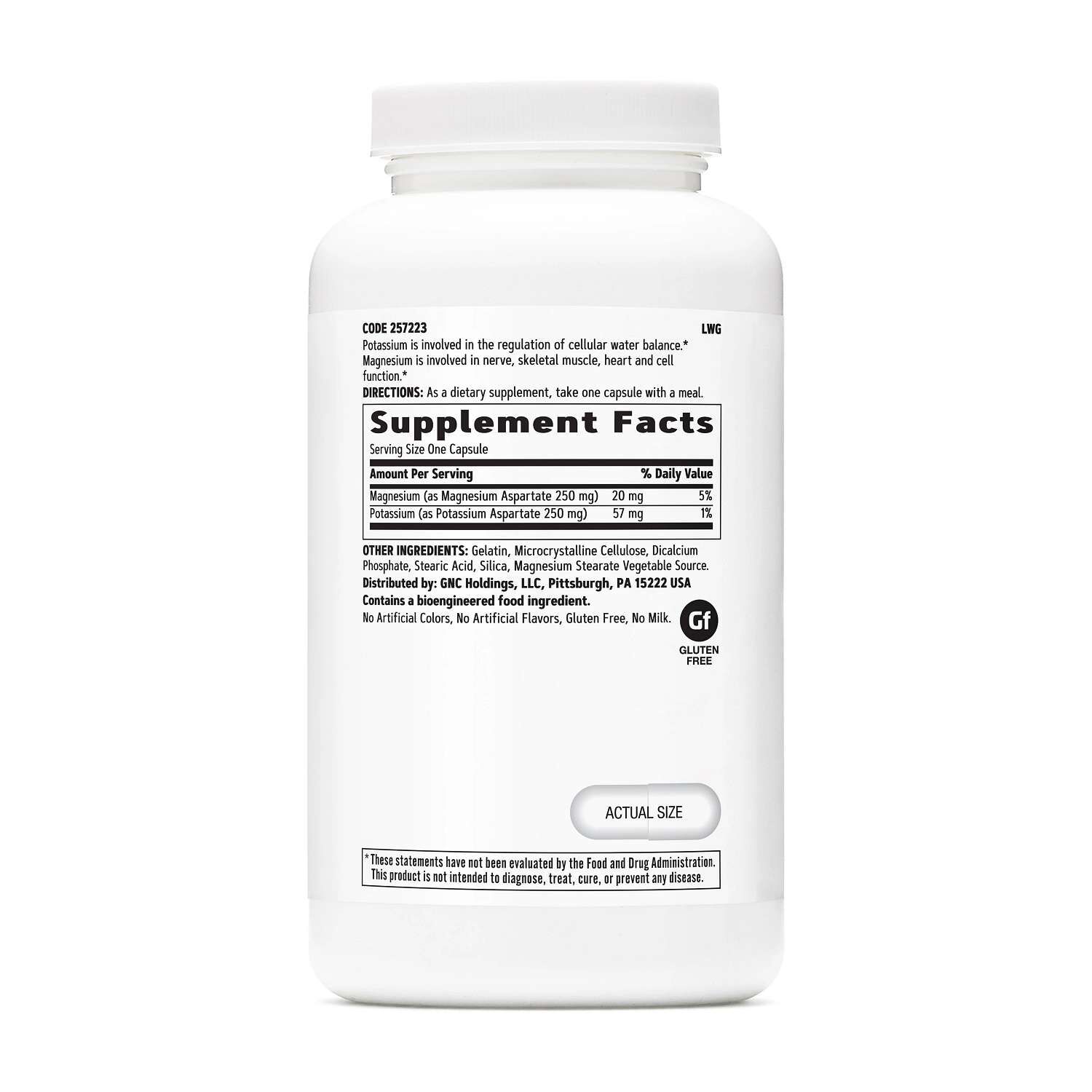


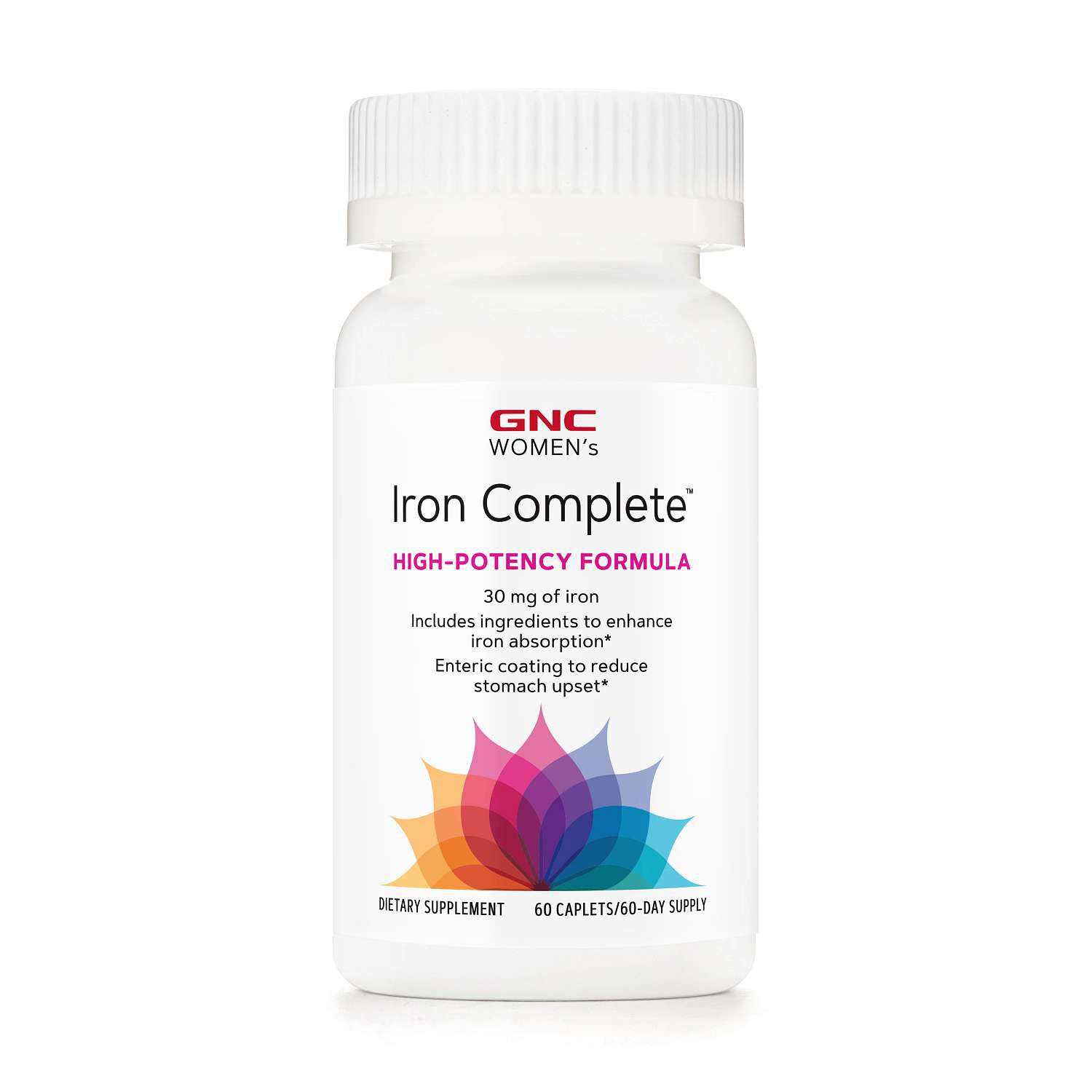





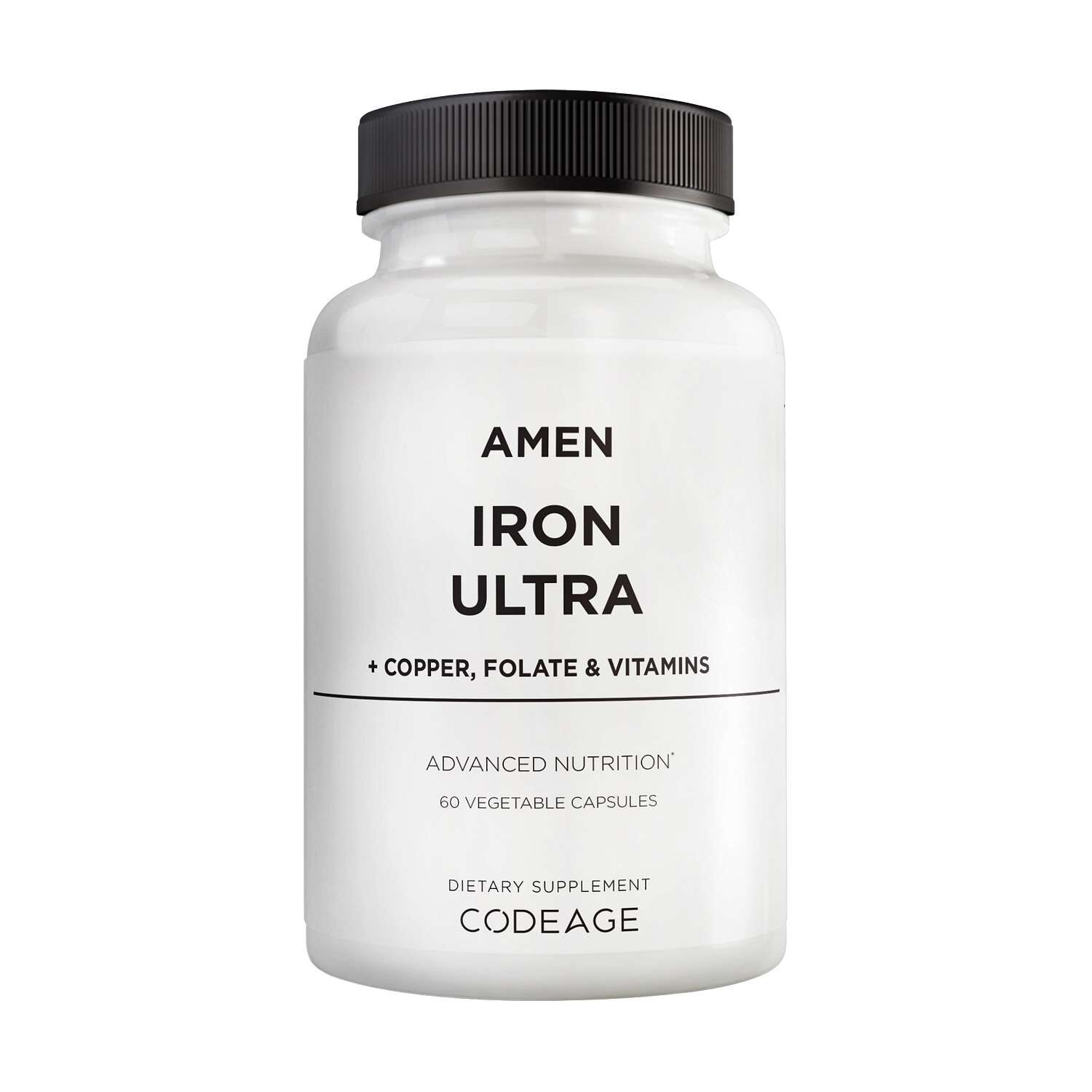
Multimineral supplements combine several dietary minerals in a single formula, offering a different approach from supplements that contain just one mineral. Common ingredients include calcium, magnesium, zinc, selenium, copper, manganese, chromium, and iodine, although the mix and amounts vary from one formula to another. Some blends include iron, while others leave it out. The distinction matters because “multimineral” describes a category, not a standard recipe: two bottles with similar names can have noticeably different ingredient profiles and serving sizes. These supplements may complement mineral intake from food, but they are not substitutes for varied meals. Foods such as beans, nuts, seeds, dairy products, whole grains, and vegetables contribute different minerals alongside other nutrients, giving dietary context to the ingredients listed on a supplement label. For shoppers comparing multimineral supplements, the most useful starting point is the Supplement Facts panel rather than the number of ingredients highlighted on the front of the package. That panel identifies each listed mineral, its amount per serving, and its percentage of the Daily Value where one has been established. Daily Values are general labeling references, not personalized intake targets. A longer ingredient list does not automatically make a formula a better match, and a higher amount of a particular mineral does not establish that it is the right choice for every person. Some shoppers prefer a mineral-only blend, while others are comparing mineral combinations with multivitamin and mineral formulas that also contain vitamins. Those are distinct options, even when their packaging looks similar. Adults building a consistent supplement routine, people comparing dietary ingredient preferences, and shoppers who already know which minerals they are looking for may approach this category with different priorities. Understanding what a formula contains—and what it leaves out—makes those differences easier to recognize without relying on broad front-label descriptions.
The details behind the mineral names add another layer to a useful comparison. Calcium may appear as calcium carbonate or calcium citrate, while magnesium may be listed in forms such as magnesium citrate, magnesium glycinate, or magnesium oxide. The name in parentheses on a Supplement Facts panel generally identifies the source of the mineral. The declared mineral amount is different from the weight of the entire source compound, a distinction that helps explain why ingredient names alone do not tell the whole story. Some formulas describe certain minerals as chelated, meaning the mineral is bound to another molecule, often an amino acid. That term describes a form; it does not, by itself, establish that one blend will perform better for every shopper. Product format also shapes the everyday experience. Tablets and capsules provide measured portions, but a labeled serving may consist of more than one piece. A bottle containing 90 capsules, for example, represents 30 servings when the serving size is three capsules. Powders and liquids involve measuring, while chewable formats introduce considerations such as flavor, texture, and sweeteners. For someone who prefers an unflavored routine, a capsule may be a more practical fit than a flavored powder. Someone who dislikes larger tablets may place more importance on dimensions and serving format than on bottle size. The other ingredients list is useful here, too: capsule shells can contain gelatin or plant-derived materials, and formulas may include binders, coatings, colors, flavors, or sweetening ingredients. Shoppers with dietary preferences can look for explicit statements about vegetarian or vegan suitability and review allergen information rather than assuming that a mineral-based formula meets those preferences. Packaging and label details provide a clearer basis for comparison than broad assumptions about what a tablet, capsule, or powder contains. The best fit for a routine involves both the mineral profile and the practical details of using the chosen format as labeled.
Intended use is another important distinction within multimineral supplements. A broad mineral blend differs from a calcium-and-magnesium combination, a trace mineral formula, or an electrolyte-focused mix, even though all contain multiple minerals. Trace minerals are minerals the body requires in smaller quantities; “trace” refers to quantity, not to their importance in nutrition. Electrolyte-focused formulas emphasize a different mix and may have different serving instructions from a general daily mineral supplement. The category name alone therefore cannot establish that two formulas are interchangeable. Shoppers exploring Daily Mineral Supplements can compare ingredient profiles, serving formats, and label directions with the same attention to detail. A practical comparison also accounts for other supplements already in a routine, since a multivitamin, a single-mineral capsule, and a multimineral blend can contain overlapping ingredients. Identifying that overlap is a label-reading step, not a reason to assume that combining formulas is appropriate. Everyday details matter just as much when deciding whether a format suits a particular setting. A powder requires a measuring step and any preparation specified on its label, while a capsule does not involve flavor or mixing. A liquid may require a marked measuring device, and a chewable has a texture that becomes part of the daily experience. For shared households, clearly labeled containers help distinguish one person’s supplements from another’s. Original packaging also keeps serving instructions, ingredient information, lot details, and expiration dates together. Follow the storage directions on the package, keep closures secure, and protect the contents from moisture; a bathroom shelf beside a steamy shower is not the same environment as a dry storage cabinet. Keep supplements out of children’s reach, including flavored formats that resemble familiar treats. Ultimately, comparing multimineral supplements is about understanding the formula, the portion, and the format together. A clearly described mineral combination with readable directions and a format that suits an established routine offers a more meaningful point of comparison than an impressive-sounding name alone.