Multivitamin Capsules For Sensitive Skin
(0 Results)
Multivitamin capsules for sensitive skin are thoughtfully crafted for those who want to support their daily wellness routine while being mindful of their unique skin needs. With a variety of options available, these capsules may offer a convenient way to incorporate key nutrients into your day. Explore selections that could fit seamlessly into your lifestyle and help you feel confident about your self-care choices.
-
-
-

-
-
-

-

-

-

-
 $24.99
-
-
-
-

-

-

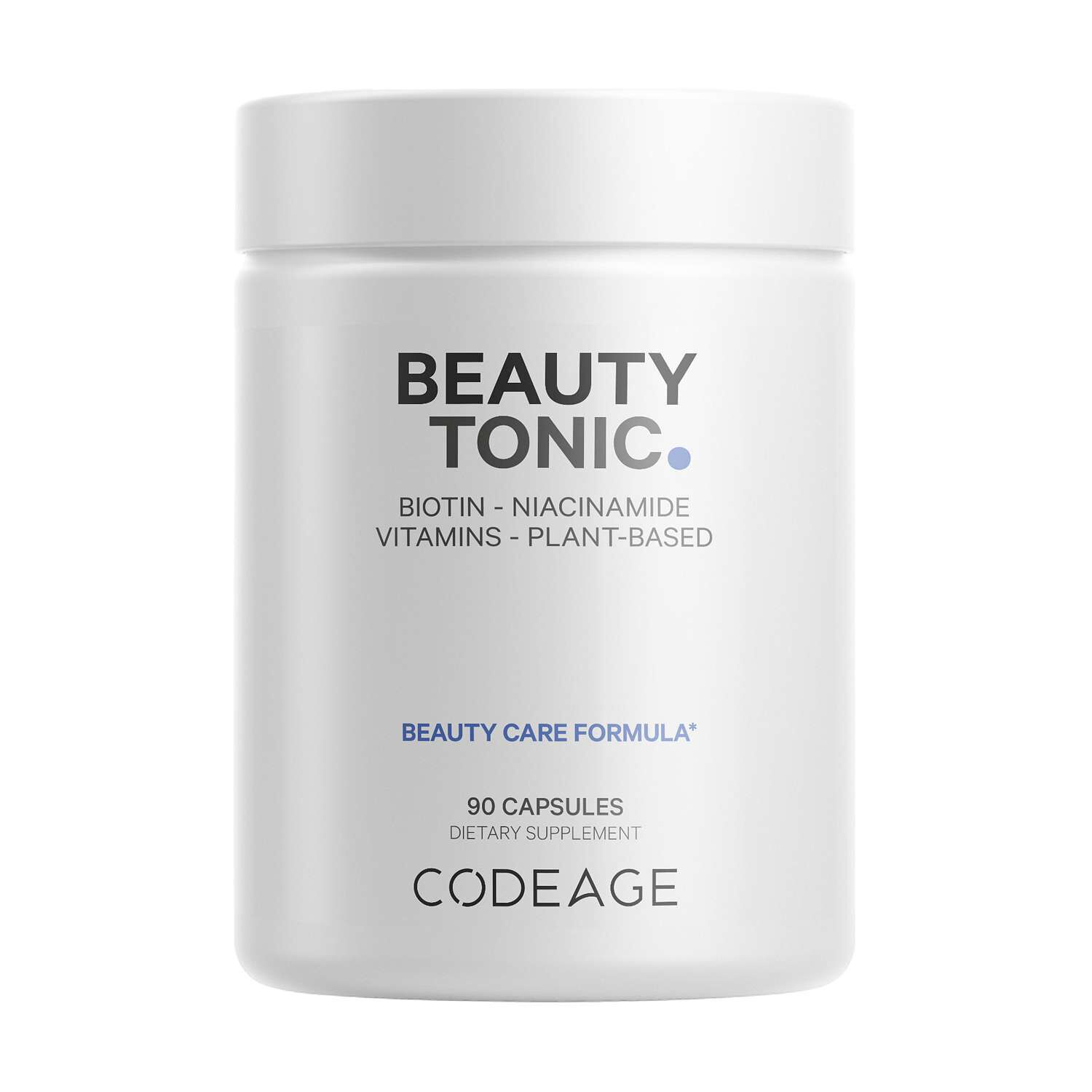

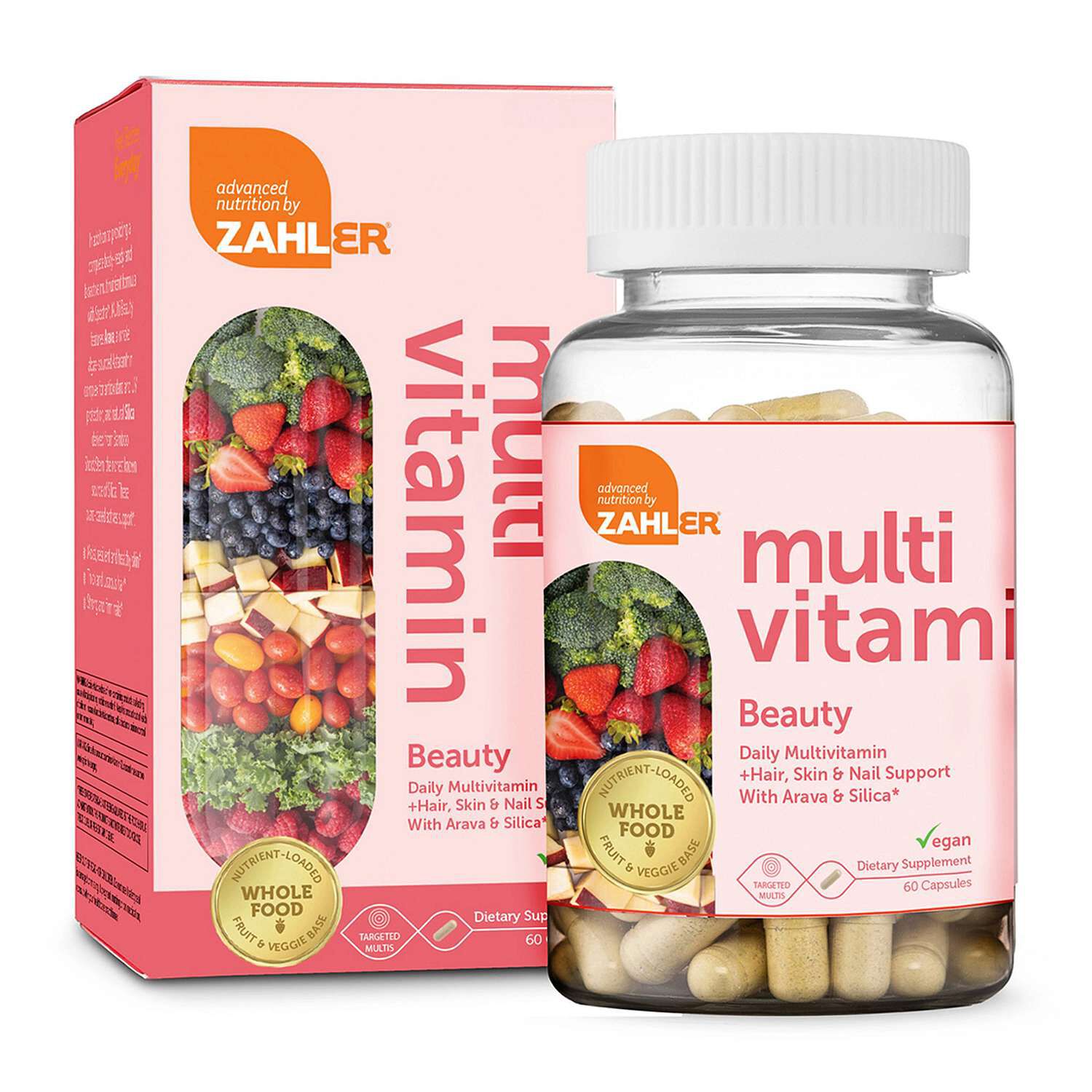

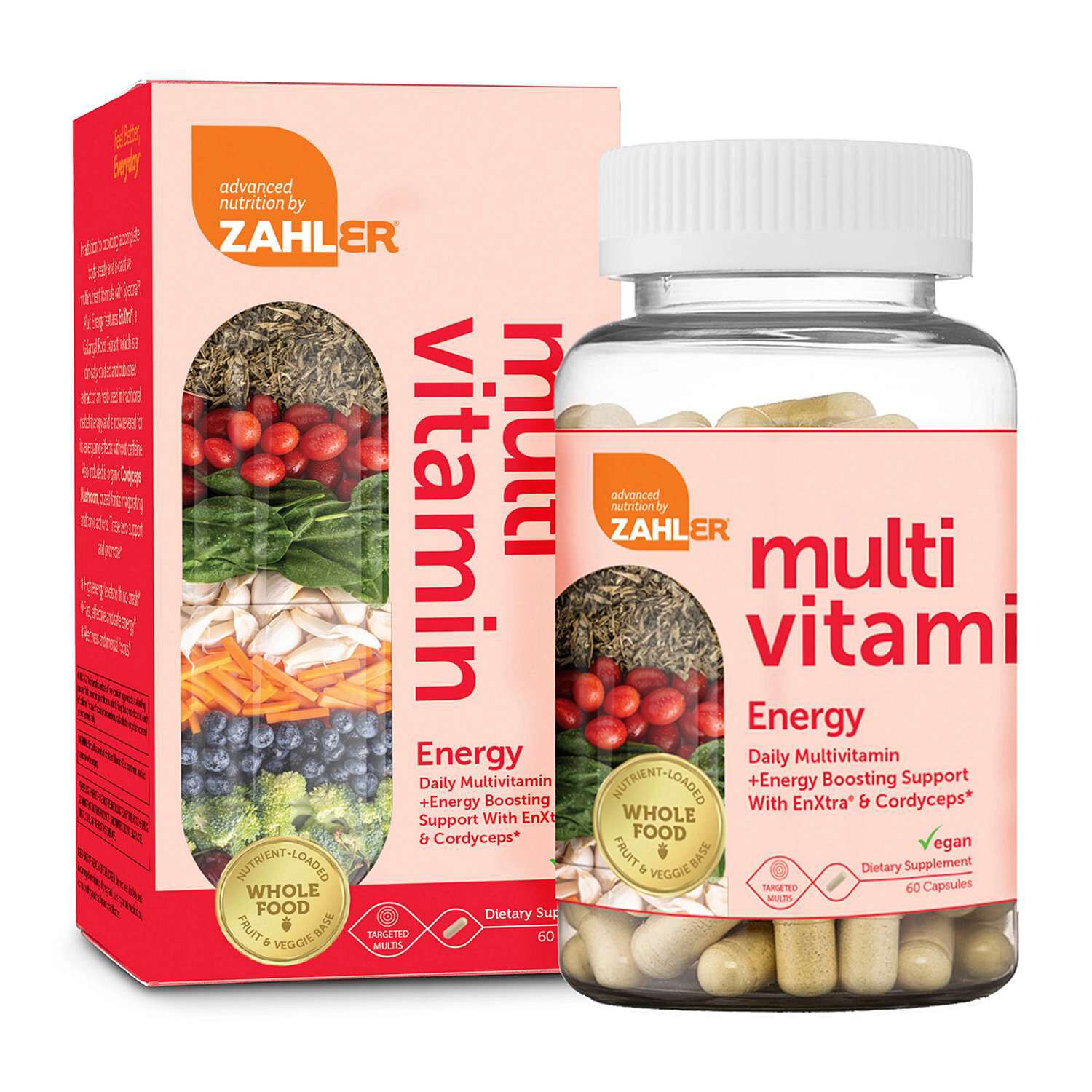
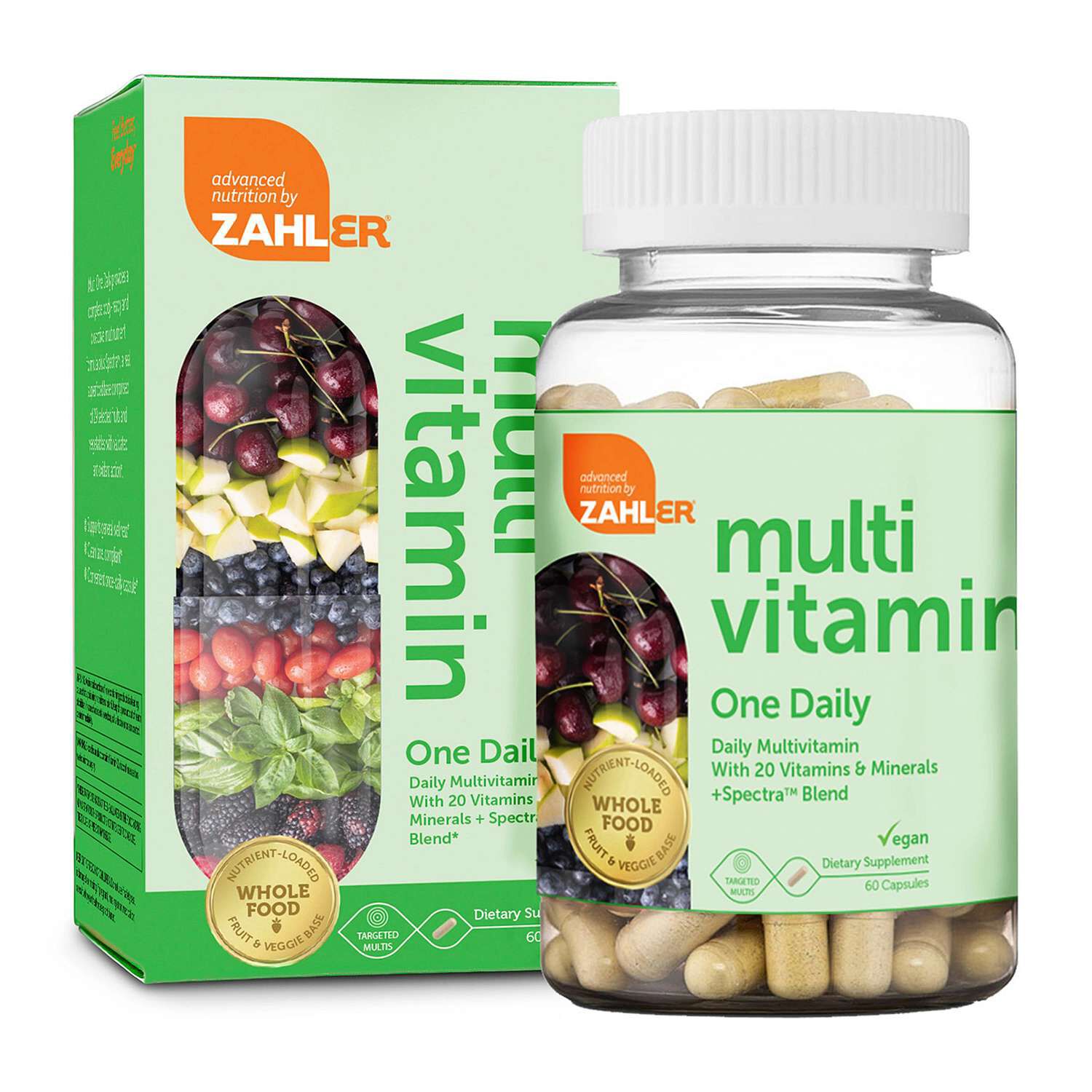
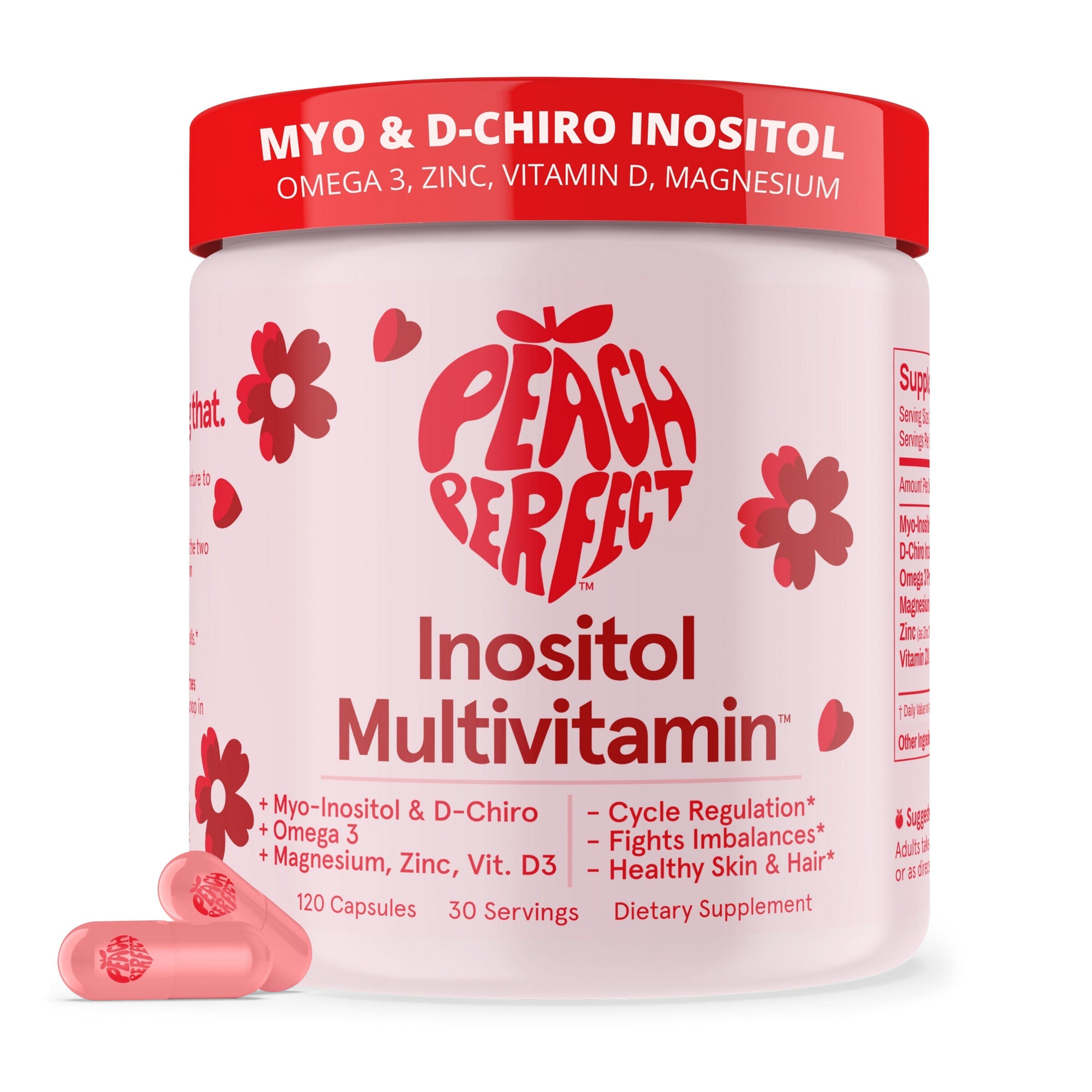
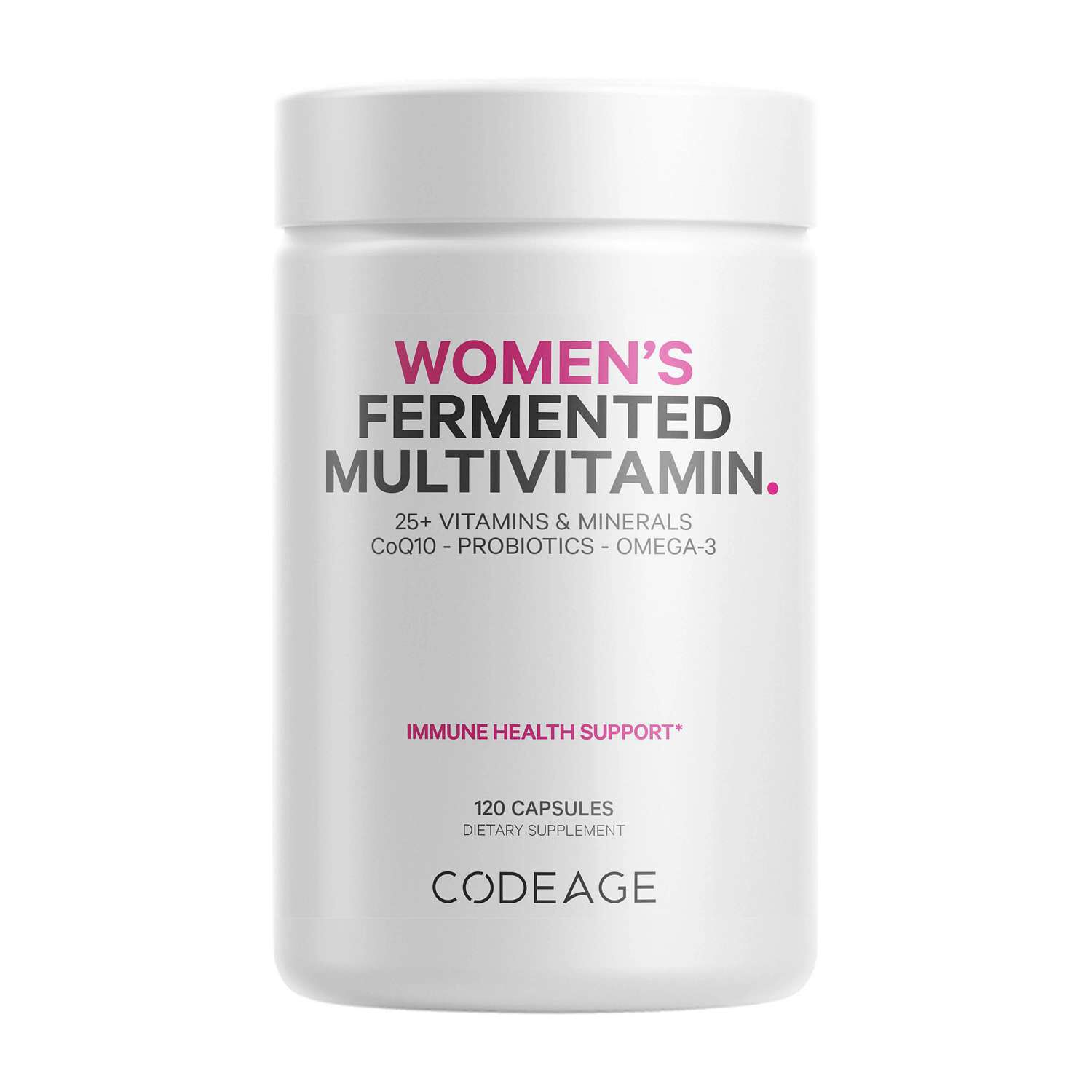
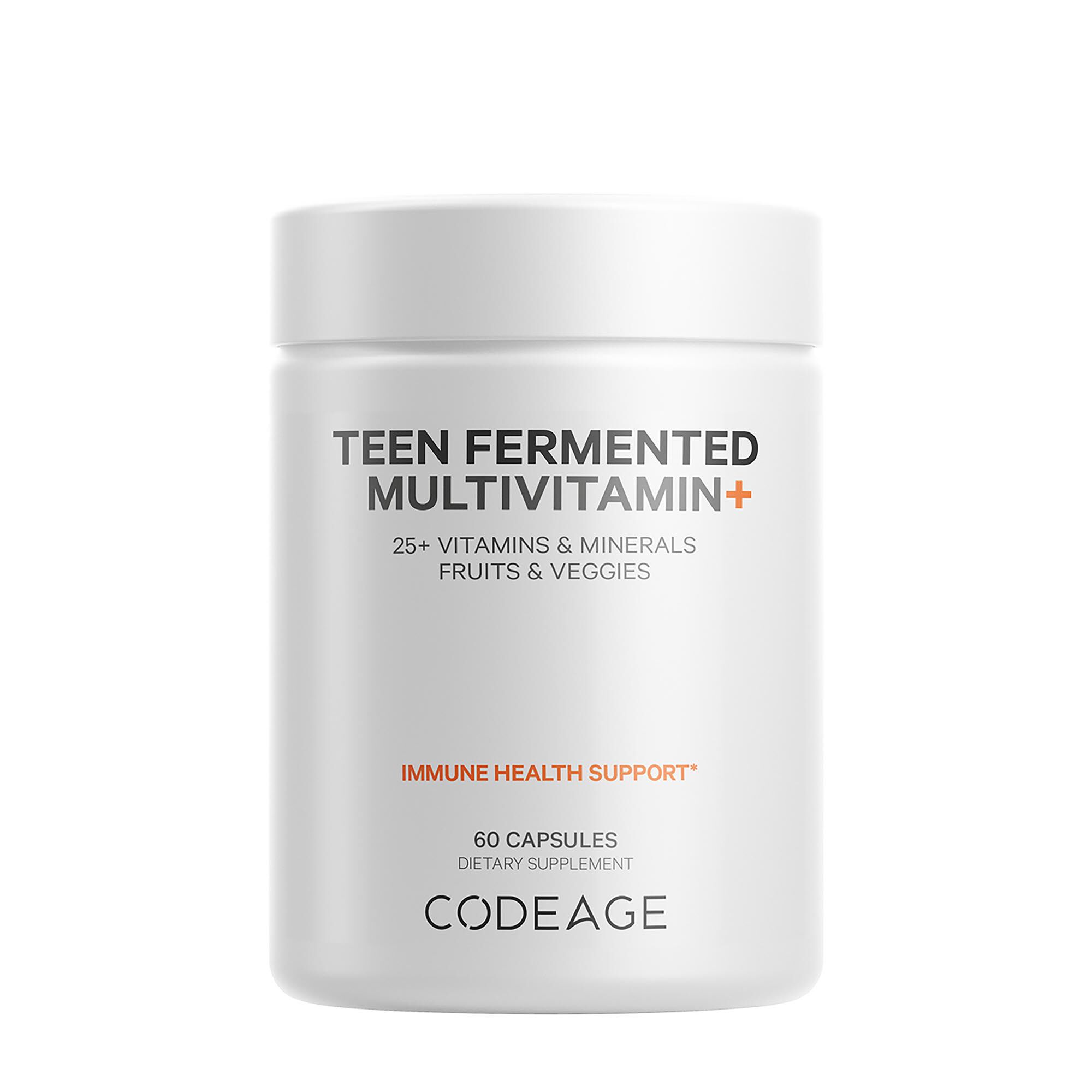
Multivitamin capsules for sensitive skin bring together a familiar supplement format and an ingredient-conscious approach to everyday nutrition. For shoppers who pay close attention to the products in their skin care routine, the same interest in clear labeling can extend to supplements. These capsules are oral dietary supplements rather than products applied to the face or body, and the phrase “for sensitive skin” does not describe one standardized nutrient blend. A name or label alone cannot establish how a formula might suit an individual. What distinguishes multivitamins is the combination of nutrients, their amounts per serving, the capsule material, and the additional ingredients used to make the finished product. Depending on the formula, a multivitamin may include vitamins A, C, D, and E, several B vitamins, and minerals such as zinc, selenium, iodine, or copper. Some formulas include iron, while others do not. Those differences describe composition, not a ranking of which option is better for every shopper. A multivitamin may complement dietary intake, but its nutrient list is not evidence of a particular skin outcome. Biotin, niacin, vitamin B6, and vitamin B12 deserve the same straightforward label attention as other nutrients: their presence, amount, and form are more informative than a prominent mention on the front of the bottle. The Supplement Facts panel provides a useful basis for comparing those details. Amounts listed in milligrams and micrograms are different units, while Daily Value percentages offer another reference point. Serving size matters just as much. A nutrient amount shown for a serving of several capsules is not necessarily the amount in one capsule. For someone accustomed to a single morning capsule, that distinction can change how a bottle fits into an established routine. The most relevant product details are therefore concrete ones: what is included, how much each serving contains, and how the labeled format matches personal preferences.
Capsule construction adds another layer of distinction within this category. Shells commonly use gelatin or plant-derived materials such as cellulose, and that material is usually identified in the ingredient information. A plant-derived shell describes the capsule itself; the rest of the formula still has its own ingredient sources to consider. For shoppers with vegetarian or vegan preferences, that distinction makes the full label more useful than the appearance of the capsule. The contents can also differ in texture and composition, from powdered vitamin and mineral blends to formulas with additional botanical ingredients. More ingredients do not automatically make a multivitamin more appropriate for sensitive skin. Likewise, a shorter list does not establish personal suitability. The Other Ingredients section identifies components beyond the nutrients listed in Supplement Facts, including capsule materials, coloring ingredients, and substances used during manufacturing. These details can matter to someone who prefers an uncolored capsule or wants to avoid a particular ingredient already excluded from their routine. Allergen declarations and statements about shared manufacturing equipment provide additional information, although they describe different aspects of production. Broad descriptions such as “clean” or “gentle” are less specific than an actual ingredient list and should not be treated as proof of a skin-related benefit. Documented testing or certification can add context when its scope is clearly explained, but it does not establish an individual skin outcome. Physical format also deserves attention. Capsules vary in length, width, shell appearance, and serving count, and photographs do not always make their dimensions obvious. A compact bottle may contain a serving that calls for several capsules, while a larger container may simply hold more servings. Capsule dimensions, the labeled serving size, and the number of servings per container offer a clearer picture than bottle size alone. For someone fitting supplements into a crowded kitchen cabinet or a small travel organizer, these practical details can be as meaningful as the nutrient list.
Everyday use also involves the package around the capsules. Bottle closures, inner seals, label readability, and storage directions are relevant parts of the format, especially for products opened repeatedly over time. The container helps keep the capsules together with their ingredient information, serving directions, lot identification, and date markings. Storage requirements vary by formula, so the directions on the individual package remain the relevant reference rather than assumptions based on another supplement. Capsule shells and their contents may be affected by moisture or unsuitable storage conditions; keeping the label accessible makes those requirements easier to check. A bathroom shelf may be convenient, but the package’s stated storage conditions provide a more useful basis for choosing a location. For people who travel, the original packaging also keeps the product identity and directions alongside the capsules. Intended use is another point of comparison: adult formulas, age-designated formulas, and blends organized around particular dietary preferences can have different compositions even when their front labels look similar. The multivitamin capsule format does not make those formulas interchangeable. A routine that already includes other supplements also has more than one ingredient panel to account for, since nutrients can appear in multiple products. Sensitive skin and digestive preferences are separate considerations, even when both influence the same shopping decision. Shoppers comparing capsule formats alongside digestive preferences can also explore Multivitamins for Adults With Sensitive Stomachs for a related category. Neither category name substitutes for the details of the individual formula. For a gift, familiarity with the recipient’s established supplement preferences matters more than attractive packaging or a skin-focused description. Across these considerations, multivitamin capsules for sensitive skin are best understood through their specific, visible characteristics: nutrient composition, clearly identified capsule materials, readable ingredient information, and a format that fits the intended user’s routine. Those details keep the focus on the product itself rather than expectations about a particular complexion result.