





Multivitamin Supplements For Adults Over 50
(0 Results)
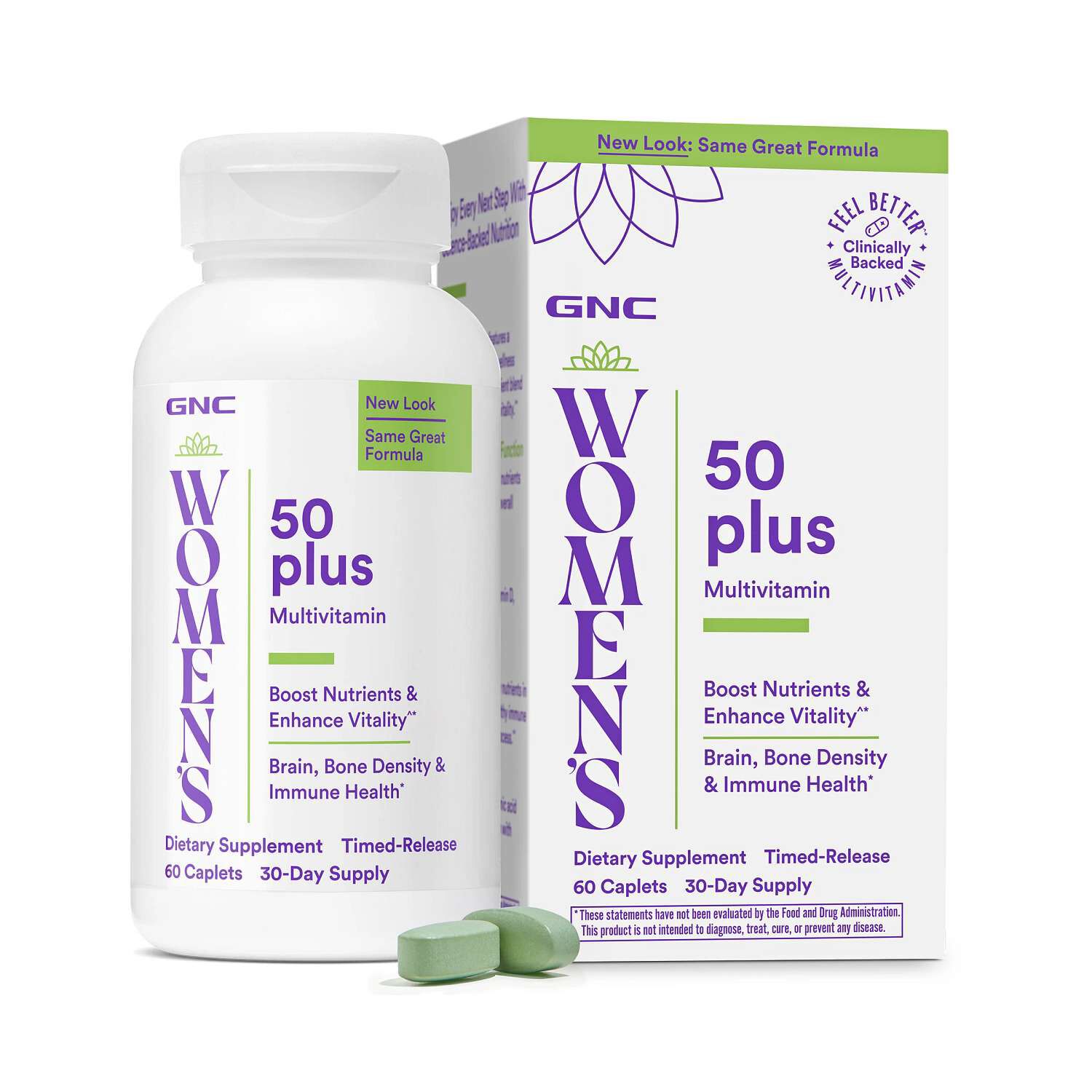
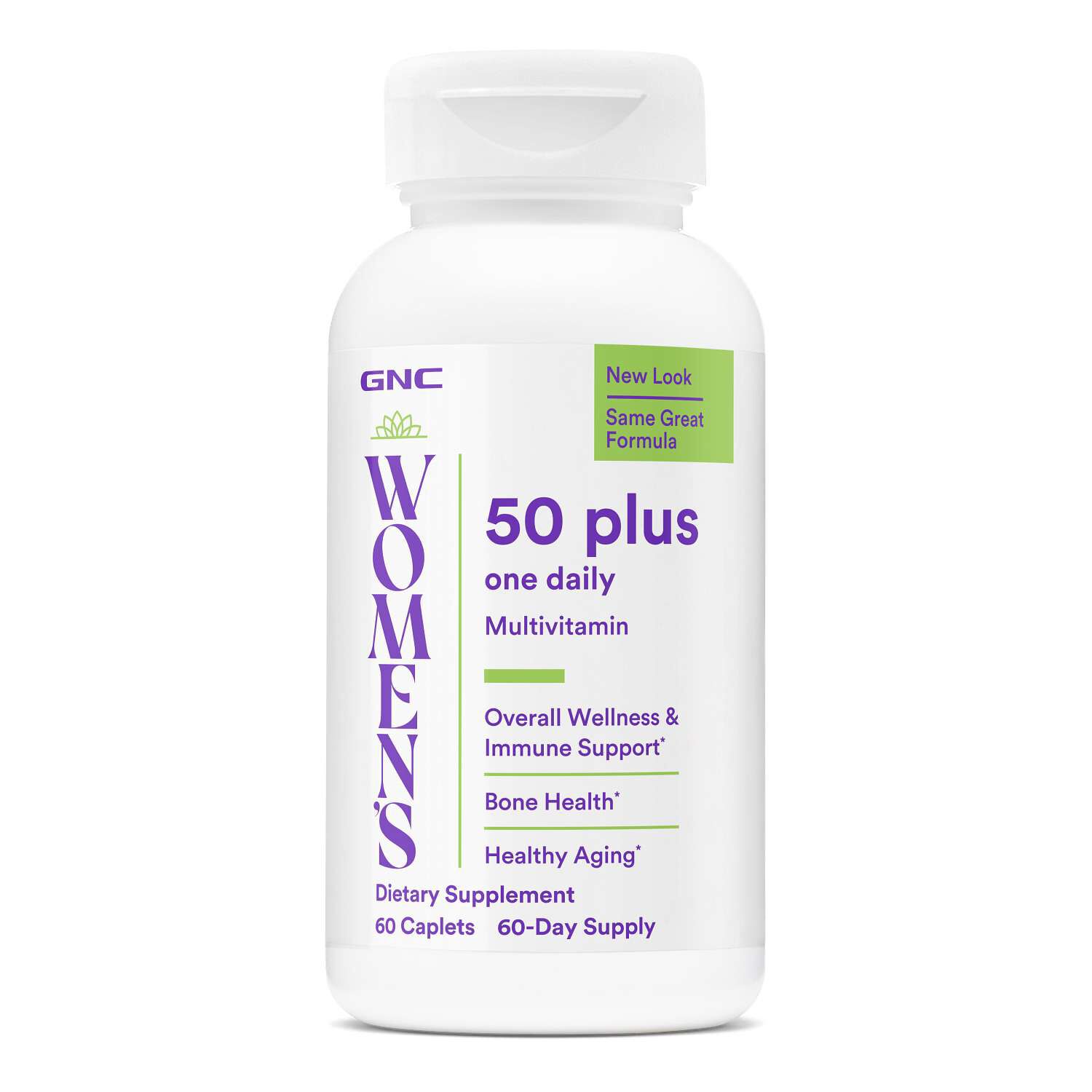
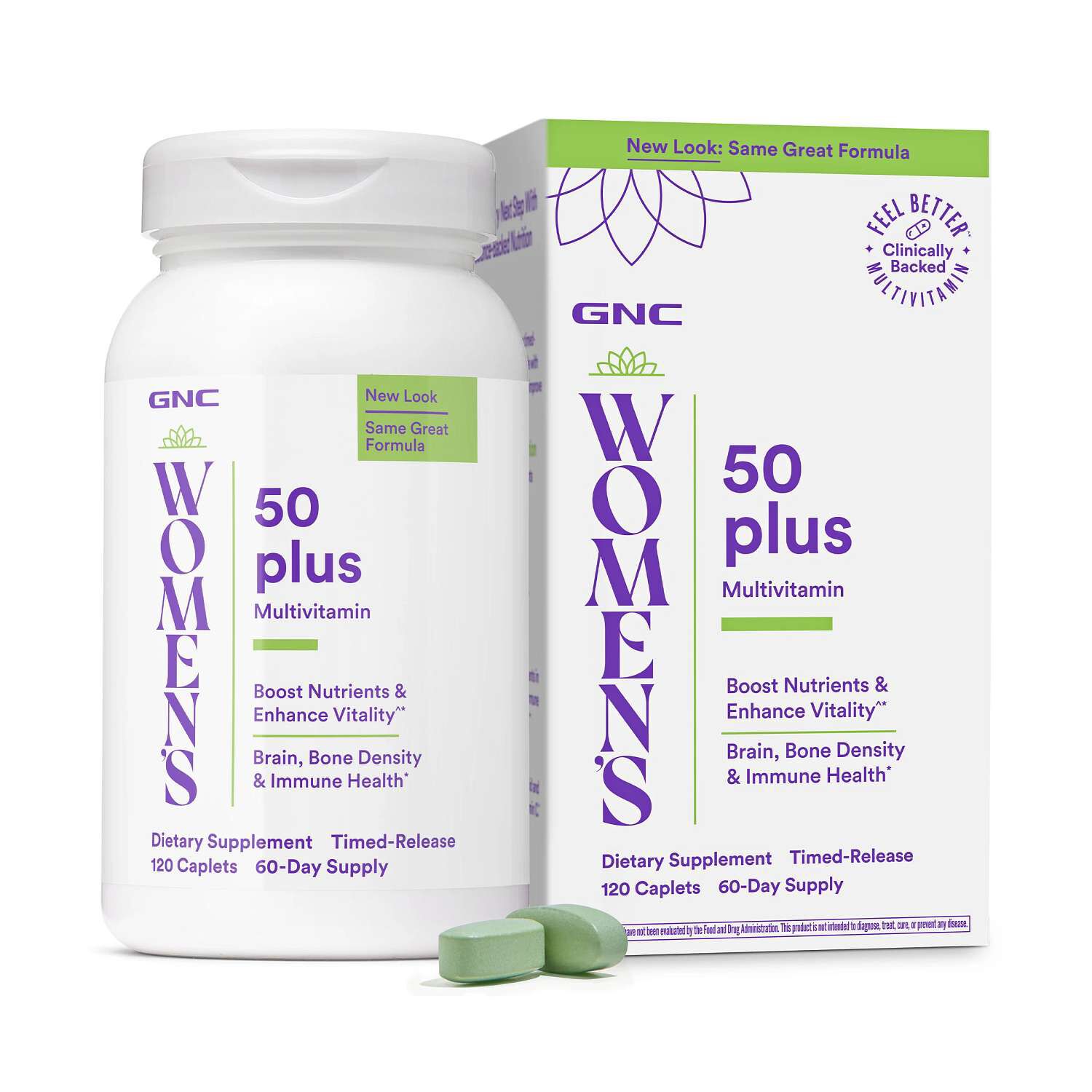
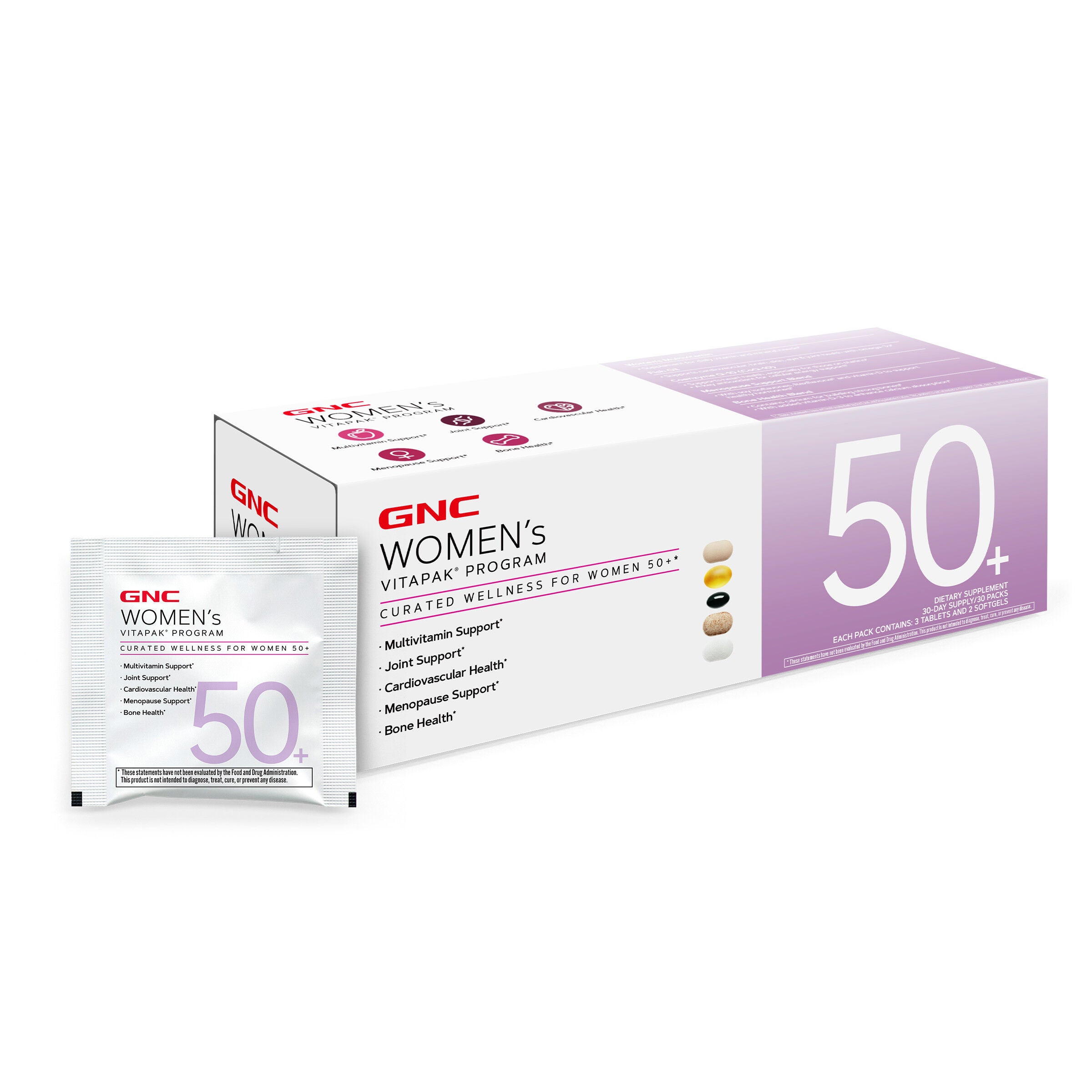
Multivitamin supplements for adults over 50 are designed to support the unique nutritional needs that may arise with age. With a wide range of formulas available, these supplements could help fill dietary gaps and contribute to overall wellness. Whether looking to complement a balanced diet or seeking convenient options for daily nutrition, multivitamin supplements for adults over 50 might offer an easy way to prioritize well-being every day.
-
-
-
-
-
-

-
 $42.99
-
-

-
-

-
-

-

-

-

-
-
-
-
-

-

-
-
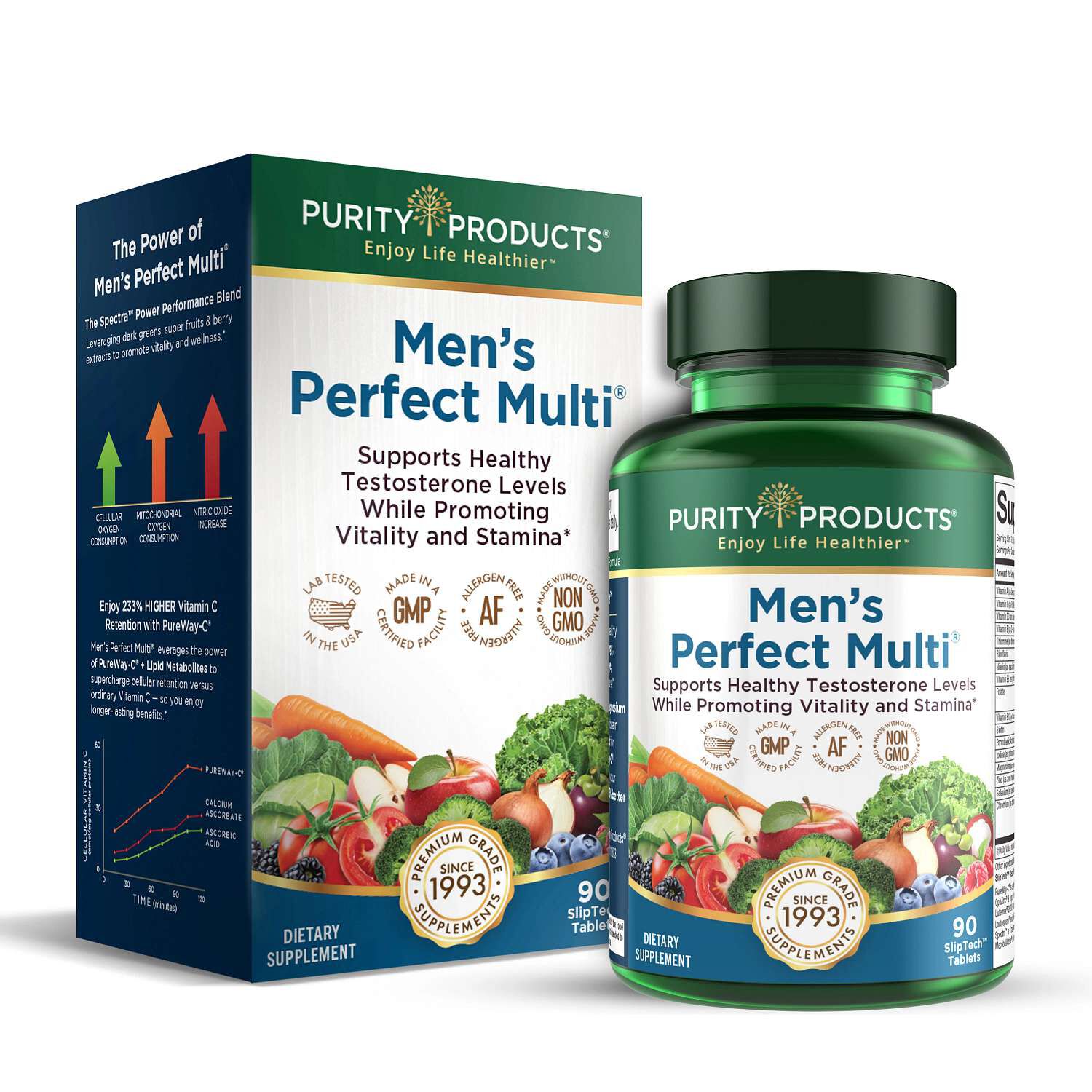
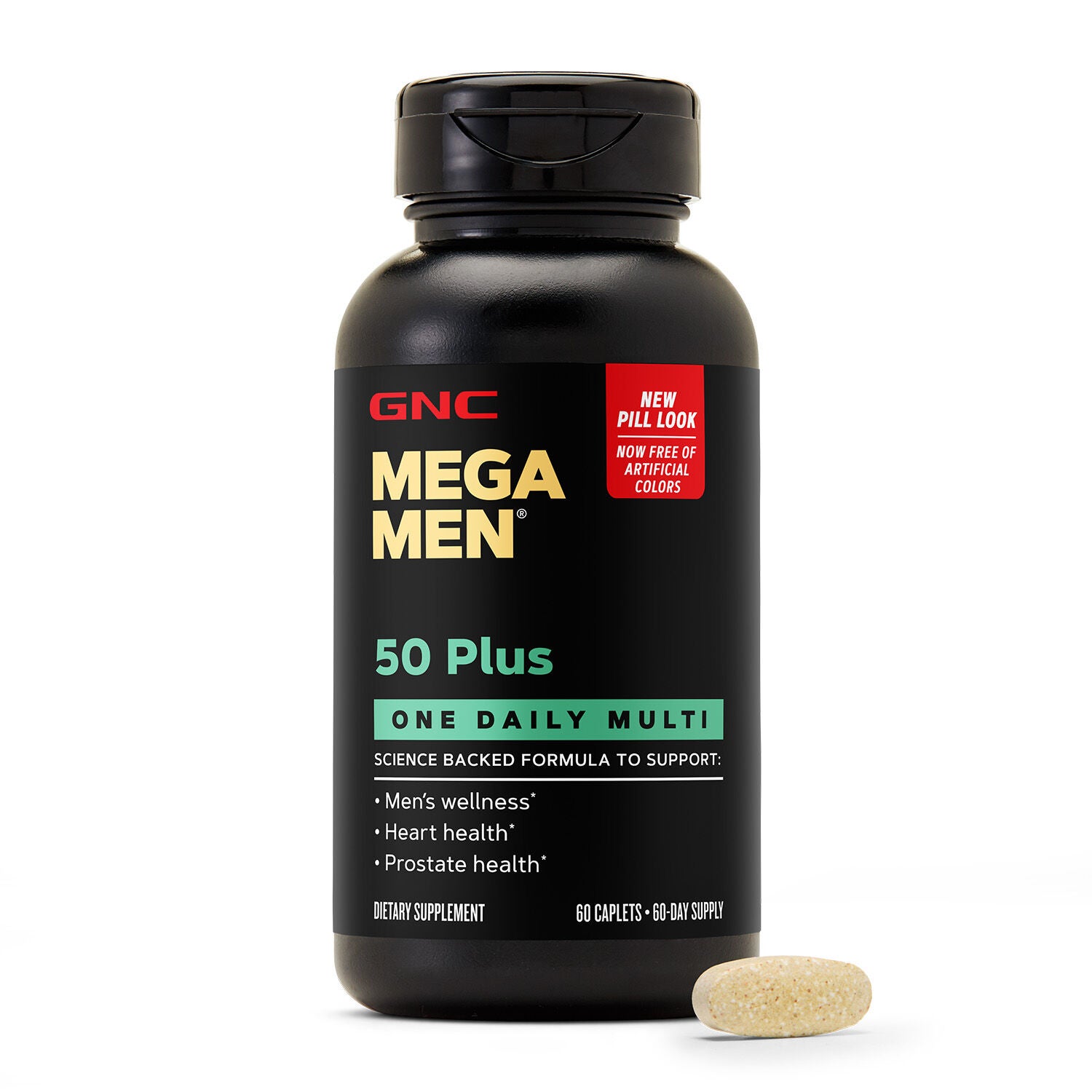
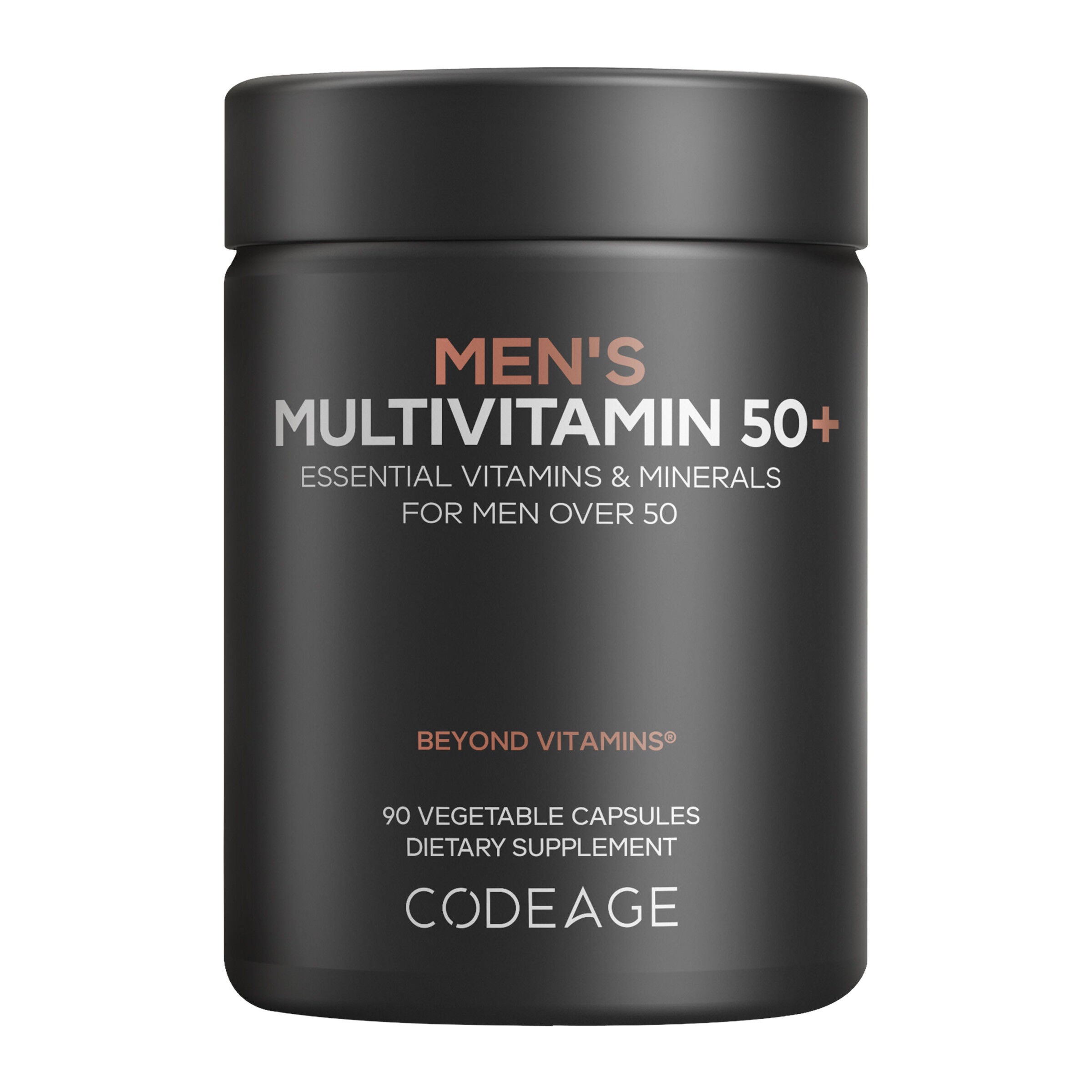
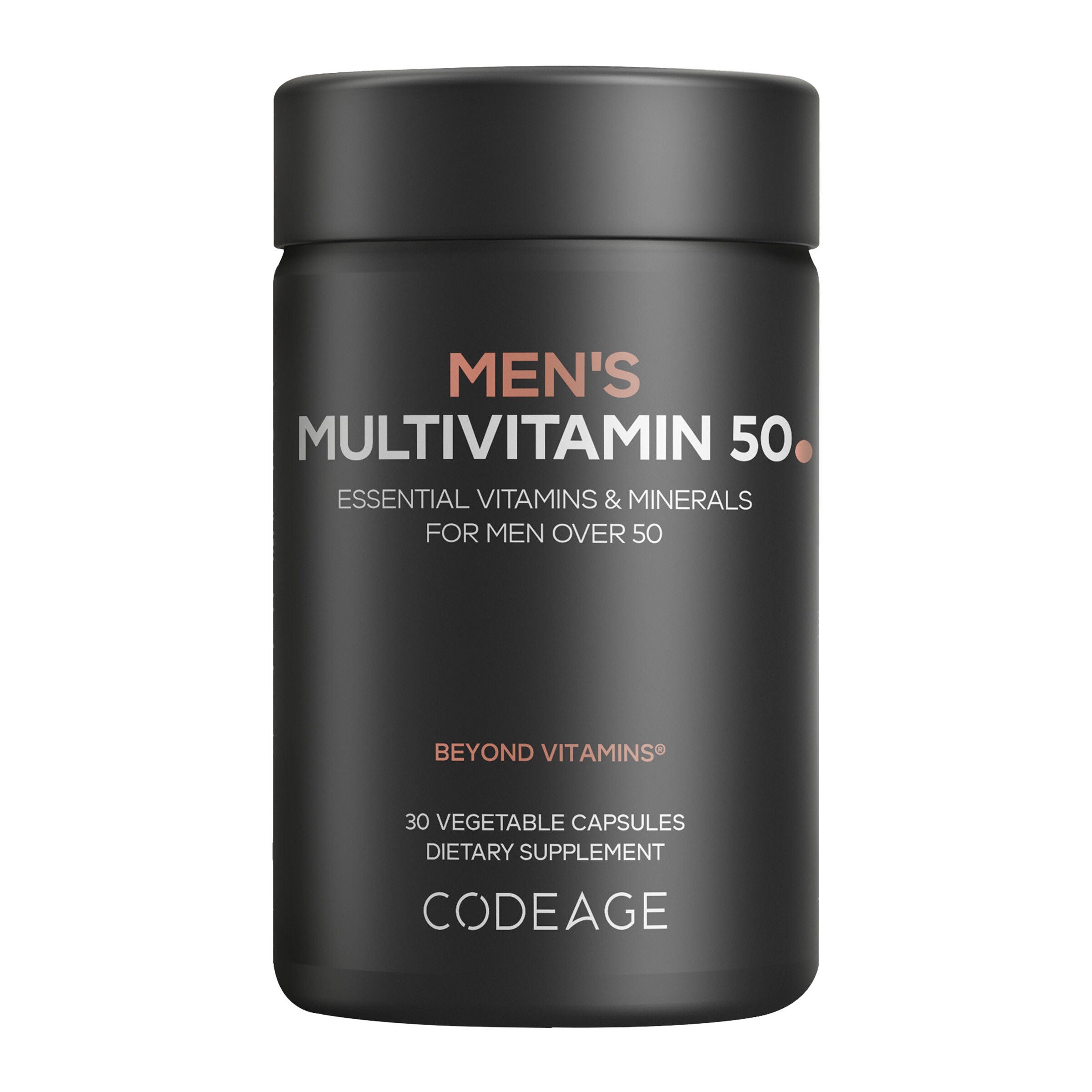
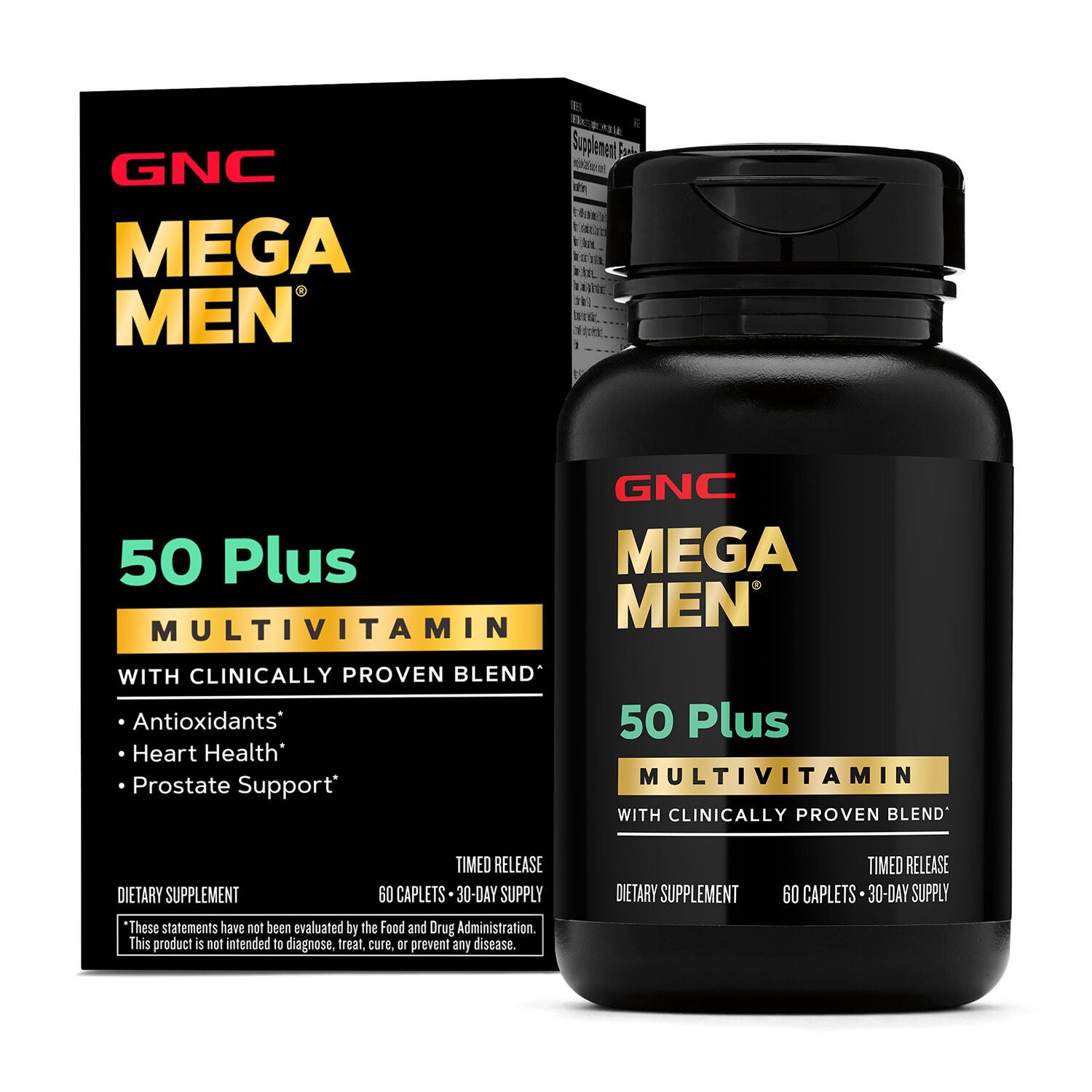
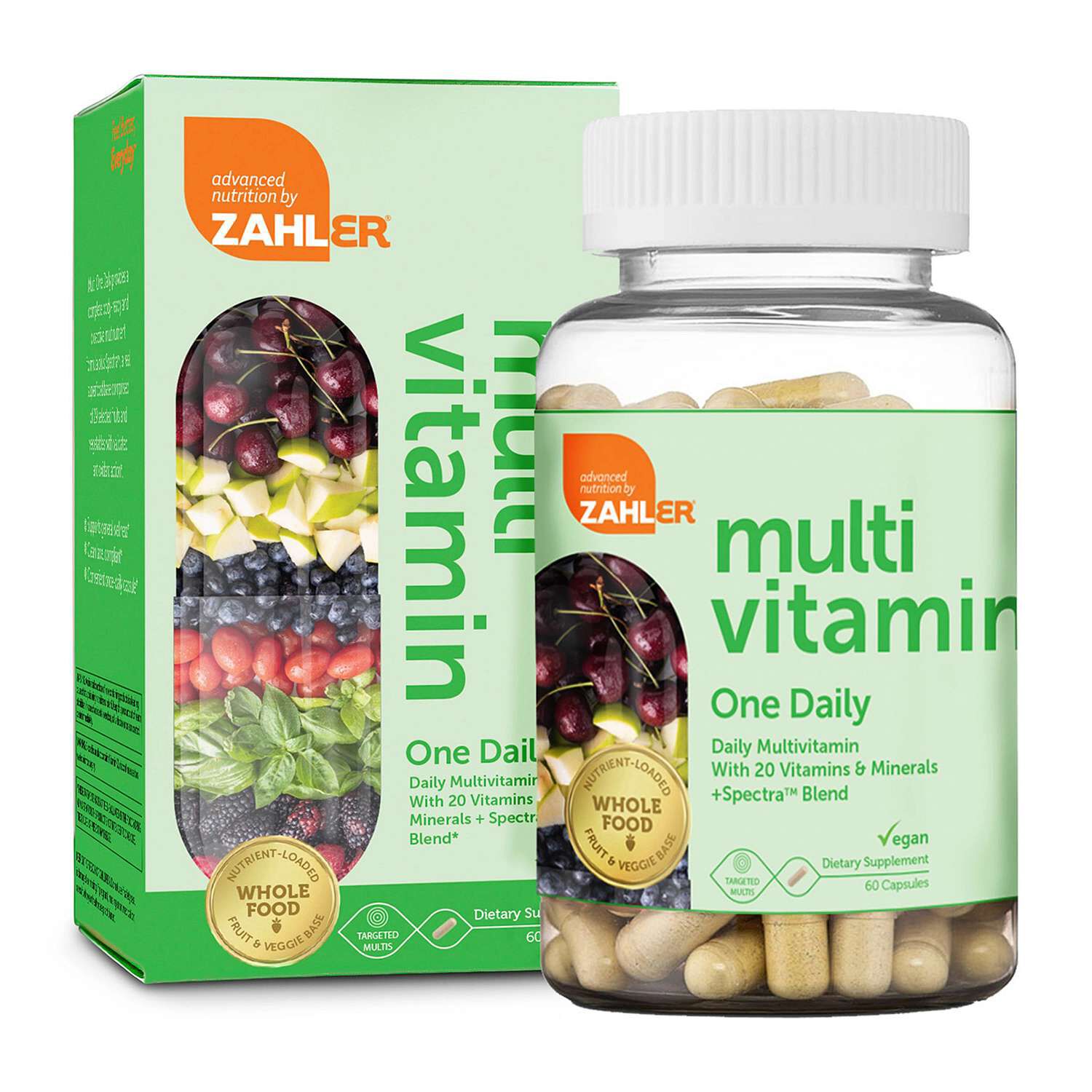
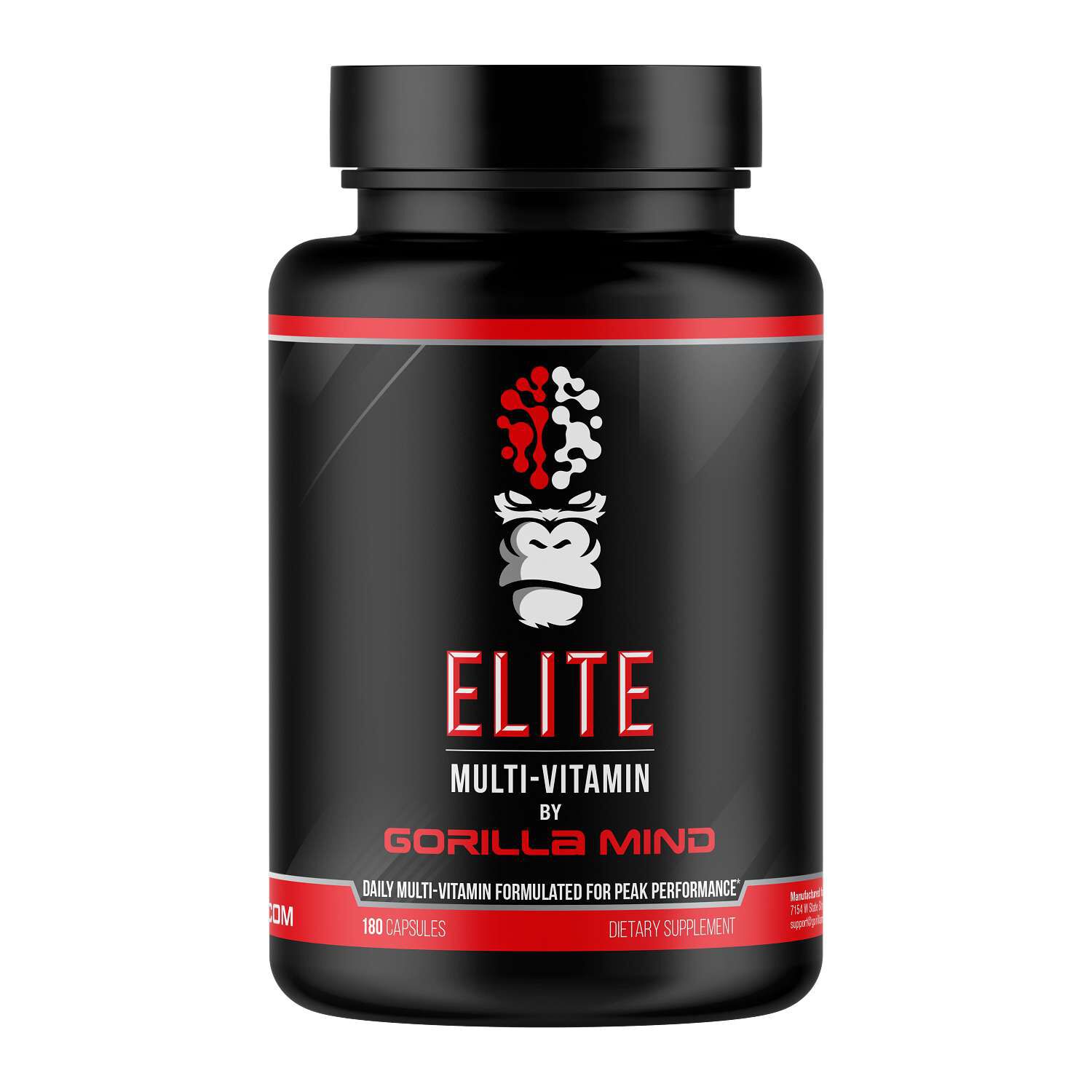
Multivitamin supplements for adults over 50 combine a range of vitamins and minerals in formulas labeled for that age group. They are intended to supplement the diet and may complement a varied eating pattern, rather than replace meals or individual foods. The 50+ designation identifies the intended audience, but it does not describe one standardized recipe: nutrient amounts, ingredient forms, serving sizes, and tablet or capsule counts can differ considerably. Common ingredients include vitamins A, C, D, and E, several B vitamins, and minerals such as zinc and selenium. Some formulas also contain calcium, magnesium, or additional ingredients, while others keep the ingredient list relatively short. Many formulas labeled for adults over 50 contain no added iron, although that detail should be confirmed on the Supplement Facts panel rather than assumed from the age designation. Formulas labeled for men and women may also differ in their mineral content and vitamin amounts. Neither the age label nor the audience label, by itself, establishes that a formula suits every person in that group. Meaningful comparisons begin with the actual contents of each serving. A bottle with a large tablet count may contain fewer servings than expected if the labeled serving includes several tablets. Likewise, a long ingredient list does not necessarily mean larger amounts of the nutrients being compared. The percentage Daily Value provides another reference point alongside the amount listed in milligrams or micrograms. Those measurements describe different quantities, so comparing the same nutrient across labels requires attention to the unit as well as the number. For adults balancing work, family commitments, travel, or a retirement routine, these practical distinctions may matter as much as the age designation printed on the front. A familiar format, clearly presented ingredient information, and a serving size that fits an established routine are useful ways to distinguish otherwise similar multivitamins for adults over 50.
The format deserves a closer look because tablets, capsules, gummies, and chewables have different physical characteristics and ingredient requirements. Tablets vary in length, thickness, shape, and coating; capsules have an outer shell that may be made from gelatin or plant-derived material. Gummies and chewables offer flavored alternatives, with textures ranging from soft and springy to firm and chalky. A fruit flavor does not describe the entire formula, however, and the ingredient list provides details about sweeteners, colors, gelatin, and other components. Sugar content and serving size are especially useful comparison points for gummies, since one serving may consist of several pieces. Different formats can also contain different selections and amounts of minerals, so a tablet and a gummy carrying similar age labels are not necessarily interchangeable in composition. Within the vitamin list, B vitamins commonly appear as thiamin, riboflavin, niacin, vitamin B6, folate, vitamin B12, biotin, and pantothenic acid. Labels may identify vitamin B12 as cyanocobalamin or methylcobalamin, and vitamin D as D2 or D3. These ingredient names describe the forms used; the name alone does not establish that one option is preferable for every shopper. For a narrower comparison, Multivitamins With B Vitamins For Women Over 50 focuses on an age-specific category with that nutrient family in view. Across adult 50+ multivitamins, calcium and magnesium amounts also deserve individual attention because their presence on a label does not mean every formula contains comparable quantities. Some blends feature botanical ingredients or fruit and vegetable powders alongside vitamins and minerals. Those additions have their own listed amounts and should not be confused with servings of produce. Dietary preferences bring another layer to the comparison: a plant-derived capsule shell, for example, describes the shell rather than every ingredient inside it. Statements about vegetarian suitability, ingredient sourcing, and specific exclusions are most informative when they apply explicitly to the finished formula.
Packaging, quality documentation, and storage information round out the comparison beyond the nutrient panel. Some multivitamins carry independent certification marks associated with established testing programs. The meaning of a mark depends on the program and its stated scope, which may address ingredient identity, listed quantities, or testing for certain unwanted substances. Certification is a separate consideration from personal suitability, and it does not indicate that every formula with a mark has the same ingredients or intended audience. Clear manufacturer information, readable directions, a lot number, and a printed expiration date provide additional product details worth noting. Storage directions matter because moisture, light, and the conditions inside a cabinet or travel bag can affect the contents of a bottle. A tightly closing lid and intact packaging are practical considerations, particularly for gummies or chewables with textures that may change when exposed to unsuitable storage conditions. A kitchen counter beside a steaming dishwasher, for example, is a different environment from a dry cabinet away from direct sunlight. The directions on the package specify the intended storage conditions for that formula. They also identify the serving amount and may include instructions related to meals or other aspects of use. For someone who travels regularly or spends time between two homes, bottle dimensions and the number of pieces per serving can become everyday considerations, not just packaging details. Someone who prefers a brief breakfast routine may compare formats differently from someone comfortable with a serving divided into several pieces according to label directions. An existing assortment of supplements is another reason to compare ingredient lists carefully, since the same vitamins and minerals can appear in more than one formula. The most useful comparison brings these details together: the labeled audience, nutrients per serving, ingredient forms, dietary attributes, physical format, quality documentation, and storage requirements. Multivitamins for adults over 50 offer different combinations of those features, making the label a more informative reference than a familiar color, a large bottle, or an age designation alone.
Best Sellers
-
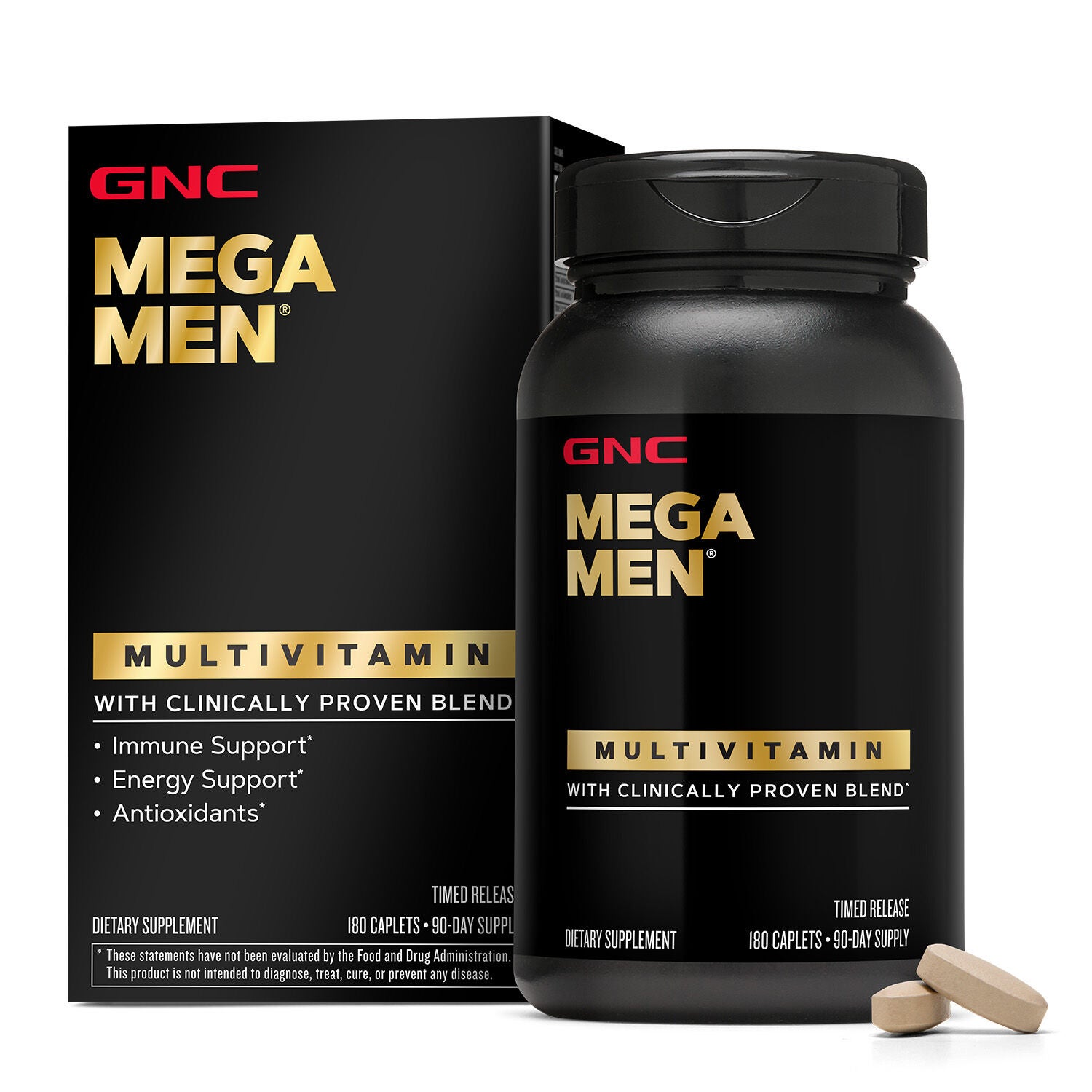 GNC Mega Men
-
GNC Mega Men
-
GNC Mega Men
-
 GNC Mega Men
Related Pages


Top Collections
- Joint Mobility Supplement Packs
- Daily Collagen Supplements | Top Brands & Deals | GNC
- Supplements For Yoga Joint Flexibility
- Zinc Supplements | Top Brands at Great Prices | GNC
- Supplements For Balance
- Capsule Supplements For Energy And Stamina
- Chronic Fatigue Supplements
- Adult Mobility Supplements
- Vitamins For Hair Loss
- Blood Pressure Support Supplements