





Multivitamin Tablets For Active Women
(0 Results)
Multivitamin tablets for active women offer a convenient way to help support a busy lifestyle. With a variety of options designed to fit different needs, these supplements may provide nutrients that are important for women who are always on the go. Whether you’re focused on fitness, work, or family, multivitamin tablets for active women could be an easy addition to your daily routine. Explore the selection and discover how these multivitamins might help you feel your best every day.
-
_Front.jpg?sw=305&sh=305&sm=fit "Junior Multi - 180 Tablets - 180 Tablets (180 Servings) | GNC")
-
_Front.jpg?sw=305&sh=305&sm=fit "Junior Multi - 90 Tablets - 90 Tablets (90 Servings) | GNC")
-
-

-

-
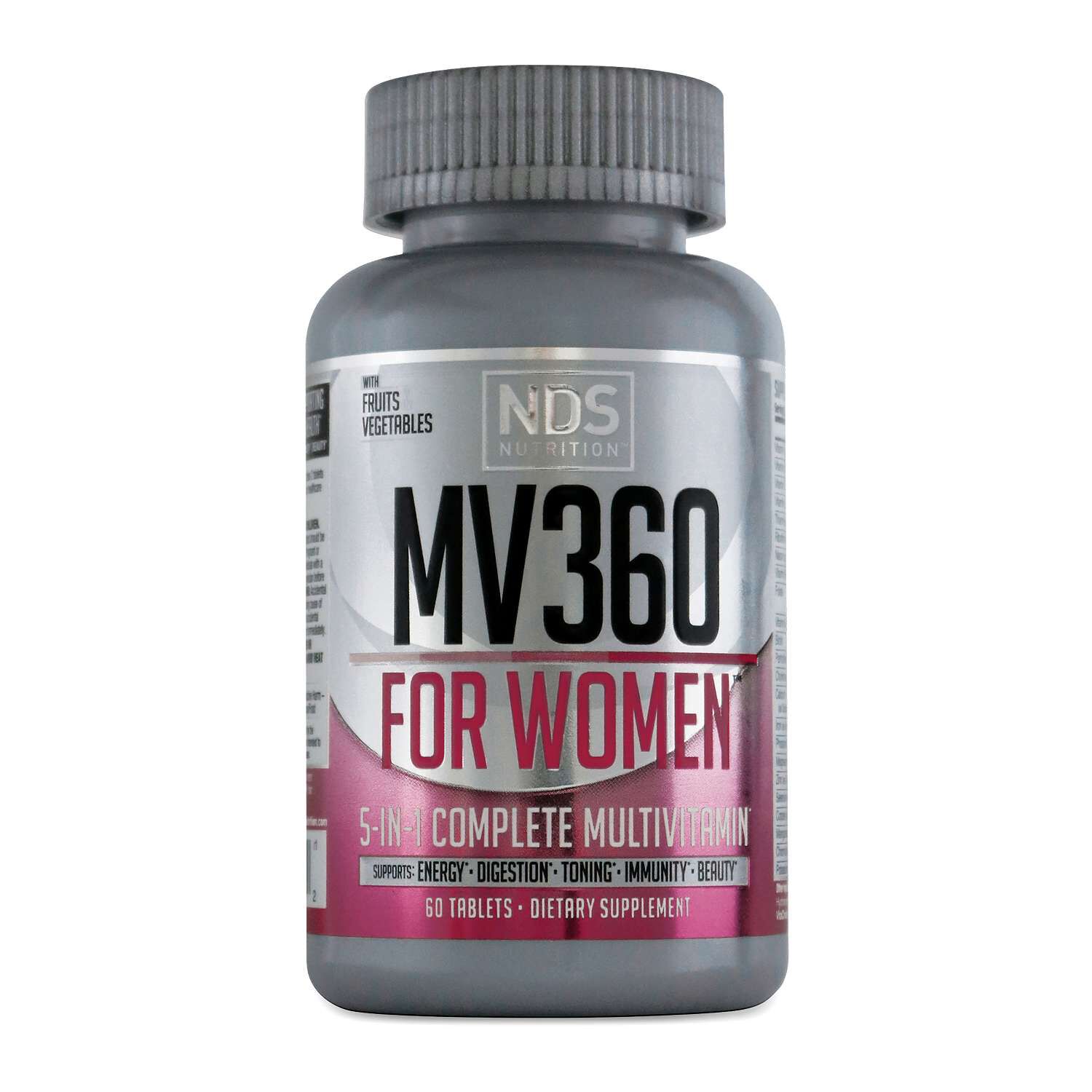 NDS Nutrition$49.99
 -
 Purity Products$49.99
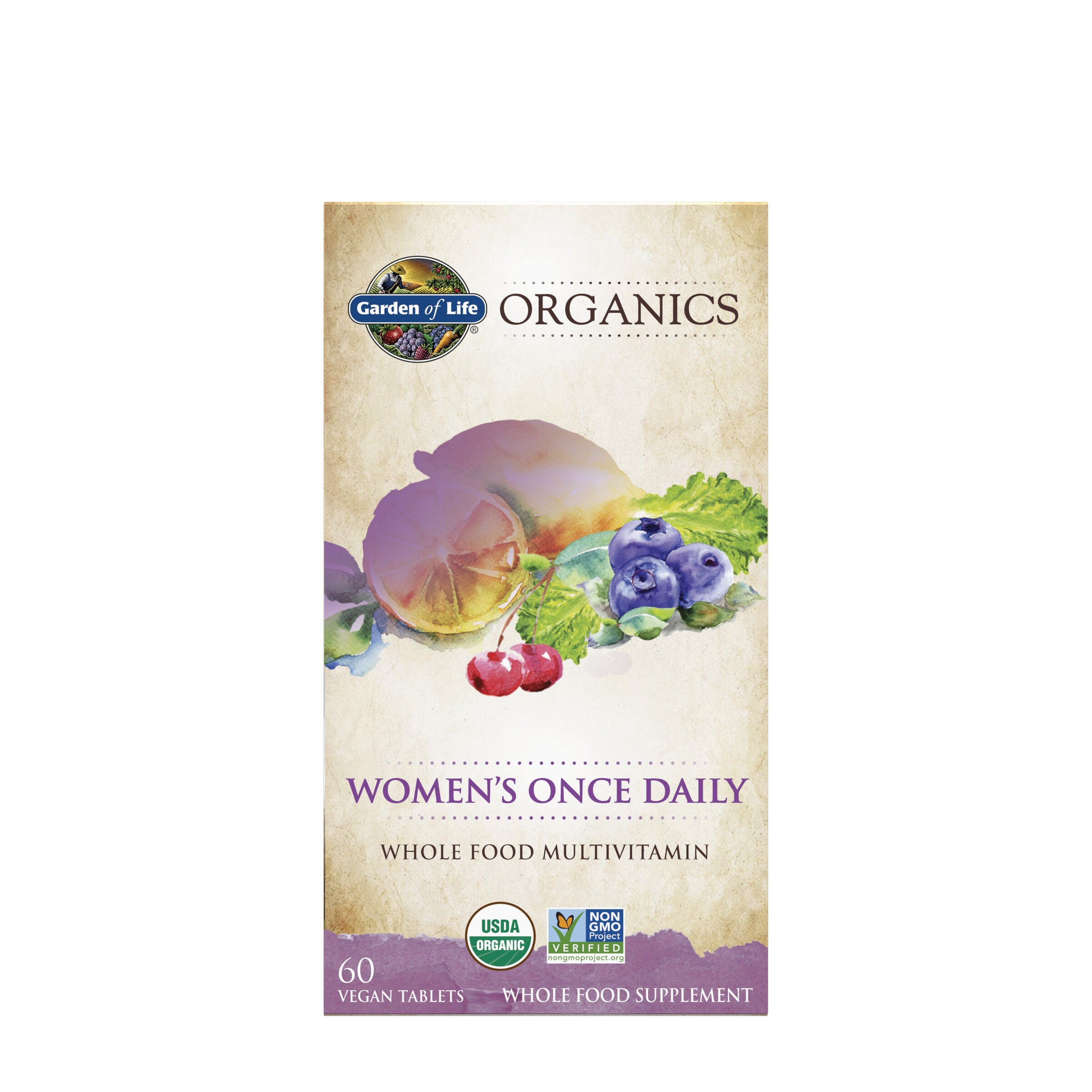
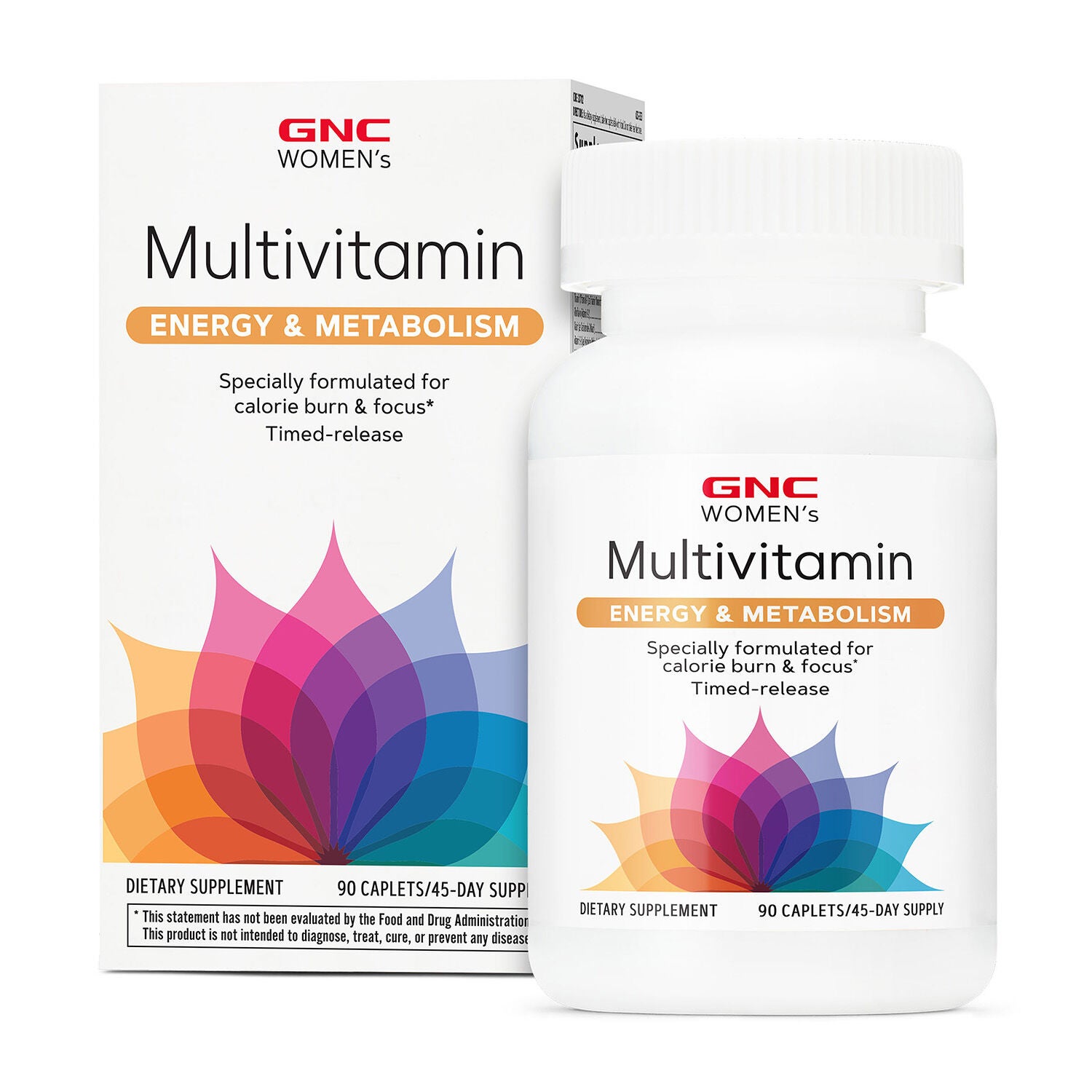
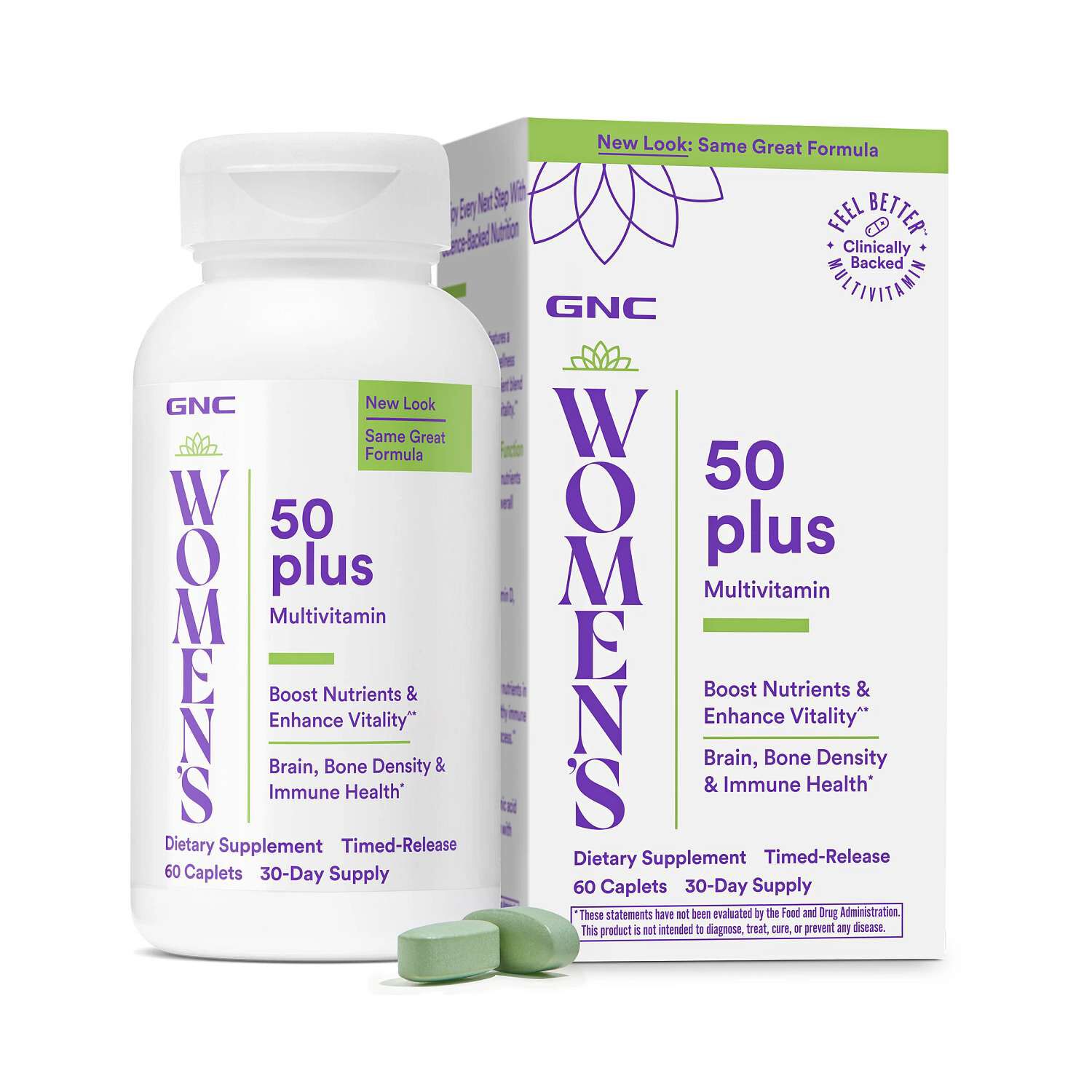
Multivitamin tablets for active women bring a range of vitamins and minerals into a tablet format that may fit alongside regular meals and an active lifestyle. The category encompasses different nutrient combinations, serving sizes, and tablet designs, so two bottles with similar descriptions can offer quite different daily routines. Formulas often include B vitamins such as thiamin, riboflavin, niacin, vitamin B6, folate, and vitamin B12, along with vitamins A, C, D, and E. Minerals may include iron, zinc, iodine, selenium, calcium, or magnesium, although the ingredients and amounts vary by formula. Not every women’s multivitamin includes iron, and calcium and magnesium amounts can differ considerably between products. Those differences make the Supplement Facts panel more informative than a broad phrase on the front of a bottle. It shows which nutrients are included, their amounts per serving, and their percentages of Daily Value. Daily Value percentages provide a standardized reference for comparing labels; they are not a personalized assessment of what an individual woman needs. Being active also describes more than one kind of day. A woman who walks to work and takes a dance class has a different routine from someone training for a distance event or spending long hours on her feet. The category name alone does not establish that either person needs more of a particular nutrient. Food preferences, personal priorities, and the practical details of taking a tablet all contribute to a thoughtful comparison. For someone whose day moves from an early workout to breakfast at her desk, a clearly labeled serving and a manageable tablet size may matter more than an elaborate ingredient list. For someone who enjoys a slower breakfast before heading out for a walk, the same category may suit a different rhythm. These products are intended as dietary supplements, not replacements for varied meals, water, rest, or the other parts of an active routine. Their appeal lies in the nutrient assortment and format rather than in a single definition of what an active woman looks like.
The most useful comparisons begin with serving size, nutrient amounts, and the ingredients beyond the vitamins and minerals themselves. A bottle of tablets is not necessarily a one-tablet-per-day product: the labeled serving may consist of one tablet or more. Reading nutrient amounts alongside that serving size keeps comparisons consistent. Two labels can display similar amounts of a vitamin while requiring different numbers of tablets to provide them. Nutrient names also deserve attention. Folate and folic acid can appear differently on labels, vitamin D may be identified by its form, and mineral listings may name the compounds used to supply them. These details describe the formulation without making one choice universally preferable. Some multivitamins contain only vitamins and minerals, while others add botanical ingredients, fruit or vegetable powders, or other blends. A longer ingredient list does not, by itself, establish a better match for an active lifestyle. The other ingredients section provides another layer of information, including coatings, binders, colors, and ingredients used to hold the tablet together. Tablet construction varies: some designs are rounded, some are elongated, and some have a smooth outer coating. Size and surface finish may influence how comfortably a tablet fits into someone’s established routine, particularly for shoppers who already know their preferred format. Dietary preferences belong in the comparison as well. Vegan or vegetarian labeling, ingredient sources, and allergen statements can help distinguish formulas that otherwise look similar. Any certification is most useful when its scope is clear. Independent testing or certification may address matters such as label accuracy, specified substances, or manufacturing practices, depending on the program; it does not establish a particular personal outcome. For women participating in organized sports, the distinction between general quality testing and sport-focused certification is especially relevant to product comparison. Clear packaging connects these details in one place: intended audience, serving directions, nutrient composition, other ingredients, and storage requirements. That information offers a more concrete basis for selection than imagery of runners, weights, or gym bags.
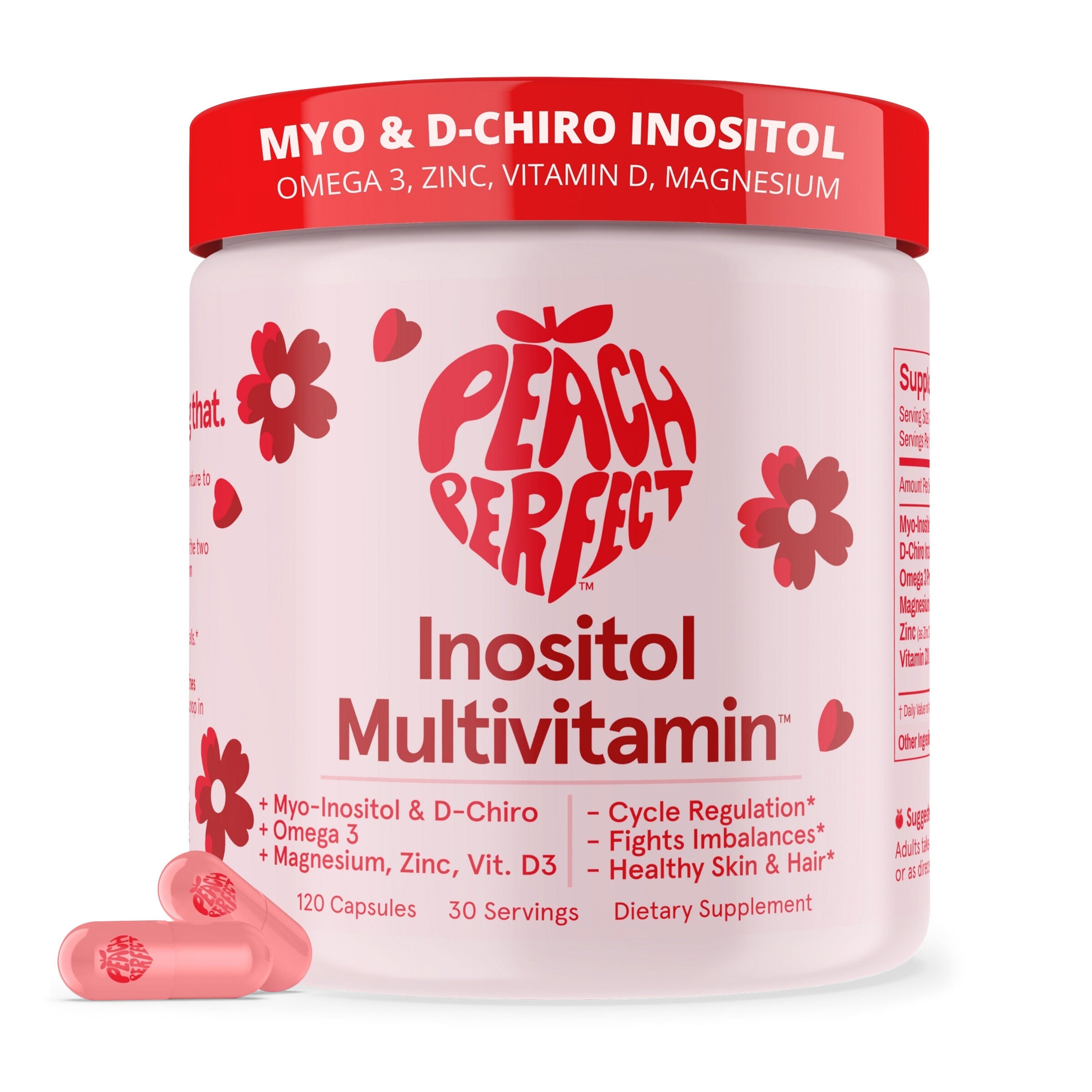
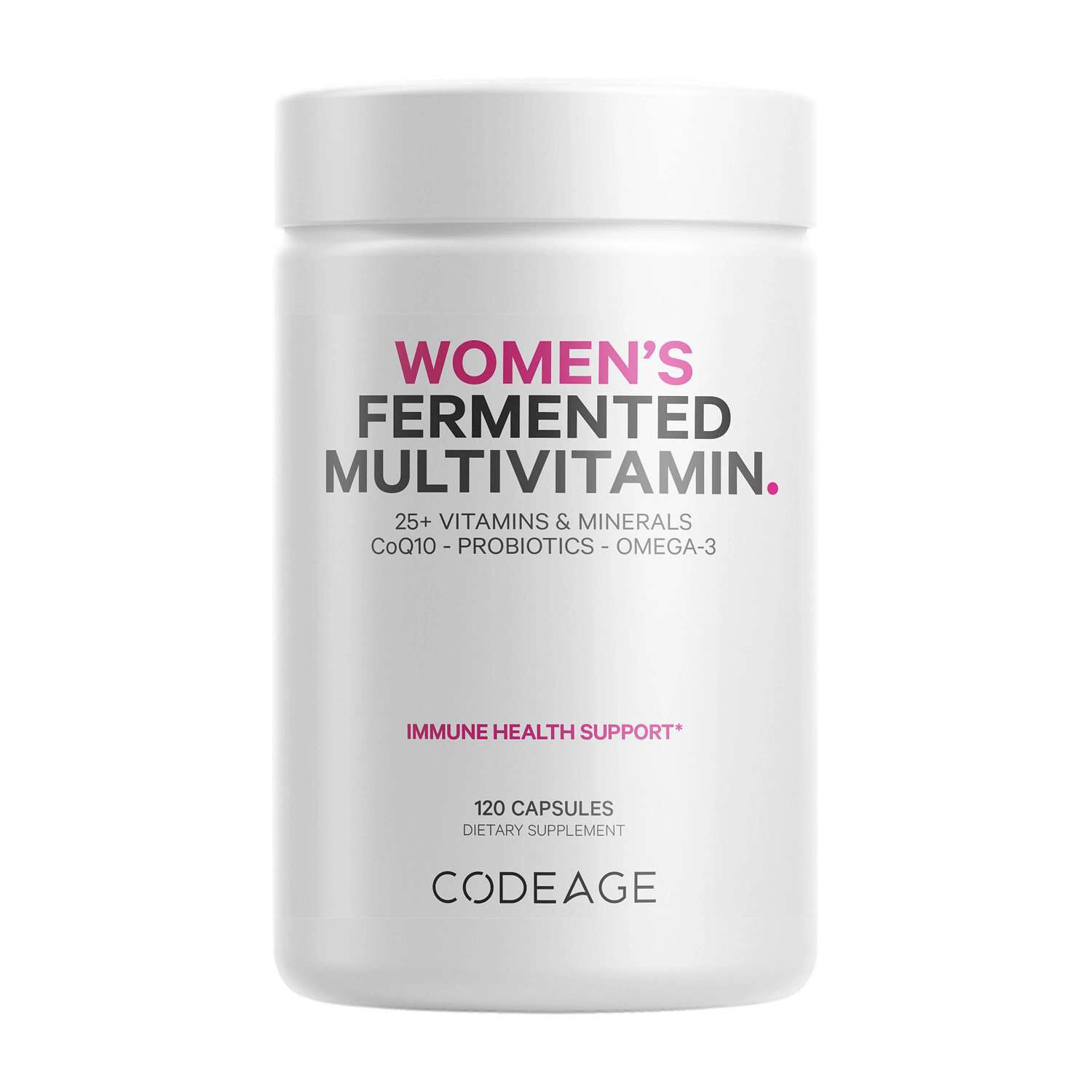
Everyday fit continues after the label comparison, because the format has to make sense in the places where a supplement will actually be kept and used. A compact bottle may fit neatly into a kitchen cabinet, while a larger container takes up more room beside breakfast dishes or pantry staples. Packaging dimensions, closure design, and label readability are small details that can become noticeable with repeated use. Tablets are generally a dry, premeasured format, with no powder to stir into a drink and no flavor selection involved in preparing a serving. That simplicity may appeal to women who prefer to keep their supplement routine separate from smoothies, shakes, or other foods. Still, tablet directions differ, including whether the label specifies use with a meal, so a familiar routine with another supplement is not a substitute for reading the package. Storage instructions matter, too. Moisture and unsuitable storage conditions can affect tablet condition, and the original container keeps the directions, ingredient information, and expiration date together. A tightly closed bottle stored according to its label offers a different setting from loose tablets carried at the bottom of a gym tote. Visible changes in tablet appearance or damaged packaging warrant attention rather than assumptions about durability. When comparing package sizes, the number of servings is more useful than tablet count alone, especially when formulas have different serving sizes. Shoppers interested in another format can also explore Multivitamin Capsules For Active Adults, keeping the comparison centered on ingredients, serving directions, and personal format preferences rather than assuming that tablets and capsules are interchangeable. Within women’s multivitamin tablets, the strongest match is not defined by the busiest schedule or the most demanding workout. It is a product whose intended use, labeling, composition, and physical format align with the shopper’s priorities. Whether the daily calendar includes a neighborhood walk, a cycling class, a long commute, or a mix of activities, those concrete details keep the focus on an understandable supplement routine rather than sweeping expectations.
Best Sellers

Related Pages


Top Collections
- Top Rated Collagen | Shop Customer Favorites | GNC
- Cortisol Supplements
- Vitamins For Hair Loss
- NAD+ Supplement Tablets
- Peptide Supplements
- Best Brand of Magnesium Glycinate
- Vitamins That Help Support Weight Gain
- Protein Powders For Muscle Growth Support
- Spirulina Tablets
- Peptide Supplements for Muscle Growth