Multivitamin Tablets For Female Runners
(0 Results)
Multivitamin tablets for female runners are designed with active lifestyles in mind, offering a convenient way to support daily wellness routines. Whether heading out for a morning jog or training for your next race, these supplements could help you stay on top of your goals. Explore options that may align with nutritional needs unique to women who love to run, so you can keep moving forward with confidence.
-
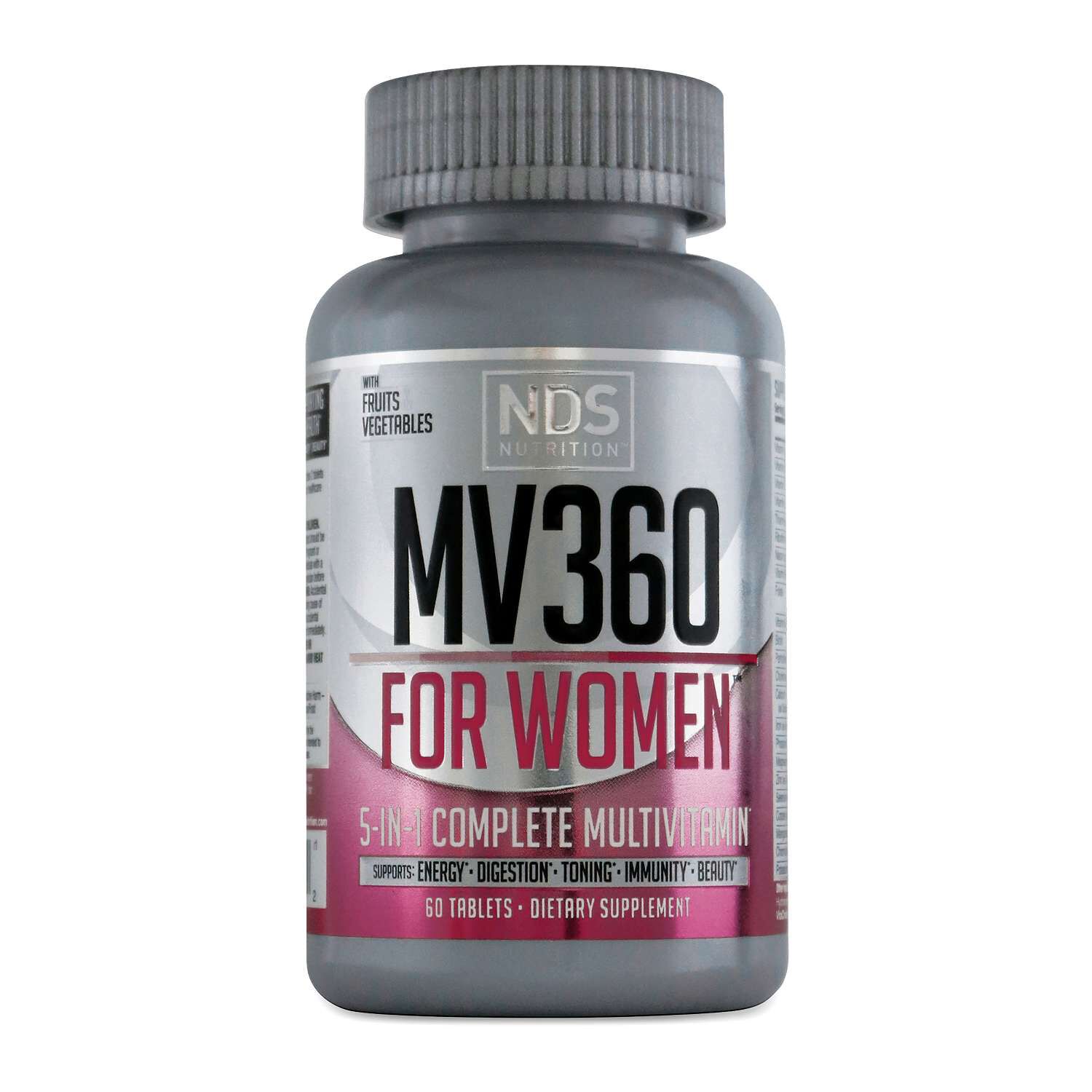 NDS Nutrition$49.99
 -
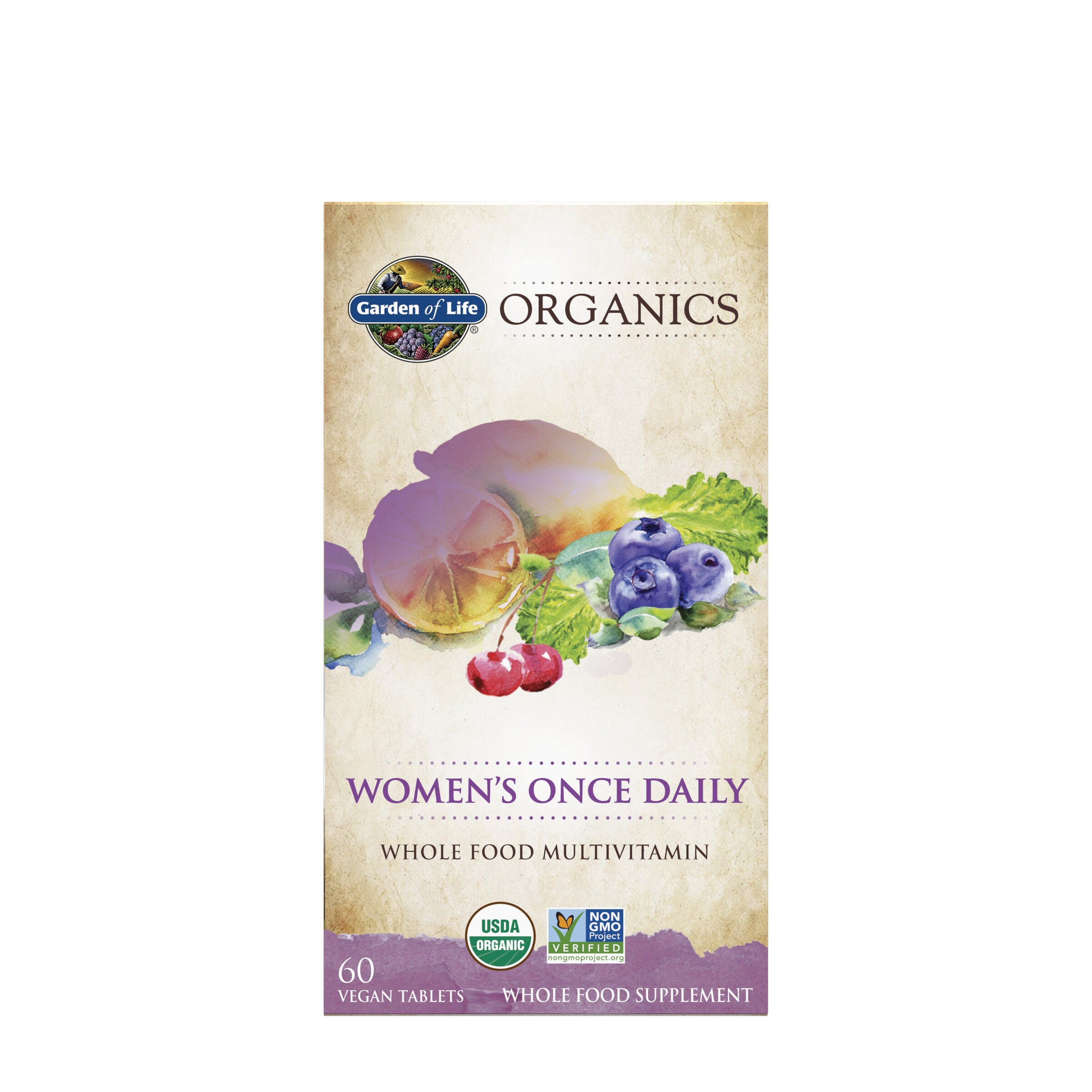
-

-
 Purity Products$49.99
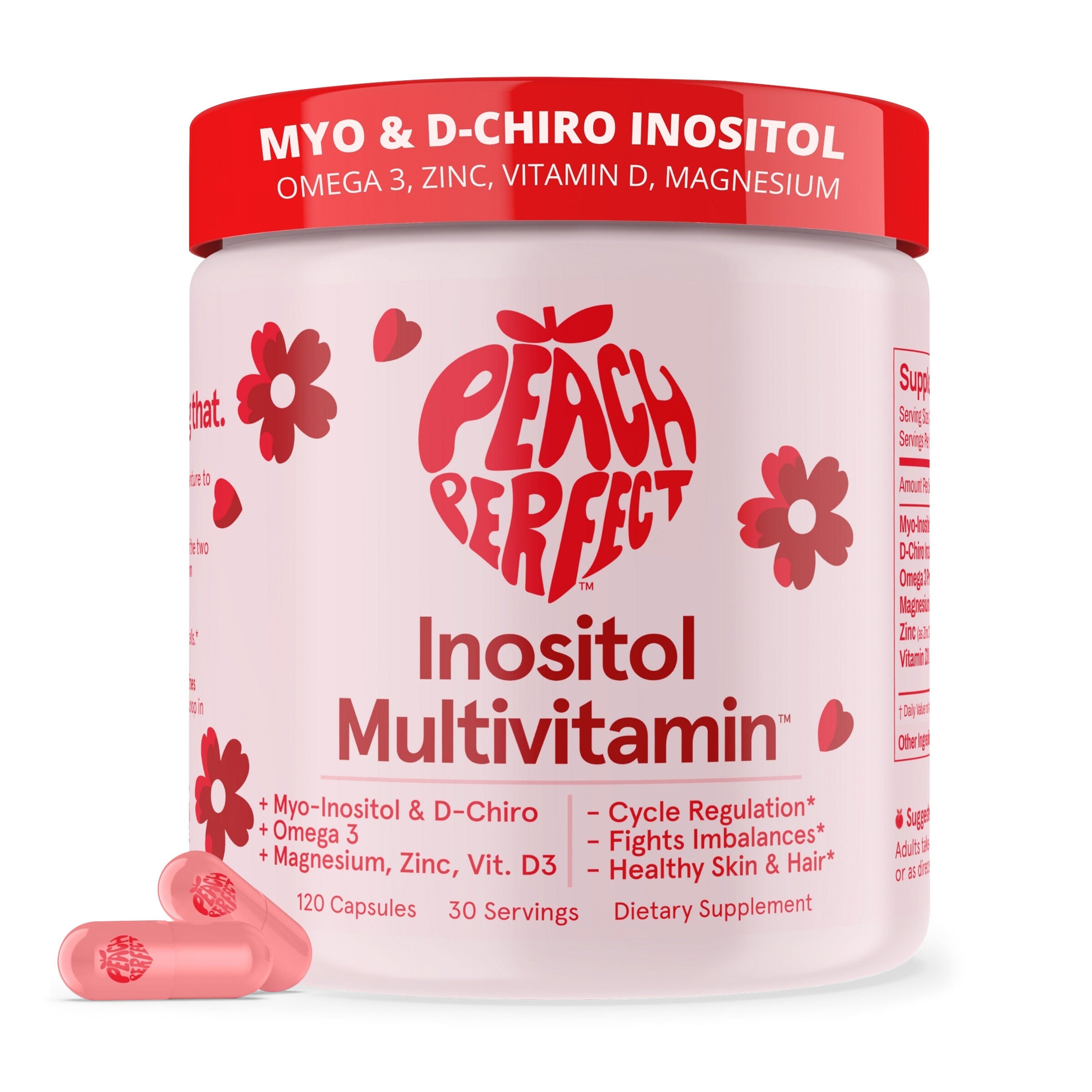
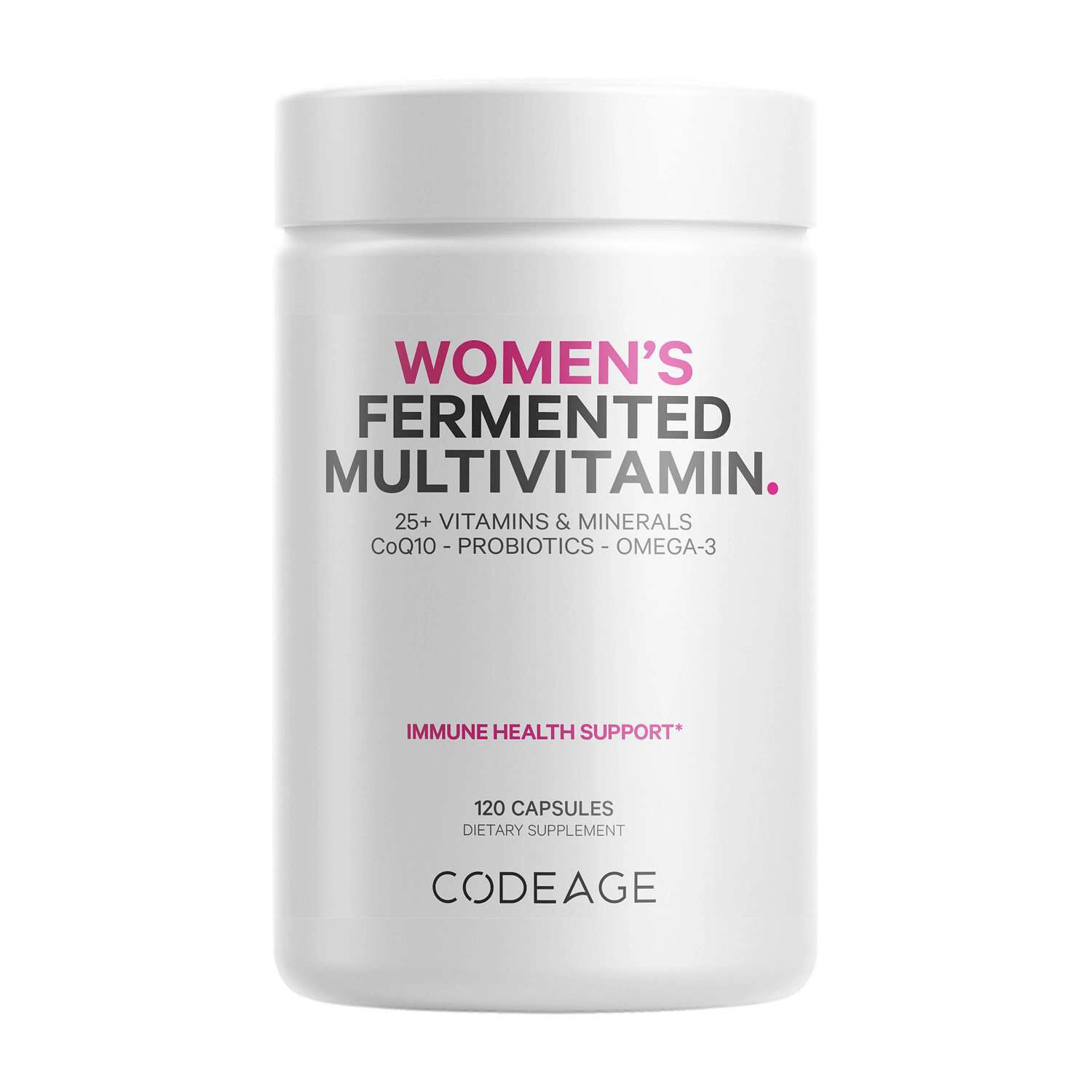
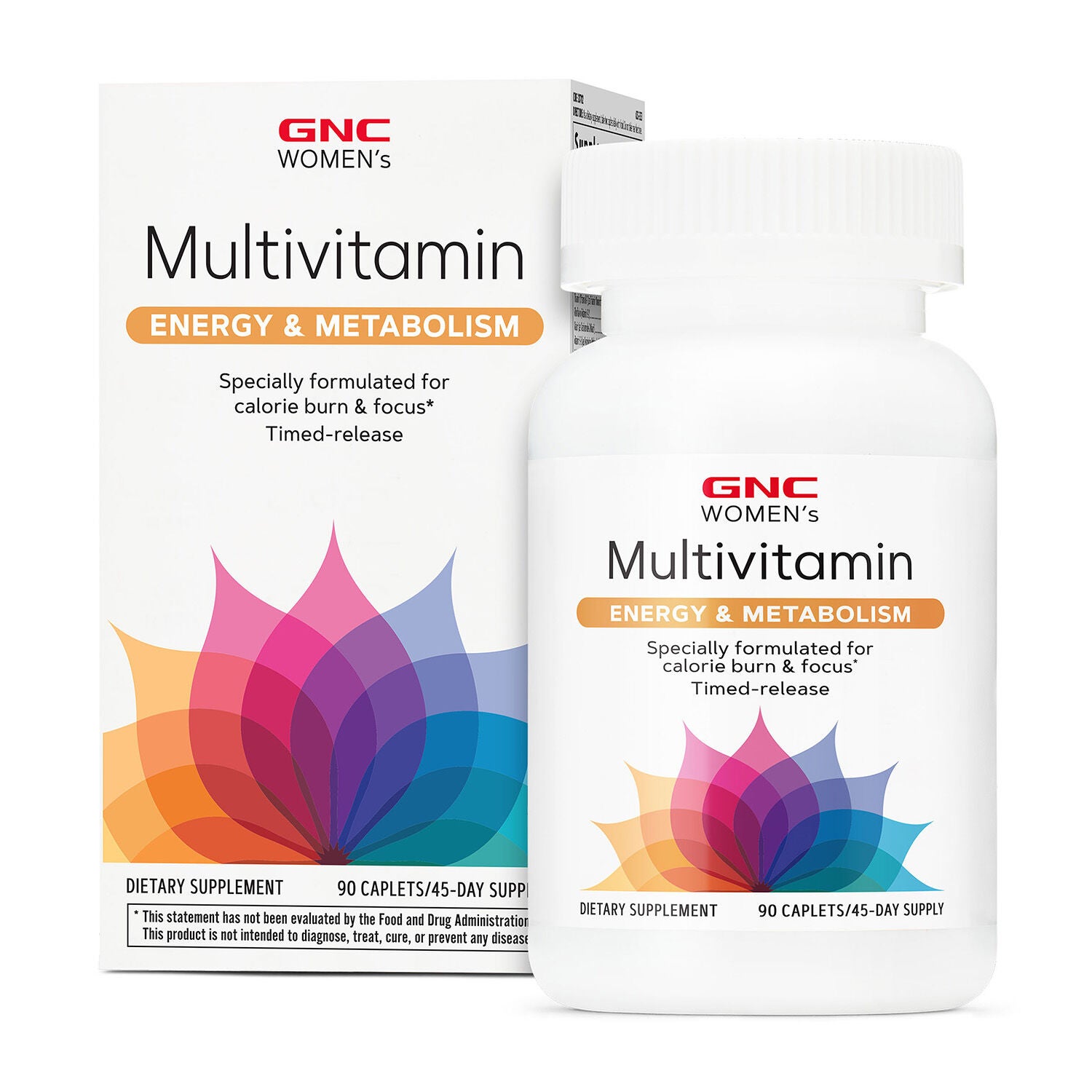
Multivitamin tablets for female runners bring a range of vitamins and minerals into a tablet format that may fit alongside varied meals and an active routine. This category spans women’s daily multivitamins and formulas created with sports participation in mind, with differences in nutrient selection, serving size, and added ingredients. Someone heading out for a few neighborhood miles before breakfast may prefer a straightforward formula, while a runner organizing meals around track sessions and longer weekend outings may want a closer look at the details on the label. Neither distance nor pace alone determines which formula fits a person’s preferences. The most useful distinctions are often practical: what each serving contains, how many tablets make up that serving, whether the ingredients align with dietary preferences, and how the product’s directions fit an ordinary day. Nutrients commonly featured in women’s multivitamins include vitamins A, C, D, E, and several B vitamins, along with minerals such as zinc, iodine, calcium, magnesium, and iron. The exact combination varies, and not every formula includes every nutrient. Iron-containing and iron-omitting options belong to different formula profiles, rather than a simple better-or-worse ranking. Calcium and magnesium amounts can also differ substantially between products, making the Supplement Facts panel more informative than a broad description on the front of the bottle. Some formulas include botanical ingredients or other additions beyond vitamins and minerals; others keep the ingredient list more focused. A women’s sports multivitamin is not necessarily the same as a women’s daily multivitamin with a different label, but the distinction comes from its actual contents rather than athletic imagery. For shoppers comparing multivitamin tablets for women who run, clear ingredient information offers a more grounded starting point than language about endurance or race-day results. These products are intended as dietary supplements, not as substitutes for meals, training, or rest, and a runner-oriented label does not establish a particular outcome.
Tablet construction and packaging are worth attention because they shape the everyday experience of using the product. Multivitamin tablets are generally made by compressing powdered ingredients with other components that hold the tablet together. Depending on the formula, the ingredient list may include binders, coatings, colors, or ingredients used during manufacturing. A coating may make a tablet easier to swallow, although comfort with tablet size and shape is personal. An elongated tablet, a round tablet, and a chewable tablet can feel quite different to use, even when their nutrient lists look similar. Chewable formats also introduce flavor, texture, and sweetener considerations that do not apply in quite the same way to tablets intended to be swallowed. Product descriptions sometimes provide dimensions or describe the finish, while package images can offer another point of reference. Serving size deserves equal attention: a bottle containing sixty tablets does not necessarily contain sixty daily servings. The amount listed beside a nutrient usually refers to the stated serving, so comparing one-tablet and two-tablet formulas requires reading that line first. Directions may also specify whether the serving is taken with food, which can matter when picturing a routine built around breakfast, a commute, and an early run. For someone who prefers fewer steps, a simple serving format may be a more comfortable fit than a more involved schedule. Packaging matters for runners who travel to races or spend part of the day away from home. A securely closing container and readable labeling are useful details, while individually packaged servings offer a different carrying format when provided by the manufacturer. Product care centers on the storage directions, the condition of the packaging, and the printed expiration date. Moisture exposure can affect tablet texture, so the bottle’s closure and any original protective packaging deserve attention. Keeping the original label accessible also preserves the serving directions and ingredient information. Unlike running shoes or apparel, these tablets are not compared by fit or wear resistance; their physical format, packaging integrity, and shelf-life information are the more relevant everyday considerations.
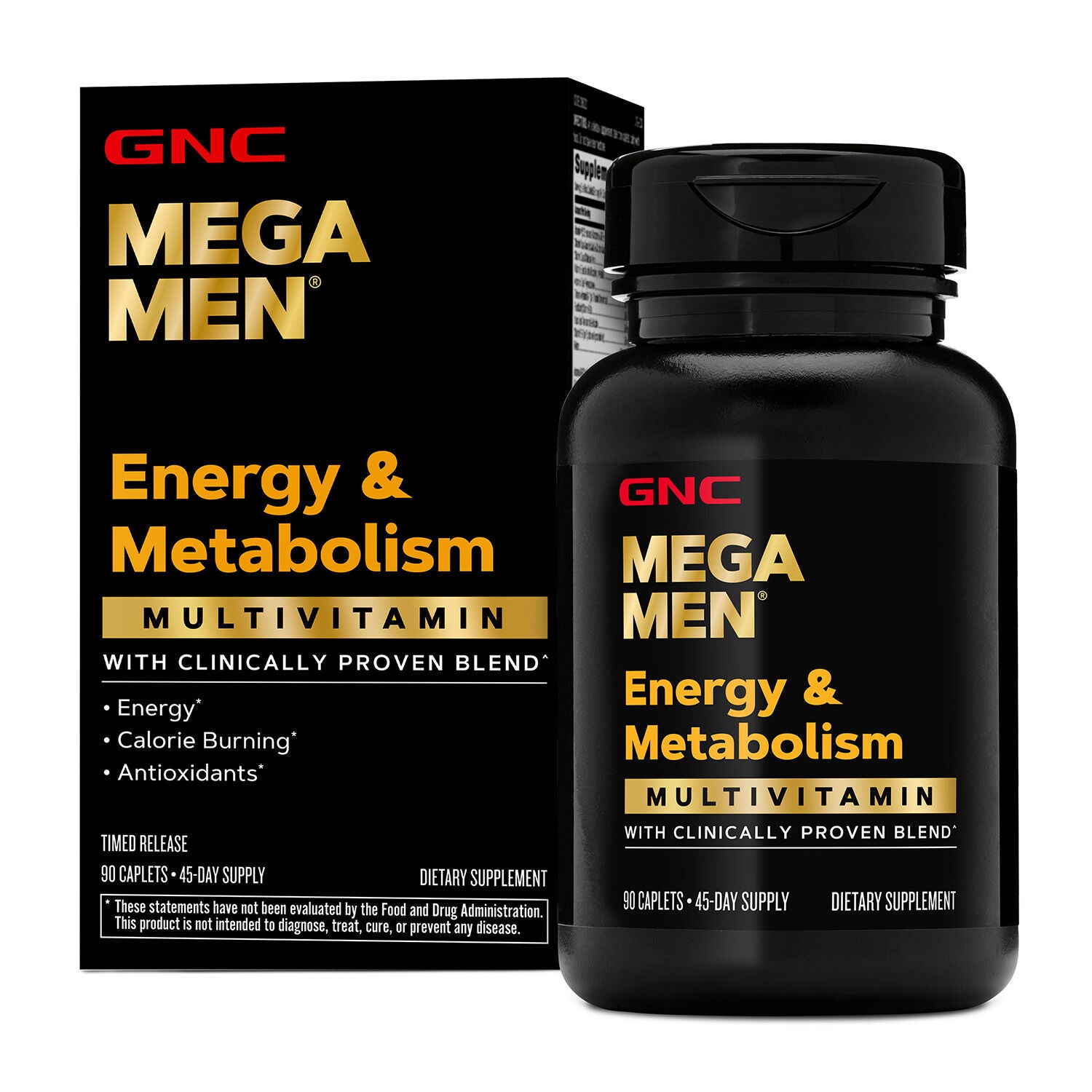
Dietary preferences add another layer to choosing women’s multivitamin tablets for running routines. A tablet is not automatically vegetarian or vegan simply because it contains vitamins and minerals. Nutrient sources, coatings, and other ingredients can differ, so explicit dietary labeling is more useful than assumptions based on the format. For example, vitamin D can come from different sources, and an ingredient list may provide details that matter to someone avoiding animal-derived materials. Allergen statements and manufacturing disclosures offer additional information for shoppers with ingredient restrictions. A short ingredient list and a longer one can each reflect different formulation choices; length alone says little about how well a product matches an individual’s preferences. The Supplement Facts panel also identifies nutrient amounts and percent Daily Value, which provide a common reference for comparing labels rather than a personalized target for a particular mileage schedule. Units matter in those comparisons, since milligrams and micrograms are not interchangeable. Runners who already use fortified foods, sports drinks, or other supplements may find it useful to view those labels together when comparing the contents of a multivitamin. For competitive athletes, a clearly identified third-party sports certification may be another shopping consideration. Different testing programs evaluate different criteria, and a recognizable certification should be read according to what that program actually covers, not treated as evidence of faster race times. These distinctions make the category relevant to a broad range of shoppers, from someone preparing for a first organized 5K to an experienced distance runner who prefers tablets over gummies or powders. A running partner or family member shopping for someone else may find that a known format and established ingredient preferences matter more than choosing a product with the most athletic-looking packaging. Households comparing separate options can also explore Men's Vitamins For Runners while keeping each person’s label preferences distinct. Across the category, the clearest comparisons come back to nutrient composition, tablet characteristics, dietary labeling, serving directions, and packaging—details that connect a multivitamin purchase to the real routine of the person using it.