Supplements For Runners
(0 Results)
Fuel your runs with our selection of top-quality supplements specifically designed for runners. Whether you're a seasoned marathoner or just starting out on your running journey, these supplements are formulated to support your performance, endurance, and recovery needs. From energy-boosting pre-workouts to muscle-repairing post-workouts, find everything you need to enhance your training and take your running game to new heights. Discover a range of vitamins, minerals, and specialized formulas tailored to meet your unique fitness goals and help you achieve peak performance on every run.


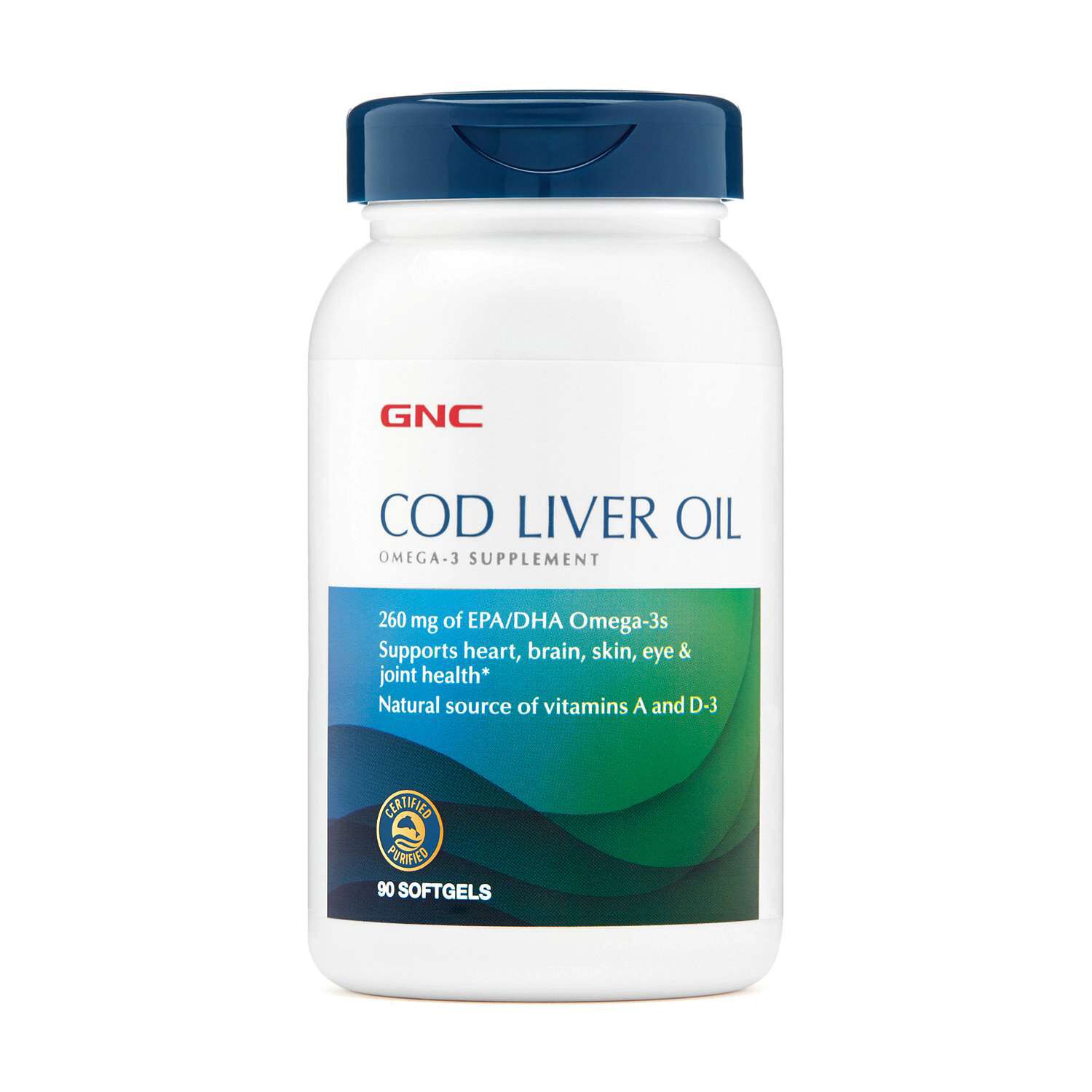


Supplements for runners span several categories, from carbohydrate gels and electrolyte powders to protein blends, vitamins, and mineral formulas. Each has a different intended use, so the most relevant choice depends on the kind of running involved and how a supplement fits alongside everyday meals. A relaxed neighborhood loop, a hilly trail outing, and a long-distance training session place different demands on what a runner carries and consumes. Carbohydrate supplements may provide convenient fuel during sustained exercise, while electrolyte mixes may support hydration as part of a routine that includes water. Protein powders may support muscle recovery after running, particularly when a sit-down meal does not fit neatly into the schedule. Those distinctions matter more than choosing the largest assortment of ingredients. For someone heading out before breakfast, a compact gel or drink mix has a different role than a protein shake packed for the commute home from an evening workout. Running supplements also come in forms with very different textures and preparation requirements. Gels are thick and portioned for carrying, powders require mixing, and capsules or tablets have no beverage flavor to consider. Ready-to-drink formats involve less preparation but take up more room in a bag. Taste can be especially important during a long outing: a bright citrus drink, a milder berry blend, or an unflavored powder each offers a different experience when sipped repeatedly. Sweetness, consistency, and serving size deserve as much attention as a familiar ingredient name. A product that suits a kitchen counter may be less practical in a small running belt, and a serving designed for a large bottle may not match a compact handheld flask. Across the category, the useful comparison is not simply which supplement is associated with running, but which format, ingredients, and intended use match a runner’s existing routine. Recreational runners, race participants, and people combining running with gym sessions may all approach that comparison differently.
Carbohydrates and electrolytes often share space in running nutrition, but they are not interchangeable. A carbohydrate gel or drink typically lists carbohydrate content in grams, while an electrolyte formula lists minerals such as sodium, potassium, or magnesium. Some mixes combine both categories; others contain little carbohydrate and focus on minerals. That difference makes the nutrition panel important when comparing endurance supplements for a longer outing with a flavored drink intended for everyday use. Carbohydrates may support energy needs during prolonged running, and electrolyte-containing beverages may help replenish minerals lost through sweat. The amount supplied varies by formula, so similar package sizes do not necessarily mean similar contents. Mixing directions also matter: a powder intended for a larger volume of water will have a different concentration when added to a smaller bottle. For runners who carry soft flasks, bottle capacity and the labeled water amount are practical details worth matching before packing a vest. Gels bring another set of considerations, including package dimensions, opening style, consistency, and whether the label calls for water alongside the serving. Some endurance formulas contain caffeine, while others do not. Caffeine may support alertness during exercise, but the listed amount and caffeine from coffee or other beverages are relevant parts of the comparison, especially for evening runners. An ordinary training day offers a more familiar setting for assessing flavor, portability, and preparation than an unfamiliar race course. A supplement’s suitability also extends to its packaging. Individually sealed servings are easy to organize by outing, while larger containers require measuring and a separate bottle or shaker. Secure closures, intact seals, and readable expiration dates matter whether the package lives in a pantry or travels in a gym bag. During cooler months, layers and gloves can make small packets less convenient to handle, giving pouch shape and opening design added importance. Storage directions remain relevant throughout the season; a damp vest pocket or a car exposed to changing temperatures is different from the conditions specified on a label. These everyday details help distinguish formats that appear similar at first glance.
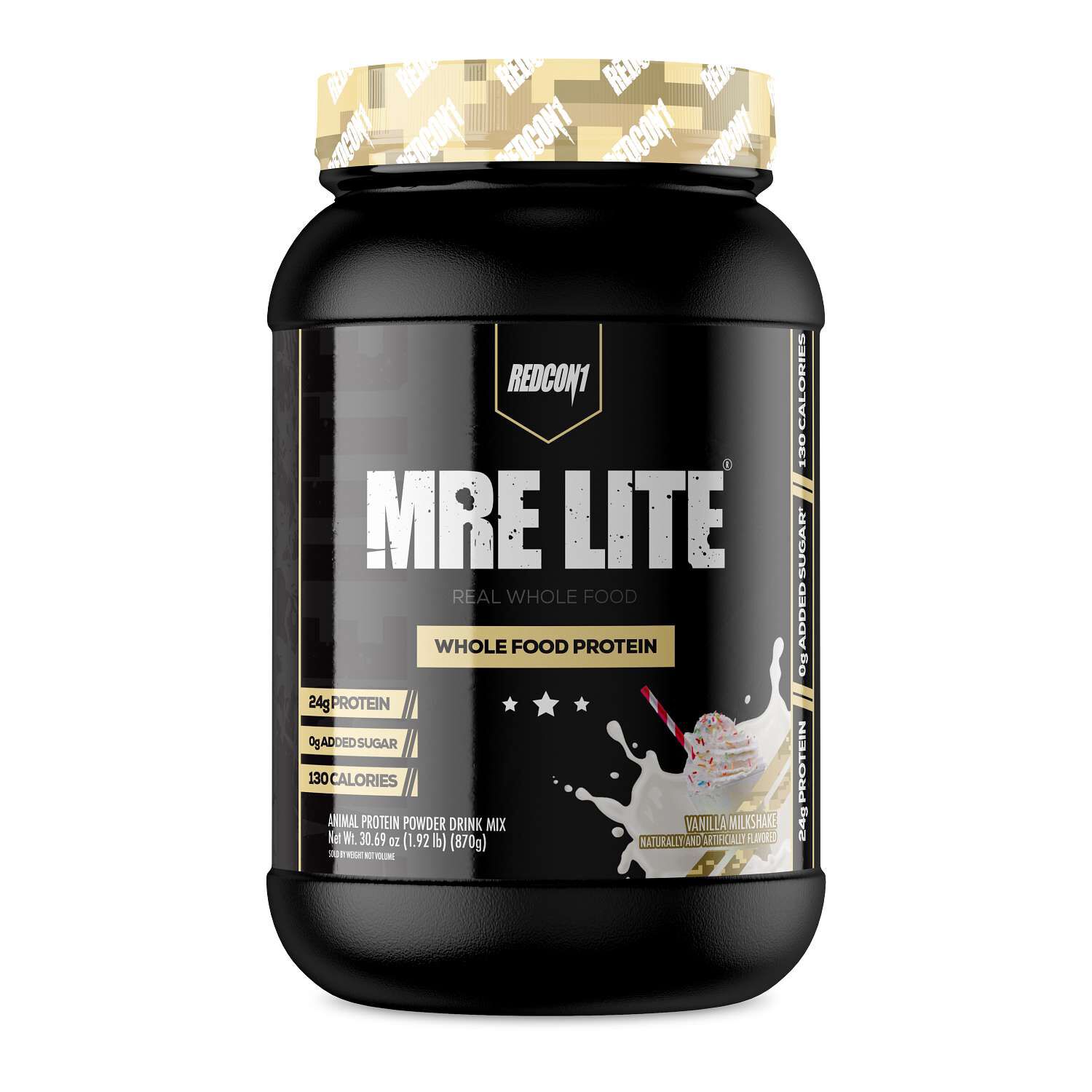
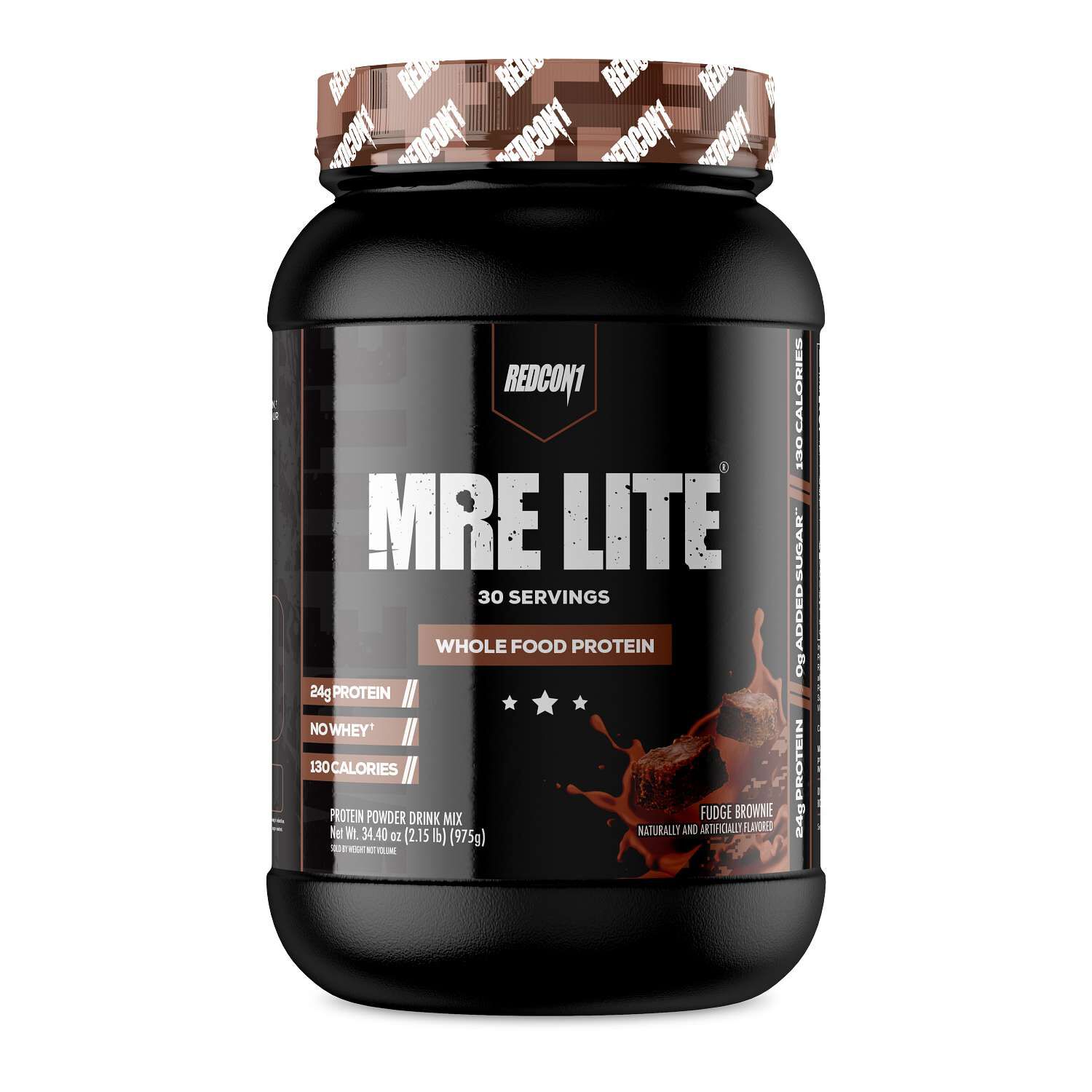
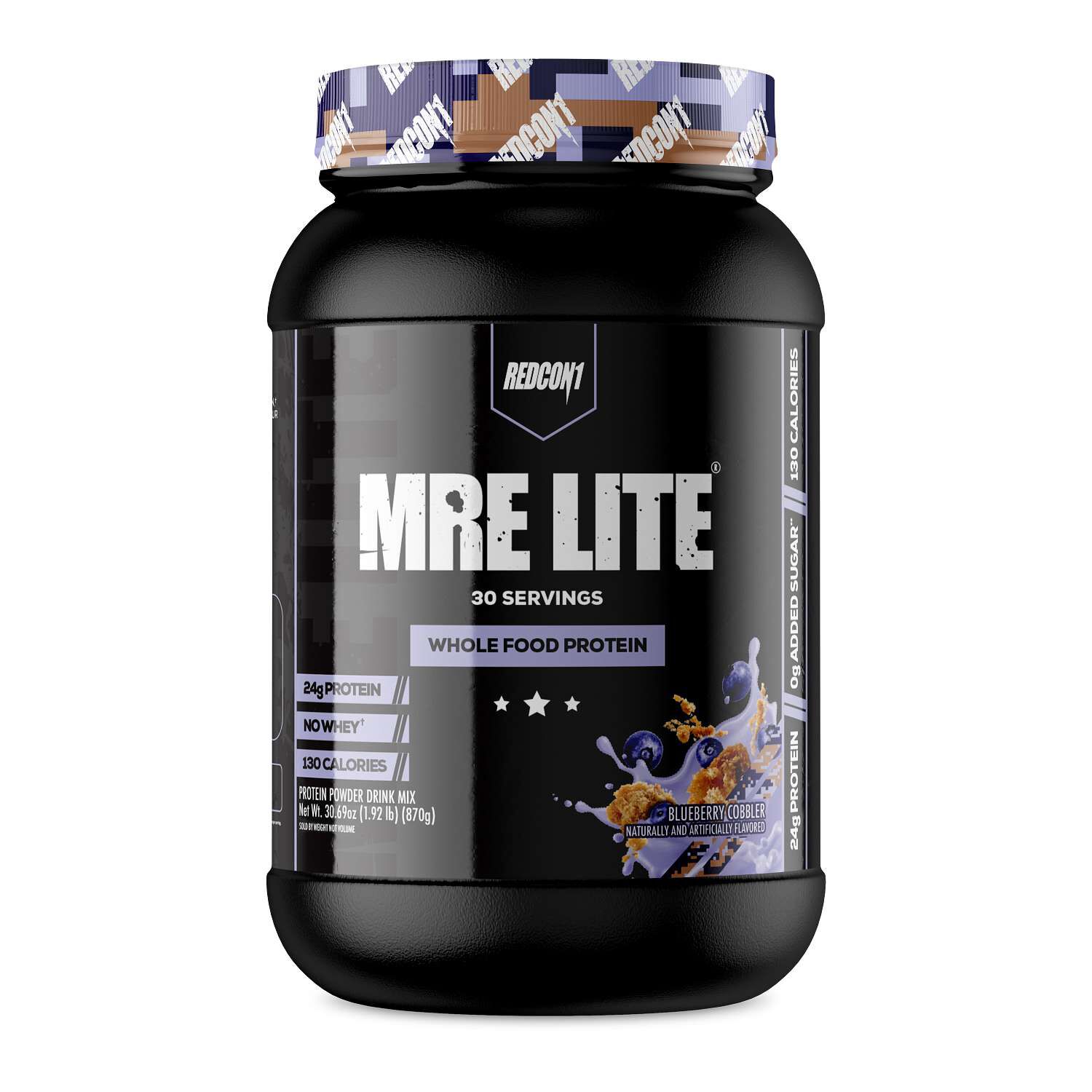
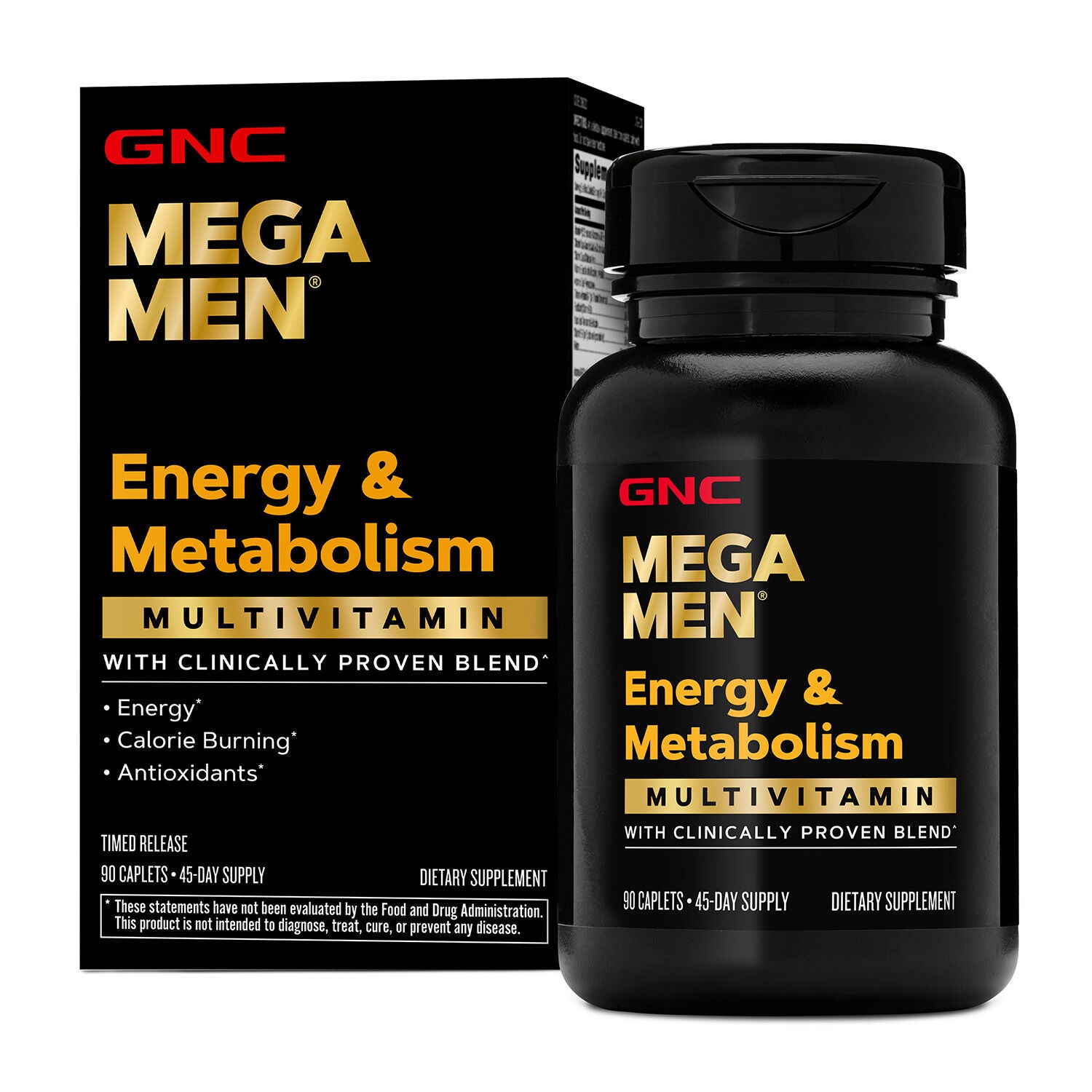
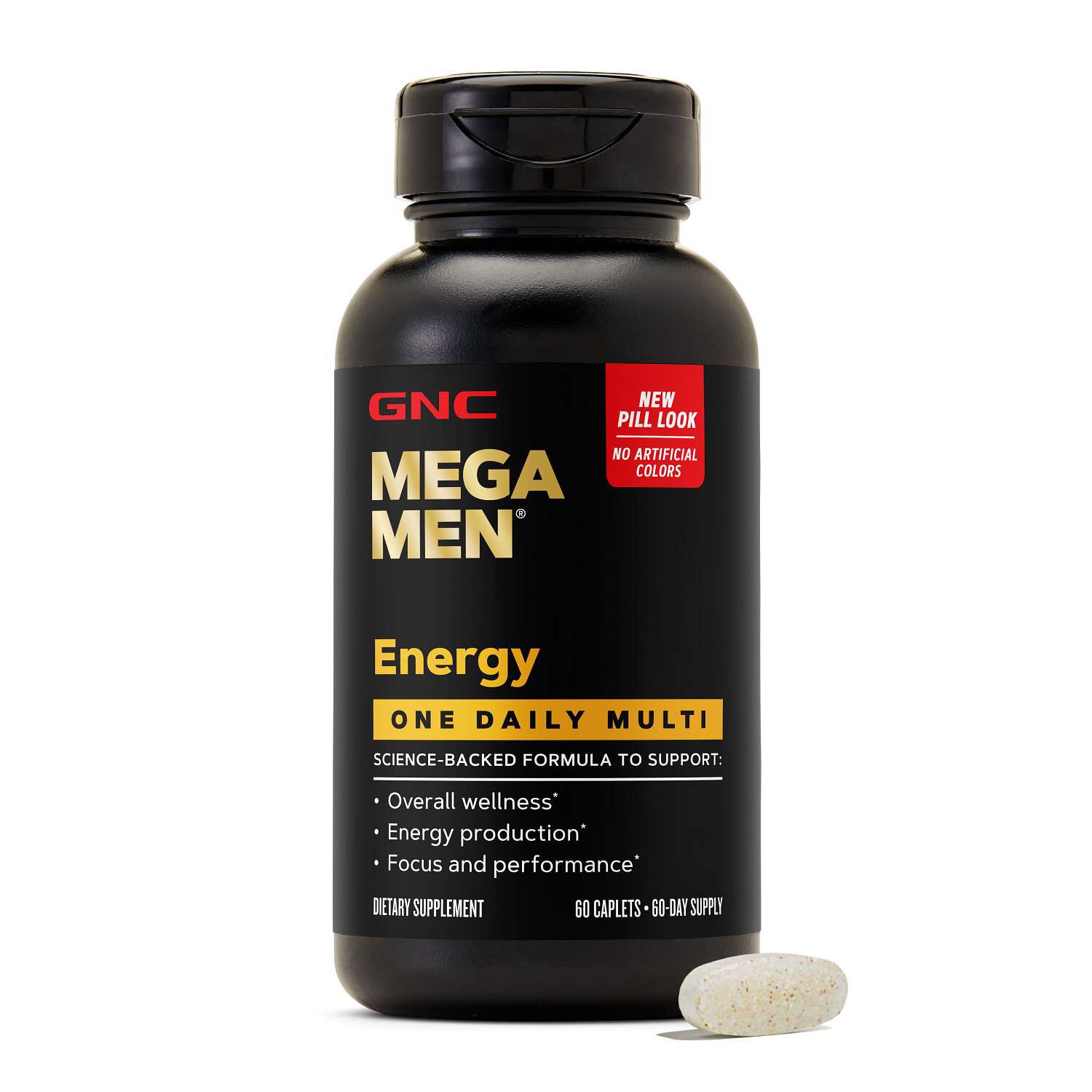
Protein supplements for runners are generally intended to complement food rather than stand in for a varied eating routine. Whey, casein, soy, pea, and other plant-based proteins differ in source, flavor, texture, and ingredient composition. Protein may support muscle recovery following training, but a powder’s fit also depends on dietary preferences, labeled allergens, and how it will be prepared. A smooth shake mixed with water after a track session is a different experience from a thicker blend stirred into oatmeal at home. Protein grams per serving, serving size, and the number of scoops specified on the label make more meaningful comparisons than container size alone. Dairy-based formulas may not suit every eating preference, while plant-based blends can vary considerably in texture and flavor. Collagen powders are another category associated with active routines, though their protein composition differs from whey, soy, and other common options; they are not interchangeable simply because each lists protein on the label. Vitamins and minerals occupy a separate place in a runner’s assortment. Multivitamin formulas differ in their nutrient amounts, serving instructions, and intended audience, and running mileage alone does not establish a need for a particular nutrient supplement. For shoppers comparing formulas intended for adult men, Men's Vitamins For Runners offers a more focused category to explore alongside broader running nutrition. Ingredient lists remain important when several supplements are part of the same routine, since a drink mix, protein blend, and multivitamin may contain overlapping nutrients. Clear labeling and third-party testing information can add useful context, particularly for runners participating in organized competition, although testing programs differ in what they assess. Supplements are also personal choices when considered as gifts. A familiar flavor and format already used by the recipient generally offer a more thoughtful match than an unfamiliar formula selected solely because the person runs. Whether the routine centers on quiet morning miles, weekend trail routes, or structured race preparation, the strongest match is grounded in practical details: intended use, dietary fit, preparation, portability, and a taste the runner enjoys.