Energy Supplements For Runners
(0 Results)
Boost your running performance with our selection of energy supplements designed for runners. Whether you're training for a marathon or just looking to enhance your daily runs, these supplements are formulated to provide you with an extra edge. From pre-workout powders to energy gels, our range of products is carefully curated to help you increase endurance, maintain focus, and recover faster. Discover how these energy-boosting supplements can support your fitness goals and take your running game to new heights.
-

-

-

-

-
-
 Purity Products$19.99
 -

-
-
-
-

Energy supplements for runners may help support a practical fueling routine before, during, or after a run, particularly when the route stretches beyond an hour or includes sustained hills, brisk intervals, or a long finish. The right choice often depends on distance, pace, weather, personal preferences, and how much food and fluid a runner can comfortably take while moving. Fast-digesting carbohydrate products, such as gels, chews, and drink mixes, may provide a convenient source of fuel during longer efforts. Many runners look for portions that contain roughly 20 to 30 grams of carbohydrate, though individual needs vary with body size, running intensity, duration, and the rest of the day’s meals. A runner preparing for a half marathon may carry several servings in a belt or pocket, while someone heading out for a relaxed weekend route may prefer a single serving for added convenience. Electrolyte drinks, powders, and tablets may complement a hydration plan by supplying minerals such as sodium, potassium, and magnesium, which are commonly included in products intended for runners who sweat during extended activity. These options can be especially appealing during warm conditions, on humid routes, or when a runner is finishing a workout with damp sleeves and a water bottle that feels noticeably lighter. Caffeinated formulas may support alertness and perceived effort for some adults, while caffeine-free choices may suit runners who prefer to limit caffeine or run later in the day. Since caffeine affects people differently, shoppers may want to consider their usual intake, the timing of the run, and the serving information on the label. Products with slower-digesting carbohydrate sources may also appeal to runners who prefer a gradual fueling approach rather than a concentrated serving taken all at once. For broader shopping inspiration, explore Supplements For Runners, where runners can compare formats suited to training, racing, and everyday movement. The most useful format is often the one that fits naturally into the runner’s routine: a compact gel for a long trail outing, a chew that can be divided into smaller portions, a powder that mixes into a bottle, or a ready-to-drink option for a simpler grab-and-go experience.
Timing and portability are important purchase considerations. For runs lasting longer than 60 to 90 minutes, many endurance athletes plan to take in carbohydrate at regular intervals rather than waiting until the final miles. A common starting point is one serving every 30 to 45 minutes during a long effort, paired with water when the product label recommends it; isotonic formulas may be designed to be taken without an additional drink. Runners should follow the serving directions and test their approach during ordinary training sessions before using a new product for a race or demanding event. One of the most useful lessons often comes from an early-morning long run: a gel that seemed easy to carry may feel less convenient when opened with cold fingers, and a flavor that sounded appealing in the store may become tiring after several servings. Small details such as package size, texture, sweetness, mixability, and whether a product requires water can shape the experience over many miles. During cooler months, runners may appreciate options that fit inside a jacket pocket without taking up much space, while runners training as the weather warms may prioritize bottles, electrolyte mixes, and packaging that is easy to handle with sweaty hands. These products may also make thoughtful gifts for marathon trainees, trail runners, running-club members, college athletes, or anyone building a consistent outdoor routine. A practical gift assortment could include several flavors, a compact running belt, and a mix of carbohydrate and electrolyte formats so the recipient can compare preferences during training. Shoppers may also consider dietary preferences, flavor sensitivities, caffeine content, serving size, and ingredient lists before choosing. Runners who are new to fueling may prefer mild flavors and smaller portions, while experienced distance runners may seek concentrated formats that fit a carefully planned race strategy. No single supplement suits every runner, and a comfortable routine may take a little trial and adjustment. Keeping notes after longer runs can help identify which products travel well, pair comfortably with water, and fit the runner’s pace, route, and schedule.
Best Sellers
-
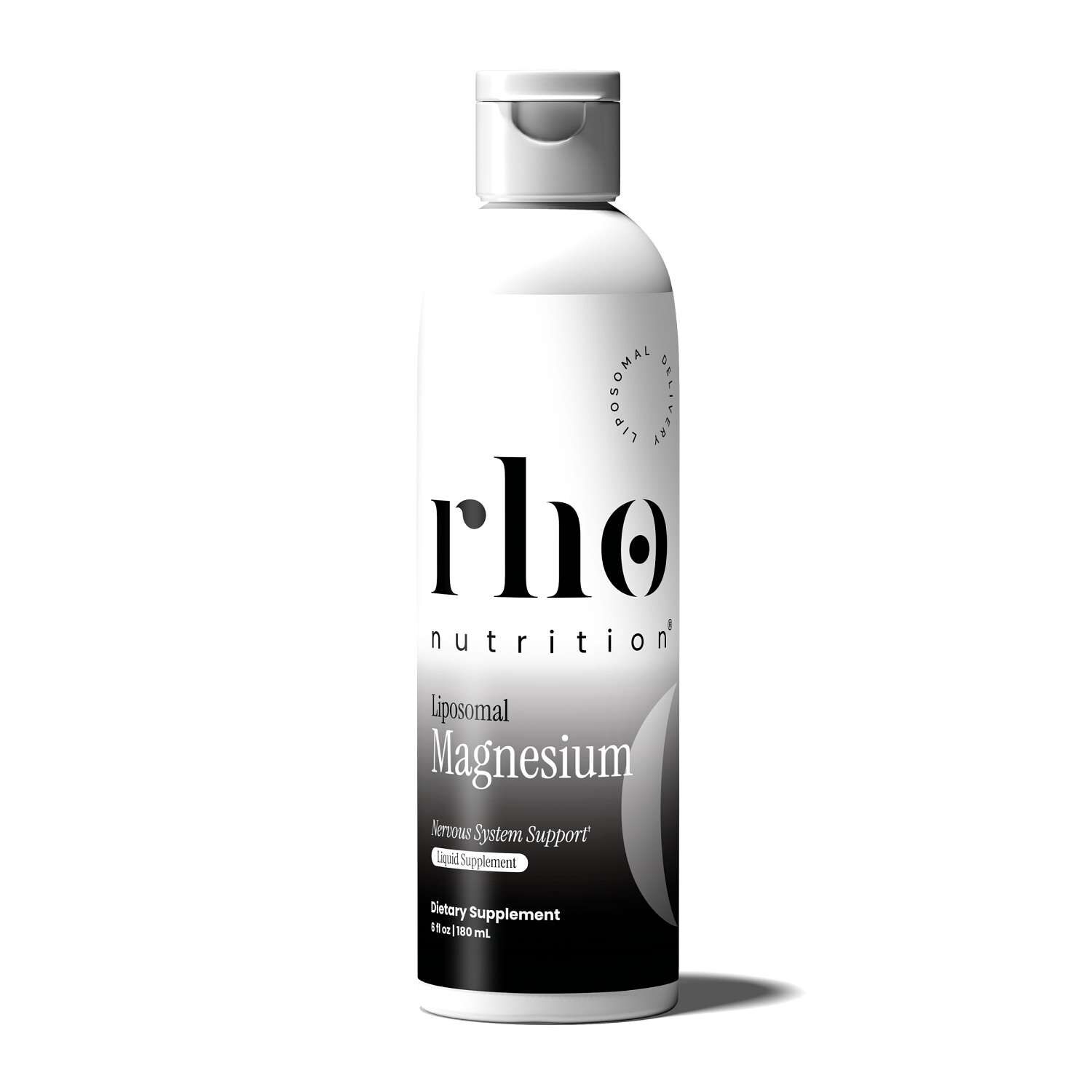 Rho Nutrition
 -
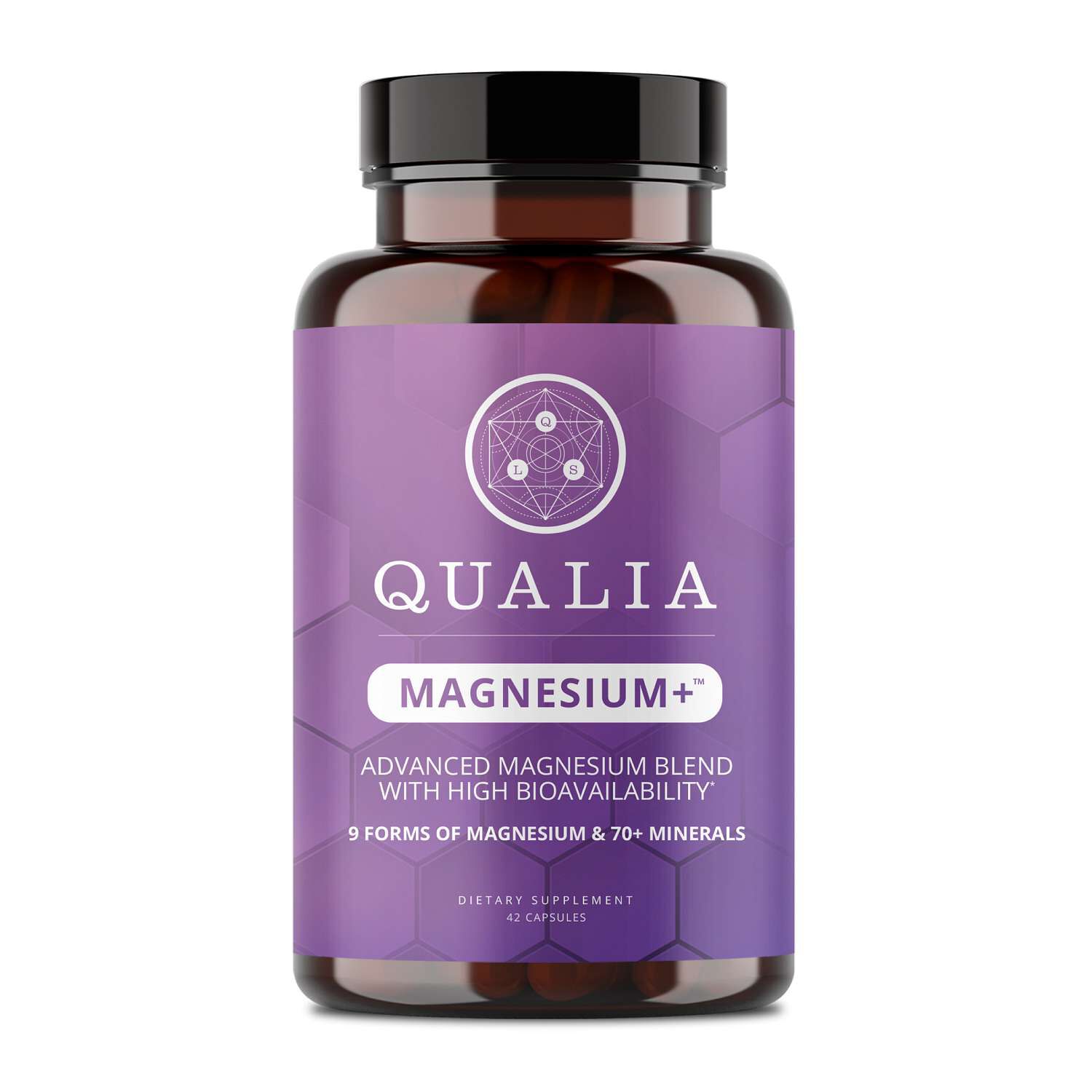 Qualia Life Sciences