





Energy Vitamins For Runners
(0 Results)
Energy vitamins for runners are designed to support an active lifestyle and help you stay motivated during every workout. Whether you're training for your next race or enjoying a daily jog, these vitamins may offer nutritional support tailored to the needs of runners. Explore options that could complement your routine and keep you moving forward with confidence.


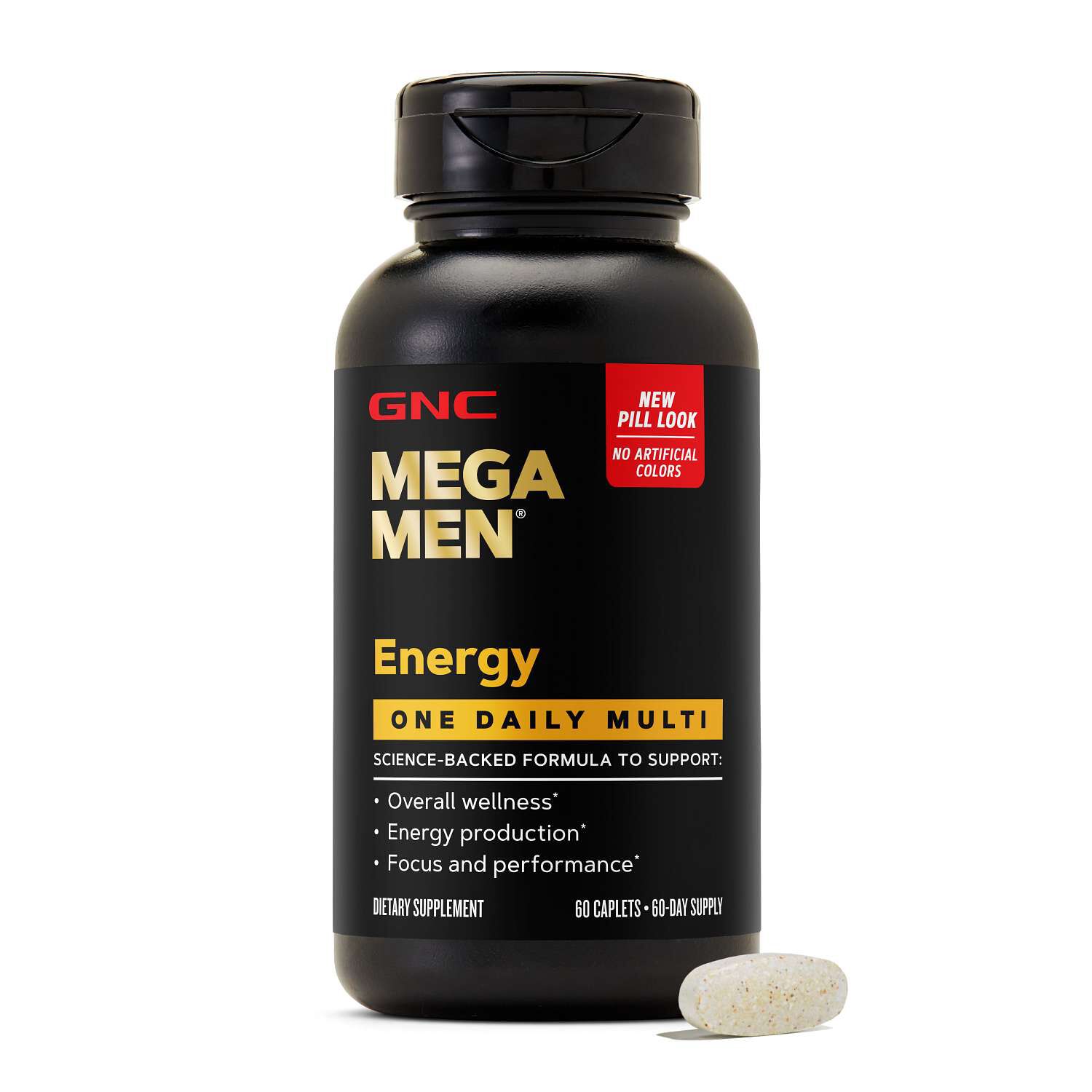
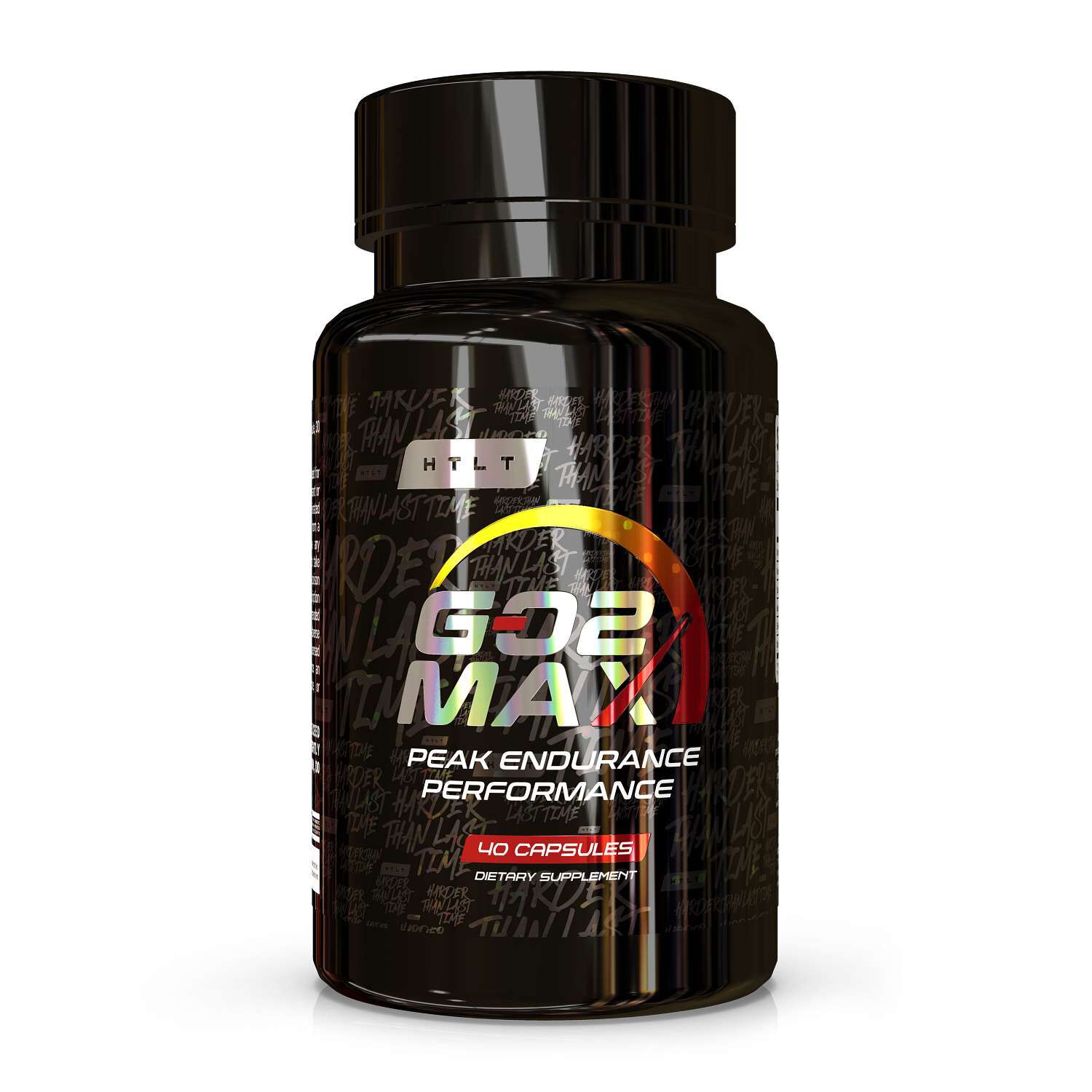


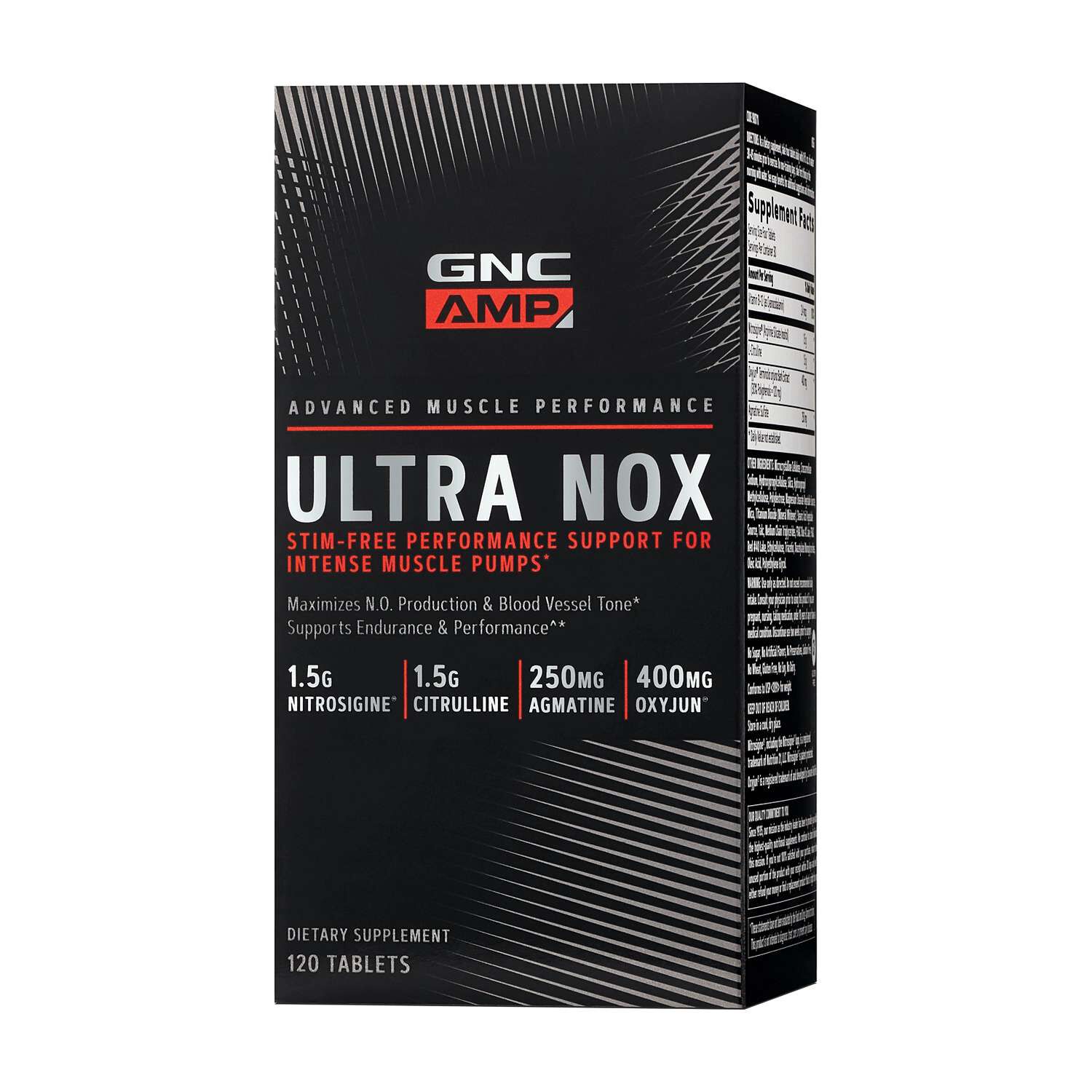
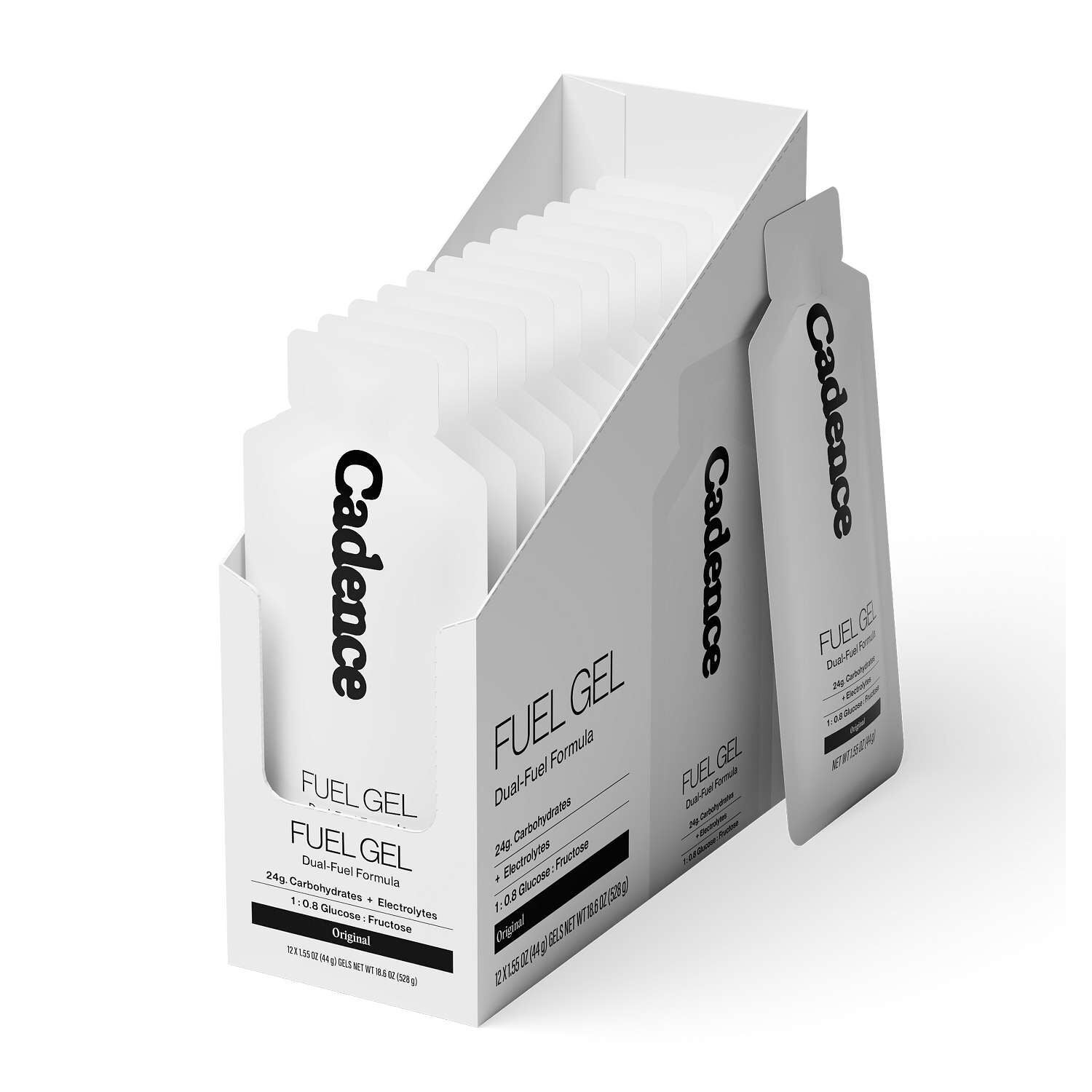

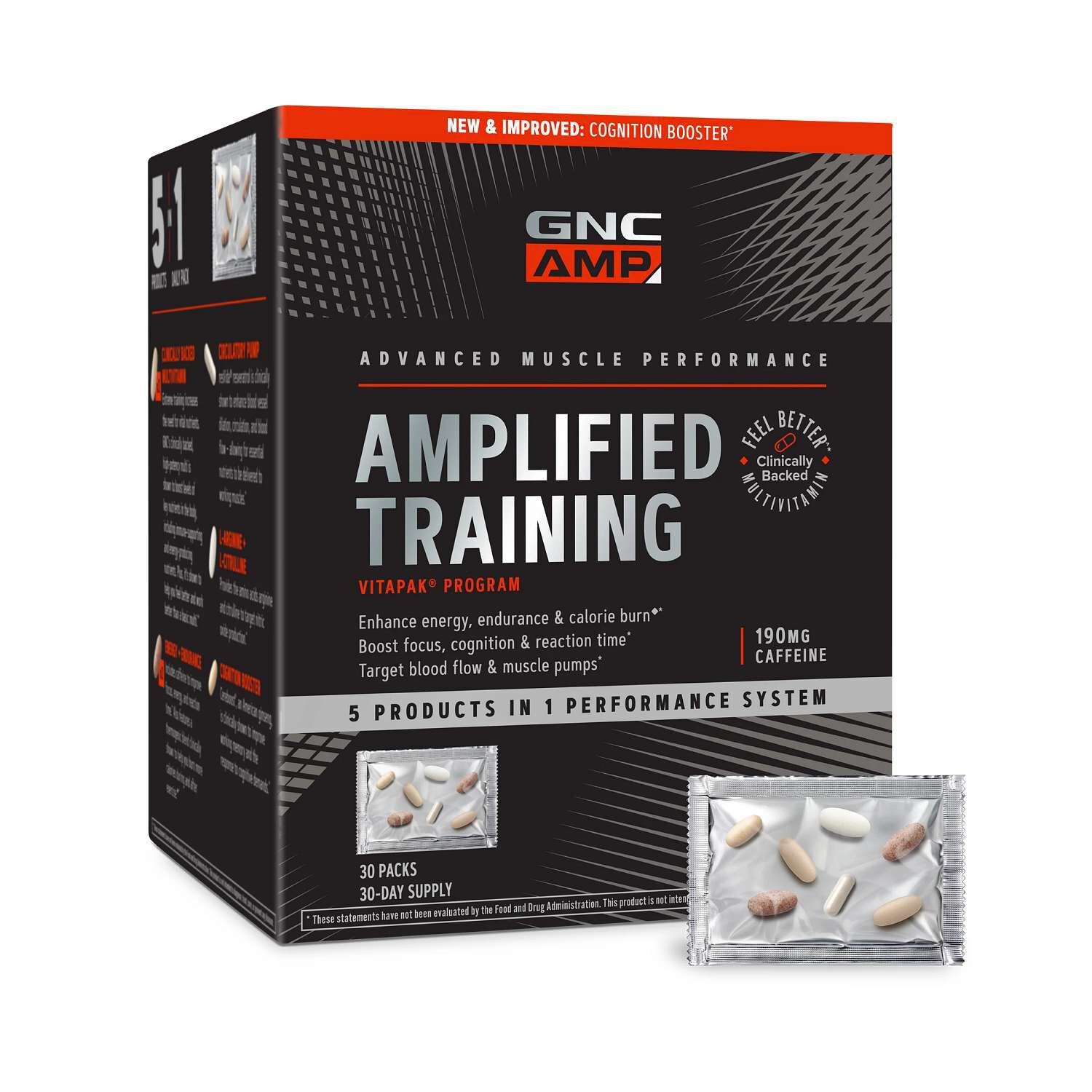
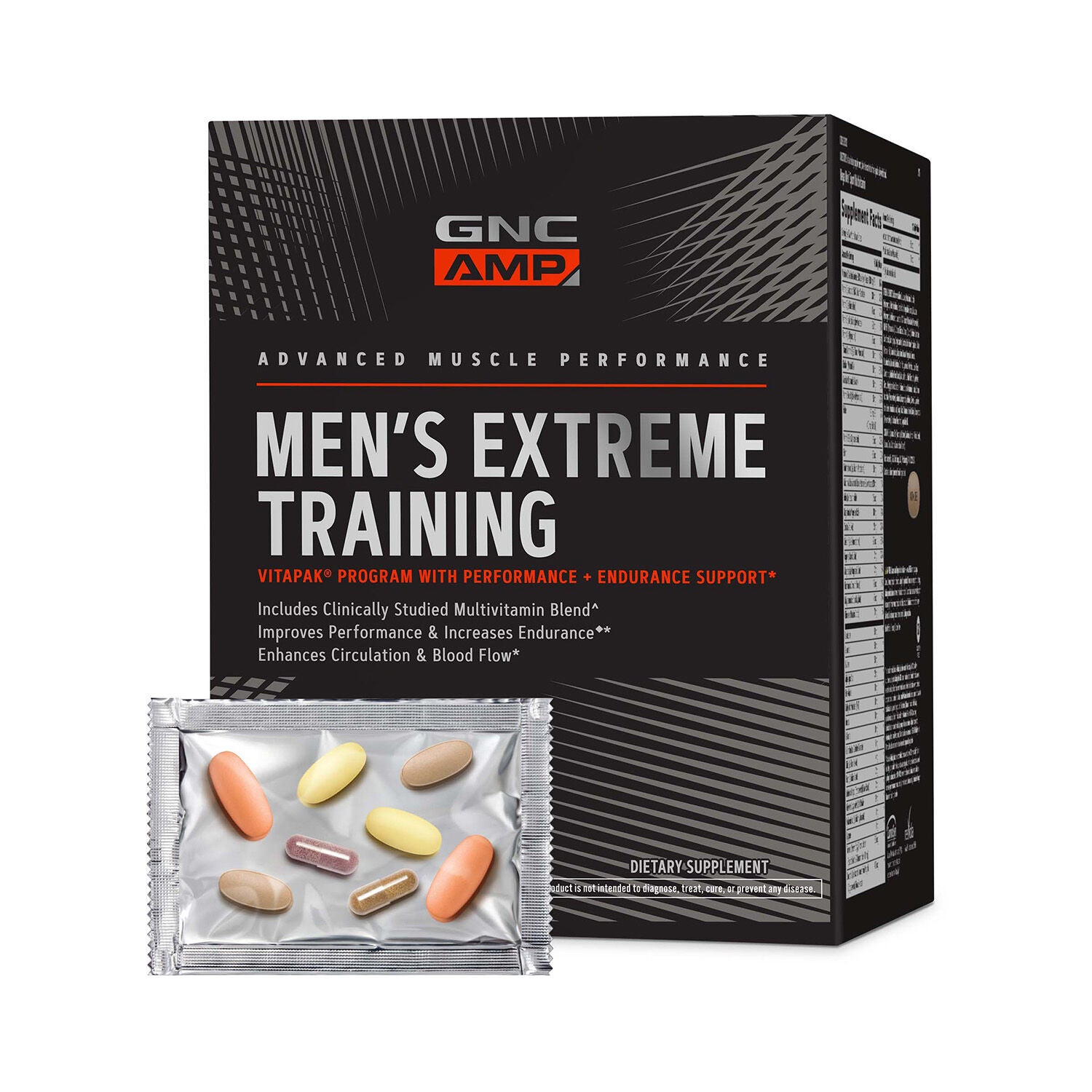
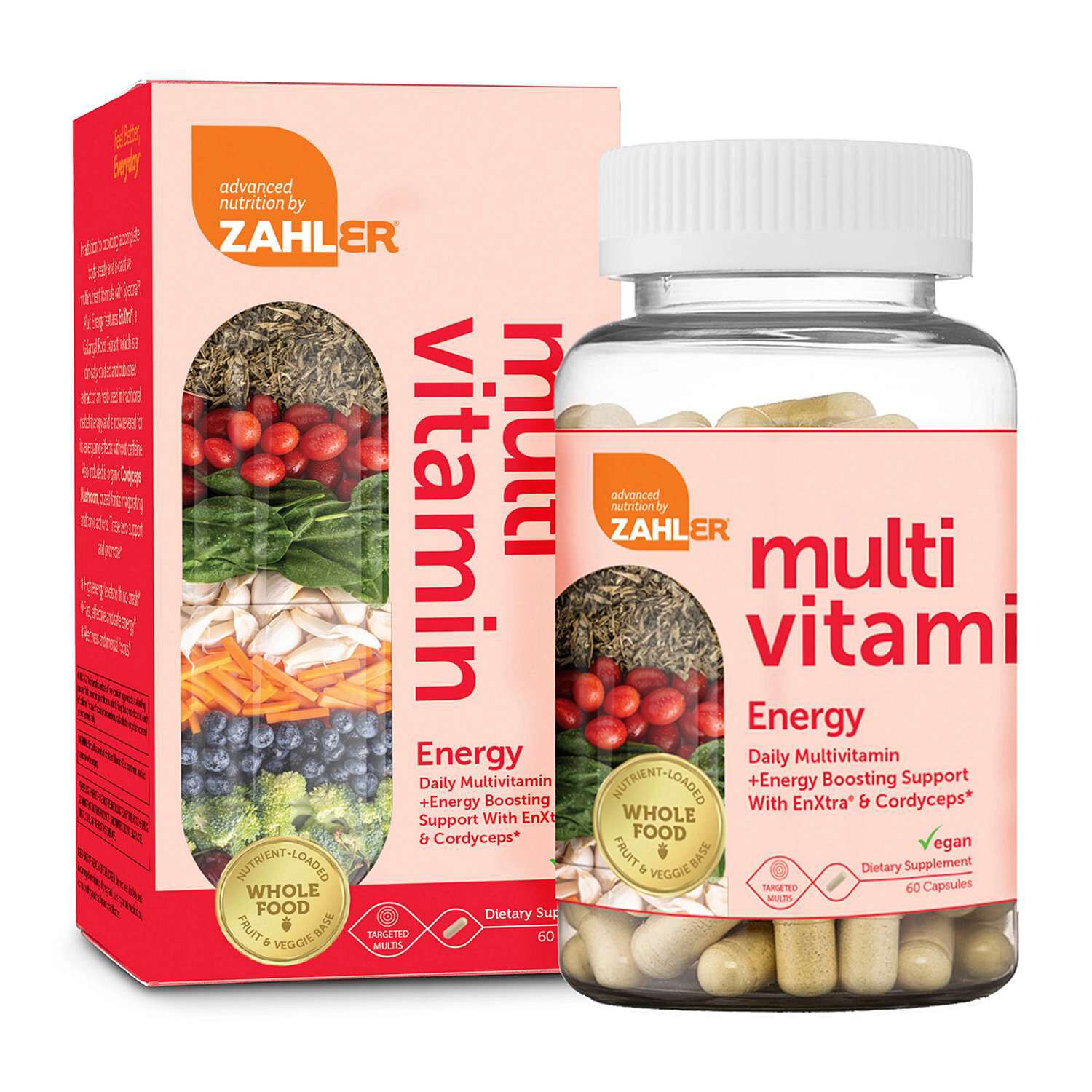
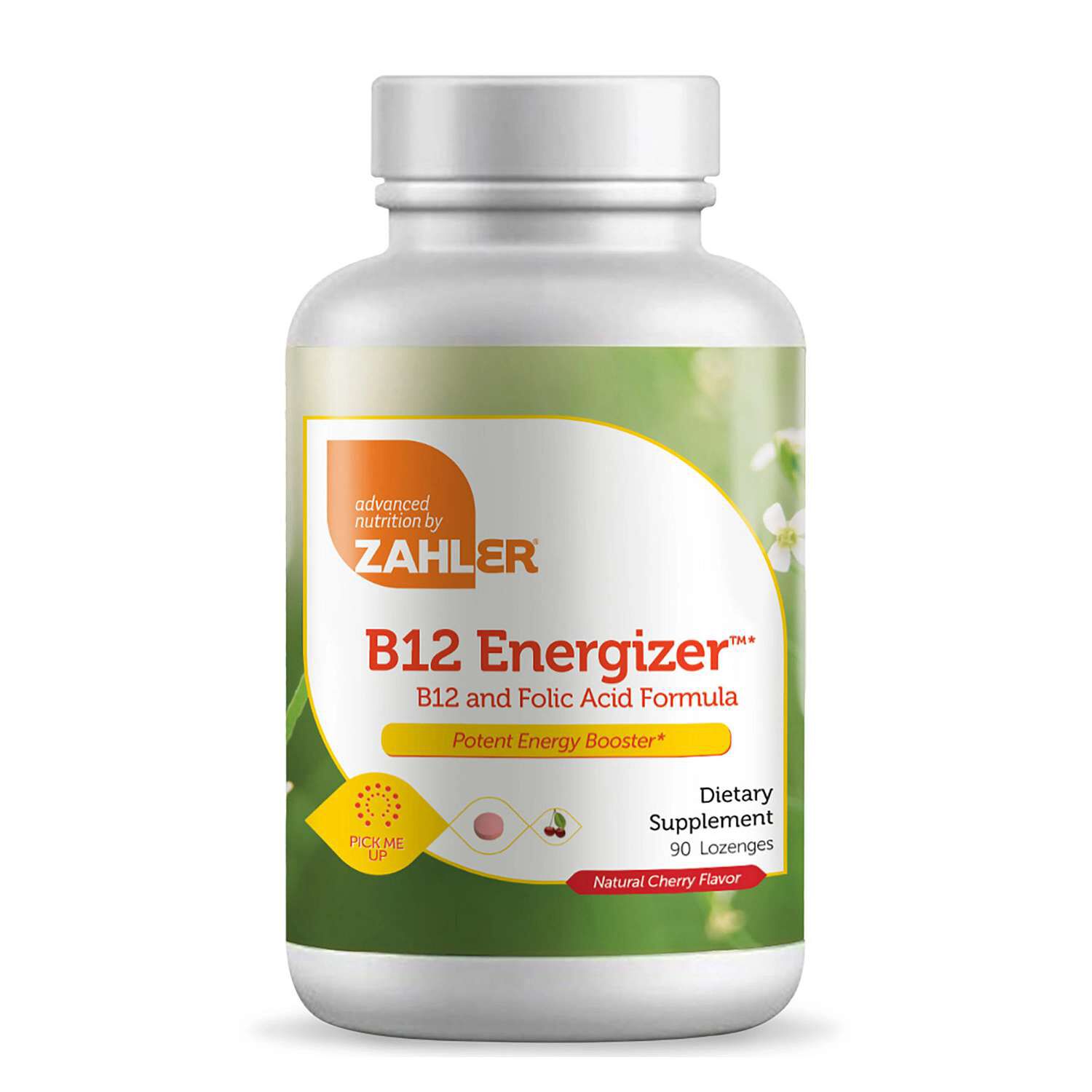

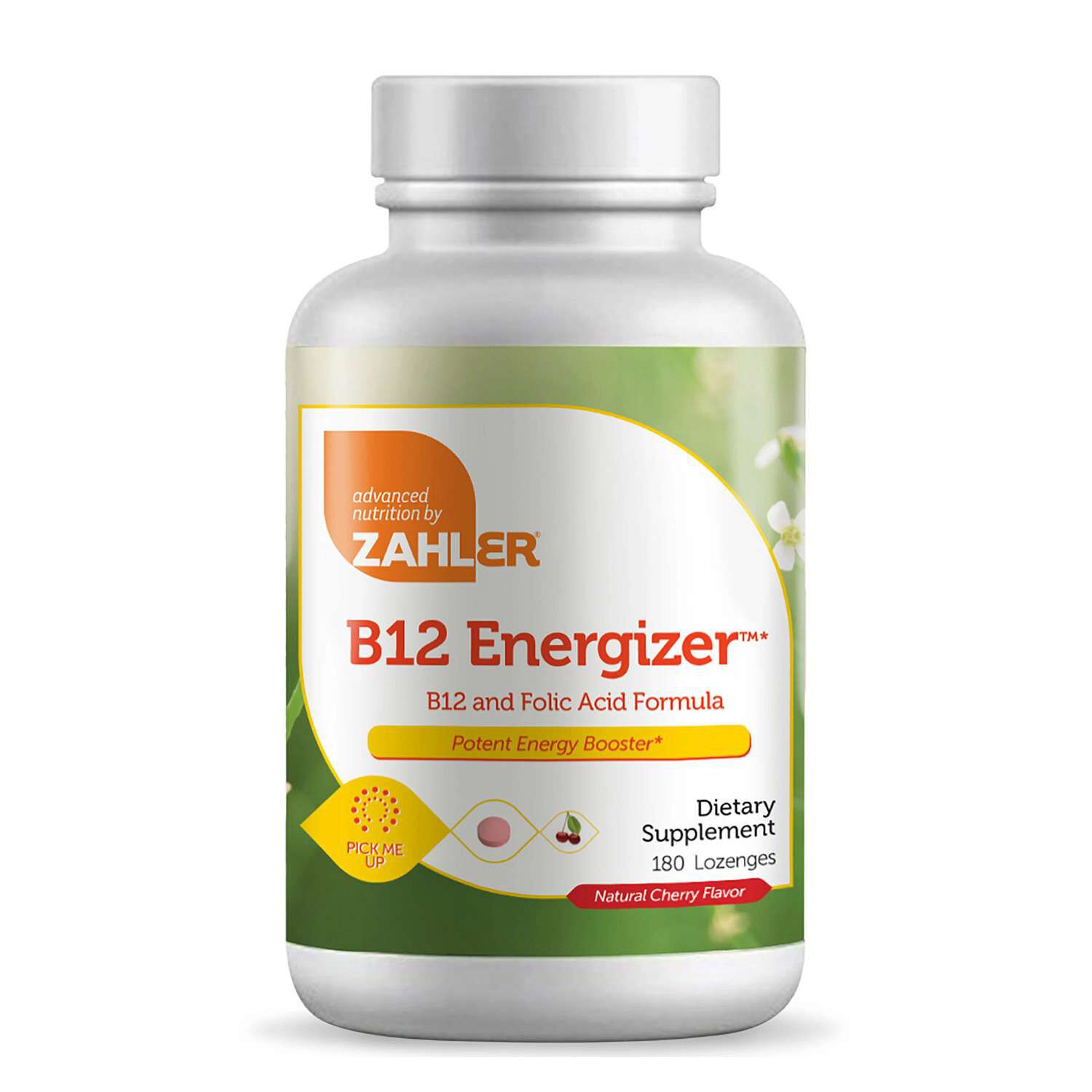


Energy vitamins for runners typically center on B vitamins, including B12, B6, thiamin, riboflavin, and niacin, which may support normal energy metabolism. That role is different from the role of carbohydrate fuel: vitamins do not contain calories, while carbohydrates are a source of dietary energy. The distinction matters when comparing a daily multivitamin with a sports drink or a snack for a long run. A vitamin formula may complement everyday nutrition, but it belongs in a different category from the food and fluids packed for time on the road or trail. For someone balancing an early alarm, a workday, and an evening training session, the most relevant comparison starts with what a supplement contains rather than how energetic its packaging looks. B-complex formulas group several B vitamins together, while single-nutrient options focus on one vitamin, such as B12. Multivitamins cover a broader range of nutrients, with the exact selection and amounts varying by formula. Some runner-focused nutrition categories also include minerals. Iron is a mineral, not a vitamin, and it may support normal oxygen transport. Magnesium may support normal muscle function, while calcium and vitamin D may support normal bone maintenance. These nutrients have distinct roles; they are not interchangeable versions of the same ingredient. Their presence on a label is worth considering alongside an everyday eating pattern, not simply the number of miles in a training log. A runner who regularly eats beans, leafy vegetables, eggs, dairy foods, or fortified alternatives has a different dietary pattern from someone whose meals feature other foods. Vegetarian and vegan preferences may also shape which ingredients and capsule materials fit a routine. Energy vitamins for runners are therefore best understood as a varied supplement category rather than a single formula for every distance, pace, or training goal. The useful details are the nutrient names, serving amounts, ingredient sources, and intended use printed on each label.
Format is another practical difference, particularly when a supplement has to fit around commuting, travel, and a crowded training bag. Tablets and capsules are familiar daily formats, while chewables and gummies offer a different texture and serving experience. Powders and liquids introduce mixing, measuring, and bottle space into the decision. A small container that fits beside breakfast supplies has a different place in a routine than a powder stored with a shaker bottle. Serving size deserves close attention because one serving may consist of more than one tablet, capsule, or gummy. Comparing equal serving sizes gives a clearer picture than comparing the front of two packages. The Supplement Facts panel lists nutrient amounts, while the ingredient list provides details about capsule materials, sweeteners, flavors, colors, and other components. For shoppers with dietary preferences, those details can matter as much as the vitamin selection itself. Gummies may contain gelatin or pectin, and capsules may use gelatin or plant-derived materials. Flavored formats also vary in sweetness and texture, making personal preference part of the fit. Caffeine is a separate consideration from vitamin content. A formula containing B vitamins is not automatically a caffeinated formula, and a product described around energy may contain vitamins, caffeine, carbohydrates, or a combination. Caffeine may support alertness, but its presence does not make a beverage nutritionally equivalent to a multivitamin or a carbohydrate drink. For a beverage-focused comparison, Energy Drinks For Runners provides a related category to explore with attention to caffeine content, serving size, and ingredients. Electrolytes, including sodium and potassium, belong to another part of the comparison and may support normal fluid balance. Keeping these categories distinct makes labels easier to interpret: a daily vitamin, an electrolyte mix, and a carbohydrate-containing drink can have different intended uses even when each appears alongside running nutrition. The word energy alone does not describe everything inside the package, so the full label is more informative than a short front-panel phrase.
A workable supplement routine also depends on ordinary details that rarely appear in a race photograph: where the container lives, whether the label is easy to read, and how many separate products are already part of the day. Someone who keeps a multivitamin beside breakfast may prefer a straightforward daily format, while a frequent traveler may place more value on secure packaging and clearly marked servings. Looking across labels is especially useful when a multivitamin, B-complex formula, and beverage mix contain some of the same nutrients. Ingredient overlap is not always obvious from product names, and a longer list of nutrients is not, by itself, a reason to choose one formula over another. Directions, serving information, and any label cautions remain part of the product comparison. For competitive runners, independent testing information may also be relevant. A testing mark has a particular scope, so its meaning is worth reading rather than treating it as a prediction of running performance. Storage and package care matter, too. Follow the label’s storage directions, retain the original labeled container, and check the date and closure before packing a supplement for travel. A tightly closed bottle stored away from moisture is a more suitable setup than loose tablets tucked into the same pocket as a damp running shirt. Powders bring their own practical details, including scoop storage, container size, and the need for a clean, dry measuring utensil. These considerations are about product care and everyday usability, not just portability. Whether the routine revolves around neighborhood loops, track sessions, or preparation for a distance event, energy vitamins for runners may have a place alongside a varied diet and thoughtfully planned sports nutrition. The strongest basis for comparison is specific and readable: which nutrients are included, how much is in a serving, what else the formula contains, and whether the format suits the way the runner actually lives and trains.
Best Sellers

Related Pages


Top Collections
- Zinc Supplements For Men
- Chronic Fatigue Supplements
- Metabolism Boost For Weight Loss
- Daily Collagen Supplements | Top Brands & Deals | GNC
- Supplements For Yoga Joint Flexibility
- Capsule Supplements For Energy And Stamina
- Adult Vitamins
- Vitamins For Hair Loss
- Burnout Support Supplements
- Best Brand of Magnesium Glycinate