

Energy Drinks For Runners
(0 Results)
Fuel your runs with our selection of energy drinks designed for runners. Whether you need a pre-workout boost or a mid-run pick-me-up, these drinks are formulated to provide you with sustained energy and focus to help you conquer your training sessions and races. Packed with essential vitamins, minerals, and performance-enhancing ingredients, these energy drinks are a convenient way to power through your workouts and achieve your running goals. Choose from a variety of flavors and formulations to find your perfect running companion.

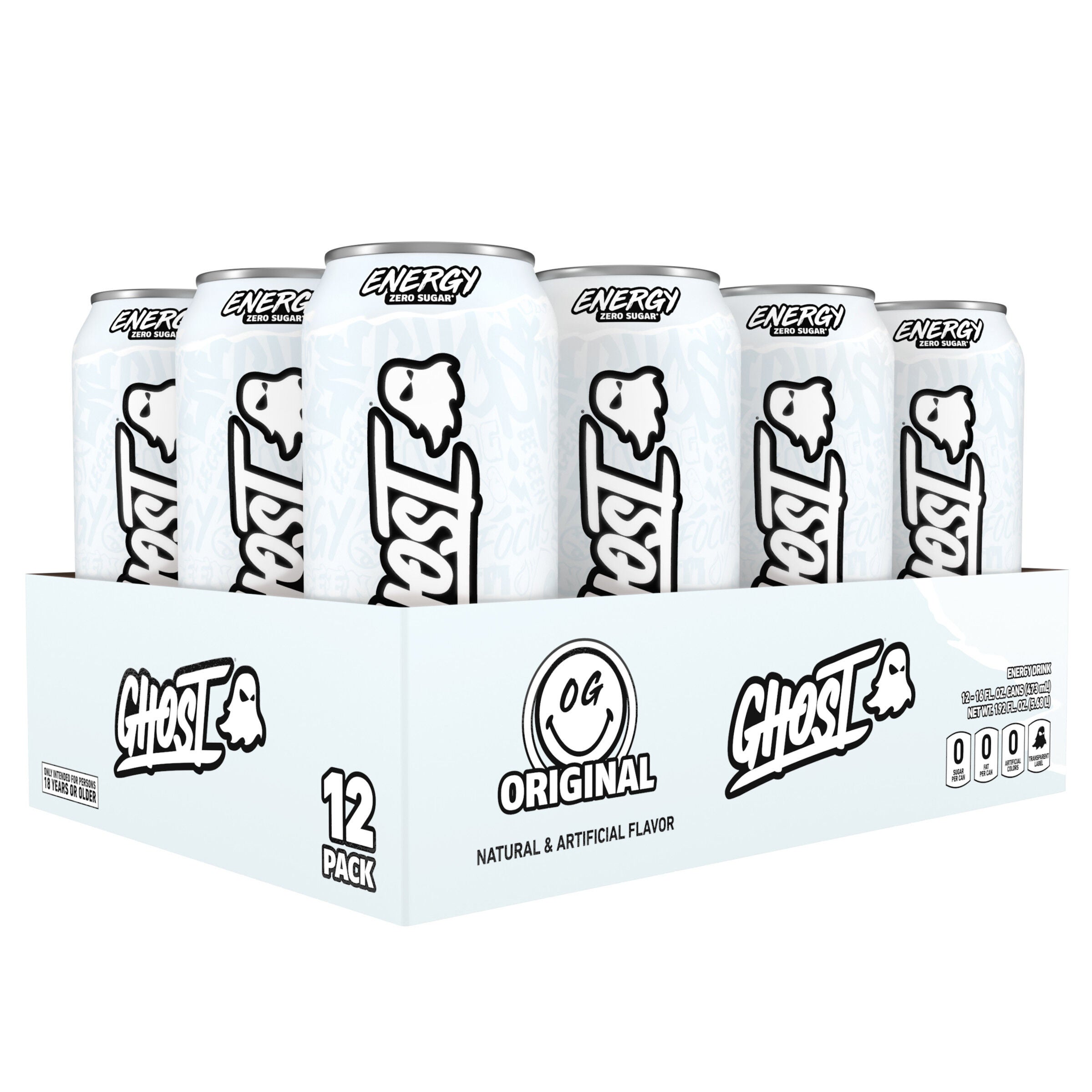
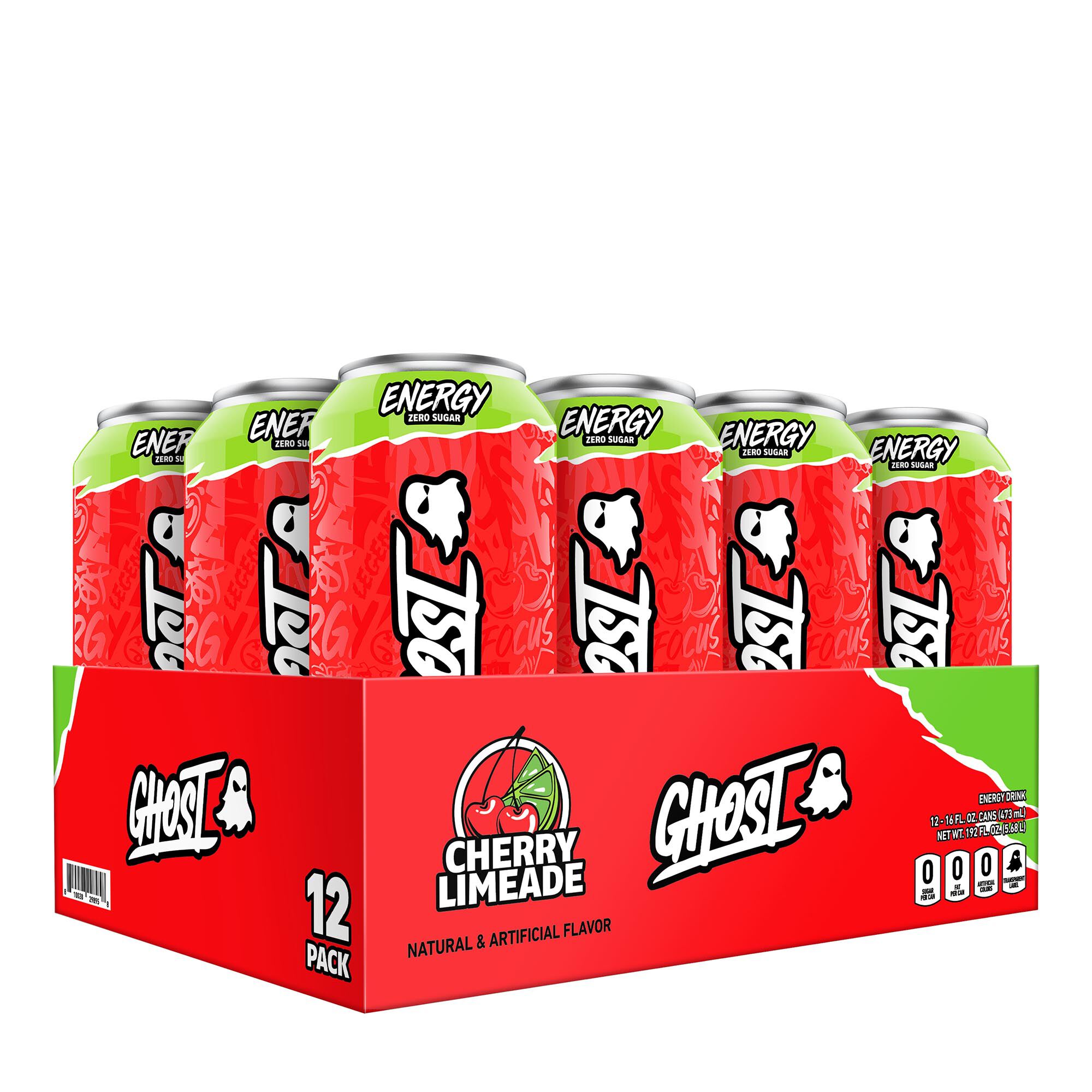
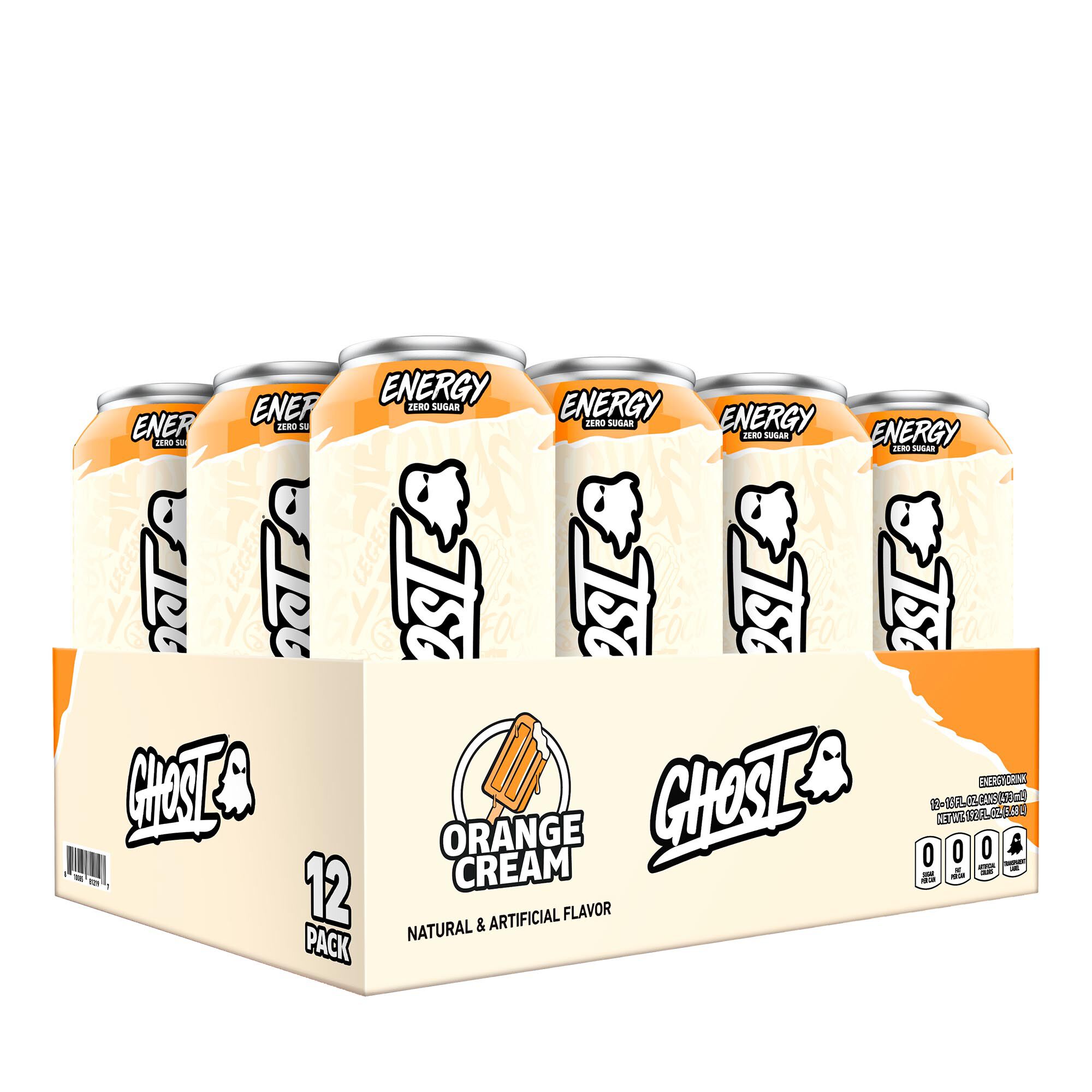


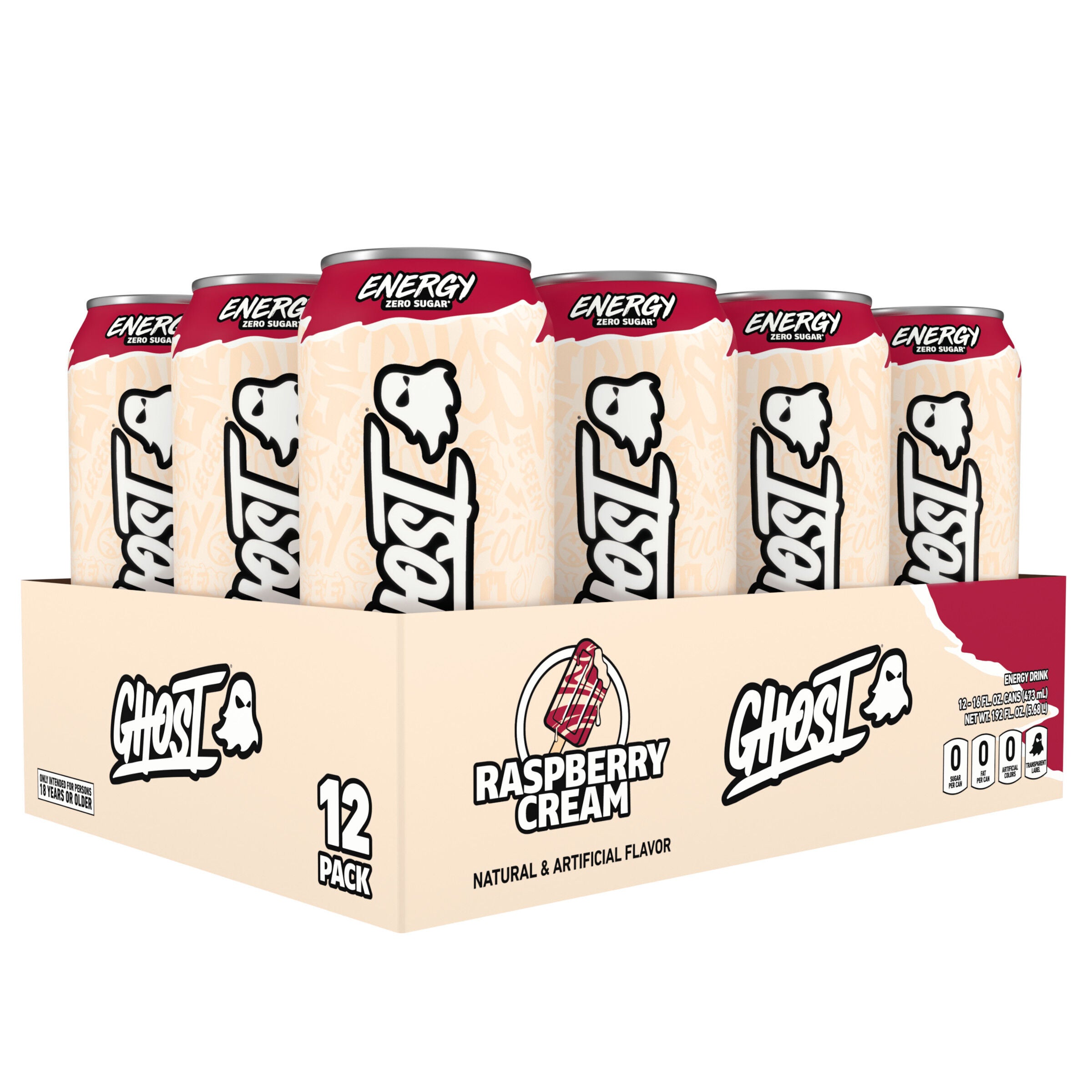
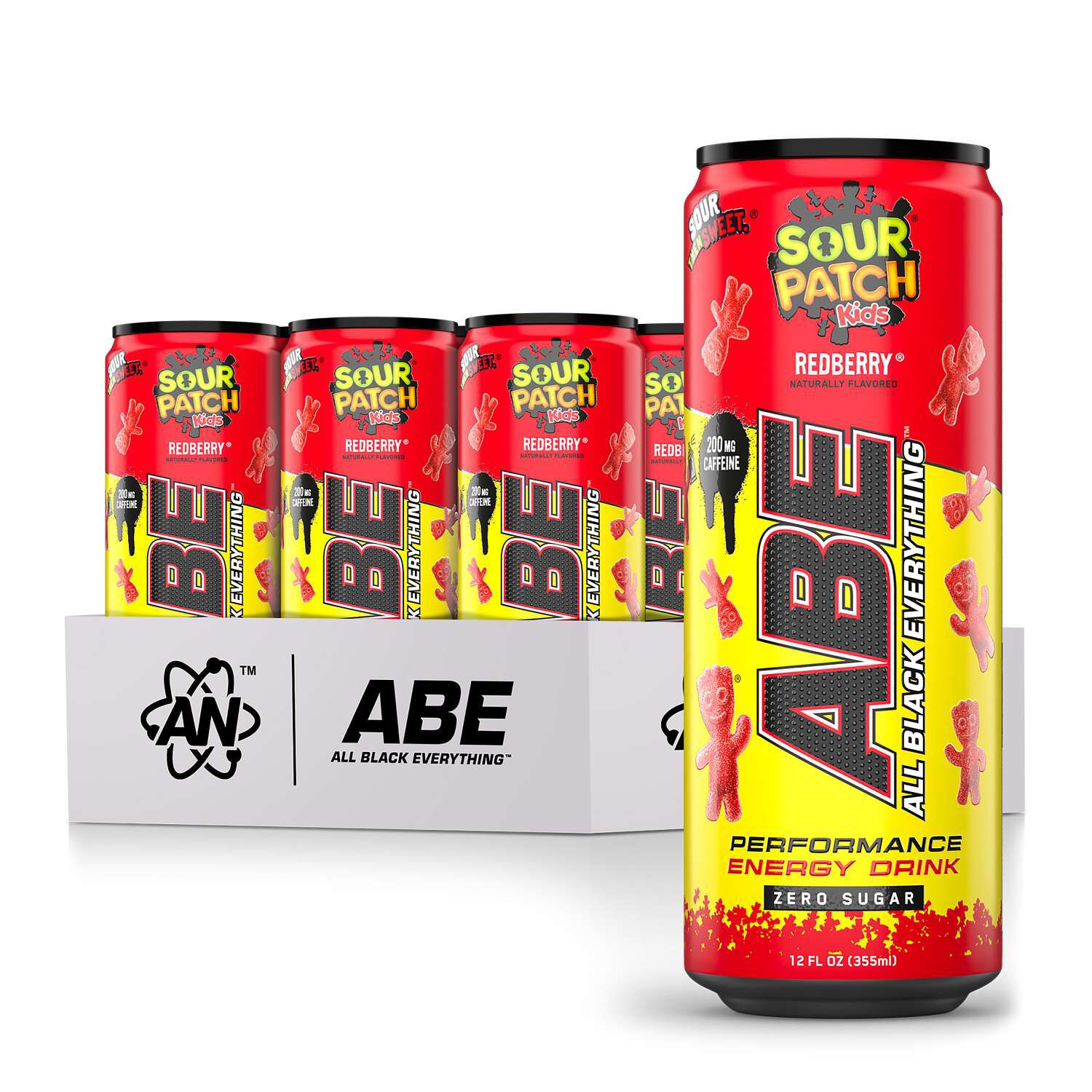
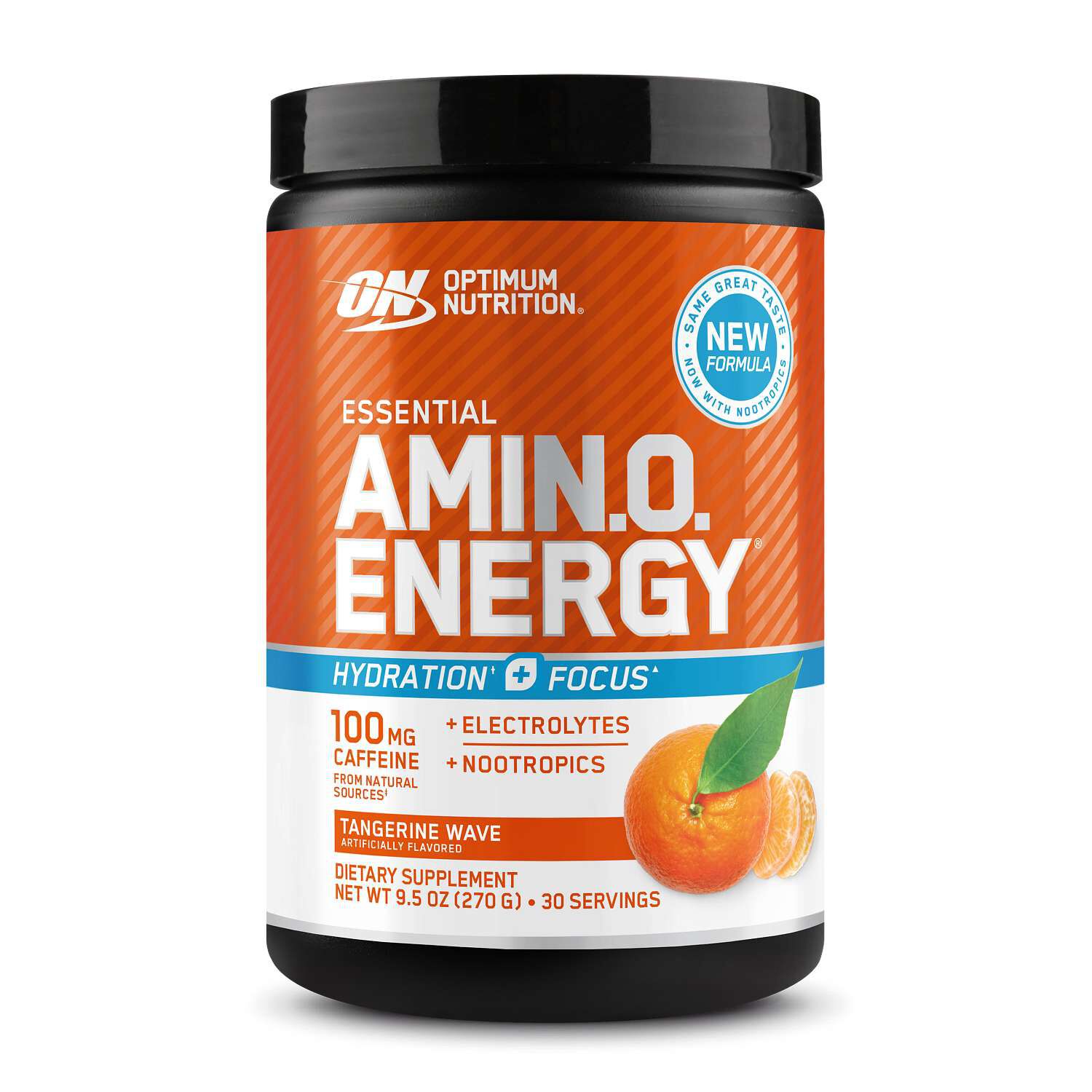

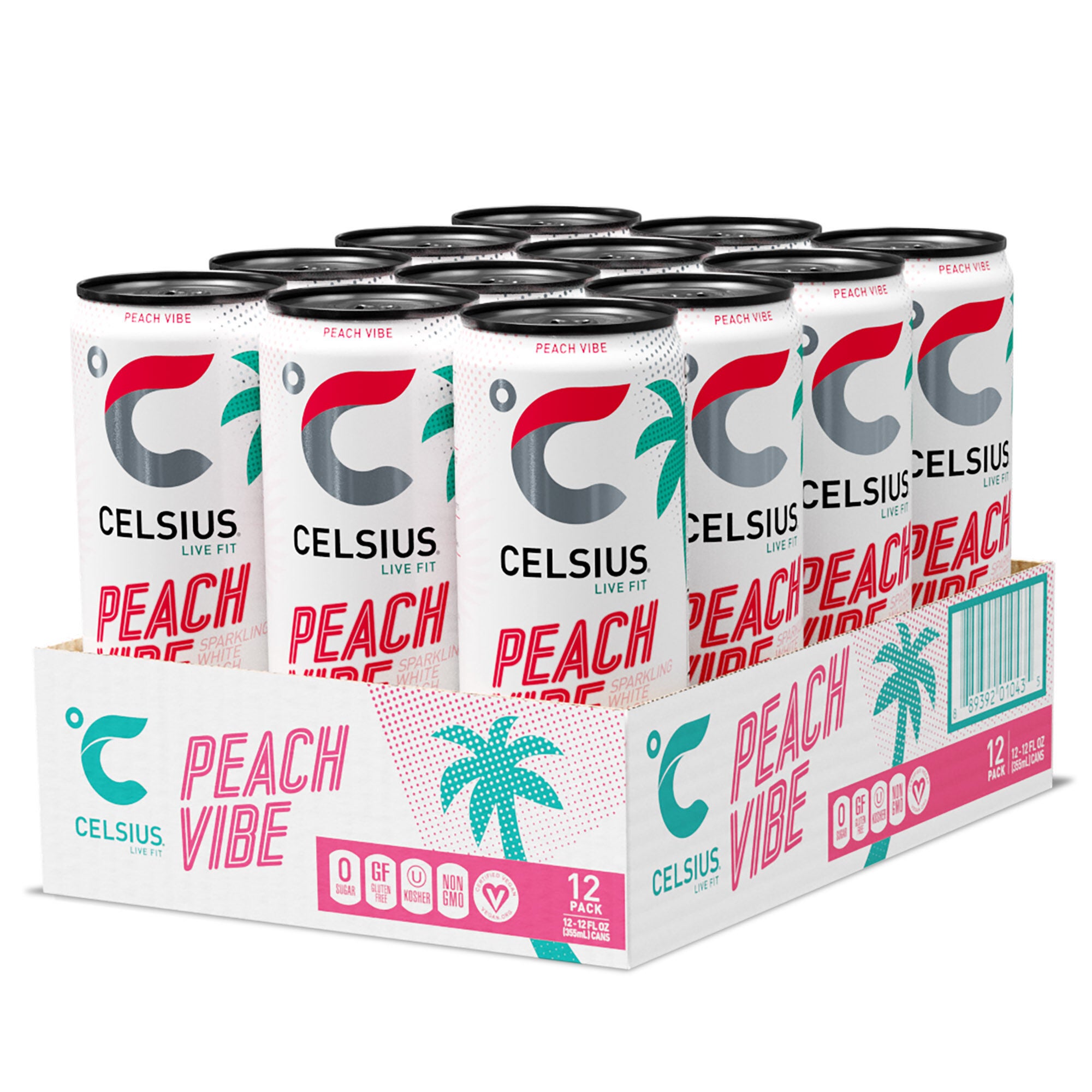
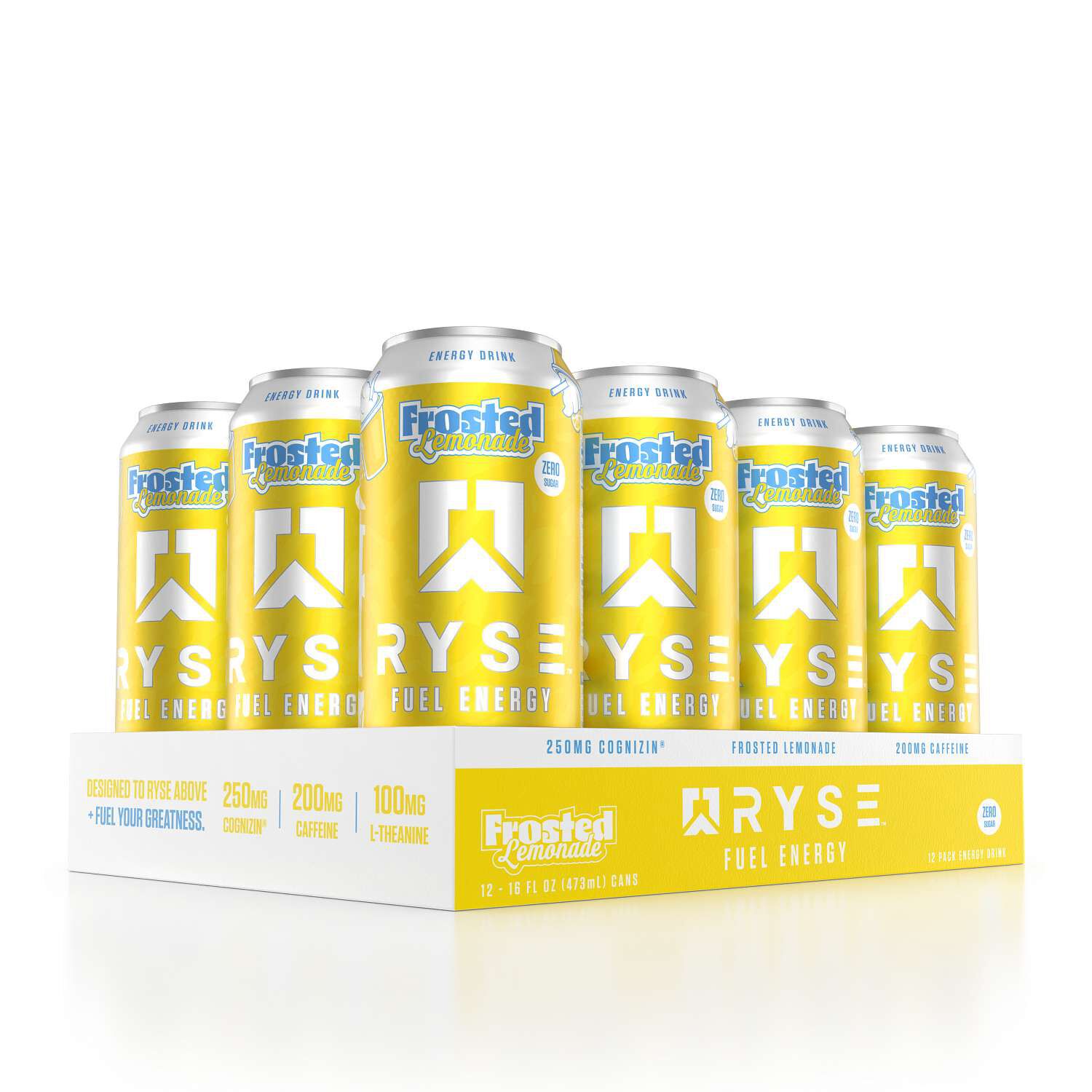
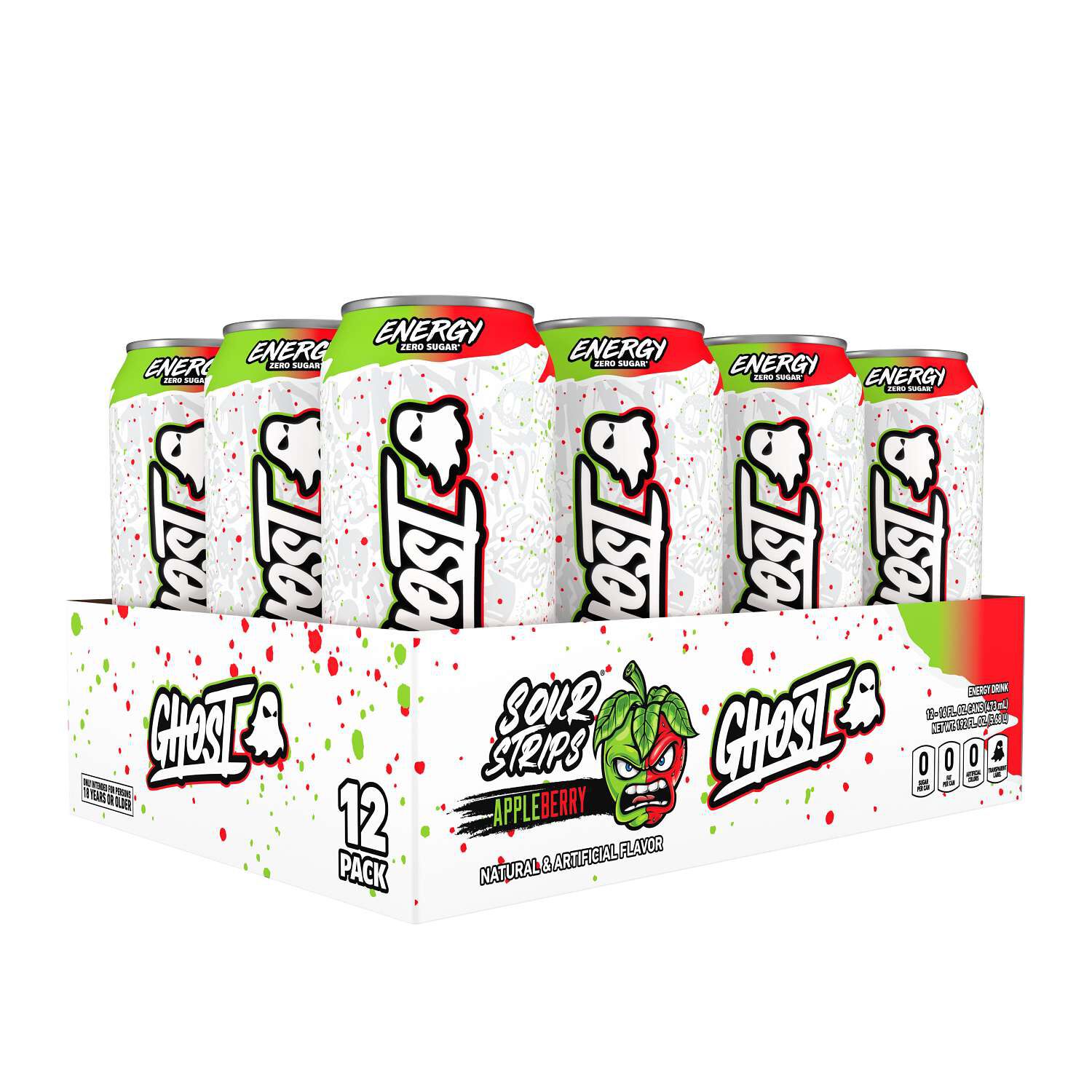

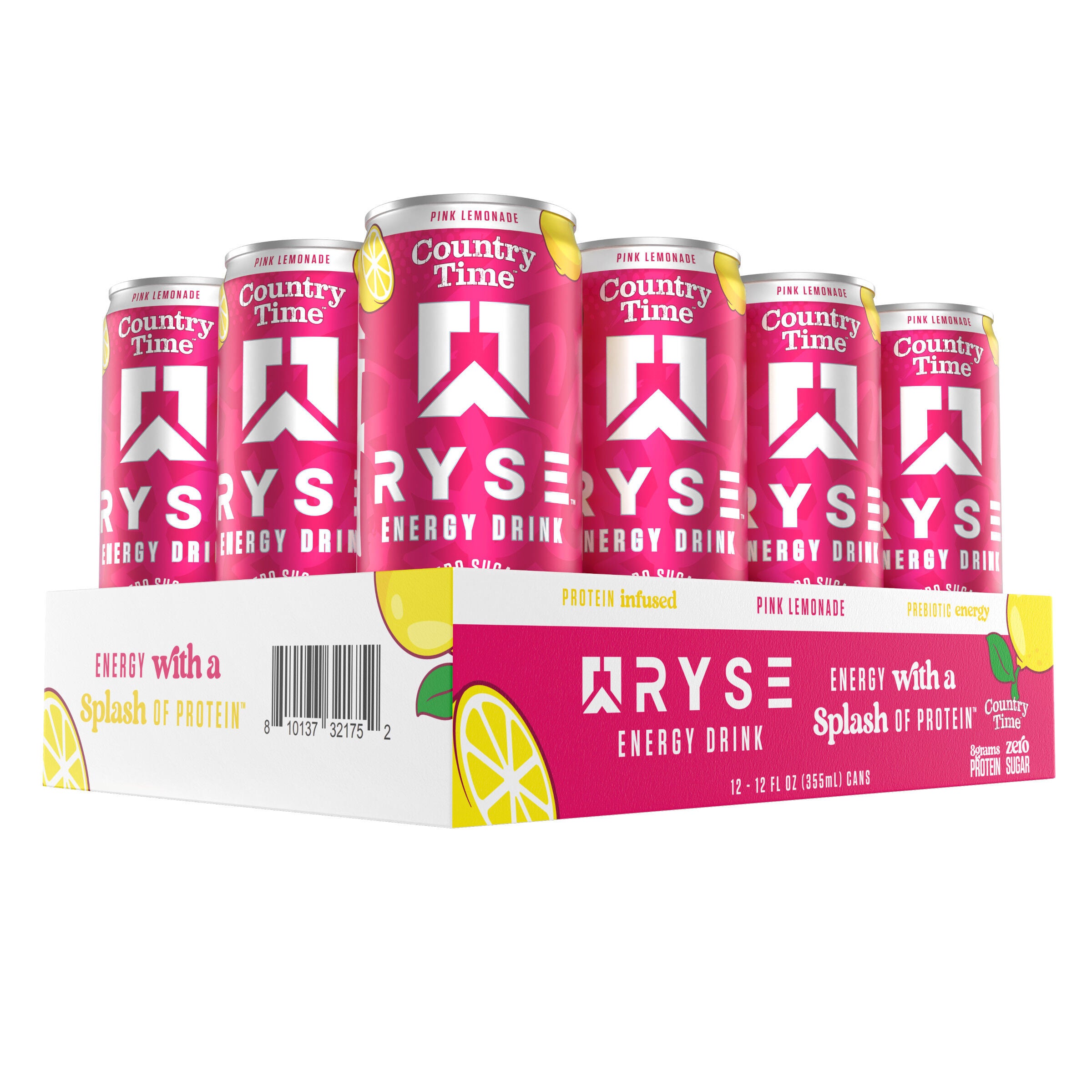

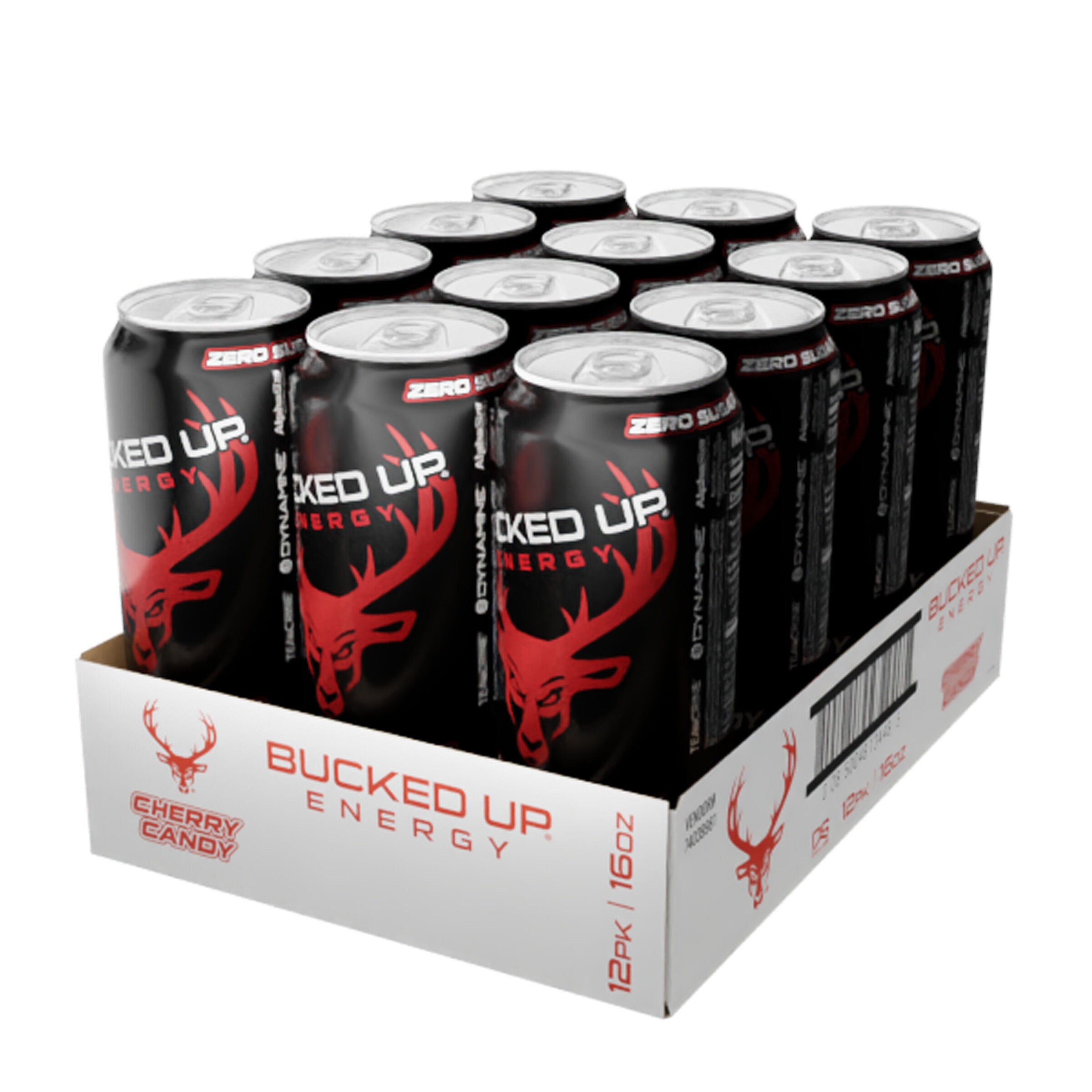
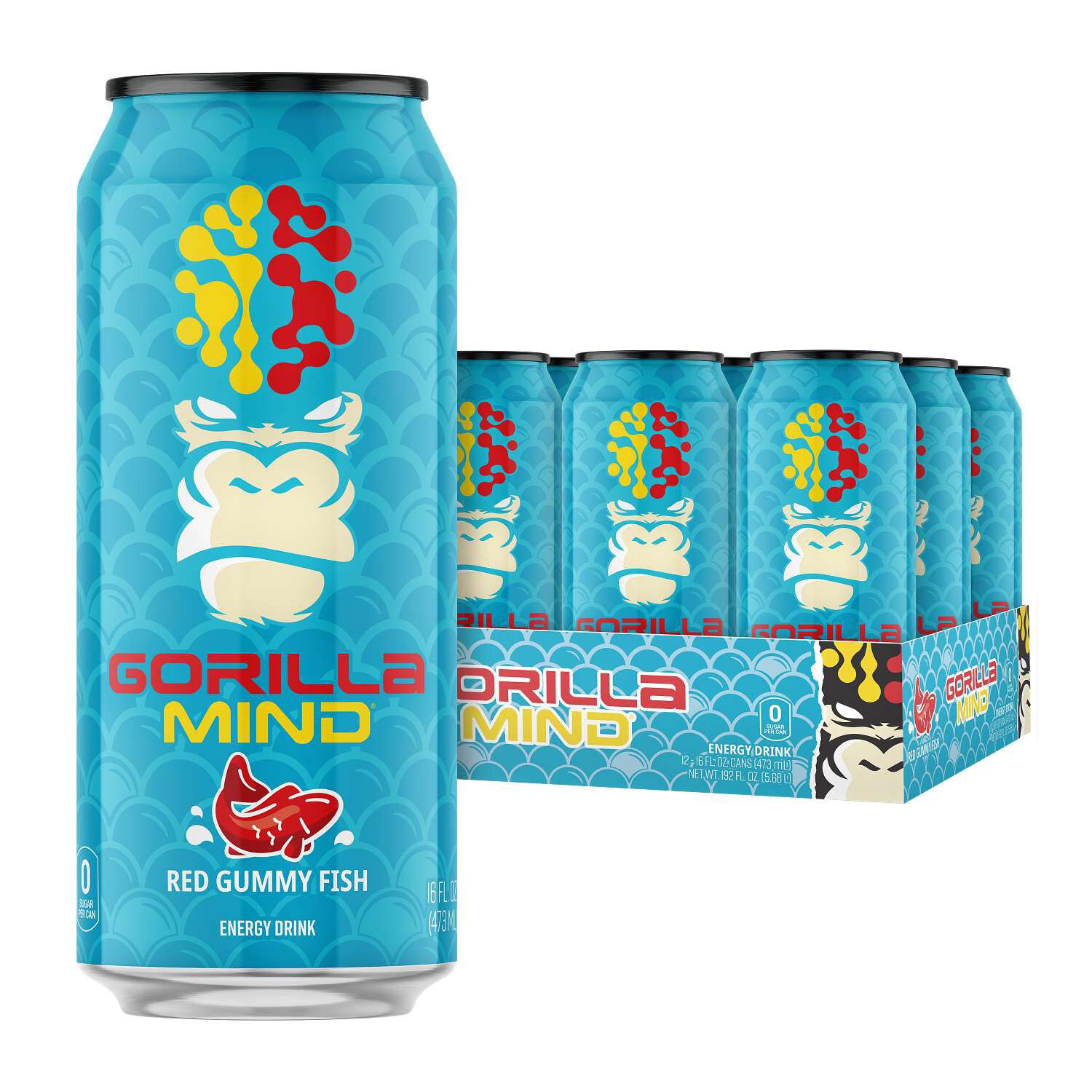
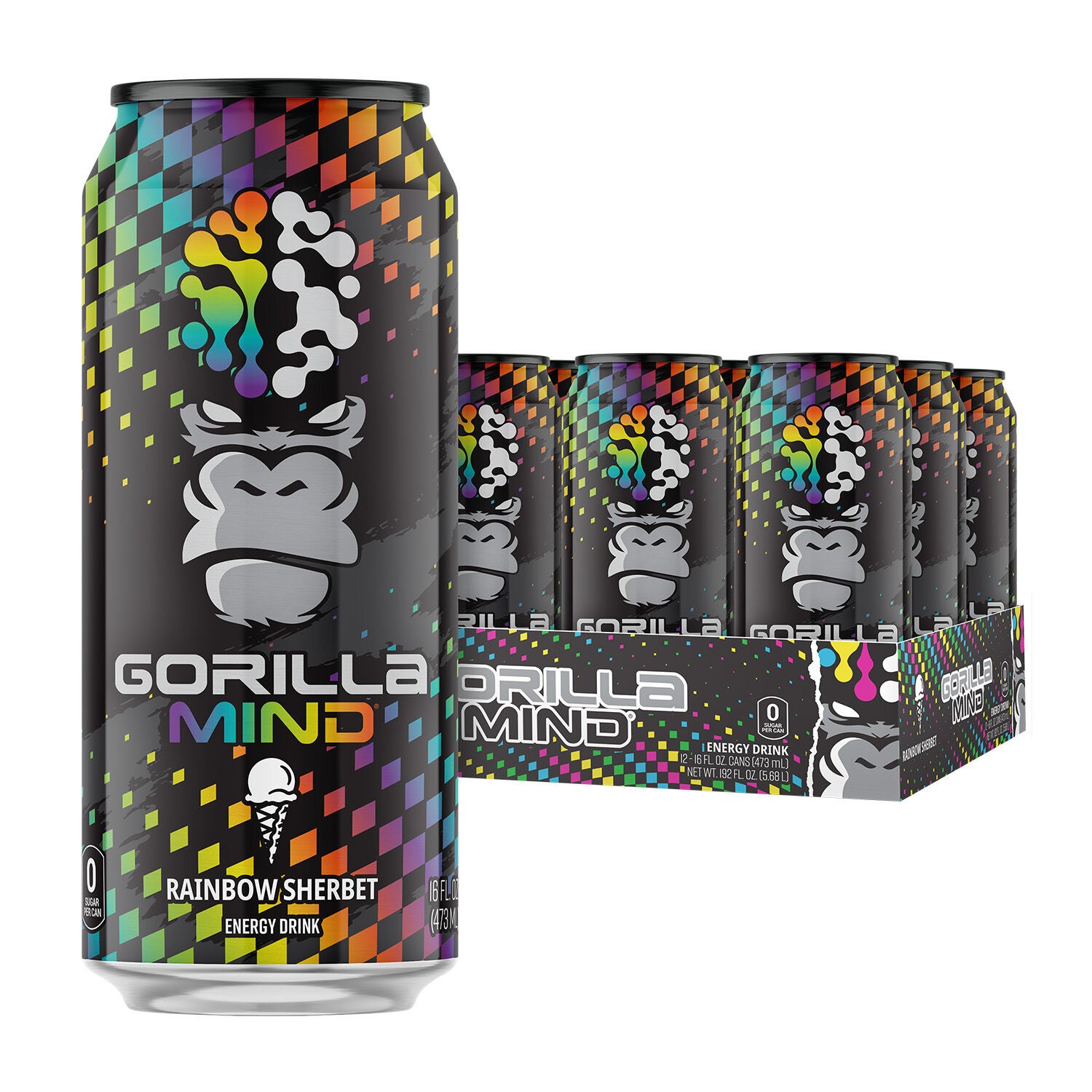
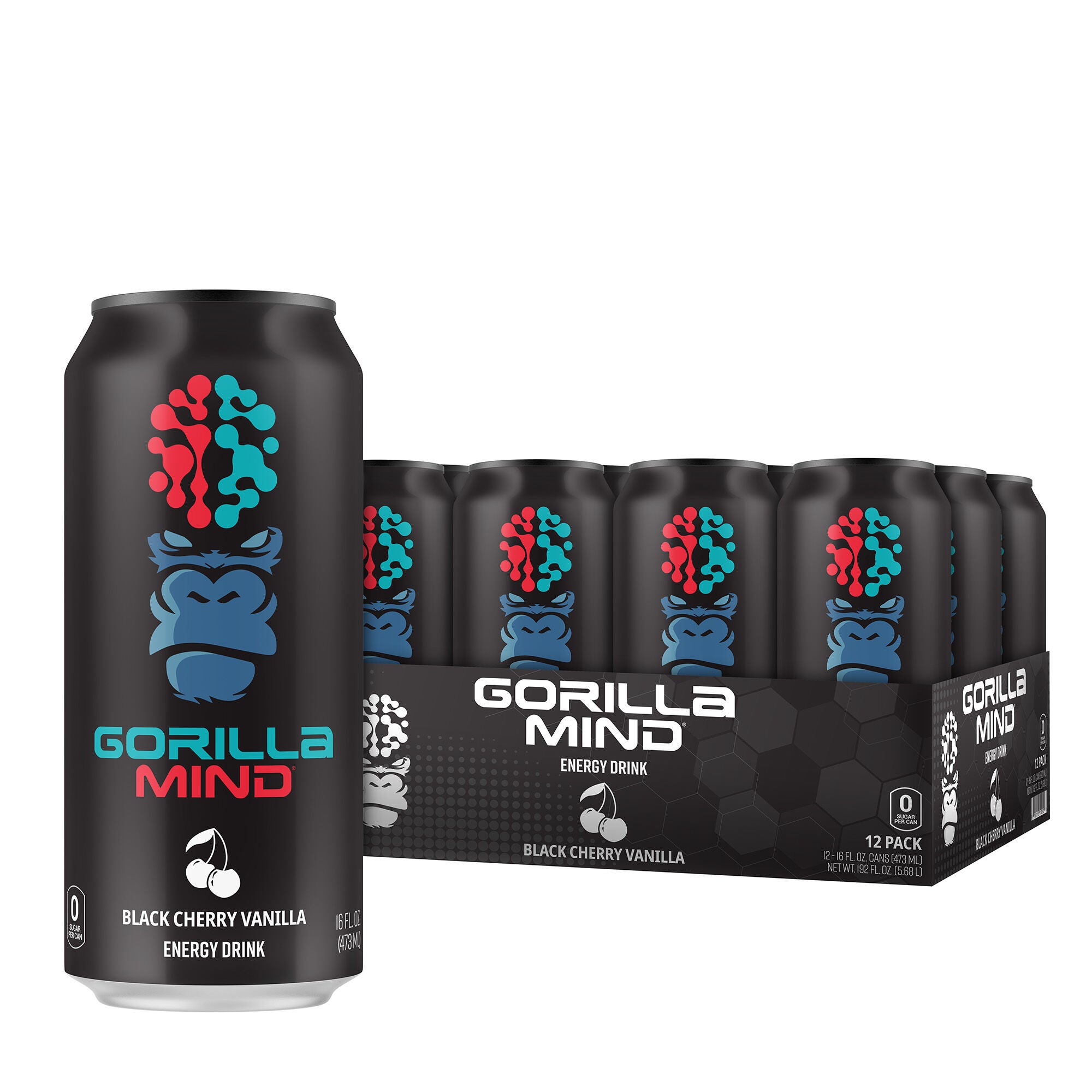
Energy drinks for runners include beverages and drink mixes with different combinations of caffeine, carbohydrates, and electrolytes, so the name alone does not describe what is inside. A canned energy drink, a carbohydrate drink mix, and an electrolyte beverage can have very different ingredient profiles and intended uses. For runners, those distinctions matter more than bold packaging or a flavor name. Carbohydrates are a source of dietary energy, and a drink containing them may contribute fuel during a longer run. Electrolyte formulas often include sodium and potassium, while caffeinated options feature a separately stated amount of caffeine per serving. Some drinks combine all three components; others emphasize just one. A beverage with little sugar, for example, is not nutritionally interchangeable with a carbohydrate-focused formula simply because both belong to the energy drink category. Likewise, the presence of electrolytes does not indicate how much carbohydrate or caffeine a serving contains. The nutrition panel and ingredient list provide the clearest picture of those differences. Serving size also deserves attention: a bottle, can, or prepared shaker may contain a different amount than the serving described on the label. Caffeine may support alertness, but individual preferences and responses vary, and a higher amount is not automatically a better match for a running routine. Ingredients such as B vitamins or amino acids add another point of comparison, although their presence alone does not establish a particular running benefit. Runners comparing drinks for a brief neighborhood loop, a steady weekend outing, or a race-day routine may be looking for different combinations rather than a single universal formula. The most useful category distinctions are straightforward: drinks with or without caffeine, drinks with varying carbohydrate amounts, and drinks with different electrolyte compositions. Understanding those differences makes energy drinks for running easier to compare on their actual contents, rather than treating every beverage with an athletic label as the same kind of fuel.
Format is another practical distinction, especially when a drink needs to fit around shoes, layers, a running belt, and a crowded gym bag. Ready-to-drink cans and bottles require no mixing, making them a convenient format for a refrigerator at home or a planned stop before heading to a trail. A can is generally intended for use once opened, whereas a bottle with a resealable cap offers a different carrying experience. Powdered energy drink mixes require water and a suitable container, but their packaging can range from individual portions to larger tubs. Single-serving packets take up little room in a gear bag; tubs suit a countertop setup with a measuring scoop and a familiar bottle. Preparation directions matter because the stated water amount determines the intended concentration, taste, and nutrition per prepared serving. A stronger-tasting mixture is not necessarily a more suitable one. Carbonation creates another clear difference between drinks. Some runners enjoy a crisp, fizzy beverage away from the route, while others prefer a still drink for sipping from a handheld bottle. Sweetness, acidity, and texture are equally personal: a bright citrus flavor feels different on the palate from a rich berry blend, and a lightly flavored drink has a different character from a syrupy one. For portable use, container shape and closure design are more relevant than clothing-style fit. A narrow bottle may sit more comfortably in a vest pocket, while a wide container may be better suited to a cup holder or post-run bag. Packaging durability matters when drinks travel beside keys, shoes, or other gear, although disposable packaging is not designed for repeated use. Powder storage and reusable bottle care belong in the same practical picture. Label directions describe appropriate storage, and keeping powder containers closed and scoops dry may help limit clumping. Reusable bottles have their own cleaning instructions, particularly around lids, valves, and seals where drink residue can collect. These small details shape how easily a beverage format fits into an established routine.
The appeal of energy drinks for runners often comes down to ordinary moments rather than dramatic performance language: a bottle beside the door before an early start, a packet tucked into a bag for a destination run, or a familiar flavor waiting after a group outing. New runners, regular road runners, trail enthusiasts, and adults balancing running with other sports may each value something different about the category. One person may care most about a modest serving size and a still texture; another may prioritize a clearly listed carbohydrate amount or a drink without caffeine. Runners who also cycle, lift, or attend fitness classes can explore Energy Drinks For Athletes for a broader view of beverage formats associated with active routines. Across these settings, ingredient transparency remains a useful point of comparison. Sugar content, sweetener type, caffeine amount, sodium content, and labeled serving size tell different parts of the story, and none should stand in for the others. A drink described as low in sugar may contain alternative sweeteners, while a fruit-inspired flavor does not necessarily mean fruit juice is a primary ingredient. Ingredient lists also help shoppers identify components they prefer to include or avoid, without relying on the front label alone. During the cooler months, the practical rhythm may shift toward jacket pockets, indoor tracks, and bottles carried between home and the gym, but portability and flavor remain relevant. Drinks can also be a thoughtful addition to a runner’s gift basket when the recipient’s preferred flavors, caffeine choices, and dietary preferences are already known. Familiar formats are often more personal than choosing solely by a colorful package. For everyday shopping, the strongest match is a beverage whose contents, preparation requirements, and packaging suit the intended occasion. Energy drinks are one part of a running routine, not a substitute for meals, water, rest, or training. Their value within this category lies in clear differences shoppers can assess: what each serving contains, how the drink is prepared, what it tastes like, and how it fits into the miles ahead.
Best Sellers
-
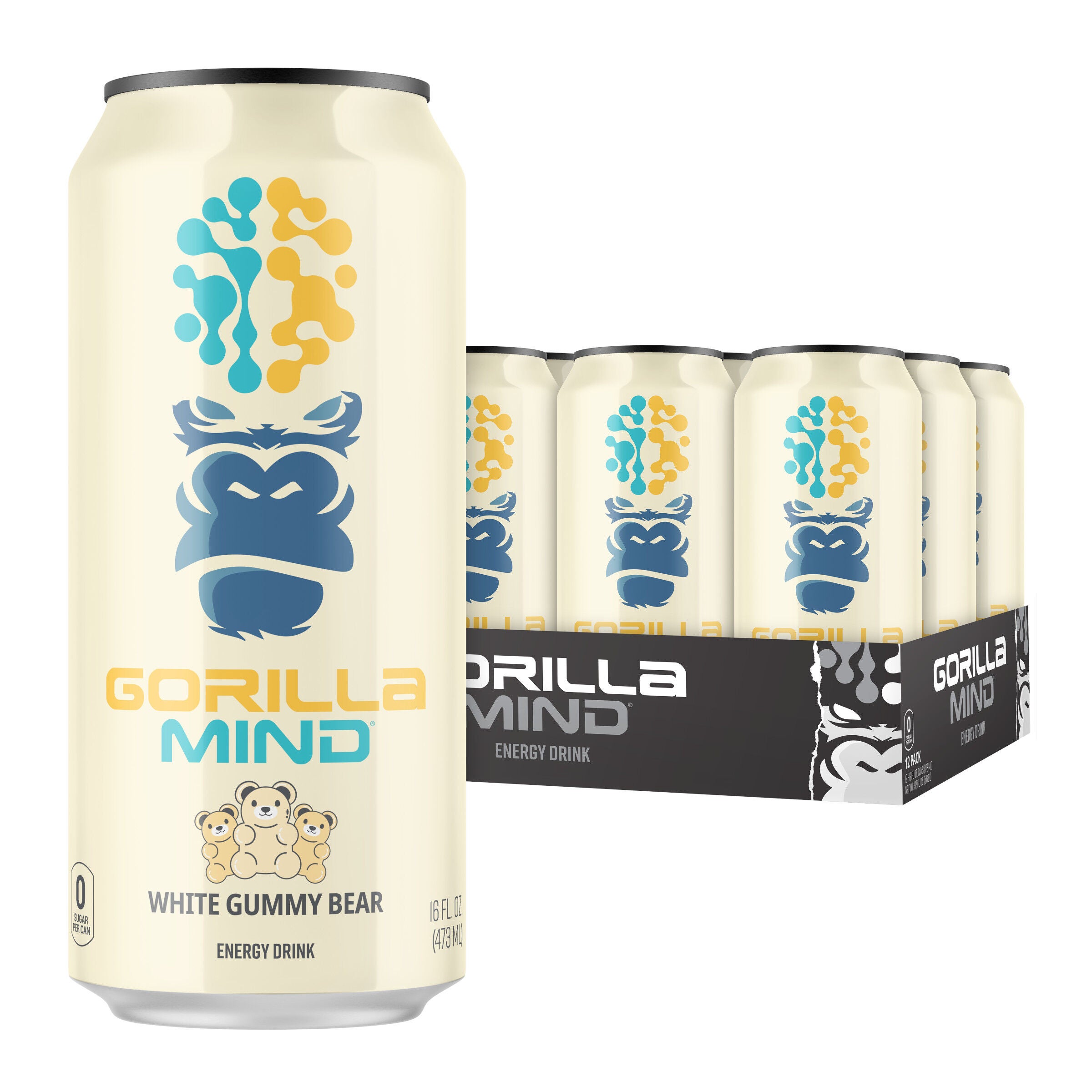 Gorilla Mind
 -
 Gorilla Mind
 -
 Gorilla Mind