Muscle Massage Tools
(0 Results)
Explore muscle massage tools with an active college student’s routine in mind. Compare designs, handling and storage needs to choose a practical fitness gift for dorm life, campus-to-gym trips and everyday use.
-
 Oak and Reed$15
-
 Maji Sports$34.99
-

-
 Oak and Reed$15
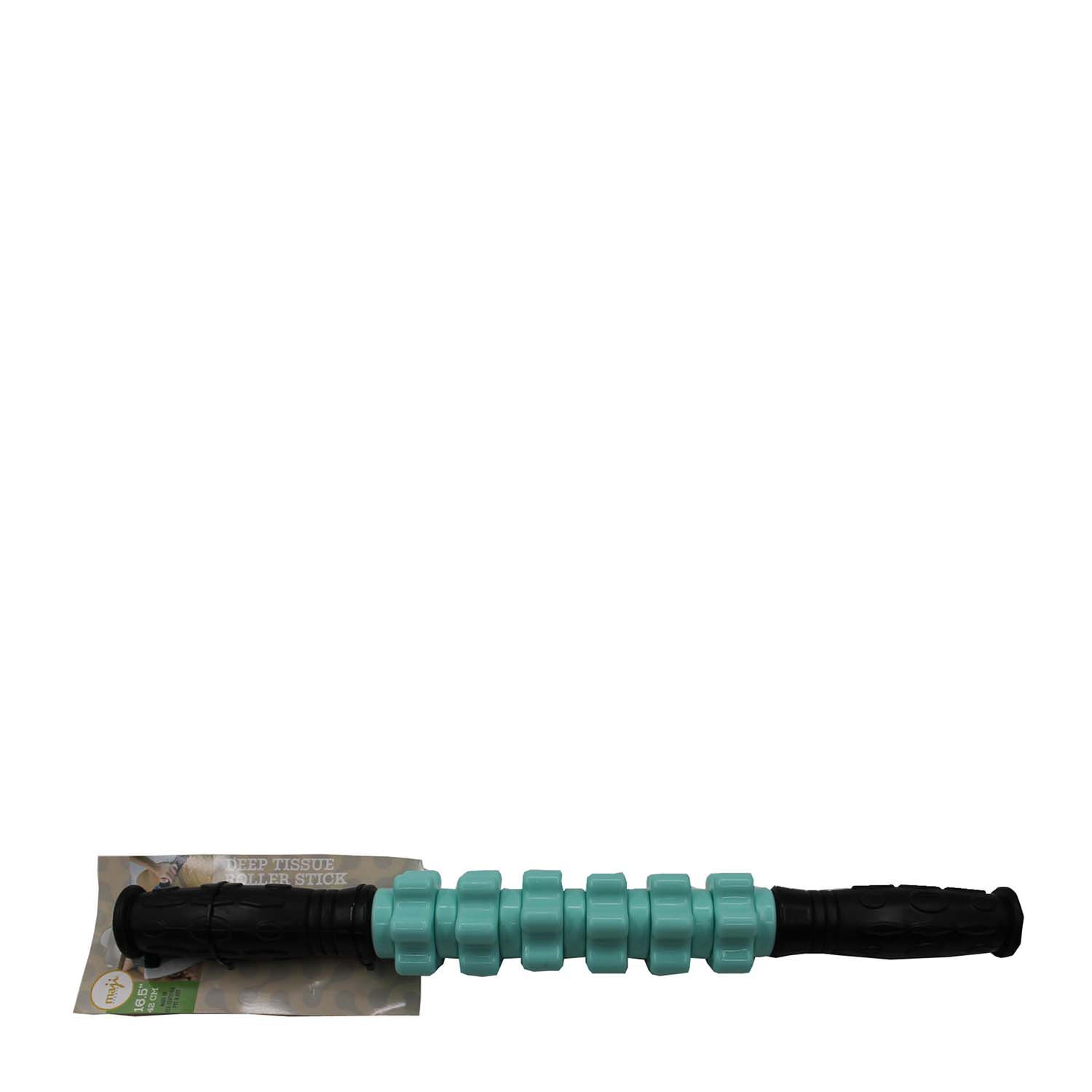
Muscle massage tools include foam rollers, massage balls, handheld rolling sticks, and electric percussion massagers, with designs suited to different preferences for size, texture, and hands-on control. Manual tools rely on the user’s movement, while powered models use a motor to move a massage attachment in a repeating pattern. Both categories may fit into a post-workout or everyday self-care routine, but the experience varies with the shape, firmness, and handling of the tool. A broad foam roller presents a larger contact surface than a small massage ball, while a rolling stick has handles on either side of a rotating center. Smooth surfaces have an even finish; ridged and patterned surfaces introduce more noticeable texture. These differences matter as much as the overall size, especially for someone choosing between a simple accessory for a home exercise area and a compact option for a gym bag. A long roller occupies more storage space, while a smaller ball could suit someone who travels between a workout studio and home. Size alone does not describe firmness: a compact ball can feel quite firm, and a larger roller can have a comparatively cushioned exterior. Foam density, shell construction, and the depth of any surface pattern all contribute to the feel. Some rollers have a solid foam body, while others use a firm inner cylinder with an outer foam layer. Massage balls may have rubber, silicone, cork, or foam surfaces, each with a different finish and feel in the hand. A rolling stick may appeal to someone who prefers holding a tool rather than arranging a larger roller on an exercise mat. For a runner with a small gear shelf, a gym regular with a packed bag, or a strength-training enthusiast with a dedicated workout room, the most relevant differences are often practical: where the tool will live, how it will be carried, and what kind of texture feels appealing.
Electric percussion massagers add another set of considerations, including handle shape, device weight, motor sound, battery format, and attachment design. A compact body may be convenient for carrying, although a smaller size does not necessarily mean a more comfortable grip. Handle thickness, the angle of the grip, and the location of the controls are worth comparing alongside how different designs sit in the hand. A textured handle could appeal to someone who prefers a more tactile surface, while a longer grip may allow a different holding position. Adjustable speed settings change the pace of the moving attachment; the number of settings alone does not describe the overall feel of a device. Rounded, flat, and other attachment shapes have different contact surfaces, and the material on the attachment deserves consideration alongside its shape. A softer outer covering and a firm plastic face have distinctly different textures. Attachment connections, clearly marked controls, and a charging arrangement that suits the intended storage space are practical details for everyday ownership. Sound also matters in shared spaces, whether the tool is intended for an apartment living room or a home gym next to a workspace. Battery runtime, charging time, and included power accessories are product specifications to review rather than assumptions to make from a device’s appearance. Care requirements vary by material and construction, so the manufacturer’s directions are the appropriate reference for cleaning, charging, and storage. A removable attachment may have different care requirements from the motor housing, and a foam roller may need different handling than a solid rubber ball. Simple surfaces with fewer recesses could appeal to someone who values straightforward upkeep. For durability, useful details include secure handles, neatly joined seams, firmly seated attachments, and materials intended for repeated handling. A storage case or pouch may also be a practical consideration when a tool shares a bag with shoes, lifting straps, or a water bottle. These construction details deserve attention, particularly for a tool expected to move regularly between home and the gym.
A suitable muscle massage tool depends on the recipient’s habits and the space set aside for keeping it close at hand. Someone who already enjoys a familiar foam roller may prefer a similar surface in a more portable format, while another shopper may be interested in the different handling of a manual stick or powered massager. A beginner might appreciate a straightforward design with clear care information rather than a collection of attachments that will rarely leave the case. For an experienced gymgoer, preferences can be more specific: the diameter of a roller, the texture of a ball, or the shape of a handle may matter more than a long feature list. Matching those details to an existing routine could make a gift feel more personal. A small massage accessory may suit a training partner, a recreational runner, or someone who likes to keep self-care accessories organized beside an exercise mat. Larger tools call for enough room on a shelf, in a basket, or within a storage corner at home. A practical massage accessory could complement a gift chosen from Gifts For Muscle Mass Gain for someone who enjoys strength training and a thoughtfully arranged workout space. Presentation can stay simple, with attention to a useful size, a finish the recipient likes, and any charging or storage needs. For personal shopping, the same considerations apply: a tool that suits a crowded gym bag may look different from one intended to stay beside a bench at home. Color and appearance can be part of the choice, but material feel, manageable weight, and easy-to-understand controls deserve equal attention. Muscle massage tools may become part of a familiar pause after a workout or a regular self-care ritual at home. Comparing construction, handling, and intended setting could help narrow the selection to an accessory that fits naturally into an established routine.
- Q: What should I compare when choosing a muscle massage tool?
A: Compare the shape, grip, contact surface and intended setup. Read each product’s description and directions to understand how the design is held or positioned, rather than choosing by appearance alone. - Q: Do all muscle massage tools have the same surface?
A: No. Massage tool designs vary, including smooth and textured contact surfaces. Look at the product photos and description for details about the surface and construction. - Q: How do handheld and surface-positioned massage tools differ?
A: Handheld designs are held and guided during use, while other designs are positioned against a surface. Check the individual product’s instructions for its intended setup; the formats are not necessarily interchangeable. - Q: How do I choose a muscle massage tool as a gift for a college student?
A: Start with the recipient’s fitness interests and preferences. Consider whether they already use massage accessories, which handling style they prefer and how the gift would fit alongside their existing gym gear. - Q: Where should I look for cleaning and care information?
A: Look for care guidance in the product information, packaging or manufacturer’s instructions. Check for material-specific cleaning directions and storage requirements rather than assuming the same method applies to every tool.
Best Sellers
-
 Sports Research
-
 SmartShake
-
 Maji Sports