





Mushroom Endurance Supplements For Women
(0 Results)
Mushroom endurance supplements for women are becoming a popular choice for those seeking plant-based support for their active lifestyles. These unique formulas often combine carefully selected mushroom extracts with other supportive ingredients, offering options that may fit into a variety of wellness routines. Whether you’re looking to complement your daily regimen or searching for something new to add to your fitness journey, mushroom endurance supplements for women could be an option worth exploring. Discover different ways these supplements might fit into your routine and help you pursue your wellness goals.
-
-

-
 The Genius Brand$29.99
-
 NDS Nutrition$49.99
-

-
 185$24.99
-

-

-
 $24.99
-
 Nature's Fusions$24.99
-
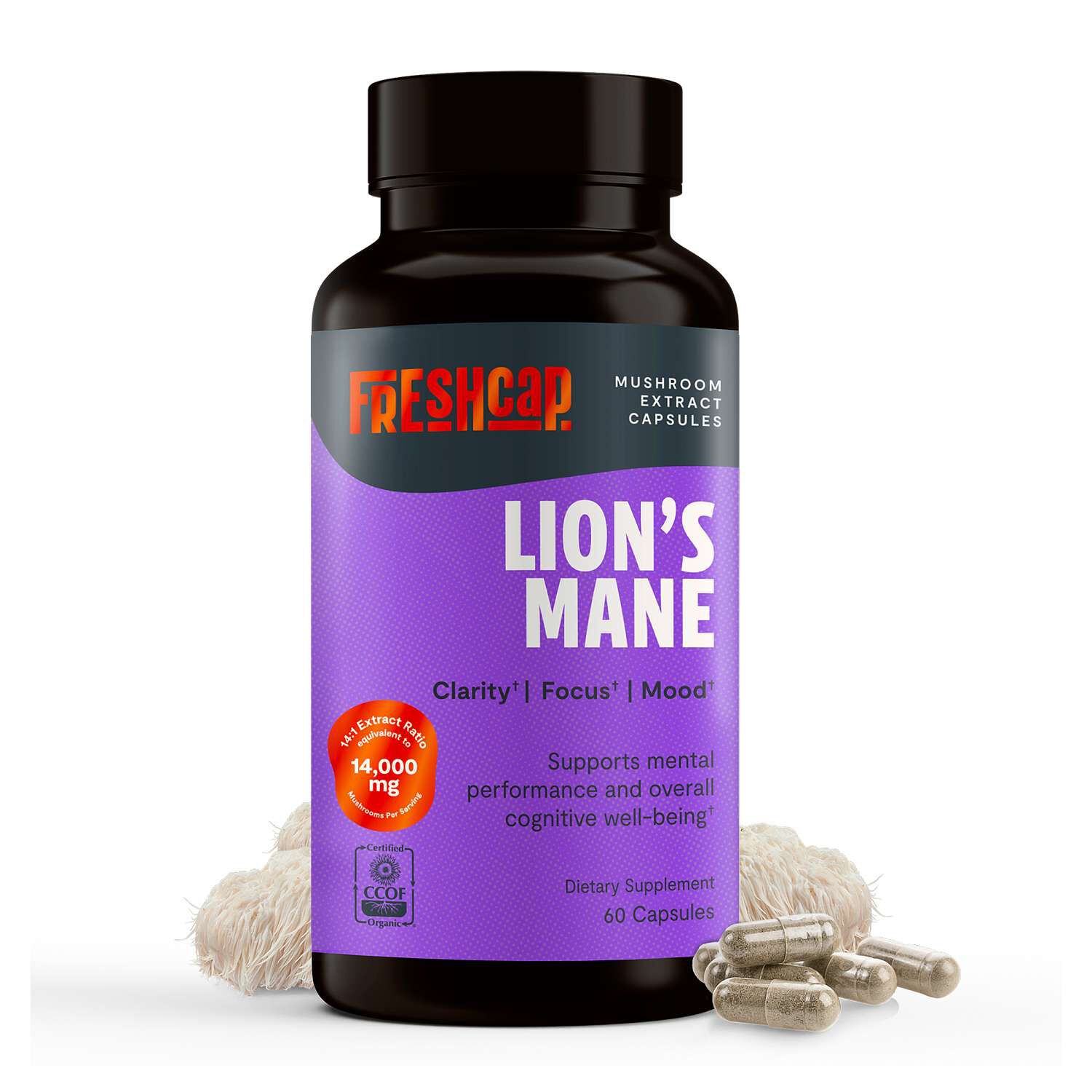 $27.99
-
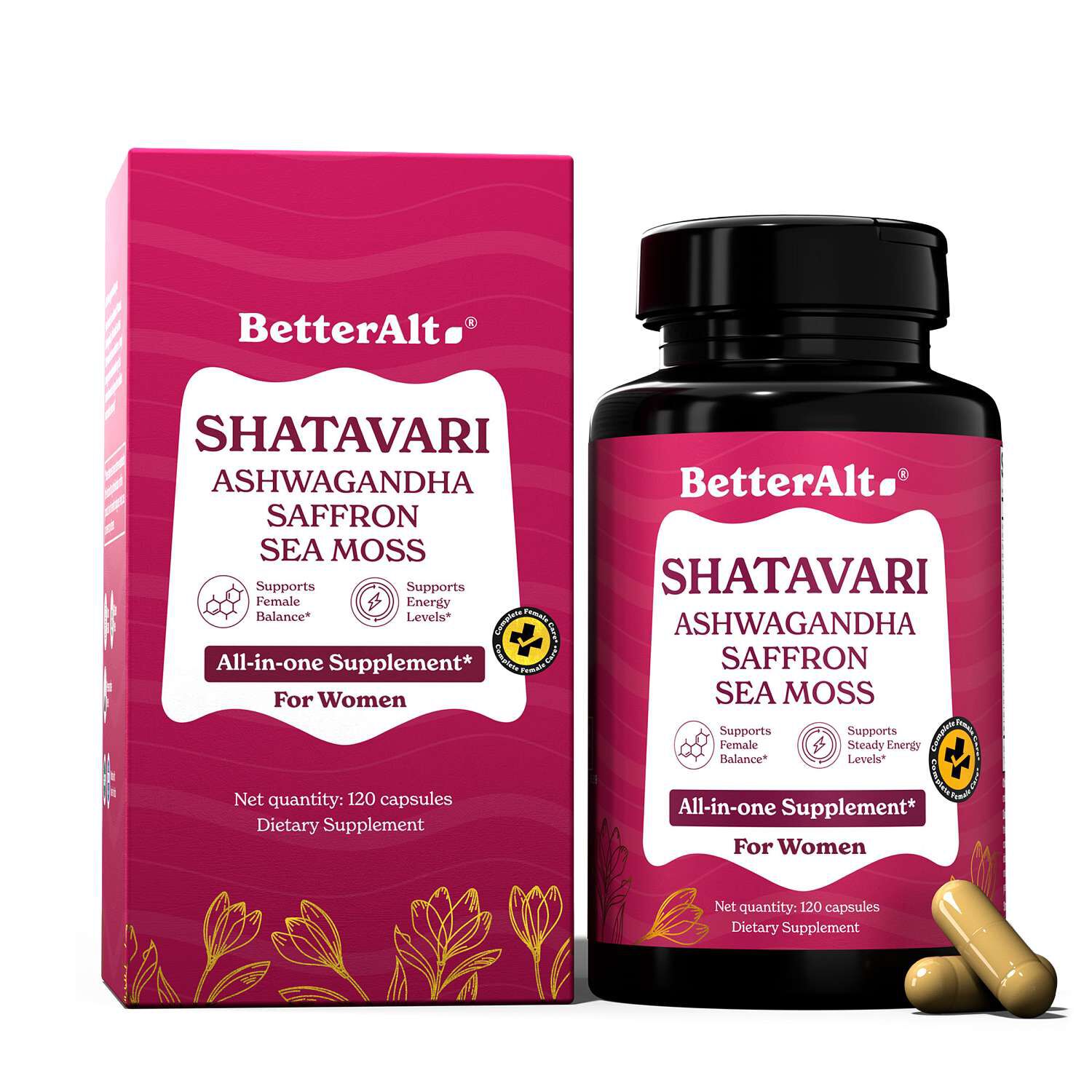 BetterAlt$39.99
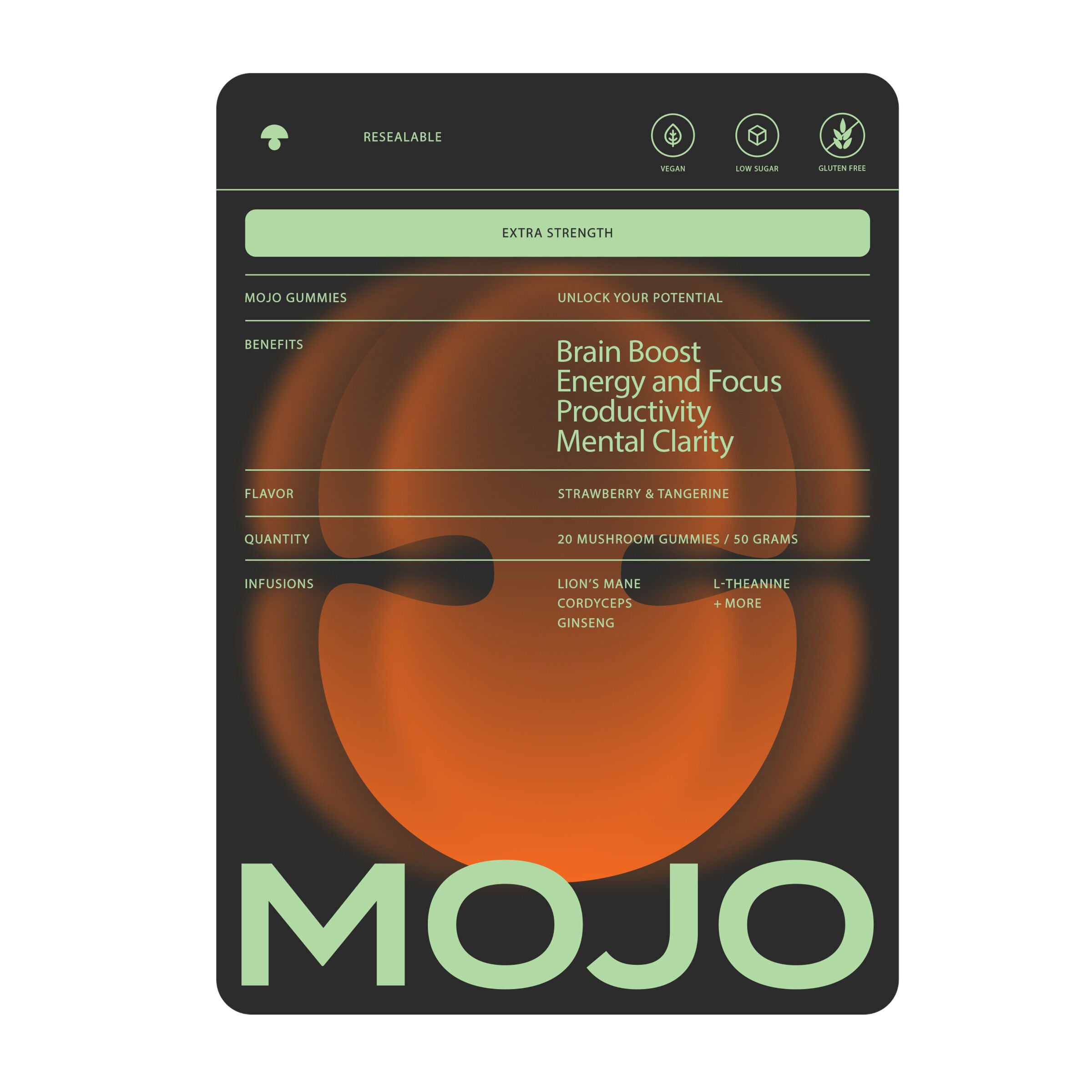

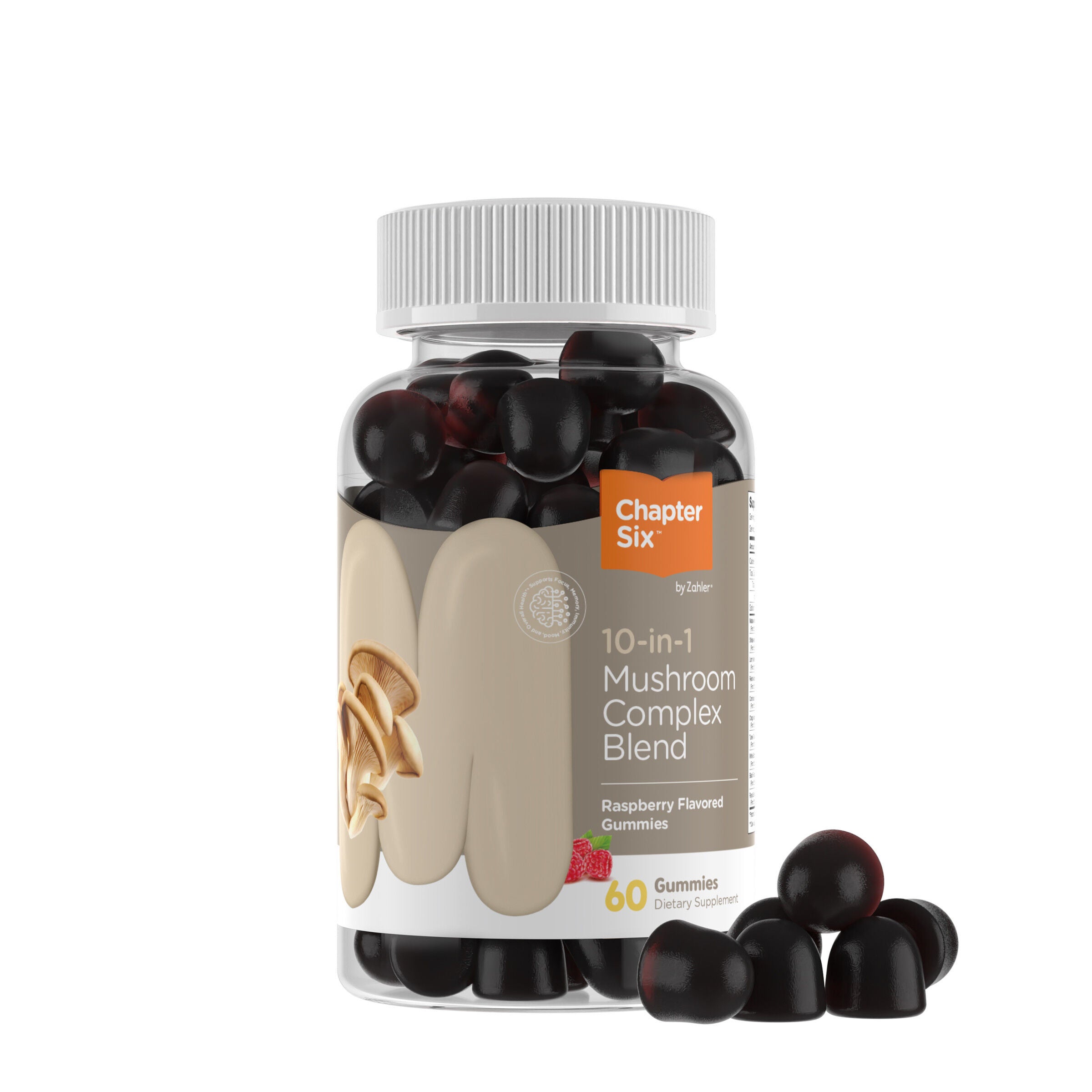
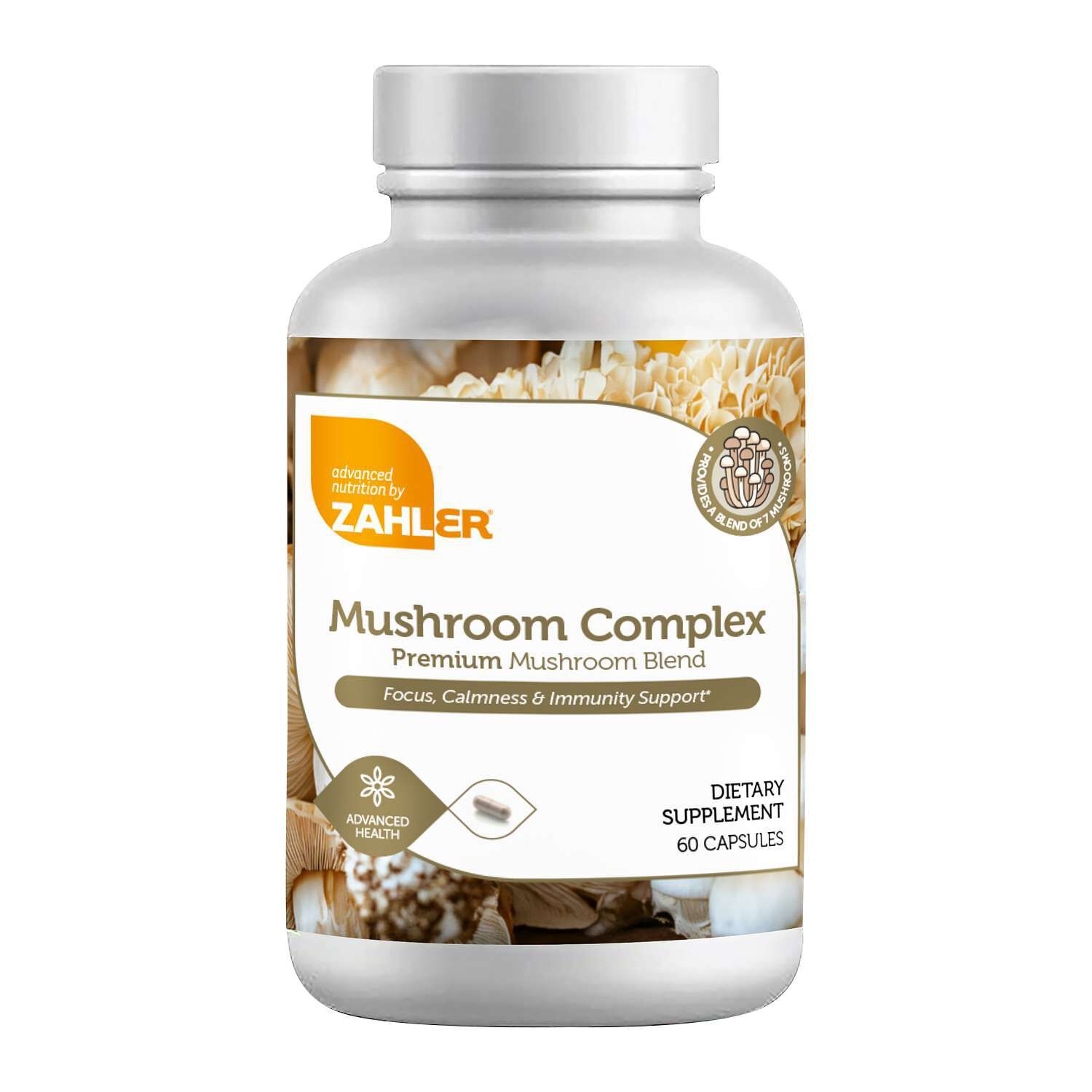
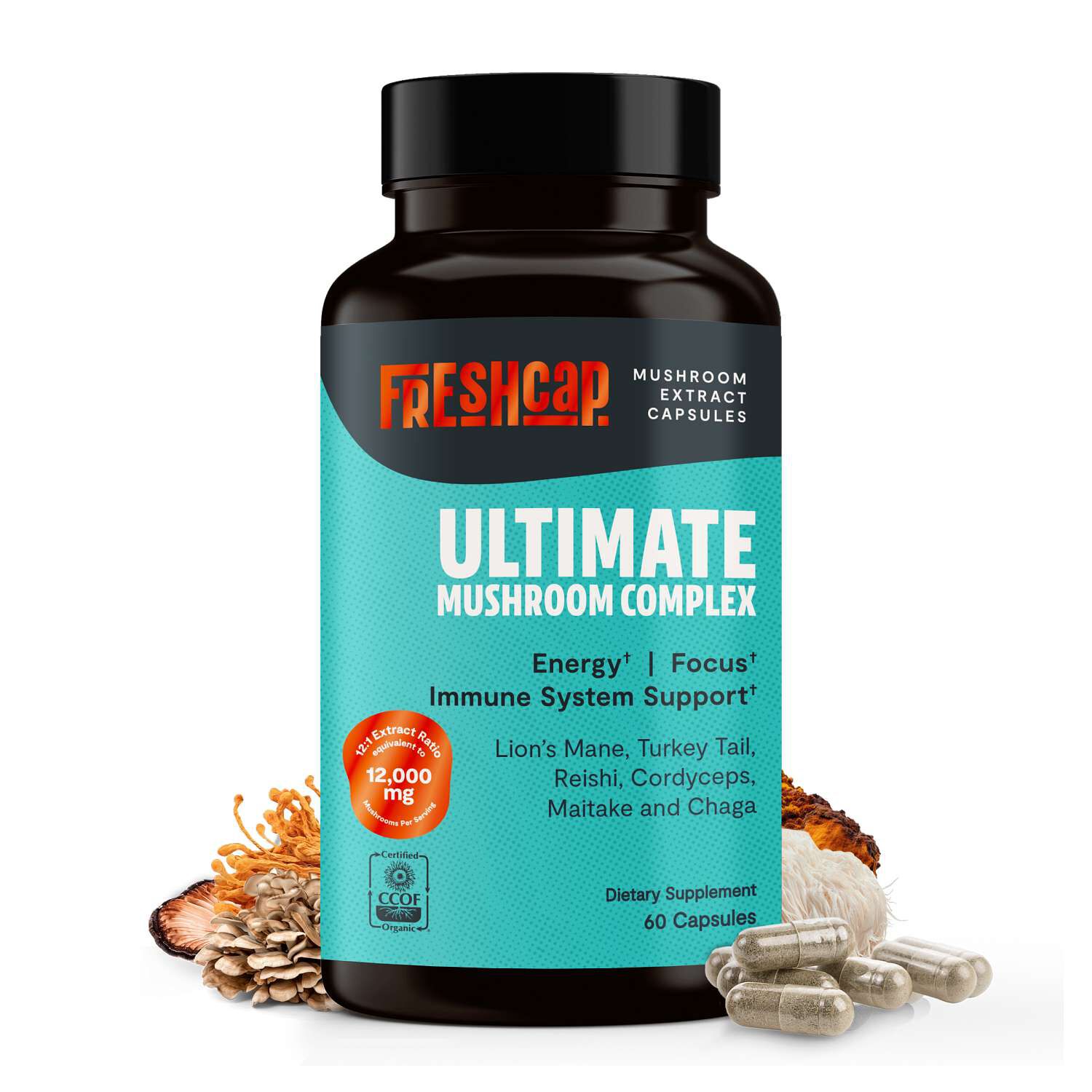
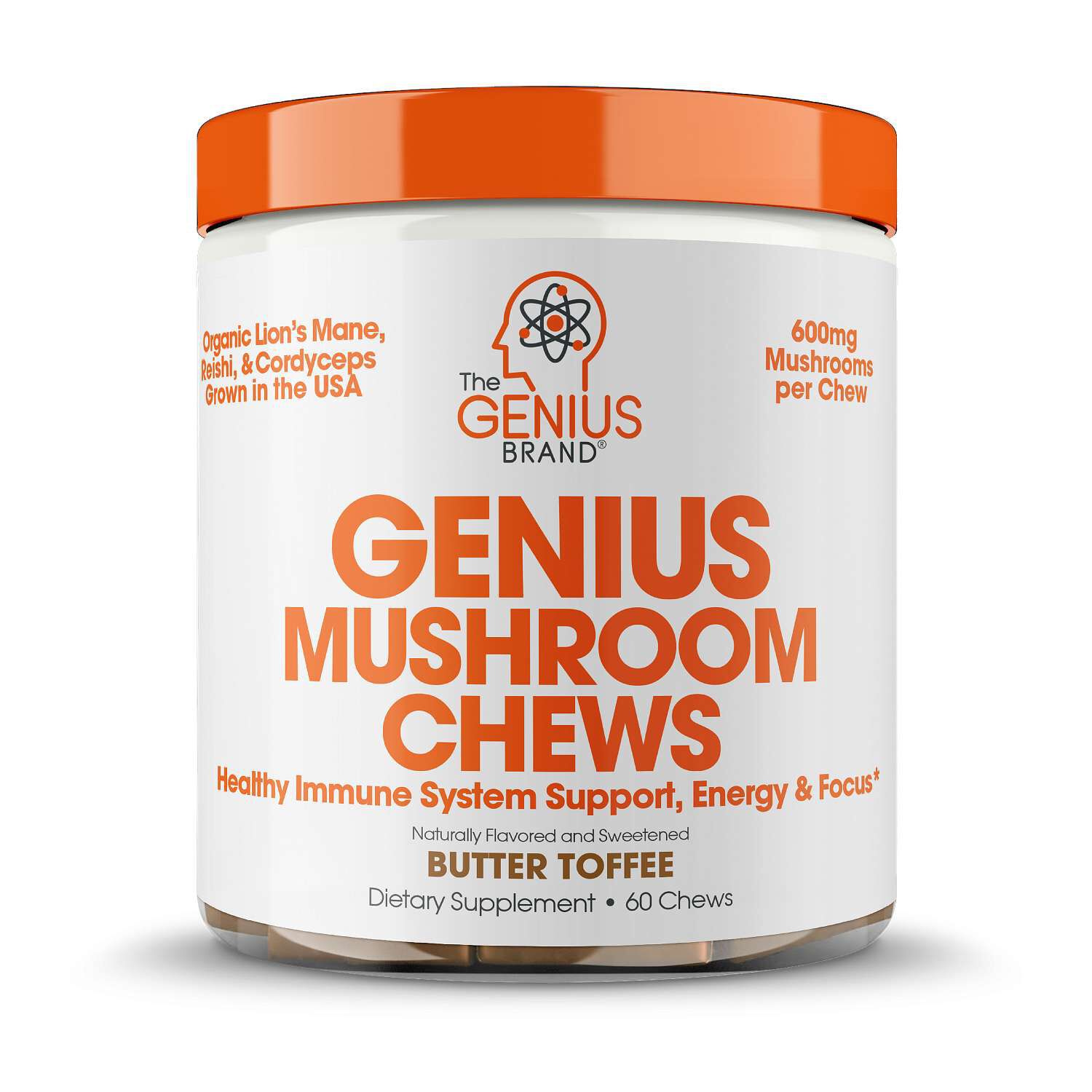
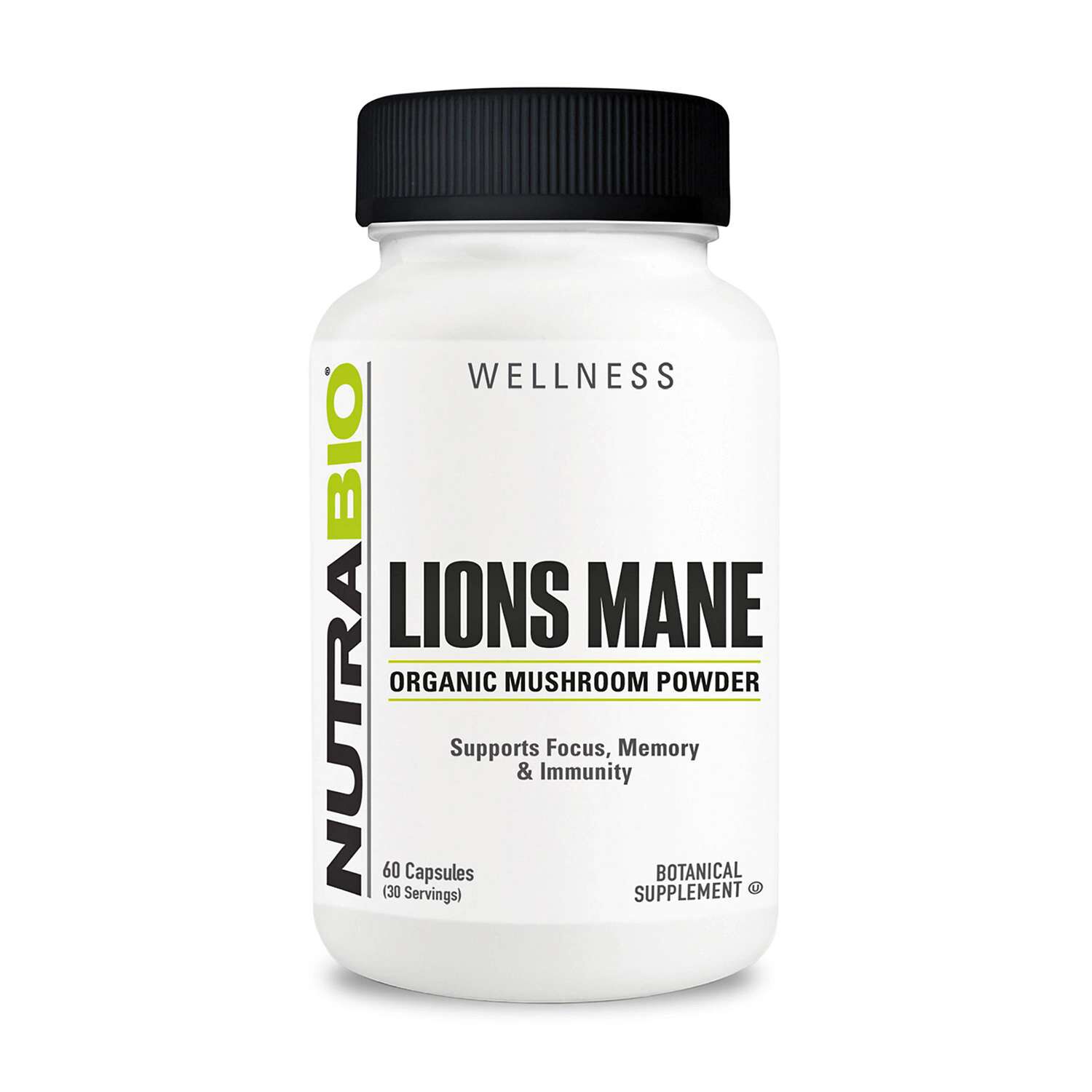
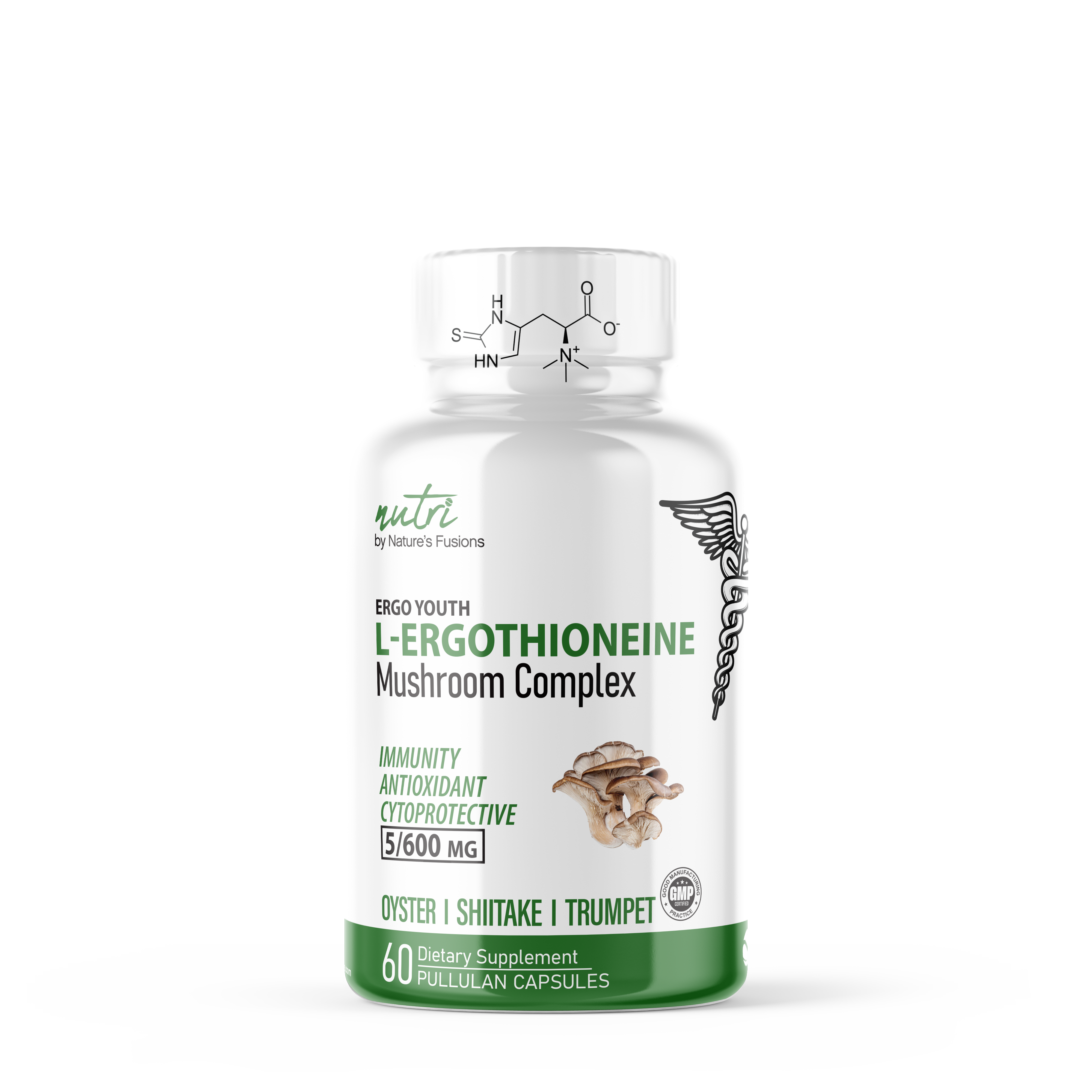
Mushroom endurance supplements for women are dietary supplements that feature mushroom ingredients in formats suited to everyday routines and active lifestyles. Cordyceps is a common ingredient in endurance-oriented formulas and may support stamina during exercise, while lion’s mane may support focus during activities that call for sustained attention. Reishi also appears in mushroom blends, offering another ingredient profile for shoppers comparing formulas. Each mushroom has its own identity, and a blend containing several species is not interchangeable with a single-mushroom supplement. For someone whose routine includes strength training, a walking group, or a long recreational bike ride, the distinction between a targeted formula and a broader blend can make the selection more straightforward. A single-species formula keeps the mushroom ingredient list focused, while a blend brings several mushrooms together in one serving. Neither format is automatically the better choice; the ingredient amounts, serving directions, and other components provide more useful context than the number of mushrooms pictured on the package. Shoppers interested in exploring reishi separately can browse Reishi Mushroom Supplements for Women to compare that category with endurance-oriented mushroom formulas. A supplement marketed to women does not necessarily contain a different mushroom species or a uniquely appropriate serving size, so the actual label matters more than gender-focused packaging. Personal preferences also differ: a runner may want a short ingredient list, while someone who already uses several supplements may prefer to avoid overlapping ingredients. Mushroom formulas may have a place alongside a balanced eating pattern, hydration, training, and rest, but they are not substitutes for those habits. An endurance-focused name also does not establish how a formula will feel during a workout. The most meaningful comparisons connect the stated ingredients and intended use with the kind of activity already part of a woman’s life, whether that means regular gym sessions, weekend hikes, or recreational sports.
The ingredient panel adds detail that a front label cannot capture. Mushroom supplements can contain fruiting bodies, mycelium, extracts, or combinations of these materials. The fruiting body is the recognizable mushroom structure, while mycelium is the branching network through which the fungus grows. These terms describe different source materials rather than a universal ranking of quality. Some mycelium ingredients are cultivated on grain, making the listed growth medium and any remaining substrate relevant to ingredient preferences. Extracts involve processing mushroom material to obtain selected constituents, and the extraction method can influence the resulting composition. An extract ratio describes aspects of that processing, but a larger ratio alone does not establish a stronger effect. Likewise, a prominently displayed mushroom weight is only useful when it is clear whether the amount refers to one capsule, one scoop, or the full suggested serving. Beta-glucans are naturally occurring polysaccharides found in mushroom cell walls, and some labels specify their measured content. A general polysaccharide amount is not necessarily the same measurement as a beta-glucan amount, so those descriptions should not be treated as equivalent. Clear identification of the mushroom species, source material, and amount per serving makes comparisons more meaningful. A named blend with only one combined weight provides less detail about each individual mushroom than a panel listing separate amounts. Other ingredients deserve the same attention, especially when a formula combines mushrooms with caffeine, amino acids, botanical extracts, or vitamins. Mushroom content alone does not indicate whether a supplement contains added caffeine. Capsule shells, flavorings, sweeteners, and other supporting ingredients also shape whether a formula fits a shopper’s preferences. For someone who already drinks coffee before a morning workout, checking the whole ingredient panel offers a clearer picture than relying on an energy-oriented description. Quality information is most useful when it is specific, such as clearly described testing for ingredient identity and contaminants. A testing statement and a detailed label can inform a comparison, but neither predicts an individual experience.
Format is another practical distinction among mushroom endurance supplements for women. Capsules offer a measured serving without mixing and suit shoppers who prefer little or no mushroom flavor. The suggested serving may involve more than one capsule, so bottle count and serving count are worth distinguishing. Powders allow preparation in a drink or another food permitted by the label, though their taste, texture, and serving method differ. An earthy powder stirred into a smoothie can be a different experience from one mixed into plain water, and flavored formulas introduce their own sweetness and aroma. A scoop is a measuring tool, not a universal serving size across different supplements; the directions on the individual container remain the relevant reference. For a woman who heads from home to an early workout and then directly to work, a format that requires minimal preparation may be more practical than one that needs a blender and several ingredients. Someone who already prepares a daily smoothie may find a powder easier to incorporate into that existing routine. Serving directions also clarify whether a formula is intended for regular use or a particular occasion; an endurance-oriented label should not be read as a claim of immediate results. Personal experiences may vary, and changing several supplements at once can make those experiences harder to interpret. Storage and packaging matter for everyday use as well. Containers should remain tightly closed and stored as directed, with powders protected from moisture and measuring utensils kept dry. A dry cupboard away from direct sunlight is generally a more suitable storage location than a damp gym bag, subject to the package instructions. Clearly printed serving directions and ingredient information are useful when a container travels between home and a workout bag. Because supplements reflect individual preferences and established routines, they are more personal gifts than general fitness accessories; a recipient’s previously stated ingredient and format preferences provide a better starting point than assumptions about athletic goals. Across capsules, powders, single-mushroom formulas, and blends, the most relevant distinctions remain transparent labeling, practical preparation, and an intended use that fits the shopper’s routine.
