





Mushroom Powders
(0 Results)
Discover the potential of mushroom powders, a versatile addition to your wellness routine. These finely ground fungi may offer a natural way to support various aspects of health and vitality. From culinary uses to potential health benefits, mushroom powders could be an exciting ingredient in your daily regimen. Explore the diverse world of mushrooms and uncover how these powders might complement your lifestyle with their rich array of nutrients. Whether you're looking to elevate your culinary creations or explore new wellness possibilities, mushroom powders could be the perfect choice for you.
-

-

-
-

-

-

-

-
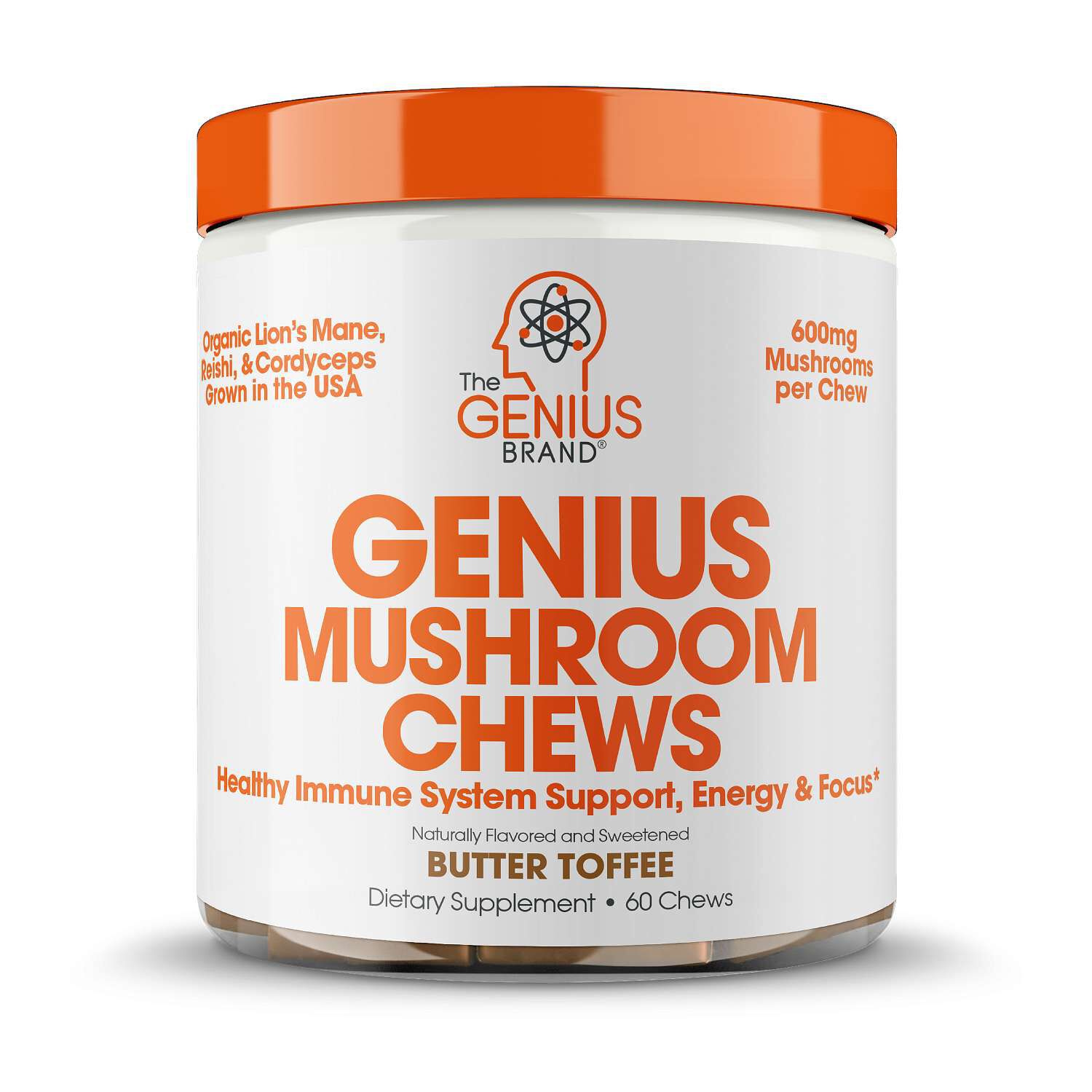 The Genius Brand$29.99
-
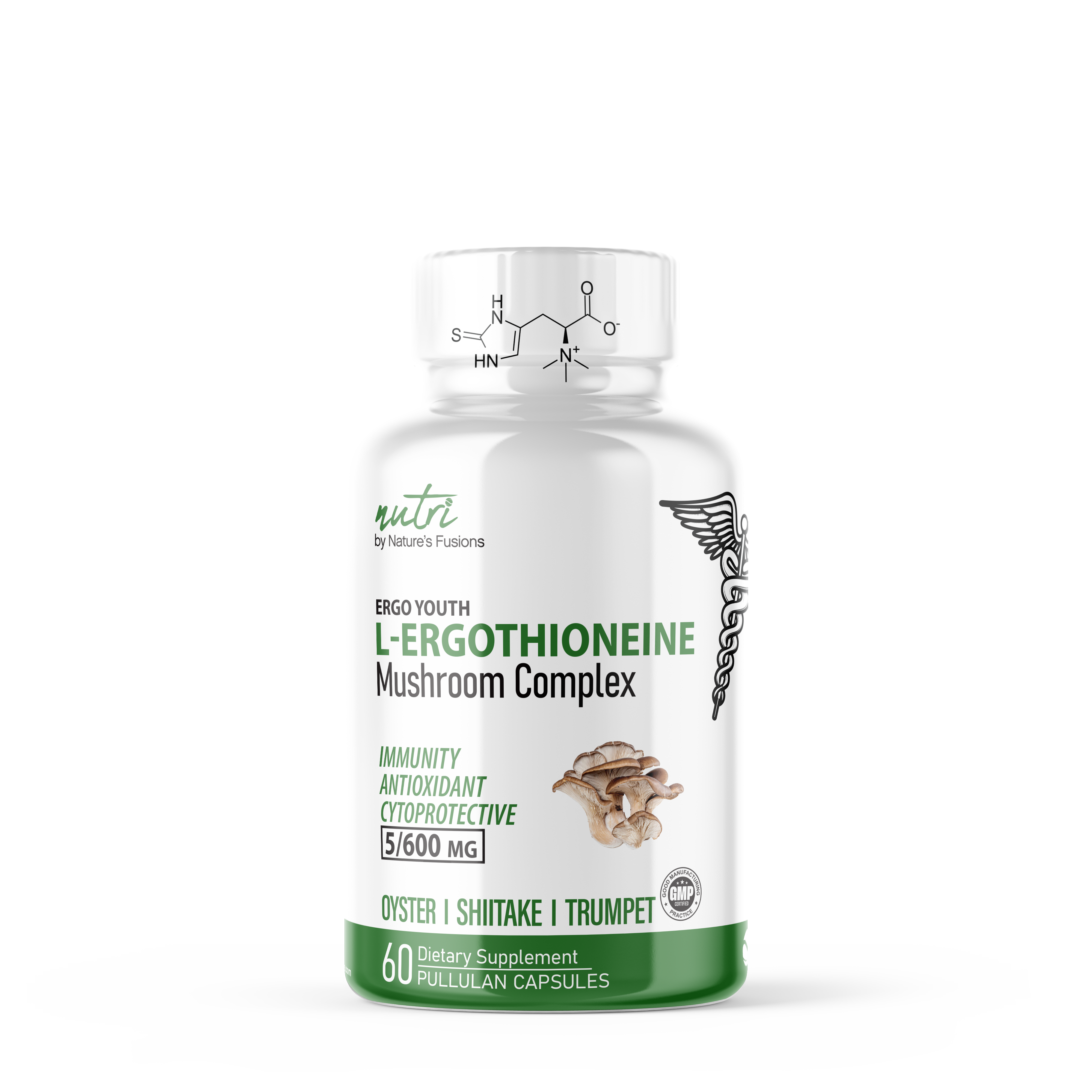 Nature's Fusions$32.99
-
 NDS Nutrition$49.99

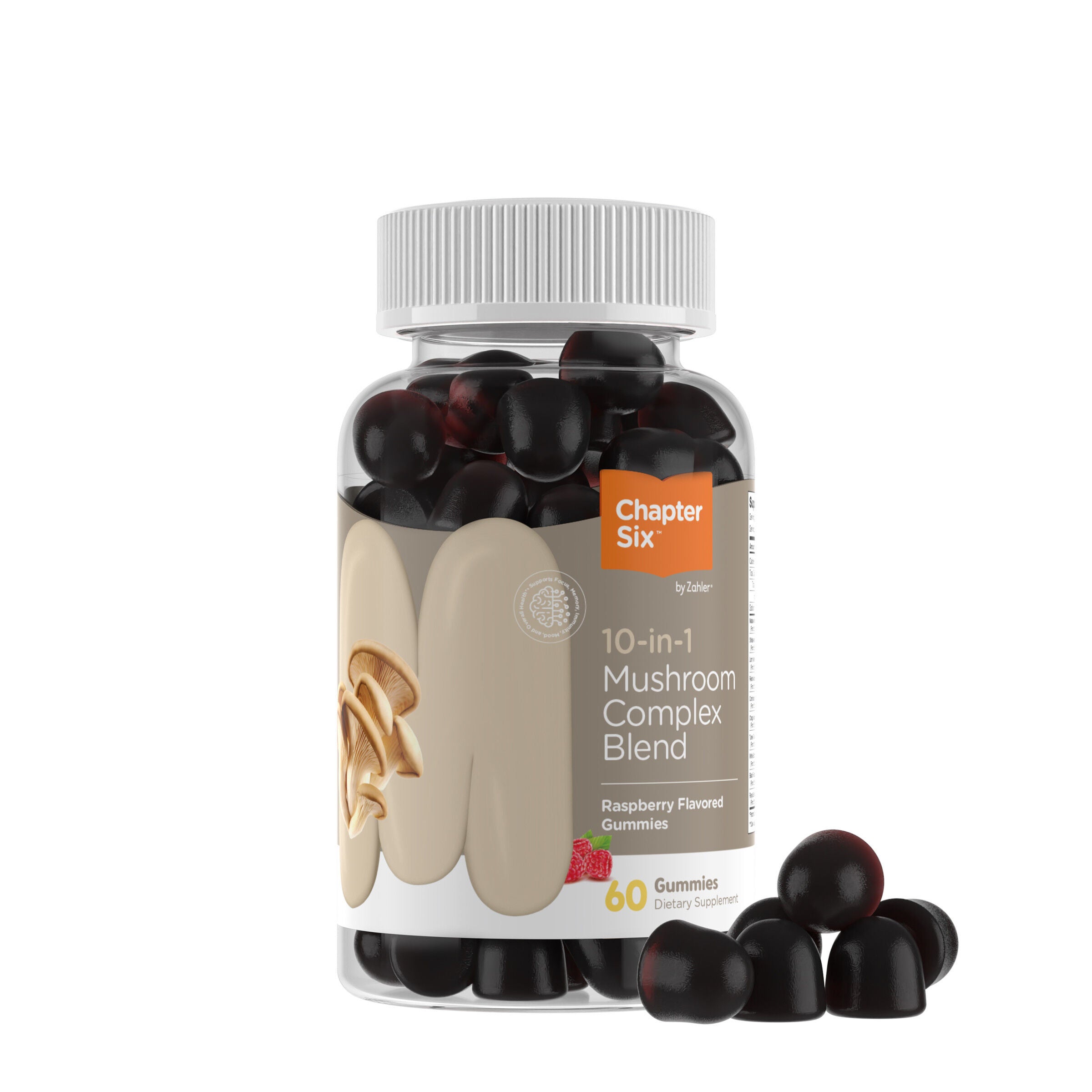
Mushroom powders are finely milled ingredients made from dried mushrooms or processed mushroom extracts, with formats intended for cooking, beverages, or dietary supplement use. The category includes single-mushroom powders and mixtures featuring several varieties, so the name on the front of a package is only part of the picture. A culinary powder made from dried shiitake or porcini is different from an extract labeled for use as a supplement, even when both have a similar appearance. Whole-mushroom powders generally consist of dried mushroom material ground into small particles, while extracts involve additional processing to obtain selected mushroom components. Some formulas combine these approaches with cocoa, spices, sweeteners, or other ingredients. Common varieties include lion’s mane, reishi, cordyceps, maitake, and shiitake, each with its own ingredient identity and flavor characteristics. Shiitake and porcini are associated with savory, earthy flavors; reishi often has a more bitter character. These differences matter when choosing between a powder for a broth and one intended for a morning beverage. Labels may also distinguish fruiting bodies, the recognizable mushroom structures, from mycelium, the branching network that forms another part of the fungus. The ingredient list helps clarify which material is present and whether the formula includes a growing substrate or additional ingredients. Depending on the species and processing method, mushroom powders may contain naturally occurring fiber, beta-glucans, B vitamins, or minerals, but amounts vary, and not every powder is a meaningful source of every nutrient. The nutrition or supplement panel is the place to look for amounts actually declared for a serving. An earthy color, a fine texture, or a prominent mushroom name does not establish a particular nutrient content. For shoppers comparing mushroom powders, the most useful background is this distinction between ingredient identity, processing method, and intended use. A powder selected for its savory character belongs in a different comparison from a measured supplement formula, and the package directions help establish that context before taste or serving preferences enter the decision.
In the kitchen, culinary mushroom powder may add savory depth without the larger pieces found in sliced or chopped mushrooms. That makes the format worth considering for smooth sauces, gravies, vegetable broths, and dishes where texture is part of the appeal. A porcini-based seasoning might suit a pan sauce alongside roasted vegetables, while a shiitake powder could fit into a broth served with noodles and greens. In a risotto, a culinary mushroom powder may contribute another earthy note alongside the rice, stock, and cheese. These uses depend on a powder being labeled as a food ingredient; supplement directions should not be treated as a recipe. Beverage-oriented mushroom powders have a different set of practical considerations. A mug of coffee, a cocoa drink, or a smoothie provides a familiar setting, but the taste and texture of the finished drink depend on the formula and preparation method. Unsweetened powders often have an earthy profile, while mixtures with cocoa or spices have additional flavors to consider. A banana-and-cocoa smoothie might be a suitable match for an earthy powder, and a cinnamon-flavored mixture could fit a warm milk beverage when its directions allow that preparation. Fine particles are not necessarily fully soluble, so some powders remain suspended rather than disappearing into a drink. Stirring, whisking, or blending may produce a more uniform texture, although some settling is possible. Package instructions are useful for identifying the intended liquid amount and mixing method. A scoop supplied with one formula is not a universal measure for another, and serving sizes differ across whole-mushroom powders, extracts, and multi-ingredient mixtures. The format may appeal to home cooks who prefer powdered pantry ingredients, shoppers who already prepare blended drinks, or people interested in a supplement format other than capsules. The practical fit comes down to the actual routine: whether preparation happens in a blender pitcher, a small mug, or a saucepan, and whether the flavor belongs with the foods and drinks already enjoyed.
Choosing among mushroom powders also involves looking beyond the mushroom names to the full formula and package design. A short ingredient list may suit someone seeking a straightforward culinary ingredient, while a mixture with several mushroom varieties presents a different composition. For a closer look at that format, Mushroom Powder Blends For Balanced Nutrition offers a related category to explore. In any mixture, the amount listed for the blend is not necessarily the amount of each individual mushroom, so individually stated quantities provide a different kind of detail from a combined blend amount. Other label considerations include added sugars, sweeteners, flavorings, and allergen information. An organic designation describes a production standard, not a particular flavor or suitability for every purpose. Likewise, an extract ratio is a processing detail rather than a stand-alone description of nutritional value. Clear labeling helps shoppers understand what they are comparing without relying on the appearance of the powder. Packaging matters during everyday use, too. A resealable pouch occupies a different amount of pantry space than a rigid container, while individual portions involve less measuring than a multi-serving package. Powders need protection from moisture, and a dry utensil, a securely closed container, and storage according to the label are straightforward parts of care. Keeping a package away from steam rising from a kettle or saucepan may help limit moisture entering during preparation. Retaining the original label keeps ingredient details, serving directions, and date information close at hand. For a gift, a culinary mushroom powder might suit a home cook who enjoys soups, sauces, and savory seasonings, provided the ingredients match the recipient’s preferences. For personal use, the same attention to flavor, format, and preparation is useful. Mushroom powders encompass distinct culinary ingredients and supplement formulas rather than one uniform product type; ingredient transparency, an appropriate intended use, and a manageable preparation routine are meaningful points of comparison across the category.
