





Mushroom Powder Blends For Balanced Nutrition
(0 Results)
Mushroom powder blends for balanced nutrition could offer a convenient way to incorporate the potential benefits of functional mushrooms into your daily routine. These versatile powders may be added to smoothies, coffee, or recipes, making it easy to enhance your wellness regimen. Whether you’re looking to support your overall vitality or simply diversify your supplement intake, mushroom powder blends for balanced nutrition might be a great addition to your pantry.
-

-
-
-

-
 NDS Nutrition$49.99
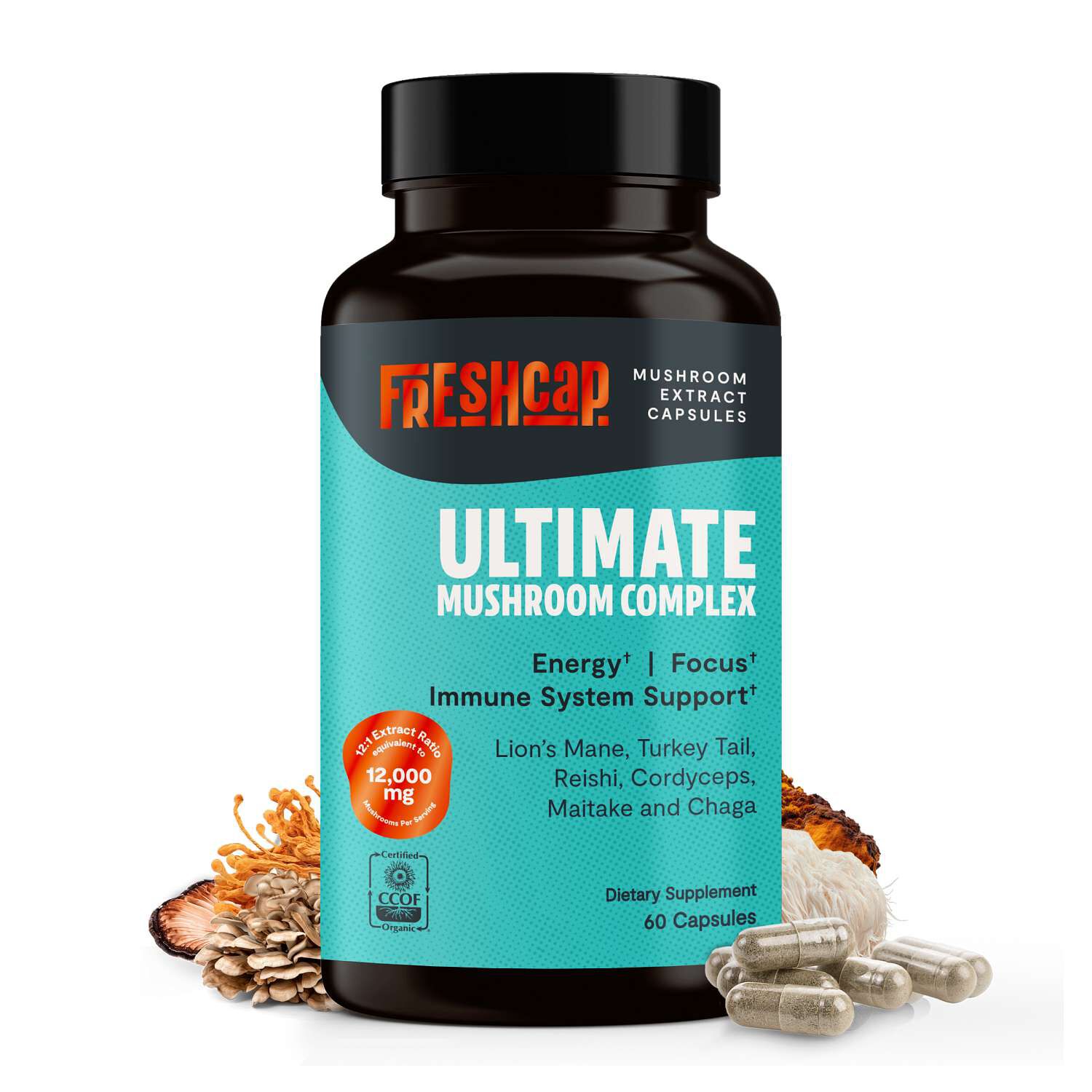
Mushroom powder blends bring several mushroom ingredients together in a powdered format, ranging from simple combinations of fungi to mixtures that also contain cocoa, coffee, spices, or protein. In the context of balanced nutrition, their place is alongside a varied eating pattern rather than in place of everyday foods. Vegetables, fruit, whole grains, protein foods, and other nutrient sources provide the broader foundation; a mushroom blend is an additional food or supplement choice, depending on its labeling. Common mushroom ingredients include lion’s mane, reishi, cordyceps, turkey tail, chaga, maitake, and shiitake. Each formula has its own combination, and the mushroom names alone do not describe the amount of each ingredient, the processing method, or the nutritional contribution per serving. Those details belong on the package. Some blends consist mainly of mushroom powder or extracts, while others include substantial amounts of other ingredients. A powder containing protein, for example, deserves a different nutritional comparison from a mushroom-only formula with a small serving size. The Nutrition Facts or Supplement Facts panel, whichever applies, provides more context than broad descriptions on the front of a container. Serving size, listed ingredient amounts, carbohydrate content, added sugars, and protein content all matter when comparing a blend with the foods and beverages already in a routine. Mushrooms contain compounds such as beta-glucans, but a blend’s composition depends on its ingredients and processing, and not every label provides a measured amount. The presence of several mushroom varieties also does not establish how one formula compares with another. For shoppers interested in mushroom powder blends for balanced nutrition, a clear ingredient list and a practical serving format are useful starting points. Someone who already prepares a breakfast smoothie might prefer a powder intended for blending, while someone who enjoys coffee might favor a formula designed for that beverage. Personal preferences for flavor, texture, and preparation are just as relevant as the number of mushroom varieties listed.
Ingredient sourcing and processing provide another way to distinguish mushroom blends. Package descriptions may identify fruiting bodies, mycelium, extracts, or combinations of those materials. Fruiting bodies are the familiar mushroom structures, while mycelium is the network of threadlike growth from which mushrooms develop. When grain or another growing substrate is part of a finished ingredient, clear labeling makes that composition easier to understand. Neither a lengthy species list nor a prominent extract ratio describes every aspect of a formula. An extract ratio is a processing detail, not a serving instruction, and it does not replace information about the finished powder. Named mushroom species, amounts per serving, and explanations of testing provide more specific comparison points. Third-party testing information is most meaningful when it identifies what was evaluated, such as ingredient identity or selected contaminants, rather than relying on an unexplained badge. Organic certification describes a production standard; it does not describe the entire nutritional profile. Flavor deserves equally close attention because mushroom powders are not all interchangeable in a mug or mixing bowl. An unflavored blend may contribute earthy, woody, or savory notes, while cocoa, cinnamon, vanilla, and sweeteners may change the overall taste. A formula intended for a savory preparation might not suit a fruit smoothie, and a sweetened beverage blend might not suit soup. Coffee-containing mixtures also warrant a check of their caffeine information, particularly when other caffeinated drinks are already part of the day. For shoppers with dietary preferences or ingredient restrictions, the full ingredient list and allergen statements matter more than assumptions based on the word “mushroom.” Milk ingredients, soy, sweeteners, flavorings, and other additions belong in that review. Texture is another practical distinction: a finely milled powder and an extract powder may behave differently in liquid, and neither should be assumed to dissolve like sugar. Package directions provide the most relevant preparation details for the particular format.
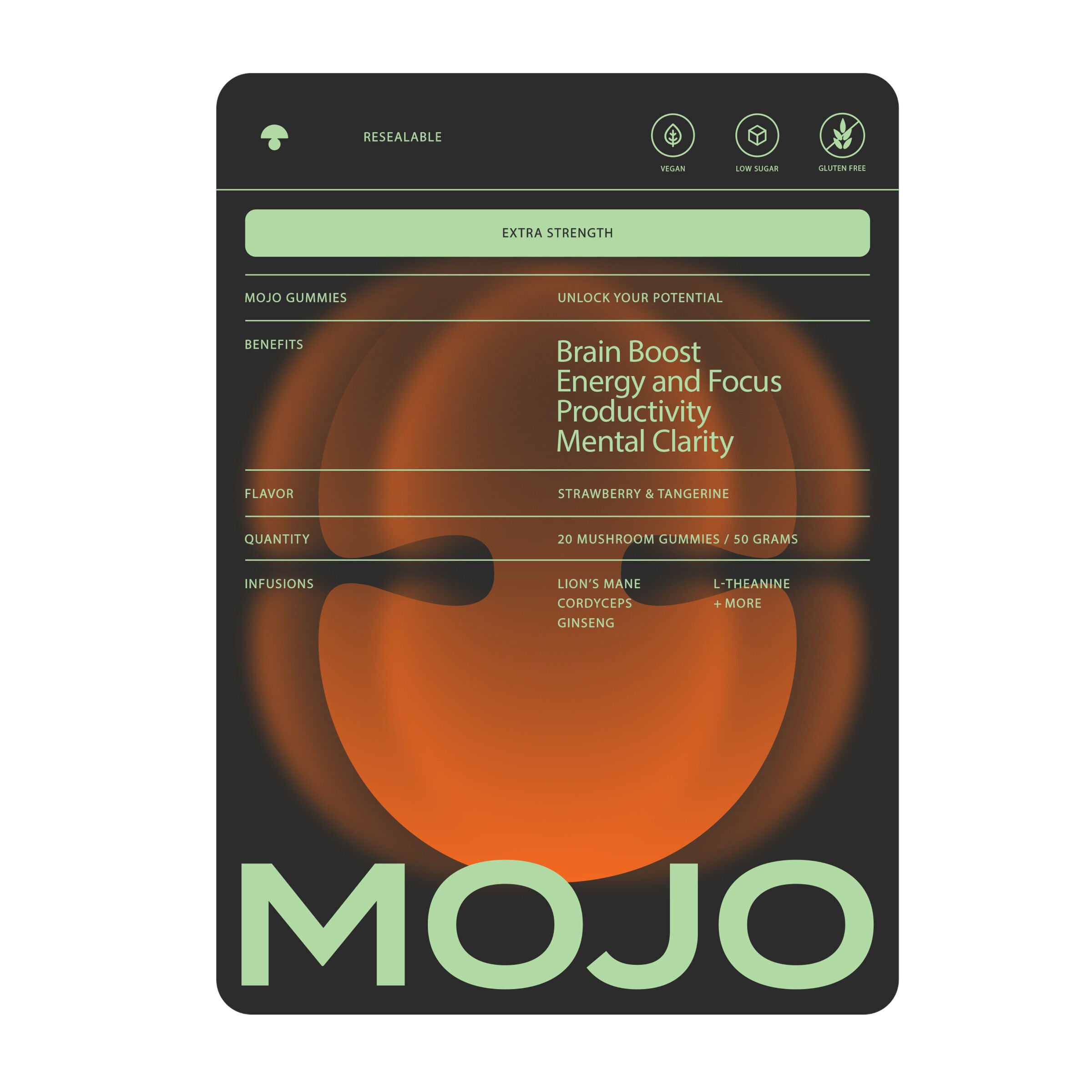
Everyday use depends on matching the powder to a preparation that feels familiar rather than creating an elaborate new ritual. A morning smoothie with fruit, oats, and a preferred protein source may accommodate a compatible mushroom blend, while a cocoa-based mixture might suit a mug prepared according to its directions. An unflavored powder intended for food use could be an option for oatmeal or a savory dish when the label supports that preparation. The serving directions remain the reference point; a kitchen spoon is not automatically equivalent to the measured serving on the container. Stirring powder into a small amount of liquid before adding the remainder may create a smoother mixture than scattering it across a full mug. A shaker or blender may suit some formats, while others are intended for stirring. Using more powder than directed is not a substitute for comparing ingredient amounts or understanding the formula. Shoppers considering Mushroom Powder Blends For Daily Routines can make that comparison around an established breakfast, beverage, or snack habit, with attention to serving instructions and the ingredients already present in the meal. Packaging and storage also deserve consideration. A resealable pouch and a lidded container involve different handling preferences, especially on a crowded kitchen shelf or in a shared pantry. Dry utensils, a securely closed package, and storage according to the label may help limit moisture exposure and clumping. Any enclosed storage packet should remain separate from the serving powder and be handled as directed. The printed date and storage instructions are more useful than assumptions about how long a powder will retain its intended quality after opening. For someone choosing a blend as a gift, familiarity with the recipient’s food preferences, caffeine habits, and comfort with powdered supplements is more helpful than selecting by packaging alone. Whether the intended setting is a breakfast counter, an office kitchenette, or a meal-preparation shelf, the strongest practical match is a clearly labeled formula with a flavor, serving format, and preparation method that suit the person using it.
Best Sellers

Related Pages
Top Collections
- Supplements For Yoga Joint Flexibility
- GLP 1 Support For Adults
- Joint Mobility Supplement Packs
- Chronic Fatigue Supplements
- Adult Mobility Supplements
- Supplements For Balance
- Supplements For Anxiety Relief Support
- Capsule Supplements For Energy And Stamina
- Zinc Supplements | Top Brands at Great Prices | GNC
- Anti Aging Supplements For Women